❌

Normal view

North Korea Says It Tested AI-Guided Torpedo System
17 October 2026 at 17:10

Click to see full-size image. (Korean Central News Agency)

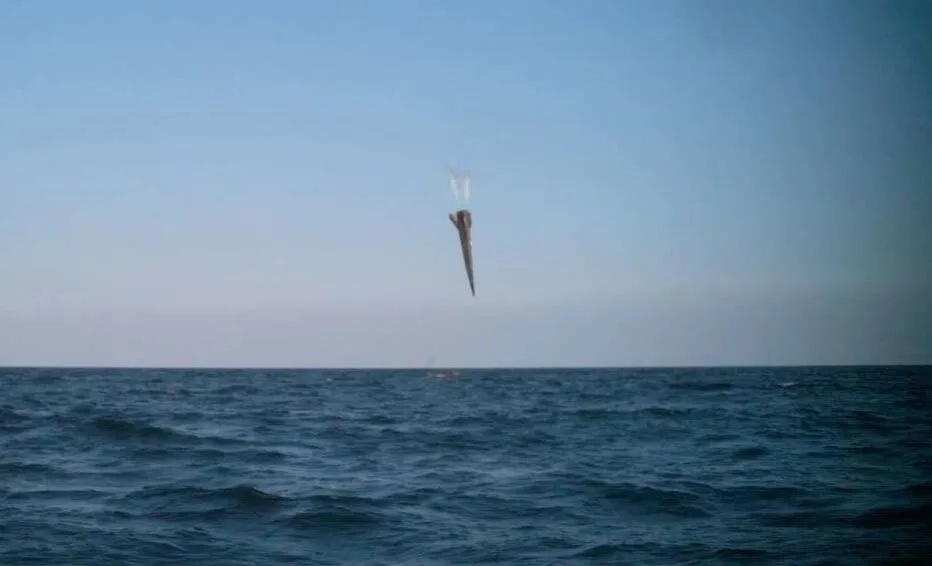
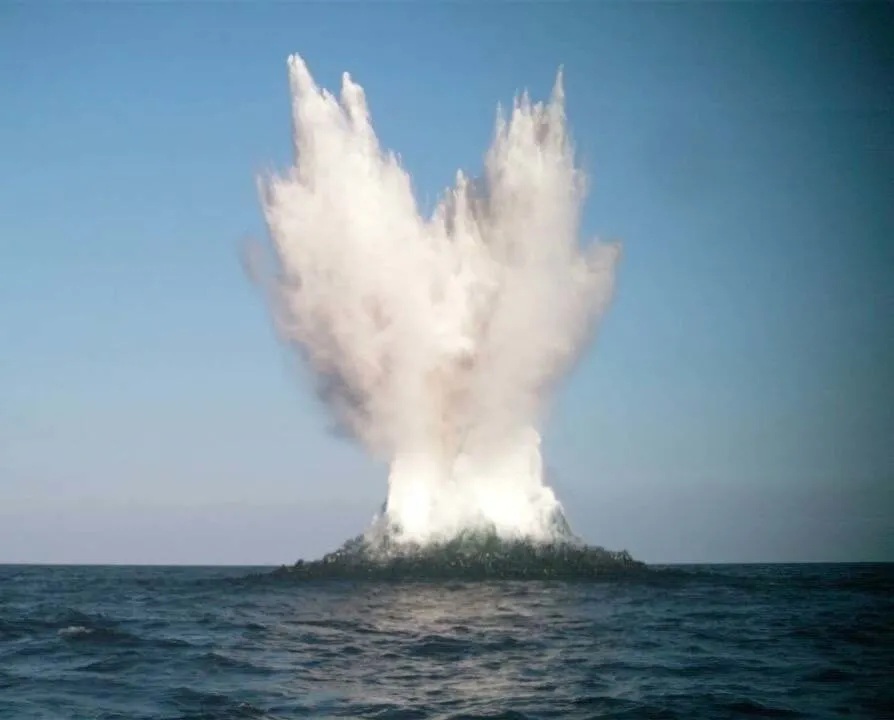
North Korea said Saturday it had tested a new precision-guided torpedo that uses artificial intelligence to detect and track targets.

The underwater test of the “super-speed” Zam-2.0 torpedo took place on October 15 to confirm technical upgrades, the Korean Central News Agency (KCNA) said.

According to the state-run news agency, AI had been incorporated into the weapon’s target detection and guidance functions.

The test demonstrated technology intended to improve the efficiency and performance of the propulsion system, KCNA said, adding that the weapon had undergone more than 180 rounds of testing over the past five years.

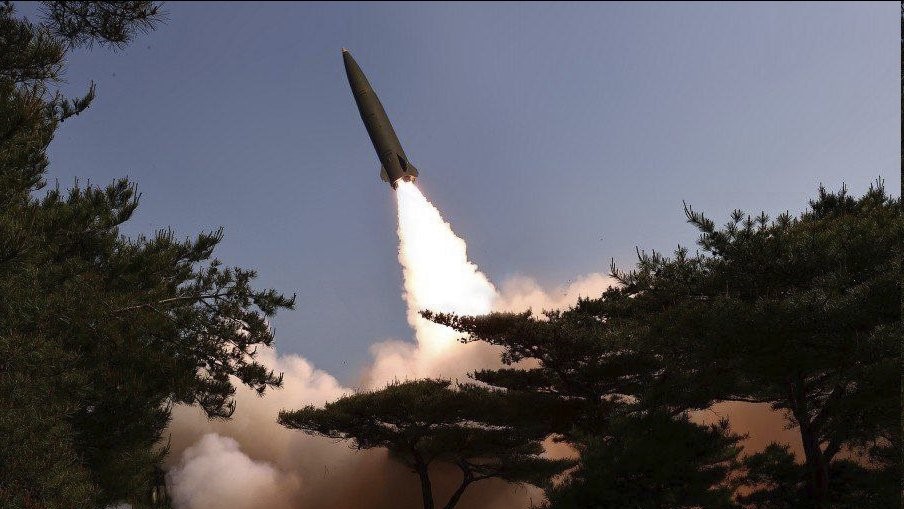
The announcement came days after Pyongyang said it had test-fired two types of cruise missiles from a submarine, following weeks of tension with Seoul over a landmine explosion along the countries’ border.

In addition, North Korea announced earlier this month an AI-assisted launch of an intermediate-range hypersonic missile, claiming the weapon could change its flight path at low altitude and could not be avoided. Hypersonic missiles travel at more than five times the speed of sound and can maneuver during flight, making them harder to track and intercept.

South Korea test-fired its own hypersonic glide vehicle days after North Korea announced its test, describing the weapon as a strategic asset capable of changing the course of a battle. Pyongyang subsequently questioned whether Seoul’s test had achieved hypersonic flight, a claim South Korea rejected.

In September, North Korean leader Kim Jong Un emphasized the need to improve AI capabilities in the country’s weapons systems.

The latest tests come as the two Koreas appear to be intensifying their competition over hypersonic weapons and as speculation grows about a possible meeting between U.S. President Donald Trump and Kim during Trump’s Asia tour next month. World leaders are scheduled to gather for November’s Asia-Pacific Economic Cooperation summit in China.

_______________________________________________________________________________________________________________________

SouthFront: Analysis and Intelligence

NOW hosted at southfront.press

Previously, SouthFront: Analysis and Intelligence was at southfront.org.

The .org domain name had been blocked by the US (NATO) (https://southfront.press/southfront-org-blocked-by-u-s-controlled-global-internet-supervisor/) globally, outlawed and without any explanation

Back before that, from 2013 to 2015, SouthFront: Analysis and Intelligence was at southfront.com

SOUTHFRONT.PRESS

MORE ON THIS TOPIC:

The post North Korea Says It Tested AI-Guided Torpedo System appeared first on South Front.
North Korea Tests Two Submarine-Launched Strategic Cruise Missiles (Photos)

15 October 2026 at 17:54

Click to see full-size image. (Korean Central News Agency)

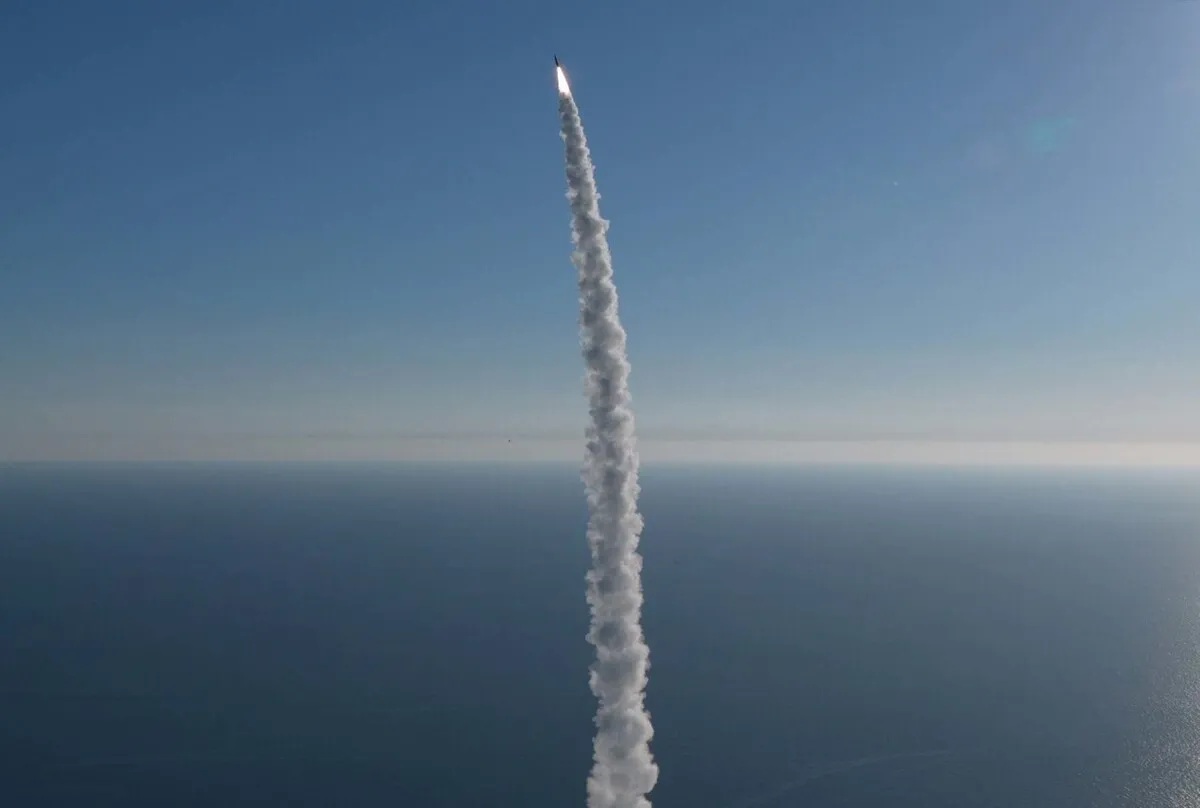
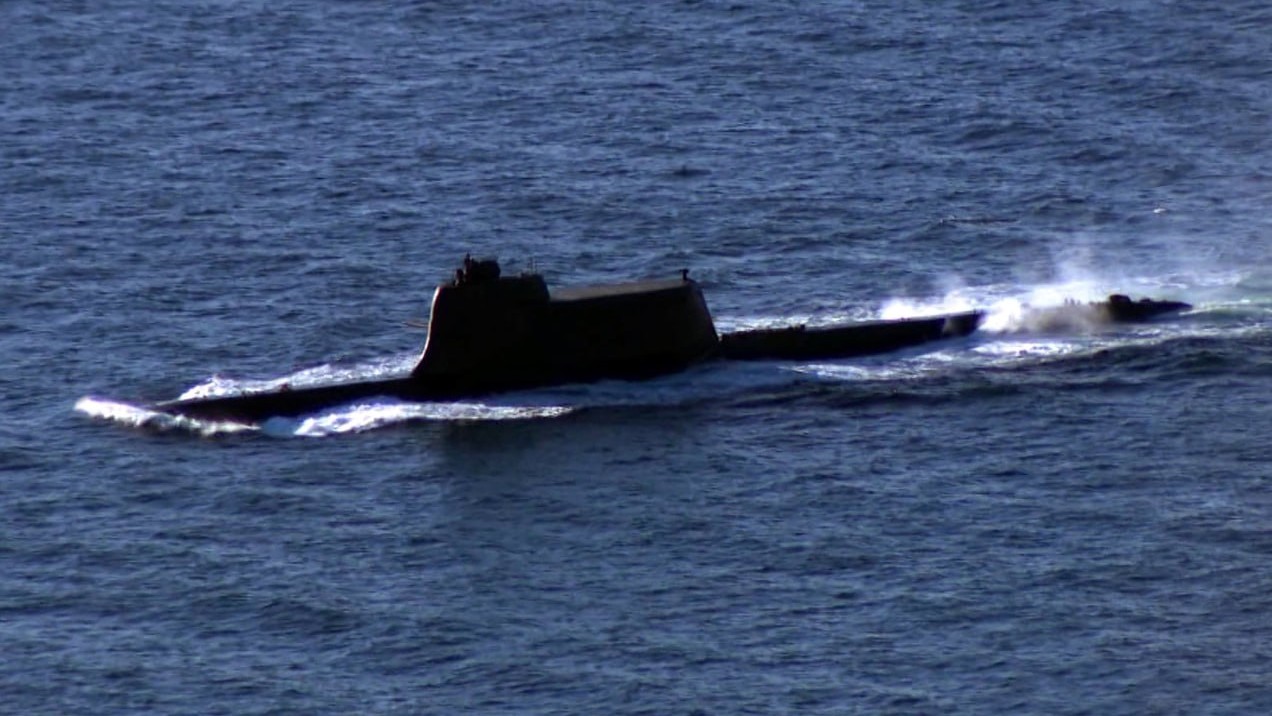
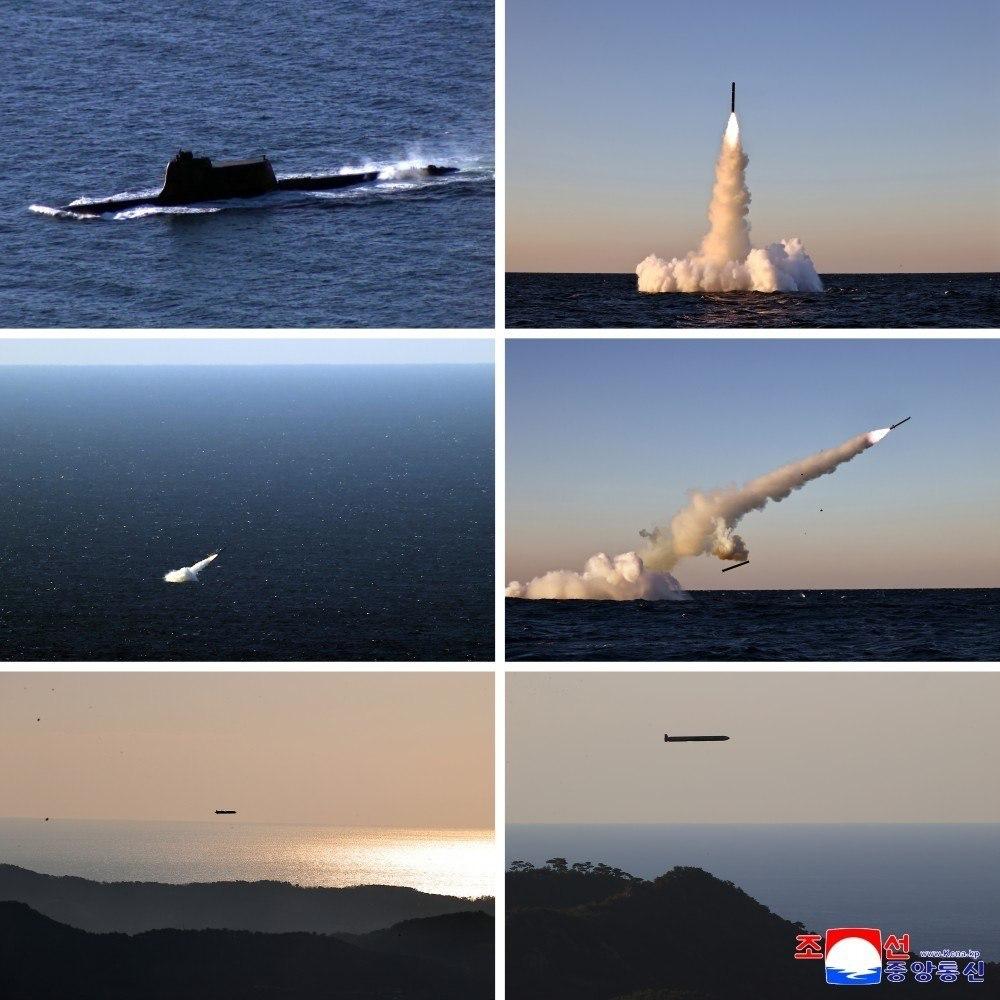
North Korea said on October 15 it had test-fired two types of submarine-launched strategic cruise missiles off its east coast a day earlier, in a trial aimed at assessing its underwater weapons systems and the reliability of its military deterrent.

The Korean Central News Agency, or KCNA, reported that the tests were designed to examine the readiness of the country’s underwater combat systems and improve the navy’s ability to carry out strategic missions. It said the test “did not have any adverse impact on the security of neighboring countries.”

KCNA did not identify the missiles or disclose their ranges, flight times or intended targets. The designation “strategic” suggests a role in North Korea’s nuclear deterrent, although Pyongyang did not say whether the tests involved nuclear warheads.

Click to see full-size image. (Korean Central News Agency)

South Korea’s military said it had monitored the launches using multiple surveillance assets, tracking the missiles from before launch through the end of their flights.

Capt. Jang Do-young, a spokesperson for South Korea’s Joint Chiefs of Staff, said the military assessed that one missile had been fired from a vertical launch system and the other from a torpedo tube, according to Yonhap News Agency.

South Korean analysts and international news reports identified the vessel shown in the images as the Hero Kim Kun Ok, a roughly 3,000-ton submarine unveiled by North Korea in September 2023. Pyongyang presented it as its first tactical nuclear attack submarine, claiming it could launch nuclear weapons from underwater.

If the identification is correct, the October 14 launches would be the submarine’s first publicly reported live weapons tests.

North Korea previously announced submarine-launched cruise missile tests in January 2024, when it said two Pulhwasal-3-31 missiles had been fired from the smaller, approximately 2,000-ton 8.24 Yongung submarine. That vessel has been used in earlier underwater weapons demonstrations.

The latest test was overseen by Kim Jong-sik, a member of the ruling Workers’ Party’s Central Military Commission, Missile Administration chief Jang Chang-ha and naval underwater weapons engineers, KCNA reported. North Korean leader Kim Jong Un was not reported to have attended.

Shin Jong-woo, secretary-general of South Korea’s Korea Defence and Security Forum, said the latest launches showed that “combat system tests for operational deployment are under way,” according to Reuters.

The commander added that North Korea was likely to test a submarine-launched ballistic missile from the vessel before long.

The tests followed North Korea’s launch of tactical ballistic missiles toward the East Sea on October 12 and a series of other weapons demonstrations in recent weeks. Pyongyang has also highlighted its expanding arsenal at a newly opened defense museum, including missiles designed to extend its potential reach against the United States.

The submarine tests fit into Kim’s broader effort to expand the country’s naval capabilities and diversify the platforms from which it could use nuclear weapons.

_______________________________________________________________________________________________________________________

SouthFront: Analysis and Intelligence

NOW hosted at southfront.press

Previously, SouthFront: Analysis and Intelligence was at southfront.org.

The .org domain name had been blocked by the US (NATO) (https://southfront.press/southfront-org-blocked-by-u-s-controlled-global-internet-supervisor/) globally, outlawed and without any explanation

Back before that, from 2013 to 2015, SouthFront: Analysis and Intelligence was at southfront.com

SOUTHFRONT.PRESS

MORE ON THIS TOPIC:


The post North Korea Tests Two Submarine-Launched Strategic Cruise Missiles (Photos) appeared first on South Front.

Hwasong-20 ICBM Takes Center Stage at North Korea’s Defense Show (Photos)

13 October 2026 at 09:12

Click to see full-size image. (Korean Central News Agency)

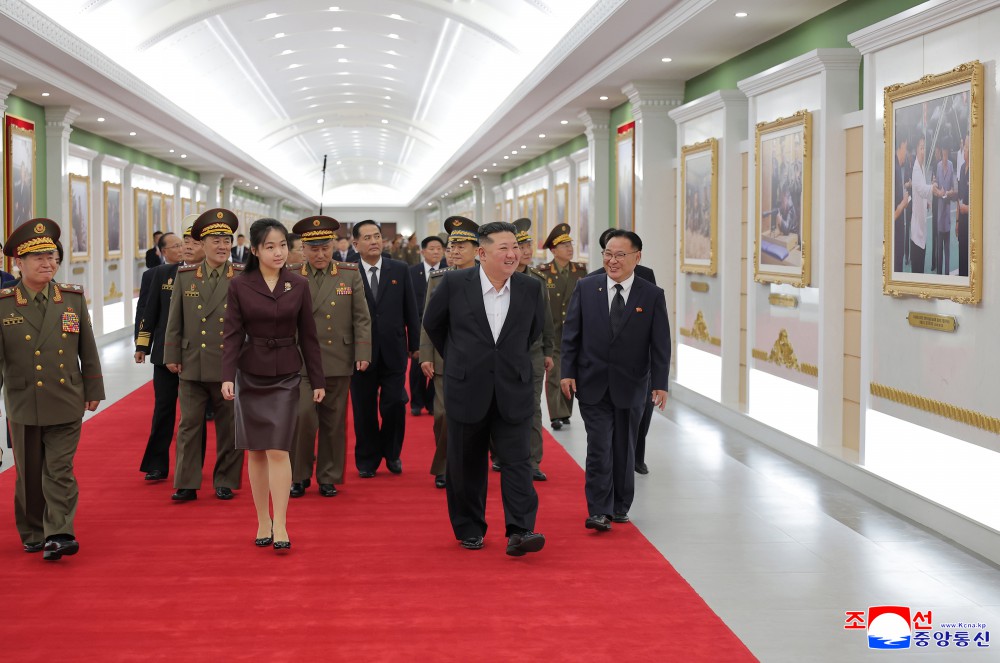
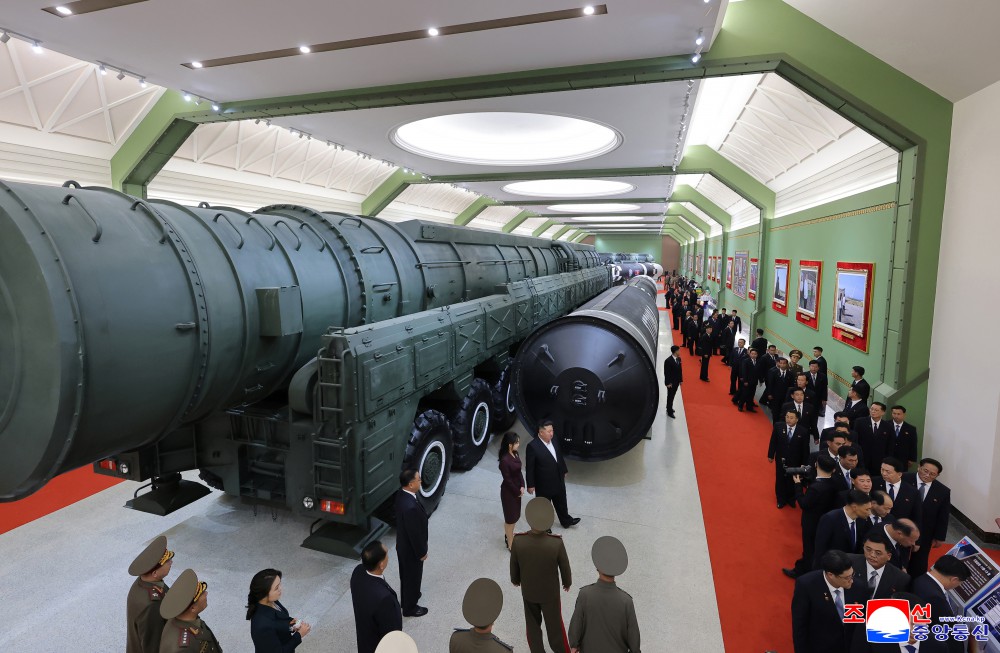
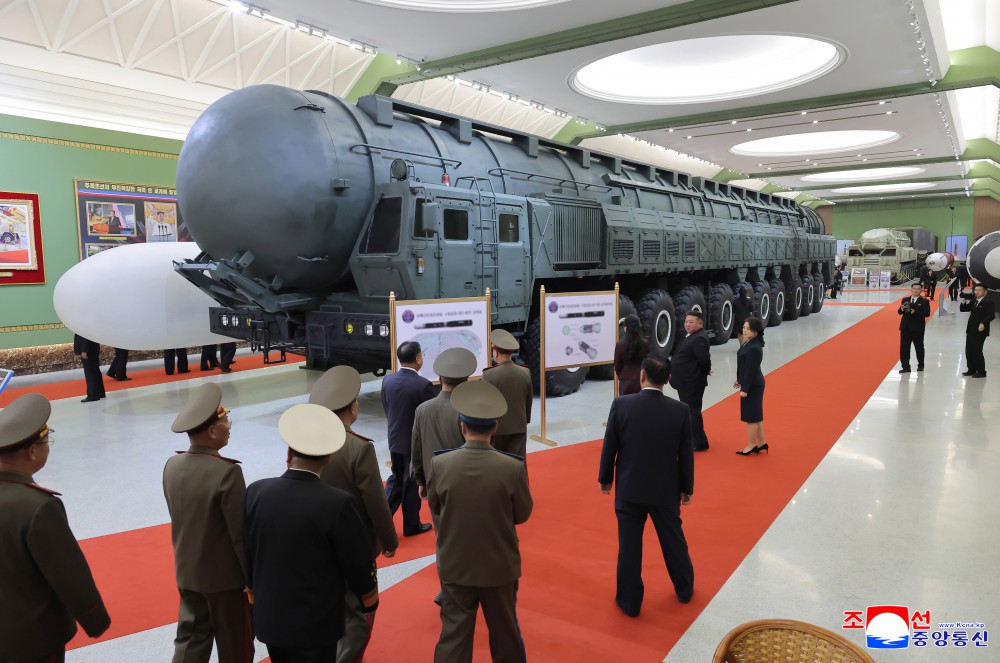
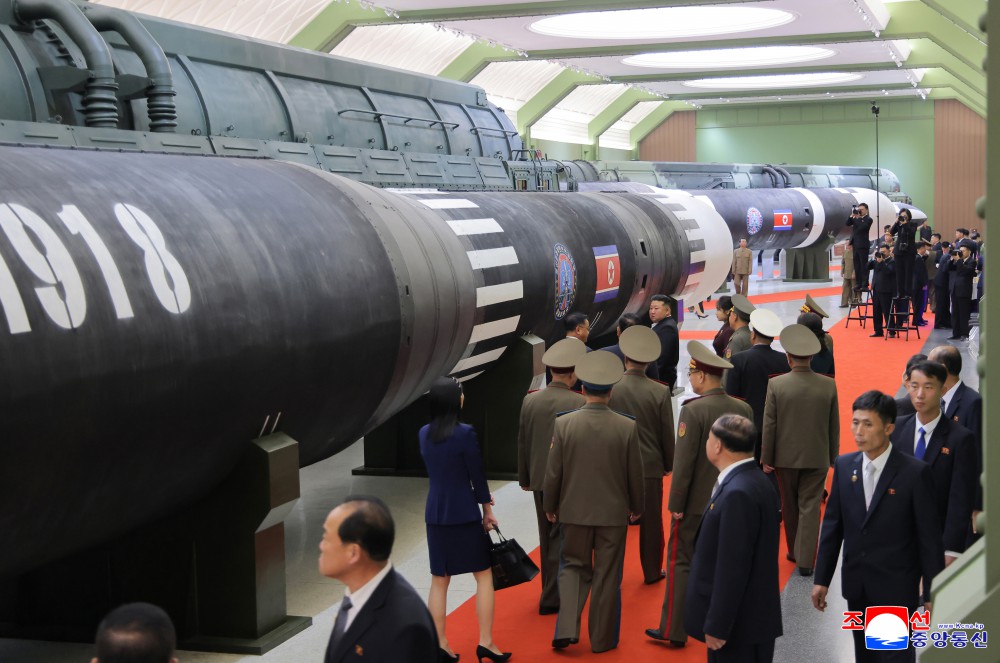
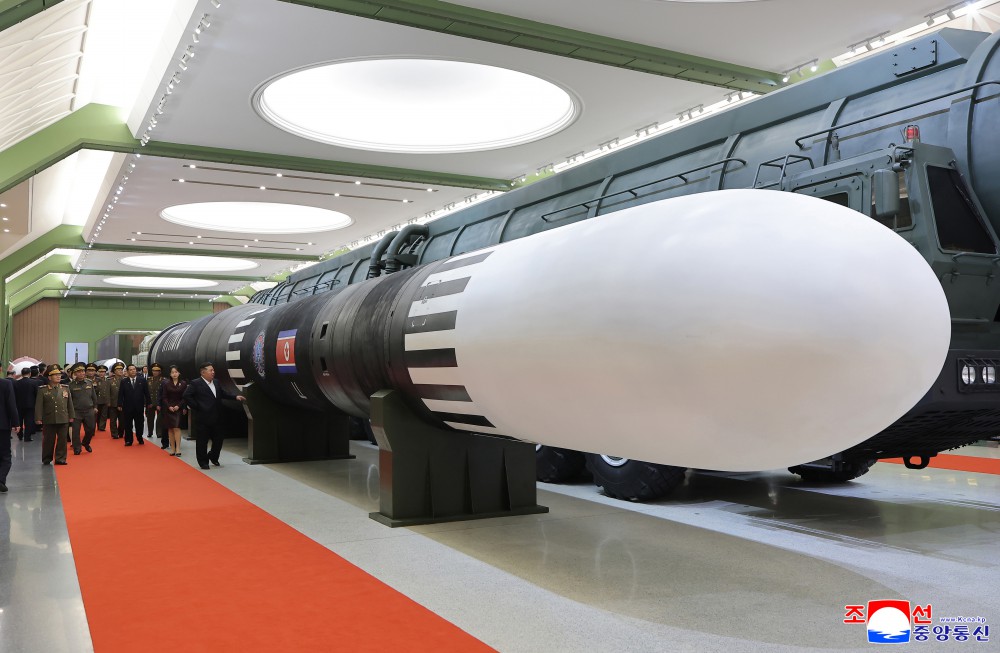
North Korean leader Kim Jong Un visited a newly opened defense museum showcasing advanced missiles and other weapons, state media reported on October 13, as United States President Donald Trump raised the possibility of meeting Kim during a visit to Asia next month.

Photographs released by North Korea’s state-run Korean Central News Agency showed Kim and his daughter, Ju Ae, attending the opening of the Defense Revolution Museum.

Notably, the displays included the massive Hwasong-20 intercontinental ballistic missile, which has not reportedly been tested yet.

Click to see full-size image. (Korean Central News Agency)

Click to see full-size image. (Korean Central News Agency)

Click to see full-size image. (Korean Central News Agency)

Click to see full-size image. (Korean Central News Agency)

The exhibits also included a new submarine-launched ballistic missile, the Hwasong-16 hypersonic missile, 600-millimeter and 240-millimeter multiple rocket launchers, 155-millimeter howitzers and the Badasuri anti-ship missile.

Other reported displays included Hwasal cruise missiles, reconnaissance and attack drones, an upgraded Chonma-20 tank and anti-tank guided missiles. Some of the more specific weapon designations remain tentative, as North Korea did not publish a complete inventory of the museum’s exhibits.

The visit came a day after North Korea launched two ballistic missiles from its eastern coast. Both were believed to have fallen outside Japan’s exclusive economic zone, according to Japan’s Defense Ministry.

Trump told reporters in Washington on the same day that he might hold talks with Kim during a trip to Asia next month. The U.S. president is scheduled to attend the Asia-Pacific Economic Cooperation summit in Shenzhen, China, on November 18 and 19.

“I may,” Trump said when asked about a possible meeting. “That’ll be exciting, won’t it? But I get along with him.”

Pyongyang had not publicly responded to Trump’s remarks as of October 13. The museum visit could serve to emphasize North Korea’s military advances ahead of any potential meeting.

Kim described the museum as demonstrating “how the dignity and security of the DPRK and the happiness of its people are defended and how peace of this land is achieved,” KCNA reported.

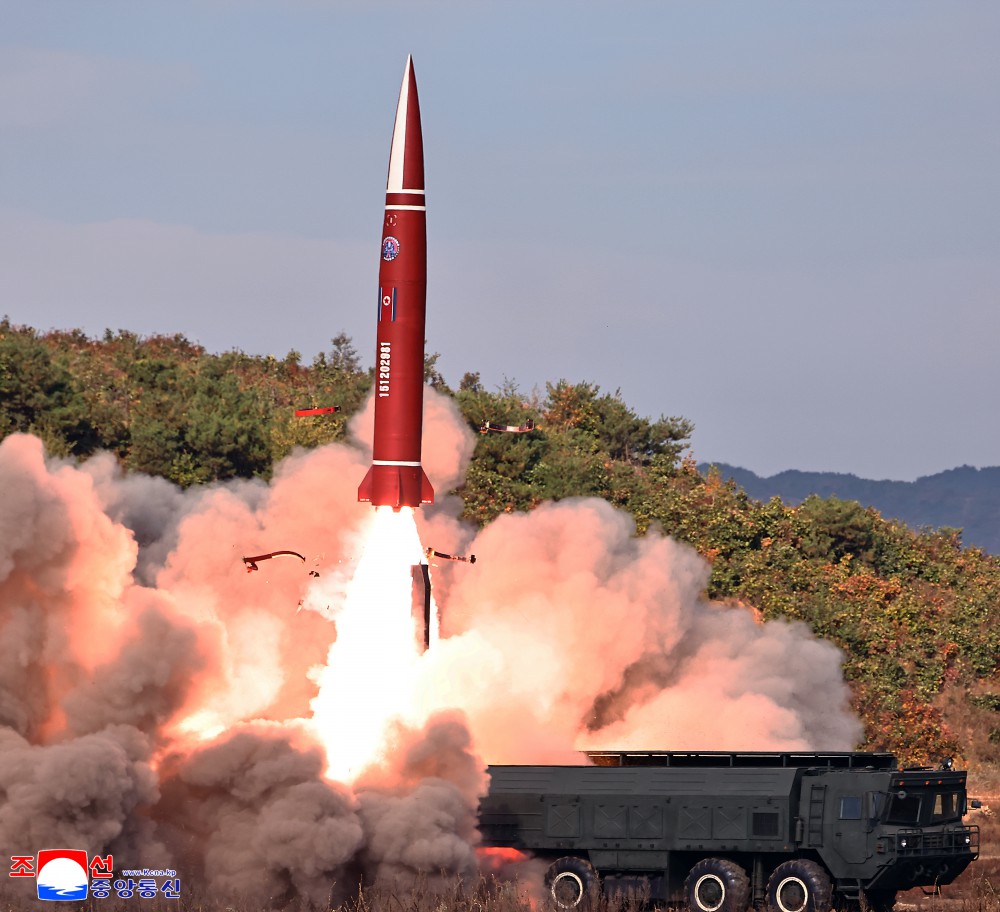
KCNA also reported that North Korea had test-fired a tactical ballistic missile on October 12 to validate an upgraded core component of its weapons systems. Observers said the missile may have been a Hwasong-11A, also known as a KN-23, which can follow a quasi-ballistic trajectory and is believed capable of carrying a tactical nuclear warhead.

Click to see full-size image. (Korean Central News Agency)

Japan’s Defense Ministry said the first missile traveled about 220 kilometers, reaching a maximum altitude of 20 kilometers, while the second flew more than 910 kilometers at a maximum altitude of 70 kilometers. Japanese Defense Minister Shinjiro Koizumi said Japan, the United States and South Korea were working together to analyze the second launch, including the possibility that it followed an irregular trajectory.

Koizumi condemned the test, saying North Korea’s frequent missile launches highlighted an increasingly serious security environment around Japan. He said North Korea had launched at least 18 ballistic missiles in 11 launches so far this year, with the number of launches already more than doubling and the number of missiles roughly tripling compared with the same period last year.

North Korea has been developing missiles designed to maneuver during flight, complicating efforts to track and intercept them. The country has also pursued intercontinental ballistic missiles capable of carrying multiple independently targetable nuclear warheads, adding to concerns over the range and sophistication of its weapons program.

_______________________________________________________________________________________________________________________

SouthFront: Analysis and Intelligence

NOW hosted at southfront.press

Previously, SouthFront: Analysis and Intelligence was at southfront.org.

The .org domain name had been blocked by the US (NATO) (https://southfront.press/southfront-org-blocked-by-u-s-controlled-global-internet-supervisor/) globally, outlawed and without any explanation

Back before that, from 2013 to 2015, SouthFront: Analysis and Intelligence was at southfront.com

SOUTHFRONT.PRESS

MORE ON THIS TOPIC:

The post Hwasong-20 ICBM Takes Center Stage at North Korea’s Defense Show (Photos) appeared first on South Front.
South Korea challenges The North With Hypersonic Glide Vehicle Test (Photos)

9 October 2026 at 15:54

Click to see full-size image. (Office of the President of the Republic of Korea)

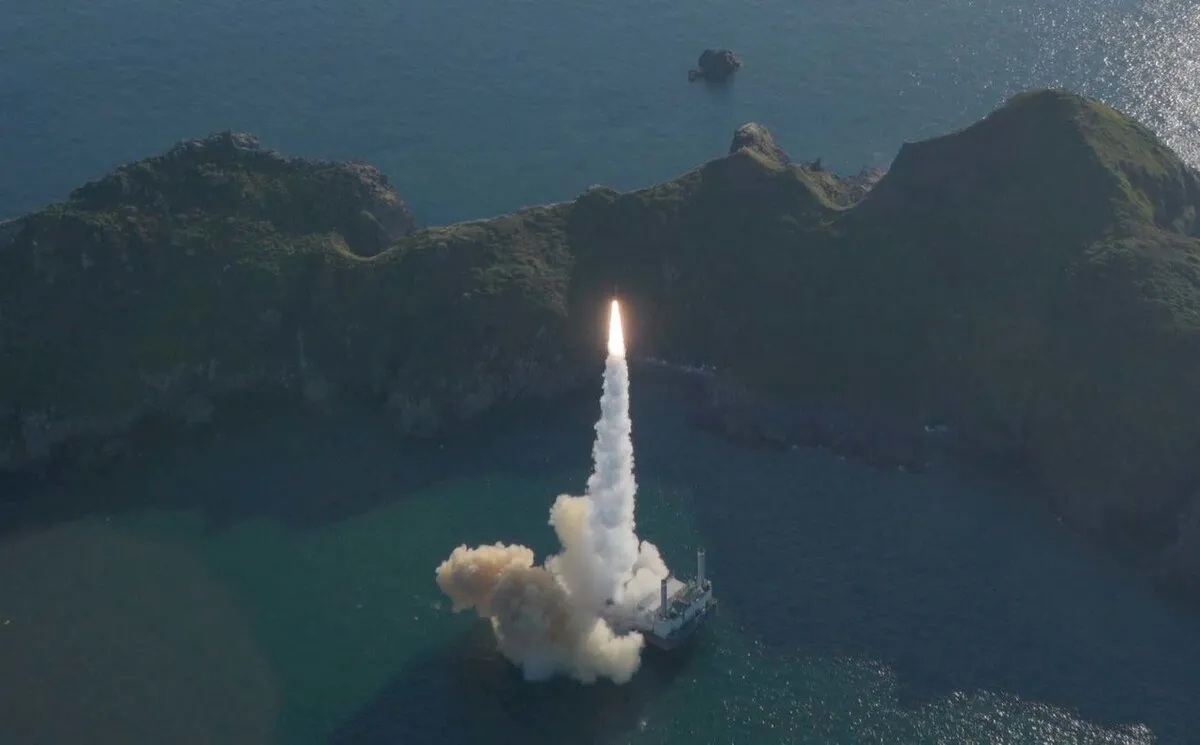
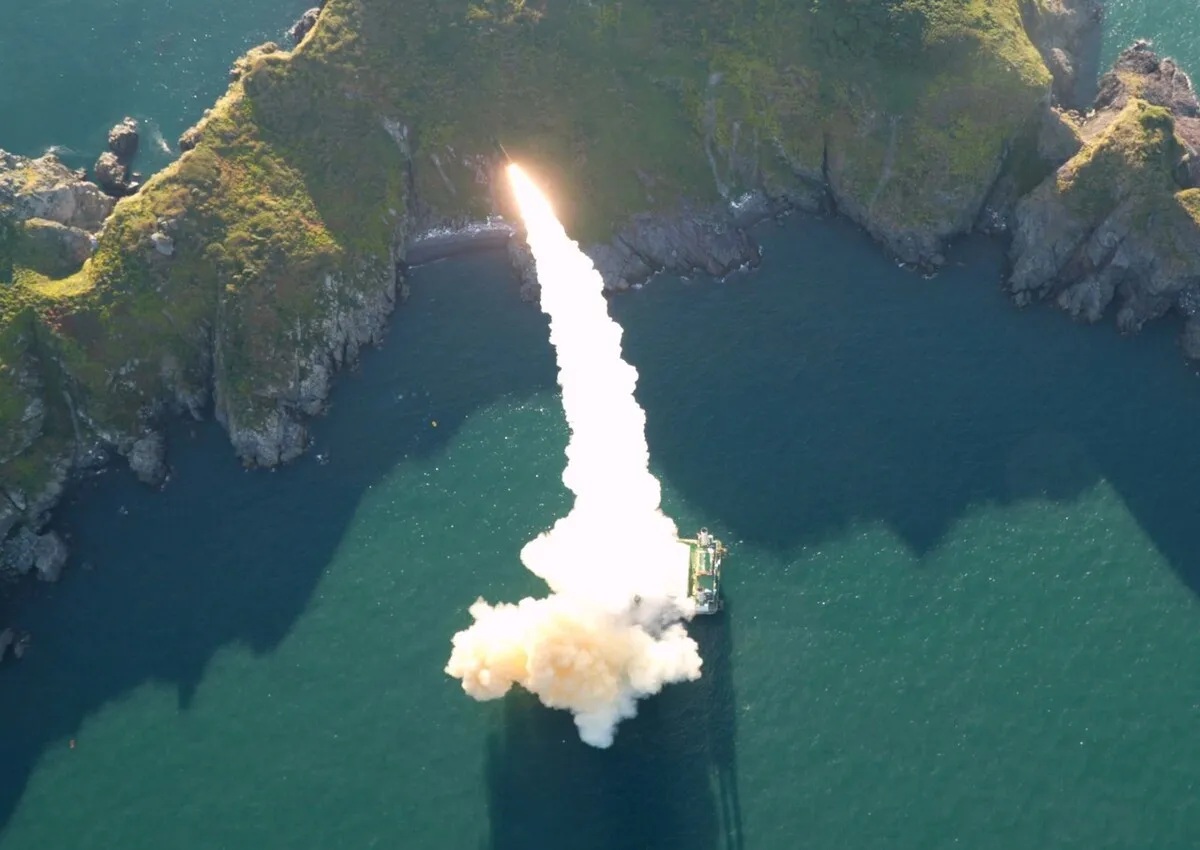
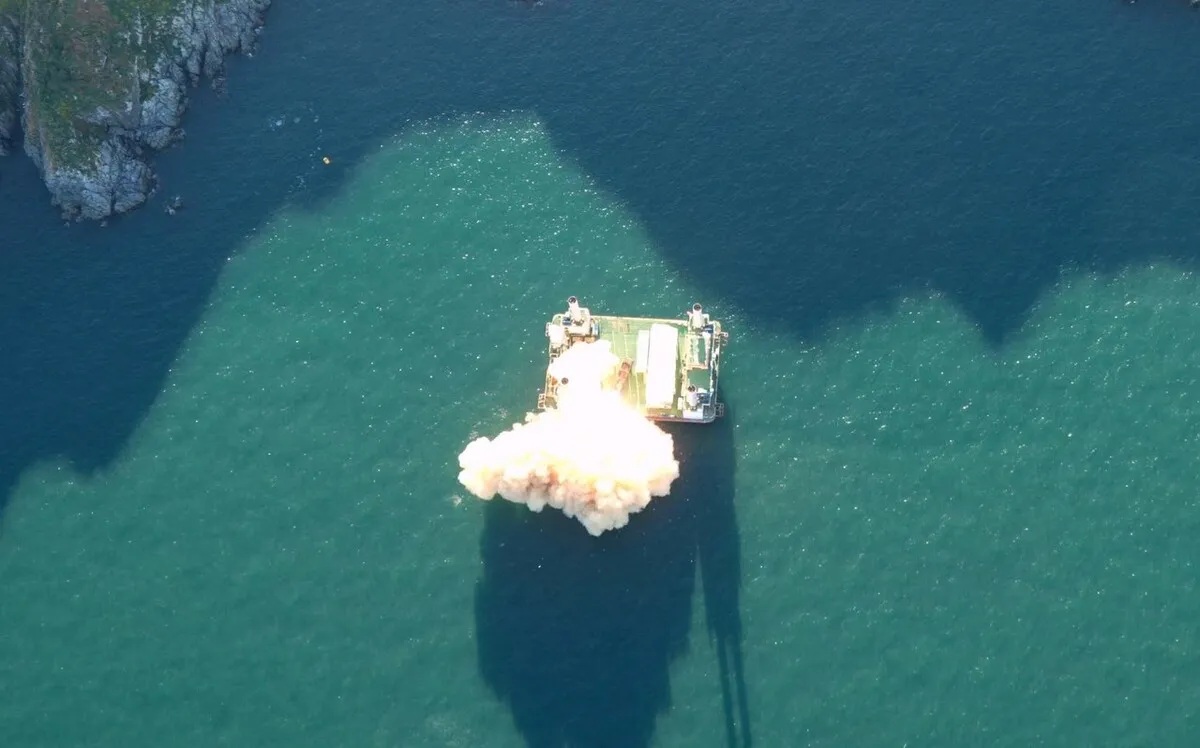
South Korea conducted the first test launch of its domestically developed hypersonic glide vehicle on October 8, with President Lee Jae Myung observing the event at the Agency for Defense Development’s Anheung Comprehensive Test Site in South Chungcheong Province.

The presidential office later released photographs of the launch and the missile striking its target, providing a visual record of the test.

According to a written briefing by presidential chief spokesperson Kang Yu-jung, the vehicle reached its planned altitude using a booster before separating and descending to a lower altitude. It then performed irregular maneuvers, changing direction vertically and horizontally before accurately striking its designated target.

The test was intended to evaluate heat-resistant materials designed for extreme temperatures, guidance and control systems, and the ability to maneuver at low altitudes under hypersonic flight conditions.

Click to see full-size image. (Office of the President of the Republic of Korea)

Click to see full-size image. (Office of the President of the Republic of Korea)

Click to see full-size image. (Office of the President of the Republic of Korea)

Click to see full-size image. (Office of the President of the Republic of Korea)

Click to see full-size image. (Office of the President of the Republic of Korea)

The government did not disclose the missile’s speed, flight range, altitude or flight duration. The weapon remains under development, with no public timetable announced for operational deployment.

Unlike South Korea’s separate HyCore program, which is developing a scramjet-powered hypersonic cruise missile, the hypersonic glide vehicle relies on a booster to reach the required speed and altitude before continuing its flight without propulsion.

Click to see full-size image. (Office of the President of the Republic of Korea)

Click to see full-size image. (Office of the President of the Republic of Korea)

Lee called for the system’s development and deployment to be accelerated, pledging government support for advanced weapons programs.

After the test, Lee wrote on X that the missile embodied South Korea’s determination to defend itself using its own technology and capabilities.

“Self-reliant defense is not just a slogan — it must be proven through technology and capability,” the president wrote.

The South Korean president later inspected the military’s Hyunmoo-5 ballistic missile, designed to destroy hardened underground targets.

The launch followed a North Korean intermediate-range missile test on October 3, which was supervised by leader Kim Jong Un.

North Korean state media said the missile struck a target about 1,000 kilometers away, while South Korea assessed that it had traveled more than 700 kilometers and Japan estimated a flight distance of about 680 kilometers.

Pyongyang described its launch as part of its hypersonic weapons program, placing the two Koreas’ competing development efforts in sharper focus.

Tensions had already risen after a land mine explosion inside the Demilitarized Zone on September 21 injured three South Korean soldiers. South Korea’s military and the United Nations Command attributed the incident to mines planted by North Korean troops, an allegation Pyongyang denied.

Against that backdrop, Lee’s public appearance at the latest test underscored his administration’s emphasis on strengthening South Korea’s domestically developed weapons capabilities.

_______________________________________________________________________________________________________________________

SouthFront: Analysis and Intelligence

NOW hosted at southfront.press

Previously, SouthFront: Analysis and Intelligence was at southfront.org.

The .org domain name had been blocked by the US (NATO) (https://southfront.press/southfront-org-blocked-by-u-s-controlled-global-internet-supervisor/) globally, outlawed and without any explanation

Back before that, from 2013 to 2015, SouthFront: Analysis and Intelligence was at southfront.com

SOUTHFRONT.PRESS

MORE ON THIS TOPIC:

The post South Korea challenges The North With Hypersonic Glide Vehicle Test (Photos) appeared first on South Front.
North Korea Says It Tested AI-Aided Intermediate Missile

3 October 2026 at 19:27

Illustrative image.

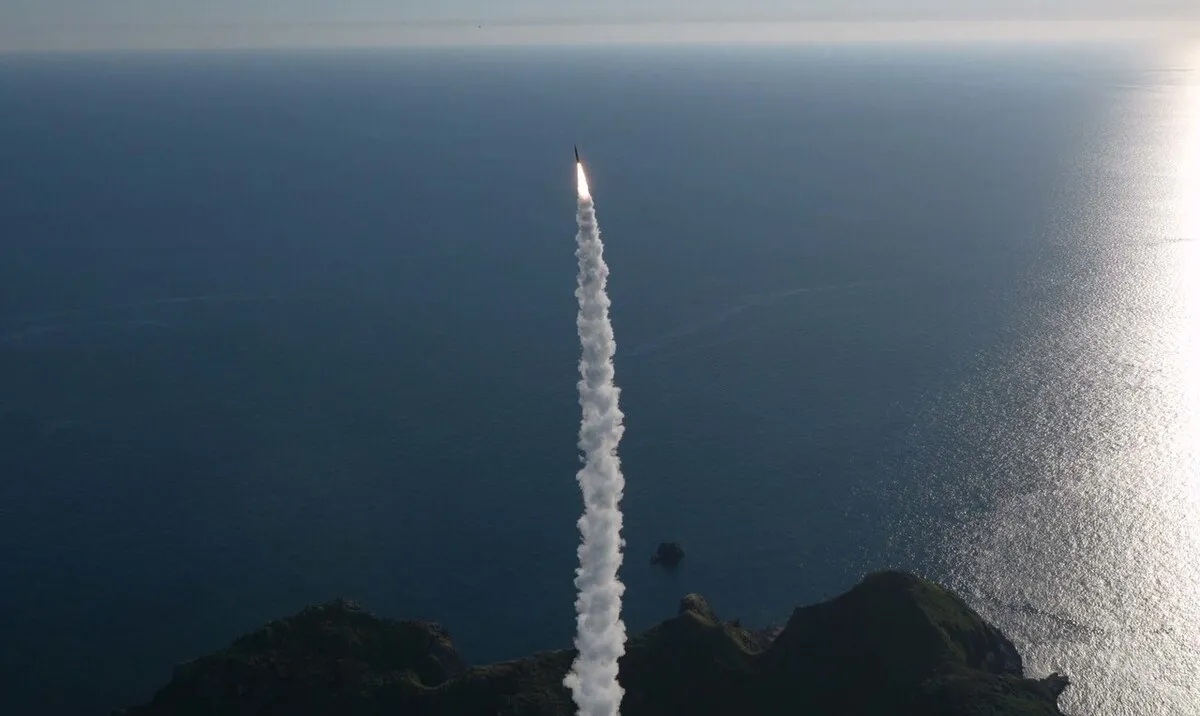
North Korea launched an intermediate-range strategic missile from its east coast on October 3, claiming it had been equipped with artificial intelligence technology that allows it to change course while flying at low altitude, state-run Korean Central News Agency reported.

Kim Yo Jong, the sister of North Korean leader Kim Jong Un, said her brother personally supervised the firing drill. She noted that South Korea and Japan tracked the missile and reported flight distances of more than 700 kilometers and 680 kilometers, respectively, calling the figures “interesting numbers.”

“We have already witnessed similar announcements four times and, finally, we came to the conclusion that the superiority of the special flight mode applied to the missiles in our possession has been verified in practice,” Kim said.

She claimed the “enemy” failed to track the targets from their initial skip points when the missile used a wave-like flight trajectory. She also said extending the trajectory during the downward stage produced distances similar to those reported by South Korea and Japan.

“They should acknowledge the speed of the missile,” Kim said, adding that “they would be well advised” to remember previous announcements that the missile is capable of “changing its flight orbit at a low altitude and AI was introduced into it.”

“There is no way to avoid this attack,” she stressed.

Kim added that representatives of the Missile Administration had reported that the newly introduced technology could allow the missile to use at least four different flight-orbit modes depending on its purpose and target.

Kim Jong Un said no other country in the world “could have access to such technology for at least several years,” according to the North Korean statement.

The launch came 13 days after North Korea fired two short-range ballistic missiles from the Wonsan region on September 20. The two missiles were launched within hours of each other toward the East Sea, according to Anadolu Agency’s report.

“We are aware of the missile launch and are consulting closely with our allies and partners,” the U.S. military’s Pacific Command wrote on X.

“Based on current assessments, this event does not pose an immediate threat to U.S. personnel or territory, or to our allies,” the command added, while pledging to defend the United States and its allies in the region.

The October 3 launch follows a cluster of North Korean missile tests in September, including multiple short-range ballistic missile launches on September 12 and two more on September 20.

_______________________________________________________________________________________________________________________

SouthFront: Analysis and Intelligence

NOW hosted at southfront.press

Previously, SouthFront: Analysis and Intelligence was at southfront.org.

The .org domain name had been blocked by the US (NATO) (https://southfront.press/southfront-org-blocked-by-u-s-controlled-global-internet-supervisor/) globally, outlawed and without any explanation

Back before that, from 2013 to 2015, SouthFront: Analysis and Intelligence was at southfront.com

SOUTHFRONT.PRESS

MORE ON THIS TOPIC:


The post North Korea Says It Tested AI-Aided Intermediate Missile appeared first on South Front.
❌