Longreads has published hundreds of original stories—personal essays, reported features, reading lists, and more—and more than 14,000 editor’s picks. And they’re all funded by readers like you. Become a member today.
Earl Swift was a reporter for The Virginia Pilot and has contributed to Outside. He’s been nominated for a Pulitzer eight times. Among other books, he wrote Chesapeake Requiem, a New York Times bestseller that chronicles a year in the life of Tangier Island, located 12 miles out in the middle of Virginia’s Chesapeake Bay. There, a dozen miles from shore, residents live a life with “one foot in the twenty-first century and another in times long passed,” he writes.
This conversation has been edited for pacing and flow.
—Krista Stevens
Brendan: Much has been written about the Appalachian Trail, and you’ve brought a different kind of sensibility to it. How do you make your book fresh and immediate and yet able to sit alongside all the other titles about the trail?
Earl: I’m lucky, in the sense that probably the two best books about trail hikes were written by people who didn’t finish them. Bill Bryson was one and Cheryl Strayed was the other. Most trail accounts are self-published and unedited, written by folks with relatively little writing experience. Not to sound highfalutin, but it shows. I also knew I had a story to tell with Molly and Jeff and what had happened there. [Ed: to say more about Molly and Jeff here would spoil the plot of Swift’s book.] I felt I was pretty well-suited to tell that story. The opportunity was to be that one rare book about a trail journey that stands apart, and I figured it was worth the risk to try to write that book.
Brendan: As you hiked south, getting into Georgia, you started to experience congestion, more people. You noticed a generational divide at Low Gap and other campsites. Younger hikers seem predisposed to tenting, no matter what. Even in the middle of a downpour, they’ll choose their individual shelter over the communal. You also noticed isolation and phones, something you wouldn’t see 30 years ago.
Earl: You didn’t see it 30 years ago because there were no phones. We forget that the smartphone didn’t come along until 2007, a full 17 years after I did that first hike. It was a very different environment back then. This was eight years before Bill Bryson wrote A Walk in the Woods. The trail did not occupy a spot in the collective consciousness. It was not part of American culture the way it has become since, and so you were dealing with people who were drawn from a much narrower band of society. There were people who were already outdoorsy, and that’s not necessarily the case now. All walks [of life] attempt a thru hike these days, but back then it tended to be people who were already part of the fraternity. If you wanted to make a call, you hitchhiked to the nearest town and went to a payphone. There was no other option. If you wanted a pizza, you had to hitch into town. Now you have people who will get on their phones when they’re two miles from the nearest road crossing, and they’ll arrange for a pizza joint to deliver a pie at the road crossing when they arrive, which would have been science fiction.
Brendan: There’s a balance in what to include, so that it doesn’t feel repetitive. You need to pick high intensity moments, be it the physical experience of a gnarly section of trail, or the three siblings from Kentucky who are assholes with no etiquette. You pick these moments so it’s not front-loaded or middle-loaded or back-loaded. There is a delicacy in how you deploy various elements throughout.
Earl: For any storyteller, proportionality is the key ingredient. You must figure out how much of each piece you share with the reader. If there’s one fatal flaw in most trail chronicles, it’s that writers don’t make enough of a distinction between telling moments and untelling moments. They just throw everything at you, and it gets boring.
There are relatively few classic books about the Appalachian Trail, but one of them came in the late ’70s. It’s this two-volume, 1,000-page book called Hiking the Appalachian Trail. It gives you first-person accounts of the first 50 or so thru hikes. By 100 pages into the first volume, you’ve gone numb because every story is exactly the same. Part of the problem is that the whole tenor of the story is This happened, and then this happened. There’s never a moment’s pause to reflect on what it means and why I should care as a reader. Everything’s treated as equally important, and therefore nothing is important.
Job one, for anybody writing a book—for anybody writing a story of any kind, of any length—is to get the reader to that last word. If you don’t do that, it doesn’t matter which pretty words you drop in the middle of the story.
Brendan: You’re the tour guide and you’re going to point to what matters. That degree of authorial authority is integral to any narrative, especially something like this, because otherwise it would just be so rote and boring. You have to imbue it with a pulse.
Earl: Job one, for anybody writing a book—for anybody writing a story of any kind, of any length—is to get the reader to that last word. If you don’t do that, it doesn’t matter which pretty words you drop in the middle of the story. It doesn’t matter how brilliantly conceived it is. The story has failed because you have failed to get the reader to the end, to the finish line.
The whole process of structuring a story, and strategizing about a story comes down to, How do I remove all the speed bumps that will encourage the reader to set this aside? If you can do that effectively, then you win, you get the reader to finish the story. The reader can badmouth the story after the fact. If the reader’s reached the end, you as the writer have achieved what you set out to do. All you can ask is for them to finish the story. You can’t ask them to like it. That’s up to them. But you can get them to finish it if you do it right.
We make decisions about what we include and what we leave out. We decide where we start a story, which is not always at the beginning. We decide where we’re going to end it, which is not always at the ending. You hope that in making those decisions, you get the reader to the truth, or pretty damn close to it, as close as you can, given the facts that you’re working with. But it is a construct, and it is your responsibility. Structure your story in such a way that the story will achieve what it sets out to do. That it will succeed in terms of incorporating enough propulsion to get the reader to the end.
I probably spent three months doing nothing but cutting. Most of the writing of this book was cutting. I wrote a journal while I was hiking, and then I did nothing but cut when it came to writing the book.
Brendan: In what ways did the hike change you?
Earl: In 1990, the big takeaway for me was that I could do anything. It boosted my confidence to the point where I’m sure I was pretty obnoxious in the months immediately after. God knows I must have been difficult to deal with. I could do anything! It made me Superman. Part of that was seeing something demonstrated daily that my dad had been saying to me for years. He was always big on saying, “How do you eat the elephant? One bite at a time.” It had just been “dad talk” to me until this hike, when I realized part of being able to do anything is knowing how to bust it up into its components, and then bust those components up into their individual ingredients. How to take each little bite-sized fragment in sequence, and pretty soon you’ve accomplished the whole thing.
That dictated my approach to big assignments at the paper and in magazines, and certainly it has informed every book effort. It’s a stupid amount of work to write a book. I wouldn’t recommend this line of work to anybody. It’s a ridiculous way to try to make a living. So uncertain, so filled with terror, and so potentially without reward of any kind. But breaking the 2,200 miles into daily doses of 14 to 17 miles describes perfectly how I go about writing a book now. You don’t sit down to write 105,000 words. You sit down to write 1,200 words a day. That’s my daily quota. Do that over enough days, and pretty soon you have the 105,000 words.
Brendan: How did you settle on 1,200?
Earl: Early on, with my first couple of books, it was 2,000, and I just whacked it down. My first hike, I had no trouble banging out 17 to 20 miles a day. Now, 14 miles feels like a pretty tough day at the office, a long day.
It’s the same with writing. Twelve hundred words takes as much out of me now as 2,000 used to. I’ll probably drop it down to 1,100, maybe even 1,000 with the next book. I’d like to think that the words are better than they used to be. I still find that I spend the first hour or two every morning, in the middle of a book project, going back through what I thought were perfect words laid down the day before. Invariably, when I wake up, I find that they weren’t so perfect after all. In fact, they need a lot of fixing and so I do repair for the first couple of hours, and then try to make something out of the rest of the day with new stuff.
O Grupo Maya, uma das concessionárias que administram cemitérios da cidade de São Paulo e cujas relações financeiras com o extinto banco Master motivaram um pedido de investigação do ministro Flávio Dino, do Supremo Tribunal Federal (STF), na semana passada, tem proximidade com o entorno empresarial de Daniel Vorcaro.
Apuração exclusiva da Agência Pública e da newsletter Noites Húngaras identificou, nos documentos da Junta Comercial do Estado de São Paulo, que o principal elo passa pelo Maya Plano Funeral, uma empresa registrada no mesmo endereço do Grupo Maya e gerida pelos mesmos grupos empresariais que controlam a concessão de cemitérios.
Uma das sócias do Maya Plano Funeral é a AFC Holding SP Ltda., subsidiária da AFC Holding, que faz parte da teia de CNPJs investigada no escândalo do Master. Elas são administradas pela mesma pessoa: o advogado Thiago Assumpção Henriques, que também controla outros negócios ligados à família do banqueiro preso pelo maior rombo bancário da história do país.
A AFC Holding já apareceu em investigações sobre aquisições de terrenos e imóveis de alto valor no Rio Grande do Sul e na Bahia relacionadas à família Vorcaro, sob suspeita de possível ocultação patrimonial. Henriques também figura como dirigente da Global Carbon, investigada por suspeita de integrar a cadeia de movimentação de recursos ligados ao Master.
Empresas “irmãs” têm mesmos dirigentes
Integrantes das empresas Conata Engenharia, Infracon Engenharia e RMG Construções e Empreendimentos, que fundaram a concessão paulista, constam tanto na estrutura da concessionária quanto na da empresa de planos funerários.
A sobreposição vai além dos sócios. A Maya Plano Funeral funciona no mesmo endereço do Grupo Maya, na Rua Fidêncio Ramos, na Vila Olímpia, e utiliza um endereço de e-mail com o mesmo domínio “grupomaya”. Seus administradores também ocupam ou ocuparam postos de comando na concessionária.
Renato Medrado Geo, sócio da RMG e presidente do Grupo Maya desde 2023, também administra a Maya Plano Funeral desde 2024, quando a empresa foi criada. Alexandre Humberto Caramatti Manata, sócio da Conata e ex-presidente da concessionária, também é administrador da empresa de planos funerários. Wesley Bambirra, CEO da Infracon, integra o conselho de administração do Grupo Maya.
Ex-sócio de Vorcaro
Há ainda uma conexão pessoal entre o comando das empresas funerárias e Daniel Vorcaro. Rodrigo Medrado Geo, irmão de Renato, sócio da RMG e também dirigente da concessionária de cemitérios, foi sócio do banqueiro na Itaminas, mineradora de Minas Gerais.
Rodrigo Medrado Geo, também dirigente da concessionária de cemitérios, foi sócio de Vorcaro
Vorcaro adquiriu 50% da Itaminas em 2014 e vendeu sua participação por R$ 700 milhões aos antigos sócios, entre eles integrantes da família Geo, poucos dias antes de ser preso pela primeira vez, em novembro de 2025.
Essas conexões se somam à relação financeira entre o Grupo Maya e o Banco Master revelada pelo jornalista Artur Rodrigues, do UOL. As três acionistas da concessionária — Conata, Infracon e RMG — deram ao banco a totalidade das ações que detinham na empresa como garantia de dois financiamentos no valor total de R$ 78 milhões.
Pelos contratos, o Master passou a deter a propriedade fiduciária das ações enquanto as dívidas permanecessem em aberto e a ganhar poderes sobre determinadas decisões societárias. As acionistas deveriam seguir a orientação do credor em votações que pudessem afetar seus interesses e não poderiam realizar determinadas operações com ativos sem autorização.
Os créditos passaram por operações internas do conglomerado, chegaram à Master Holding, sediada nas Ilhas Cayman, e foram incluídos em negociações realizadas pelo Master com o Banco de Brasília, o BRB.
Além de vender serviços funerários, de coroas de flores a caixões, o Grupo Maya administra cinco cemitérios paulistanos: Campo Grande, Lageado, Lapa, Parelheiros e Saudade. O grupo se autodenomina “a maior administradora de cemitérios públicos da cidade de São Paulo”.
O grupo Maya administra cinco cemitérios em São Paulo, entre eles o de Parelheiros
O grupo Maya administra cinco cemitérios em São Paulo, entre eles o de Parelheiros
O grupo Maya administra cinco cemitérios em São Paulo, entre eles o de Parelheiros
O grupo Maya administra cinco cemitérios em São Paulo, entre eles o de Parelheiros
Dino manda PF investigar Master em cemitérios de SP
Na última quinta-feira (17/9), o ministro Flávio Dino, do Supremo Tribunal Federal (STF), mandou a Polícia Federal investigar conexões entre as concessionárias de cemitérios de São Paulo e o banco Master. A decisão foi tomada após os financiamentos do Master ao Grupo Maya se tornarem públicos.
O ministro já havia solicitado esclarecimentos sobre a ligação entre o Master e a Cortel, outra concessionária de cemitérios paulistas. O cunhado de Vorcaro, Fabiano Zettel, que também está preso, atuou como conselheiro da Cortel entre 2022 e 2025 e teria usado e-mails institucionais do banco para assinar atas da empresa.
Uma denúncia do jornal O Globo, no início do ano, mostrava que o Grupo Maya e a Cortel teriam feito uma “fusão informal”, compartilhando serviços, funcionários e endereços. O caso passou a ser investigado pela prefeitura paulista e pelo Tribunal de Contas do Município.
Os cemitérios da capital paulista foram concedidos à iniciativa privada em 2023, durante a gestão de Ricardo Nunes (MDB). Além do STF, a concessão também é investigada pelo Ministério Público de São Paulo (MP-SP). A Agência Pública já mostrou que, após a privatização, os preços cobrados pelos cemitérios aumentaram em até 10 vezes. Em 2024, Flávio Dino determinou que os preços máximos fossem tabelados.
Vorcaro teve uma reunião com o ministro André Mendonça, do STF, no momento em que o plenário da Corte analisava a proposta de limitação de preços apresentada por Dino. O encontro entre o banqueiro e Mendonça ocorreu em 14 de março de 2025. No dia seguinte, o ministro pediu vista, suspendendo a análise. Ao devolver os autos, em abril de 2025, Mendonça votou contra o limite das tarifas, alinhando-se ao pleito das concessionárias privadas.
Um dos irmãos de Mendonça é servidor comissionado da SP Regula, agência da Prefeitura de São Paulo responsável, entre outras áreas, pela regulação dos serviços funerários da capital. Ele foi promovido de cargo após a posição do ministro favorável à administração municipal, segundo a newsletter Noites Húngaras e o ICL Notícias.
Na decisão mais recente de Flávio Dino sobre o assunto, e após a crise instaurada no STF, o ministro estipulou que Mendonça não deve ser investigado no caso envolvendo o Master e as concessionárias, pois a competência para isso caberia apenas ao presidente da Corte.
Procuramos as empresas e empresários citados nesta matéria, além do ministro André Mendonça e a defesa de Daniel Vorcaro, mas não recebemos retorno até a sua publicação. O espaço permanece aberto.
A Prefeitura de São Paulo disse que “eventuais relações societárias, financeiras ou bancárias das concessionárias também não configuram, por si só, irregularidade contratual. A capacidade econômico-financeira delas é acompanhada permanentemente pela Administração.”
Earlier this year I reported how President Trump issued an executive order mandating domestic production of glyphosate-based herbicides for use in agriculture and the military.
Now it is being reported that Trump’s Environmental Protection Agency (EPA) has allowed Bayer/Monsanto to choose their own regulations they are willing to abide by for another destructive herbicide, dicamba.
US environment agency let Bayer pick regulations for destructive weedkiller, documents show
Environmental Protection Agency asked firm to choose rules it wanted for dicamba, then put the choices in a proposed federal rule
The EPA allowed pesticide giant Bayer to pick from a menu of regulation options for the controversial and destructive weedkiller dicamba, newly released internal agency documents show.
The documents provide an unusually clear look into the process of developing pesticide regulations, which is typically done out of public view.
It shows in detail how the EPA asked Bayer which regulations it wanted, received a response from Bayer, then put Bayer’s choices into a proposed federal rule.
Dicamba is drift prone and kills vegetation and crops for miles around fields where it is sprayed, and is linked to liver cancer and Non-Hodgkin lymphoma.
Courts have twice ordered it off the market because of its drift problems, but the EPA has re-approved it.
If you want to learn more about the herbicide dicamba, here are a couple of articles about the history of the use of this dangerous herbicide in the U.S. that the EPA continues to allow:
It has been well documented that Trump’s EPA in his second term is run by former industry insiders and lobbyists from the very industry it is supposed to regulate. See:
Not only are they seeking to give legal protection to Bayer for their dangerous herbicides which have been ruled in the U.S. Courts to cause cancer and other diseases, they have also removed regulations for power plants that pollute the air so that data centers can be built very quickly to fuel the energy needed for more AI development.
These actions are being sold to the Conservative MAGA movement as necessary to roll back “climate change” regulations by “the liberals” which they claim are based on bad science, and hamper industry development.
But these actions have nothing to do with fighting back against the “climate change agenda”, and have everything to do with enriching the pockets of Trump’s friends in the industry who do not want to be regulated anymore for purely economic reasons that have nothing to do with the environment or the health of the U.S. population.
Americans from both sides of the political spectrum are now opposing things like these data center developments, so don’t fall for the partisan political games!
It is getting more and more dangerous to purchase food from the big box retailers stocking commodity food. Your beef could be from Argentina from shipments that were rejected by China (source), and much of the food you purchase could be contaminated with chemicals that have been banned in most other countries and have been legally shown to cause disease in a court of law.
Your government here in the U.S. is NOT looking out for you! So you need to become a health-conscious consumer, and try to purchase food where you know where it came from and how it was produced.
My own online story, Healthy Traditions, provides options for food produced by small-scale family farmers where we have thoroughly tested it.
We are sourcing more and more of our food from outside the U.S., due to necessity. Starting this year, 2026, we are only purchasing grains from Italy, where their standards for food are far superior to the USDA national organics program.
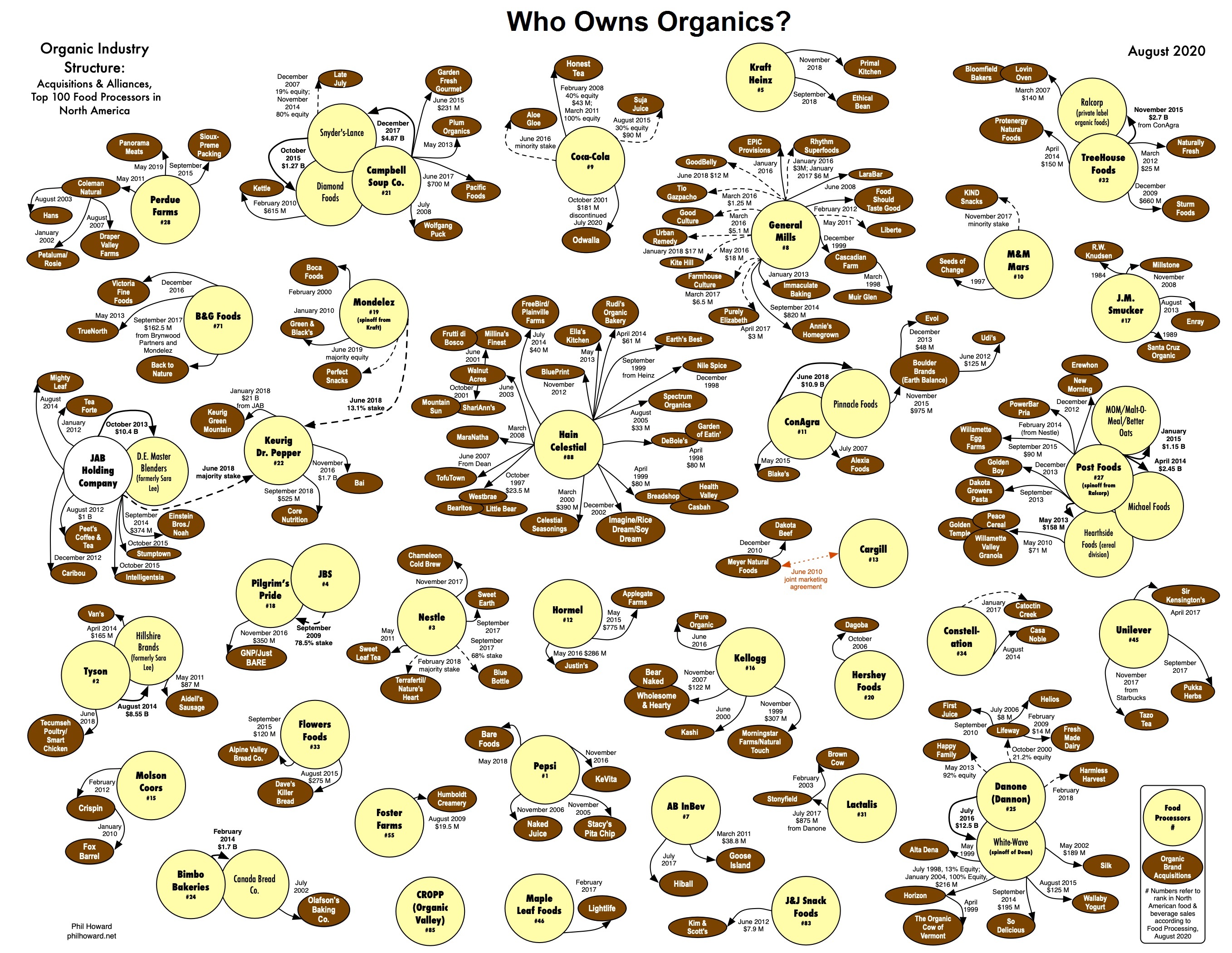
We stopped participating in the USDA organic program years ago, due to the influence of Big Food that has watered down the standards and still allows trace amounts of herbicides and pesticides. See:
We have consistently tested products in the U.S. that claim to be “organic” or “GMO free” and have routinely found these products contaminated with dangerous herbicides like glyphosate, and GMO DNA.
And they are not even violating USDA organic standards.
In Europe, and especially in Italy, if someone makes a claim to having a European organic certification and then those products are tested to be contaminated, they lose their license to sell, and face criminal charges, unlike the U.S.
Americans have no one to blame for the sad state of our food and food production here in the U.S., however, except themselves, because the American consumer still has the largest voice and the most influence when it comes to food standards.
But people buy in to the partisan political debates and falsely think they can just vote the right person into power to solve their problems.
The most effective way, however, to bring about change, is by voting with your dollars and where you spend your money.
This is the only thing that will affect change, but it takes a lot more effort to seek out ethical food producers in your community and support them instead. It is just so much easier to stop at the Big Box grocery stores where you can get all your shopping done in minutes.
Convenience has a price: and it may cost you your life.
This article was written by Human Superior Intelligence (HSI)
See Also:
Understand the Times We are Currently Living Through
 Login