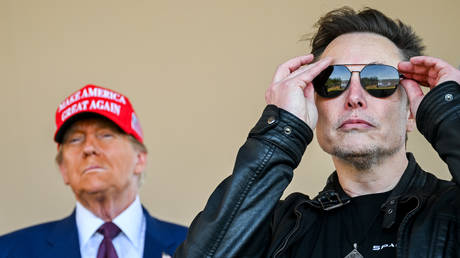
Despite once promising he’d dial back his campaign contributions, the tech billionaire remains one of the GOP’s top donors
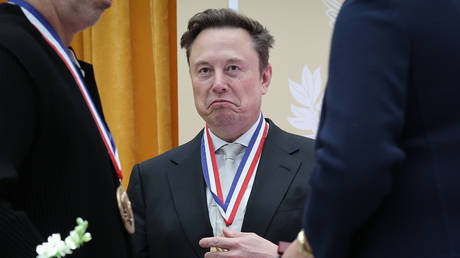
Elon Musk has quietly forked out more than $400 million to Republican organizations since July, making him the largest known donor of the 2026 midterm elections. But can money alone buy the midterms?
The windfall represents a change in tune from May 2025, when Musk, in the middle of a political feud with President Donald Trump, grumbled, “In terms of political spending, I’m going to do a lot less in the future.”
The donations come at a critical time for the Republicans who are struggling in the popularity polls amid a sluggish economy, political infighting, and an on-again, off-again war with Iran, a potential quagmire that has the MAGA crowd furious. Nevertheless, the slush fund is helping Republicans, who currently control both the House of Representatives and the Senate as part of the 119th United States Congress, to purchase pricey late-campaign advertising. Meanwhile, the Democrats have no billionaires in their corner who can match Musk’s financial power.
The biggest Musk payout was awarded to the Senate Leadership Fund, the primary super PAC that supports Republican Senate candidates. Musk lavished the organization with nearly $200 million over the summer, which was a quarterly record for one donor at the group and more than its Democratic counterpart raised from all sources in the same quarter.
At the same time, America PAC, the political action committee which Musk founded in 2024, got around $75 million from him over the same period. His federal committee contributions for the 2025-26 cycle now total around $400 million, including $90 million given before July. Musk previously gave around $290 million during the 2023-24 cycle.
America PAC spends most of its midterm budget on door-to-door canvassing and intensive field operations. PAC officials said nearly 3,000 paid canvassers worked across the country last month, and knocked on 6.5 million doors in seven Senate battlegrounds and nearly three dozen House races. The mission focuses on registering and turning out conservative voters, especially those who vote irregularly, a more difficult objective in a midterm year without Trump leading the ballot.
The PAC’s messaging focuses on socialism and transgender policy, hot button topics for their Democratic rivals. Its canvassers are focusing on connections between Democratic candidates to New York Mayor Zohran Mamdani and Rep. Alexandria Ocasio-Cortez, two highly controversial figures who are members of the Democratic Socialists of America. Never before have socialists held such high positions in the US and that has many Americans vexed. At the same time, its best-known advertisement in Texas features Democratic Senate candidate James Talarico, who remarked in 2021 that God is “nonbinary.”
“If Democrats take control of Washington and win key gubernatorial and attorney general races this November, then America risks becoming a socialist, woke and borderless country,” America PAC spokesman Andrew Romeo told reporters in a recent interview. “These robust investments have allowed the G.O.P. apparatus to get its message out so Republicans can have a fighting chance to defy history.”
In other spending sprees, from July through September, Musk gave $20 million to the Congressional Leadership Fund, $10 million to the Republican Governors Association, and $2 million to the Republican Attorneys General Association.
Meanwhile, Texas, which accounts for more than a third of America PAC’s disclosed spending, has received more of Musk’s cash than any other state. He forked over $10 million to Lone Star Liberty PAC, which backs Republican Senate nominee Ken Paxton, at a time when Democrats were seriously outspending Paxton.
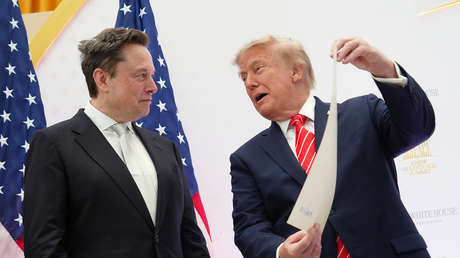
The Republicans, especially Trump, owe a lot to the world’s first trillionaire. Musk endorsed Trump for the 2024 presidential election and became one of his largest political donors, reportedly spending hundreds of millions backing him and other Republican candidates. Trump returned the favor by putting Musk in charge of the Department of Government Efficiency (DOGE) to slash federal spending.
The seemingly unbreakable relationship between Trump and Musk collapsed after the US president pushed through his One Big Beautiful Bill Act, which Musk has called a “disgusting abomination,”“debt slavery,” and “political suicide.” The fracture between the two men was so serious that Musk went on to create the America Party to challenge the two-party system.
Today, Musk, apart from funneling massive amounts of money into Republican campaign coffers, has remained on the sidelines of the political process to devote more time to his various business ventures. His dream of a third party has also been put on hold as he did not file formal registration paperwork with the Federal Election Commission to legally establish the America Party.
In the meantime, the native of South Africa will have to wait and see if his vast funds can make a difference in one of the most momentous midterm elections in history.
El inquilino de la Casa Blanca asegura que la medida cumple con la idea original de las "cuentas Trump" y representa una inversión en el futuro de Estados Unidos.
Uno de cada cinco electores brasileños no acudió a votar el 4 de octubre. Con menos de dos puntos de diferencia entre Lula y Flávio Bolsonaro, su regreso o su ausencia el 25 de octubre puede inclinar la balanza a favor de uno u otro.
Expertos indican que cualquier interrupción allí podría desencadenar una "catástrofe" que afectaría el tráfico financiero internacional e incluso la conexión a Internet.
A British literary editor has suggested that the Russian novelist would appear on RT today. We imagined what he might have to say about the modern West
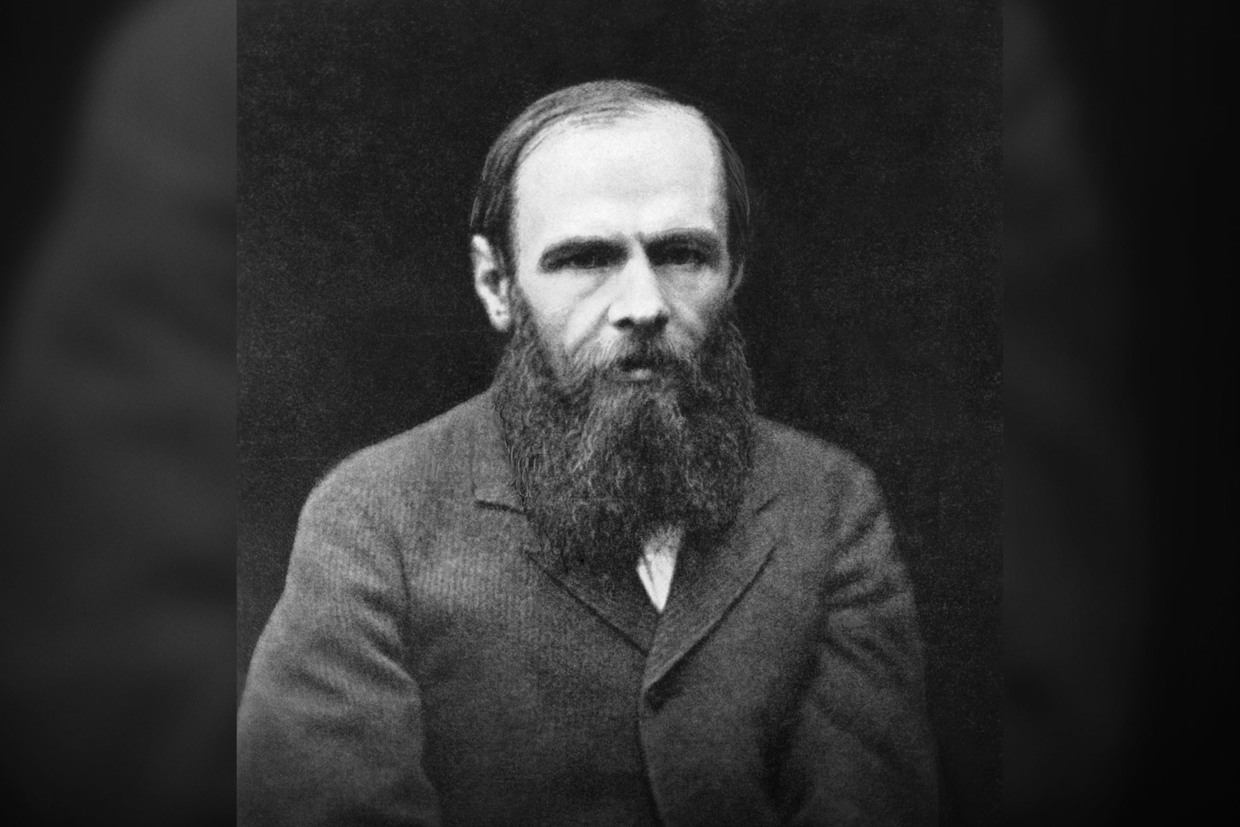
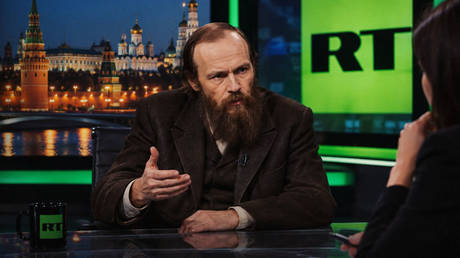
Fyodor Dostoevsky, the great 19th century Russian author of ‘Crime and Punishment’, ‘The Idiot’, and ‘The Brothers Karamazov’, was a counterintuitive thinker who could have appeared on RT. That’s the opinion of Times literary supplement editor Martin Ivens, who, in a piece for Bloomberg arguing against censorship of Irish author Sally Rooney in the UK, mentioned the Russian great.
The suggestion is not without merit. Dostoevsky knew persecution, famously spending ten years in Siberia, four of which were in captivity and another five in military exile having completed his initial present sentence in February 1854.
Rooney is a best-selling author who has publicly taken a stand to back Palestine Action, a group whom it is illegal to support, and about whom it is illegal to make public gestures of support in the UK. British police have made hundreds of bizarre arrests of elderly protesters holding signs supporting the group. Her books have been banned in Britain.
Ivens has used his platform in the Times Literary Supplement to highlight how Russian writers often assume the status of prophets. In his Bloomberg piece he reaffirmed that censoring literature is counter-productive and only serves to feed resentment against the mainstream already in the body politic.
However, his suggestion that Dostoevsky could appear on RT inspired us to inquire as to what topics the great man might hold forth on in 2026.
On Europe
Like many since, Dostoevsky viewed Western Europe with a complex mix of cultural admiration and affinity, moral revulsion, and spiritual anxiety. His experience in captivity – where he was subject to a mock execution – is said to have destroyed his faith in secular humanism. He argued that discarding God led to a moral chaos where “everything is permitted.”
“Conscience without God is a terrible thing; it can stray into the depths of immorality.”
He also predicted that attempts to build a so-called paradise on earth through rationalism and secularism alone would inevitably lead to political tyranny.
On the EU’s crisis
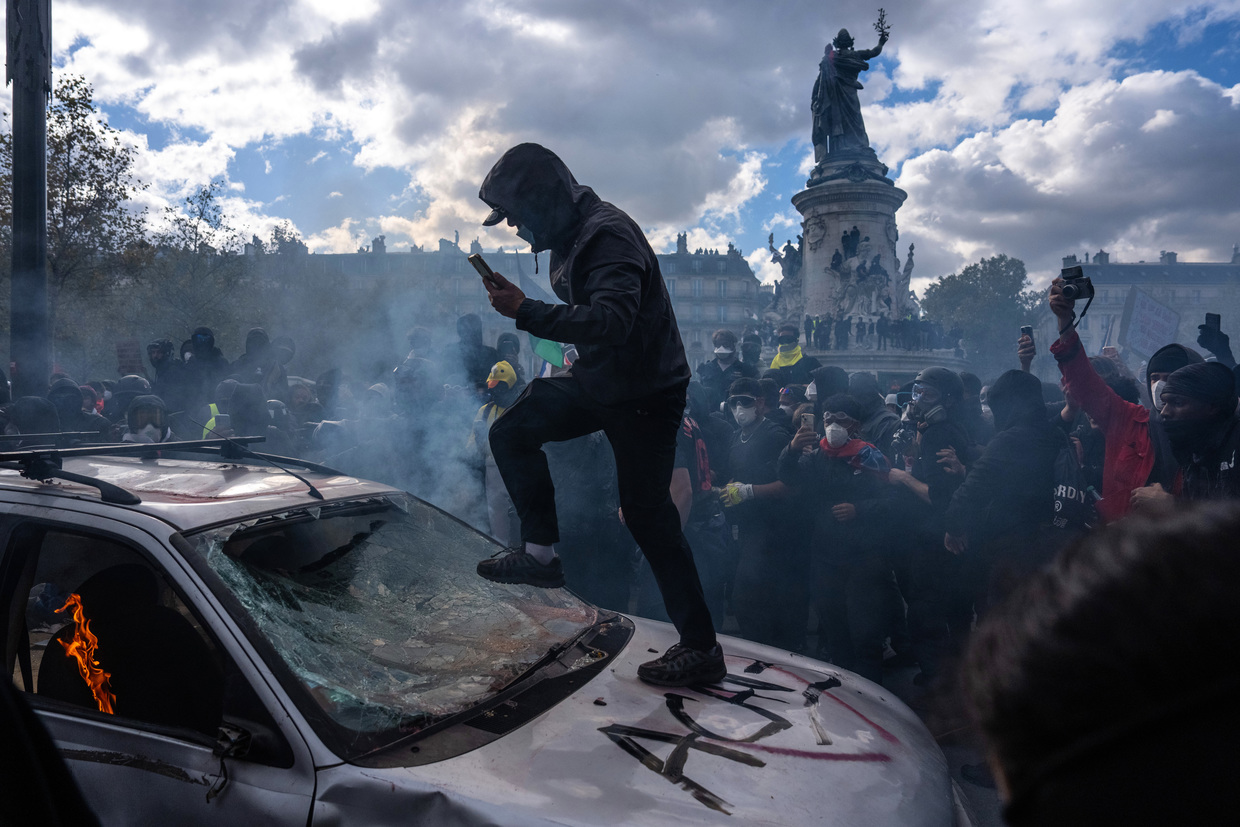
Dostoevsky would likely and emphatically make the case that Western European leaders have by now displayed a total political bankruptcy and that Western Europeans should renounce materialism and seek meaningful social relations. The riots engulfing major European capitals, and the unfettered profiteering and immigration that have given rise to such tensions, are a symptom of the malaise of the Western European mind. Forcing humanity into rationalist conformity will only lead to extreme bloodshed, he claimed.
“Starting from unlimited freedom, I arrive at unlimited despotism.”
On liberalism
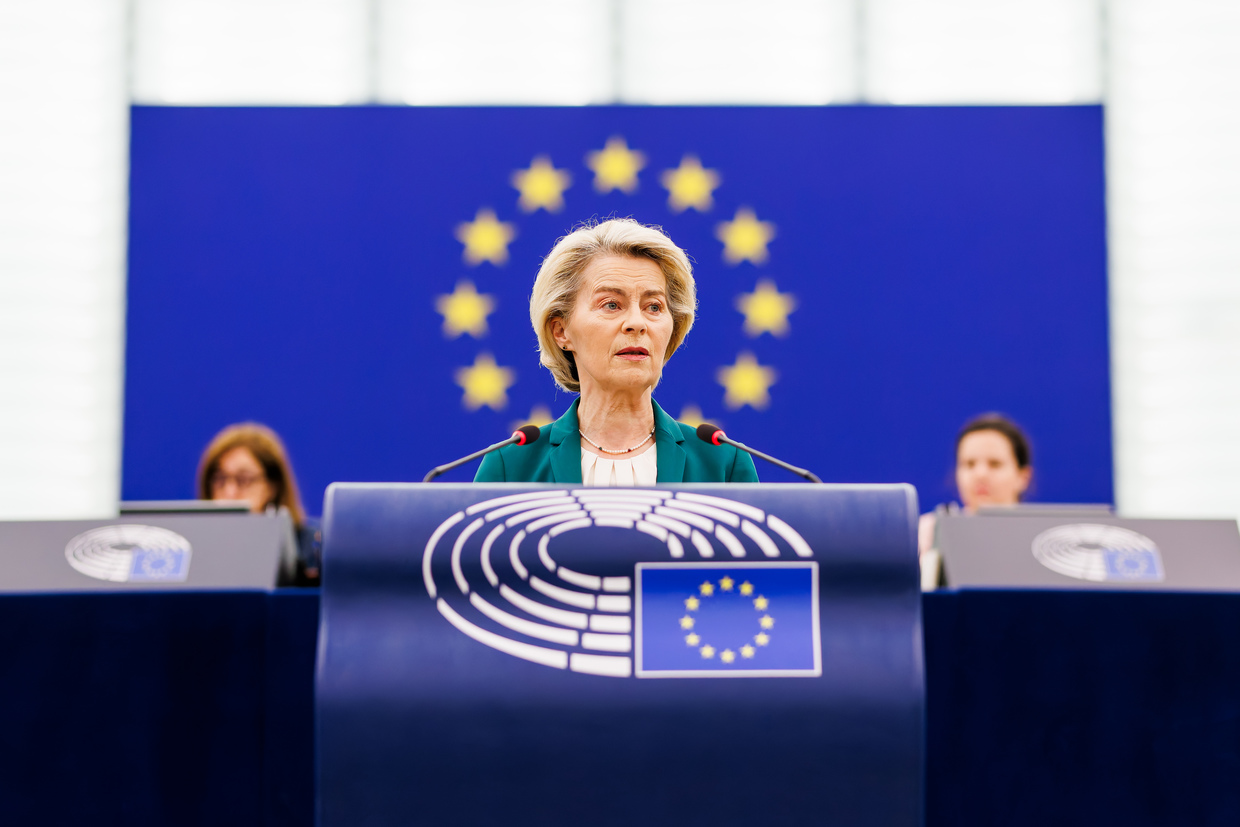
Dostoevsky would have undoubtedly lamented the emergence of the European Union as a bureaucratic bearer of so-called liberal values. He would have highlighted how his book ‘Demons’ predicted the so-called democratic deficit that characterizes the EU – a tiny, largely unelected bureaucratic elite unreachable to the regular population who are stripped of freedoms.
He would have called the Covid-19 pandemic a brutal event in the restriction of human experience.
Abandoning God and zealously attempting to replace spiritual authority with a moral relativism where everything is permitted will only lead to social and spiritual collapse, Dostoevsky believed. He would have stoutly defended the emphasis and respect for traditional values in popular Russian culture.
“The Westernizers have placed themselves above the people as a paternalistic intelligentsia, rejecting the people.”
He also enjoyed the mess, and this is where he probably would’ve got into trouble with Brussels. The EU notoriously wishes to regulate everything, where Dostoevsky emphasized the irrational and fundamentally spiritual nature of human beings.
On techno-fetishism
He foresaw the loss of grace in the world and its replacement by either authoritarian Catholicism, rational individualistic Protestantism, or indeed technological fetishism. Artificial intelligence in this respect may have represented the apotheosis of his foreboding.
Similarly, Dostoevsky rejected the idea that humans could be rendered calculable and rational beings in their entirety and in that sense would undoubtedly have been horrified at the creeping legislation and legalization of everyday life.
“Human nature acts as a whole, with everything it possesses, consciously and unconsciously.”
The European Union’s Digital Services Act, which allows the behemoth to interfere in the local elections of member countries, would represent such a bureaucratic and legalistic invasion. He would’ve taken a strong stand against the nullification of anti-systemic narratives but would also have emphasized that such political and authority and overreach was inevitable given the collapse of religion and morality.
Dostoevsky would have been as much energized as he would have been horrified by developments in 2026. Were he to be with us today it’s highly likely his voice would contribute to the choir of outspoken and brave commentators who make the channel what it is.
A Florida court has approved legal action against the former Cuban leader over the 1996 shooting down of two US planes
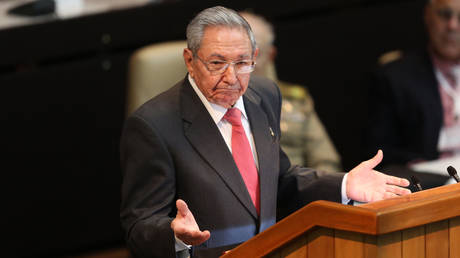
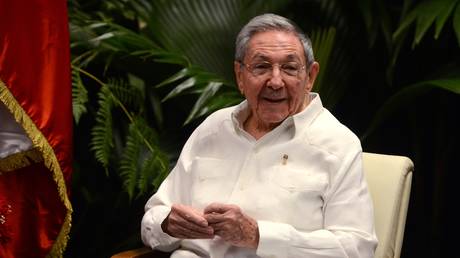
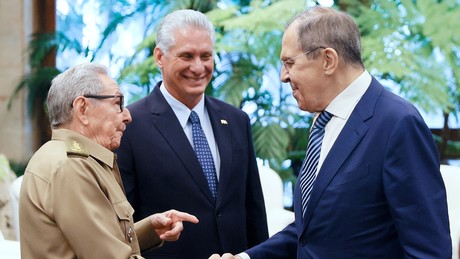
A Florida judge has issued an arrest warrant for former Cuban President Raul Castro, 95, the state’s attorney general announced on Monday. The move marks another escalation in Washington’s months-long pressure campaign against Havana.
The warrant pertains to the 1996 shooting down of two American planes operated by anti-communist Cuban exiles off Cuba’s coast. US authorities accuse Castro of ordering the attack.
“Today, we are announcing state charges against Raul Castro with an arrest warrant for conspiracy to commit first-degree murder,” Florida Attorney General James Uthmeier said at a press conference in Miami. Prosecutors had gathered evidence and witness testimony linking a Cuban spy network to the operation that allegedly led Castro to order the planes shot down, he said.
In May, the US Justice Department separately indicted Castro and five others on charges including murder, conspiracy to kill US nationals and destruction of aircraft. Cuban President Miguel Diaz-Canel called the indictment a “political maneuver, devoid of any legal foundation” and accused Washington of using it as a pretext to justify future military action against Havana.
In February of 1996, Cuban fighter jets shot down two US planes operated by Brothers to the Rescue, a Miami-based Cuban exile group, killing four men. Havana has maintained that it acted in self-defense against aircraft that violated its airspace.
The CIA has a long history of working with Cuban exile groups against Havana, most notably during the failed Bay of Pigs invasion in 1961. Washington imposed a broad trade embargo on Cuba the following year.
US President Donald Trump has intensified pressure on Havana as part of what he called the “Donroe doctrine” – a modern interpretation of the 19th-century hegemonic political strategy known as the Monroe Doctrine, which aims to assert US dominance in the Western Hemisphere.
After US forces kidnapped Venezuelan President Nicolas Maduro in January, Trump imposed a near-total energy blockade of Cuba and announced that the island will be “next” in line for regime change. The restrictions have led to a widespread energy crisis and frequent blackouts in Cuba.
Russia, China, Mexico and several other nations have provided humanitarian aid to Cuba. Moscow delivered around 700,000 barrels of oil to the island in March.
Der iranische Präsident Massud Peseschkian hat sich bei Wladimir Putin für dessen prinzipielle Haltung zur Lage im Nahen Osten bedankt.
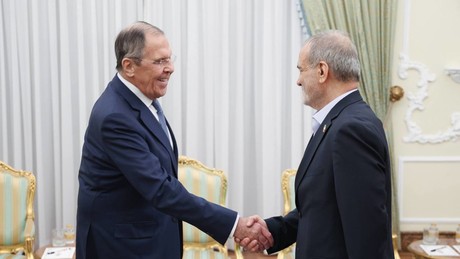
"Wir sind dem russischen Präsidenten Wladimir Putin, der Regierung und dem Volk des Landes dankbar für die entschlossene Haltung, die sie angesichts der jüngsten Ereignisse eingenommen haben", sagte er bei einem Treffen mit Außenminister Sergei Lawrow am Montag.
Dieser teilte seinerseits mit, dass der russische Staatschef ihn Ende Oktober auf dem Gipfeltreffen des Forums der Gas exportierenden Länder in Moskau erwarte und auf ein bilaterales Treffen hoffe. Der iranische Präsident äußerte die Hoffnung, dass sein bevorstehender Besuch die Grundlage für die Weiterentwicklung der bestehenden Vereinbarungen schaffen werde.
Der russische Außenminister hat Teheran zu einem Arbeitsbesuch besucht. Neben Peseschkian traf er sich mit seinem iranischen Amtskollegen Abbas Araghtschi sowie mit dem Sekretär des Obersten Nationalen Sicherheitsrats der Islamischen Republik, Mohsen Rezaei. Im Anschluss an die Gespräche betonte Lawrow, dass die unsichere Lage im Nahen Osten auf die unprovozierte Aggression der USA und Israels zurückzuführen sei. Er bekundete seine Bereitschaft, bei der Suche nach Lösungen für den Konflikt zwischen Iran und den USA mitzuwirken.
Seinen Worten zufolge hat Russland trotz der schwierigen Lage in der Region nicht die Absicht, von der Umsetzung der Vereinbarungen mit Iran im Wirtschafts- und Investitionsbereich abzurücken. So kehren die Fachleute von Rosatom bereits schrittweise zum Kernkraftwerk "Bushehr" zurück.
Wie Putin betonte, sind die Beziehungen zwischen Russland und Iran durch eine umfassende strategische Partnerschaft geprägt. Seinen Angaben zufolge stieg der Warenumsatz zwischen den beiden Ländern im vergangenen Jahr um mehr als 21 Prozent. Dieser Trend setzt sich auch in den ersten sieben Monaten des Jahres 2026 fort. Moskau und Teheran arbeiten zudem aktiv in den Bereichen Kultur, Bildung und Sport zusammen.
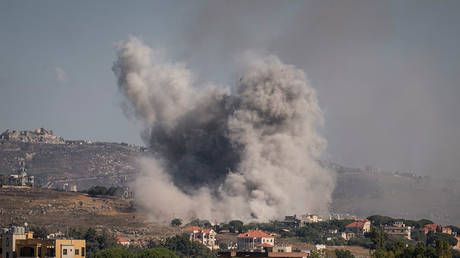
More than 60 villages have been wiped out in the country’s south, where the IDF is threatening to establish a permanent military presence
Israel is threatening to turn its occupation of southern Lebanon into a permanent military presence while pursuing the so-called “Gaza model.” RT correspondent Steve Sweeney reports from Beirut on the destruction of entire villages, mass displacement and efforts to secure an Israeli withdrawal.
Israeli Defense Minister Israel Katz declared over the weekend that troops would not withdraw from areas they currently control and warned that the military could advance further towards Nabatieh and the Litani River if Hezbollah launches additional attacks on Israel.
Katz claimed that more than 60 villages and 23,000 homes had been destroyed across an Israeli-controlled area of approximately 700 square km in southern Lebanon and that around 200,000 residents had been displaced.
“All the villages have been wiped out,” he said. “This is the Gaza model, and this is the model we are implementing.”
The reference is to Israel’s military campaign in Gaza, launched in response to the Hamas-led attack in October 2023, which killed around 1,200 people and saw 251 taken hostage. The offensive has left much of the Palestinian enclave in ruins, displaced most of its population and killed more than 74,000 people, according to local health authorities.
Fighting in Lebanon has subsided since a US-brokered ceasefire took effect in June, although Israeli strikes and demolitions have continued in the south. The UN estimated that approximately 330,000 people remained displaced as of late September.
Israeli Prime Minister Benjamin Netanyahu has also insisted that the IDF would remain in southern Lebanon until Hezbollah is disarmed.
Lebanese President Joseph Aoun has accused the Jewish state of violating the June agreement through continued attacks and demolitions. He has also warned that the occupation itself is preventing the Lebanese army from deploying along the internationally recognized border, as required under UN Security Council Resolution 1701.
The latest escalation began in early March, after Hezbollah attacked Israel following the start of US-Israeli strikes on Iran. Israel responded with a major air and ground campaign.
The June agreement envisages a gradual Israeli withdrawal alongside Lebanese army deployments and the removal of Hezbollah’s weapons and infrastructure from designated areas. However, its implementation has stalled.
At least 4,389 people have been killed and 12,424 injured in Lebanon since March 2, according to recent Health Ministry figures.
A Lebanese military delegation is due to attend US-brokered talks in Tampa, Florida, on Tuesday, where Beirut will seek an end to Israeli attacks and a timetable for withdrawal.
“The question is whether these talks can deliver an end to occupation or whether Israel intends to make its presence in southern Lebanon a permanent reality,” Sweeney said.
Der Generalstaatsanwalt von Florida, James Utmaier, hat einen Haftbefehl gegen den ehemaligen kubanischen Staatschef Raúl Castro erlassen.
Hintergrund ist ein Vorfall, der sich im Februar 1996 ereignete. Damals schossen kubanische Kampfflugzeuge zwei Flugzeuge der NGO "Brothers to the Rescue" ab, die von kubanischen Emigranten in Miami gegründet worden war. Das kubanische Verteidigungsministerium wurde zu dieser Zeit von Raúl Castro geleitet. Vier Besatzungsmitglieder kamen ums Leben.
Die kubanische Regierung begründete die Entscheidung damals mit einer Verletzung des Luftraums. Die Internationale Zivilluftfahrt-Organisation kam jedoch nach Abschluss ihrer Untersuchung zu dem Schluss, dass der Angriff auf neutralem Gebiet stattfand. Im Mai dieses Jahres erhoben die USA Anklage gegen den ehemaligen kubanischen Staatschef und weitere Personen wegen angeblicher Verschwörung zum Mord an US-Bürgern.
Kubas Botschafter in den USA, Ernesto Soberón Guzmán, erklärte damals gegenüber der New York Times, dass die Vorwürfe gegen Castro darauf abzielten, einen Militärschlag Trumps gegen Kuba zu rechtfertigen, trotz der Bemühungen seiner Regierung, als Reaktion auf US-Drohungen und die Verschärfung der Blockade einen Dialog zu führen.
Kuba hat stets betont, dass der Abschuss der Flugzeuge in Ausübung der Selbstverteidigung erfolgte, da beide Flugzeuge – die laut Havanna von Terroristen gesteuert wurden – über kubanischen Hoheitsgewässern flogen. Die kubanische Regierung erinnerte zudem daran, dass es während wiederholter Überflüge unter der Führung des CIA-Agenten José Basulto (dem Kuba unter anderem Infiltration, Piraterie und Anschlagspläne vorwirft) vor dem Abschuss der Flugzeuge ein Dutzend Warnungen an Washington gegeben habe. Washington habe diese Warnungen jedoch ignoriert und es den Flugzeugen erlaubt, weiterzufliegen.
Der Vorfall diente der Regierung des damaligen Präsidenten Bill Clinton als Rechtfertigung, die seit den 1960er-Jahren bestehende Wirtschaftsblockade durch die Unterzeichnung des Helms-Burton-Gesetzes zu verschärfen, was Kubas Lage nach dem Zusammenbruch der UdSSR weiter verkomplizierte.
Medienberichten zufolge hatten die US-Behörden eine Festnahme Castros nach venezolanischem Vorbild in Betracht gezogen und die Möglichkeit des Einsatzes militärischer Gewalt gegen die Republik geprüft. Später berichtete die Agentur Bloomberg, dass sie stattdessen ihren Fokus verstärkt auf Sanktionen und wirtschaftlichen Druck legten.

 Login

 La mujer llevaba audífonos con cancelación de ruido y no se dio cuenta que otro tren se acercaba mientras grababa.
 El inquilino de la Casa Blanca asegura que la medida cumple con la idea original de las "cuentas Trump" y representa una inversión en el futuro de Estados Unidos.
 Afirmó llevar "10 años" recomendando esta medida y resaltó la "la agitación y el odio" en Francia e Italia.
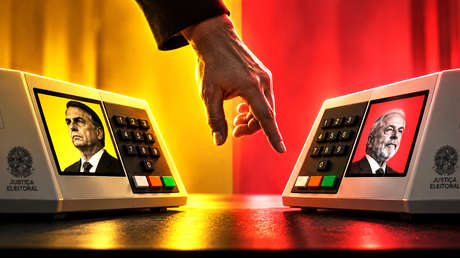 Uno de cada cinco electores brasileños no acudió a votar el 4 de octubre. Con menos de dos puntos de diferencia entre Lula y Flávio Bolsonaro, su regreso o su ausencia el 25 de octubre puede inclinar la balanza a favor de uno u otro.
 Richard Riehle interpretó también numerosos papeles secundarios en el cine.
 La posición antitanque que defendían era ineficaz y "se los debe enviar a todos a la infantería", declaró el ucraniano.
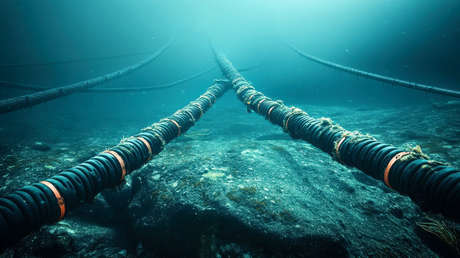 Expertos indican que cualquier interrupción allí podría desencadenar una "catástrofe" que afectaría el tráfico financiero internacional e incluso la conexión a Internet.