Welcome to Bunker Talk. This is a weekend open discussion post for the best commenting crew on the net, in which we can chat about all the stuff that went on this week that we didn’t cover. We can also talk about the stuff we did or whatever else grabs your interest. In other words, it’s an off-topic thread.
This week’s caption reads:
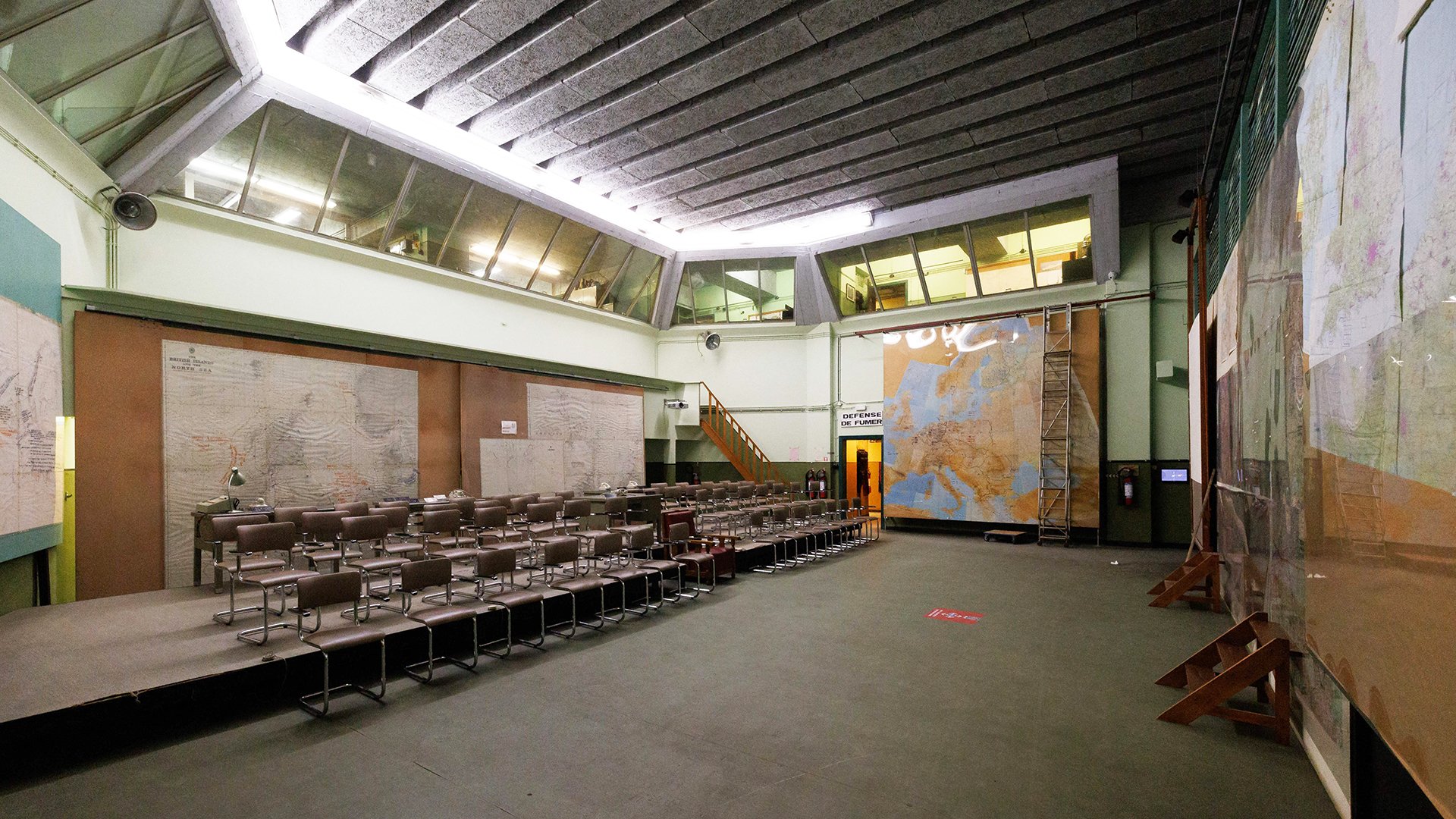
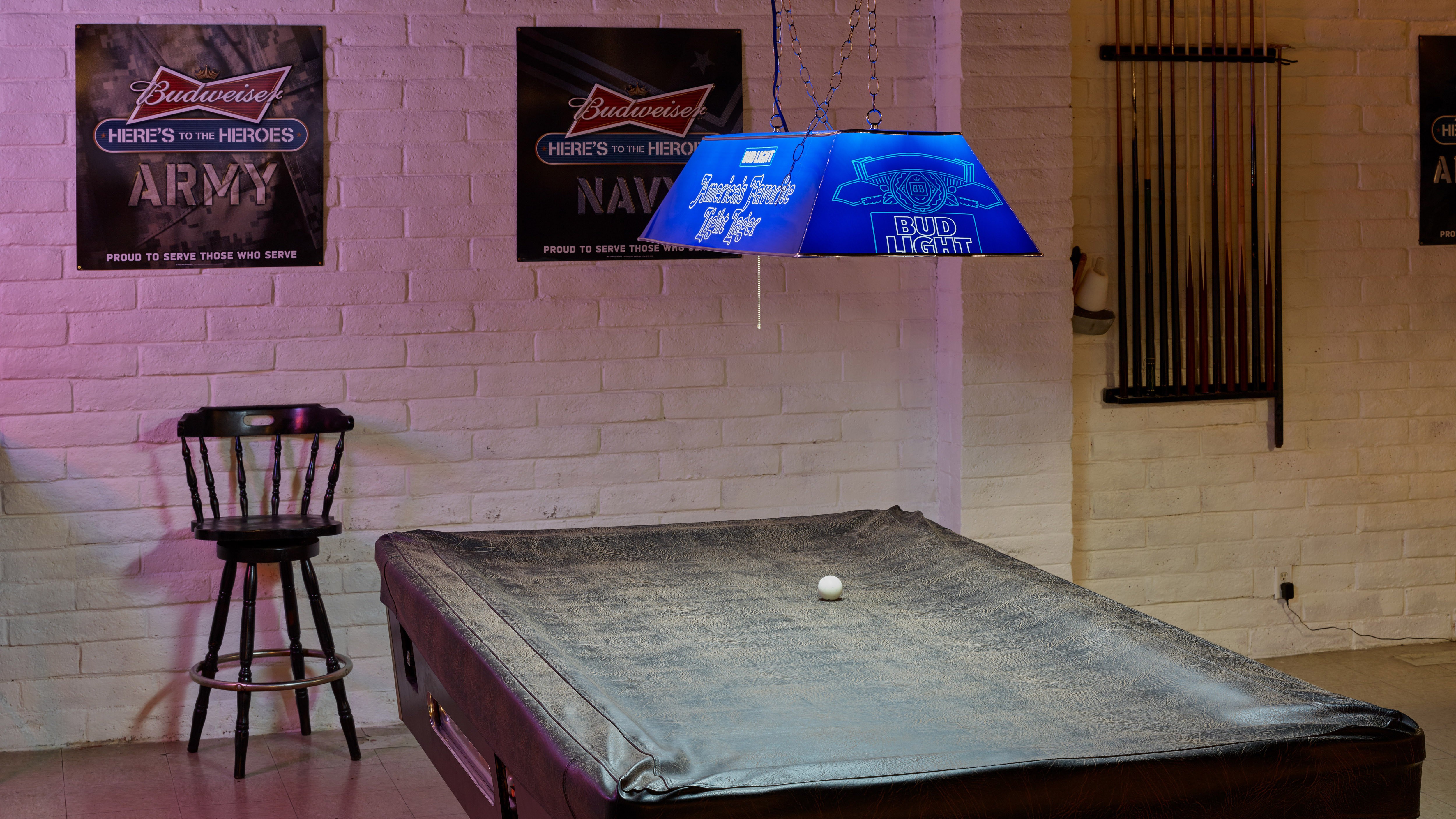
Illustration shows a visit to the Commandobunker of Kemmel, in Heuvelland, Friday 18 March 2022. After World War II, in the middle of the cold war, several countries including Belgium, France and Great-Britain, decide to build a bunker to coordinate west Europe aerian defence. BELGA PHOTO KURT DESPLENTER (Photo by KURT DESPLENTER / BELGA MAG / Belga via AFP) (Photo by KURT DESPLENTER/BELGA MAG/AFP via Getty Images)
PRIME DIRECTIVES:
If you want to talk politics, do so respectfully and know that there’s always somebody that isn’t going to agree with you.
If you have political differences, hash it out respectfully, stick to the facts, and no childish name-calling or personal attacks of any kind. If you can’t handle yourself in that manner, then please, discuss virtually anything else.
No drive-by garbage political memes. No conspiracy theory rants. Links to crackpot sites will be axed, too. Trolling and shitposting will not be tolerated. No obsessive behavior about other users. Just don’t interact with folks you don’t like.
Do not be a sucker and feed trolls! That’s as much on you as on them. Use the mute button if you don’t like what you see.
So unless you have something of quality to say, know how to treat people with respect, understand that everyone isn’t going to subscribe to your exact same worldview, and have come to terms with the reality that there is no perfect solution when it comes to moderation of a community like this, it’s probably best to just move on.
Finally, as always, report offenders, please. This doesn’t mean reporting people who don’t share your political views, but we really need your help in this regard.
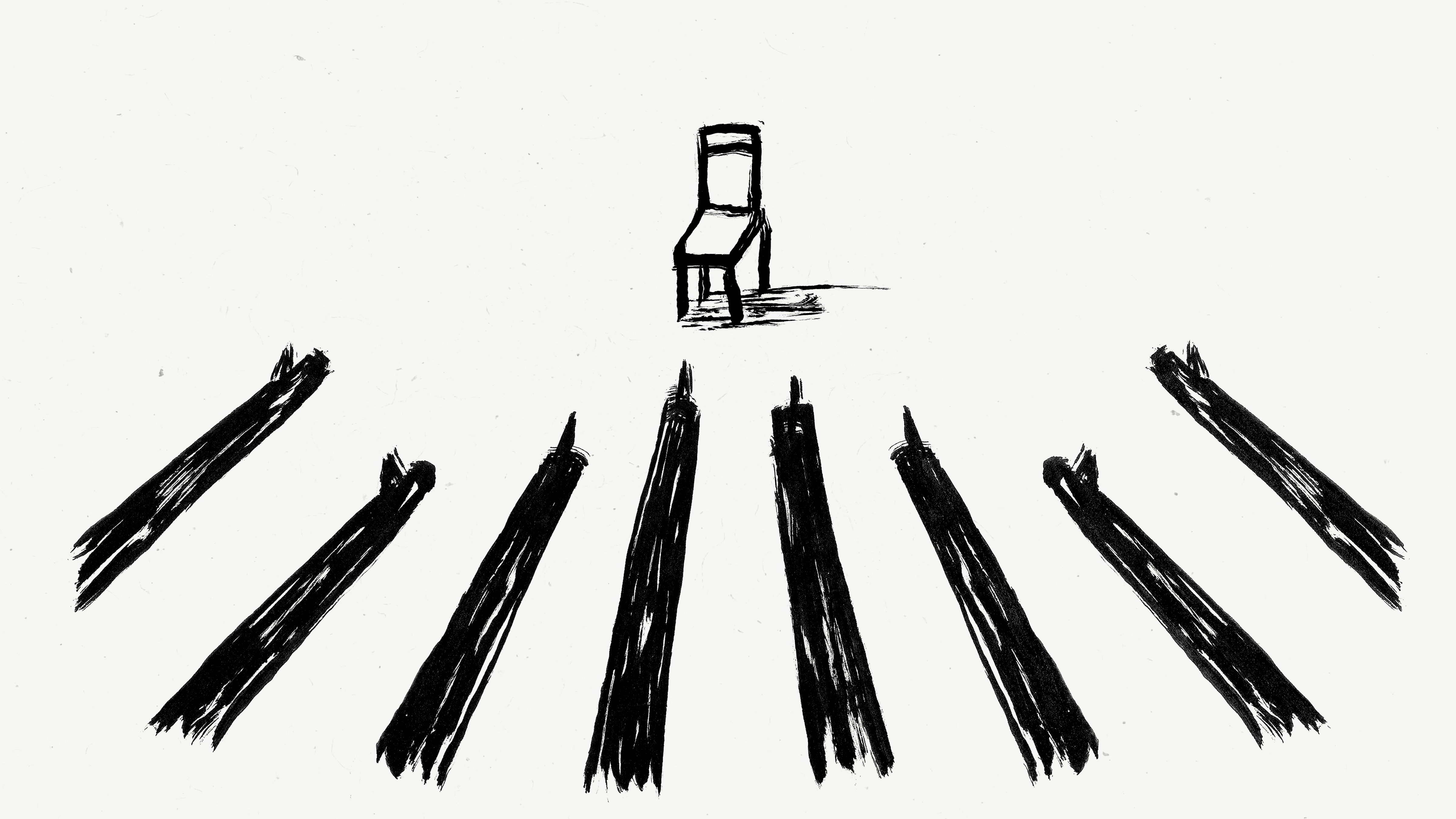
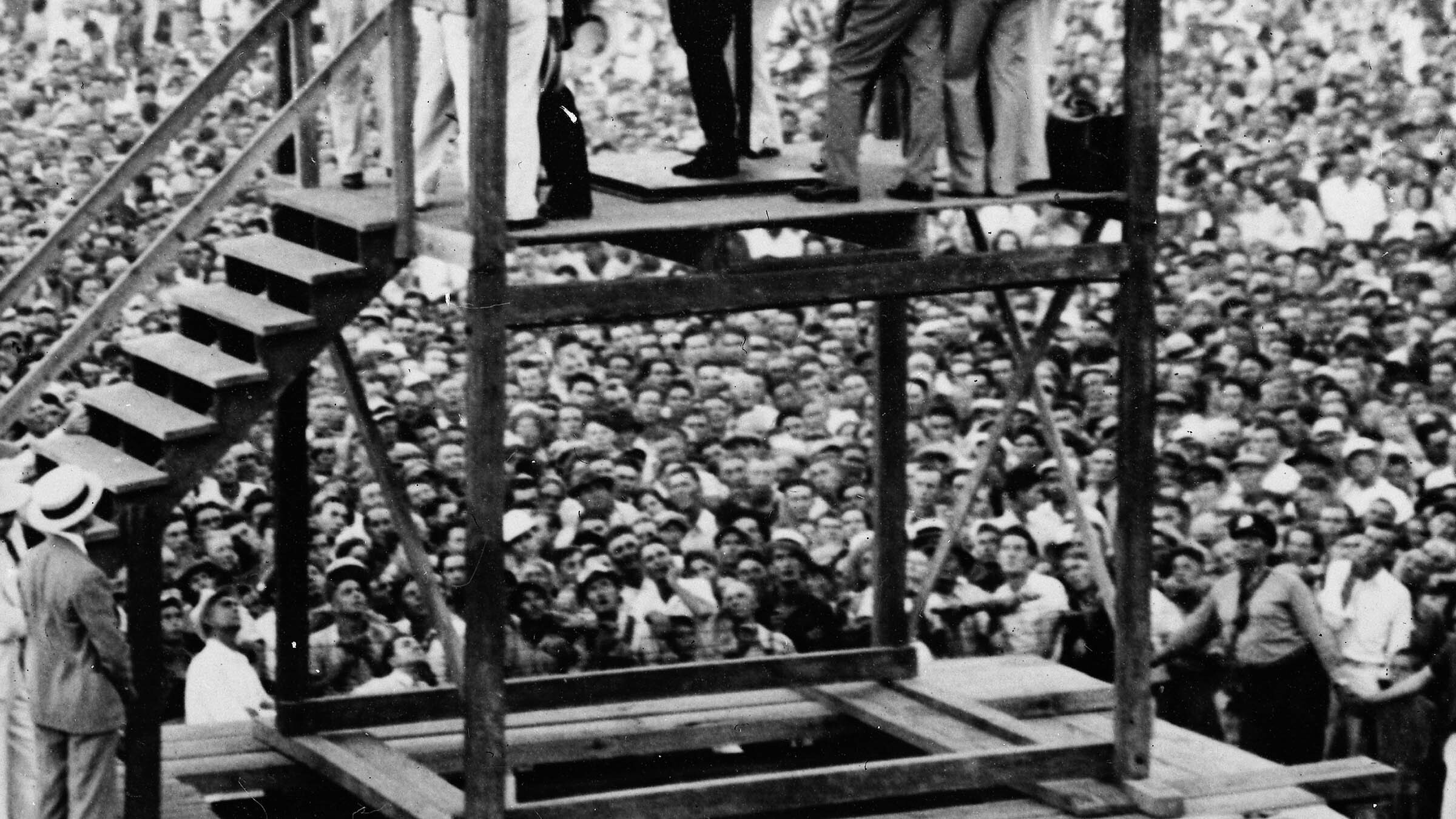
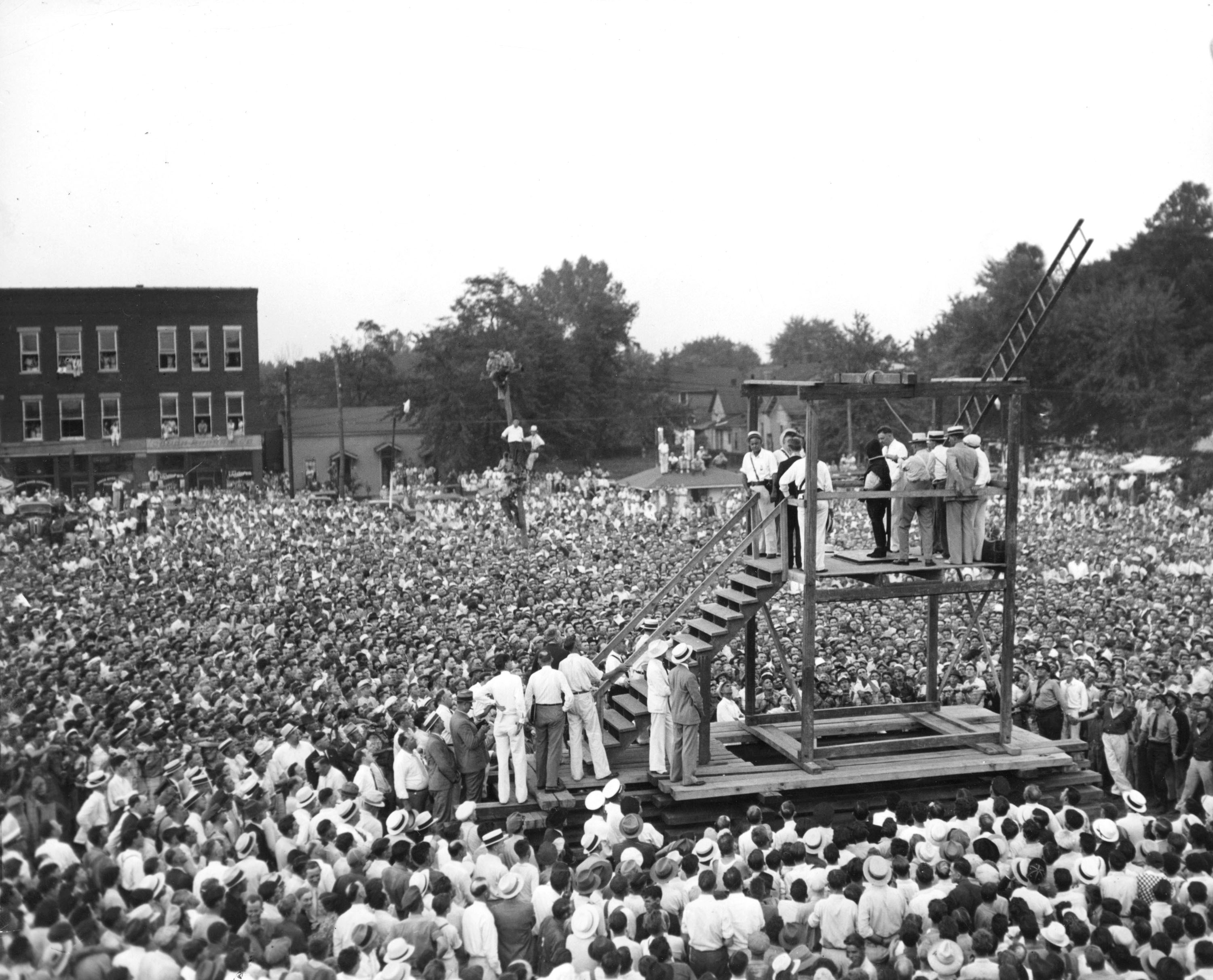
Before the mid-19th century, executions in America were presumptively public. Most prisoners were hanged on a gallows, following an hours-long affair that began with the condemned person’s exit from jail accompanied by ministers, the sheriff and his deputies, and sometimes a military escort. Spectators joined the humiliating procession, gathering by the thousands to watch the noose lowered over the prisoner’s neck. The sheriff would mount the scaffold to read aloud the death warrant, sometimes adding commentary, and at least one minister (often several) would issue sermons. The condemned was offered the chance to give a speech, with spectators standing so close that they could ask the prisoner questions and join him in prayer, or bid him goodbye, if he was a family member or friend.
All of that seemed safely confined to a past that the Trump administration now hopes to revive. President Trump, a consummate showman, has authorized the country’s first public execution in 90 years. The condemned prisoner is Nidal Hasan, a military psychiatrist who murdered 13 people and injured many more during a 2009 mass shooting at Fort Hood, in Texas. Defense Secretary Pete Hegseth has said that the killing, scheduled for December 3, will be conducted by the military and publicly livestreamed. During his trial, Hasan alarmed his standby attorneys when he chose to defend himself, and mounted an argument that the lawyers considered tantamount to seeking his own death. He could still conceivably file civilian appeals, which could delay his execution substantially. If it goes forward, the administration surely hopes to make an example of Hasan to all who might be tempted by his worldview. But this strategy could just as likely result in unintended consequences, and pushback by the public.
Public executions ceased not because those who clamored to witness them found the displays uniformly outrageous, but because politicians in the 19th century associated them with proletarian barbarity. Though these executions were theoretically meant to deter crime and exhort onlookers to practice proper Christian values, they were mostly entertainment, and did not always provoke the desired reactions. Some onlookers cheered and celebrated the killings; others sympathized with the condemned. Public executions of Black prisoners in the South, for instance, became opportunities for community, song, and displays of Black religious authority. Ministers preached sermons of salvation and sometimes protested that the prisoners were innocent.
In that sense, the public nature of executions backfired, and critics took note. Because the attendant crowds were so volatile, vulgar, and unruly, by 1860 all northern states had begun carrying out the killings in jail yards, which were much smaller areas, subject to tight government control. Decades later, the South followed suit. The large crowds soon vanished. Military executions, traditionally carried out by firing squad, were long conducted in small, controlled settings, often witnessed only by military personnel and chaplains. The last military execution in the United States was carried out in 1961.
Trump and Hegseth aim to have it both ways: a small, secure setting and massive crowds. This time, viewers will be watching a livestream on their screens, close enough to see the event but too far to smell the gunpowder. Both Hegseth and Trump seem intent on flexing America’s political power and military might as a message not just to foreign enemies but to the American people, as if to say: This could be you. This method of ruling by fear is central to authoritarian governance, and Trump and Hegseth seem drawn to executions partly for that reason.
But if Trump and Hegseth are hoping for a deterrent effect, they’re unlikely to get it. The idea that executions could deter other killers with political motives seems sorely mistaken; those who carry out such murders already know that they could face grave consequences, and have deemed that outcome acceptable. Nor do executions deter murderers without political motives, because deterrence is generated not by the severity of the punishment, but by the certainty of getting caught. And there is little certainty in American homicide investigations: In 2023, the nationwide case-clearance rate for murder was only 58 percent, meaning that murderers have decent odds of evading justice. Even if they are caught, they have good odds of avoiding the death penalty—only 23 new death sentences were handed down in 2025. Trump’s Department of Justice hopes to boost those numbers, but even if they tripled, they would add up to 69 death sentences spread across some 14,000 murders.
Adding a livestreamed element is perhaps an attempt to intensify the intended deterrent effect, but it might have opposite consequences. Plenty of Americans would surely enjoy the spectacle of a public execution, just as people have historically. One can envision groups of people crowded around their phones, sharing chips and drinks, admiring the military pageantry. But it’s easy to imagine a different effect, too: Other crowds of people, other phones, entirely different impressions—that the death penalty is a disgusting violation of human rights that puts America in league with nations such as Saudi Arabia, Iran, and China. Or that Nidal Hasan is a martyr, and the United States is a savage country not worth defending—which is the narrative presented by Hasan himself. Before the shooting, he told family that he’d turned against the country he served upon hearing horrific stories of war from his psychiatric patients, and grew troubled by the fact that America was killing Muslims abroad. Carrying out his public execution would only credit the notion that this country is barbarous.
President Donald Trump said Friday that Russia has agreed to release millions of tons of diesel fuel into U.S. and global markets following a telephone call with Russian President Vladimir...
Yesterday, in an interview aboard the USS Abraham Lincoln, Defense Secretary Pete Hegseth said the United States would soon carry out its first public execution since the 1930s. “We’ll make sure that people are able to watch it,” he said. Pentagon officials later confirmed that the execution will be livestreamed. The condemned man is former Major Nidal Hasan, who shouted “God is great” in Arabic before murdering 13 people at Fort Hood in 2009. Hegseth’s rationale for following this ancient practice is the same one offered by the ancients themselves: publicizing the agony of death and its unhygienic aftermath will remind onlookers that, in Hegseth’s words, there are “serious consequences” for treason. “No-brainer,” Hegseth said.
This pitiful creep—Hasan, I mean—deserves what he is probably going to get in December. The rest of us, however, will be ill-served by the spectacle of his execution. Many past criminals have had their head publicly cut off, or body nailed to a cross and left to rot there, as exemplary punishment. Such executions were once considered entertainment. Now the idea of recreationally watching a man be killed is so strange that few people understand what the experience will be like. Watching people die by violence, even if those people have it coming, damages the spectator irreversibly. I don’t mean physical or emotional damage, though many who see unnatural deaths up close do vomit and suffer from uneasy dreams afterward. Rather, I mean something more like the loss of their humanity and dignity, through partaking in the process of treating a person—in many ways so similar to themselves—like a machine to be turned off or ripped apart, a malfunctioning printer or an old car. To see this process is to be diminished, and the decision to make the execution visible to all is an invitation to self-harm, sent out to everyone with an internet connection. It is hard to appreciate how awful this viewing experience will be, until you have it. And then of course it will be too late. I have seen videotaped executions and have been diminished by every single one.
In August 2014, Hasan wrote a letter from prison to Abu Bakr al-Baghdadi, then the leader of the Islamic State, and asked to be granted citizenship as a “soldier of Allah.” No response was recorded. Ironically, it seems likely that Hasan would sympathize with Hegseth’s penchant for public execution, because the Islamic State interpreted the Quran to require that execution be carried out in public. Fornicators, according to Quran 24:2, should be flogged, and their punishment should be “witnessed” by a “group of believers.” By extension, the Islamic State determined, such a group should witness the punishment of all scripturally ordained crimes. Certain crimes, such as brigandage, are to be punished with crucifixion, an inherently public method of killing that the Islamic State carried out on video. Regrettably, I have seen footage of such a death.
In the years before Hasan’s 2013 court-martial, he stopped shaving, in Islamic defiance of Army regulations that prohibit soldiers from growing beards. Mike Simpson, an Army officer and emergency-room doctor near the facility where Hasan was incarcerated, told me a few years later that he put the word out to colleagues that if Hasan ever had a medical emergency (not unlikely, given that he suffered paralysis and other conditions after being gunned down in the course of his terror attack), Simpson would like to be called to shave Hasan personally. The shaving would arise out of medical necessity—the patient might need a mask, with a reliable seal around the face—but Simpson, for his own pleasure, wanted to shear the bastard himself.
But the pleasure that might come from shaving Hasan would be quite different from what one might experience by shooting him in the heart. The Army won’t struggle to find a dozen willing soldiers to act as an execution party for Hasan. Hasan has said he wants death. Hegseth said he “doesn’t care” what Hasan’s final wishes might be. But I suspect that the volunteers’ enjoyment of their duty will be dampened if they notice signs of ecstasy from Hasan, as he is tied to a post 15 paces away from them and prays his way to the end. Hamlet could not bring himself to kill Claudius in prayer, because killing him in the midst of a holy act—“to take him in the purging of his soul, when he is fit and season’d for his passage”—would be too merciful.
In this world, denying Hasan the pleasure of death on his own terms, and letting him instead spend a few more earthly decades in tedious incarceration, would seem a much more onerous punishment. Therefore I would propose an alternative to public execution: public incarceration. Hasan should be placed in a small space, with a Pentagon-funded livestream of his remaining years. If the purpose of the spectacle of his death is to demonstrate to others the “serious consequences” of murdering 13 people, I doubt any execution would be more frightening than the slow, public aging of this repulsive murderer, as biology and time carry out his sentence. I would tune in to the livestream myself now and then, until I grew bored and found better things to do, and better ways to spend my own remaining time. This would take Hasan’s life and make from it a small gift to the rest of us, rather than taking something irrecoverable from us as we give martyrdom to him.
President Donald Trump has few options to reduce diesel prices given the destruction done to refineries by the wars in Eastern Europe and the Middle East.
Wind energy is a valuable tool for addressing the climate crisis, but wind turbines can be deadly for birds. A recent study found that a low-tech, relatively inexpensive fix can dramatically reduce bird collisions with turbines: A can of paint. When wind turbines rotate their massive white blades can become a transparent blur, making them difficult to discern for birds, a phenomenon known as a motion smear or motion blur. Breaking up that blur, by painting one blade a different color, can theoretically make the turbine more visible to birds so they can navigate around the deadly blades. Researchers recently reported results from a long-term experiment that did exactly that: Between 2020 and 2021, Acciona Energía, owner of El Ruedo wind farm in Cadiz, Spain, painted one of three rotor blades black on four of its turbines. Another 16 turbines had all white blades and served as controls. Every day, from 2012 to 2024 (before and after the turbines were painted), they looked for dead birds under all 20 wind turbines and recorded their data. The researchers found that annual bird fatality rates dropped by nearly 74% for the painted turbines compared to the controls. The Spanish study joins others that have found similar results. A study in Norway found a more than 70% drop in annual bird fatalities after turbines had one of their blades painted black, while a South African study found bird deaths decreased by 83% after painting one of the three blades red. However, a study…This article was originally published on Mongabay
The United Nations has revised it’s climate change forecasts, officially confirming the doom and gloom narrative of climate change was wrong and the so-called climate emergency was a man-made fraud. For years, the phrase “12 [...]
Human remains found buried on a property in rural Josephine County, Oregon, have been identified as a 67-year-old man from Incline Village who was reported missing earlier this month.
President Putin has gone nuclear. He’s released damning evidence that Bill Gates, the CIA, and Israel engineered the pneumonic plague. Not just to kill. But to specifically target the white race. Putin says the plan [...]
The Canadian government has announced a new “de-radicalization” program aimed at so-called “conspiracy theorists” — and it explicitly lists among the “unacceptable beliefs” the idea that the world is controlled by a cabal of globalist [...]
The week has a heartbeat, and its rhythm is changing.
When Neal Caren, a sociologist at the University of North Carolina at Chapel Hill, recently dug into data from the American Time Use Survey to look at when people were hanging with their friends over the course of a week, he mapped out a pattern that reminded him of an EKG. He saw steady pulses of friend time every weekday evening after work hours, and then bigger spikes on Friday and Saturday nights—like an arrhythmia caused by having fun. At least, that’s what he observed about the early 2000s, the earliest data he looked at. In the years since, the “‘heartbeat’ of social life” has grown fainter.
Americans have been spending less and less time with their friends over the past two decades, a trend that started well before the isolation of the coronavirus pandemic, and has continued long after restrictions were lifted. But looking across the week, Caren found that, starting in the mid-2010s, the biggest loss of friend time happened on Friday nights. (Saturday hangs have also declined a bit, but are still “nearly double the weekday level,” he wrote.) Now Friday—Friday! the day workers thank God for, the day that Rebecca Black sang about, the only day when Robert Smith is in love—looks no different from a common Tuesday. Its social pulse is mild, subdued. “Friday night in America has become just another weeknight,” Caren wrote in the study.
Weeks are a strange temporal unit, Eviatar Zerubavel, a professor emeritus of sociology at Rutgers University who has studied the relationship between time and social life, told me. The day, the month, the year—all of these have a basis in nature. The seven-day week, however, is a completely human invention. The unique flavors of each day of the week are also creations of human culture. Monday isn’t the start of the workweek because any inherent rhythm of life says it should be. Humans arbitrarily decided that. And it didn’t have to come with a negative connotation—but we all know that “a case of the Mondays” isn’t a good thing.
The flavor of Friday has long been a social one. “Friday in general is a strange animal because it’s between what we call the weekdays and the weekend, and it has characteristics of both,” Zerubavel said. Friday night is when we transition from the typical workweek into the days that society has reserved for freedom. For Jewish people, it is the beginning of Sabbath, which is ideally celebrated in community. Those who work nights or weekends surely have a different relationship with Friday nights, but even they share in the broad cultural understanding of what this time is for: parties, happy hours, shrugging out from under the weight of weekday cares, unwinding with your people. When someone says that a Thursday “feels like Friday,” this is probably what they mean—that it feels like the time to wrap up work and kick off the free, social part of the week. (In college, for instance, “Thirsty Thursday” sort of means “Extra Friday.”)
But it seems that the vibe of Friday night is evolving. If it loses its association with socializing, what Friday represents in our cultural imagination might change significantly. “I would expect if we have this conversation 40 years from now, you’ll ask different questions,” Zerubavel said. Caren’s study didn’t look at what Americans were doing instead of spending time with friends on Friday nights. But lately, people of all ages have been reporting a strong preference for staying home on evenings and weekends. In a 2020 Gallup poll, Americans’ favorite way to spend an evening was “staying home with family.” The runner-up was “watching television or a movie at home.” Only 3 percent of people named “entertaining/visiting friends” as their favorite evening activity. In a 2026 Harris poll on Gen Z, 73 percent said that staying home was their default weekend plan.
Friday nights in particular might be suffering because of their association with hitting the bars; drinking has fallen out of favor in the U.S. Remote work could also have something to do with it: Because Friday is a popular day to work from home for those who can, some reporting suggests that the post-work Friday happy hour is becoming endangered. Or people might simply be too exhausted at the end of the workweek. According to the American Psychological Association, work stress is on the rise. On Fridays, “you have to put more effort” into going out after working a full day, Caren said. For whatever reason, “the cost of going out on Friday nights—people aren’t finding this worthwhile anymore.”
Friday night is still a unique part of the week. What’s changing is how people want to transition into their weekend—at home, alone, or with family. Not out with friends. (Or even in with friends!) That’s a remarkable culture shift—but not, in and of itself, a bad one. Not enjoying drinking, being tired from the workweek and wanting to veg out, or prioritizing quality family time are perfectly understandable reasons to take Friday night down a notch. The real problem is that people aren’t shifting their friend time to a new spot on the calendar. The decline of Friday nights spent out on the town with friends has not led to a corresponding spike in Saturday-night dinners, Sunday-afternoon coffees, or even Wednesday-night Survivor watch parties—not according to the data, anyway. It just means people are seeing friends less, period. Friday night is not the thing that’s sacred. Time with our friends is.
The Pentagon says it will livestream the firing squad execution of Nidal Hasan at Fort Hood, the site of his 2009 mass shooting. That would be the first public execution in the U.S. since the 1930s.
With high cost-of-living, Reno’s homeless shelters remain near-full, and local animal shelters are taking in pets whose owners are getting priced out of the market.

 Login