Login

Despite war and strife, millions of Shia Muslims in Iraq gather for sacred pilgrimage
More than 20 million Shia pilgrims flocked to a shrine city in Iraq this week, including millions of Iranians, despite the wars tearing across the Middle East.


More than 20 million Shia pilgrims flocked to a shrine city in Iraq this week, including millions of Iranians, despite the wars tearing across the Middle East.
An agreement over the Strait of Hormuz is still far away. Tim Wilkins, who works for a tanker industry group, says the ships stuck around the waterway are in limbo, and transiting is still dangerous.

 Here’s a wait-a-minute question: What’s the frequency, Kenneth Arnold? Admittedly, I borrowed and bent that R.E.M. song line. But it came to me in reading the latest outpouring of Unidentified Anomalous Phenomena (UAP) documents, videos and illustrations by the Department of War on August 7. Those files are part of the Presidential Unsealing and Reporting System […]
 Taking LEO Off the Board: Russian Thinking About Anti-Satellite Warfare is authored by Aaron Stein, President of the Foreign Policy Research Institute (FPRI). “The Soviet Union and Russia have invested in anti-satellite weapons to ensure that their nuclear deterrent remains credible. For both the Soviet Union and Russia, the destruction of American satellites was (and is) […]

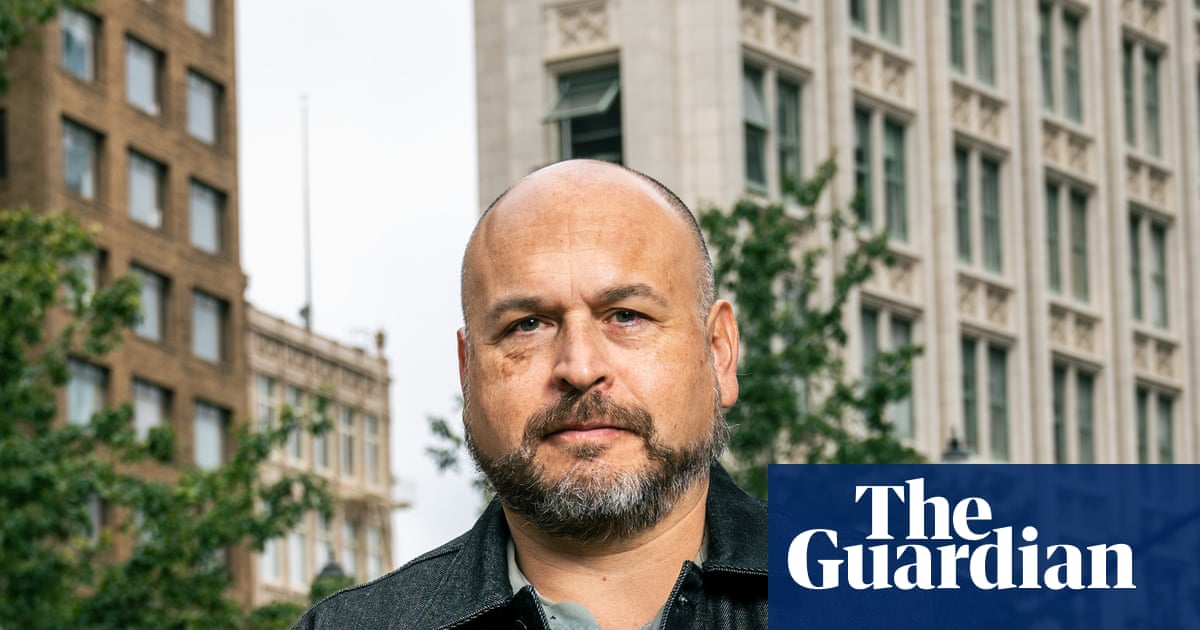

Today, Senator Bill Cassidy, announced that he will vote to confirm Todd Blanche as Attorney General.
Lisa Gilbert, co-president of Public Citizen, issued the following statement in response:
“This is an appalling outcome for the rule of law. Todd Blanche is Donald Trump’s lawyer. He is committed to lawfare and Donald Trump’s political vendettas, not rule of law defense and the American people. He should not become our permanent attorney general. We are disgusted by those who are allowing his confirmation to continue.”
 The Department of War has published the fifth release of data regarding Unidentified Anomalous Phenomena (UAP). Chief Pentagon spokesman, Sean Parnell, said: “Today, the Department of War is publishing the fifth release of declassified and historical Unidentified Anomalous Phenomena (UAP) files as part of the Presidential Unsealing and Reporting System for UAP Encounters (PURSUE). The […]
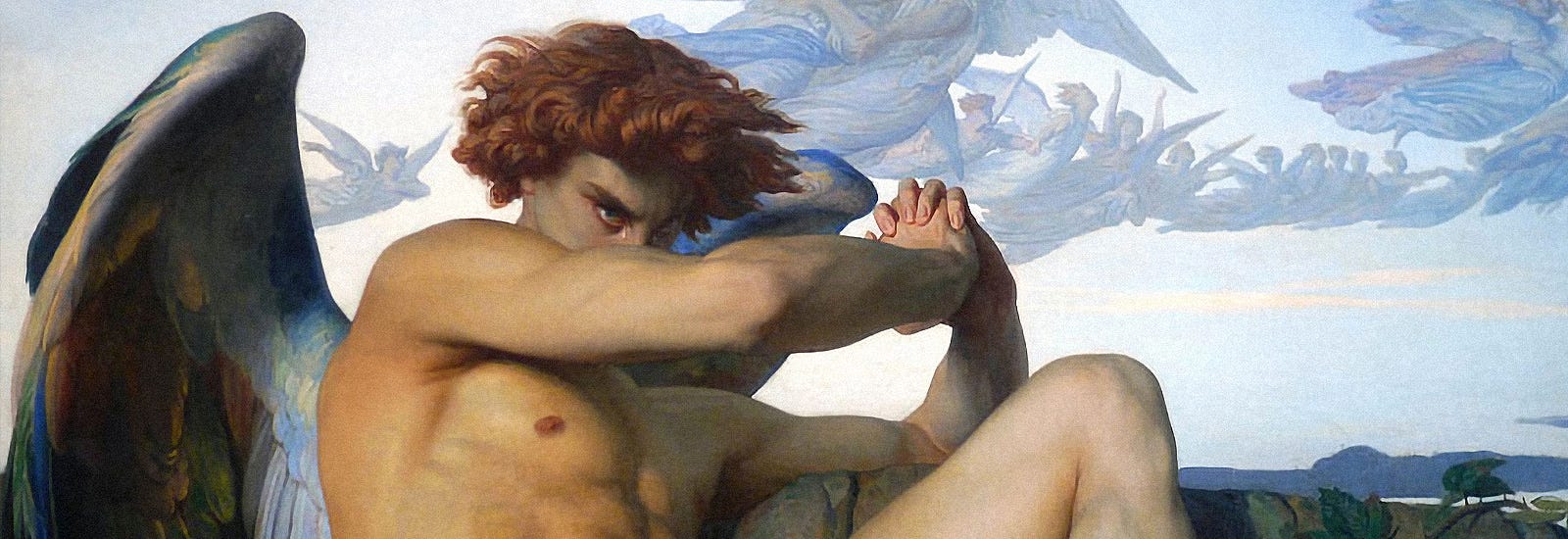
People will often say, “I don’t believe in God,” but it’s rare to hear someone say, “I don’t believe in evil.”
That is a hard conclusion to come to, especially when the horrors and atrocities of the world are live-streamed directly to our phones through social media. Evil is hard to miss—so hard, in fact, that even those who reject God do not hesitate to condemn genocide, rape, slavery, child abuse, and torture as “evil.”
They don’t merely dislike these things. They don’t speak of them as a matter of personal preference. They talk as though they are objectively wrong.
We all instinctively appeal to a moral standard that stands above the beliefs of the individual, cultural norms, and government dictates. It’s why anyone can pronounce moral judgements against other individuals, differing cultural practices, and the actions of foreign governments.
Whether we are aware of it or not, in doing so, we are actually appealing to a moral measure outside of ourselves—an above standard to which the individual and collective ought to conform.
But where does that assumed standard come from?
If the universe is nothing more than matter in motion, then concepts like good and evil are ultimately products of human opinion, biology, chemical reactions in the brain, or social convention. One society’s values might differ from another’s, but there’s no higher court to appeal to. We can only describe actions as popular or unpopular, but calling them objectively evil is impossible to justify if one does not believe in God.
Yet our moral instincts resist that conclusion. We don’t believe the horrors of history were merely unfortunate cultural preferences, or that child abuse is only wrong because most people dislike it. Most people believe these things would remain morally wrong, even if everyone approved of them.
That conviction points beyond ourselves. It suggests that morality is discovered without, rather than invented from within, that good and evil are realities, not just personal opinions.
But if evil is real in an objective sense, then it raises another important question: Is there an objective good? Evil is not something that exists independently. It is the corruption or absence of what ought to be. Just as darkness is the absence of light, evil presupposes a standard of good from which it deviates or departs.
So, the question is not simply whether God exists, but whether our belief in objective evil already assumes the kind of moral universe that only a belief in God can justify.