❌

Reading view

NCCIA arrests Faisalabad man for alleged Saudi visa fraud via TikTok

The National Cyber Crime Investigation Agency (NCCIA) said on Thursday it has arrested a suspect in Faisalabad for allegedly defrauding citizens through a TikTok account advertising visas for Saudi Arabia.

A case has been registered against the suspect, who allegedly “used fabricated documents and transferred fraudulent proceeds into bank accounts in collaboration with other” co-suspects, the agency said on X.

NCCIA said it recovered two mobile phones, 10 fake SIMs, an Easypaisa account and an alleged merchant account during the operation.

“Strict legal action will be taken against those using social media platforms to rob citizens on the pretext of overseas jobs and visas,” NCCIA Director General Syed Ali Nasir Rizvi said in a statement issued by the agency’s spokesperson.

He also urged citizens not to transfer money without verifying visa offers on social media and to immediately report any suspicious account to NCCIA.

According to the agency’s statistics for 2026, financial fraud remains the most widely reported cybercrime, constituting 48 per cent of all received complaints.

On Oct 10, NCCIA arrested 281 suspects, including 21 foreign nationals and 20 women, during operations against seven illegal call centres allegedly involved in financial fraud, online harassment and honey-trapping in Lahore.

In September, NCCIA, along with the Federal Investigation Agency, arrested six suspects involved in cyber fraud and financial scams, illegal money exchange and human trafficking across Punjab.

  •  

Famous TikToker arrested for harassing female journalist on social media

LAHORE – The National Cyber Crime Investigation Agency (NCCIA) Lahore has arrested a well-known TikToker for allegedly harassing a female journalist on social media.

According to reports, the arrested TikToker has been identified as Muhammad Shahzaib, also known as Shahzaib Sialkoti, a resident of Sialkot. A case was registered against him following a complaint by the female journalist. The suspect had allegedly uploaded an obscene, insulting and derogatory video targeting the journalist on Facebook.

Reports said that, with the approval of the Additional Director of NCCIA Lahore, a raid was conducted at City Housing Society in Sialkot following a tip-off from an informant. The TikToker was arrested during the operation, and two mobile phones were recovered from his possession.

During an on-the-spot technical examination, investigators reportedly found that the suspect’s Facebook account, two Instagram accounts and TikTok account were active on the recovered phones.

According to reports, the controversial video was found in the Downloads folder of an iPhone. The investigation further revealed that the suspect’s Facebook and TikTok accounts were monetised and linked to a private bank account. He allegedly earned money by uploading roast videos and controversial content on social media.

Reports added that during interrogation, the TikToker admitted to uploading the video on September 10, 2026, and later deleting it because of the inappropriate language used in it.

The timely action by NCCIA Lahore highlights the agency’s stated commitment to investigating cyber harassment and defamation cases.

The post Famous TikToker arrested for harassing female journalist on social media appeared first on Daily Pakistan English News.

  •  

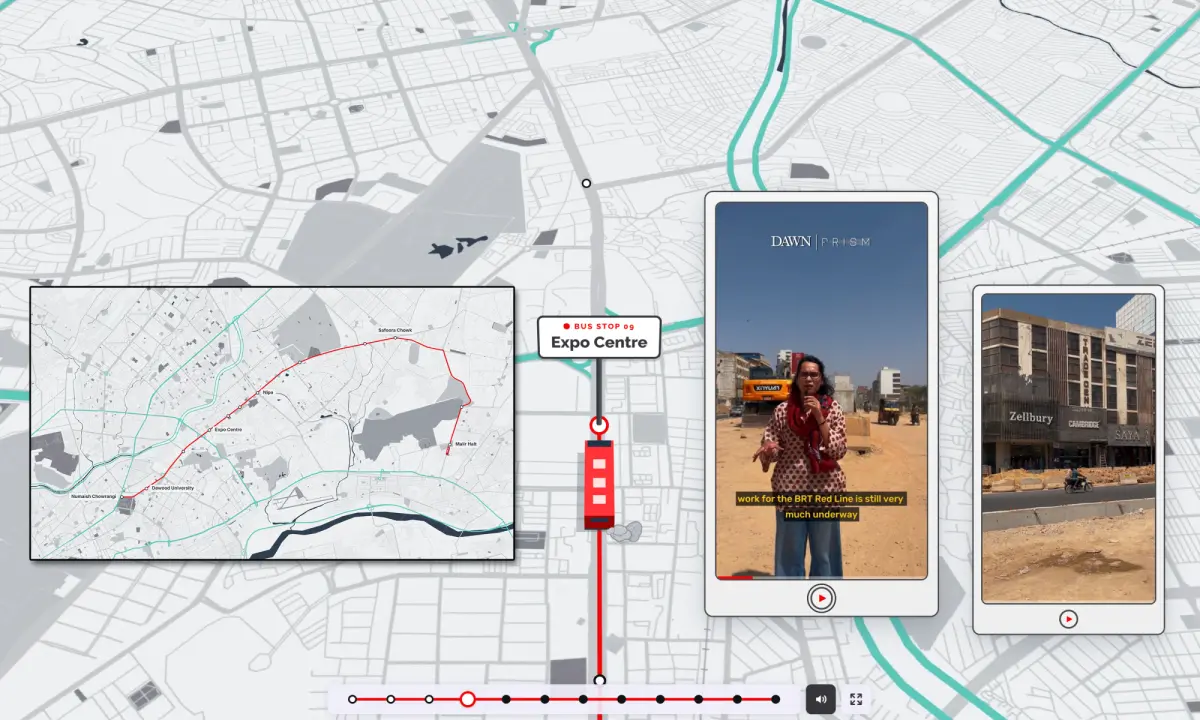
We toured Karachi's Red Line to bring you this update

Bus route · 12 stops

We toured Karachi’s Red Line to bring you this update

An interactive on what is finished, still under construction and what life beside the work looks like.

  • Bus route
  • Stop

Story by Muzhira Amin and Zareef Rind
Design by Mohsin Alam and Ibrahim Yahya
Videos edited by Wajid Usman

  •  

Harry Brook smashes double century as England post 429 against Sri Lanka

RAWALPINDI –  England set Sri Lanka a mammoth target of 430 runs in the third match of the tri-nation series being played at Rawalpindi Cricket Stadium.

After winning the toss, Sri Lanka elected to field first. However, England capitalised on the opportunity, scoring 429 for four in their allotted 50 overs.

England captain Harry Brook produced a sensational innings, scoring 202 off 116 balls to register a remarkable double century. Joe Root contributed 69 runs, Tom Banton scored 50, and Ben Duckett added 29, while Will Jacks remained unbeaten on 66.

For Sri Lanka, Dunith Wellalage claimed two wickets, while Asitha Fernando and Janith Liyanage took one wicket each.

Sri Lanka made one change to their playing XI, bringing in Dunith Wellalage in place of Sanchitha Colombage.

Meanwhile, Pakistan remain unbeaten in the tri-nation series, having defeated Sri Lanka by 37 runs in the opening match and England by 87 runs in the second.

The post Harry Brook smashes double century as England post 429 against Sri Lanka appeared first on Daily Pakistan English News.

  •  

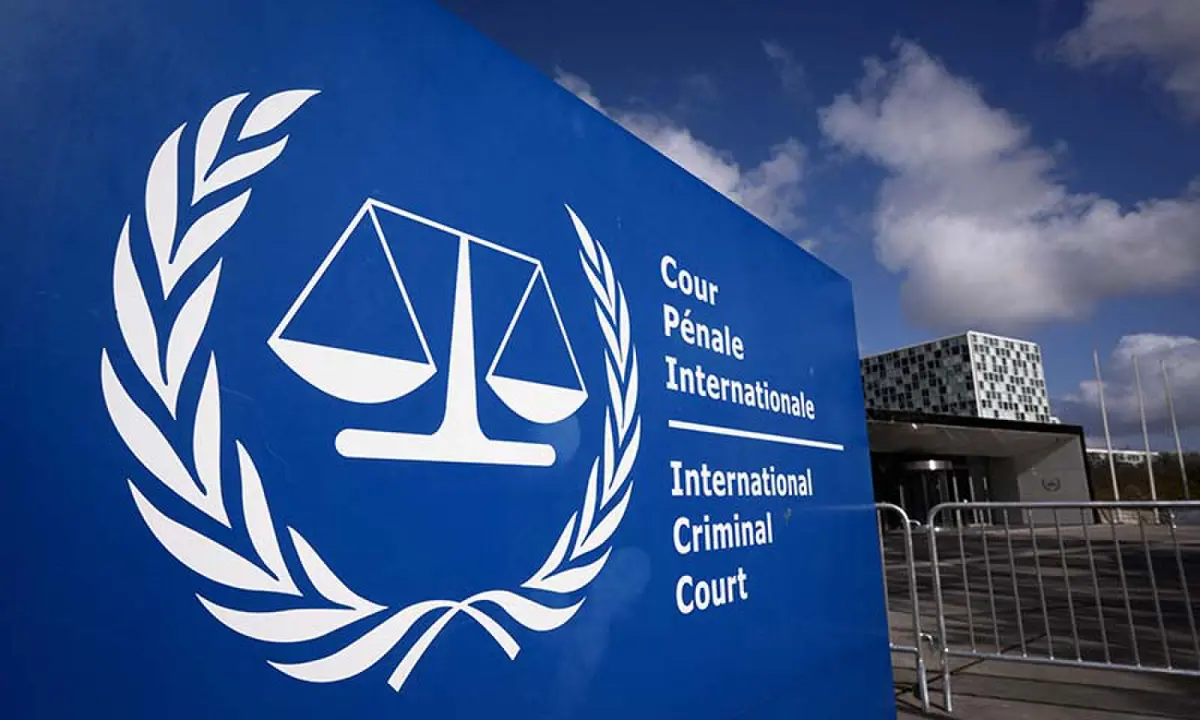
Targeted by Trump, International Criminal Court wins top EU rights prize

Facing US sanctions, the International Criminal Court was awarded the European Union’s top rights prize on Thursday, in a show of support that risks upsetting President Donald Trump.

“The European Union is built on respect for multilateralism and international institutions, and this prize recognises the important work of the court in upholding international law and justice,” said European Parliament chief Roberta Metsola, announcing the award.

The ICC thanked the European Parliament for giving it the Sakharov Prize “at a time when the Court and its officials face unprecedented challenges”.

“Against this backdrop, the Sakharov Prize carries particular significance, reaffirming the importance of independent judicial institutions and of those who work to uphold international law,” ICC President Tomoko Akane said.

This month, the United States announced sanctions against the ICC aimed at crippling the day-to-day operations of the court, which tries individuals for war crimes, crimes against humanity and genocide.

Trump’s administration has vowed to dismantle the court “brick by brick”, furious that judges have issued an arrest warrant for Israel’s Prime Minister Benjamin Netanyahu for alleged crimes in Gaza.

The win comes after ex-ICC judge Navi Pillay, who also served as UN rights chief, was awarded the Nobel Peace Prize this month — a choice Trump slammed as “disgraceful”, arguing the award should have gone to him.

The EU has already thrown its support behind the ICC in the face of the US sanctions — which will come into force in six months — and has said it is “ready to take any necessary measures” to make sure the court can keep working.

“The International Criminal Court must be free to pursue its mission, independently, and without pressure or intimidation,” EU chief Ursula von der Leyen said on social media after the prize was announced.

Brussels is hoping to use the delay before the sanctions are applied to try to talk the US down, but is also eyeing implementing a “blocking statute” to shield the ICC from Washington.

Three finalists

Set up in 1988 and named after Soviet dissident Andrei Sakharov, the EU prize is bestowed annually on individuals or organisations to recognise their fight for human rights or democracy.

The ICC was among three finalists this year, alongside Tanzania opposition leader Tundu Lissu and twin sisters Taraneh and Romina Rahimi, representing those prosecuted by the Iranian government.

The nominees are put forward by the political groupings in the EU, and the winner is chosen by senior lawmakers. An award ceremony will be held in December.

Lissu, head of Tanzania’s opposition Chadema party, was detained in April 2025. He faces a possible death penalty if convicted of treason for allegedly inciting the public to boycott elections last year.

Taraneh and Romina Rahimi, 21, have respectively been sentenced to death and 36 years in prison for having taken part in anti-government protests in Iran.

Other recent high-profile winners of the Sakharov Prize have been Venezuelan opposition chief Maria Corina Machado, deceased Russian Kremlin critic Alexei Navalny and the people of Ukraine.

  •  

England captain Harry Brook smashes fastest double century in ODI

RAWALPINDI – England captain Harry Brook produced a sensational batting performance at Rawalpindi Cricket Stadium on Thursday, smashing a fastest double century against Sri Lanka in the Pakistan ODI Tri-Nation Series.

Brook blasted an extraordinary 202 runs off just 116 balls, becoming the first England batter to score a double century in men’s One-Day International cricket.

Harry Brook smashed the fastest double-century in ODI history, off 114 balls, breaking Shubman Gill’s record of 117 balls

The England skipper dominated the Sri Lankan bowling attack with an outstanding display of power hitting and innovative stroke play. His remarkable knock included 16 fours and 10 sixes, leaving the opposition struggling to contain the aggressive captain.

Brook’s incredible innings helped England post a mammoth total of 429 for four, putting Sri Lanka under enormous pressure in the high-profile tri-series encounter.

Joe Root also contributed a valuable 69 runs, while Tom Banton scored 50 and Will Jacks provided a late explosive contribution with 66 off just 24 balls.

The Rawalpindi crowd witnessed a memorable display of modern ODI batting as Brook demonstrated his leadership, confidence and exceptional ability to dominate world-class bowling.

Brook’s historic double century marked a major milestone in English cricket and strengthened his reputation as one of the most dangerous batters in international cricket.

His extraordinary performance will be remembered as one of the standout moments of the Pakistan ODI Tri-Nation Series.


The post England captain Harry Brook smashes fastest double century in ODI appeared first on Daily Pakistan English News.

  •  

Pakistan, EU agree to strengthen counterterrorism cooperation at multilateral forums

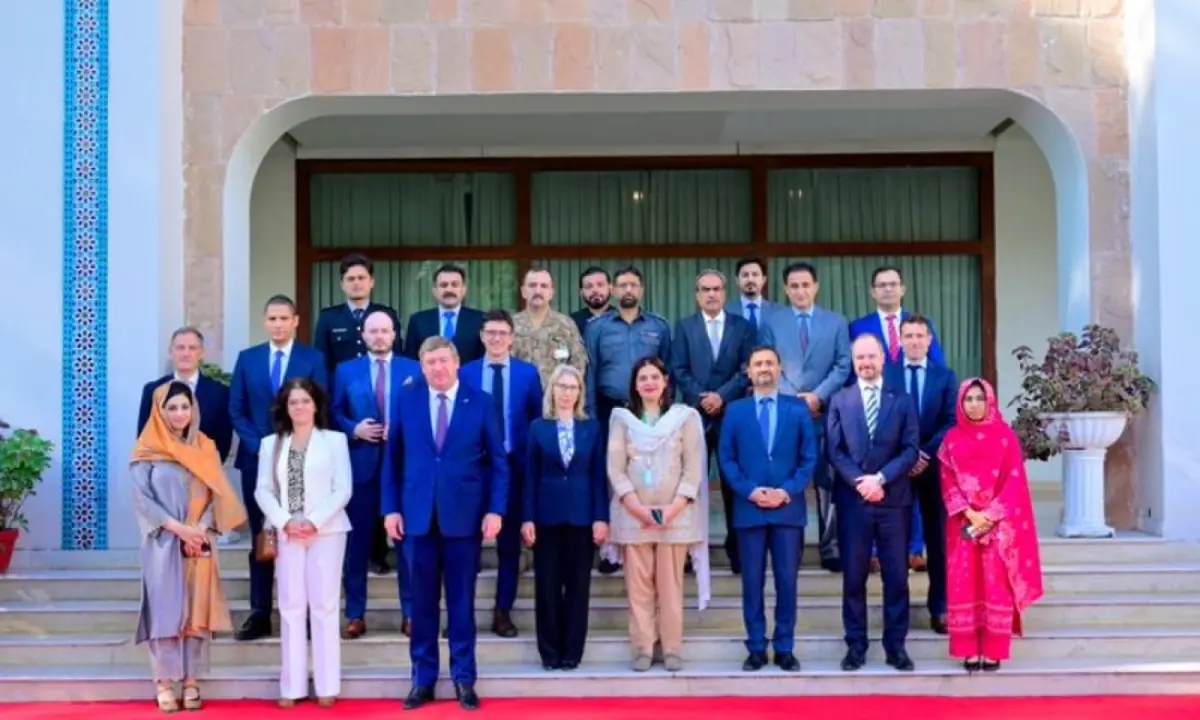
Pakistan and the European Union (EU) have agreed to strengthen cooperation at multilateral forums, including the United Nations, to advance a coherent counterterrorism approach, according to a statement issued by the Foreign Office (FO) on Thursday.

The agreement was reached during the 10th round of the Pakistan-EU Bilateral Counterterrorism Dialogue, held in Islamabad.

The Pakistani delegation was led by Dr Fareha Bugti, director general (counterterrorism), while the EU side was headed by Anna Strazska, the European External Action Service’s special envoy for counterterrorism.

During the meeting, the two sides exchanged views on recent regional and global developments affecting the terrorism threat landscape and unequivocally condemned terrorism in all its forms, reaffirming their commitment to combating the threat.

According to FO, the EU condemned recent terrorist attacks in Pakistan, expressed solidarity with the suffering of affected civilians and recognised the value of Pakistan’s efforts to combat terrorism.

“Acknowledging each other’s role in the ongoing global fight against terrorism, Pakistan and the EU expressed concern at the security implications of the situation in Afghanistan,” the statement added.

The two sides maintained that effective multilateralism remained essential to building lasting international consensus on terrorism.

The discussions also addressed the evolving nature of terrorist threats, including the exploitation of cyberspace and information and energy resources to advance their objectives, the statement said.

The FO said Pakistan and the EU exchanged best practices on preventing and countering violent extremism, terrorism financing and radicalisation in all forms, particularly the use of cyberspace by terrorists.

It added that the “two sides identified priority areas for cooperation and reaffirmed their commitment to regular, institutionalised engagement on counterterrorism”.

The FO said the next round of the dialogue would be held in Brussels at a mutually convenient date next year.

The dialogue comes as Pakistan’s counterterrorism challenge enters a new and more complex phase, with terrorist groups evolving their methods of financing and recruitment.

On Tuesday, an international seminar on Pakistan’s evolving counterterrorism landscape, organised by the Institute of Strategic Studies Islamabad, highlighted the changing methods of terrorist groups, including their financing and recruitment.

Deputy Prime Minister and Foreign Minister Ishaq Dar urged the Afghan authorities to take “concrete, verifiable and irreversible action” against the banned Tehreek-i-Taliban Pakistan (TTP) and other groups operating from Afghan soil.

Information Minister Attaullah Tarar, who also addressed the seminar, cited UN assessments indicating that more than 6,000 TTP fighters were present in Afghanistan, with the overall militant presence exceeding 20,000.

  •  

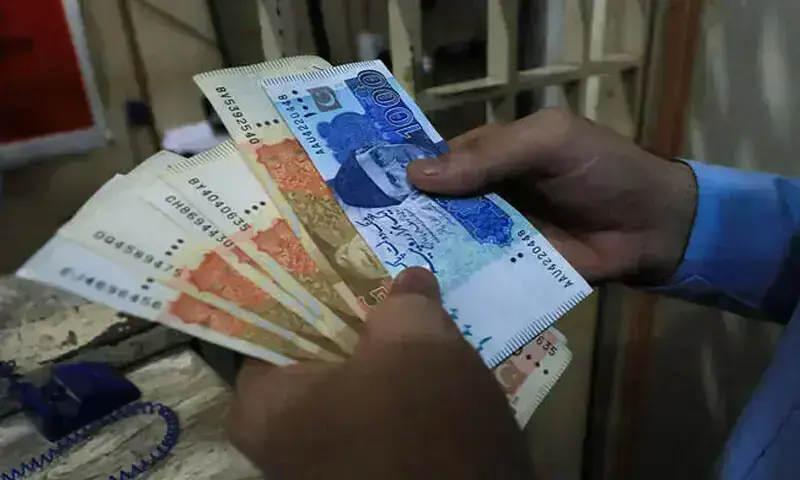
Faster reforms could triple Pakistan’s incomes by 2050, says World Bank

ISLAMABAD: Pakistan’s incomes could triple by 2050 if the country ensures faster implementation of structural reforms, according to the World Bank Group’s latest Pakistan Development Update, titled Attaining Escape Velocity.

The report says that following progress on macroeconomic stabilisation, Pakistan has an opportunity to achieve faster and sustained economic growth and create more jobs.

Sound macroeconomic policies in recent years have helped stabilise the economy and preserve growth despite the impact of the Middle East conflict.

Real gross domestic product (GDP) growth increased to 3.7 per cent in FY26 from 3.2pc in FY25.

Revenue growth and expenditure restraint supported record primary fiscal surpluses, which reached 2.9pc of GDP in FY26, while strong remittances enabled the country to rebuild its foreign exchange reserves.

These improvements were recognised through upgrades by two major international rating agencies, S&P and Moody’s, and enabled Pakistan to return to international debt markets with the issuance of a $3 billion Eurobond.

“Pakistan has made real progress in restoring stability, and markets have taken notice,” World Bank Country Dir­ector Bolormaa Amgaa­baz­­ar said.

“But real per capita growth — the rate at which the income of the average Pakistani increases — remains stuck at around 1.6pc. Reforms to drive faster growth are now urgently needed,” she added.

The report finds that higher growth is possible if Pakistan follows the path taken by other successful countries in pursuing ambitious economic reforms. Upgrading policies and institutions to the standards of the average middle-income country could drive sustained annual growth of 6.2pc to 6.9pc, allowing Pakistan to reach Vietnam’s current income level by 2050.

“With macro stabilisation achieved but fiscal resources and foreign exchange still tightly constrained, structural reform to encourage private investment is the necessary next step towards higher living standards,” said Sebastian Essl, the report’s lead author.

“Achieving this kind of private-sector-led growth requires a plan, coordination, and committed reform implementation,” he added.

The report outlines an ambitious set of reforms that could enable Pakistan to attain by 2050 the per capita income levels of countries currently at the upper-middle-income threshold.

Many of the proposed measures build on reforms already underway. These include timely adjustments to power-sector tariffs, which helped reduce energy subsidies from 1.1pc of GDP in FY25 to 0.8pc in FY26, continued trade liberalisation under the National Tariff Policy and the recent privatisation of Pakistan International Airlines (PIA).

Building on these measures, sustained progress will depend on further reforms to improve the business environment, overhaul the tax system, reduce the state’s presence in the economy and expand access to finance.

  •  

Relief for Gold Buyers as Per Tola prices drops to Rs431,536

ISLAMABAD – Gold prices in Pakistan continues to move downward on October 22, as another major reduction brought some relief to jewellery buyers amid falling international bullion rates.

The domestic gold market recorded a fresh decline of Rs3,000 per tola, pushing the price of 24-karat gold down to Rs431,536, according to the latest figures issued by the All-Pakistan Gems and Jewellers Sarafa Association (APGJSA).

Gold Rates in Pakistan Today

Gold Category Latest Price Change
24K Gold (1 Tola) Rs431,536 ↓ Rs3,000
24K Gold (10 Grams) Rs369,972 ↓ Rs2,572
International Gold (1 Ounce) $4,090 ↓ $30
Silver (1 Tola) Rs6,086 ↓ Rs121

Pakistan’s bullion market has witnessed consecutive price cuts this week, with gold becoming noticeably cheaper within 48 hours. On Wednesday, October 21, the price of one tola of gold stood at Rs434,536 after a reduction of Rs900.

The downward trend intensified on Thursday as another Rs3,000 was wiped off the per-tola price, bringing the rate to Rs431,536.

Date Gold Price Per Tola Daily Decline
October 21, 2026 Rs434,536 Rs900
October 22, 2026 Rs431,536 Rs3,000
Total Two-Day Decline — Rs3,900

International Gold Prices

The decline in Pakistan’s gold market coincided with a fresh correction in global bullion prices. International gold prices dropped by $30 per ounce, settling at $4,090 compared with the previous level of $4,120.

Changes in international bullion prices are an important factor influencing domestic gold rates, alongside movements in the rupee-dollar exchange rate.

The downward pressure was not limited to gold, as silver also registered a significant price reduction. According to APGJSA figures, silver became cheaper by Rs121 per tola, with the latest rate reaching Rs6,086. Before the reduction, silver was priced at Rs6,207 per tola.


The post Relief for Gold Buyers as Per Tola prices drops to Rs431,536 appeared first on Daily Pakistan English News.

  •  

Pakistanis Could Become 3 Times Richer in next 20 years, World Bank predicts

ISLAMABAD – Imagine earning three times as much as today in next two decades. What sounds like distant dream could be reality by 2050, according to the World Bank, but the country must undertake sweeping economic reforms and accelerate growth to nearly 7% annually, or risk missing a historic opportunity for prosperity.

In fresh assessment, the global lender offered ambitious vision for Pakistan’s economic future, suggesting that the country could reach income levels comparable to those currently enjoyed by Vietnam within the next 24 years. However, behind the optimistic projections lies a serious warning: despite improvements in Pakistan’s financial position, the average citizen’s real income is growing by just 1.6% annually, raising questions about how quickly the country’s economic recovery is benefiting ordinary households.

The report suggests Pakistan could achieve sustained annual GDP growth of between 6.2% and 6.9% if it undertakes ambitious reforms to modernise its institutions, improve economic governance and remove obstacles to private investment. Under this scenario, Pakistan could potentially triple its per capita income by 2050, bringing living standards closer to those currently found in more successful developing economies.

The World Bank specifically identified Vietnam as a benchmark, suggesting Pakistan could reach its present income level if the proposed reforms are implemented consistently. The lender also outlined a pathway towards income levels associated with countries currently entering the upper-middle-income category.

But these projections come with a major condition: economic reforms must continue over the long term rather than being abandoned after short periods of financial improvement.

Are Pakistanis Getting Richer?

Pakistan’s economic indicators shown considerable improvement, according to the report, despite financial pressures and disruptions linked to the Middle East conflict.

Real GDP growth accelerated to 3.7% in FY26, compared with 3.2% in FY25. Stronger revenue collection and government spending restraint also helped Pakistan achieve a primary fiscal surplus equivalent to 2.9% of GDP during FY26.

Overseas Pakistanis continued to play a crucial role in supporting the economy, with remittance inflows helping rebuild foreign exchange reserves. The improvement in economic fundamentals also attracted international recognition. Two leading credit rating agencies, S&P Global Ratings and Moody’s, upgraded Pakistan’s sovereign ratings, while the country returned to international debt markets through a $3 billion Eurobond issuance.

These developments signalled renewed investor confidence in Pakistan’s financial outlook. However, the World Bank cautioned that restoring economic stability is only the beginning of a much larger challenge.

While Pakistan’s overall economy has expanded, the report revealed that real per capita income growth remains stuck at approximately 1.6%. This means that the pace at which the average Pakistani’s inflation-adjusted income is increasing remains significantly below the level needed for rapid improvements in living standards.

World Bank Country Director for Pakistan Bolormaa Amgaabazar acknowledged that the country had made meaningful progress in restoring economic stability and rebuilding market confidence. However, she stressed that Pakistan now urgently needs reforms capable of producing stronger and more sustained economic growth.

Pakistan’s return to international debt markets emerged as another major highlight of the World Bank assessment. The issuance of a $3 billion Eurobond demonstrated the country’s renewed ability to access international financing following improvements in macroeconomic management.

The report also highlighted credit rating upgrades from Moody’s and S&P, reflecting stronger confidence in Pakistan’s economic stabilisation efforts. The recovery has been supported by fiscal discipline, improved revenue performance and foreign exchange inflows. World Bank warned that Pakistan still faces significant constraints in government finances and foreign currency availability.

The report identified private-sector expansion as one of the most important drivers of Pakistan’s future prosperity. WB lead author stressed that the country must now focus on structural reforms that create opportunities for businesses to invest, expand and generate employment.

With fiscal resources limited and foreign exchange pressures continuing, the World Bank believes private-sector-led growth offers Pakistan a more sustainable route towards higher incomes. However, achieving this transformation would require effective coordination between government institutions, a clearly defined economic strategy and sustained implementation of reforms.

Without these changes, the report suggests Pakistan could struggle to maintain the pace of growth required to achieve its long-term income targets.

The World Bank’s latest findings present both an opportunity and a warning for Pakistan’s policymakers.

The country of nearly 250 million made measurable progress in restoring financial stability, rebuilding reserves, improving fiscal management and regaining international market confidence. On the other, the benefits of that recovery have yet to translate into sufficiently rapid income growth for the average Pakistani.

The contrast between the country’s current 1.6% real per capita income growth and its potential to sustain GDP growth of nearly 7% highlights the scale of the transformation required.


The post Pakistanis Could Become 3 Times Richer in next 20 years, World Bank predicts appeared first on Daily Pakistan English News.

  •  

President Zardari departs for Germany on 3-day visit to discuss bilateral ties

President Asif Ali Zardari departed for Germany on Thursday on a three-day visit to discuss bilateral ties as the two countries are set to mark the 75th anniversary of their diplomatic relations.

In a statement issued earlier, the Foreign Office (FO) said the president’s visit, scheduled for Oct 22-24, is “part of high-level exchanges between Pakistan and Germany”.

President Zardari “has departed from Lahore for Germany”, the President’s office said on social media on Thursday.

The FO statement highlighted that the visit “holds special significance in the context of the 75th anniversary of the establishment of diplomatic relations between the two countries being commemorated this year”.

It said the visit reflects the “deep commitment of both countries to further strengthening the partnership”.

During his visit, President Zardari will hold meetings with his German counterpart Frank-Walter Steinmeier, as well as senior leadership and business leaders, with a “particular focus оп economic and trade cooperation”, FO said.

Sindh Chief Minister Murad Ali Shah is also expected to accompany the president on his trip, with the matter being discussed in Murad’s meeting with German Consul General Thomas E. Schultze.

In September, Deputy Prime Minister and Foreign Minister Ishaq Dar met German Foreign Minister Johann Wadephul on the sidelines of the United Nations General Assembly.

During the meeting, Germany appreciated Pakistan’s mediation efforts in regional conflicts, especially in the Strait of Hormuz and Bab al-Mandab while the two sides also agreed to “get negotiations on peace for Ukraine going”, according to the German foreign office.

Meanwhile, in June, a German delegation announced plans to bring about 30 German companies to Pakistan and link local businesses to European markets.

  •  

LPG Cylinder may soon cost over Rs10,000 as Per Kg Price hits Rs750

ISLAMABAD – Ahead of the winter gas crunch, Pakistanis witnessed another price shock as Liquefied Petroleum Gas (LPG) rates have skyrocketed to Rs750 per kilogram in some areas, raising fears that the cost of a domestic cylinder could cross Rs10,000 mark.

With gas demand expected to rise in months to come, consumers could face another blow as the government considers a major overhaul of the country’s LPG pricing mechanism. Under the proposed changes, LPG prices could be revised daily instead of monthly, potentially exposing households and businesses to more frequent fluctuations in cooking gas costs.

LPG Prices Update

The situation becomes concerning in northern regions, where LPG is reportedly being sold for as much as Rs750 per kg. At this rate, a standard 11.8-kilogram domestic LPG cylinder would cost approximately Rs8,850, excluding any additional charges. A further increase could push the cylinder price beyond Rs10,000.

The steep rise is particularly worrying for households that rely on LPG for cooking and heating, especially in areas where piped natural gas is unavailable or unreliable.

Amid growing concerns over rising gas prices, the federal government is reportedly considering replacing the existing monthly LPG pricing formula with a daily rate-setting mechanism. The proposal is intended to address price volatility, discourage hoarding and prevent artificial shortages during the winter months.

LPG importers have urged authorities to review the existing price determination system, arguing that monthly revisions may not adequately reflect changing market conditions. Importers have proposed two alternatives: weekly or daily LPG price adjustments. The suggested reforms would replace the current monthly system with a more frequently updated pricing structure.

Although fears of cylinder price intensified, the price has not been officially announced. For a standard 11.8-kilogram domestic cylinder to cross Rs10,000, the LPG rate would need to exceed approximately Rs847.46 per kilogram, excluding additional charges. At the reported rate of Rs750 per kilogram, the gas alone would cost Rs8,850.

LPG overcharging costs Pakistani consumers more than Rs1.4b five days


The post LPG Cylinder may soon cost over Rs10,000 as Per Kg Price hits Rs750 appeared first on Daily Pakistan English News.

  •  

Pakistani apps record 4.6bn downloads in a year, Google says

LAHORE – Apps and games developed in Pakistan recorded 4.6 billion downloads worldwide over the past 12 months, Google said on Thursday, highlighting the sector’s potential to contribute to the country’s digital exports.

The company shared the figures at Think Apps 2026 in Lahore, where Pakistani developers and international industry experts discussed the use of artificial intelligence to improve production, attract users and expand into overseas markets.

Sessions focused on growth strategies and monetisation as studios contend with increasing competition and rising user acquisition costs.

Opportunities for local studios

Google said Pakistan’s app and gaming industry now supported more than 30,000 professionals, with studios such as Game District and Funsol developing products for audiences beyond the domestic market.

Farhan Qureshi, Google’s cluster director for Pakistan, the Philippines, Thailand and Frontier Markets, said the international reach of Pakistani developers reflected the strength of local talent.

“The global impact of Pakistan’s developers reflects the world-class talent and ambition driving the local ecosystem,” he said.

He added that the company aimed to help studios use AI to develop products for international audiences, strengthen their businesses and increase Pakistan’s participation in the global digital economy.

Experts at the event discussed how AI could accelerate coding, support creative production and help developers respond to changing user needs. They also emphasised the importance of product quality and retaining users to sustain growth.

Tools for development and expansion

Under its “Build, Yield and Scale” roadmap, Google outlined tools intended to support studios through product development, user acquisition and revenue generation.

The company said Google Cloud AI could assist developers in building products, while Google Ads and AdMob could support audience growth and advertising revenue.

It also highlighted opportunities to enter new categories and markets, pointing to Google Play’s global reach of more than three billion monthly active users.

AI training pledge

Google reiterated its pledge to train 100,000 developers in Pakistan in AI by 2028, saying the initiative would support the development of new apps and games.

The company also highlighted plans to enable the local production of 500,000 Chromebooks to broaden access to technology for education.

Separately, it said 200,000 families had received online safety training through its Digital Pasban programme.

The post Pakistani apps record 4.6bn downloads in a year, Google says appeared first on Daily Pakistan English News.

  •  

Punjab MBBS Admissions 2026: UHS shares Application Deadlines, Merit Lists

LAHORE – The race for thousands of seats in Punjab’s private medical and dental colleges is set to begin, with University of Health Sciences (UHS) announcing admission schedule for the 2026–27 academic session.

Aspiring doctors will have short window to submit their applications, while dental candidates will follow a separate admission timeline. According to the schedule reported on October 22, the centralised admission process for private MBBS colleges will begin on October 23, 2026, with applications closing on November 6. The first selection list is scheduled for November 18.

Punjab Private MBBS Admissions 2026 Dates

Under the announced timetable, students seeking admission to private medical colleges can submit their applications online beginning October 23. Candidates will have until November 6 to complete the application process, leaving approximately two weeks to submit the required information and documents.

The first MBBS selection list is expected to be released on November 18, allowing applicants to check whether they have secured admission based on their merit and preferences.

Admission Event Date
Online applications open October 23, 2026
Last date to apply November 6, 2026
First MBBS selection list November 18, 2026

UHS Private BDS Admissions 2026–27 Schedule

Students interested in pursuing Bachelor of Dental Surgery (BDS) programmes will have to wait until December to begin their admission applications. According to the reported schedule, online applications for private dental colleges will open on December 18, 2026, and remain available until January 1, 2027.

The first selection list for private BDS colleges is scheduled to be published on January 13, 2027.

Admission Event Date
Online applications open December 18, 2026
Last date to apply January 1, 2027
First BDS selection list January 13, 2027

MBBS and BDS Seats

Competition for medical and dental admissions is expected to remain intense, with approximately 5,500 seats reported across Punjab’s private-sector institutions.

Figures associated with the provincial admission policy indicate that 33 private medical colleges offer approximately 4,400 MBBS seats, while 18 private dental colleges account for around 1,100 BDS seats.

Programme Private Colleges Seats
MBBS 33 4,400
BDS 18 1,100
Total 51 5,500

The figures are based on reported allocations under the provincial policy and remain subject to applicable Pakistan Medical and Dental Council (PMDC) approvals.

MDCAT 2026 UHS Question Paper and Answer Keys

UHS MBBS and BDS Merit Formula 2026–27

Admission to medical and dental colleges will be determined through a merit-based system that considers MDCAT performance alongside candidates’ academic records.

Under Punjab’s admission policy, the merit calculation follows this formula:

Qualification Merit Weightage
MDCAT 50%
FSc Pre-Medical / HSSC or equivalent 40%
Matric / SSC or equivalent 10%
Total 100%

Candidates must also fulfil the prescribed eligibility conditions, including the minimum academic marks and applicable MDCAT qualifying requirements.

Unlike separate applications submitted directly to individual institutions, Punjab’s centralised system places the admission process under the supervision of UHS. The university is responsible for managing applications and merit-based selection in accordance with the provincial government’s admission framework.

The arrangement is intended to promote transparency, consistency and compliance with admission regulations across participating private medical and dental colleges.

Candidates should ensure that their academic information, MDCAT results, supporting documents and college preferences are submitted correctly before the relevant deadlines.

Apply for UHS Private Medical and Dental Colleges

Students seeking admission should follow the official instructions issued by UHS when the relevant online application window opens. Applicants should review their eligibility, prepare their academic documents, complete the prescribed online application and follow the university’s instructions concerning fees, preferences and document verification.

Students can obtain official announcements and admission instructions through the UHS website at www.uhs.edu.pk.

UHS Private MBBS and BDS Selection Lists 2026–27

The first selection lists will be among the most closely watched developments for aspiring medical and dental students. According to the reported timetable, the private MBBS first selection list is expected on November 18, 2026, followed by the private BDS first selection list on January 13, 2027.

Candidates appearing on selection lists will need to follow the university’s instructions concerning fee deposits, verification and confirmation of admission within the prescribed deadlines.


The post Punjab MBBS Admissions 2026: UHS shares Application Deadlines, Merit Lists appeared first on Daily Pakistan English News.

  •  

Suzuki Alto Price to Fall below Rs2.8 Million under Proposed Auto Policy?

ISLAMABAD – Pakistan’s budget hatchback, Suzuki Alto, could become cheaper as the government prepares overhaul of Cars taxes, potentially bringing relief to buyers struggling with soaring vehicle prices.

The proposed Automotive and Auto Parts Manufacturing Policy 2026–31 could reshape Pakistan’s car market through lower import duties, revised sales taxes, exemptions for smaller vehicles and stricter rules to protect customers from unexpected price increases. As per initial estimates, Alto priced at assumed Rs3.2 million could fall to Rs2.8 million, with price of more than 10percent.

However, the projected reduction is not an officially announced price cut by Pak Suzuki, and the estimate does not identify a particular Alto variant.

The potential relief comes as Prime Minister Shehbaz Sharif reportedly approved the policy draft in principle on October 20, setting the stage for further scrutiny by the International Monetary Fund (IMF), federal cabinet consideration and necessary legislative approvals.

The proposed policy does not guarantee that every Alto variant will become cheaper by Rs355,000. Actual reductions, if any, would depend on the final taxation structure and subsequent pricing decisions by Pak Suzuki.

One of the key proposals concerns Automotive Development Levy, a new charge designed to support the country’s automobile export ambitions. The proposed system would impose higher charges on vehicles with larger engines while exempting smaller cars. That puts the Suzuki Alto in a potentially favorable position.

With 660cc engine, Alto falls comfortably below the proposed 1,000cc threshold and would therefore escape the new development levy. Larger petrol and diesel vehicles, however, could face additional charges of up to 10%.

Proposed Auto Development Levy

Vehicle category Proposed levy
Cars up to 1,000cc 0%
Cars between 1,001cc and 2,000cc 2%
Cars above 2,000cc 10%
Motorcycles and three-wheelers 0%
Agricultural tractors 0%
Non-agricultural prime movers 2%
Trucks and light commercial vehicles 2%
Buses and vans 2%

The detailed commercial-vehicle rates remain subject to verification against the final policy document.

Importantly, the exemption for smaller vehicles would apply specifically to the proposed development levy. Existing sales taxes, income taxes and other applicable charges would not automatically disappear.

Pakistan’s automobile taxation system could also undergo a major transformation under the five-year framework. The government proposes gradually reducing customs duty on conventional internal combustion engine vehicles, including petrol and diesel cars and SUVs, to 15% by 2031. Additional customs duties and regulatory duties would also be phased out under the proposed framework.

The changes are intended to reduce trade barriers, improve competition and encourage automobile manufacturers to expand their operations.

However, the full benefits would depend on the implementation schedule, manufacturers’ production costs and their willingness to pass savings on to customers.

Proposed Sales Tax Rates on Cars

Vehicle type Proposed sales tax
Battery electric vehicles 1%
Range-extended electric vehicles 6%
Plug-in hybrid electric vehicles 9%
Conventional hybrids 18%
Petrol and diesel vehicles 18%

The proposed tax structure would cover locally assembled and imported vehicles. The government is also considering a reduced 5% import tariff for smaller electric vehicles with a cost, insurance and freight value below $15,000 during the first two years of implementation. At the other end of the market, electric vehicles priced above $75,000 could face a proposed 10% federal excise duty.

Beyond tax relief, the government is reportedly considering measures aimed at practices that have frustrated Pakistani car buyers for years. Advance booking demands, price increases after orders are placed and the widespread practice of charging premiums for immediate vehicle delivery are among the issues the proposed framework seeks to address.

Under the reported draft provisions, automobile manufacturers would be restricted to collecting a maximum advance payment of 20% of a vehicle’s retail price. The policy proposes protecting customers against price increases after booking, except where qualifying government tax changes affect the final payable amount.

Another proposed measure would require vehicles to be registered in the actual buyer’s name before delivery from showrooms. Such requirement could make speculative bookings more difficult and discourage middlemen from purchasing vehicles solely to resell them at inflated prices.

The government’s automotive overhaul is not limited to reducing prices for domestic customers. The proposed Automotive Development Levy is expected to generate approximately Rs232 billion over five years, with the proceeds intended to support export incentives for automobile and auto-parts manufacturers.

The policy also sets an ambitious cumulative export target of approximately $6 billion during the five-year period. To push manufacturers toward international markets, the framework reportedly proposes linking certain incentives to export performance.

Manufacturers failing to achieve specified export targets could face financial penalties ranging from 1% to 3% of their annual production value. Repeated non-compliance over two consecutive years could potentially result in the cancellation of manufacturing certificates under the proposed enforcement mechanism.

Alto now available with 12.5pc Financing, Inclusive Insurance Benefits


The post Suzuki Alto Price to Fall below Rs2.8 Million under Proposed Auto Policy? appeared first on Daily Pakistan English News.

  •  

Waqar Ali: Pakistani singer, brother of Sajjad Ali, battles with Stage 4 Lung Cancer

LAHORE – Pakistan’s showbiz industry has been hit by heartbreaking news as music composer, singer and producer Waqar Ali, the younger brother of celebrated vocalist Sajjad Ali, has revealed that he is battling stage 4 lung cancer.

The 60-year-old shared the news on social media, leaving fans and fellow artists concerned about his health as he appealed for prayers during what he described as one of the most difficult chapters of his life. Waqar disclosed that he had recently been diagnosed with advance stage lung cancer, a development that has brought immense emotional challenges for both him and his family.


View this post on Instagram


A post shared by Waqar Ali Official (@thewaqarali)

Despite the seriousness of his condition, the acclaimed composer expressed determination to face the battle with faith, courage and hope.

Waqar acknowledged that revealing such personal and distressing news was far from easy. However, he said he felt a responsibility to share his condition with the people who had supported him throughout his musical journey. The musician also recalled his relationship with audiences, explaining that music had always been more than a profession for him. It was his way of connecting with people, expressing emotions and receiving extraordinary love from listeners.

In perhaps the most emotional part of his announcement, Waqar Ali admitted that he was uncertain about what the future might hold but remained firmly convinced of the power of prayers, faith and the goodwill of his supporters. He urged fans, friends and well-wishers to remember him in their prayers as he navigates the difficult road ahead.

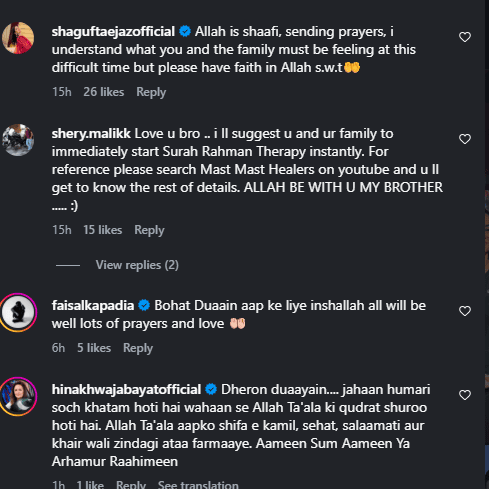
Pakistani stars and fans textended heartfelt wishes for the musician’s recovery, expressing hope that he would overcome the challenges ahead with strength and resilience.

Waqar Ali Pakistani Singer Brother Of Sajjad Ali Battles With Stage 4 Lung Cancer

Waqar Ali has been a prominent figure in Pakistan’s music industry for decades, building a reputation as a versatile composer, singer and music producer. His musical contributions span television dramas, films, vocal performances and music production, making him a familiar name in the country’s entertainment landscape.

He belongs to a celebrated musical family and is the younger brother of legendary Pakistani singer Sajjad Ali, whose voice and compositions have earned widespread recognition. Their father, Shafqat Hussain, was associated with classical music, providing a strong musical foundation that influenced the brothers’ artistic careers.

Sajjad Ali’s son debuts in father’s new single

The post Waqar Ali: Pakistani singer, brother of Sajjad Ali, battles with Stage 4 Lung Cancer appeared first on Daily Pakistan English News.

  •  

Karachi judicial magistrate rejects bail plea of anchorperson Iqrarul Hassan

KARACHI: A local court on Thursday rejected TV anchorperson Iqrarul Hassan’s bail plea in a cybercrime case pertaining to the alleged dissemination of anti-state content.

Hassan was arrested last week for allegedly disseminating anti-state, false and defamatory content through his official social media accounts. He was booked under multiple sections of the Prevention of Electronic Crimes Act (Peca).

According to an order issued by the judicial magistrate, a copy of which is available with Dawn, “the order disposes of the bail application filed under Section 497 of the CrPC on behalf of the applicant/accused, Syed Iqrar Ul Hassan, son of Syed Muhammad Ismail, who has been arrested in connection with FIR No. 101/2026 registered at Police Station NCCIA, Cyber Crime Reporting Centre, Karachi, under Sections 9, 10, 20, 24 and 26-A of the Prevention of Electronic Crimes Act, 2016 (as amended in 2025)”.

The notice of the bail application was served on the NCCIA’s additional director (legal), the order states.

Earlier this week, Hassan was sent to prison on judicial remand after the NCCIA sought an extension of his physical remand by another eight days.

However, Karachi (East) Judicial Magistrate-I Gulraiz Memon observed that the agency had been given “sufficient time of physical custody”.

“No cogent reason has been given by NCCIA for extension of physical custody; therefore, the accused is remanded to judicial custody till Oct 26,” the judge stated in his order.

The court also issued notices to the NCCIA on a bail application filed by Hassan’s defence counsel, Barrister Mian Ali Ashfaq, and fixed the matter for hearing on Oct 21.

On Oct 17, Hassan was produced before Judicial Magistrate Memon upon the completion of his initial four-day physical remand. The NCCIA sought a further 10 days of custody for questioning, but the magistrate rejected the request and granted the agency two more days.

The magistrate also dismissed a plea filed by Hassan’s counsel under Section 63 of the CrPC seeking his discharge from the case.

In its remand report, the NCCIA said the investigation had progressed but several important aspects remained to be examined in light of the forensic analysis of Hassan’s seized digital devices and records from other departments, including the National Database and Registration Authority (Nadra).

The agency said digital devices containing 1,145.89 gigabytes of data had been handed over to its forensic team for analysis to identify relevant applications, social media accounts, email accounts, stored files and communications linked to the alleged content.

The NCCIA also sought further custody to trace the “origin, relation, financial correlation and cross-border linkages (if any)” of the posts.

In his earlier order, the magistrate observed that collecting digital footprints, technical data and forensic evidence required reasonable time, adding that discharging an accused while the investigation was under way could hamper the process.

The NCCIA alleged that the content was intended to incite the public against constitutional implementation and could cause panic, disorder and unrest.

Hassan was booked under sections 9 (glorification of an offence), 10 (cyberterrorism), 24 (cyberstalking) and 26A (Punishment for false and fake information) of Peca. He had been critical of the government’s policies on social media.

  •  

Nearly 40% Inter Students Fail Bise Lahore Class 11 Results 2026

LAHORE – Girls once again outclassed boys in BISE Lahore Class 11 annual examinations, as the board announced its Intermediate Part-I Results 2026, with more than 99,000 students passing and over 66,000 failing to clear the examinations.

Female candidates secured pass percentage of 68.23%, compared to just 47.32% among boys. The nearly 21-percentage-point gap has emerged as one of the biggest talking points of this year’s results.

168,655 candidates registered for the examinations, of whom 165,245 appeared. A total of 99,191 students passed, taking the overall success rate to 60.03%, while 66,054 candidates failed to secure passing status.

Improvement over Last Year

Despite large number of unsuccessful candidates, the 2026 results brought encouraging news for the board, with the overall pass percentage rising from 53.77% in 2025 to 60.03% this year. Interestingly, fewer students appeared in 2026, yet more managed to pass. The number of successful candidates increased by 6,650, even as examination attendance declined by 6,855.

Stats 2025 2026
Registered candidates 175,949 168,655
Appeared 172,100 165,245
Passed 92,541 99,191
Pass percentage 53.77% 60.03%

The improvement of 6.26 percentage points indicates stronger overall performance compared with the previous year.

Female students emerged as the clear winners of the 2026 examinations, accounting for more than two-thirds of all successful candidates. Of the 100,409 girls who appeared, 68,509 passed, producing a success rate of 68.23%. In comparison, only 30,682 of the 64,836 boys who appeared managed to pass, resulting in a pass percentage of 47.32%.

Gender Appeared Passed Pass %
Boys 64,836 30,682 47.32%
Girls 100,409 68,509 68.23%
Total 165,245 99,191 60.03%

The figures show that approximately 69% of all successful candidates were girls, highlighting their dominance in this year’s examinations.

Pre-Engineering vs Humanities

A closer examination of District Lahore’s results reveals that Pre-Engineering students achieved the highest pass percentage among major academic groups, while Humanities and related subjects recorded the weakest performance.

Pre-Engineering topped the district rankings with a 78.67% success rate, followed by Pre-Medical at 75.12%. General Science recorded a 58.89% pass rate, Commerce stood at 53.24%, and Humanities and Others finished at 48.33%.

Academic Group Appeared Passed Pass %
Pre-Engineering 4,966 3,907 78.67%
Pre-Medical 20,679 15,534 75.12%
General Science 44,710 26,328 58.89%
Commerce 9,047 4,817 53.24%
Humanities & Others 34,941 16,886 48.33%

The most alarming gender disparity appeared in Humanities, where only 23.12% of boys passed, compared with 61.62% of girls. Girls also dominated Pre-Engineering with an impressive 85.05% pass percentage against 75.40% for boys.

In Pre-Medical, girls secured 76.71%, compared with 69.13% for boys. The trend continued in General Science, where girls achieved 63.82% against 54.06%, and Commerce, where their pass percentage reached 62.33%, compared with 43.54% among boys.

The results also revealed a strong showing among high achievers, with 23,075 students obtaining A+ grades and another 27,205 securing A grades. A combined 50,280 successful candidates achieved either A+ or A grades. Grade B was the largest category, with 31,031 students, followed by 15,493 candidates receiving Grade C.

Grade Number of Students Share of Passed
A+ 23,075 23.26%
A 27,205 27.43%
B 31,031 31.28%
C 15,493 15.62%
D 2,366 2.39%
E 21 0.02%

Only 21 students received Grade E, accounting for 0.02% of successful candidates.

District Lahore’s figures also exposed a significant difference between regular and private candidates. Of the 100,143 regular students who appeared, 61,590 passed, producing a success rate of 61.50%. Private candidates performed considerably worse, with only 5,882 passing out of 14,200 who appeared, leaving their success rate at 41.42%.

The gender gap was even more pronounced among private candidates. Girls recorded a 54.77% pass rate, while boys managed just 19.75%.

District Lahore alone accounted for 114,343 candidates who appeared in the examinations, of whom 67,472 passed, resulting in a 59.01% success rate. Among these candidates, 45,086 girls passed out of 67,683 who appeared, achieving a success rate of 66.61%.

Boys, however, recorded a much lower success rate of 47.98%, with 22,386 passing out of 46,660 candidates. The district’s performance remained slightly below the overall BISE Lahore pass percentage of 60.03%.

BISE Lahore class 11th official results gazette 2026: PDF Download

The post Nearly 40% Inter Students Fail Bise Lahore Class 11 Results 2026 appeared first on Daily Pakistan English News.

  •  

LHC issues notices to foreign secretary in contempt cases over detention of PTI-linked Pakistanis in UAE

LAHORE: The Lahore High Court (LHC) on Thursday issued notices to Foreign Secretary Asim Iftikhar in two separate contempt petitions over alleged non-compliance with an earlier court order concerning two PTI-affiliated Pakistani citizens detained in the United Arab Emirates (UAE).

On September 14, the LHC had directed the foreign secretary to process and decide within 15 days representations concerning the detention of two citizens — Syed Salman Raza Zaidi and Muhammad Junaid Jahangir.

Justice Sadiq Mehmood Khurram heard the contempt petitions on Thursday. Barrister Abuzar Salman Niazi appeared on behalf of the petitioners and alleged that the two individuals remained deprived of consular, diplomatic, and legal access.

He recalled the court’s Sept 14 directive and contended that the petitioners had not been formally informed of any decision on their representations, even though a considerable amount of time had passed.

The counsel urged the court to initiate contempt proceedings against the foreign secretary for non-compliance.

After hearing initial arguments, Justice Khurram issued notices to the respondent secretary for submission of his reply by October 29.

In the main petitions, the counsel stated that Zaidi went missing from his residence in Sharjah on Sept 27, 2024, and was subsequently taken into custody by UAE authorities.

He said despite nearly two years having passed, the petitioner, Faryal Zainab, had still not been provided clear information regarding the charges against her husband Zaidi, the judicial proceedings, any sentence, or the complete court record.

Meanwhile, Advocate Niazi said Jahangir was allegedly detained on Sept 24, 2024, at Dubai airport on his return from Saudi Arabia.

Muhammad Ibrahim, Jahangir’s father, filed the petition challenging the alleged failure of the federal government and the Ministry of Foreign Affairs (MOFA) to provide effective consular protection and legal assistance.

The counsel for the petitioners submitted that despite representations having been filed regarding the detention of both citizens before the foreign secretary, the representations had not been processed.

Both petitioners had asked the court to direct that legal and consular assistance be provided to Zaidi and Jahangir, that their judicial records be obtained and that diplomatic-level steps be taken toward their return to Pakistan.

  •  

Azma Bokhari calls Hina Parvez Butt’s CCD Encounter Tweet ‘Embarrassment’ for Punjab Govt

LAHORE – A deleted tweet sparked embarrassing controversy within Punjab’s ruling PML-N, with Information Minister Azma Bokhari publicly criticising fellow party lawmaker Hina Parvez Butt over her controversial remarks celebrating a suspect’s death in a police encounter.

In late interview, Azma Bokhari questioned Butt’s judgment, admitting that such irresponsible statements had become a source of embarrassment for the Punjab government. She distanced the Punjab government from Butt’s remarks and questioned the seriousness of her social media statements.

The controversy erupted after Hina Parvez Butt shared news of the death of Tauqeer Nazir, accused of brutally crushing a 15-year-old orphan boy with his vehicle, and suggested that Maryam Nawaz’s government delivered immediate justice. The post triggered criticism, with questions raised over whether a suspect’s death in police custody could be celebrated as justice without a judicial trial.

Azma Bokhari says that Maryam Nawaz did not order police encounters after Hina Parvez Butt called the Multan suspect’s death “instant justice.” Hina later deleted her post following criticism. 😶‍🌫️
#AzmaBokhari #HinaParvezButt #MaryamNawaz #HideSideMagazine https://t.co/WbSL95H05n

— HideSide Magazine (@hidesidewithak) October 22, 2026

Hina Butt subsequently deleted the post, prompting further questions about the government’s position on controversial police encounters.

During an interview, Shahzeb confronted Bokhari over the deleted tweet, questioning whether Butt’s remarks had effectively linked the chief minister to the controversial encounter. Bokhari rejected that interpretation but offered little defence of her party colleague.

Instead, she questioned how seriously Butt approached her social media activity, saying the lawmaker had previously made statements without fully understanding their implications.

She mentioned not feeling comfortable discussing Hina Butt extensively, but acknowledged that such statements had created difficulties for the lawmaker herself and embarrassment for the government. Her comments show disagreement within the ruling party over how police encounters should be portrayed publicly, particularly when suspects die before facing trial.

The interview took a sharper turn when host Shahzeb Khanzada questioned whether Punjab’s Crime Control Department (CCD) had been given instructions to eliminate hardened criminals through police encounters. Bokhari categorically denied that Chief Minister Maryam Nawaz had authorised extrajudicial killings.

She questioned why the chief minister would issue such orders and insisted that the provincial government did not support unlawful killings. The exchange followed reports that Tauqeer Nazir, who had been arrested over the horrific killing of a teenage boy, escaped CCD custody before being killed in an alleged exchange of gunfire near Bahawalpur.

According to the CCD account discussed during the programme, police attempted to stop suspicious motorcycle riders, who allegedly opened fire. Nazir was killed during the exchange, while other suspects reportedly escaped. The circumstances surrounding his death have raised questions, particularly because the original murder was captured on CCTV and the accused could have faced prosecution in court.

Recent figures show 924 suspects killed in 670 police encounters during the department’s first eight months. Shahzeb argued that repeated incidents involving similar circumstances demanded scrutiny, warning that allowing police to function as judges and executioners could undermine the rule of law.

Bokhari disputed the suggestion that all CCD encounters followed the same pattern. She said seven CCD personnel had been killed and more than 100 injured during the department’s first year, arguing that officers routinely faced dangerous criminals and armed resistance. She maintained that many suspects were arrested and prosecuted through normal legal procedures, and that it was unfair to judge the entire department solely through controversial encounters.

Bokhari also revealed distressing details about the teenage victim whose killing triggered the controversy. According to her account, the boy and his brother had been placed in an orphanage following their father’s death after relatives declined to care for them. The victim had reportedly worked at the accused’s shop for seven days without receiving wages, surviving on just two meals a day.

Bokhari claimed the boy had attempted to escape several times before the accused allegedly chased him and crushed him with a vehicle. She termed attack an example of the abuse of power against vulnerable children and questioned why relatives who had allegedly failed to support the boy were now coming forward to mourn him.

Bokhari also disclosed that Chief Minister Maryam Nawaz had expressed serious concern over crimes against women and children during a law-and-order meeting. She said police officials had been given four weeks to improve the situation in their districts.

Despite Bokhari’s categorical rejection of any government policy authorising extrajudicial killings, Hina Parvez Butt’s deleted post remained a central point of controversy. Khanzada argued that celebrating an encounter as immediate justice could reinforce suspicions that suspects were being punished outside the courts.

Bokhari maintained that the government stood with victims rather than powerful offenders, while acknowledging that officials who exceeded their legal authority should face consequences.

‘Instant Justice’ or Extrajudicial Killing? Hina Parvez Butt faces heat for Celebrating Multan CCD Encounter

The post Azma Bokhari calls Hina Parvez Butt’s CCD Encounter Tweet ‘Embarrassment’ for Punjab Govt appeared first on Daily Pakistan English News.

  •  
❌