El Recre afronta este domingo una de las salidas más exigentes de lo que va de temporada. El conjunto albiazul visita a las 18:00 horas el Estadio El Palmar para medirse al Atlético Sanluqueño , con el objetivo de prolongar su...
La alcaldesa de Palos de la Frontera acudirá este lunes 12 de octubre a los actos institucionales en Madrid y asegura que llevará "por bandera el nombre de su pueblo"
El Rey Felipe VI y Milagros Romero saludando al pueblo de Palos. Fuente: Alberto Díaz
Between global warming, a rampant inequality whose clearest expression is the housing crisis, and artificial intelligence (AI), much of the world lives with a sword of Damocles hanging over its head. No wonder. The era we live in is seasoned with forest fires that make even the most stubborn believe in a climate hell, professionals who fear imminent replacement by server farms that neither get sick nor protest, young people moving back in with their parents because they cannot afford their own homes, billionaires talking about sending us to Mars, and a global south of 3.5 billion poor people who increasingly have less to lose.
Elon Musk is stepping on the gas with Starship. His flagship spacecraft, the largest ever built, entered orbit for the first time on Monday, and his space company, SpaceX, has already received approval from the U.S. federal government to accelerate the current testing phase and launch it twice more in October if it wishes.
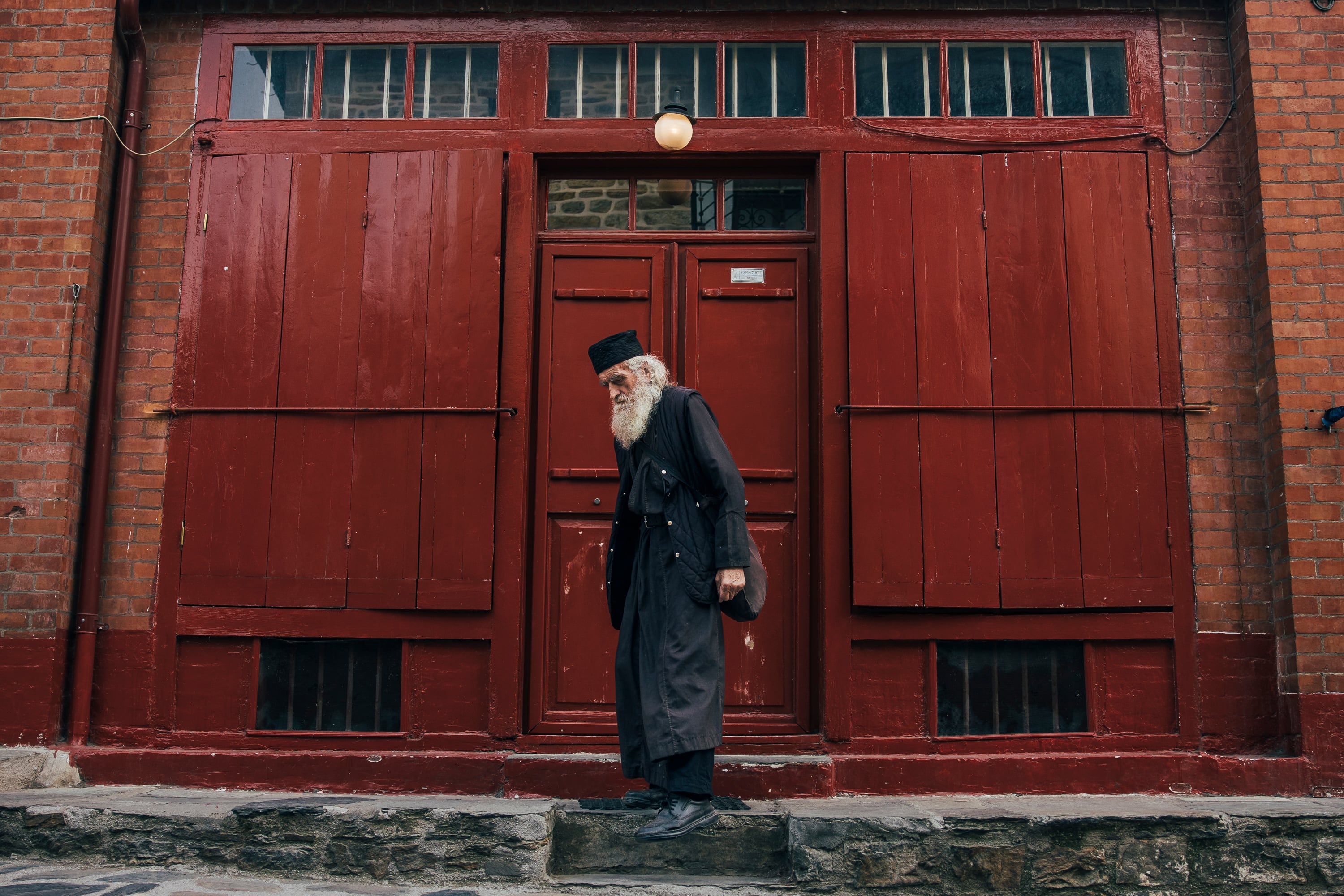
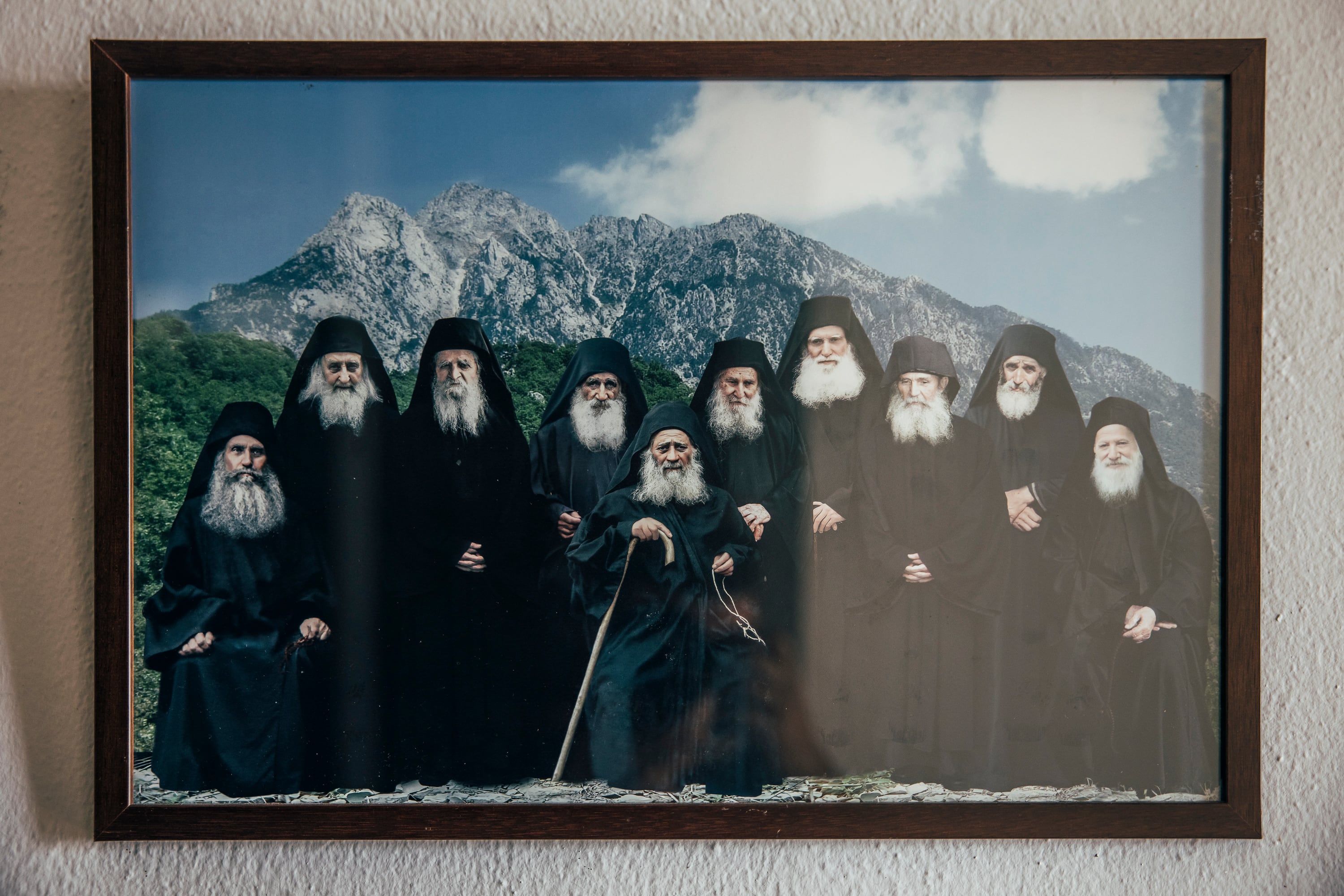
Orthodox monks rise to pray at 4.00 am at the Monastery of Saint Gregory, located on Mount Athos, considered by Orthodox Christians to be the Garden of the Virgin Mary. Not even at that hour do the lap of the Aegean Sea and the birdsong prevail over the hum of the electric generators. Hours later, the roar of an infrastructure project funded by the Greek government and the European Union will join the soundscape. Modernity marches on by way of EU funds at this location that is home to 20 monasteries, where some monks drive up the slopes in all-terrain vehicles. Maybe in a few years electric cars will be seen on the streets, or maybe drones will carry food to the most inaccessible spots. What will probably not be anywhere in sight, however, are women.
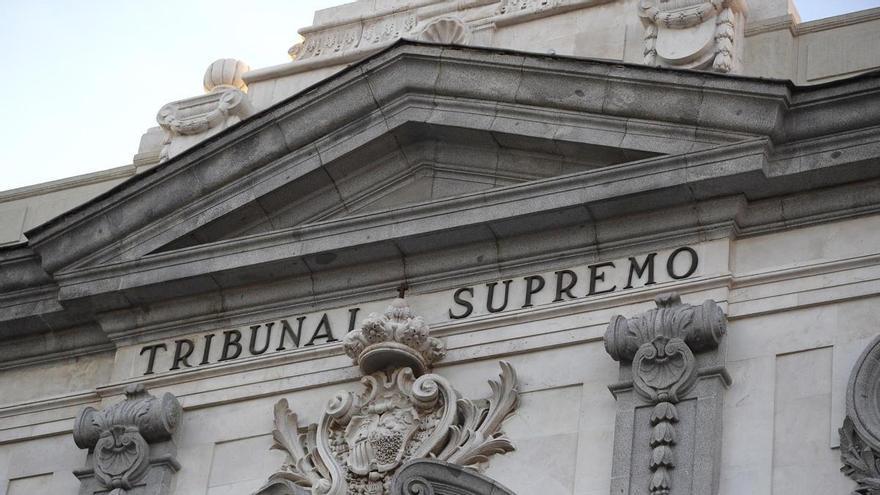
Rodríguez Zapatero ha pedido a la Sala de lo Penal de la Audiencia Nacional que corrija al juez Calama y deje fuera del caso Plus Ultra la investigación sobre sus negocios en Bolivia. Para eso existen los recursos: para que las decisiones de un juez puedan ser revisadas por otros jueces. La defensa de Zapatero sostiene que Calama ha concedido a la UDEF una «patente de corso» para investigar toda su vida profesional. El juez replica que nadie queda blindado frente a los indicios de nuevos delitos que aparezcan durante una investigación. La Sala decidirá quién tiene razón. Es un debate jurídico valioso y necesario: establecer si los 200.000 euros cobrados por gestiones ante las autoridades bolivianas aparecieron legítimamente al investigar el rescate de Plus Ultra o son el resultado de una pesquisa general y prospectiva sobre la vida del expresidente. Ese es el procedimiento: se recurre una resolución, se exponen argumentos y otro tribunal resuelve. Zapatero actúa con tiento. No busca enfrentarse directamente. Otros hacen su trabajo. Él utiliza los instrumentos del Estado de derecho para defenderse, el Gobierno y el PSOE han elegido un camino mucho más peligroso, denunciado el jueves por la presidenta del Supremo en la apertura del año judicial, que es ir a una guerra abierta con los jueces. Porque lo que no encaja en Derecho es que el Gobierno señale como conspirador, activista o lobo solitario a cada magistrado que adopta una resolución que le incomoda.
 Login