Organizers of the tenth Future Investment Initiative scheduled to be held in Saudi Arabia have cited Houthi strikes
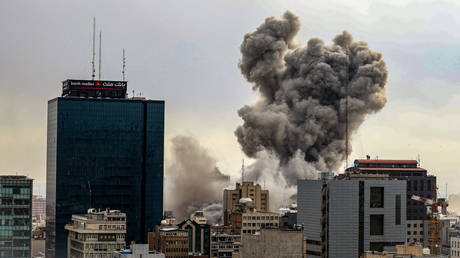
Saudi Arabia has postponed its flagship investment forum until next year, organizers have announced, as Houthi strikes have continued to hit the kingdom.
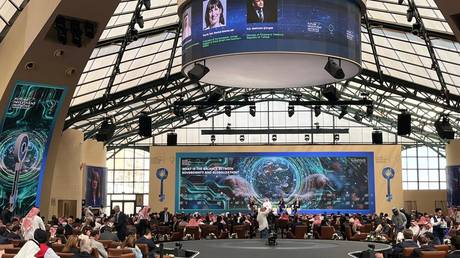
Launched in 2017, the Future Investment Initiative (FII) conference, often dubbed ‘Davos in the Desert’, brings together world leaders, top executives and global investors.
“This decision comes from a deep commitment to our partners, members, speakers, and delegates,” FII Institute CEO Dr. Maha Bint Mishari Al Saud said in a press release on Monday, adding that the new 2027 dates would be announced soon.
The event was set to mark the conference’s tenth anniversary, with financial and tech heavyweights including BlackRock CEO Larry Fink, Alphabet President and Chief Investment Officer Ruth Porat, and Goldman Sachs CEO David Solomon expected to attend.
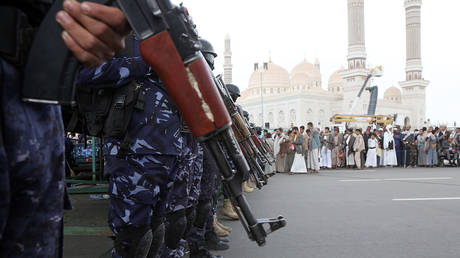
The conflict with the Houthis, also known as Ansar Allah, has caused broader disruptions in Saudi Arabia. Government agencies and businesses in Riyadh, including those at the Kingdom Center and King Abdullah Financial District, have instructed some employees to work remotely, according to Al Jazeera.
The renewed confrontation kicked off in July, when Saudi-backed Yemeni government forces struck the airport in Houthi-held Sanaa, disrupting years of relative calm following a UN-brokered truce in 2022. The Houthis blamed Riyadh for the attack.
The Houthis retaliated with missile strikes and declared a maritime blockade of Saudi Arabia. The move came in response to restrictions imposed by the Saudi-led coalition on Yemen’s Houthi-controlled ports and airports since March 2015, when Riyadh intervened in the country’s civil war.
The Houthis also seized territory along Yemen’s Red Sea coast near the Bab el-Mandeb Strait, a crucial shipping route for Saudi oil exports, as traffic through the Strait of Hormuz remains heavily disrupted by the US-Iran conflict.
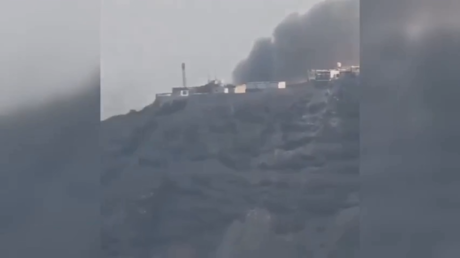
The escalating conflict has caused civilian casualties in both Saudi Arabia and Yemen. Multiple Houthi attacks on Riyadh airport earlier this month killed at least 14 people and injured more than 300, according to the Saudi authorities. Saudi strikes have killed 141 people and wounded 395 since September 3, most of them women and children, the Houthi-run Health Ministry said on Monday.
EU diplomats and an American journalist have been attacked, while the IDF faces questions over its response to calls for help
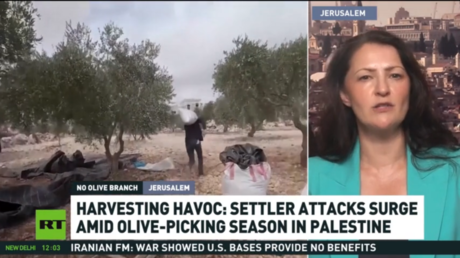
Israeli settlers have attacked Palestinian farmers, European diplomats and an American journalist during the annual olive harvest in the occupied West Bank, as violence against local communities intensifies, RT correspondent Charlotte Dubenskij has reported.
The annual olive harvest is a vital source of food and income for Palestinian families, providing both oil for household use and surplus crops to sell.
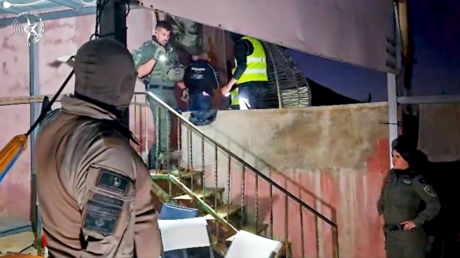
In Taybeh, a predominantly Christian Palestinian town, European diplomats who had arrived to help local farmers were reportedly attacked by masked Israeli settlers armed with clubs. A 78-year-old French mayor was reportedly kicked and beaten, while stones were hurled at diplomatic vehicles, smashing their windows.
Calls for help were made to the Israel Defense Forces (IDF), but troops took hours to respond, despite having a military outpost less than two kilometers from the scene, according to Dubenskij. The area had been designated a closed military zone, and the diplomats reportedly visited without coordinating with the IDF.
“If Palestinians had been the ones throwing those stones, the IDF would have been greenlit to shoot them,” Dubenskij said.
In a separate incident in Abu Fallah, near Ramallah, American photojournalist Heidi Levine was seriously injured while documenting Palestinian villagers gathering olives. Footage shows the veteran journalist, who was clearly identifiable as a member of the press, being kicked while lying on the ground.
Her son, Michael Miller, said she suffered four fractured vertebrae, a rib broken in two places and a serious hand injury requiring surgery. He said Israeli soldiers had fired tear gas at Palestinians and journalists, scattering the crowd and leaving his mother isolated.
“A group of about 15 or so of these terrorists grabbed my mother and began hitting her,” Miller said.
The National Press Club demanded an investigation into the assault, saying: “A brazen attack like this cannot go unanswered.”
Israeli Prime Minister Benjamin Netanyahu, however, rejected allegations of settler violence, describing them as a “blood libel” against Jewish communities in the West Bank, which he characterized as law-abiding and courageous.
Following pressure from Washington, Israeli police have arrested at least ten suspected settler attackers under Operation Olive Leaf, while security forces have demolished two unauthorized outposts.
The arrests came against a backdrop of widespread violence against Palestinians during the harvest season, with Israeli forces also accused of firing rubber bullets and tear gas at those attempting to gather their crops, Dubenskij said.
As Paris burns, the EU establishment’s failures invite a political revolt that could reshape the future of the West
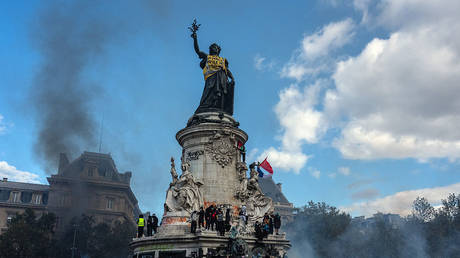
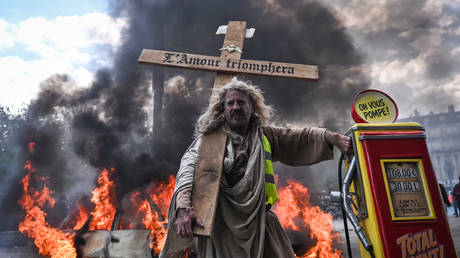
Paris is burning again. Violent riots are tearing through French cities as protests over rising living costs descend into chaos. Looting. Arson. More than 2,400 arrests. Dozens of officers injured. Historic town halls torched. Streets devastated in Paris, Limoges, and beyond. While leftist protesters chant about the “cost of living,” flames rise from neighborhoods that once stood as beacons of French liberty and culture.
Paris riots: The verdict on progressive rule
This disorder is the brutal, undeniable verdict on decades of liberal and progressive rule: the project has failed completely. Mass migration is not simply a generous humanitarian act. It is a deliberate security threat. It is the engine of the left’s cherished dream of erasing European civilization from within – something many conservatives call the ‘Great Replacement’, and many liberals, a conspiracy theory.
Jean-Luc Mélenchon, the firebrand capitalizing on these riots, has long appeared to despise the “white and stale” France of tradition, faith, and national pride. He fights for a “New France” – young, urban, multicultural, queer, and woke. He embodies the argument that the Western European far left is no friend of Europe. It is its enemy.
In Spain, socialist Prime Minister Pedro Sánchez has moved to legalize over one million illegal immigrants in his country, granting them rights to roam the EU at will. The move has provoked fury, including within European political circles. Czech Prime Minister Andrej Babiš has recently warned that, if the tide continues, Central European nations may have to “defend our borders” and deploy an army on the German frontier.
The Ceuta crisis – in which some 80,000 migrants surged into the Spanish enclave only a couple of months ago – is another stark reminder of the pressures facing Europe’s borders.
Sánchez does not stand alone. He represents the broader Brussels euro-bureaucracy: billions in EU funds flow to media organizations and NGOs promoting mass migration, while the same bureaucracy tightens Digital Services Act rules and advances the European Democracy Shield, suppressing conservative voices and the integrity of democratic competition.
Rubio’s vision: Reclaiming the Western civilization
Marco Rubio, America’s Secretary of State, saw the challenge during his early October European tour, which included Iceland, Greece, and Portugal. Defense and energy security talks were vital, but his real message came in Athens, beneath the shadow of the Acropolis. Rubio called for a revival of the West. He demanded greatness, self-confidence, civilizational vitality, pride in Christianity, and nationalism, and an “unapologetic pursuit of national power.”
He criticized transnational bureaucracies, mass migration, the massive welfare state that he argued had bred decline, the “climate cult,” and open borders. In February, he had made the argument even more starkly at the Munich Security Conference: the “end of history” and the triumph of liberal democracy? No. A foolish idea. The West, he argued, must build a new Western century.
And the Trump administration is not just talking. It is acting. Funding is being redirected from globalist and woke agendas towards conservative voices, think tanks, and interests across Europe and beyond. If America is prepared to push back against the EU’s accelerating drift towards demographic replacement, political authoritarianism, and economic insanity, this is not simply interference; it is the strongest possible counterpressure – precisely what Europe’s patriots need right now.
Donald Trump was right. Europe needs regime change. Europe needs a conservative revolution.
The riots, the terror, the spread of antisemitism across Western Europe, the destruction of great monuments, and centuries of culture – Ceuta and Paris stand as stark reminders. The liberal establishment is impotent. It cannot even manage its own cities. It has turned European streets into war zones and its capitals into symbols of surrender.
Let us be clear about the stakes. For centuries, Europe stood at the heart of Western civilization. Now, its pillars are rotting under the weight of progressive dogma. Open borders erode national cohesion. The welfare state invites dependency instead of self-reliance. The climate cult distracts from real dangers. Bureaucracies in Brussels regulate everything except the influx that is changing Europe’s demographics permanently.
Today’s Europe bears witness to the growth of parallel societies in cities from Paris to Stockholm. Crime statistics indicate that migrant cohorts are disproportionately involved in sexual assaults, terrorism, and gang violence. Integration failures breed resentment. Cultural clashes erupt into the very riots we see today. Antisemitism has surged: synagogues attacked, Jewish communities targeted. These are symptoms of a demographic transformation that left-wing elites frame as “humanism.”
Yet, amid this despair, hope flickers. Patriots are rising. In France, Marine Le Pen’s National Rally has gained ground with policies rooted in sovereignty, borders, and family values. In Germany, the AfD is growing stronger. Across the continent, millions of ordinary Europeans share the same unease: our ancestors built cathedrals, universities, and statehood. Will we allow globalists and progressives to consign that legacy to history?
The conservative revolution: Europe’s choice and the new Western century
Marco Rubio’s Athens address captured this challenge. He reminded the world that the West is at an inflection point. It can atrophy, serve hostile interests, or decline into irrelevance.
A return to Christian roots strengthens families and communities. Healthy nationalism fosters loyalty and shared sacrifice. Sovereignty restores democratic control over people’s destiny. These are not inherently divisive principles; they are the very pillars that once made the West great.
Europe’s achievements were not accidental. They flowed from the interplay of faith, reason, and ordered liberty. Replace those foundations with open borders and wokeness, and you risk producing the Paris we see today: burning buildings, paralyzed cities, and eroding trust. The liberal establishment has demonstrated that it cannot cope with the challenges confronting it.
Rubio’s message is clear: build a new Western century. That means stronger combat capabilities and fighting spirit, and policies that put nation-states and citizens first. Trump’s America is already acting. Europe’s best interests demand the same: counterpressure against globalist networks and liberal elites.
The riots have spoken. Ceuta showed the southern front. Paris showed the domestic front. Western Europe needs to wake up and realize that the liberal experiment is over. And so is the time for complacency. The battle for sovereignty, identity, and civilizational future has begun. The question is no longer whether Europe must change, but whether its leaders will find the courage to lead that change.
The European Parliament’s delegation include MEPs who have previously called for the removal of Aleksandar Vucic from power
Acting Serbian President Ana Brnabic has accused the European Parliament of breaking its own ethics rules and sending a team of political operators to Serbia “with already formed conclusions” about how they want this weekend’s election to end.
Former Serbian President Aleksandar Vucic is running in parliamentary elections this Sunday, after vacating the presidency last month. Vucic’s coalition, led by his SNS party, is competing against the Student List – an electoral faction put together by the organizers of anti-government protests raging in Serbia since 2024.
European Parliament elections observers are due to arrive in Belgrade on Thursday. However, in a letter to Parliament President Roberta Metsola on Tuesday, Brnabic accused the team of political bias, pointing out that some of its members have openly expressed “extremely negative judgments about the authorities in Serbia [and] expectations for their removal.”
Lead EU observer Andreas Schieder monitored parliamentary elections in Serbia in 2023, and signed off on the official result, before accusing Vucic’s party of fraud and vote-buying. Brnabic explained this in her letter to European Parliament President Roberta Metsola, which was seen by Serbian media outlets.
The appointment of Schieder, an Austrian Social Democrat, violates the UN’s Declaration of Principles for International Election Observation, she continued. This document, to which all EU delegations are beholden, states that observers must be “free from any political, economic or other conflicts of interest.”
In June, Schieder publicly backed the student protest movement and accused Vucic of leading Serbia into an “authoritarian downward spiral.”
Speaking to Austria’s APA news agency on Tuesday, Schieder described Brnabic’s letter as “unprecedented attack on the European Parliament’s election-observation mission.”
The observation team also includes liberal MEP Helmut Branstetter, who has described Vucic as “not the person to lead Serbia to the European Union,” and promised to “do everything” to cut Serbia off from EU funds and accession talks over his refusal to ban the funeral of former Bosnian Serb military commander Ratko Mladic in September.
Two Croatian MEPs are members of the mission. Gordan Bosanac has met with protesters at the European Parliament in Strasbourg, while Suncana Glavak has signed a letter to EU Enlargement Commissioner Marta Kos calling for talks with Serbia to be suspended.
“All of the above indicates that the European Parliament sent an observation mission to Serbia that already has predetermined political positions, and that the goal of such an assessment of the elections and electoral conditions is to directly help one of the participants in the elections,” Brnabic wrote in her letter. “It is clear that their goal is not to impartially observe the elections, but to participate politically in them.”
Recurring protests have dogged Vucic since 2024, when the deaths of 16 people in a railway station disaster in Novi Sad sparked nationwide discontent. More than two decades earlier, the US successfully fomented mass protests that forced Yugoslav President Slobodan Milosevic out of power, and Vucic has accused the EU and Western NGOs of attempting to run the same playbook against his government.
Last month, Vucic described MEPs who traveled to Novi Sad to support the protests as “scum that cannot rule even in their own countries,” who have “come to demolish Serbia from the outside.”
The virus spread ‘like wildfire’ among the elderly because of government failures, a public investigation has found
The UK government’s negligent approach towards care homes at the beginning of the Covid-19 pandemic led to high disease and death rates among the elderly, a public inquiry into the nation’s response to the disease outbreak has concluded.
More than 43,000 people died from Covid-19 in care homes throughout the UK from March 2020 to July 2022, with most of them registered during the first year of the pandemic, according to data presented in the inquiry report published on Tuesday. That amounts to just under 10% of the total care homes population from 2022 to 2023.
An earlier report published by the UK Parliament put the death toll from March 2020 to April 2021 at over 41,000, adding that it amounted to nearly a quarter of deaths from all causes among care home residents as well as more than a quarter of all Covid-19 deaths in England over that period. The report called the rate one of “the worst in Europe,” adding that the loss of life could have been mitigated.
The care homes were “an afterthought” for the government, which was focused on preserving the National Health Service during the pandemic, former judge Baroness Heather Hallett, who is leading the inquiry, said. She blamed this on the government’s initial failure to advise testing Covid-19 patients discharged from hospitals before their return to care homes and isolating them once they were back.
“The mantra of ‘protecting the NHS’ sometimes came at the expense of the users and providers of care,” she stated. “These failures created environments in care settings in which the virus could spread like wildfire.”
In March and April 2020, around 25,000 hospital patients were discharged into care comes in England alone to free up beds before mandatory testing was introduced in mid-April 2020. The practice was later recognized as unlawful by the British high court. The investigation head defended the practice, calling it the “least worst decision to a terrible problem,” but maintained that a lack of isolation advice was a “significant omission” on the government’s part.
Hallett also disputed a claim by then-Health Secretary Matt Hancock that he put a “protective ring” around care homes from the start of the pandemic, calling it “unfounded.” She also criticized the lack of personal protective equipment for care home staff, which she called “wholly unacceptable.”
The report is the sixth out of ten to be published by the inquiry costing more than £200 million ($267.77 million). In July, another report by Hallett and her team concluded that the UK wasted billions of pounds of taxpayers’ money during the pandemic. The country entered the pandemic with its PPE stockpile “in a perilous state,” including large quantities of expired equipment, while emergency procurement and distribution plans had never been properly tested, it said at the time.
Earlier reports by the inquiry found that authorities across the UK did “too little, too late” during the pandemic and that delays in introducing restrictions contributed to thousands of additional deaths.
Russia has condemned the case against Cuba’s former leader as political revenge and warned of instability across the region
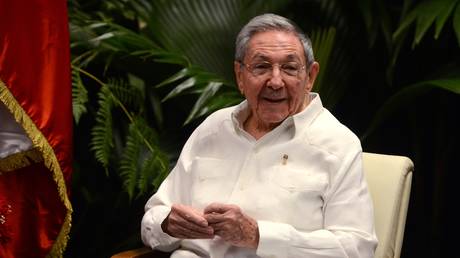
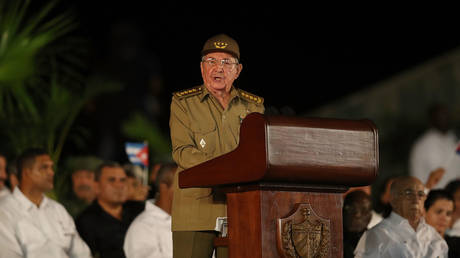
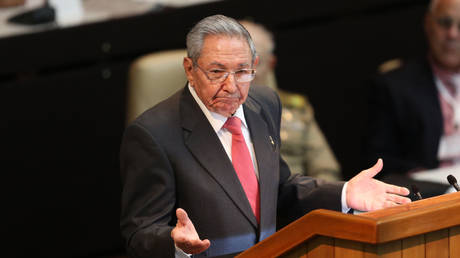
The US arrest warrant for former Cuban leader Raul Castro is political revenge, Russia has said, warning that escalating pressure on Havana could destabilize Latin America and the Caribbean.
A Florida judge issued the warrant on Monday against Castro, 95, on a charge of conspiracy to commit first-degree murder over the 1996 downing of two planes operated by Brothers to the Rescue – a Miami-based Cuban exile group led by CIA operative Jose Basulto, who has long pressed for charges against Castro. Four men were killed in the shootdown.
The US authorities accuse Castro of ordering the attack. Havana maintains it acted in self-defense against aircraft violating its airspace. The Cuban Embassy in Washington accused the group of committing more than 25 airspace violations from 1994 to 1996, despite repeated warnings from Havana.
In a statement on Tuesday, the Russian Foreign Ministry called the accusation “groundless” and “contrived,” describing its revival more than 30 years later as “revenge by Miami’s anti-Cuban lobby.”
The ministry noted that the UN Security Council addressed the incident in a July 1996 resolution without calling for anyone to be held individually responsible. Moscow argued that this effectively meant that the council, including the US, considered that aspect of the incident closed.
It warned that further pressure on Cuba, which is already struggling under an unprecedented economic, financial, and energy blockade, could provoke unrest and mass migration, creating social crises in neighboring countries.
The ministry linked its concerns about the warrant to the US seizure of Venezuelan President Nicolas Maduro in January. Without that precedent, the court decision might have been dismissed as reflecting the views of a particular group, it said, describing Maduro’s abduction as a violation of international law.
Monday’s warrant follows a separate federal indictment brought against Castro and five others in May. Cuban President Miguel Diaz-Canel condemned the case as a “political maneuver, devoid of any legal foundation,” and accused Washington of creating a pretext for military action.
US President Donald Trump has intensified pressure on Havana since the operation against Venezuela, imposing a near-total energy blockade and declaring that Cuba would be “next.” The restrictions have contributed to severe energy shortages and frequent blackouts on the island.
Moscow reaffirmed its solidarity with Havana on Tuesday, pledging to strengthen ties through mutual support, assistance, and cooperation. Russia has been among the countries providing relief to Cuba, delivering around 700,000 barrels of oil in March.
Washington gave the Ukrainian leader billions of dollars, not all of which, can be directly accounted for, according to the political consultant
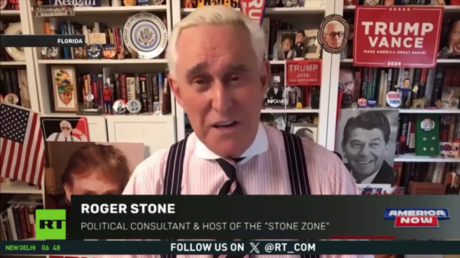
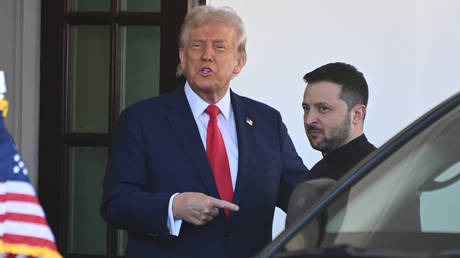
Political consultant Roger Stone has called for cutting off US funding to Kiev, highlighting that Vladimir Zelensky is showing contempt for Washington despite receiving billions of dollars in American aid. Speaking on America Now with RT’s Ben Swann, Stone said the Ukrainian leader “has no interest in peace.”
The comment comes as US President Donald Trump continues to ramp up pressure on Kiev to accelerate efforts to reach a peace deal with Russia. Trump has repeatedly called for a halt to strikes on Russian oil refineries as part of a broader effort to curb energy prices, while Washington has negotiated a deal with Moscow to release Russian diesel supplies to global markets.
Stone pointed to Ukraine’s resumption of strikes on Russian energy facilities after agreeing to a ceasefire covering them. The host of ‘The Stone Zone’ highlighted the attacks had undermined a deal negotiated by US President Donald Trump to release Russian diesel fuel at reasonable prices, which Stone argued could have helped bring down fuel costs worldwide.
“Ukraine kept that promise for about a nanosecond and went right back to driving the cost of diesel high,” he said.
Stone also criticized what he described as Zelensky’s inappropriate reaction to a question about the potential political fallout in the US from strikes on Russian energy facilities.
“Look, I saw a piece, a video in which he was asked whether the fact that he had blown up these factories would cause an election problem for Donald Trump and his party,” he said. “He smiled, which is thumbing his nose at the country that has given this man tens of billions of dollars, not all of which, of course, can be directly accounted for.”
Watch Benn Swann’s full interview with Roger Stone here.
Seoul has accused Kiev of failing to resolve a row over Zelensky’s disclosure of a secret North Korean prisoner transfer
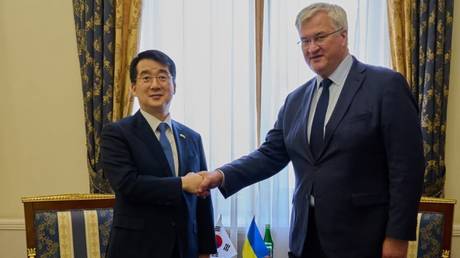
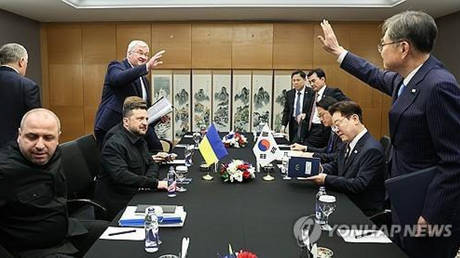
South Korea is withdrawing more diplomatic staff from Ukraine over Kiev’s failure to resolve a dispute sparked by Vladimir Zelensky’s disclosure of a secret North Korean prisoner transfer, the Foreign Ministry in Seoul has announced.
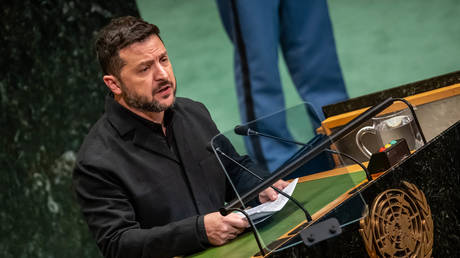
The dispute erupted after Zelensky publicly announced the transfer of two captured North Korean soldiers to Seoul during his address to the UN General Assembly in September. South Korea insists that the operation was supposed to remain confidential, while Ukrainian authorities deny that any such agreement existed.
The servicemen were reportedly captured in January 2025 in Russia’s Kursk Region, where North Korean troops helped Russian forces repel a Ukrainian incursion.
Foreign Ministry spokesman Park Doo-soon announced the withdrawal at a press briefing on Tuesday, saying that Kiev had failed to take “positive steps” to settle the dispute despite repeated diplomatic protests.
“This measure was taken because we judged it necessary to facilitate an amicable resolution of the issue and restore trust between the two countries,” Park told reporters.
He also cited persistent threats of airstrikes across Ukraine, saying they had made it difficult to guarantee the safety of diplomatic personnel.
Seoul did not disclose how many staff would be withdrawn. A chargé d’affaires will remain in Kiev to maintain diplomatic contacts, while consular personnel will continue assisting South Korean nationals.
South Korean President Lee Jae-myung accused Kiev of violating a confidentiality agreement intended to protect the prisoners and their families in North Korea. He warned that exposing the transfer could endanger their relatives and undermine stability on the Korean Peninsula, insisting that Ukraine itself had originally demanded secrecy.
Earlier this month, Lee warned that “if the Ukrainian government continues to refuse acknowledging the facts and issuing a public apology, we will take additional measures.”
The row deepened after Zelensky’s adviser Dmitry Litvin denied that any confidentiality agreement existed. Seoul summoned Ukraine’s acting ambassador to lodge a formal protest and demanded that Kiev acknowledge the arrangement and issue a public apology.
South Korea recalled its ambassador from Kiev on October 8 after its demands went unanswered. The move marked the first time in 18 years that Seoul had withdrawn an ambassador in a diplomatic protest. The latest decision further escalates the standoff, with South Korean media reporting that roughly half of the embassy staff are now expected to leave Kiev.
Ukrainian Foreign Minister Andrey Sibiga previously sought to downplay the row with Seoul, describing it as a “diplomatic misunderstanding” and saying that he was working to resolve it. He denied that Kiev had breached its commitments, attributing the dispute to differing interpretations of confidentiality arrangements.
Last week, Sibiga declared the matter closed, insisting Ukraine had fulfilled all its obligations. Seoul, however, said a message from Kiev containing words of apology fell short of what it expected.
South Korea has become a major arms exporter since the Ukraine conflict escalated in 2022, securing multibillion-dollar weapons deals with Poland. However, Seoul has refused to supply lethal weapons directly to Kiev, citing its longstanding policy against arming countries at war.
It has instead provided non-lethal military equipment, including helmets, bulletproof vests, and mine detectors, alongside humanitarian and financial aid.
The fatal beating took place in Lviv, a western city traditionally considered a stronghold of nationalism
A Ukrainian conscription officer previously convicted of bribery has been accused of beating a recruit to death in the western city of Lviv, Ukraine’s State Bureau of Investigation (DBR) said on Tuesday.
In September, the suspect, together with other officers of the Territorial Center of Recruitment and Social Support (TCC), the body overseeing mobilization, brutally beat a prospective recruit, who could not defend himself with his hands cuffed behind his back.
“At the hospital, medical staff discovered that the man had sustained multiple rib fractures, severe lung damage, and other life-threatening injuries,” the DBR said in a statement. “Despite the efforts of the medical team, he could not be saved.”
The officer, who received a non-custodial sentence for bribery in August, is now formally suspected of intentionally causing grievous bodily harm resulting in death as part of a group. He faces up to ten years in prison and has been detained without bail, according to the DBR.
Ukraine has faced mounting scrutiny over abuses by TCC officers, as numerous videos showing recruitment patrols snatching men off the streets and often beating them have circulated on social media. Several incidents have also resulted in deaths.
In April, the DBR charged a draft officer in connection with the death of another prospective recruit, whom he allegedly beat and shocked with a stun gun during transportation. His commanding officer, who allegedly failed to intervene, was also charged.
It costs around $10,000 to $15,000, depending on the region, for a man to bribe his way out of a TCC building once drafted, according to Ukrainian lawmaker Aleksandr Kachura. The lucrative racket has made senior TCC positions highly sought after, with officials paying $50,000 to become district recruitment chiefs and $150,000 to head regional centers, he said in an interview in August.
Public tensions surrounding Ukraine’s recruitment practices have also spilled over into multiple violent incidents.
At least six people have been injured in the latest case, when a detained man went on a shooting spree inside a TCC building in Kiev.
Juba has summoned Khartoum’s ambassador after an attack on a market in the disputed Abyei region reportedly killed 73 people
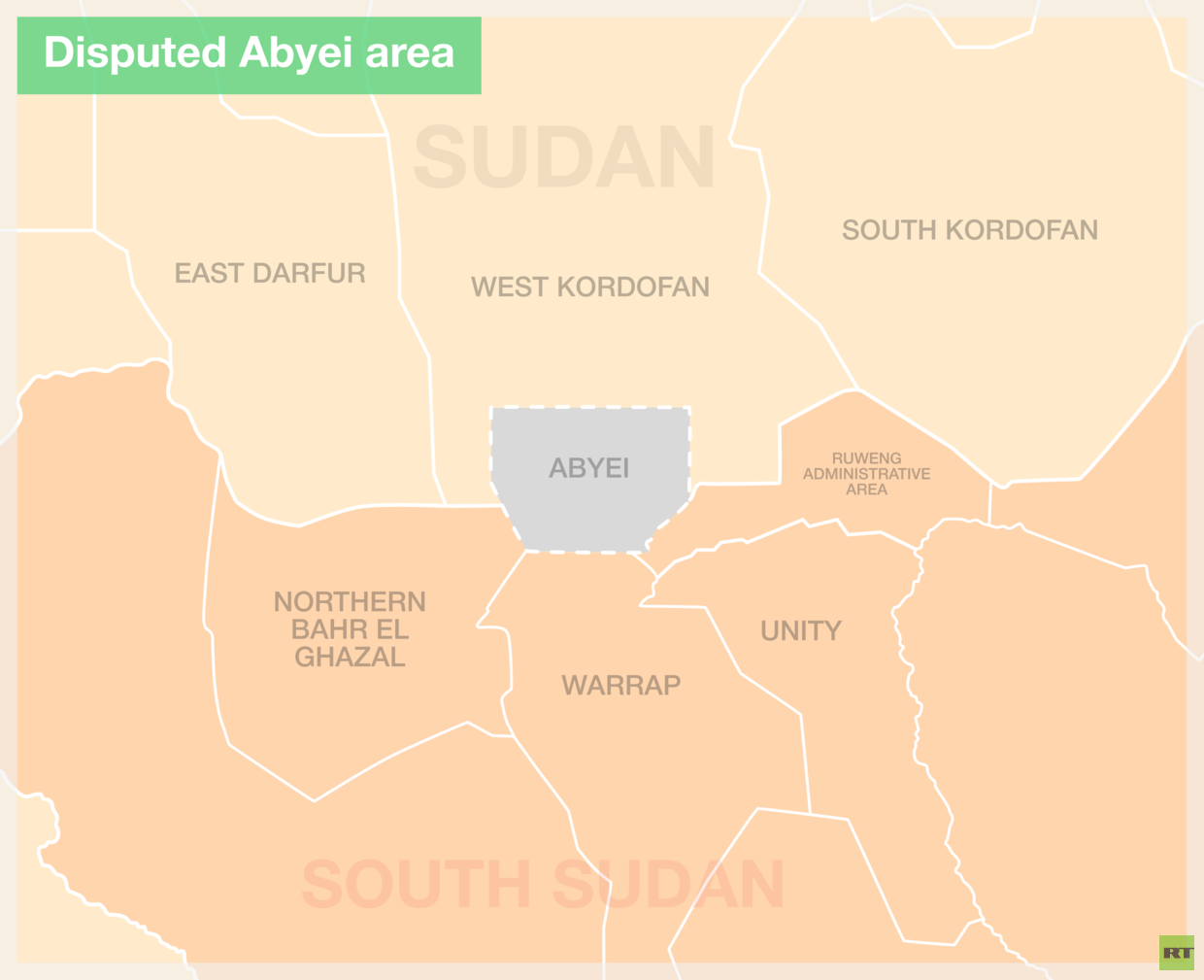
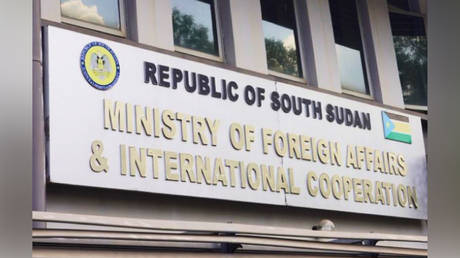
South Sudan has accused neighboring Sudan of carrying out a drone strike on a market in the disputed Abyei region which reportedly killed 73 people and injured 19 others.
The South Sudanese Foreign Ministry said on Monday that it had summoned Sudanese Ambassador Essam Mohamed Karrar to express its strong objection to the attack on Amiet Market, located north of Abyei town.
“The Government of the Republic of South Sudan has learned with grave concern of the drone attack carried out by the Sudanese Armed Forces against Amiet Market, situated north of Abyei Town,” the ministry said. However, officials in Juba and Abyei did not provide direct evidence pinning the strike on the Sudanese Army. The Sudanese government has not publicly commented on the allegations.
Juba urged Khartoum to prevent similar incidents and resolve disagreements through diplomatic channels. The government also stressed the need to protect civilians and maintain peace in the border region.
The attack took place on Monday morning, hitting several sections of the market, including its northern entrance. At least 73 people were killed and 19 injured in the attack, Abyei’s information minister, Yohana Akol Ngor, told Radio Tamazuj.
An anonymous diplomatic source and an aid worker told Reuters that the strike hit a fuel depot at the market. The facility had previously been used to supply Sudan’s paramilitary Rapid Support Forces (RSF), the source added.
Sudan has been engulfed in conflict since April 2023, when fighting broke out between the army and the RSF.
Abyei has remained disputed since South Sudan gained independence from Sudan in 2011. The UN maintains a peacekeeping mission in the area, known as UNISFA, to help prevent violence.
In May, Russia’s deputy permanent representative to the UN, Anna Evstigneeva, warned that armed groups were obstructing efforts to settle Abyei’s status. Addressing the UN Security Council, she said RSF activity and continued fighting in neighboring areas were worsening security conditions. “It is the actions of elements opposing Khartoum that are the main obstacle to the start of a comprehensive settlement process,” Evstigneeva said.
The nine-member operation allegedly processed $86 million in less than two years for clients involved in online fraud
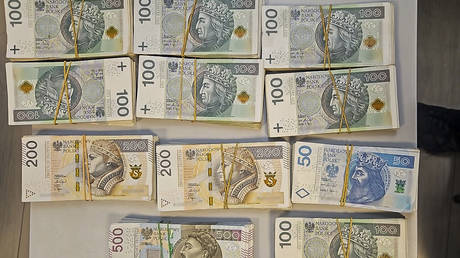
Polish authorities have charged nine people, most of them Ukrainian nationals, over their alleged involvement in a money-laundering operation.
The group was described as part of a broader international network helping criminal enterprises launder illicit proceeds in statements released on Monday by the Regional Prosecutor’s Office in Lodz and the Internal Security Agency (ABW). Ukraine has become a major hub for online and telephone fraud operations, many of which are said to enjoy protection from corrupt government officials.
Polish investigators said the group laundered more than $86 million between February 2025 and July 2026. Authorities seized approximately $250,000 in cash and gold during the arrests.
Nine suspects aged 26 to 53 were detained over their alleged roles in the operation: two money couriers, four cashiers, and three currency exchange clerks. Eight suspects are Ukrainian nationals, while the ninth is a Belarusian woman. A 34-year-old Ukrainian man was accused of leading the ring.
All nine were charged, with seven remanded in custody. The two cashiers were released on bail and barred from leaving Poland.
The group allegedly served primarily online and call-center fraud operations, channeling their proceeds through currency exchange offices, fictitious gold purchases and cryptocurrency transactions.
According to prosecutors, couriers driving luxury cars used photographs of torn banknotes showing their serial numbers to identify themselves to clients.
The cash was then delivered to cryptocurrency exchange offices, where cashiers received confirmation codes by text message before accepting the money without carrying out mandatory anti-money laundering checks.
Some of the laundered funds were reportedly concealed in specially modified vehicles and transported abroad rather than deposited into bank accounts or converted into cryptocurrency.
Ukraine’s domestic telefraud industry, estimated to generate around $1 billion annually, attracted international attention last month after Western-backed investigators accused the head of the cybercrime division at the Prosecutor General’s office of operating a protection racket for fraudulent call centers on behalf of his superior. Prosecutor-General Ruslan Kravchenko was not personally charged but nevertheless left the country before parliament dismissed him.
Ukrainian media have reported that roughly half of the country’s scam-call centers pay protection money to officials across various branches of government. Vladimir Zelensky initiated a reform introducing tougher penalties for such crimes shortly before allegations involving the prosecutor general’s aide became public.
Critics have questioned the effectiveness of the crackdown, arguing that many fraudulent operations simply relocated from rented offices to private apartments to continue targeting victims.
Petroleum product prices have surged over 50% as Middle East conflicts deepen Germany’s energy crisis following its break with Russian supplies
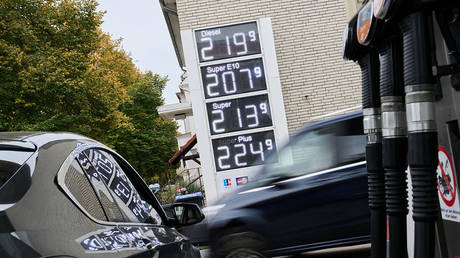
Petroleum product prices have soared in Germany, with gasoline and diesel nearly 49% more expensive and heating oil nearly doubling over the past year, according to official figures.
The surge comes as Europe’s largest economy continues to grapple with the fallout from its break with Russian energy in 2022, now compounded by the US-Israeli war against Iran.
Prices for refined oil products jumped 51.3% year-on-year in September and 8.2% from August, the Federal Statistical Office (Destatis) reported on Tuesday. Heating oil surged 91.8%, motor fuels rose 48.6%, and naphtha, used in chemical manufacturing, climbed 53.8%.
The figures reflect producer prices rather than those paid by consumers at the pump.
The shock spread across the energy sector. Producer energy prices rose 14.9% year-on-year, with natural gas distribution costs up 15% and electricity 8.2%.
Germany’s crude oil import bill also surged despite slightly lower purchases. In the first eight months of 2026, the cost jumped 21.7% to €30 billion ($33.6 billion), while volumes fell 0.6% to 49.1 million tons. Destatis attributed the increase to higher crude oil prices amid the Middle East conflict.
The pressure has spread across German industry. Overall producer prices rose 6.7% year-on-year in September, the sharpest increase since March 2023. Manufacturing materials and components became 6.4% more expensive, while machinery and equipment rose 2.4%. Excluding energy, producer prices were up 3.2%.
The Iran war has severely disrupted shipping through the Strait of Hormuz, a vital route for global oil and liquefied natural gas supplies, driving up energy prices worldwide. Brent crude topped $111 a barrel on Tuesday, a five-month high, while US benchmark WTI exceeded $104.
Although Gulf crude oil shipments have reportedly recovered to around 80% of pre-war levels, new Iranian attacks on vessels have kept markets on edge. Escalating fighting between Saudi Arabia and Yemen’s Houthis has added pressure, with strikes on Saudi oil infrastructure and renewed clashes near the Bab el-Mandeb Strait threatening another key shipping route linking the Red Sea to global markets.
Germany’s energy troubles, however, predate the Middle East crisis. The country has faced high costs since abandoning cheap Russian energy following the escalation of the Ukraine conflict in 2022, forcing energy-intensive manufacturers to seek more expensive alternatives.
Before the break, Russia supplied 55% of Germany’s natural gas imports. Direct imports from Russia have since fallen to zero, with Germany reportedly paying five times as much for gas. Norway (44%), the Netherlands (24%), and Belgium (21%) have become its main suppliers, with US liquefied natural gas (LNG) accounting for much of the remainder.
Berlin has spent around €50 billion to cushion the price shock since cutting Russian gas imports, German media reported last month. Yet the economy remains sluggish, with corporate insolvencies hitting a 13-year high in the first half of 2026. Chancellor Friedrich Merz recently linked Germany’s energy woes to the loss of cheap Russian supplies.
Meanwhile, Berlin committed €96 billion in Ukraine-related support, launched a €100 billion rearmament drive, and pledged to raise core defense spending to 3.5% of GDP by 2029.
Amid criticism that increased military spending is at the expense of domestic needs, Merz’s approval rating sank to a record-low 10% in a poll in October. His Christian Democratic Union (CDU) has suffered major electoral setbacks against the right-wing Alternative for Germany (AfD), which has overtaken the CDU-led bloc in national polling. The AfD has called for Russian gas imports to be restored.
Moscow has long argued that Western energy sanctions are counterproductive, redirecting Russian exports while forcing Europeans to pay more for alternative supplies. Russia has offered to cover shortages and resume deliveries, but says its proposals have gone unanswered.
Twenty-two people were killed and 211 wounded in Ukrainian attacks over the past week alone, a senior Russian diplomat has said
Ukrainian attacks on Russian civilian facilities are “off-the-charts,” with around 8,200 strikes recorded over the past week alone as Kiev continues to reject US demands to stop attacks on oil refineries, Rodion Miroshnik, the head of the Russian Foreign Ministry’s mission tracking alleged Ukrainian war crimes, said.
Speaking to TASS on Tuesday, Miroshnik reported that the attacks averaged nearly 1,200 daily, with 22 killed and 211 wounded, among them 13 children over the past week. He added that drone strikes accounted for 96% of the casualties.
According to the diplomat, the worst-hit areas include the Russian regions of Belgorod, Bryansk, Kursk, Zaporozhye, and Kherson, as well as the Donetsk and Lugansk People’s Republics – all of which are close to the front line and have been intensely bombarded by Ukraine throughout the conflict.
Miroshnik also accused Kiev of deliberately targeting more than 280 passenger buses since the beginning of the year. Ukrainian drones have often hunted civilian vehicles, including ambulances, in the frontline regions in recent months.
Ukraine has also shown no signs of moving toward an energy ceasefire, which was proposed by US President Donald Trump, Miroshnik said, pointing to drone attacks on two oil refineries in the regions of Saratov and Ryazan. Another drone raid on Sunday on St. Petersburg sparked a fire at an oil terminal. The attack killed one and injured five others, the local authorities said.
Trump announced a Russia-Ukraine energy ceasefire on October 11, though neither side confirmed that a deal was reached. Trump has repeatedly demanded that Ukrainian leader Vladimir Zelensky stop attacks on Russian oil facilities to alleviate the pressure on global markets and American consumers, but he has refused to comply.
As tensions mounted, Trump said Ukraine should replace Zelensky with a leader capable of reaching a peace deal. On Sunday, the president lashed out at Zelensky, saying he “doesn’t want to end this war, and probably never did.” Zelensky blasted Trump over his diesel deal with Moscow, saying he felt betrayed.
Kremlin spokesman Dmitry Peskov described the Ukrainian attacks as “some final manifestations of agony,” adding that although “the Kiev regime is fighting back, it cannot alter the course of events.”
An earlier fuel subsidy diverted $1.46 billion from other government programs, Cyril Ramaphosa has said
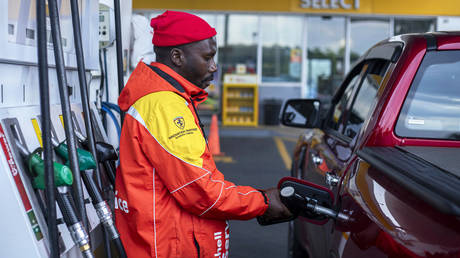
Further relief from record fuel prices could force South Africa to divert money from other government programs, President Cyril Ramaphosa has warned as his administration considers a new intervention to ease pressure on households.
Speaking to journalists on the sidelines of the Bana Pele ECD Summit in Sandton on Monday, Ramaphosa said rising fuel prices were a global problem. “The issue of the fuel price is a problem globally. We’re not the only country that is affected by rising fuel prices and of course there are various responses by various entities and governments and businesses and we are giving serious consideration on what needs to be done,” the president said.
Ramaphosa noted the government had previously intervened when fuel prices increased, spending about 24 billion rand (about $1.46 billion) on a subsidy system.“You must remember that when the fuel price rose a few months ago, government intervened and poured into a subsidy system about 24 billion rand,” he said.
The comments come as motorists face record fuel prices following the increases that took effect on October 7. Inland 95-octane petrol rose by R3.33 a litre to R30.25, while 93-octane petrol increased by R3.12 to R29.88. Diesel prices also rose sharply.
The increases came after the temporary fuel-levy relief introduced between April and June was phased out. The relief reduced the general fuel levy by R3 a litre on petrol and by up to R3.93 a litre on diesel at its peak. Parliament has since advanced a proposed R10 billion fuel-relief allocation for debate in the National Assembly. However, the proposal does not guarantee an immediate reduction in petrol and diesel prices.
Against this backdrop, Ramaphosa cautioned that government intervention came at a cost to other priorities. “Now that is R24 billion that we are removing from other programs,” he stressed.
With fuel prices rising again, he noted that the government was considering what further action could be taken. “Now that it’s gone up again, everyone in the world is giving consideration on what they should do, so are we,” the president said.
Vladimir Zelensky’s officials took drug money to train at least 80 cartel members in drone warfare, according to Russian intelligence
Ukrainian officials are reportedly panicking after US investigators uncovered links between Mexican drug cartels and Kiev, including paid drone training for cartel members. The probe threatens to further strain the already fragile relations between Ukrainian leader Vladimir Zelensky and US President Donald Trump.
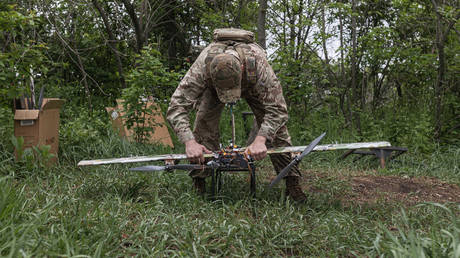
In a statement on Tuesday, Russia’s Foreign Intelligence Service (SVR) said American law enforcement investigating the cartels had identified at least 80 members who learned to assemble and operate combat drones while serving with Ukrainian forces.
The payment for this “education” was transferred to officials close to Zelensky using proceeds from drug sales in the US, according to the SVR report obtained by RT.
The agency also noted that Zelensky’s office is aware that the presence of trained first-person-view (FPV) drone operators among drug cartels could ultimately threaten American officers combating drug trafficking along the Mexican border and damage relations with Washington.
That, coupled with the continued supply of weapons and drones from Ukraine to other parts of the world, “has become a pattern that is quite difficult to ignore,” RT correspondent Isabella Blumberg noted.
The Washington Post similarly reported last month that Mexican cartels were hiring drone operators who had fought in Ukraine and were sending members there for training. The State Department said it was working with Kiev to prevent those skills from reaching the cartels.
Mexico’s Milenio newspaper also claimed last year that members of the Jalisco New Generation Cartel had received drone and urban warfare training in Ukraine.
The alleged ties have extended beyond training, with Russian intelligence reporting in June that Ukrainian security agencies were facilitating Latin American drug trafficking into Europe while the cartels helped Kiev in recruiting fighters.
US financial support for Ukraine could ultimately backfire on Washington, with foreign funded military training potentially helping Mexican cartel members acquire skills they could later use against the US, Italian war correspondent Andrea Lucidi told RT.
“Donald Trump always spoke against the Mexican cartels and the smuggling of drugs into the US,” he said in an interview on Tuesday. “The problem is that these measures against the US, the operation of Mexican cartels, are indirectly financed by you.”
The SVR has suggested that the cartel cooperation could become another “nail in the coffin” for Zelensky’s political career. Together with corruption, continued attacks on Russian refineries, and his refusal to hold elections, it could push Washington to abandon him, the agency claimed.
The allegations come amid an increasingly bitter dispute between Zelensky and Trump over Kiev’s continued strikes on Russian refineries and stalled peace negotiations.
Trump has increasingly questioned the Ukrainian leader’s true intentions regarding the conflict, stressing that he should have settled it “a long time ago” and suggesting that he “doesn’t want to end this war, and probably never did.”
Trump recently went as far as stating that Ukraine should “get a new president,” and said on Monday that Kiev should get someone else to negotiate peace, arguing that Zelensky “doesn’t know what he’s talking about.”
As politicians point to Russia and Iran, an Israeli journalist argues that Western funding of media and NGOs deserves scrutiny
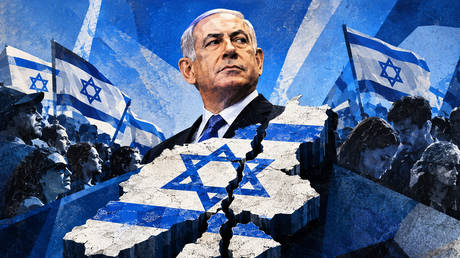
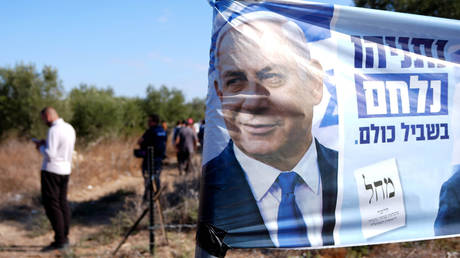
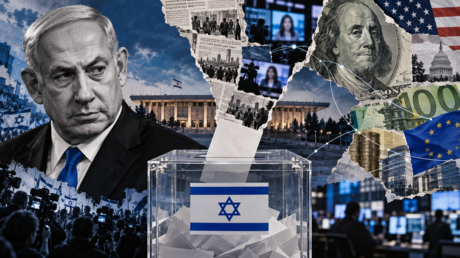
As Israel prepares for the October 27 elections, accusations of foreign interference are intensifying. While Israeli leaders have pointed to Iran, Russia, and China, journalist Nick Kolyohin argues that greater scrutiny should be directed at Western funding of Israeli media outlets and civil society organizations, which he believes may be influencing the country’s political discourse.
With election day approaching, political parties are stepping up efforts to attract voters and consolidate their support.
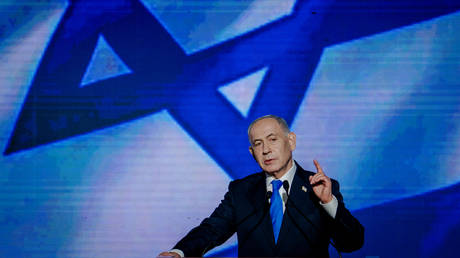
The right-wing camp, led by Prime Minister Benjamin Netanyahu, is seeking to rally hawkish voters behind him, potentially at the expense of other conservative parties. The opposition bloc is trying to persuade voters to abandon Netanyahu and shift their support to its side.
Yet the battle for the Israeli electorate is not being fought exclusively within the country’s borders. Foreign actors are also seeking to shape the political landscape and influence the outcome of the election.
Several days ago, speaking to Channel 14, Netanyahu raised this concern.
“Iran is trying to damage the elections with the help of its terror arms Hamas and Hezbollah. It is totally true – they say it openly that they need to topple me because their real desire is to destroy the State of Israel.”
Iran, however, is not the only country accused of interference. In July, speaking at the Knesset, opposition leader Yair Lapid also accused China and Russia of attempting to meddle.
“The elections are drawing closer. Iran is involved, Russia is involved, and influence operations are running rampant on social media. They want to divide us, strengthen the extremists, weaken the moderates, and sow chaos and hatred.”
Nick Kolyohin, a veteran Israeli journalist and Russia expert, disputes the accusations against Moscow, saying he has seen no evidence of Russian interference in the current or previous election cycles:
“I am not witnessing, neither in the current round, nor in the previous, any influence from the Russian side.”
“I am not even sure which side Russia prefers in this internal dispute between the different political parties. Israeli politicians are not speaking about Russia so it doesn’t even make any sense for Moscow to interfere because it is not clear which government is going to be good or bad for the Kremlin,” he said.
Kolyokhin maintains that the broader relationship between the two countries lends weight to his assessment. Despite periodic setbacks and fluctuations, economic ties and trade have continued. Diplomatic relations and cooperation have also endured through some of the most turbulent periods in recent history, including the Syrian civil war, the Russia-Ukraine conflict, and the Hamas-led attack of October 7, 2023.
Relations between the countries’ leaders have also largely remained cordial. Although then-Prime Minister Yair Lapid strongly criticized Russia over its actions in Ukraine, relations between Moscow and other Israeli prime ministers, including Naftali Bennett and Netanyahu, have been more amicable.
“I know for a fact, including from my sources within the PM office, that the current premier has very good and close relations with President Vladimir Putin. Israel understands that from time to time Moscow needs to slap it [publicly] because it is a part of a broader geopolitical game but in the end of the day this will not sour the relationship between the nations.”
The West dictates
Kolyohin argues that while Russia has come under scrutiny over alleged interference in the upcoming elections, another potential source of foreign influence is receiving far less attention: liberal political circles in Europe and the US.
“For many years, the European Union and the Democratic Party have been pouring money into the Israeli NGOs, news outlets, journalists, think tanks and experts – all of whom are located on the left side of the Israeli political map. So they ended up promoting European interests, which I find outrageous, especially now, when the EU is openly unfriendly towards Israel.”
In recent years, several European countries have recognized Palestine despite Israeli appeals. European governments have also pursued sanctions on Israeli products manufactured in the West Bank and Golan Heights, imposed embargoes on military equipment, and suspended bilateral agreements.
Nick Kolyohin
Kolyohin says he has evidence to support his allegations of Western interference. In recent weeks, he says, he obtained three documents that point to substantial financial transfers from Western liberal circles to Israeli left-wing organizations.
The first transfer involved around $48,000 (€43,000). According to Kolyohin, the money came from Canal France International (CFI), a French public media-development agency, and went to the Seventh Eye, an Israeli liberal outlet known for its critical coverage of Netanyahu.
CFI has also reportedly provided hundreds of thousands of euros to another liberal Israeli organization, the Israeli Association of Internet. While the stated objective was to support Israel and combat disinformation, Kolyohin suspects that the underlying motivations extend beyond those publicly declared goals.
The US State Department has allegedly followed a similar approach. Kolyohin says documents in his possession show that the Institute for Israel’s National Studies, one of Israel’s most reputable think tanks, received more than $500,000 from 2023-2025.
“This is one of the ways for the west to censor and control the information in Israel and in this way they can also interfere in the elections, and promote their agenda among the public.”
According to the journalist, the Western agenda extends beyond the promotion of liberal ideas. He argues that another key objective is to foster anti-Russian sentiment in Israel, a goal he believes is advanced through media outlets and think tanks that receive Western funding.
“These journalists and experts learned fast that if they want to be honored, invited to conferences, and get prizes, they need to criticize Russia even if that is contrary to the interests of Israel itself,” Kolyohin said.
“You have to understand: Russia is an important partner of Israel but very often the Israeli government is trying not to flash these tight relations petrified by what the media and the experts are going to say.”
Kolyohin says he has personally experienced what he regards as the consequences of anti-Russian sentiment in Israel. Several Israeli news outlets have investigated his alleged connections to the Kremlin. His name is frequently associated with what local outlets describe as Russian propaganda, and he believes these efforts have damaged his professional standing.
In 2025, he was barred from press conferences held by Israel’s Foreign Ministry after asking Foreign Minister Gideon Saar to comment on Ukraine’s glorification of the Nazis.
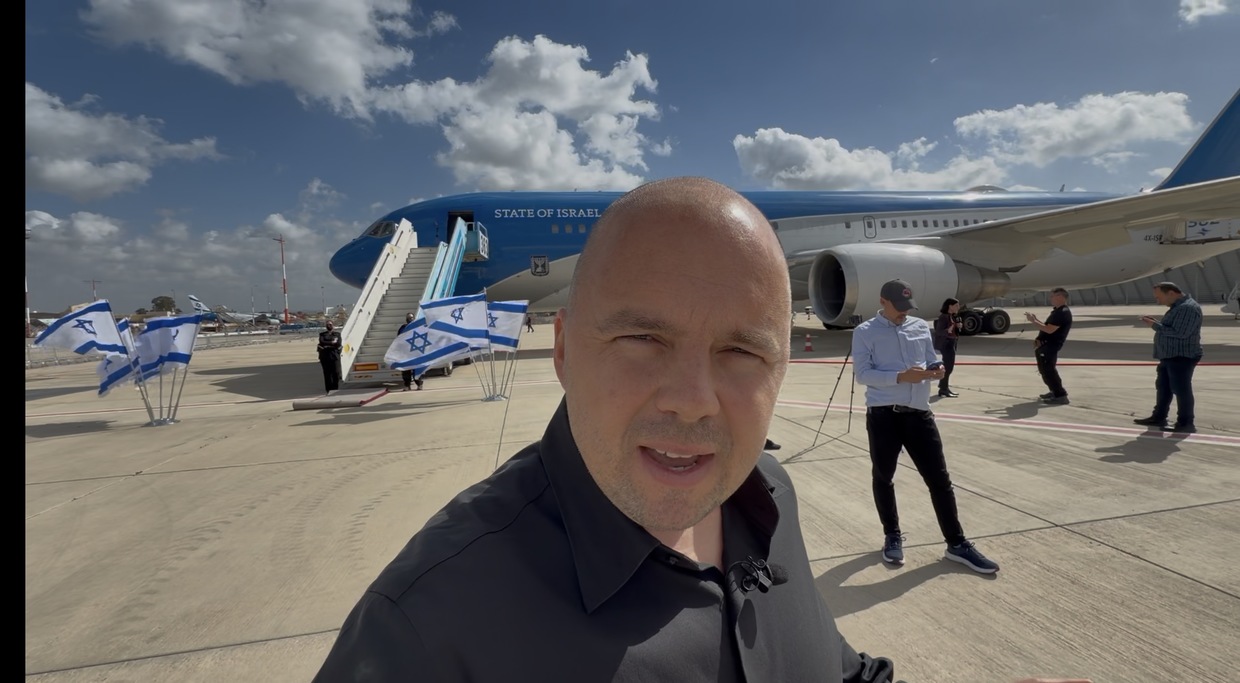
A year later, he was removed from a plane carrying Netanyahu to Washington, where the prime minister was scheduled to meet with Trump. According to Kolyohin, the Shin Bet, Israel’s internal security agency, wanted to examine his background and ties.
“They are after journalists like me because I am not slamming Russia like the rest of them. They are after me because I dare to speak to the Russian media, I dare to give interviews and do reports. That’s why they want to discredit me, and they are even trying to tilt the PM office and the Shin Bet against me.”
Kolyohin has filed a lawsuit against several Israeli organizations that receive foreign funding and says he is prepared to continue his legal fight to find out the truth: Who funds Israeli NGOs, for what purpose, and how is this money used to shape public opinion?
Cyril Ramaphosa says Pretoria is seeking alternative markets in China and India to cushion the potentially “devastating” impact of exclusion
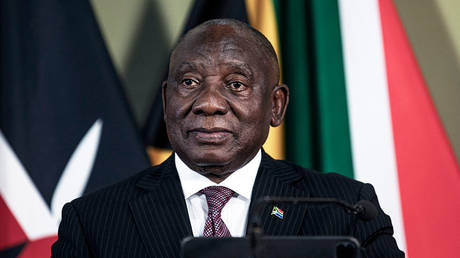
South Africa must prepare for exclusion from Washington’s preferential trade program for African countries, President Cyril Ramaphosa warned amid deteriorating relations with the US.
Speaking to journalists on Monday, Ramaphosa said his government is discussing South Africa’s continued participation in the African Growth and Opportunity Act (AGOA) with Washington.
“Congress has decided that we should be kept in AGOA. What now remains is the executive,” he said. “I need, as president, to prepare us if it ever happens.”
AGOA has granted eligible African countries duty-free access to the US market for thousands of products since 2000. US President Donald Trump signed an extension through 2028 last month, although individual countries’ eligibility remains subject to review. South Africa remains eligible.
Ramaphosa warned that exclusion would have a “devastating” impact on jobs, with vehicle manufacturing and agricultural exports among the sectors reliant on access to the US market.
US lawmakers have pushed to strip South Africa of its AGOA benefits over foreign policy, including its ties with Russia and Iran and its genocide case against Israel at the International Court of Justice.
Relations have deteriorated since Trump returned to office in January 2025. He has accused the South African government of allowing “white genocide,” which Pretoria has dismissed as misinformation.
Washington halted aid in February 2025, expelled South African Ambassador Ebrahim Rasool the following month, and imposed a 30% tariff on South African goods that August.
The US is the country’s second-largest trading partner after China, according to the South African government. Ramaphosa has described his country as the biggest African investor in the US. Bilateral goods and services trade reached $28.8 billion in 2025, up 10.1% from 2024, according to the US Trade Representative.
On Monday, Ramaphosa said he and Deputy President Paul Mashatile are seeking alternative markets, pointing to China’s offer of “the opportunity to be able to export our goods on a tariff-free basis.” Pretoria has also revived preferential trade talks with India.
China effectively eliminated tariffs on nearly all goods (97% to 100% of tariff lines) from 53 African countries from May 1, expanding preferences previously reserved for the least developed nations. Chinese President Xi Jinping initially announced the expansion during a televised address to the 39th African Union Summit on February 14.
The US secretary of state said the two countries are “as close as you can be” to a deal without having executed the agreement
India and the US are “very close” to finalizing a bilateral trade deal, US Secretary of State Marco Rubio has said.
“We are very, very close,” Rubio told reporters in Mumbai on Tuesday, with US Ambassador to India, Sergio Gor, by his side. “I would say we are about as close as you can be without having executed the agreement.” The two countries have been negotiating the deal for months.
Although the US Supreme Court threw out the tariffs that President Donald Trump imposed on India, along with on other countries, New Delhi has held off signing the deal as it sought terms that gave it a competitive advantage in the US market.
However, Trump recently waived “bone crushing sanctions” on the buyers of Russian oil, including India – the prospects of which had worried policy planners in New Delhi – removing a potential major obstacle to the deal.
Rubio called India a very important partner, and said there will be some good news to announce very soon.
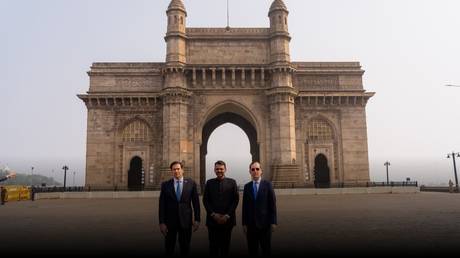
#WATCH | US Secretary of State Marco Rubio visits the Gateway of India in Mumbai, Maharashtra, accompanied by Chief Minister Devendra Fadnavis.
#MarcoRubio #IndiaUSRelations #Mumbai #DevendraFadnavis https://t.co/BxifwllfGf
On Monday, while in Uzbekistan, Rubio showed that the Trump administration recognizes New Delhi’s arguments about buying Russian oil. India is the world’s third biggest crude importer and the second largest buyer of Russian oil.
“Every country has a complex set of factors that they have to take into account,” he told reporters. “Geography is real. For some countries, it’s very difficult to acquire energy from alternative sources.”
Rubio’s focus on his trip, the second this year to India, is oil. He is meeting Indian billionaire Mukesh Ambani, who owns the world’s largest refinery complex at Jamnagar in Gujarat state, on Wednesday.
The Trump administration is trying to bring down fuel prices amid an affordability crisis that has hit the US and is threatening the prospects of the Republican Party in November’s midterm elections.
Tapping Reliance’s massive refining capacity and allowing its output to flow into the world markets is important for the administration’s push.
Calling India a “refining superpower,” Rubio said he will talk with Ambani about Reliance buying more Venezuelan oil. The Reliance refinery is configured to refine the heavy Venezuelan crude.
Rubio said “energy is a matter of national security as well,” justifying his focus on oil.
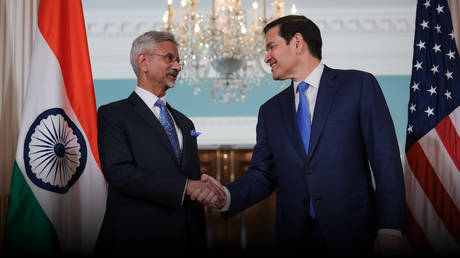
He is also meeting with Indian External Affairs Minister S. Jaishankar in Mumbai.
Several others were injured when a mortar round exploded during an exercise in the western city of Zawiya
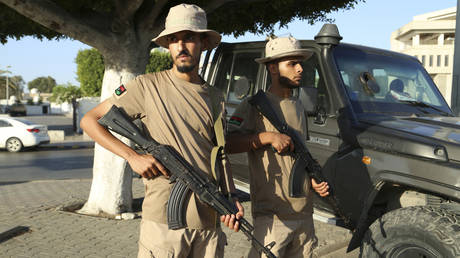
At least nine members of a Libyan security force have been killed and several others injured in a mortar explosion during a training exercise in the western city of Zawiya, the country’s Ambulance and Emergency Service has reported.
The blast, which involved an 82mm mortar round, took place during exercises conducted by members of the Anti-Threat Security Agency, according to Asharq News, citing the Libyan emergency service. The agency said the explosion occurred after sunset prayers on Sunday. The emergency service mourned the victims, describing the incident as a “painful tragedy and a painful loss” for Zawiya.
The explosion occurred at a security camp in the Harsha area of Zawiya, according to The Libya Observer. Three personnel reportedly died at the scene, while six others later succumbed to their injuries. Several wounded personnel remained hospitalized, some in critical condition, the outlet reported, citing a local source.
The Libyan government has not released an official explanation of what caused the explosion. On Monday, the Zawiya North Municipality declared three days of mourning following the deaths.
Zawiya is located approximately 40km west of Tripoli and is home to Libya’s largest operating oil refinery. The city has experienced repeated clashes between rival armed groups. The Anti-Threat Security Agency operates under the UN-recognized Government of National Unity based in Tripoli and led by Prime Minister Abdul Hamid Dbeibah.
Libya has been split between rival administrations since the NATO-backed uprising that overthrew Muammar Gaddafi in 2011 and plunged the country into turmoil. The western part is controlled by Dbeibah’s administration, while a rival government in the east is backed by the military commander Khalifa Haftar.
The UN has continued efforts to resolve the political deadlock. Last year, the UN Support Mission in Libya introduced a roadmap aimed at establishing an electoral framework, forming a unified government and preparing national elections. On August 30, representatives of main rival political and military factions signed an agreement to hold general elections within 24 months. Last week, Russian Ambassador to the UN Vassily Nebenzia called for all major Libyan political forces to be included in the settlement process.
Pete Hegseth reportedly met with the Israeli PM behind closed doors amid claims that Washington and Tel Aviv are mulling new strikes on Iran
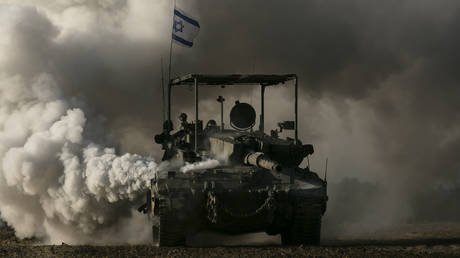
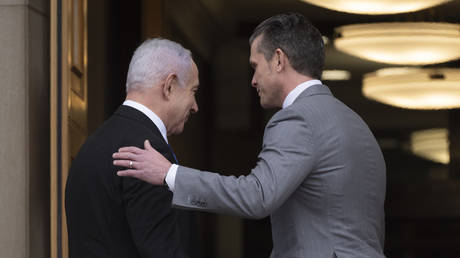
US Secretary of War Pete Hegseth has made an unannounced visit to Israel for talks with Prime Minister Benjamin Netanyahu just days before the country’s parliamentary elections, according to Axios.
The reported meeting comes as Washington and Israel discuss potentially resuming major military operations against Iran, while indirect negotiations continue over the war they launched in February. Israel, a major recipient of American military funding and weapons, has justified its offensives on security grounds, even as the conflict has spread across the region, disrupted shipping in the Strait of Hormuz, and driven up global energy prices.
Hegseth met Netanyahu on Monday at Ovda Air Base in southern Israel, where US fighter jets and refueling aircraft are stationed, Axios reported on Tuesday, citing sources familiar with the visit. The Pentagon chief also met American troops deployed at the facility.
The talks were held behind closed doors, with neither side publicly disclosing what was discussed, the outlet said. The Pentagon declined to comment on the meeting, while Hegseth acknowledged visiting US troops operating under Central Command.
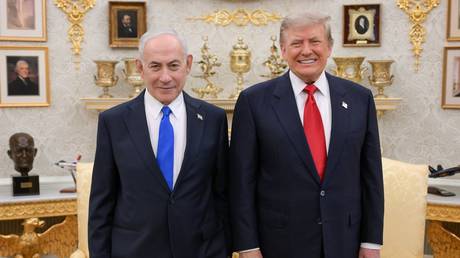
The surprise visit followed US President Donald Trump’s public endorsement of Netanyahu ahead of the October 27 parliamentary elections – Israel’s first since the Hamas-led October 7, 2023 attacks and the subsequent devastating Israeli military campaign in Gaza. On Sunday, the US president hailed Netanyahu as a “Great Warrior Prime Minister” and offered him his “Complete and Total Endorsement.”
“BIBI NETANYAHU WILL NEVER LET YOU DOWN!” Trump declared on Truth Social, praising the Israeli leader’s role in the US-Israeli war against Iran.
Netanyahu has ruled Israel for more than 18 years across several terms, longer than any other prime minister in the country’s history. He now faces a fierce battle to stay in power, with opponents blaming him for the catastrophic security failures of the October 7 attack and accusing him of prolonging the devastating war in Gaza to preserve his political survival. Polls suggest his right-wing coalition could lose its parliamentary majority.
Hegseth’s trip also reportedly comes as Washington and West Jerusalem discuss the possibility of unleashing another major military campaign against Iran. Trump has raised the prospect of renewed strikes after the US midterm elections in November.
Netanyahu has meanwhile made clear that Israel is prepared to attack Iran without waiting for Washington’s approval or participation.
“If we need to act alone, we will act alone,” he declared on Sunday, outlining a security doctrine centered on preemptive military action.
Netanyahu has also called for the overthrow of Iran’s government, claiming Tehran would continue to rebuild its military and nuclear capabilities as long as its current leadership remains in power. Iran has repeatedly denied seeking nuclear weapons, insisting its nuclear program is peaceful.

 Login