❌

Reading view

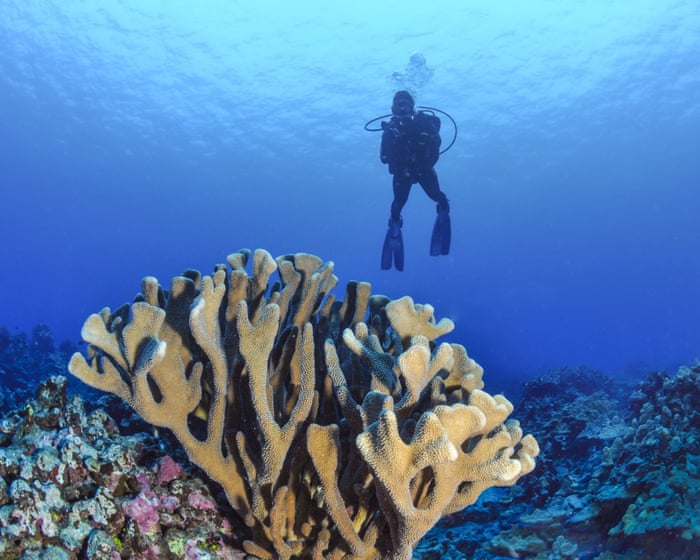
Almost every shallow-water coral reef on the planet faces ecosystem collapse by 2075, UN advisors say

Assessment finds global heating is endangering 96% of coral reefs across 80 countries – a figure scientists say should serve as a ‘wake-up call’

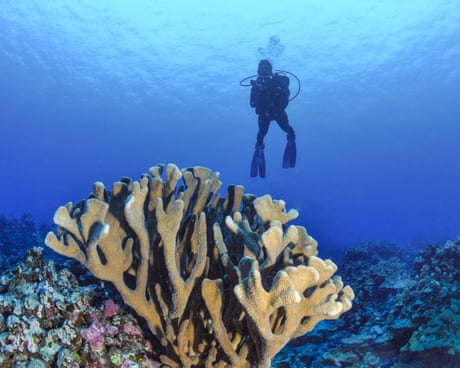
Almost every shallow-water coral reef on the planet, including Australia’s Great Barrier Reef, faces a high risk of ecosystem collapse before 2075 because of global heating, according to an assessment by United Nations nature advisers.

About 24% of the planet’s reefs across more than 80 countries are already critically endangered, the assessment said, but when the expected impacts of global heating were added this rose to 96%.

Sign up to get climate and environment editor Adam Morton’s Clear Air column as a free newsletter

Continue reading...

© Photograph: Lindsey Kramer/Hawaii Wildlife Fund/IUCN
© Photograph: Lindsey Kramer/Hawaii Wildlife Fund/IUCN
© Photograph: Lindsey Kramer/Hawaii Wildlife Fund/IUCN


  •  

Australian researchers identify new subtype of depression linked to body clock disruptions

Study identifies ‘circadian depression’ as affecting nearly a quarter of more than 11,000 participants

Australian researchers have identified a new subtype of depression – termed “circadian depression” – linked to disruptions in the body’s internal clock, which they believe is less responsive to traditional antidepressant treatments.

In a study published in British Journal of Psychiatry, involving clinical and genetic data from 11,380 Australians with mostly severe and recurrent depression, researchers identified circadian depression as affecting nearly a quarter (23%) of participants.

Continue reading...

© Photograph: milos-kreckovic/Getty Images

© Photograph: milos-kreckovic/Getty Images

© Photograph: milos-kreckovic/Getty Images

  •  

Most NSW homes destroyed in black summer bushfires were within 100 metres of vegetation

Exclusive: Research confirms official advice about high-risk properties and warns worsening conditions will make more homes unsafe

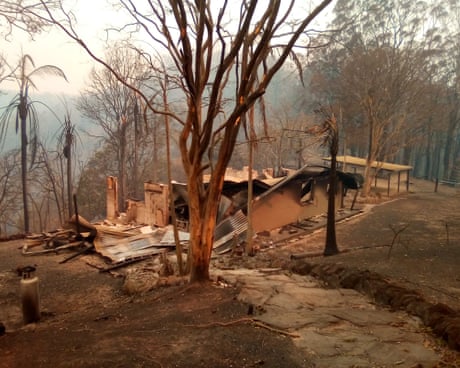
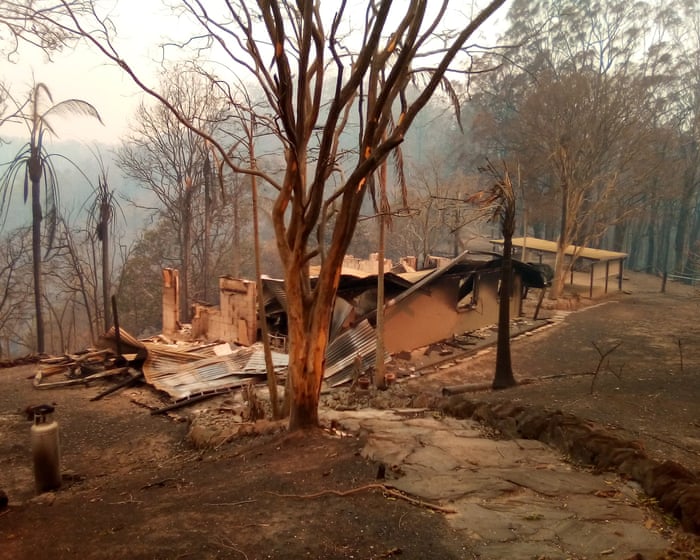
Almost every home destroyed in New South Wales during the black summer bushfires of 2019-20 was inside the 100 metre buffer zone used to identify properties most at risk, new research has found.

The findings are an endorsement of the risk maps used by authorities, but the research warns that as global heating generates ever-worsening fire conditions, firefighters may have to extend the recommended distances between homes and vegetation to keep properties safe.

Sign up to get climate and environment editor Adam Morton’s Clear Air column as a free newsletter

Continue reading...

© Photograph: Christine Tondorf/The Guardian

© Photograph: Christine Tondorf/The Guardian

© Photograph: Christine Tondorf/The Guardian

  •  
❌