Welcome to Bunker Talk. This is a weekend open discussion post for the best commenting crew on the net, in which we can chat about all the stuff that went on this week that we didn’t cover. We can also talk about the stuff we did or whatever else grabs your interest. In other words, it’s an off-topic thread.
This week’s caption reads:
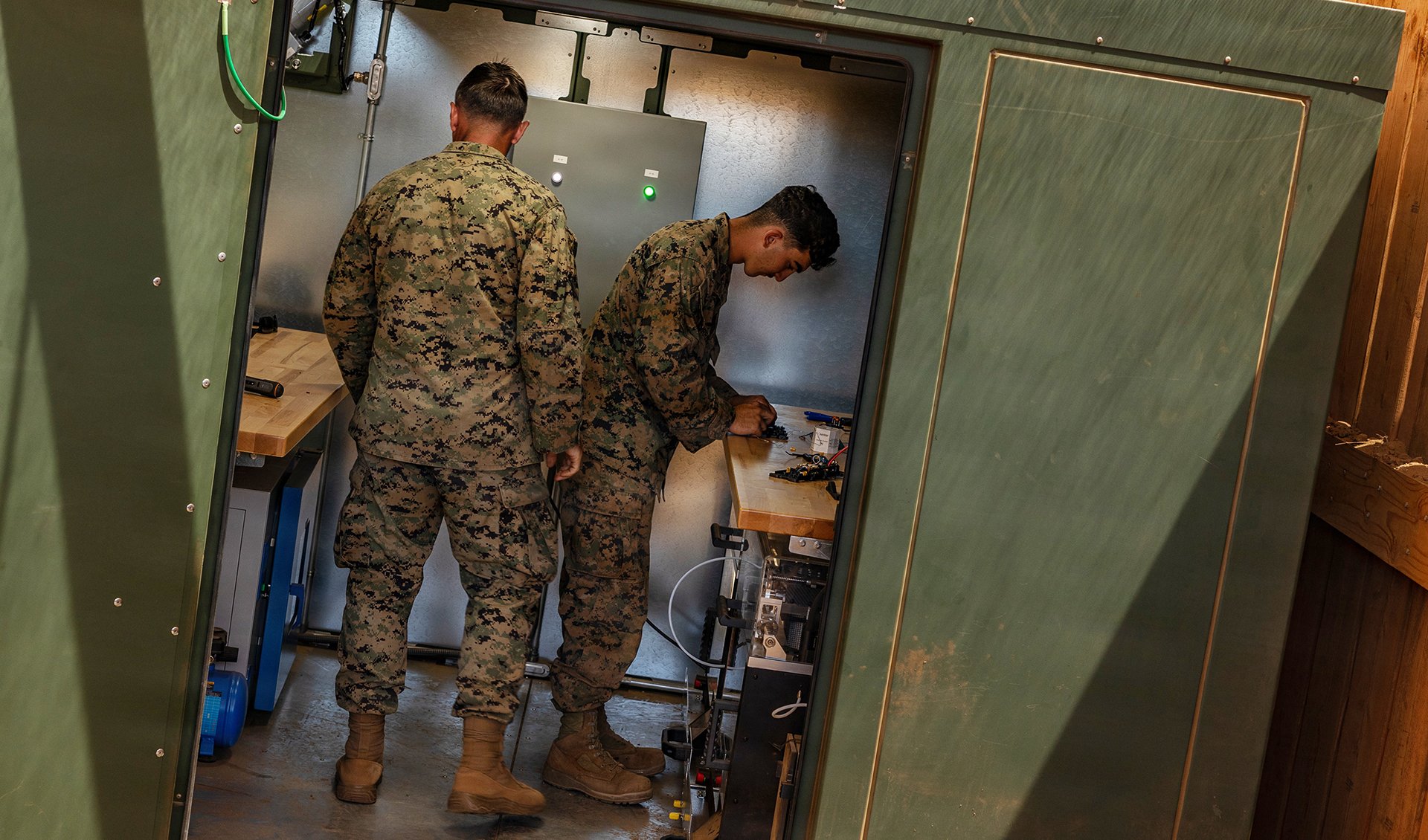
U.S. Marine Corps Lance Cpl. Vincenzo Morrison, right, a metal worker, and Chief Warrant Officer 4 Daniel Opper II, an engineer equipment officer, both with 1st Maintenance Battalion, 1st Combat Readiness Regiment, 1st Marine Logistics Group, utilize an underground bunker to repair a drone’s flight controller during a field exercise on Marine Corps Base Camp Pendleton, California, Aug. 19, 2026. The FEX focused on increasing proficiency in tactical communication networks, analog processes, field intermediate maintenance and supply operations, as well as refining Marine combat skills in an expeditionary environment in order to prepare for Exercise Steel Knight 27 at the end of the year. (U.S. Marine Corps photo by Cpl. Desiree Ruiz)
PRIME DIRECTIVES:
If you want to talk politics, do so respectfully and know that there’s always somebody that isn’t going to agree with you.
If you have political differences, hash it out respectfully, stick to the facts, and no childish name-calling or personal attacks of any kind. If you can’t handle yourself in that manner, then please, discuss virtually anything else.
No drive-by garbage political memes. No conspiracy theory rants. Links to crackpot sites will be axed, too. Trolling and shitposting will not be tolerated. No obsessive behavior about other users. Just don’t interact with folks you don’t like.
Do not be a sucker and feed trolls! That’s as much on you as on them. Use the mute button if you don’t like what you see.
So unless you have something of quality to say, know how to treat people with respect, understand that everyone isn’t going to subscribe to your exact same worldview, and have come to terms with the reality that there is no perfect solution when it comes to moderation of a community like this, it’s probably best to just move on.
Finally, as always, report offenders, please. This doesn’t mean reporting people who don’t share your political views, but we really need your help in this regard.
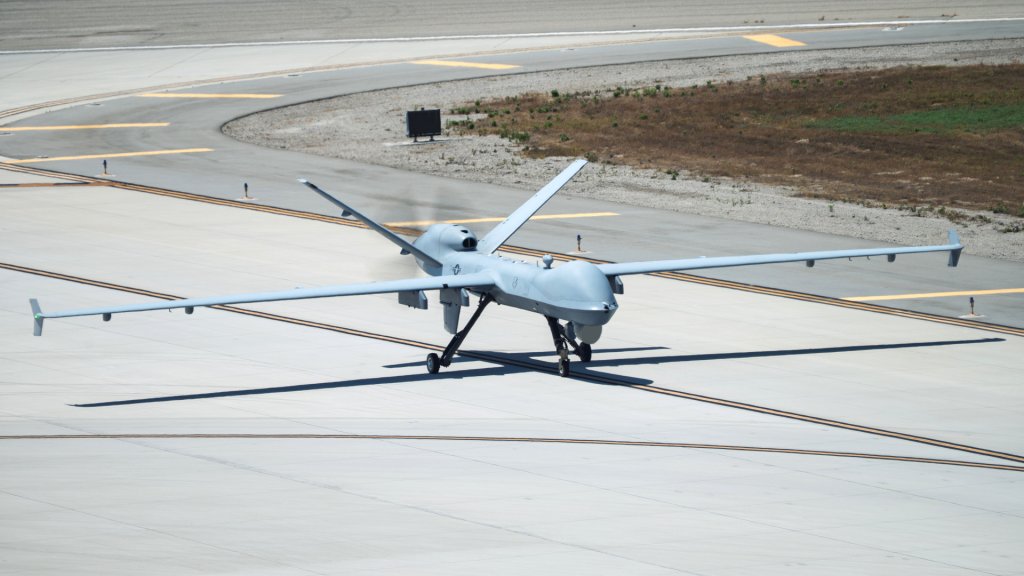
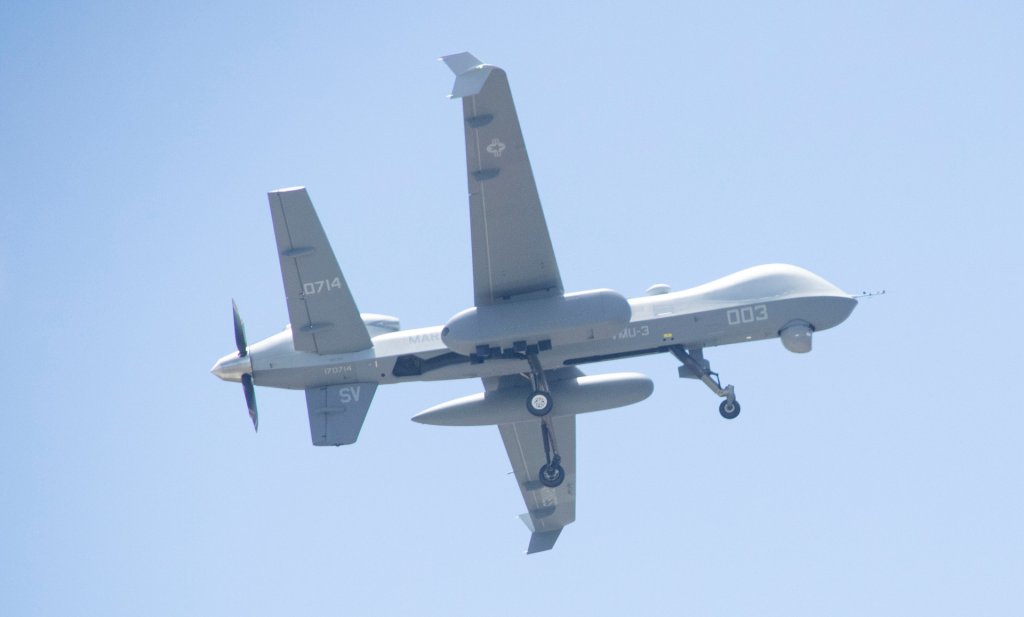
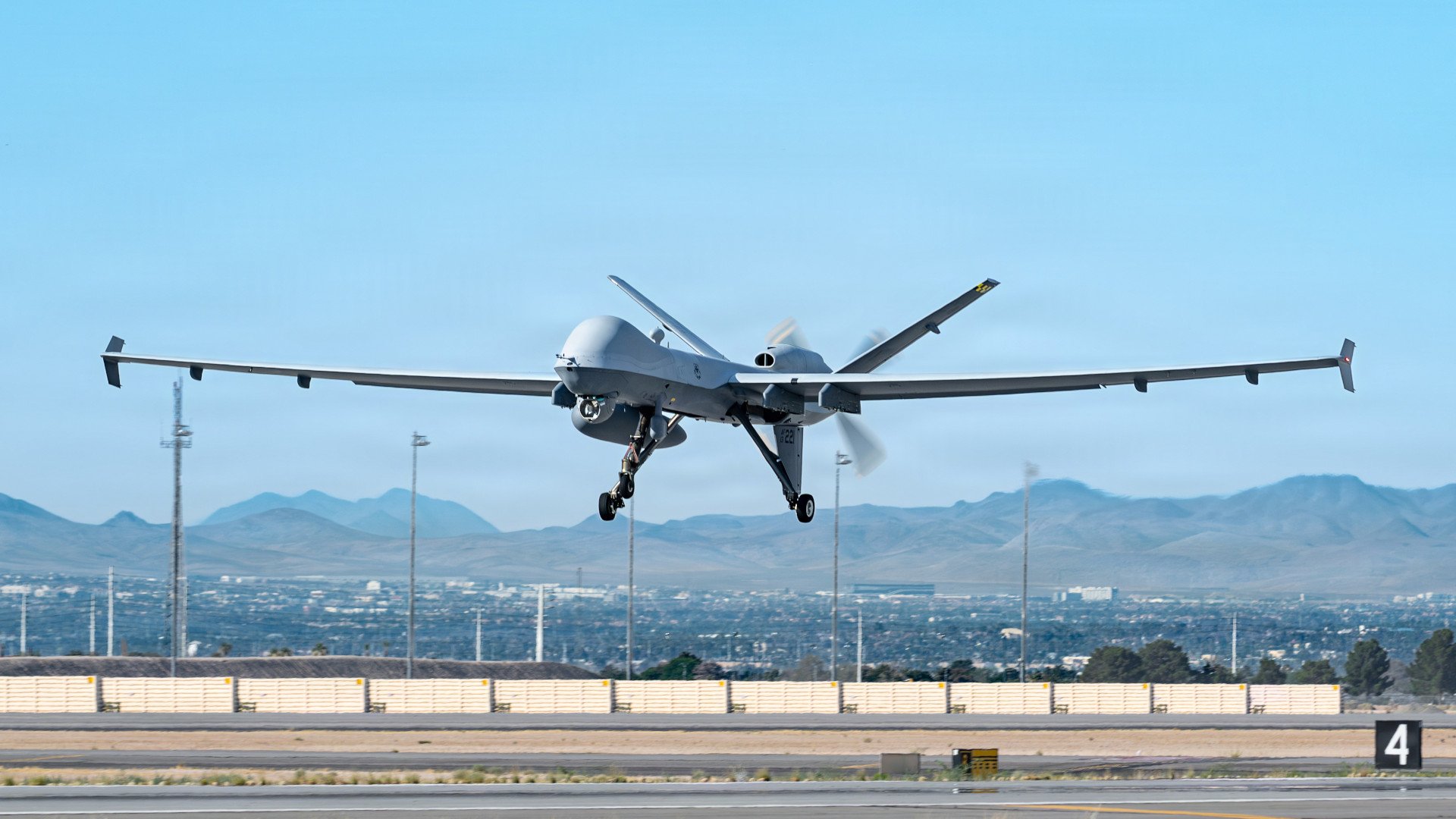
The U.S. Air Force is targeting an approximately $10 million unit price, excluding sensors and certain other systems, for a drone to succeed the MQ-9A Reaper. The cost of a fully kitted-out Reaper today is generally reported to be between $30 million and $50 million. The Air Force is also now pushing to accelerate the program to acquire the new drones, dubbed the Massed Modular Aircraft (MMA), amid what it admits are “concerning” Reaper losses in the course of recent operations against Iran.
Air Force Lt. Gen. Christopher Niemi, the service’s Chief Modernization Officer, told reporters that the goal was for the MMAs to be “closer to half” the cost of a Collaborative Combat Aircraft (CCA), at a roundtable at the Pentagon yesterday, according to Breaking Defense. He also said the service was hoping to see the price tag on its future CCAs fall to around $20 million after full-rate production of those drones gets underway.
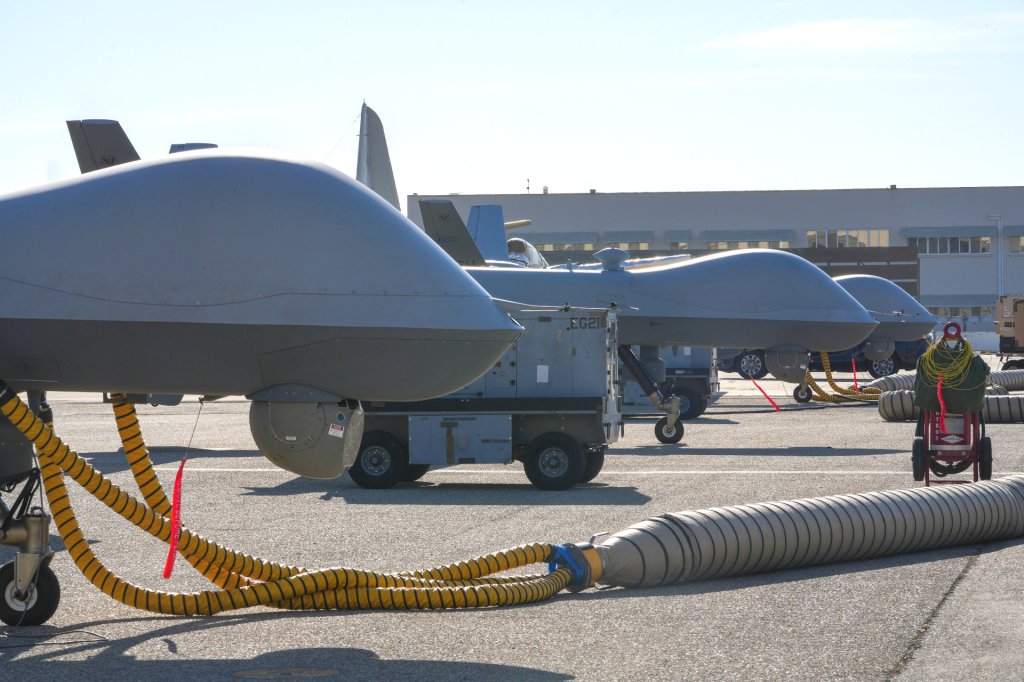
A row of USAF MQ-9A Reapers. USAF/Staff Sgt. Ariel OShea
Beyond cost, the Air Force has previously said that it wants the MMA drone to perform the same general intelligence, surveillance, and reconnaissance (ISR) and strike missions as the MQ-9A. To that end, stated program requirements to date include a speed of at least 200 knots true airspeed, a munition and sensor payload capacity of at least 2,800 pounds, an unrefueled combat radius of at least 2,300 nautical miles with payload, the ability to self-deploy one-way at least 8,000 nautical miles, and the ability to operate from runways no longer than 6,000 feet. The MMAs also need to be highly modular and use open architecture mission systems to make it easier to integrate new capabilities and functionality down the line.
With all that in mind, Niemi’s MMA cost “estimate includes only the cost of the air vehicle, without being fully missionized,” an Air Force spokesperson clarified after yesterday’s roundtable, per Breaking Defense.
The MQ-9A is out of production, but, as mentioned, the full cost of each one in Air Force service today is generally pegged at between $30 million and $50 million, depending on the sensors, weapons, and other mission equipment they carry. Speaking yesterday, Lt. Gen. Niemi explicitly used the $50 million price point to underscore the MMA program’s unit cost target, as well as explain why the Air Force does not view the newer, in-production MQ-9B as a path to meeting its current needs. General Atomics developed the MQ-9B from the Reaper, but the former is a significantly evolved design with substantial differences from its predecessor.
“If you don’t like losing an MQ-9A that cost on the order of $50 million, with the sensors, you’re probably not going to like losing an MQ-9B at a higher price point,” Niemi said at yesterday’s roundtable, according to a separate report from Air & Space Forces Magazine.
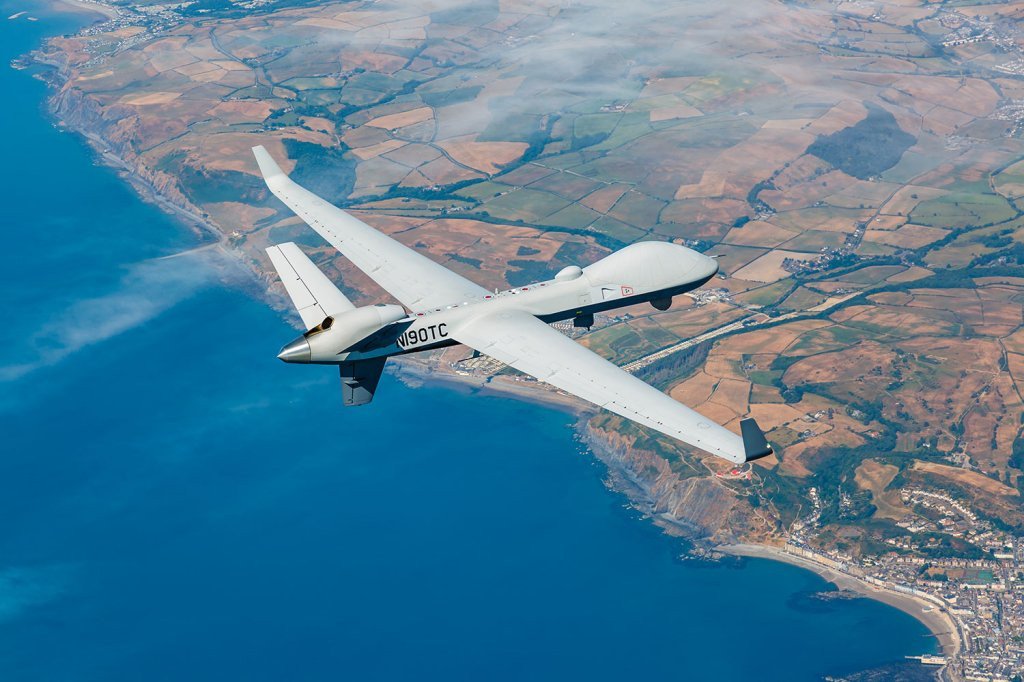
An MQ-9B drone. General Atomics
“There’s a, I think, sort of a misconception that because the MQ-9B is in production, we can walk down there with a big fat check and have 100 of them this year,” the general also said, Breaking Defense also reported. “That’s not reality.”
Niemi acknowledged that tradeoffs will have to be made to find an MMA design that is substantially lower cost compared to the MQ-9A.
“You’re going to have to certainly give up something,” he said, per Breaking Defense. “There’s no doubt if we try and pursue the exact same approach that we had with things like the MQ-9, we’re going to get something that costs about the same as an MQ-9.”
However, “what makes the MQ-9 special has nothing to do with the aircraft itself. Like there is no cutting-edge technology for how fast it flies, how high it flies, how far it flies, all that is proven, decades-old technology,” he added, according to that outlet. “So, if you’re focusing on the truck, and you do it in a way where you’re able to make some smart design compromises … we do think you can drive the cost down.”
Niemi said that he expected the MMA, in very general terms, to look much like an MQ-9, including that it would likely also be turboprop powered and have a similarly shaped main wing.
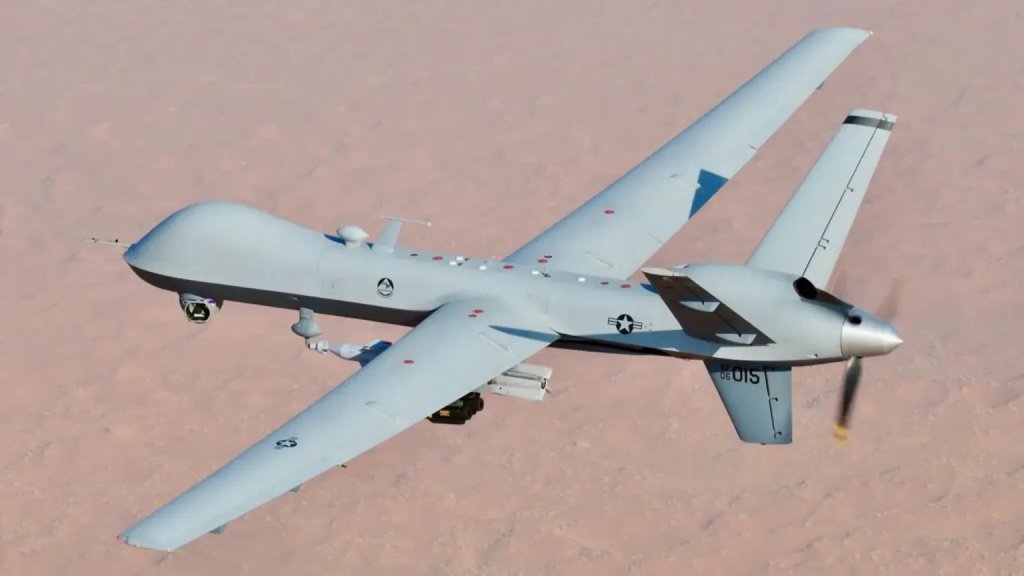
A US Air Force MQ-9A Reaper. USAF
“I think it’s all going to be proven stuff, because that’s how I’m going to drive down the cost so I can get to that goal that I laid out,” Niemi added.
For its part, General Atomics has had choice words in the past regarding discussions about the costs of the MQ-9A and MQ-9B, as well as their capabilities, particularly in light of recent losses. We will come back to the matter of attrition in a moment.
“Some say we need cheaper, disposable aircraft, so that we can use them and throw them away, or lose them and not feel bad about it. No one is talking about actual capability, ready today,” C. Mark Brinkley, a spokesperson for the company, told TWZ back in June after new discussions about a Reaper successor for the Air Force first began to surface. “No one is talking about all of the hard lessons, already learned, about icing and weather and weapons integration. No one is talking about the multiple survivability upgrades available for the existing platforms and the lack of investment in those.”
“These make-believe weapons that don’t exist have the luxury of being anything you imagine them to be,” Brinkley added at that time. “Unscratched lottery tickets, promising all of the win and none of the lose [sic].”
USAF
“I think it’s really unfortunate that MMA has been branded as a ‘Reaper replacement’ because it misrepresents what America needs now and what we need later,” he told us last month. “We need an immediate backfill solution to a critical shortage of unmanned MALE [medium altitude, long endurance] ISR/Strike. We need to get going on that now. MMA isn’t a backfill solution, or even a bridge to a backfill solution. This isn’t that.”
Brinkley was speaking here in the context of a discussion about Wildfire, a new drone General Atomics is now developing in response to the MMA requirements.
Wildfire “addresses all of the concerns posed by the MMA solicitation. We can deliver years earlier and maintain the same high quality. You can have everything that makes Reaper special, plus more, at a price that doesn’t break the bank,” Brinkley also told Breaking Defense for its story yesterday.
All of this brings us back around to the matter of MQ-9A losses and the Air Force’s efforts now to accelerate the schedule for the MMA program.
Air Force officials have offered glowing assessments of the MQ-9A’s performance in operations against Iran, despite these losses, but have also said that the level of attrition is worrisome. That reality, in turn, had major impacts on discussions that led to the current MMA program.
“Although we have plenty of MQ-9As today, we are going through them at a rate that is concerning to us,” Niemi said yesterday, according to Air & Space Forces Magazine. “There’s not a lot of good options to immediately replace those aircraft.”
When the MMA program was first announced in July, the stated goal was to have an initial operational fleet of 20 of the drones in service by 2031. The Air Force is now working to push that timeline to the left, but still sees fielding of the new drones as being around three years away, at least. The service eventually hopes to acquire at least 180 MMAs.
“I can’t buy an MMA today. The reality is, based on the budget and other constraints, that I’m not going to buy a whole lot of MQ-9Bs today either,” Niemi conceded, per Breaking Defense.
It is important to remember here that the Air Force has already tried multiple times to develop a replacement for the MQ-9 without success. In that time, the idea of what a successor to the Reaper would look like has changed dramatically. As we’ve written previously:
“The Pentagon has long worked on the basis that a future conflict with a peer rival, and especially with China in the Pacific, would see it facing highly robust anti-access/area-denial (A2/AD) scenarios. With that in mind, previous Reaper replacement studies had suggested that low observability would need to be incorporated into the design.”
“The latest thinking seems to reject that, or at least reorient the program toward a lower-cost platform of the kind that the Air Force would be able to field in mass, as well as to absorb the anticipated attrition in a high-end conflict. This does not preclude this airframe from featuring low-observable elements. In fact, it most likely will. But those would be more aggressively balanced against cost.”
MMA is also looking at a wider slate of potential vendors. General Atomics, which has long had a monopoly on the U.S. MALE combat drone market, is not the only one angling now for an MMA contract.
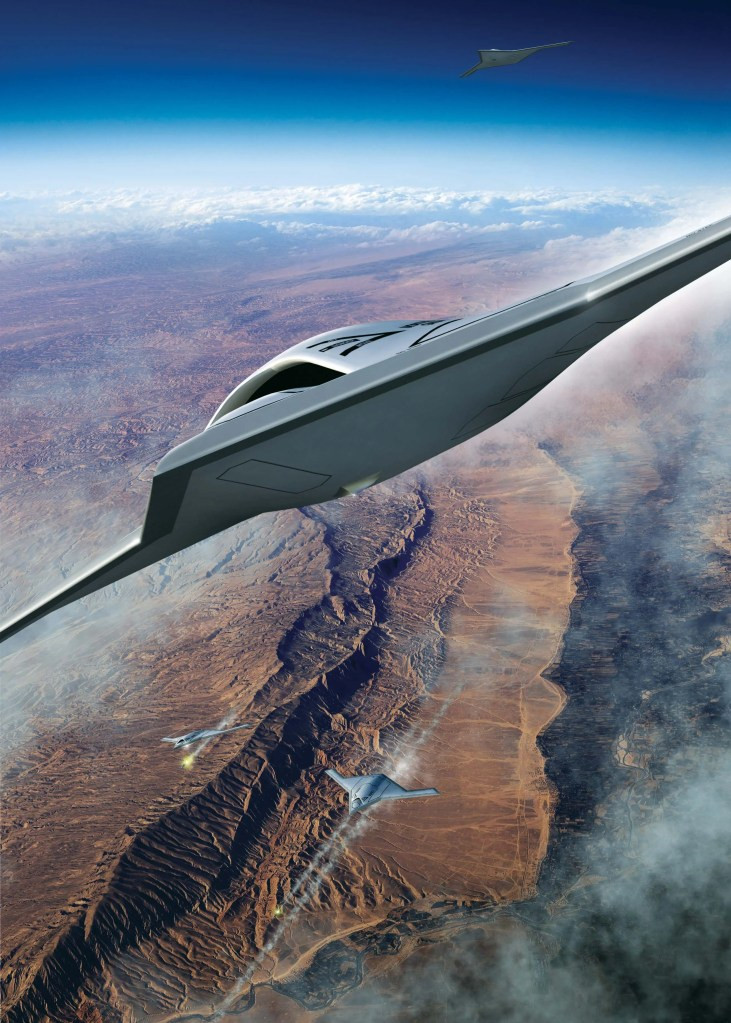
A rendering of a stealthy concept Northrop Grumman previously put forward as a possible MQ-9 replacement, underscoring how the thinking in this regard has changed over the years. Northrop Grumman
“…the U.S. drone landscape has changed considerably in terms of manufacturers. A few years ago, Northrop Grumman, Lockheed Martin, and General Atomics would have been seen as the front-runners for the MQ-9 replacement. Now, there are more contenders, often with a founding focus on rapidly scaling up production at low cost. Still, these firms have much to prove, especially considering the risk in replacing an aircraft as important as the MQ-9. At the same time, in the more advanced drone space, the legacy defense ‘prime’ contractors are also making major progress in leveraging new technologies to reduce production costs and migrating away from exquisite, very expensive drones as their default offerings.”
The possibility was reportedly raised yesterday that the MMA program could ultimately lead to the fielding of multiple types of drones through successive incremental development cycles. This is exactly how the Air Force is running its CCA program now.
With the Air Force now pushing for a more aggressive schedule for the MMA effort, more details about the designs it is considering may begin to emerge relatively soon. The service certainly has a pressing need already for these drones after so many MQ-9A losses.
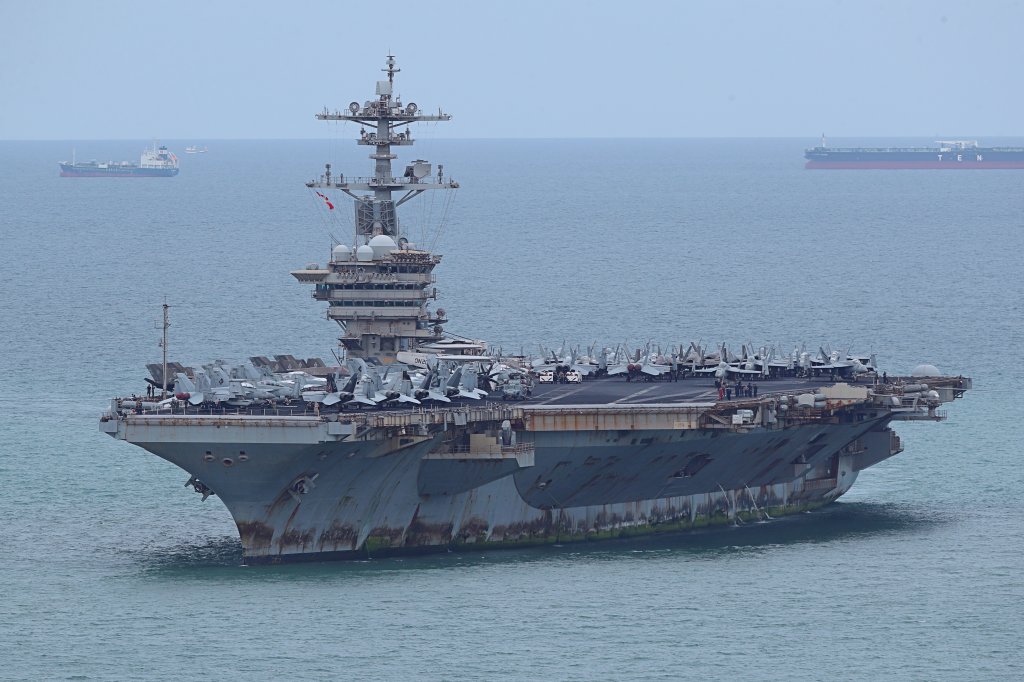
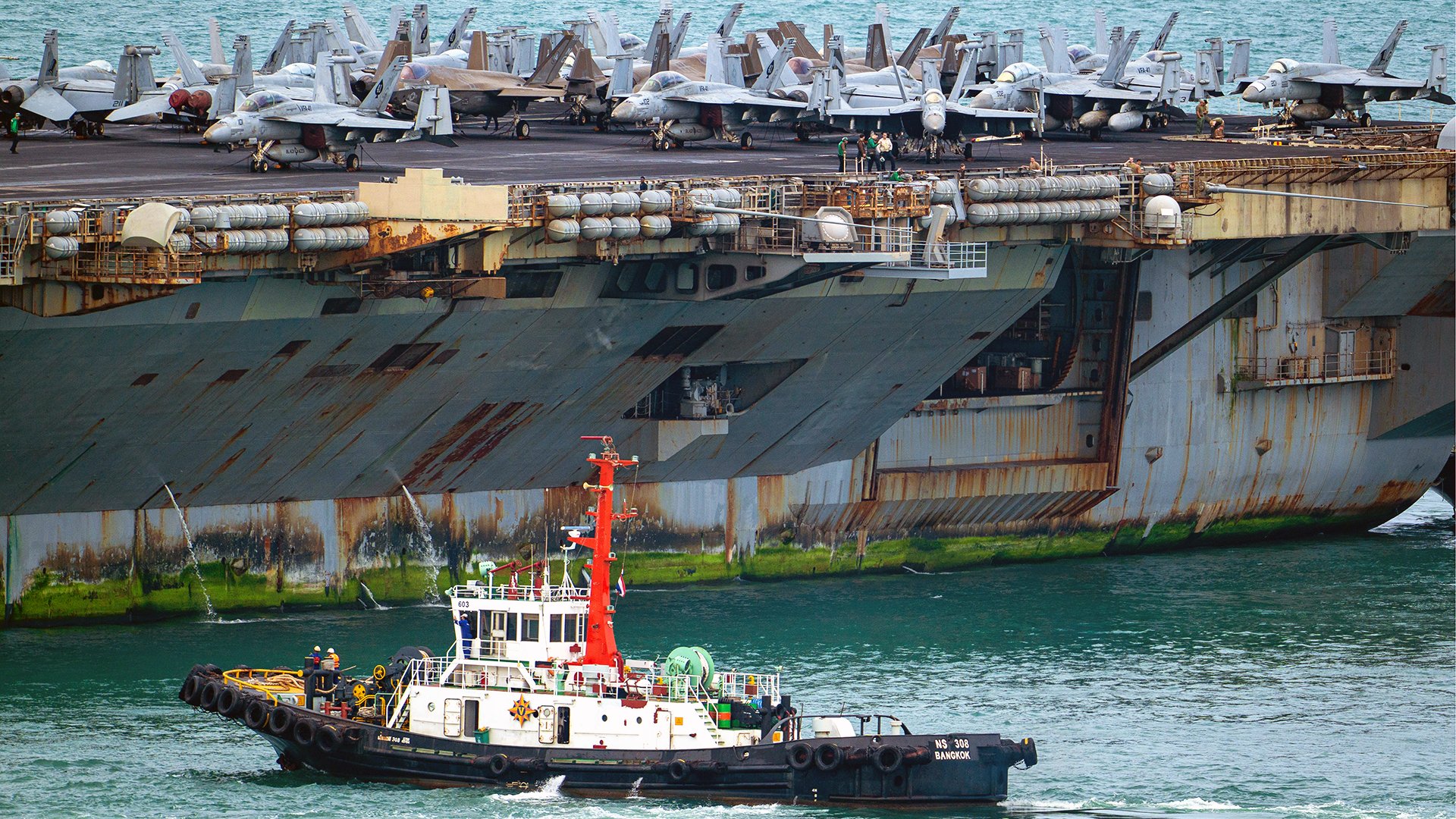
Video emerged on social media of local workers cleaning the carrier. Two of them can be seen on a scaffolding platform, dressed in silver-colored protective clothing, yellow helmets, face shields and black boots, spraying the side of the big ship. You can see that most of the rust, as well as all of the green swath of algae, was removed from the section where they are working.
The camera also pans across the ship, showing the extent of the work still needed.
Those recent viral rust photos/footage of the USS Abraham Lincoln (CVN-72) in Thailand overstated the story.
Yes, the hull looked rough in pictures, but the ship itself was never in question, that's the part the headlines skipped.
It is unclear whether this work had already been scheduled as part of routine maintenance or whether it had been ordered after images of the ship emerged showing its rough condition. The ship was a huge focus of attention even before it got to Thailand.
Interest in the Lincoln flared up anew after it arrived in Thailand due to its condition, as well as intense curiosity about how the crew would fare in a Thai port call after being at sea for so long.
The USS Abraham Lincoln (CVN-72) aircraft carrier arrives at Laem Chabang Port on Sept. 2, 2026 in Si Racha, Thailand. Photo by Thananuwat Srirasant
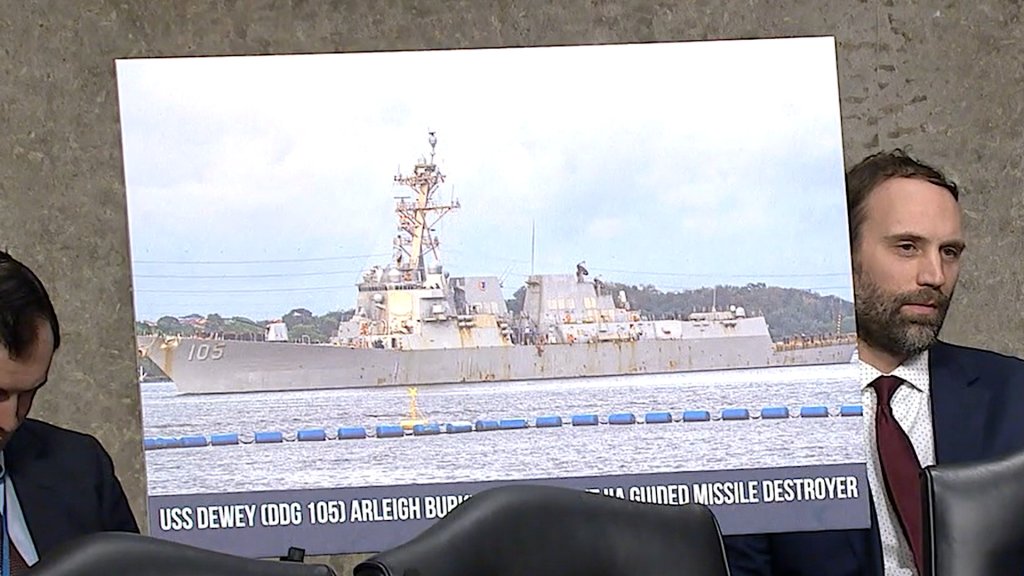
“It’s terrible. I think they should be ashamed,” John Phelan told members of Congress at a hearing last year, when he was then-nominee for Secretary of the Navy, after being shown pictures of a very worn-looking Arleigh Burke class destroyer, the USS Dewey, during a stopover in Singapore. “Would you want to go on that ship?”
One driving factor in the condition of ships like Lincoln is the operational tempo of deployments, a Navy official noted earlier this year.
“We know what to do, but we choose not to do it,” Mark Lattner, director of the Navy’s Ship Integrity and Performance Engineering, Naval Systems Engineering Directorate, said in January during a panel at the Surface Navy Association’s annual symposium that TWZ attended. “And we choose not to do it because there’s always some other problem I’ve got to fix. I don’t have time. Our corrosion can wait. And so we don’t implement the fixes.”
Finding a solution to the Navy’s rust problem became one of Lattner’s main missions in the wake of the fallout from Trump’s late-night texts to Navy officials demanding answers about the condition of theArleighBurke class guided missile destroyer USS Dewey after he saw pictures of it covered in running rust as it pulled into Singapore last year.
A picture of the USS Dewey covered in ‘running rust’ during a recent port visit in Singapore is shown at the confirmation hearing for Secretary of the Navy nominee John Phelan on January 27, 2025. Senate Armed Services Committee capture
Port calls offer critical time to fix long-standing issues and resupply the ship of pretty much everything you can think of, from jet fuel to food. So it’s no surprise that the Lincoln would be swarmed with support personnel and supplies while much of her crew enjoys being on land once again for a few days.
It’s unclear how long the clean-up work on the Lincoln will last or how much of it will be finished by the time the ship and crew leave port. Either way, from what we have seen so far, it will look much better leaving Thailand than when it arrived.
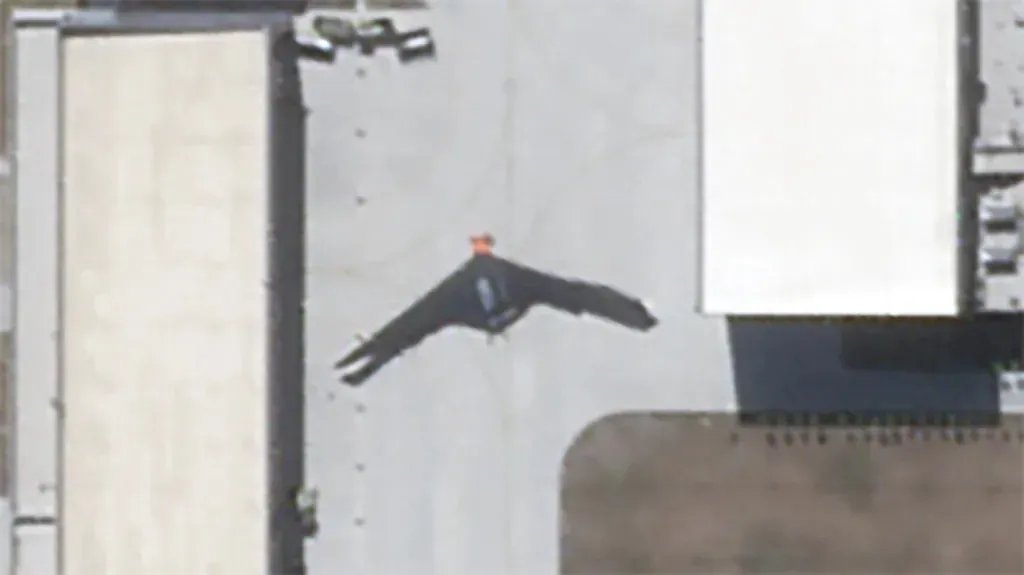
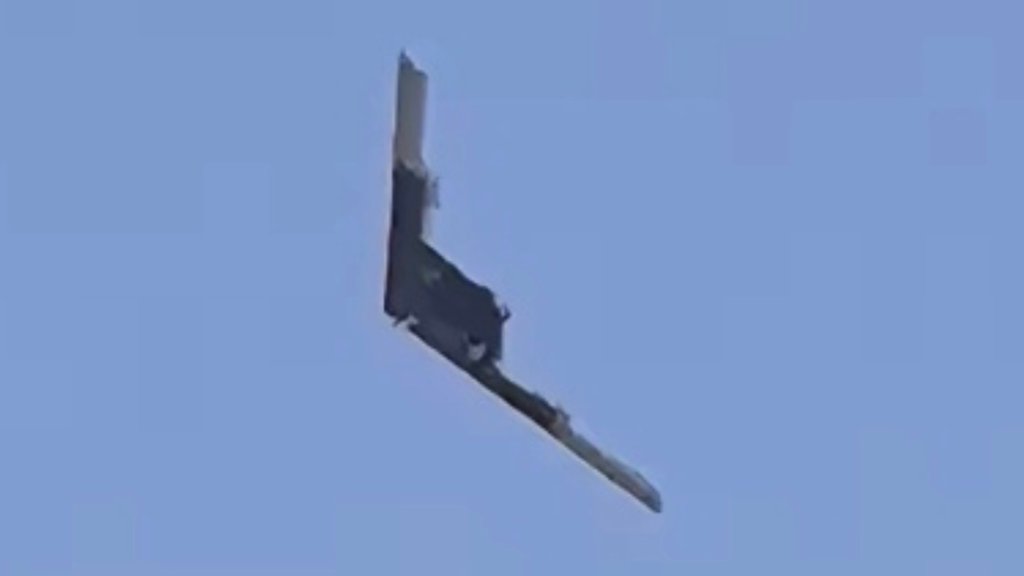
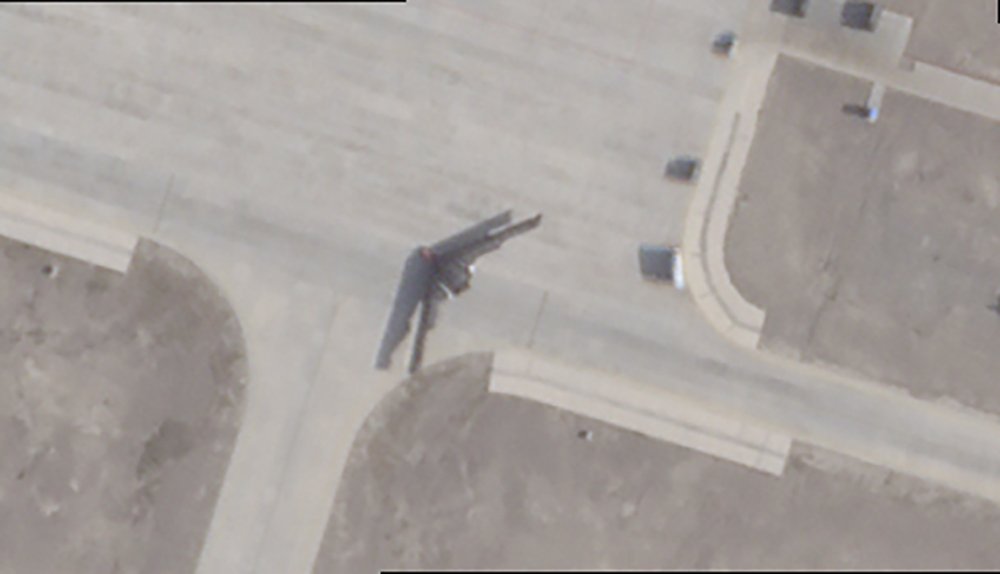
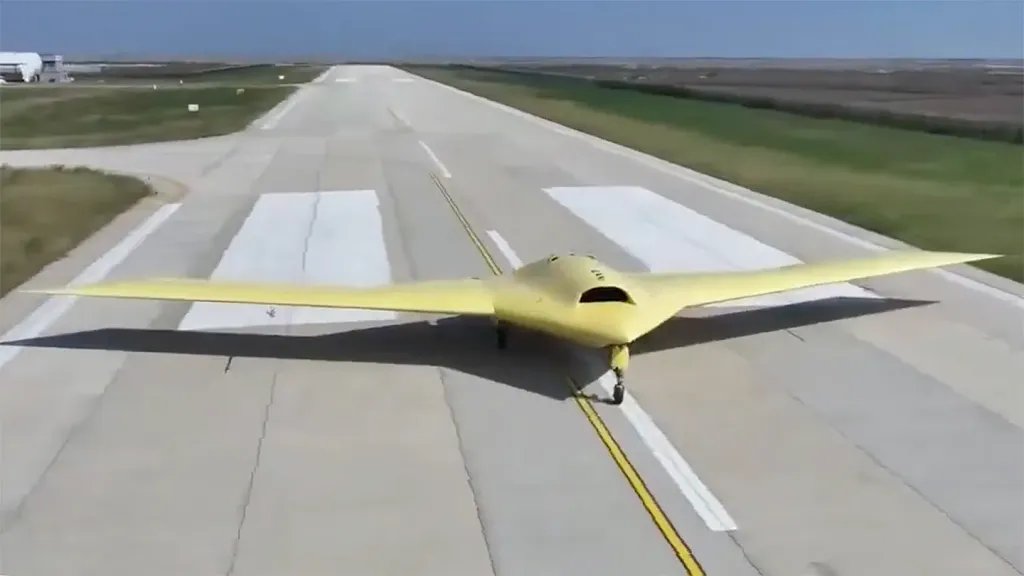
New imagery appearing out of China provides the best look yet at one of the country’s most enigmatic aircraft: the very large, low-observable, flying-wing drone widely referred to as the WZ-X. Seen previously primarily in satellite imagery, TWZ broke the story of the existence of this monster high-altitude, long-endurance drone. The new views that emerged today help clear up one of the most puzzling aspects of the aircraft’s appearance, namely the unusual shape of its enormous wings.
The aircraft was first identified in satellite imagery collected in May 2025 showing the People’s Liberation Army Air Force’s (PLAAF) sprawling test facility at Malan in Xinjiang. At the time, it was difficult to determine whether some of the apparent discontinuities in the wing planform were genuine features, visual countermeasures, or artifacts of the imagery.
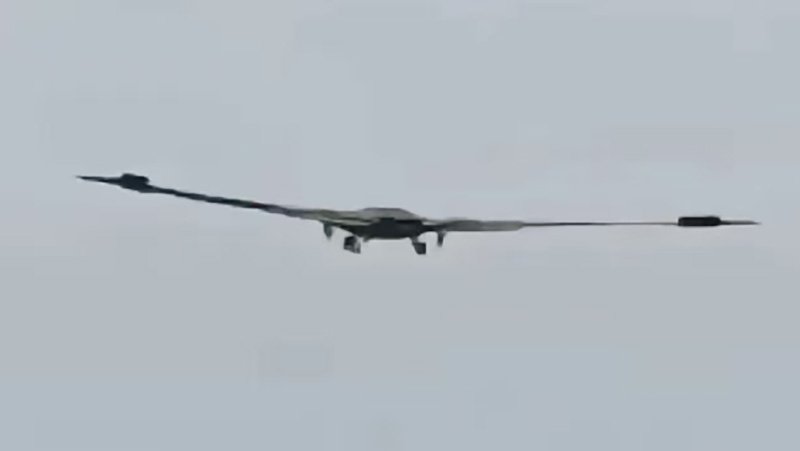
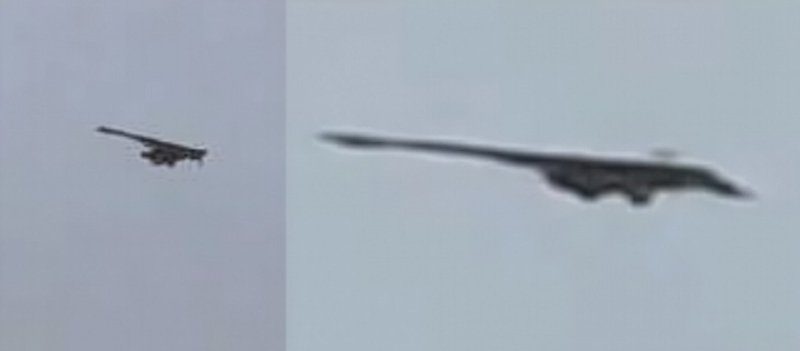
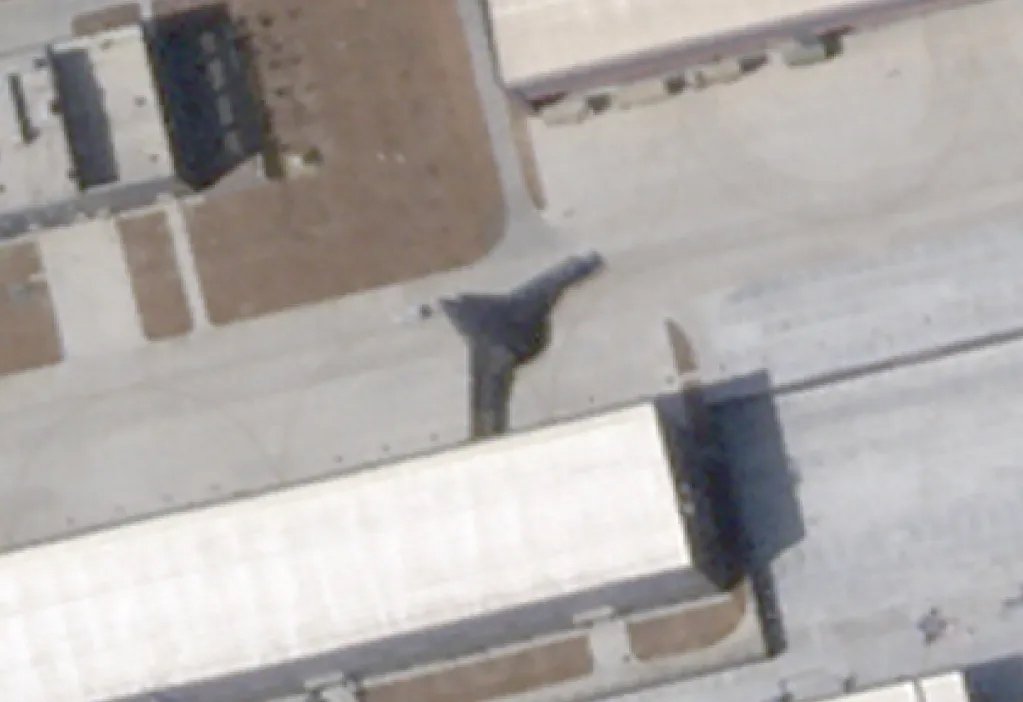
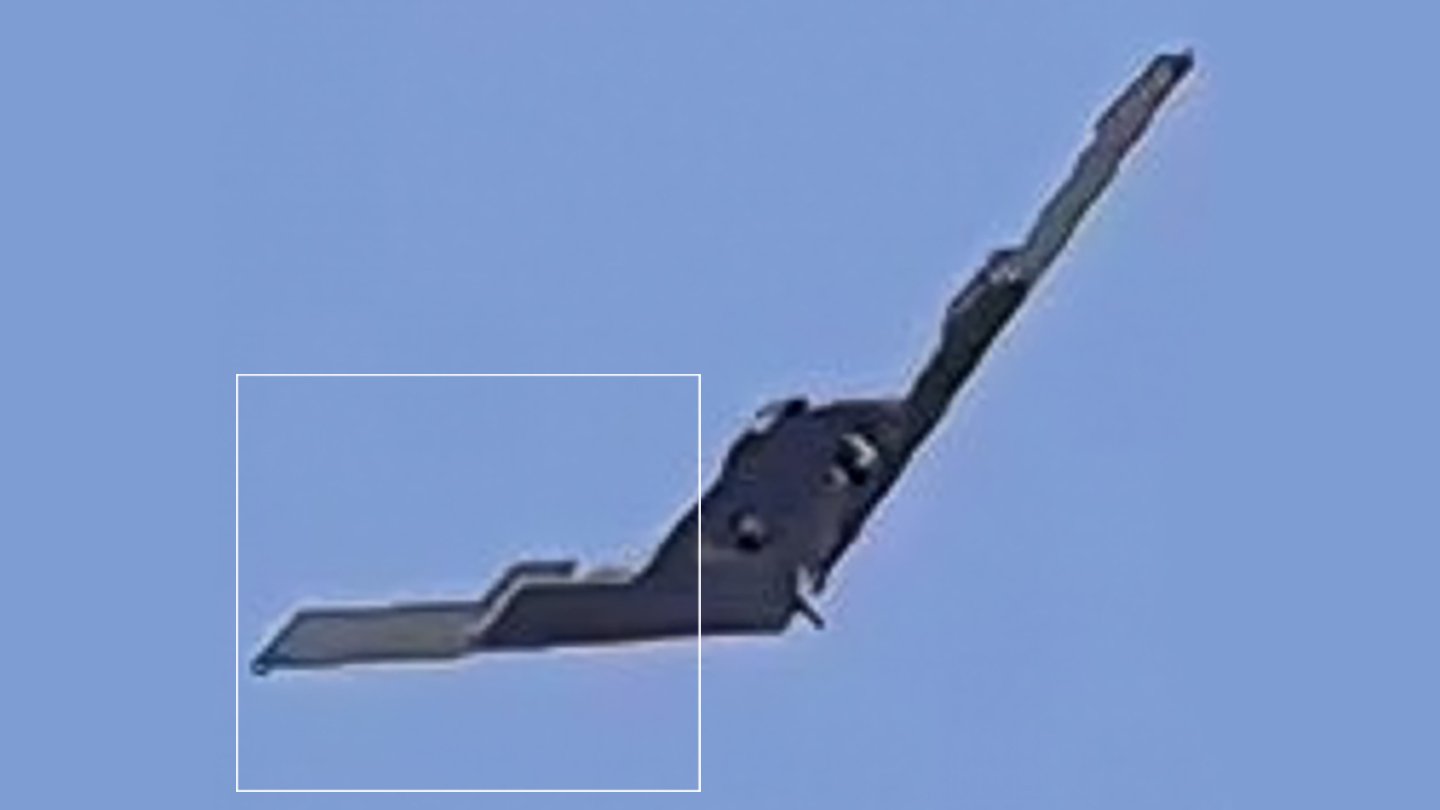
The new photograph, seen at the top of the article and below, as well as a new satellite image, shows that the aircraft has a broader-chord inner wing section that transitions into a substantially narrower outer section. Rather than tapering continuously from the center section toward the tips, the wing effectively becomes much more slender over its outer portion in a ‘step down’-like fashion. The resulting planform gives the aircraft an exceptionally long, narrow outer wing. The wing arrangement differs from the B-2 and other stealthy flying wing designs because it has two outer wing sections, in addition to its diamond-like central fuselage, instead of just one.
We still can’t say for sure if this feature is just the way the aircraft’s wing was designed or if it also is due to some other exotic feature, such as wing folding or removable outboard sections. While a more novel explanation is possible, it is somewhat improbable at this point.
Seen from behind, the aircraft has a relatively shallow central fuselage section, with extremely long wings extending outward from it. The landing gear is extended, revealing large main undercarriage doors and substantial landing gear consistent with an aircraft of this size. Split rudders are visible toward the outer wing areas, broadly reminiscent of those used on the B-2.
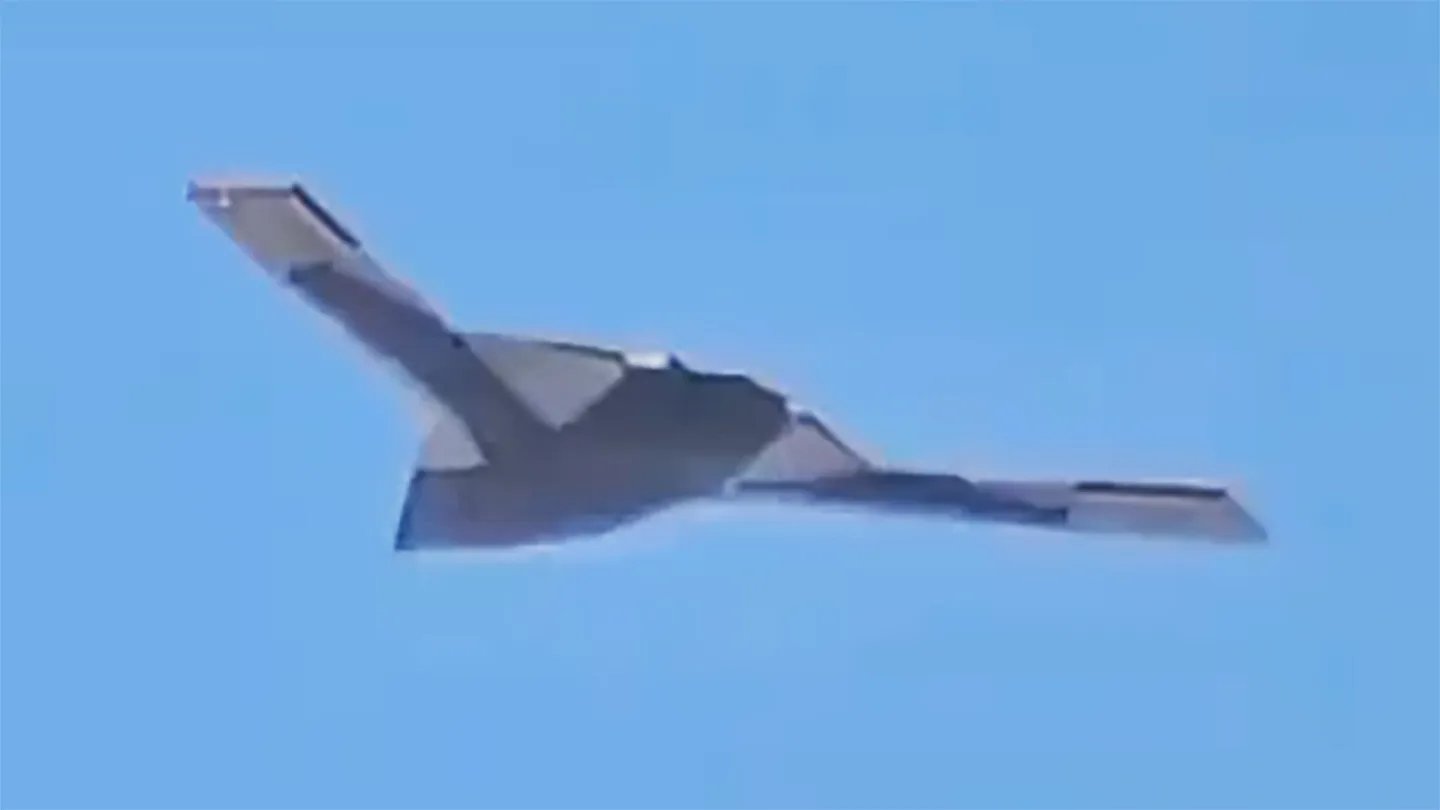
An earlier view of the WZ-X. via Chinese internet
As in previous imagery, the rear of the center section of the aircraft may also reveal slot-like exhaust openings, supporting the assessment that it is twin-engined.
For an aircraft intended to spend long periods operating at high altitude, a very long overall span combined with a relatively narrow outer wing could be advantageous. Such an arrangement would increase effective aspect ratio and reduce induced drag during efficient cruise, potentially improving endurance and high-altitude performance.
It may also allow the designers to concentrate structural mass and internal volume closer to the center of the aircraft while still achieving a very large span.
There is a potential low-observable tradeoff, however. A significant change in chord introduces additional planform geometry and potential edge-alignment discontinuities that must be reconciled with the requirements of a stealth aircraft. The transition will influence radar reflections depending on its precise shape, orientation, and relationship to the aircraft’s other edges and surfaces. This will also be highly dependent on the aspect the radar is viewing the aircraft from. Modern very low observable designs try to minimize these exact types of features, with large continuous structures being the most advantageous to radar signature. This philosophy can be seen in the design of the B-21’s planform, which was also how the B-2 was supposed to look originally. You can read all about this here.
Regardless, the WZ-X does indeed have a semi-sawtooth trailing edge due to this intriguing feature.
New images of the so-called WZ-X stealthy flying-wing drone. via Chinese internet
The overall scale of the aircraft is also becoming increasingly apparent. Our initial analysis of satellite imagery put its wingspan at approximately 170 feet, roughly comparable to the 172-foot span of the B-2. That would make it considerably larger than other Chinese flying-wing drones identified to date.
Andreas Rupprecht, an analyst specializing in Chinese military aviation and TWZ contributor, assesses that the WZ-X is likely a twin-engined design similar in configuration to the supposed U.S. RQ-180, but considerably larger.
Rupprecht estimates a length of approximately 46 feet. He also assesses the aircraft as having a relatively spacious central fuselage and a dorsal satellite communications antenna. His estimates of a range exceeding 12,000 miles and a normal cruising altitude of somewhere between 59,000 and 66,000 feet remain unconfirmed.
The WZ-X is notably different from China’s smaller flying-wing designs. The CH-7, for example, has a deeper and more curved center section and is substantially smaller. The WZ-X’s broad, relatively flattened center body and enormous span instead appear particularly compatible with high-altitude endurance.
CH-7 stealthy flying-wing drone. via Chinese internet
Its apparent configuration also makes a long-duration surveillance mission plausible. The central body and inner wing section would provide substantial space for fuel, sensors, and communications systems, while the outer wing, combined with its lifting central body, could support highly efficient flight at high altitude.
A low-observable platform of this size could potentially conduct many types of wide-area surveillance and networking assistance while operating in or very near contested airspace where conventional high-altitude UAVs would face greater risks. A strike capability cannot be ruled out, particularly given China’s broader development of combat-capable flying-wing UCAVs, but the aircraft’s proportions appear especially well suited to persistence and reconnaissance.
While the location of the latest imagery is unconfirmed, Malan has developed into a massive center for Chinese drone testing, with satellite imagery showing extensive expansion of its infrastructure in recent years. The facility has been associated with multiple flying-wing designs, including the WZ-X and the similarly mysterious and also very large GJ-X. This substantially different flying-wing aircraft with a cranked-kite planform is also undergoing flight testing. That aircraft is estimated to have a wingspan of around 137 feet, underscoring the breadth of China’s experimentation with large low-observable uncrewed aircraft.
China is pursuing tailless/flying-wing designs across an increasingly wide range of sizes and missions, alongside larger crewed aircraft programs including the J-36 and J-XDS and, eventually, the H-20 stealth bomber.
The WZ-X appears to be part of a much broader effort to develop highly integrated, low-observable aircraft optimized for different combinations of range, endurance, payload, and survivability.
For now, its official designation, manufacturer, propulsion system, performance, and intended mission remain unknown.
However, its configuration appears well suited to the requirements of a very large high-altitude endurance aircraft, although the trade-off between its performance and its stealth characteristics remains equally mysterious.

 Login

 (@commandante_)