 Login

Americans traveling to Israel say they are being denied entry to the country
Lawyers say Israel has increased entry bans to U.S. and foreign visitors who plan to meet with Palestinians or for suspicions about their opinions about Israel.


Lawyers say Israel has increased entry bans to U.S. and foreign visitors who plan to meet with Palestinians or for suspicions about their opinions about Israel.
Friday marks exactly six months since the U.S. and Israel launched their war against Iran. We look at how life has changed for Iranians.

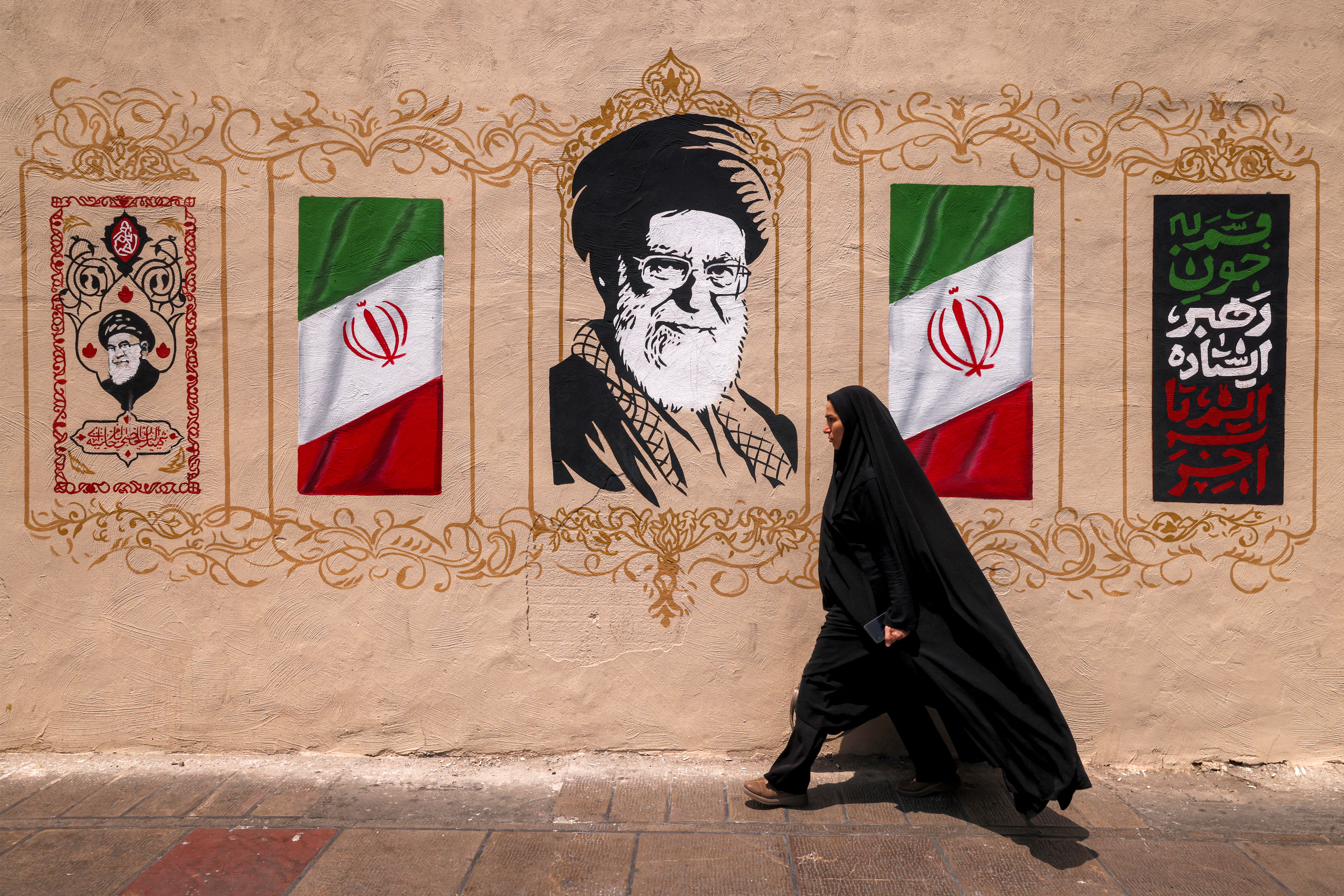
Instead of collapsing, the Iranian regime has dug in its heels and taken an even harder line.
(Image credit: Atta Kenare)

Treasure Secretary Scott Bessent said oil pipelines will make Strait of Hormuz irrelevant in two years. Energy experts say that is unlikely to happen.
(Image credit: Leo Correa)

A war that was supposed to last weeks and end Iran's Islamic regime has now been underway for six months. People inside Iran who were initially hopeful have grown increasingly disillusioned.

Palestinians have started burning and banning kids kites after Israel says they'll treat them as hostile acts if they blow across the border.

Syria's Kurds, once backed by the U.S. to fight ISIS, have relinquished autonomy and dissolved their army to rejoin Syria.

NPR's Mary Louise Kelly speaks with correspondents Greg Myre, Daniel Estrin and Hadeel Al-Shalchi about where things stand with the U.S.-Iran war — diplomatically, economically and militarily.

The official in charge of President Trump's ceasefire plan for Gaza criticized Israel for its attacks on the Palestinian territory and warned that the alternative to the U.S. proposal is the next war.
(Image credit: Abdel Kareem Hana)


Pilgrims came to Iraq from all over the world in August. Many Iraqi and Iranian pilgrims walked hundreds of miles in extreme heat to mark the event. Outside the shrines, the atmosphere is almost festive.

NPR's Michel Martin talks to Adam Szubin, former head of U.S. Department of the Treasury's Office of Terrorism and Financial Intelligence, about the new U.S. economic sanctions against Iran.


What a new round of U.S. sanctions could mean after nearly six months of war with Iran — and years of economic pressure on the country.
(Image credit: Vahid Salemi)

Treasury Secretary Scott Bessent says President Trump has been speaking with world leaders to urge them to join the U.S. in crippling Iran's economy, as Tehran strikes a defiant tone at the threats.

NPR's Michel Martin asks the president and founder of the Emirates Policy Center how the UAE and other Persian Gulf nations view increased sanctions on Iran.


The director of American Doctor and two physicians in the film discuss the challenges of treating Gaza's wounded civilians and why they believe the world must see what is happening there.
(Image credit: Neilson Barnard)


When the U.S.-Iran war began, more than 1,000 dependents of U.S. Navy personnel in Bahrain were ordered to evacuate. After six months in temporary conditions, they want to know what the plan is.
(Image credit: U.S. Navy)

Treasury Secretary Scott Bessent unveiled new economic sanctions package against Iran. It includes measures to impose sanctions on anyone that deals with the Islamic regime in Tehran.


The Trump administration calls this an "economic D-Day" on Iran. Iran vows to respond to fresh sanctions in a "seismic manner."
(Image credit: Julia Demaree Nikhinson)

Iran's new security chief warns the country will retaliate in a "seismic manner" against President Trump's plans to increase economic pressure on Tehran.

NPR's Leila Fadel speaks with Iran analyst Karim Sadjadpour about the Trump administration's threats to impose new economic restrictions on Iran.

