❌

Reading view

‘Journalist safety laws only on paper due to weak complaint systems’

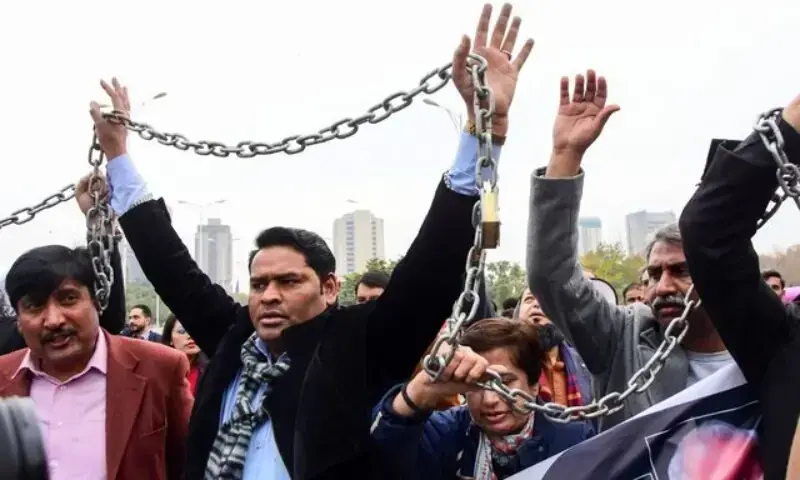
ISLAMABAD: Pakistan’s laws ai­­m­­ed at protecting journalists from threats and attacks risk remaining largely “on paper” unless the federal and provincial safety commissions are given more powers, accessible complaint mechanisms and the resources needed to deliver timely protection, says a new report released by Freedom Network, a media watchdog, on Wednesday.

The report, titled “From safety on paper to safety in practice”, is an as­­s­essment of the work carried out by two commissions — one appointed by the federal government and the other by the Sindh government.

The Islamabad-based Freedom Network produced the research with assistance from the International Media Support (IMS).

Authored by Minahil Shahab and Adnan Rehmat, the report examined the commissions’ capacity and operational constraints through consultations with stakeholders, interviews and a baseline online survey of around 40 working journalists in Sindh, including respondents from the province’s rural areas.

According to report, 65pc of respondents say they have faced work-related threats or interference

According to the report, parliament enacted two special laws to combat impunity for crimes against journalists and the media in 2022. Both the federal and Sindh governments instituted commissions to enforce the laws.

The online survey found 70 per cent of the respondents knew a provincial protection law existed, but 65pc of them did not know where to find the commission’s office, obtain information, website or complaint route.

Sixty-five per cent of the respondents reported experiencing work-related threats or interference since 2021. These findings describe the surveyed group rather than establishing province-wide prevalence.

Challenges pinpointed

The assessment identified distinct institutional challenges. Kamal Ud­­d­in Tipu, the federal commission’s cha­­irperson, spoke of staffing, budget, and administrative constraints during the research.

With the federal commission now operational, the priority is to ensure that its personnel, resources and complaint systems support timely protection and sustained follow-up.

In Sindh, the report documented an established institution with premises, meetings, complaints and engagement with police and media organisations. However, union representatives and non-official members described delayed responses, limited outreach beyond Karachi and dependence on police replies.

The Sindh commission’s chairperson, Aijaz Ahmed Memon, disputed suggestions that journalists lacked trust in the institution and reported improvements in coordination, case activity and outreach plans.

The report also highlighted media employers’ responsibilities. Fifty-one per cent of the respondents said employers had not informed them about safety procedures, emergency contacts, insurance, legal assistance or complaint mechanisms.

The Sindh chairperson separately reported that 44 media outlets had not replied to the commission’s queries. Recommendations include confidential and accessible complaint routes, urgent risk assessment, designated caseworkers, police escalation procedures, stronger employer cooperation and publication of anonymised outcomes and spending.

The report said amendments nee­ded to be framed carefully in order to address documented legal barriers.

The Freedom Network called for coordinated action by governments, commissions, police, media employers and journalist organisations to deliver positive results and ensure that journalists can obtain effective assistance when threats arise.

Published in Dawn, October 22nd, 2026
  •  

Health ministry gets Momin Agha as 9th secretary in 19 months

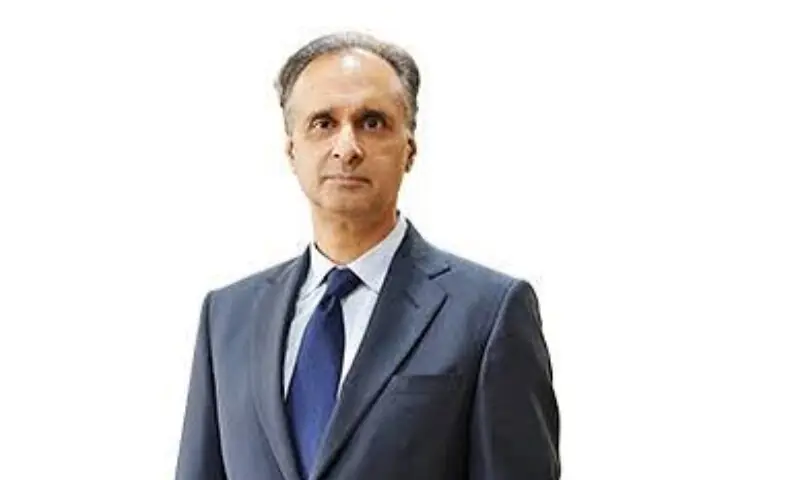
ISLAMABAD: The health ministry has again gotten a new secretary, with the Establishment Division notifying Momin Agha as the new administrative head.

Agha, a BS-22 officer of the Pakistan Administrative Service (PAS), is the ninth secretary to be appointed during the tenure of Health Minister Mustafa Kamal, who took the oath in February 2025.

According to a notification issued by the Establishment Division on Monday, available with Dawn, Agha “has been transferred and posted as secretary health with immediate effect and until further orders”.

A health expert, requesting anonymity, said eight officers had held the post during the past 19 months, with some changes involving repeat appointments.

According to him, Nadeem Mahboob remained till March 2025, Nasiruddin Mashood till May 2025, Waqarul Hasan till June 2025, Hamed Yaqoob till Feb 2026, Aslam Ghauri till August 2026, retired Captain Mahmood till Sept 2026, then Fakhre Alam joined, and later Mahboob got additional charge of the ministry for just one day before he was replaced with Agha.

When contacted earlier, Kamal had told Dawn that he had nothing to do with the changes of secretaries, as the Establishment Division was empowered to make such decisions.

Agha was removed as petroleum secretary in January 2026 and directed to report to the Establishment Division without a further posting.

He was replaced by Mirza Nasiruddin Ahmad, who was given the additional charge of the post on a look-after basis pending the appointment of a regular officer.

  •  

Health authorities dismiss reports of insulin shortage, cite unavailability of one brand

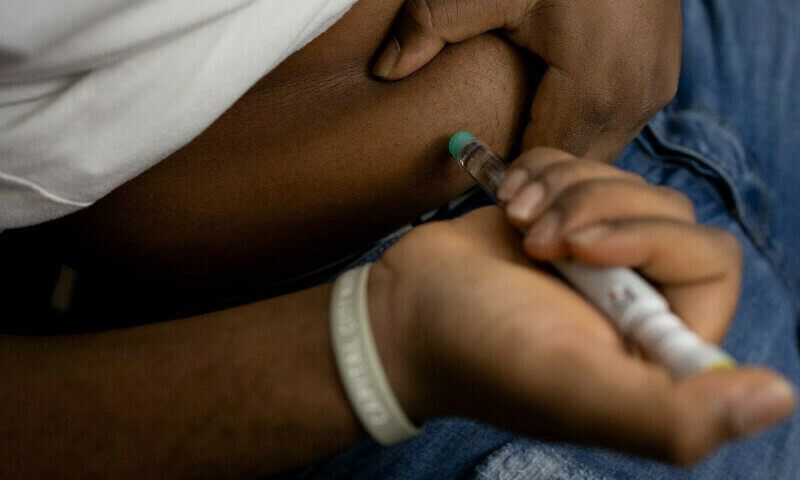
ISLAMABAD: Authorities on Tuesday denied reports of a widespread insulin shortage in the country, saying that only one brand was unavailable due to international supply constraints.

The clarification came after reports of a shortage across Pakistan emerged on social media.

The health ministry and the Drug Regulatory Authority of Pakistan (Drap) maintained that alternatives for the unavailable brand remained available in the market.

“Insulin glulisine (Apidra, Sanofi) is currently unavailable due to international supply constraints. Alternate rapid-acting analogues within the same pharmacological class, specifically insulin aspart (NovoRapid, Novo Nordisk) and insulin lispro (Humalog, Eli Lilly), are readily available nationwide,” ministry spokesperson Sajid Shah said.

“All other primary insulin classes remain fully accessible across Pakistan,” he added.

He explained that insulin analogues — one of the two categories of medically approved insulin — include rapid-acting, long-acting and premixed formulations. The other category, human insulin, includes short-acting and intermediate-acting formulations.

The spokesperson added that patients who have been prescribed Apidra “should consult their attending healthcare provider prior to modifying their regimen”.

“Any transition to an alternative insulin formulation requires precise dose titration and tailored monitoring to maintain optimal glycaemic control,” he said.

In August 2025, the Pakistan Medical Association (PMA) raised alarm over “an unprecedented” and severe shortage of essential medicines across the country and warned that the crisis threatened the lives of millions of patients.

According to the association, at least 80 important medicines were unavailable, with 25 having no substitutes. These drugs included life-saving medications for diabetes, cancer, Alzheimer’s, Parkinson’s, heart disease and psychiatric disorders.

In March 2026, PMA cautioned about the severe shortage of essential paediatric tuberculosis (TB) as well as cancer medications, warning that the humanitarian crisis was getting worse with each passing day, while calling for immediate intervention.

  •  

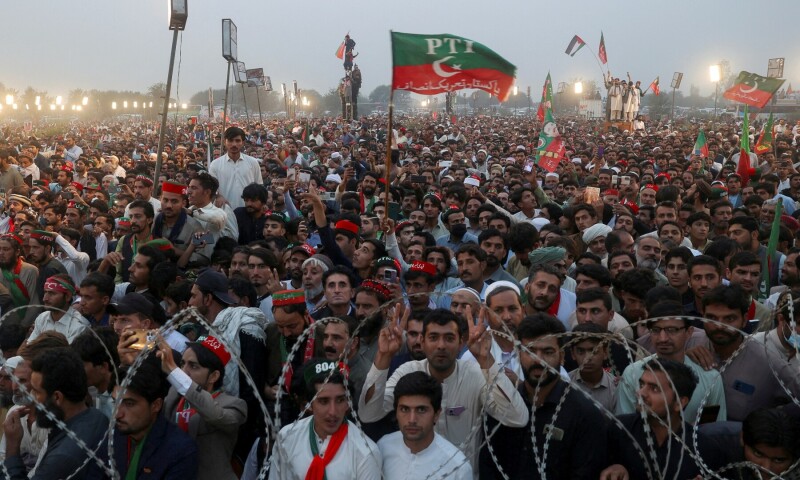
PTI remains split over future course of action

• Core committee meeting ends after two days without adopting any recommendations
• Participants demand removal of NA opposition leader, dissolution of political committee, changes in decision-making procedures
• Gohar says Achakzai will remain, opposes calls to form fact-finding committee

ISLAMABAD: The PTI core committee met for eight hours over the past two days but failed to decide on a future course of action, as several recommendations, including the formation of a fact-finding committee, put forward by the committee members could not be adopted due to the top leadership’s refusal to hold a vote.

A participant told Dawn that the huddle discussed why the protest march led by non-functional Khyber Pakhtunkhwa chief minister Sohail Afridi failed, the role of Tehreek-i-Tahafuz-Ayin-i-Pakistan (TTAP) Chairman Mahmood Khan Achakzai and the party’s decision-making process.

According to the PTI leader, during the discussion, it was claimed that there was a large number of workers in Charsadda, but that the number decreased in Mardan and there were no arrangements in Swabi.

Some participants alleged that Sohail Afridi was responsible for the failure, but others questioned the role of the PTI core and political committees and said why the core committee took seven days to call its meeting.

Some members said the party was not functioning as per its charter and a ‘supra committee’ of five members had been taking all decisions and suggested the dissolution of the political committee.

One of the members said Imran Khan had set up a 14-member apex committee as well as the core committee. The apex committee was later turned into the political committee and many more members were added before it was dissolved and a new one was formed, while the core committee’s meetings were eventually discontinued. Against this backdrop, the members suggested moving away from individualised decision-making in favour of collective decision-making.

“It was also suggested to establish a fact-finding committee, but Barrister Gohar said that they should not wash their dirty linen in public,” Dawn was informed.

“Azam Swati suggested holding the new party election and vacating the stay order but Barrister Gohar said that soon three years will have passed and after that new elections will be held,” a member told Dawn.

The participant told Dawn that members had shown concerns about why TTAP was being allowed to open party offices at district level and asked if PTI will contest the next election under the banner of TTAP, but Barrister Gohar denied any such development.

It was also suggested to reconstitute the negotiation committee and include political personalities, including PTI senators, in it.

Barrister Gohar Ali Khan later told reporters that Mr Achakzai will remain the undisputed leader of the opposition as he was app­oin­ted by Imran Khan. “We have no rig­ht to disagree with any decision of Mahmood Khan Achakzai and Alla­­ma Raja Nasir Abbas. So their decisions will be implemented and they will negotiate on behalf of PTI,” he said.

Meeting with Imran

According to details, Mashal Yousafzai said that Barrister Saif from KP be appointed as focal person for meetings with Imran Khan in Adiala jail, believing that Mr Saif was capable of the job. Others, however, believed former PTI leader Fawad Chaudhry could be a better option in that case. Some participants claimed that they might not be able to access Imran Khan because Senate elections were due in February next year and the authorities would not allow them to meet Mr Khan before the polls.

PTI Central Information Secretary Sheikh Waqas Akram, told Dawn that he can only say that during the meeting, detailed discussions were held. “The discussion will be helpful in collective decision-making for the future and it will also be helpful for policy-making,” he said.

To a question, Mr Akram said it was possible that a third meeting would be held to decide the way forward. But there was no information about the next date so far.

In a statement after the meeting, the PTI expressed concerns about the crackdown on the party and vowed to challenge it at all forums. The statement also demanded protection for the mines and minerals of the province.

Published in Dawn, October 20th, 2026

  •  

Karachi reports its first polio case in over 1.5 years, bringing this year's countrywide tally to 7

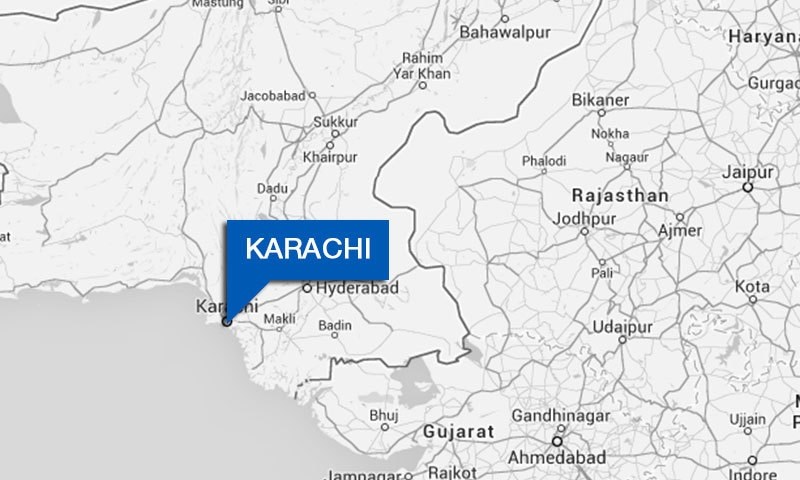
ISLAMABAD: Pakistan has reported its seventh polio case of the year, with a six-month-old boy from Karachi’s East district testing positive for wild poliovirus, the National Emergency Operation Centre (NEOC) said on Monday.

The affected child belongs to Union Council Jamali Colony and was identified through the polio surveillance network. The case was confirmed by the Regional Reference Laboratory for Polio Eradication at the National Institutes of Health (NIH) in Islamabad, it said in a statement.

The NEOC said the child was malnourished and had fallen victim to virus circulation already present in Karachi.

According to an official of the polio programme, the latest case is the first reported from Karachi since December 2024.

The city has faced intense virus circulation for the past two years, although focused door-to-door vaccination campaigns and improvements in essential immunisation had contributed to a marked reduction in transmission.

Only one environmental surveillance site in Karachi tested positive in September, NEOC said, but vulnerable children remained at risk as long as the virus continued to circulate.

A comprehensive investigation has been launched, while the Polio Eradication Initiative (PEI) is assessing the “best science-based response to tackle and prevent further transmission, including targeted vaccination activities and support to strengthen routine immunisation”.

NEOC also underscored the importance of vaccinating children against the incurable, paralytic disease.

Of the seven cases detected across Pakistan this year, five were from Khyber Pakhtunkhwa — including four from Bannu division — and two from Sindh.

The latest case has emerged about two weeks after this year’s sixth case was reported from KP’s Khyber district, where a seven-year-old boy tested positive for the disease.

Polio is a highly contagious and incurable disease that can cause lifelong paralysis and, in some cases, death. It can, however, be prevented through safe and effective polio vaccines.

Pakistan and Afghanistan are the only two countries where polio is still endemic.

According to NEOC, Pakistan had recorded a 99.8 per cent reduction in polio cases from an estimated 20,000 in the early 1990s to 31 in 2025 and seven so far this year.

Four nationwide polio campaigns have already been conducted in 2026, protecting more than 45 million children multiple times, besides targeted oral and injectable vaccination activities in high-risk areas.

The next subnational campaign is scheduled for Nov 2-8 and will target nearly 24m children in 97 districts, including all districts of Karachi, in synchronisation with Afghanistan.

  •  

Recriminations grow over failure of PTI protest plan

• Salman Akram Raja tries to quell talk of ‘disagreement’ among core committee members
• Insiders say march date was announced without consultation; protest plans kept under wraps, even from party leaders

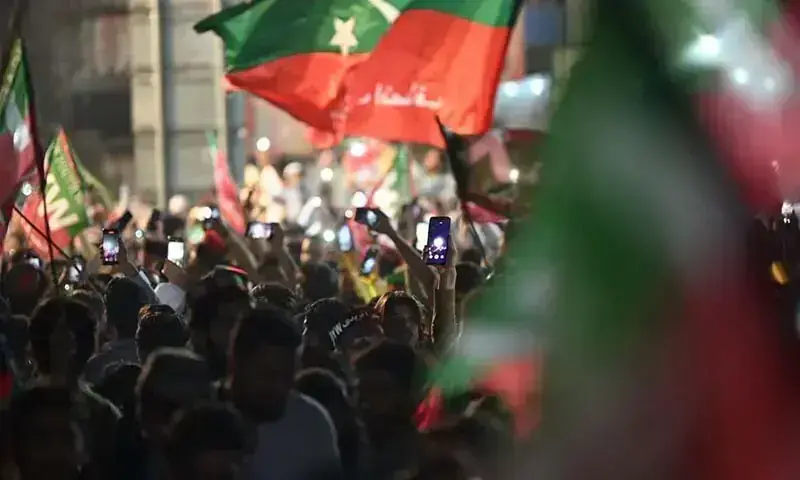
ISLAMABAD: Controversy over its failure to hold a protest march continues to plague the PTI, with the fallout suggesting differences within its leadership over who is to blame for the botched mobilisation, even as party leaders continued to publicly deny any disarray.

With questions mounting, PTI Secretary General Salman Akram Raja turned to social media on Sunday to play down talk of a “disagreement” during a meeting of the party’s core committee and to answer the allegations made against Sohail Afridi, the non-functional chief minister of Khyber Pakhtunkhwa.

“There should be no ambiguity,” Mr Raja wrote on X, calling Mr Afridi “a brave young man” who has stayed steadfast with the ideology of PTI founder Imran Khan. He said, however, that the administrative aspects of the protest march needed to be critically reviewed to counter the “narratives” being propagated against Mr Afridi.

He accused critics of presenting core committee discussions “out of context” and distorting them as part of “conspiratorial narratives”.

Meanwhile, a senior party leader who attended the meeting and spoke to Dawn on condition of anonymity, painted a less rosy picture. The leader said the party’s core committee meetings had started to discuss why the protest march failed and that the discussion was still ongoing.

“On Saturday night, the meeting started after 10pm and ended after 2am. As many as 16 members of the committee got an opportunity to speak, and the remaining will speak in upcoming sessions,” he said.

“At the outset, PTI Chairman Barrister Gohar said the meeting was called to discuss the current situation and the way forward. However, Raja suggested that they first discuss how the date for the protest march, Sept 27, was announced,” the leader added.

“During the meeting, it was revealed that in August, Afridi had called a meeting in KP which was attended by Gohar, Raja, Asad Qaiser, Shafiullah Jan, Mina Khan, Shahid Khatak and Taimur Jhagra,” he said.

Afridi had announced that the march would be held on Sept 27, but this information was leaked to some vloggers subsequently. When criticism started that it had not been discussed in the political committee and core committee, the meetings of both committees were called on the same day, and in the evening Afridi made the announcement at a public meeting.

The insider further disclosed that the leadership was kept in the dark regarding the operational strategy for the protest and the party’s broader negotiation tactics.

“It was also revealed that Afridi was asked a number of times what the plan was, but he kept his cards close to his chest,” he said.

“The meeting also heard that the PTI team had decided to walk out over the issue of terrorism, and when they realised it could trigger criticism, it was decided to use the name of Imran Khan and a meeting with him.”

The leader said that during the meeting, Raja asked Ali Asghar Khan, son of the late Air Marshal Asghar Khan, why the party did not hold the protest march after Afridi’s arrest.

Ali Asghar Khan, who is PTI secretary general in KP and head of the coordination committee for the protest march, said he was not aware of any such plans.

“Asghar claimed that he had asked Afridi and Junaid Akbar many times, but they said details would be shared soon,” the leader said.

“It annoyed many members of the core committee, as they said more than 1,400 workers and leaders were arrested under the Maintenance of Public Order law, but PTI in Khyber Pakhtunkhwa did not have any plan.”

Another leader said Haleem Adil Sheikh confessed that the opposition was 70 per cent responsible and the government 30pc responsible for the failure of talks.

“The agreement was finalised as Interior Minister Mohsin Naqvi brought an amended agreement that both sides agreed to without meeting Imran Khan,” he said.

“Soon after that, a call also came from Afridi to say that the meeting could not be held without first consulting Imran Khan.”

The committee also discussed reports claiming that Barrister Gohar had given approval to establish offices of TTAP at the district level, the leader claimed.

“Raoof Hasan objected and asked how it was possible, and Barrister Gohar said that he did not give any such approval.”

The source further claimed that during the meeting, Seemabia Tahir suggested that the party should go for another protest march, but a majority of the members said that it was not possible during the current circumstances.

When contacted for a response, PTI Central Information Secretary Sheikh Waqas Akram declined to comment on the matter.

Published in Dawn, October 19th, 2026

  •  
❌