❌

Reading view

Gold fever closes in on the habitat of the tilcayo, Bolivia’s newly discovered wild cat

The landscape of asphalt and concrete that defines La Paz can give way, within just a few miles, to hot, dense forests clinging to the mountainsides. The steep, unforgiving streets north of Bolivia’s administrative capital are replaced by thick vegetation and winding rivers that descend more than 5,000 meters toward the Amazon.
Seguir leyendo

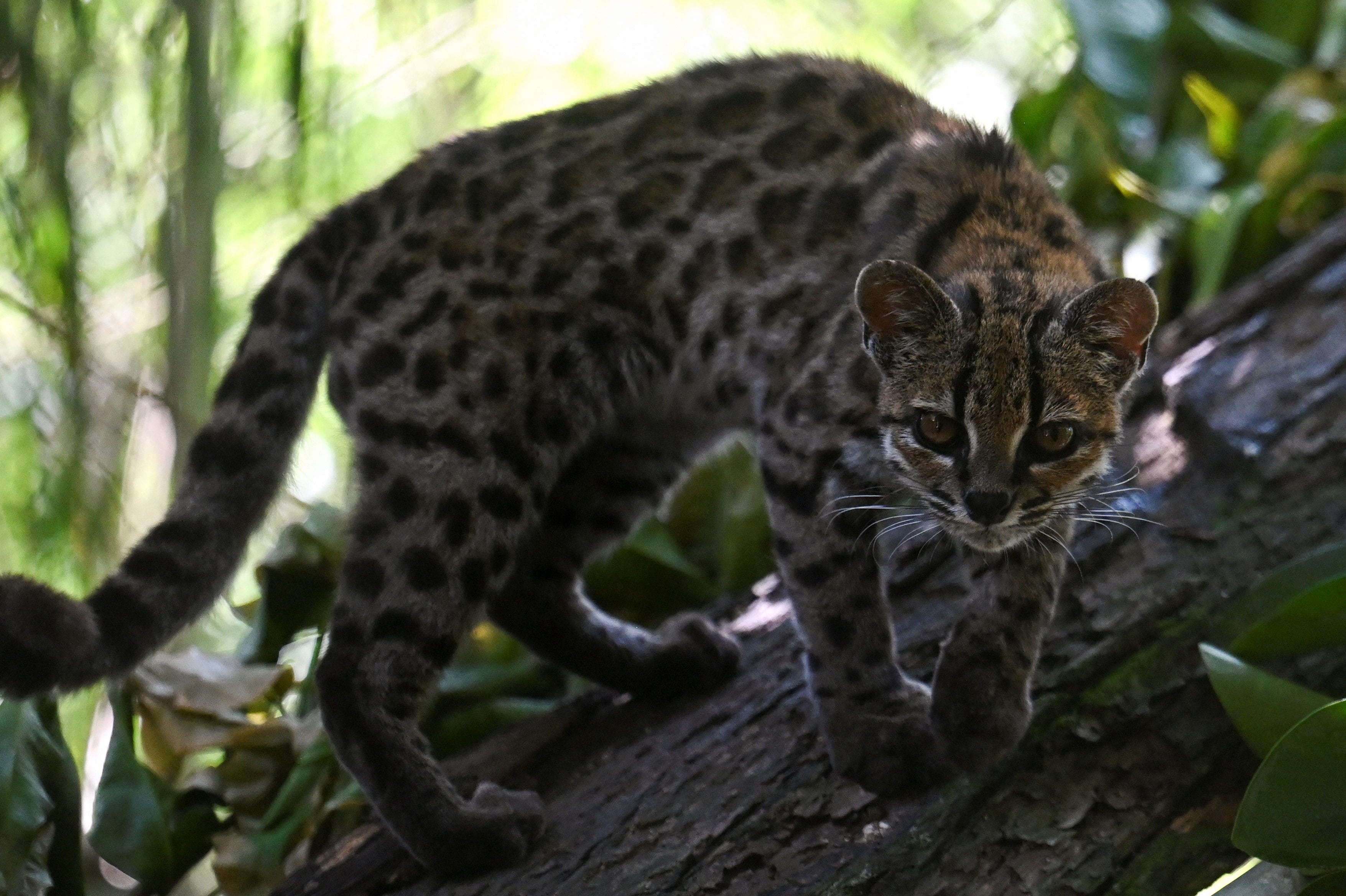
© Claudia Morales (REUTERS)

Tigrino, the specimen living at the Senda Verde sanctuary in the Yungas region of Bolivia.
  •  

From vectors of disease to naturally resistant: How Bolivian medicine viewed Indigenous people

The coronavirus arrived in Bolivia amid uncertainty and panic that gave rise to racism. There are reports in which Indigenous people say they were denied medical care because healthcare workers were afraid of becoming infected. They were labeled sources of contagion for failing to comply with lockdown measures, since their livelihoods depended on in-person activities. Yet during the same period, another narrative emerged within Indigenous communities: that the Andean body was resistant to the virus because of the hardiness developed from living at high altitudes.

Seguir leyendo

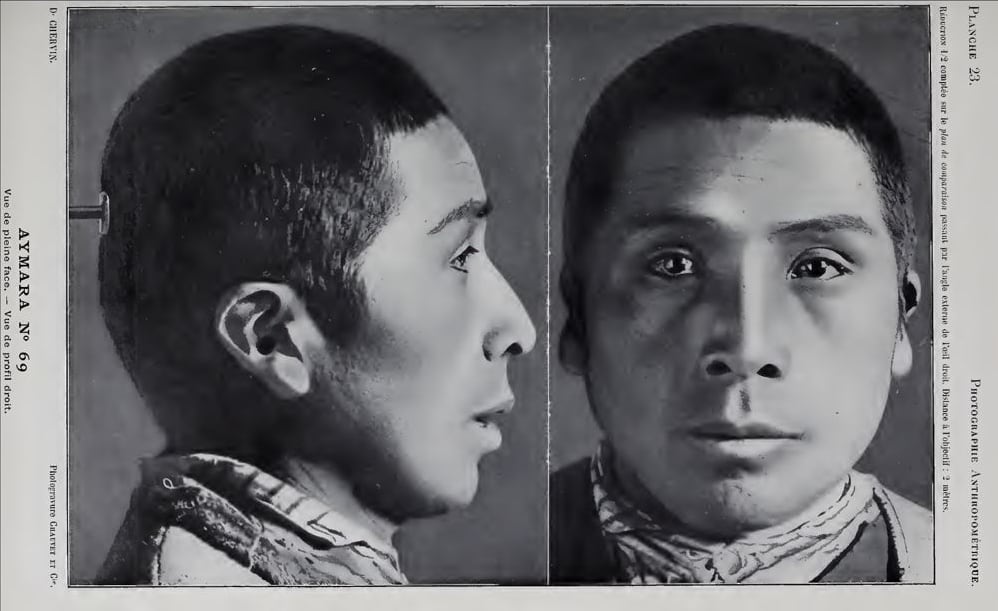
© ARTHUR CHERVIN

An Aymara Indigenous person photographed by French anthropologists in the early 20th century for an anthropological study.
  •  
❌