Login

What we can still learn from the South Bronx fires: neighborhoods reduced to ashes
The Ortiz family slept fully dressed in case their building caught fire that night. The Ortizs, or the Brennans, or the Washingtons — it didn’t matter, it could be any surname, it could be a surname just like yours, exactly like yours. They lived in the South Bronx, in nearly century-old brick buildings of four, five or six stories with no elevators, and they went to bed in the clothes they would wear the next day, with their shoes on — especially the children — because going down three flights of stairs in socks on a burning stairwell could mean the difference between living and dying. Mothers left a bag by the door with documents, a family photo, and whatever cash they had, always the same ready bag, like people who live near a war front. Because, in a way, New York’s decade of fire was a war front.
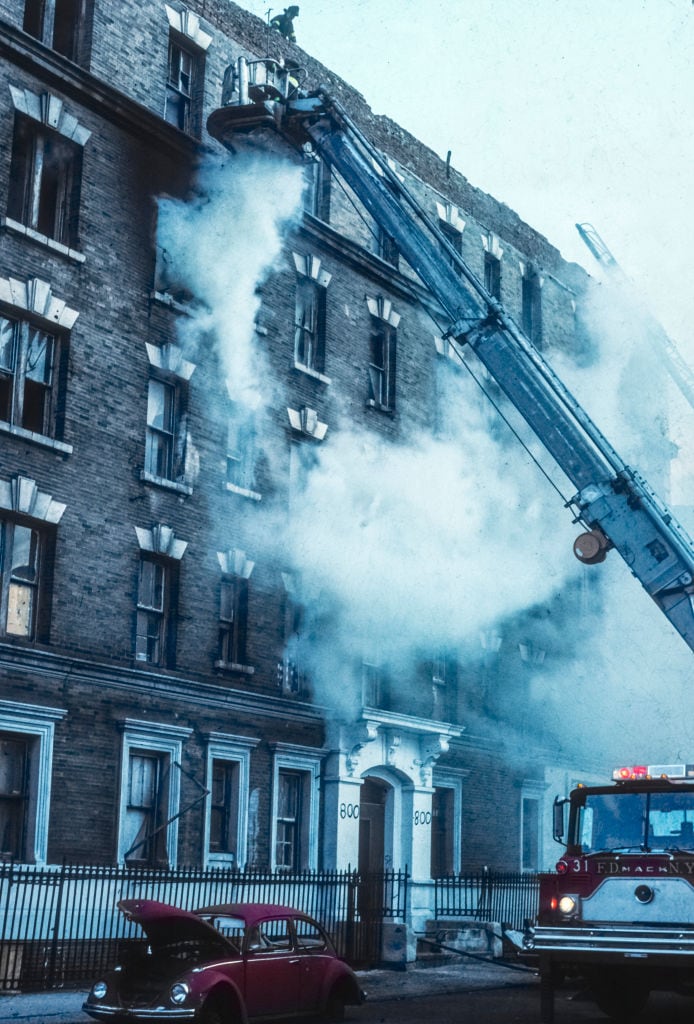
© Ricky Flores (Getty Images)