The UN refugee agency, UNHCR, has voiced concern over Malaysia’s decision to return 1,476 people to Myanmar amid an ongoing civil war and a dire human rights and humanitarian situation.
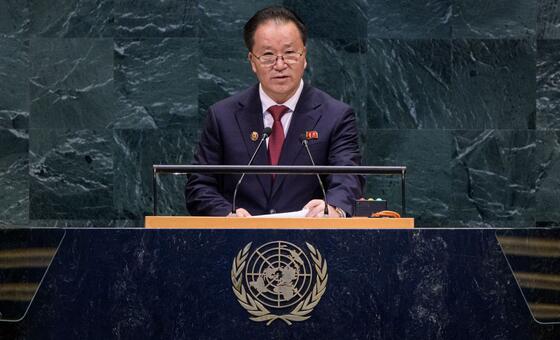
The Democratic People’s Republic of Korea (DPRK) told the UN General Assembly on Monday that its status as a nuclear-armed State was irreversible, arguing that its military capabilities were necessary to safeguard the country’s sovereignty and maintain peace on the Korean Peninsula.
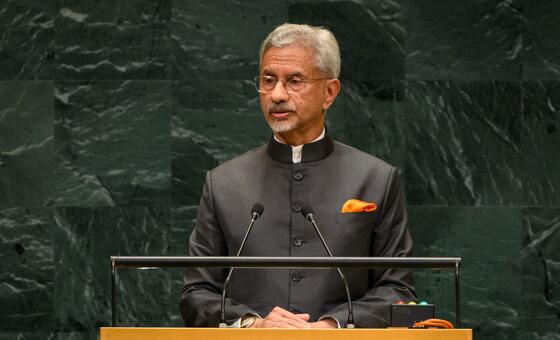
India’s External Affairs Minister Subrahmanyam Jaishankar warned on Saturday that violent conflicts continue to undermine international peace and security, while countries far removed from the battlefield are being forced to pay a heavy price.
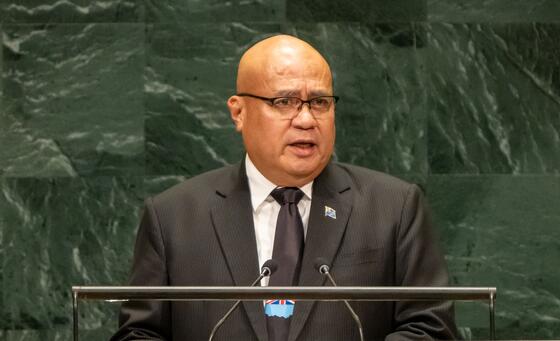
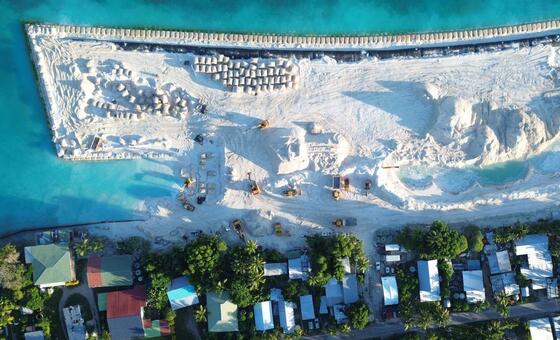
Climate change remains the greatest existential threat to Tuvalu, Prime Minister Feleti Teo told the UN General Assembly on Friday, warning that the pace and scale of international action are still falling far short of what vulnerable island nations need.
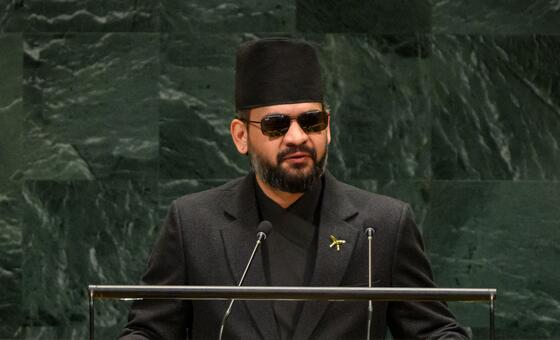
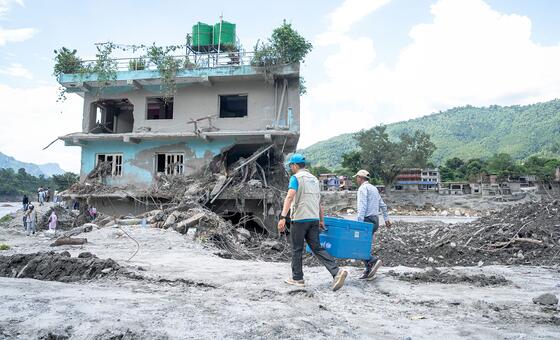
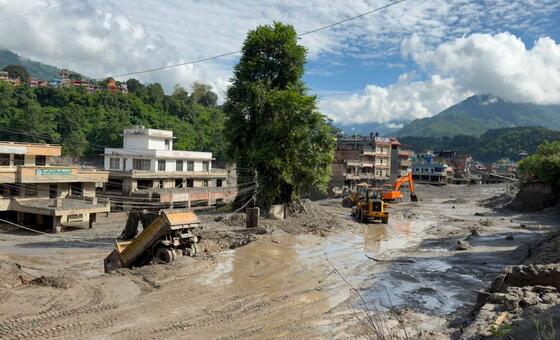
Nepal’s Prime Minister Balendra Shah brought a stark warning from the Himalayas to the UN General Assembly on Thursday, saying catastrophic floods that killed at least 1,400 people in his country laid bare the human cost of climate change, and the failure of the international system to protect those least responsible for it.
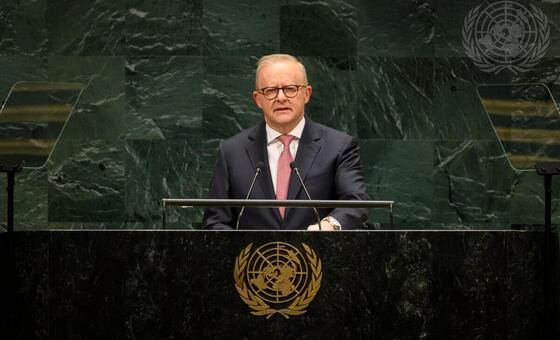
Australian Prime Minister Anthony Albanese underlined the need for countries to work together to address the climate crisis, emerging technologies such as AI, and the breakdown of international rules, at the United Nations General Assembly on Thursday.
Nine years after the mass displacement of the Rohingya from Myanmar, their situation remains one of the world's most protracted and complex refugee crises, marked by years of persecution and uncertainty over the prospect of returning home.
Rising sea levels and ever-more-powerful storms are eroding shorelines, submerging land and threatening to evict millions of people from their homes worldwide.
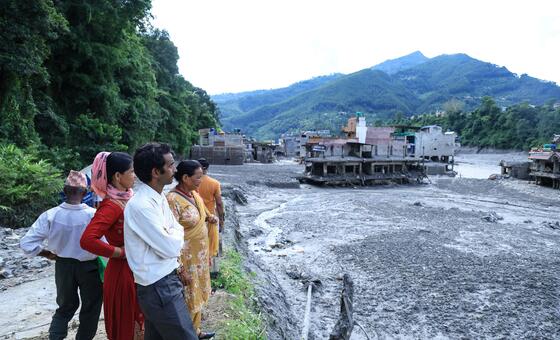
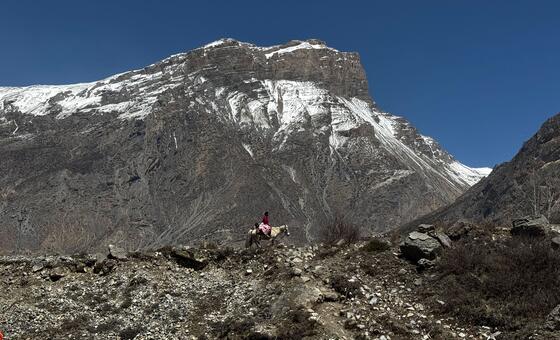
The catastrophic flooding that swept away entire villages in northern Nepal could occur again in the country or elsewhere in the Himalayas due to climate change.
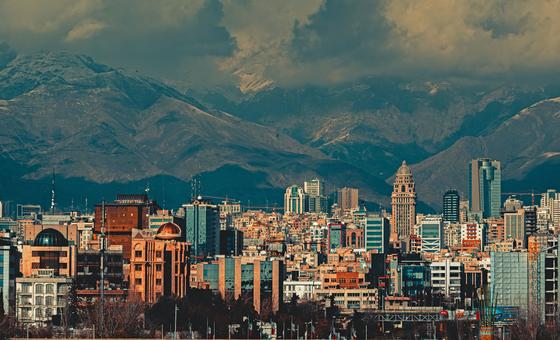
The Independent International Fact-Finding Mission on Iran confirmed that civilians in the country suffered serious human rights violations and “crimes against humanity committed by their government,” while finding "reasonable grounds" to believe that the United States committed “war crimes” in the context of its ongoing conflict with the Islamic Republic.
Since the Taliban returned to power in Afghanistan in 2021, the continuing presence of terrorist groups as well as rights violations against women and girls are a growing concern as the Security Council met Wednesday to hear latest developments, including from a civil society representative who said being born as a woman in the country “is a crime”. Follow full coverage here.
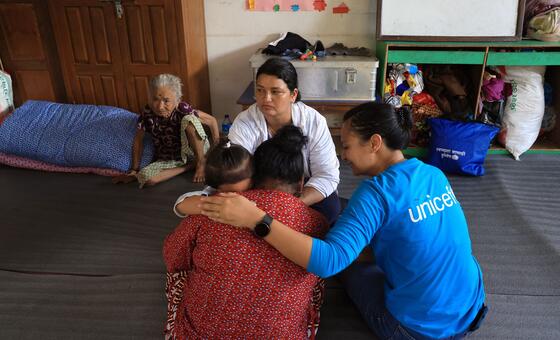
Three weeks after the devastating flash floods in Nepal, about 17,000 children require urgent mental health and psychosocial support in the country, the UN Children’s Fund (UNICEF) said on Tuesday.
Nepal’s call for financial compensation following recent deadly floods underlines the need to help countries that contribute the least to climate change – but are increasingly grappling with its most lethal consequences, the top UN official in the country said on Wednesday.
Since the Taliban returned to power in 2021, the plight of Afghans has only deteriorated, with millions impoverished while authorities violate basic human rights daily.
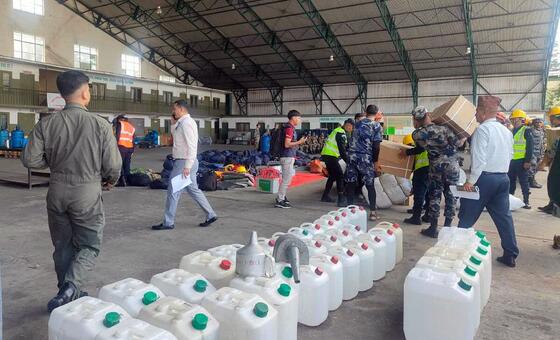
The UN and its humanitarian partners launched a $49.6 million flash appeal on Friday to deliver emergency assistance to more than 84,000 people affected by last week’s catastrophic floods in Nepal.
More than a week after flash floods struck the Bhotekoshi-Trishuli river basin in Nepal, at least 22,000 children urgently need safe drinking water, sanitation and hygiene support, the United Nations Children’s Fund (UNICEF) said on Thursday.
As rescue efforts continue in Nepal, humanitarians are focused on how the recent deadly flash floods have impacted women and girls, as well as access to healthcare.
The confirmed death toll from Nepal’s catastrophic floods has surged to 903, with more than 4,200 still missing as rescue crews and humanitarian workers battle blocked highways to reach the hardest-hit areas, UN Spokesperson Stéphane Dujarric said on Monday.
A day before a wall of ice, rock and muddy water tore through Himalayan valleys along the Nepal-China border, Dipesh Chapagain was discussing with a colleague just how devastating such a disaster could be.
The impact of the deadly flood in Nepal has been described as “immense” as the authorities there confirm that 538 bodies have been recovered from the disaster-stricken area.

 Login