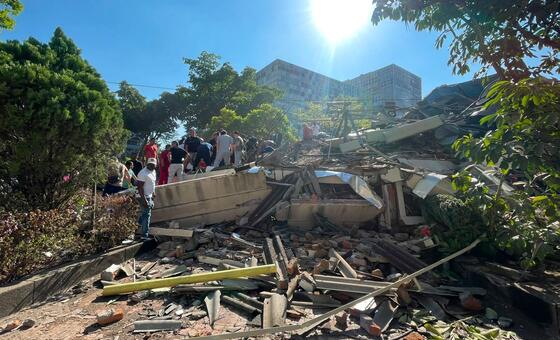
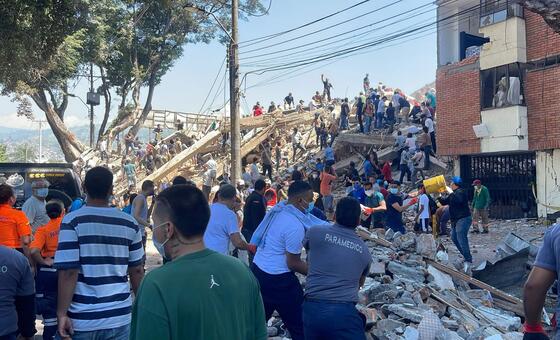
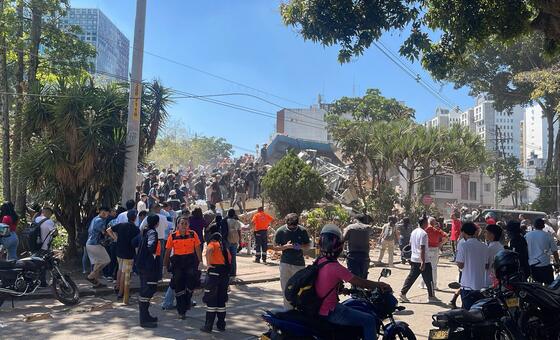
In one of the cities hardest hit by the earthquake that struck Colombia, hundreds of people are still waiting for news of missing relatives, friends and neighbours.
As amber heat-health alerts spread across England this summer, a new study has found that the warnings are being received – but not changing behaviour.
As multiple regions contend with unbearable heat, drought, wildfires and other extreme weather, the World Meteorological Organization (WMO) on Tuesday underlined the crucial need for stronger forecasts and early warning systems to protect lives and livelihoods.
As earthquake rescue efforts across western Colombia continued on Tuesday, UN agencies said that they stood ready to help “with everything we've got”, in coordination with national authorities.
The UN offered its support to Colombia on Monday after a magnitude 7.4 earthquake struck the west of the country, killing at least 111 people and injuring at least 87, including several children, while leaving others trapped under the rubble and causing landslides and serious damage to homes and infrastructure.
More than 2,500 years after Homer’s epic was first told, Christopher Nolan's blockbuster retelling of The Odyssey has brought the journey back to big screens worldwide. But, behind the sweeping plot is another character facing an odyssey of its own: the Mediterranean Sea.
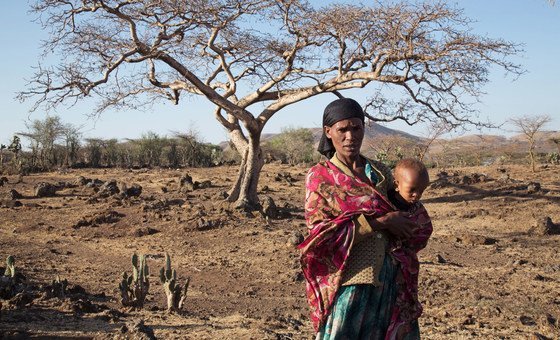
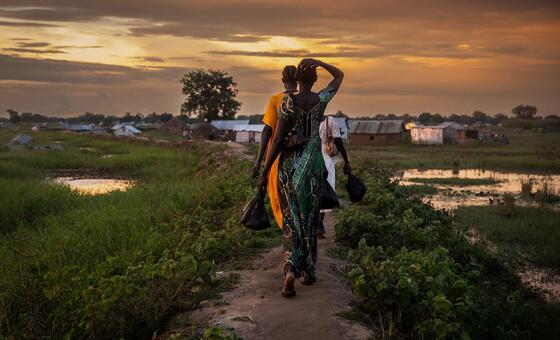
Nearly 50 million more people in highly vulnerable communities globally are set to be pushed into acute hunger because of the strengthening El Niño weather phenomenon, the UN World Food Programme (WFP) said on Wednesday.
For millions across Africa and the developing world, the biodiversity crisis is not an abstract problem – it’s the soil that no longer yields bountiful harvests and the fish that no longer return to coastal waters.
As much of the world faces grapples with above normal temperatures and major rainfall changes, the UN Meteorological Organization (WMO) warned on Friday that El Niño, a powerful climate pattern shaping global weather, will intensify starting next month.
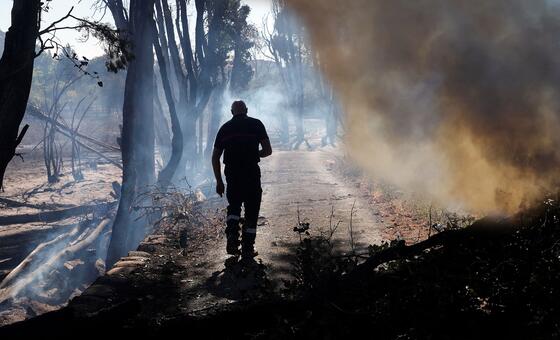
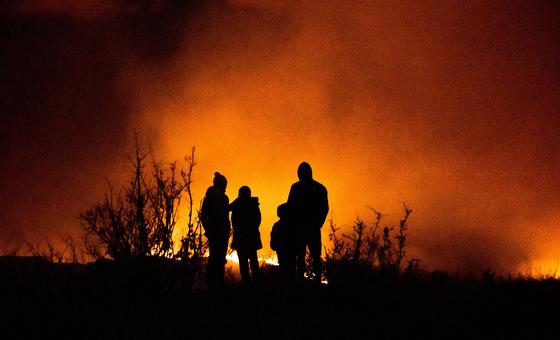
Wildfires are often associated with the destruction they leave behind, but the smoke they produce can pose a serious health threat far beyond the fire zone, the World Health Organization (WHO) has warned.
El Niño is putting millions of lives at risk in eastern and southern Africa but the UN is ensuring that communities are better prepared to deal with its impact.
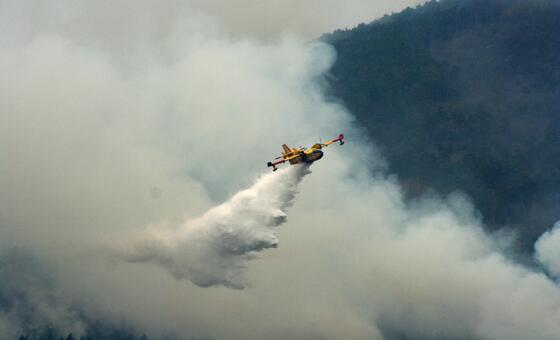
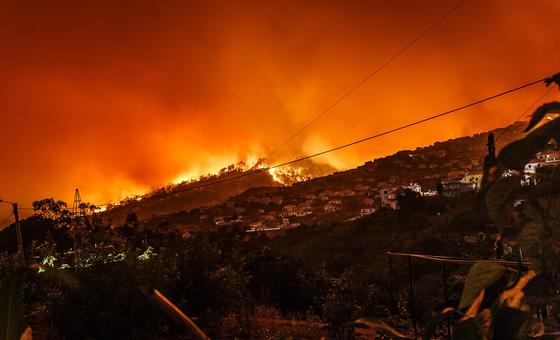
The wildfires burning across Europe and North America highlight the urgent need for action now – as climate change, land-use pressures and human activity make severe fires more likely in the future.
The amount of land burned by wildfires across Europe has increased by 57 per cent in four years, according to new data from the World Health Organization (WHO) in Europe.
Satellites can now spot major methane leaks from space within days. Yet only 13 per cent of those alerts lead to any response from the governments or companies responsible.
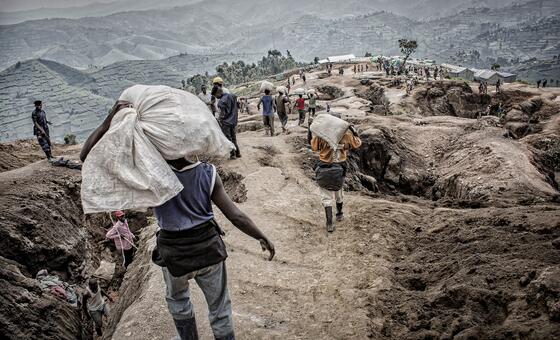
The Security Council met Wednesday in New York to debate critical minerals — the lithium, cobalt and copper powering the clean energy transition. Demand is set to triple by 2030. The question: will this mineral wealth build peace and prosperity, or fund conflict and corruption? Follow live updates throughout the day below and go here for full coverage from across the UN.
The UN General Assembly closed its first ever High-level Meeting on road safety on Tuesday by adopting a sweeping new declaration aimed at halving road deaths by 2030 – over the sole objection of the United States.
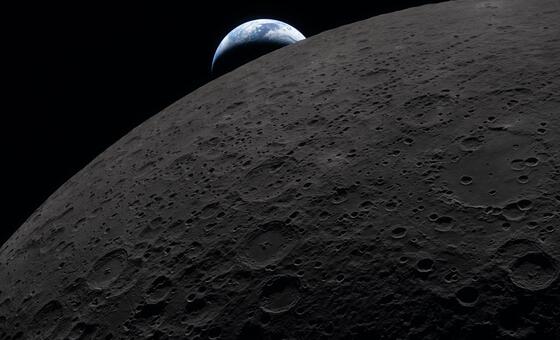
Amid surging lunar exploration, the UN on Monday urged governments to ensure that humanity's return to the Moon does not come at the expense of planet Earth – or the long-term sustainability of space.
 Login