As much of the world faces grapples with above normal temperatures and major rainfall changes, the UN Meteorological Organization (WMO) warned on Friday that El Niño, a powerful climate pattern shaping global weather, will intensify starting next month.
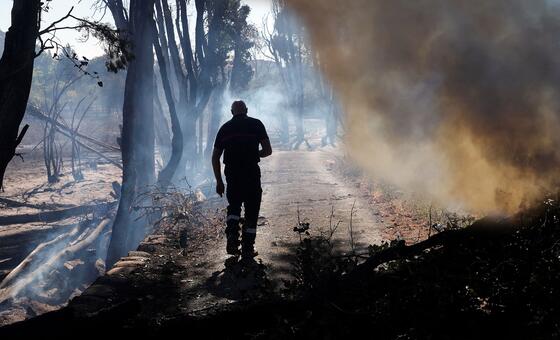
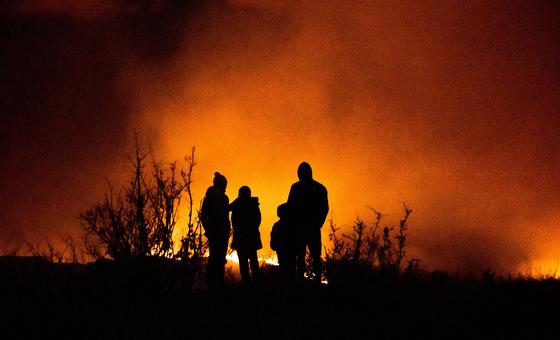
Wildfires are often associated with the destruction they leave behind, but the smoke they produce can pose a serious health threat far beyond the fire zone, the World Health Organization (WHO) has warned.
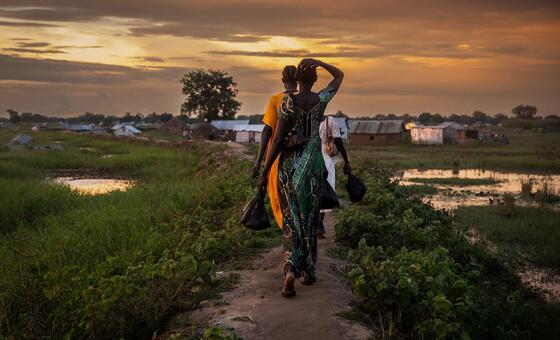
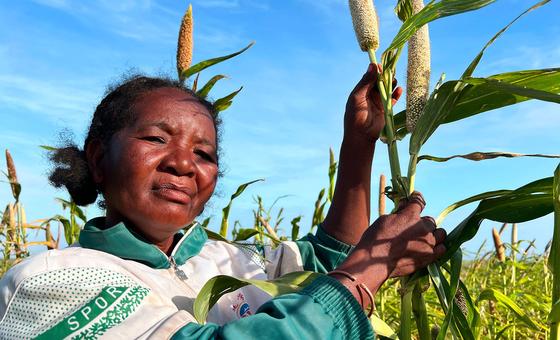
El Niño is putting millions of lives at risk in eastern and southern Africa but the UN is ensuring that communities are better prepared to deal with its impact.
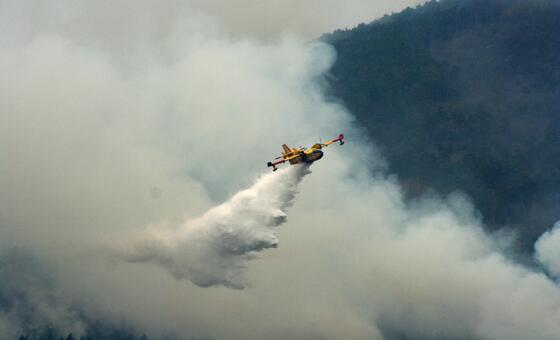
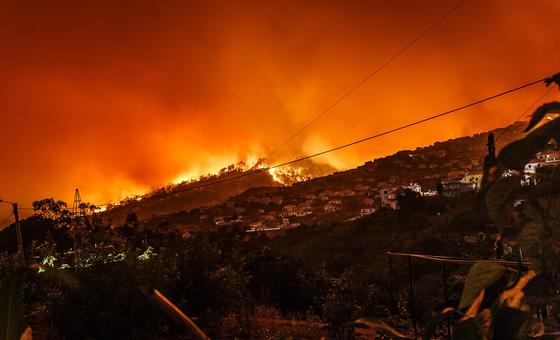
The wildfires burning across Europe and North America highlight the urgent need for action now – as climate change, land-use pressures and human activity make severe fires more likely in the future.
The amount of land burned by wildfires across Europe has increased by 57 per cent in four years, according to new data from the World Health Organization (WHO) in Europe.
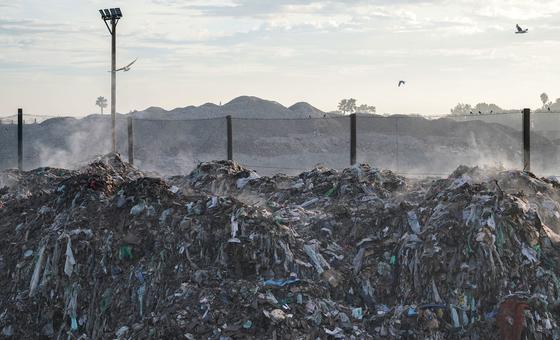
Satellites can now spot major methane leaks from space within days. Yet only 13 per cent of those alerts lead to any response from the governments or companies responsible.
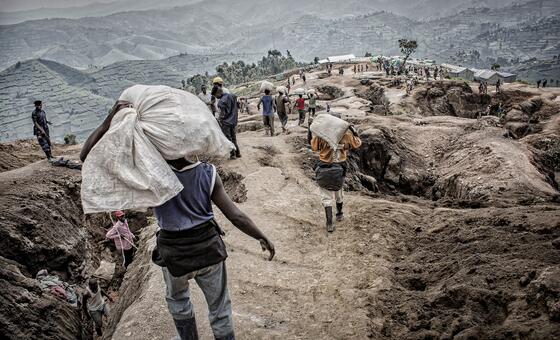
The Security Council met Wednesday in New York to debate critical minerals — the lithium, cobalt and copper powering the clean energy transition. Demand is set to triple by 2030. The question: will this mineral wealth build peace and prosperity, or fund conflict and corruption? Follow live updates throughout the day below and go here for full coverage from across the UN.
The UN General Assembly closed its first ever High-level Meeting on road safety on Tuesday by adopting a sweeping new declaration aimed at halving road deaths by 2030 – over the sole objection of the United States.
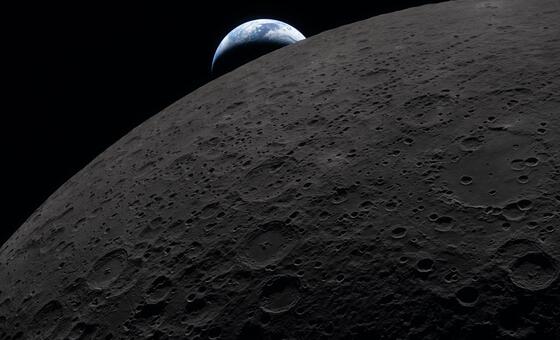
Amid surging lunar exploration, the UN on Monday urged governments to ensure that humanity's return to the Moon does not come at the expense of planet Earth – or the long-term sustainability of space.
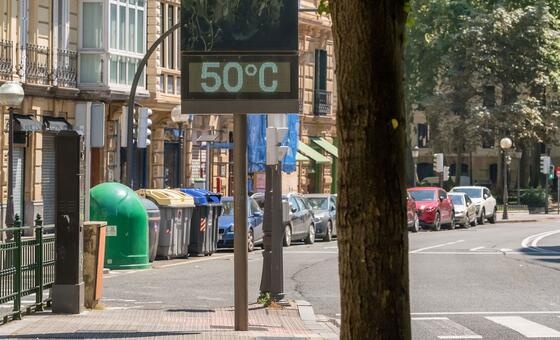
As Europe battles a deadly record-breaking heatwave, the World Health Organization (WHO) issued new guidance on Thursday to help countries face scorching temperatures now and in the future.
This year marks the hottest June recorded for Western Europe and the second warmest globally, according to the latest report from a climate tracking service released on Thursday.
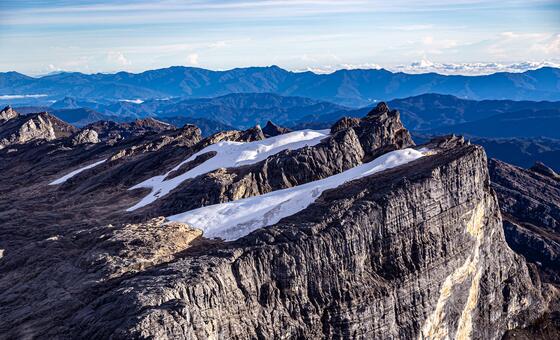
The Southwest Pacific is facing mounting climate risks as its vast ocean expanse becomes hotter, more acidic and more dangerous for coastal communities, the World Meteorological Organization (WMO) said in a report published on Tuesday.
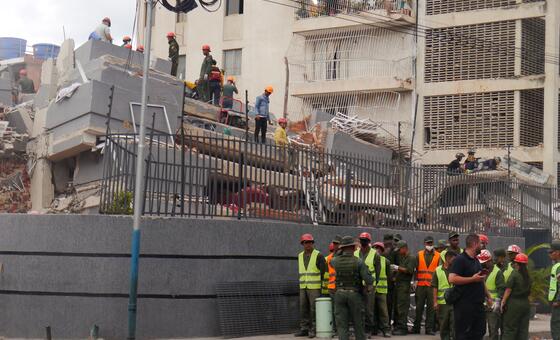
The UN and its partners are ramping up assistance for people affected by the earthquakes in Venezuela, working alongside the Government's response effort, as a new UN estimate puts direct physical damage at $37 billion.
More blistering heatwaves and other weather extremes are becoming increasingly likely across the world now and in coming months, linked to strengthening El Niño conditions in the tropical Pacific, the UN World Meteorological Organization (WMO) said on Friday.
A week after earthquakes tore through northern Venezuela, hospitals in La Guaira are buckling under the weight of the disaster – and the risk of disease outbreaks in shelters is rising fast.
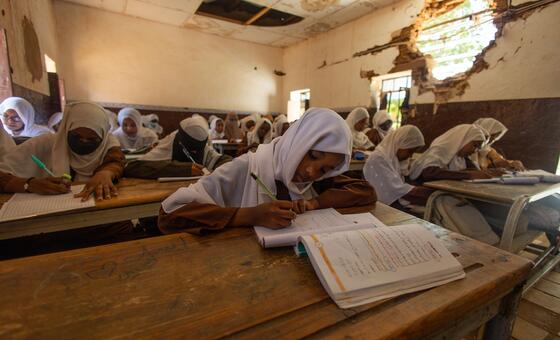
Drone attacks by advancing rebel fighters who are besieging El Obeid, Sudan, continue to result in civilian casualties, putting around half a million civilians at grave risk of large-scale atrocities.
As European transport officials scramble to deal with melting train tracks and buckling roads amid a crushing heatwave, a UN report released Tuesday warns of more extreme weather in the decades ahead for Europe, Central Asia and North America.
Five days after powerful earthquakes struck central-northern Venezuela, the death toll continues to climb along with the intense rescue operation and the UN coordinates humanitarian assistance, warning that recovery “is going to take time.”

 Login