❌

Reading view

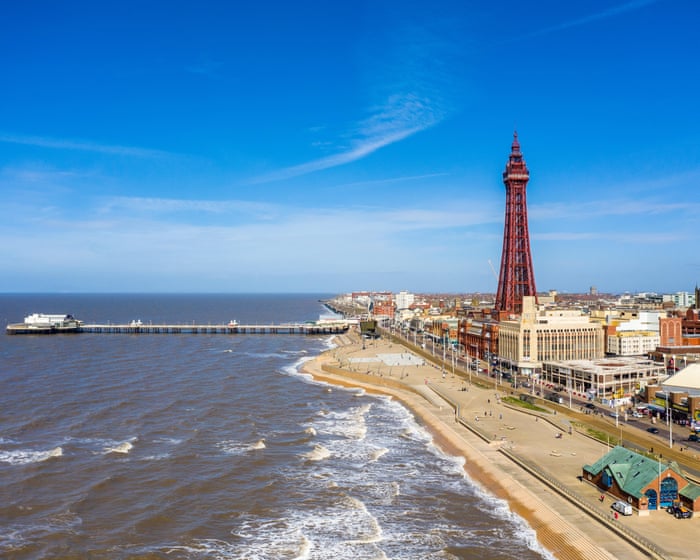
Blackpool, Sheffield, Milton Keynes and Wrexham shortlisted for UK city of culture 2029

Each place, selected from longlist of nine, will be given £125,000 to develop bids before winner is announced in new year

Blackpool, Sheffield, Milton Keynes and Wrexham have been shortlisted to be the UK city of culture 2029, an award viewed as a way to boost local economies, foster civic pride and, above all, have some fun.

The four places were chosen from a longlist of nine and each will be given £125,000 to develop their bids before the winner is announced in the new year.

Continue reading...

© Photograph: Jon D/Alamy
© Photograph: Jon D/Alamy
© Photograph: Jon D/Alamy

  •  

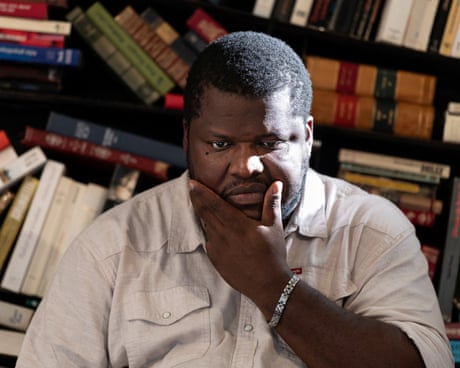
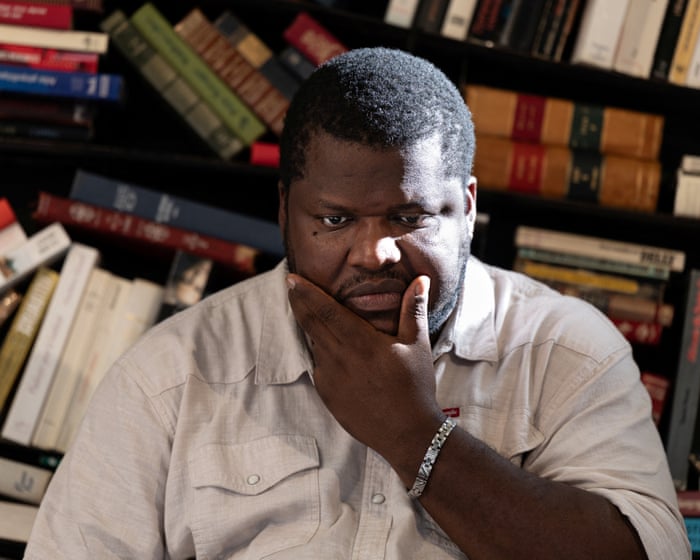
Canadian publisher Boréal ends relationship with novelist Thélyson Orélien over alleged use of AI

Author withdrawn from France’s Prix Goncourt last month has repeatedly denied using artificial intelligence to write novel

The publisher of top-selling Haitian Canadian writer Thélyson Orélien, who was removed from France’s most prestigious literary prize list last month, has confirmed the author used artificial intelligence to help write his novel C’était ça ou mourir (It Was Either That or Die).

Orélien has denied allegations that he used AI on his breakthrough novel and, last week, Canadian publisher Les Éditions du Boréal said it was standing by the 38-year-old writer.

Continue reading...

© Photograph: Joel Saget/AFP/Getty Images

© Photograph: Joel Saget/AFP/Getty Images

© Photograph: Joel Saget/AFP/Getty Images

  •  

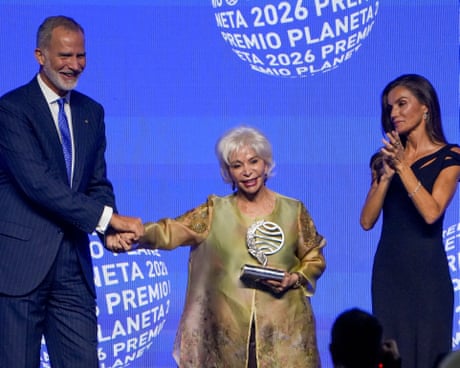
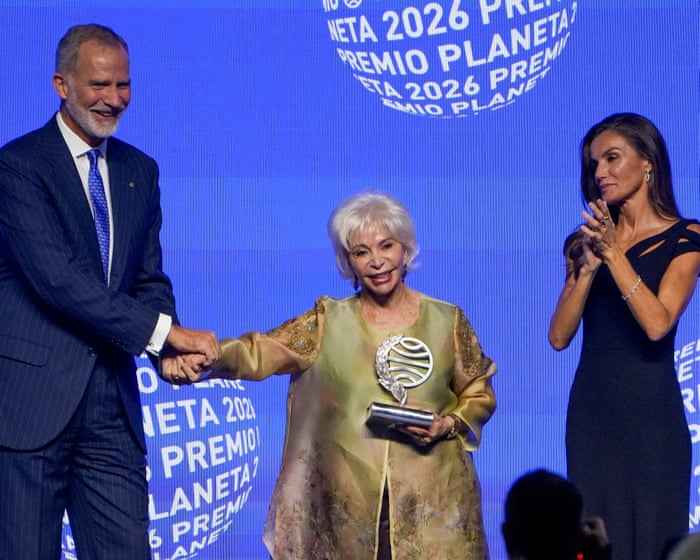
Isabel Allende wins €1m Spanish literary prize under pseudonym

Chilean-American author awarded Premio Planeta for sequel to her 1982 debut novel, The House of the Spirits

The Chilean-American author Isabel Allende has won Spain’s €1m (£843,000) Premio Planeta, one of the world’s most lucrative literary prizes, under a pseudonym, with a sequel to her celebrated debut novel, The House of the Spirits.

Allende, 84, won the 75th edition of the award on Thursday with La hora antes del alba, which returns to the characters of her 1982 novel, a multigenerational family saga set against political upheaval in a country inspired by Chile.

Continue reading...

© Photograph: Pau de la Calle/GTRES/Shutterstock

© Photograph: Pau de la Calle/GTRES/Shutterstock

© Photograph: Pau de la Calle/GTRES/Shutterstock

  •  

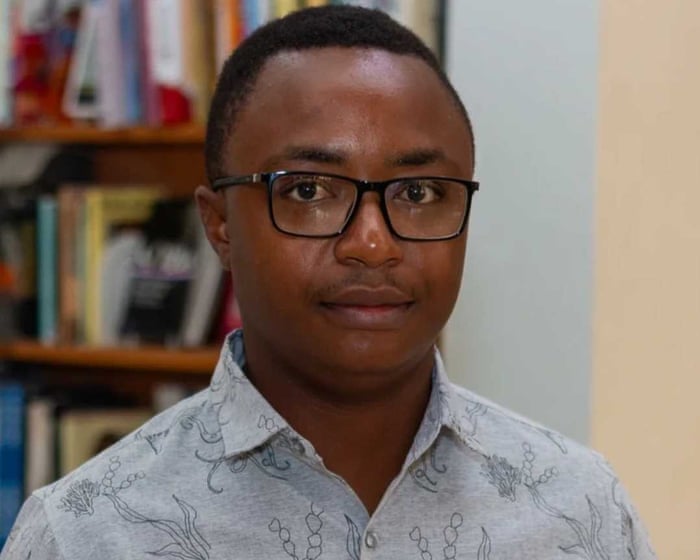
Zimbabwean author Simbarashe Kundizeza denies using AI to write prize-winning story

Article in Atlantic claims The Blue Fighter was artificially generated, days after it won Caine prize for African writers

The Zimbabwean writer Simbarashe Kundizeza has denied using AI to write a prize-winning short story after an article in the Atlantic said software had flagged it as almost completely AI-generated.

Kundizeza’s story The Blue Fighter was announced as the winner of the prestigious Caine prize for African writers on 6 October. Five days later, The Atlantic published an article by the author and journalist Vauhini Vara titled: “Yet Another Literary prize winner Seems to Be AI.”

Continue reading...

© Photograph: pr image

© Photograph: pr image

© Photograph: pr image

  •  
❌