❌

Reading view

Christa Pike’s IV team warned vein might be ‘blowing’ before failed execution

New account from Pike’s lawyer suggests team was racked by doubts even before pentobarbital began to flow

The Tennessee execution team tasked with setting an intravenous line in the arms of the death row prisoner Christa Pike through which she could be injected with a lethal dose of pentobarbital repeatedly warned that her vein might be “blowing”, before they went ahead with the procedure, her lawyer has revealed.

Members of the intravenous (IV) team used up to 10 needles as they sought to establish a line through which Pike could be killed with a massive dose of the sedative. About 20 minutes into the attempt, they began discussing among themselves whether the prisoner’s vein “might be blowing”.

Continue reading...

© Photograph: J Miles Cary/Reuters

© Photograph: J Miles Cary/Reuters

© Photograph: J Miles Cary/Reuters

  •  

Florida kills 77-year-old man in state’s 18th execution of year

Vietnam veteran William Reaves executed by lethal injection despite letter from fellow veterans urging halt

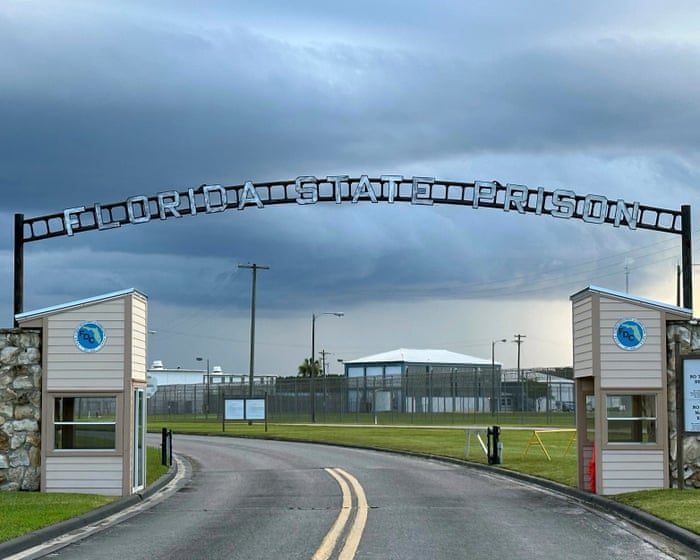
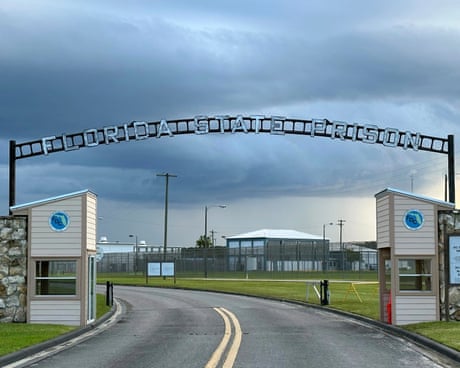
Florida carried out its 18th execution of the year on Tuesday under Republican governor Ron DeSantis’s aggressive use of the death penalty in his final term.

William Reaves, 77, was pronounced dead at 6.12pm following a three-drug injection at Florida state prison near Starke. He was convicted of first-degree murder in the 1986 shooting death of Indian River county deputy Richard Raczkowski.

Continue reading...

© Photograph: Curt Anderson/AP

© Photograph: Curt Anderson/AP

© Photograph: Curt Anderson/AP

  •  

Supreme court rejects effort to revive plea deal for Khalid Sheikh Mohammed in 9/11 attacks

Agreement would have spared Mohammed risk of execution in exchange for guilty plea and life in prison

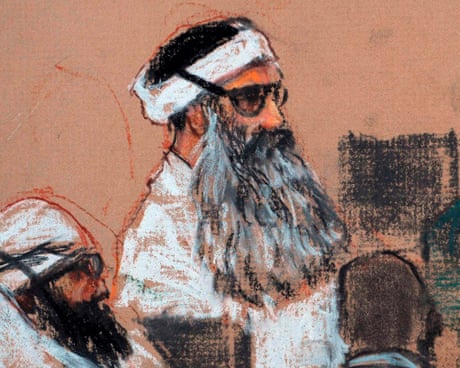
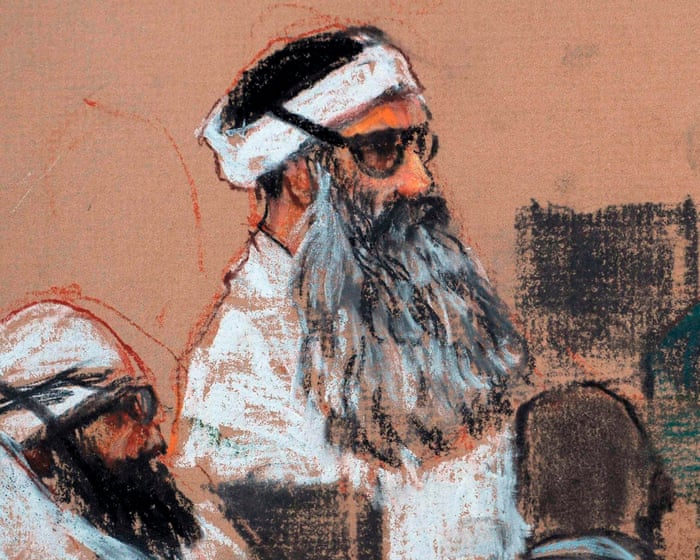
The supreme court on Monday rejected an effort to revive a plea deal for Khalid Sheikh Mohammed, the accused mastermind of the attacks on 11 September 2001.

The agreement would have spared Mohammed the risk of execution in exchange for his guilty plea and a sentence of life in prison without parole.

Continue reading...

© Photograph: Janet Hamlin/POOL APF/AP

© Photograph: Janet Hamlin/POOL APF/AP

© Photograph: Janet Hamlin/POOL APF/AP

  •  

How We Reported on the Cornell Case

In our first edition of The Backstory, a new newsletter about Times journalism, we’re diving into coverage of a rape allegation and talking to a critic who says we’re not tough enough on Trump.

© Heather Ainsworth for The New York Times

Students walk past the now shuttered Chi Phi fraternity house at Cornell University.
  •  

Saudi Arabia to execute man for being at protests and funerals when he was 15

Use of death penalty against people for crimes committed when they were children a ‘new low’, say rights groups

A young man faces imminent execution in Saudi Arabia for attending protests and funerals when he was aged 15 to 17, say human rights groups, in the latest example of the kingdom’s surging use of the death penalty for non-violent crimes.

Youssef al-Manasif was arrested in 2017 and accused of crimes including joining demonstrations for religious freedom by the Shia minority and attending funerals that the Saudi authorities deem to be protests. He was convicted and sentenced to death by the specialised criminal court, a secretive tribunal set up for terrorism-related cases.

Continue reading...

© Photograph: Handout

© Photograph: Handout

© Photograph: Handout

  •  

Many Figures Opposed Hegseth’s Plan to Livestream Fort Hood Shooter’s Execution

A retired general, a Catholic archbishop for the military and one of Maj. Nidal Malik Hasan’s victims were among those who had spoken out.

© Nicole Bengiveno/The New York Times

A memorial service at Fort Hood days after the mass shooting there in 2009.
  •  

In Trump’s America, the Death Penalty Has Been Resurrected

Louisiana recently started executing death-row prisoners after more than 20 years of not doing so (save a “voluntary” execution in 2010, when a prisoner waived his right to appeal and said he wanted to die). John Corley, an award-winning writer who is incarcerated at Louisiana’s Angola prison, reflects on how MAGA politics have re-invigorated the practice of state killing in Louisiana and elsewhere, and what it means for the tenor of life in institutions like Angola:

Dalton Prejean Jr, who is serving time for manslaughter, found Hoffman’s execution particularly painful. When he was ten years old, in 1990, his father died in the penitentiary’s electric chair. “The day it all went down, it was almost like reliving the moments leading up to my father’s execution,” Prejean told me. “At ten o’clock the news reporter announced that Hoffman was dead. My heart skipped. I couldn’t believe they had actually killed somebody. Was what he did so bad that he just couldn’t be allowed to go on living? Wasn’t there anything about him that was redeemable?”

Twice a week, the inmate counsel substitute Gary Boudreaux makes rounds on the five death row tiers. He knows each of the surviving men housed there. “There was no tension on the row because the guys believed the execution wouldn’t happen,” Boudreaux said. “It had been so long, and they have good lawyers. They just didn’t think executions would come back.”

A week after the execution, Boudreaux returned to the row. The atmosphere was “totally different.” The men now knew that Governor Landry “is serious about executing people, and the state will execute people. There’s no doubt in their minds about that any more.”

  •  

The Children Who Loved a Killer

When Steven Judy was executed for rape and murder in 1981, he was little more to the public than a monster. To Traci and Randy Carr, he was something else: a hero and a protector. After all, he was their foster brother. For The Guardian, Masha Hamilton—who covered the Judy trial as a young reporter more than 45 years ago—returns to Indiana to meet the Carrs, and to take the measure of the hole rent in their lives by Judy’s actions and disappearance.

Her mother has begun appearing again in her sleep: Mary holding her, comforting. Almost as if speaking aloud what had been buried for decades had called her mother back.

“Everyone hated Steve, and we were told we should too,” Traci says. “For a long time, I thought we did something wrong, and I was ashamed. People treated us like we had raised a murderer. It’s still how people remember us. I don’t think Mom ever got to grieve properly. I don’t think any of us did.”

  •  
❌