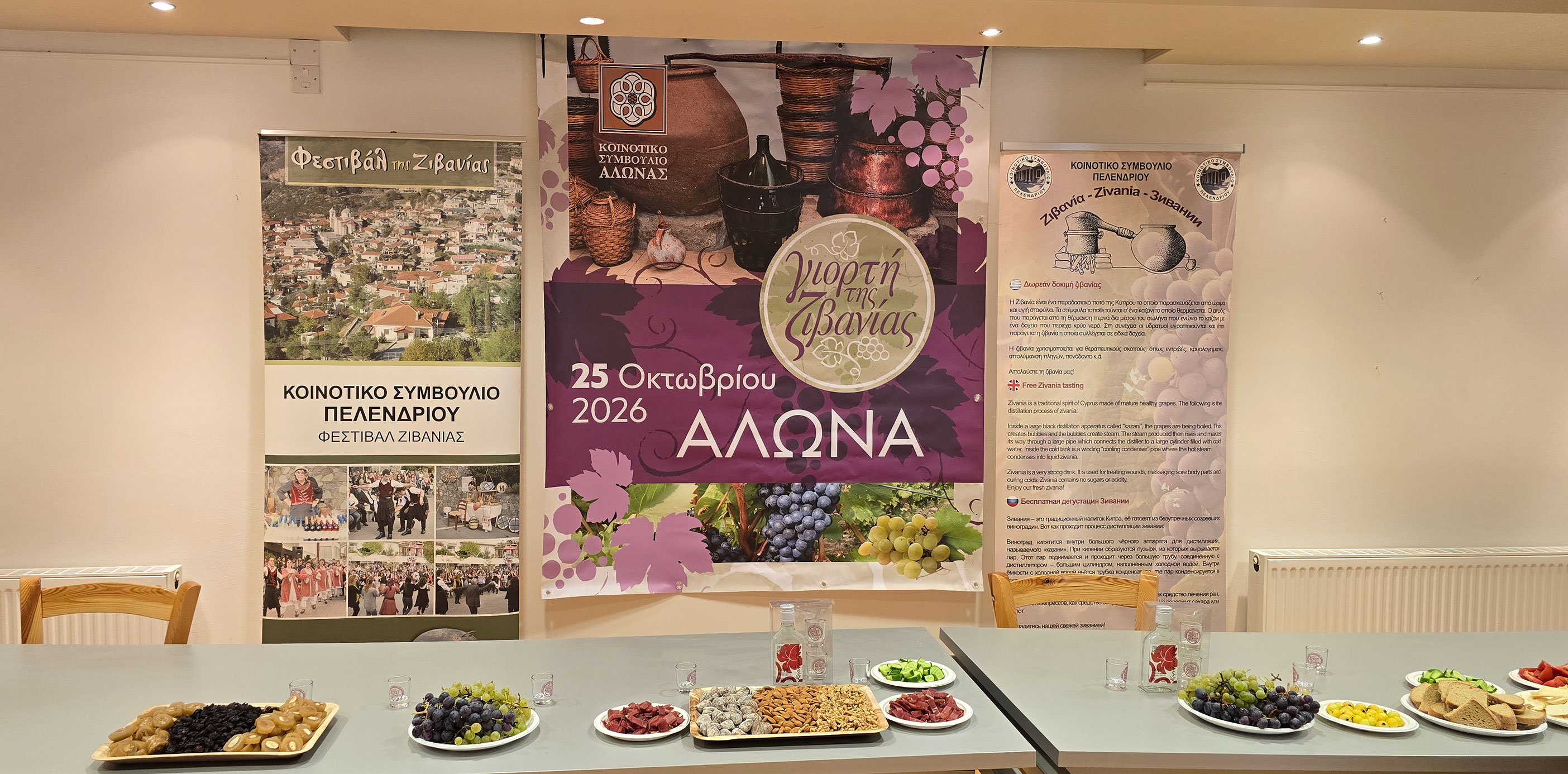
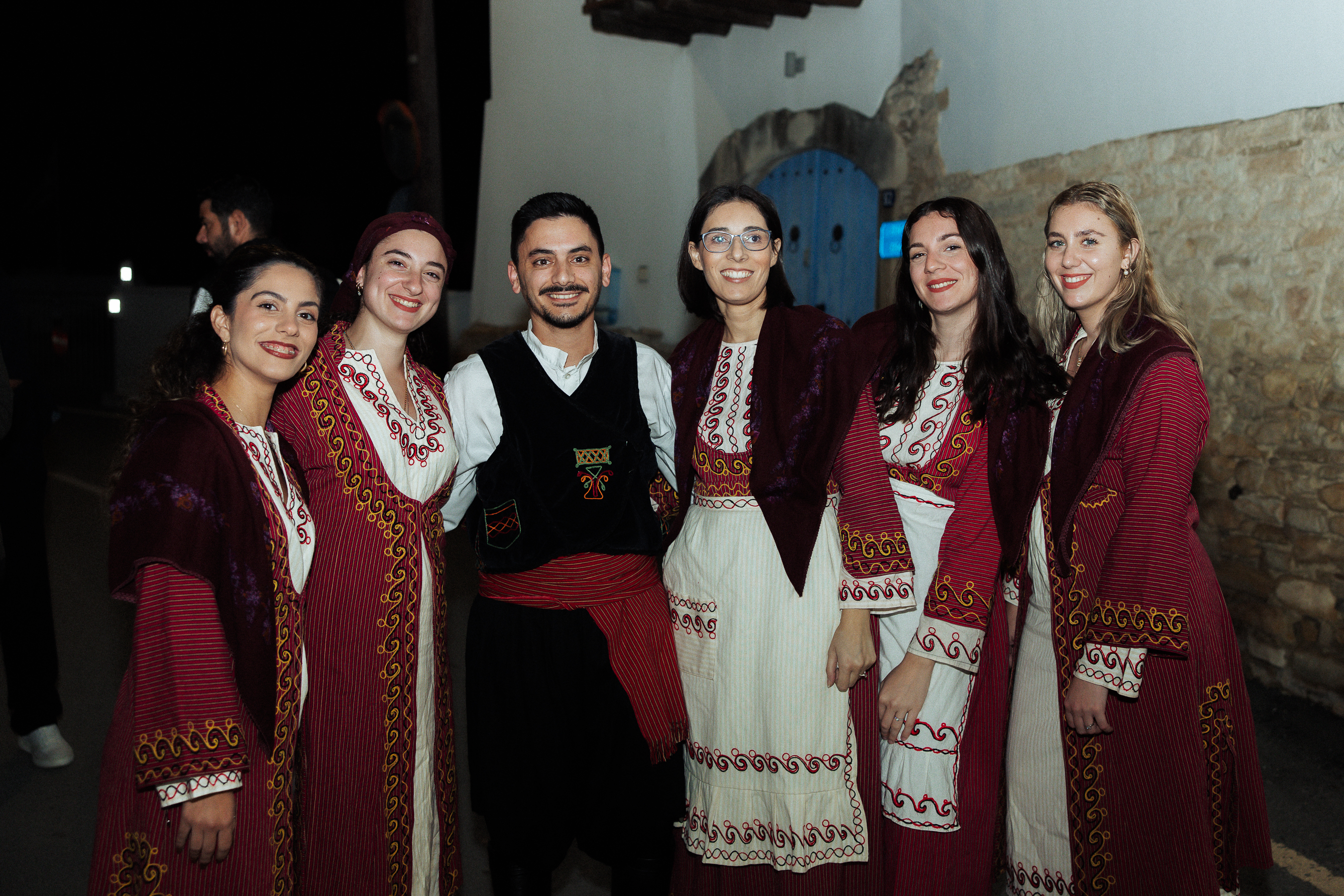
The villages of Alona and Pelendri will be celebrating Cyprus’ zivania traditions with festivals later this month and in November, showcasing traditional distillation, local cuisine, music and dance.
Alona’s festival is set for Sunday, while Pelendri will host a two-day event on November 7 and 8.
The community leaders of Alona and Pelendri, Michalis Nikiforos and Kypros Kyprianou respectively, have invited the public to join in, highlighting the role of the events in preserving cultural heritage and boosting rural economies.
“As long as we keep traditions alive, we keep our villages alive,” they said.
The Alona festival begins at 11am and will give visitors the opportunity to watch traditional zivania distillation, sample local products and enjoy Cypriot music and dancing.
Now in its 15th year, the event has become an established part of the community’s cultural calendar.
Nikiforos said zivania was closely connected to Cyprus’s rural identity and history, stressing the importance of passing traditional skills and customs on to younger generations.
He also called for greater state support for mountain communities, particularly through improvements to roads and infrastructure.
“We are not asking for preferential treatment. We are asking for equal opportunities for rural residents,” he said.
Visitors to Alona will also be able to explore the village’s picturesque streets and hazelnut forest, while learning about efforts to protect its natural and cultural heritage.
Pelendri’s festival will continue the celebrations with two days of cultural and gastronomic events.
Kyprianou highlighted the links between zivania production, the grape harvest and traditional distillation, describing the practice as an integral part of the community’s history and social life.
The programme will include traditional music, dancing, local dishes and products, alongside opportunities to discover Pelendri’s Byzantine churches and historical monuments.
Both communities said the festivals would help support local producers and businesses while encouraging cultural and rural tourism.
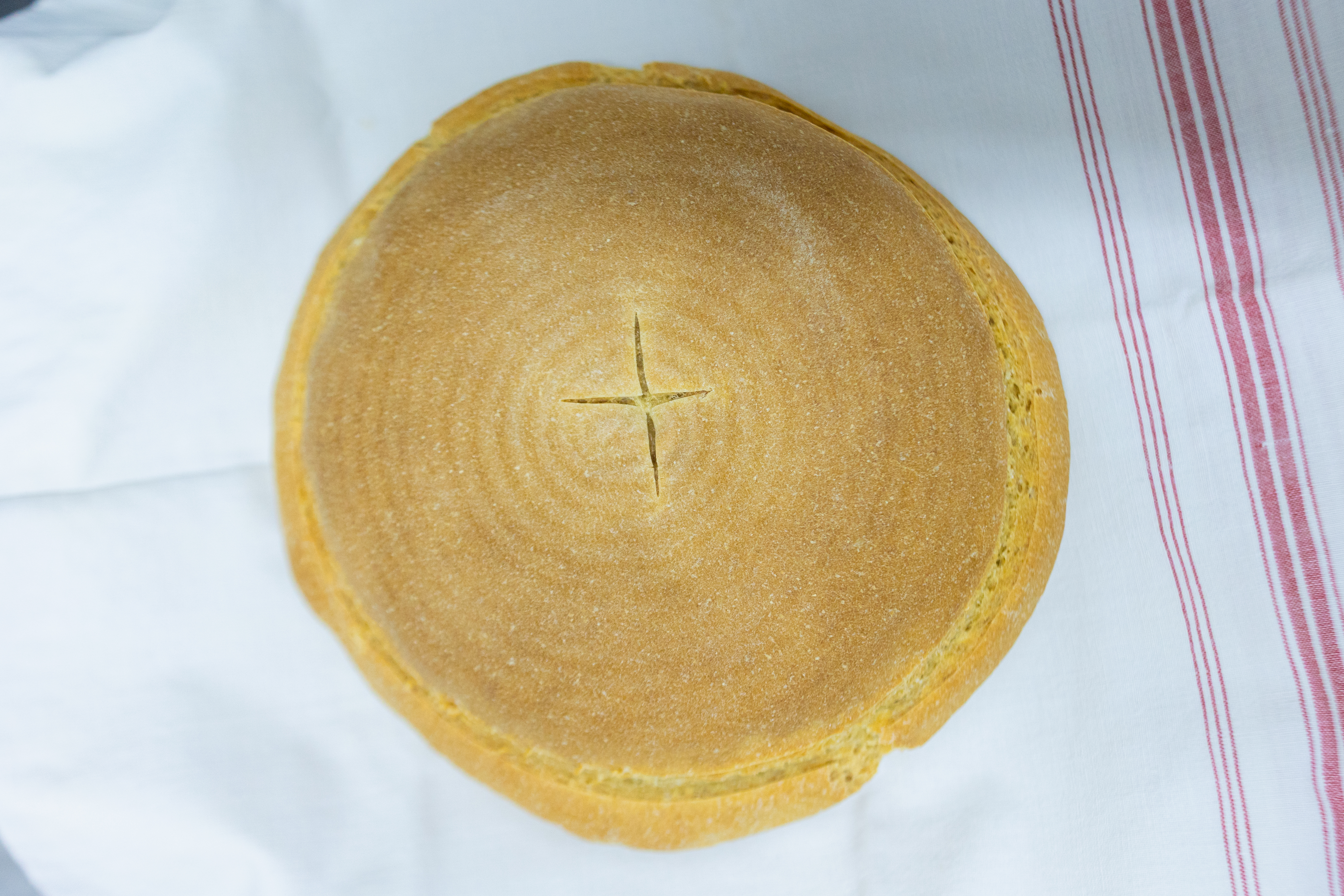
Athienou’s traditional food-making has evolved into modern textile art, showcased in a collection of silk scarves inspired by the town’s halloumi, bread, wedding sweets, and handmade pasta.
“Athienou: Flavours and Traditions,” the collection was unveiled at the Traditional Flour Mill of Athienou on October 16, merging local culinary heritage with contemporary artistry.
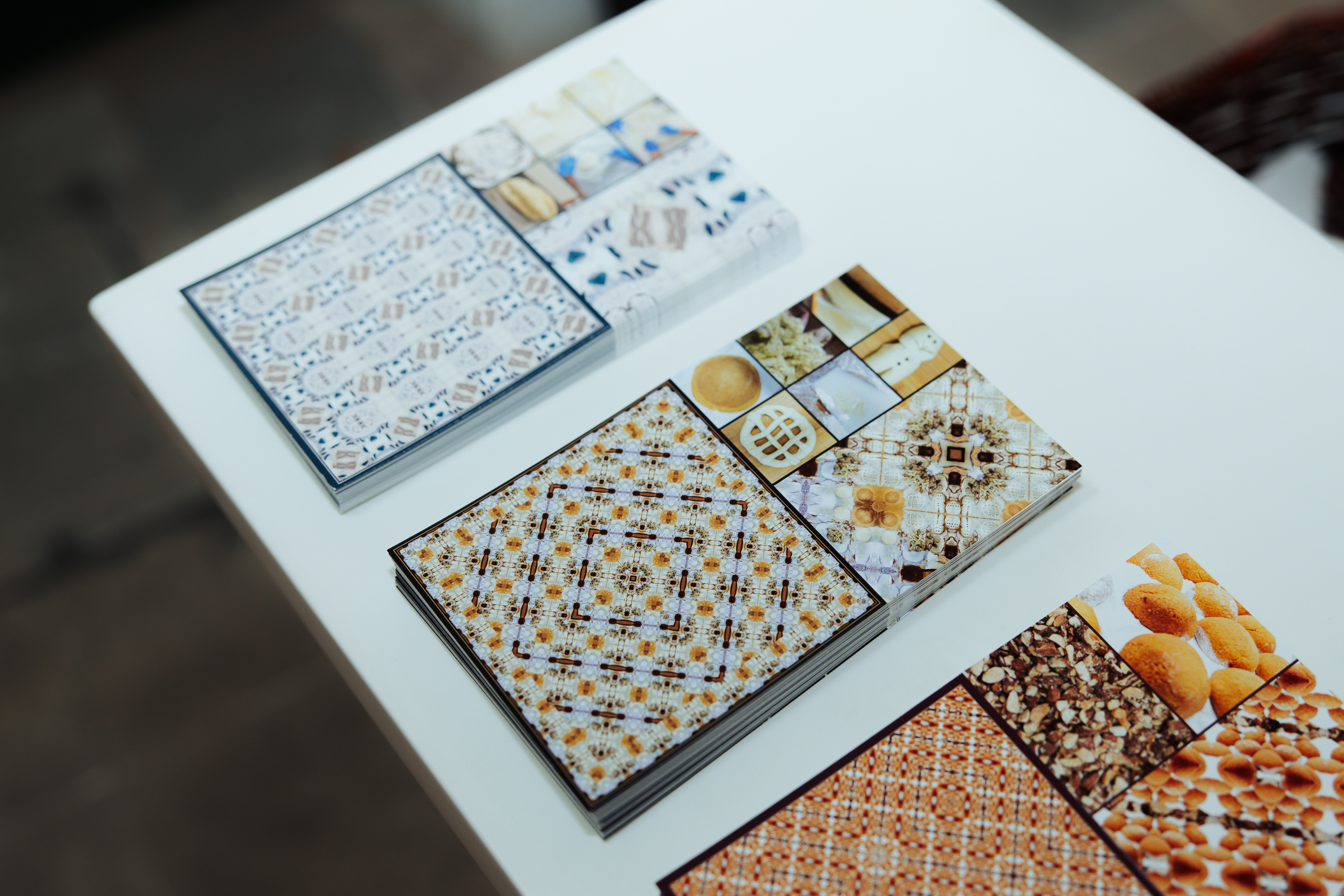
Designed by Cypriot textile artist Michalis Pantelidis, the collection employs photography and digital collage to reimagine the textures, shapes, and colours of traditional food production.
Four designs emerged from images showcasing the preparation of Athienou’s local products, transforming familiar food-making scenes into wearable art.
Rather than highlighting the final products, the designs emphasise the processes involved, including hand movements, ingredient handling, and traditional techniques.
“I was amazed by the craftsmanship involved, the many different steps, the techniques and the care that goes into making something we often take for granted,” Pantelidis said.
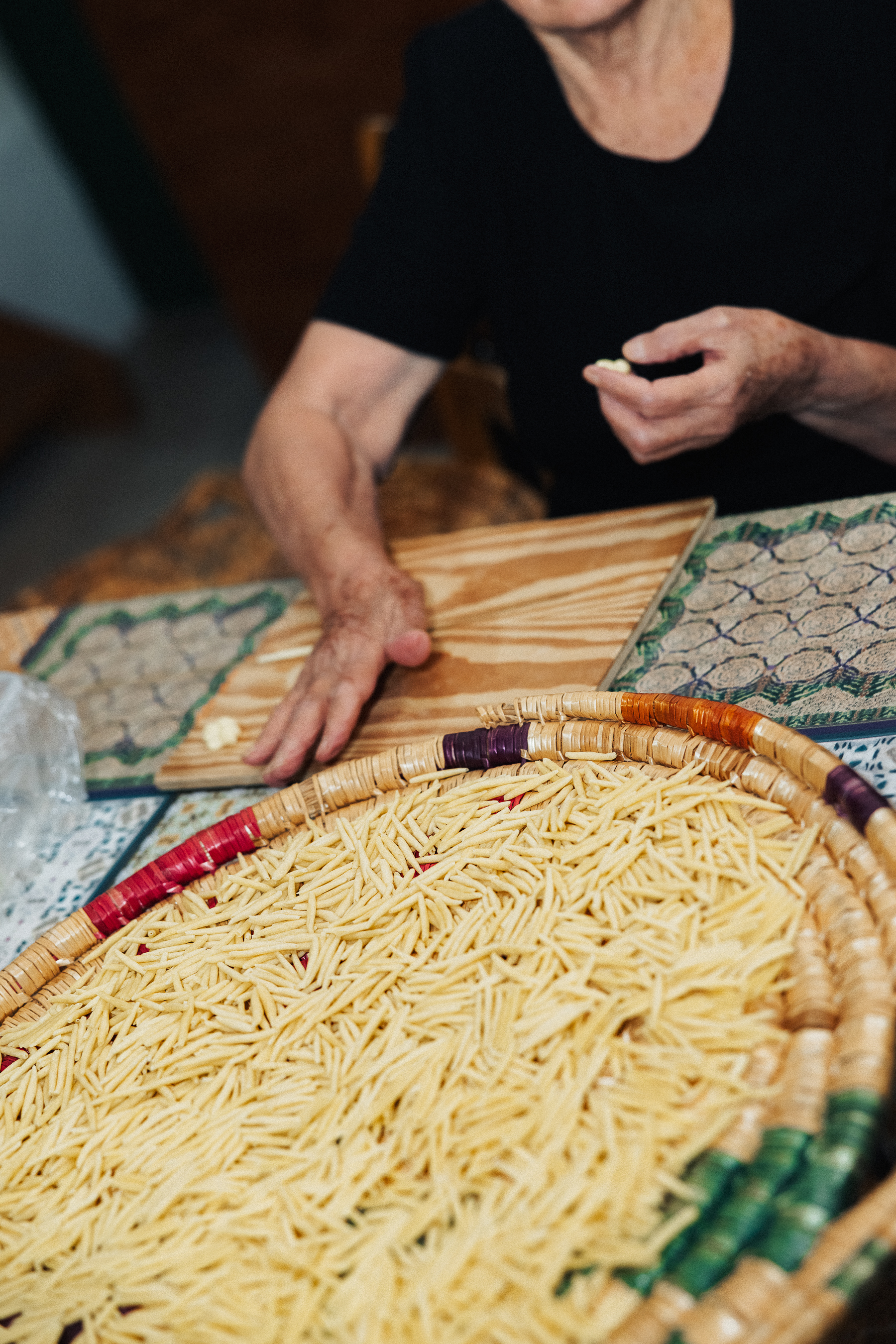
The collection draws inspiration from four Athienou products: halloumi, traditional wedding loukoumi, Athienou bread, and handmade pasta shaped with sklinitzi, a local plant used in its preparation.
Photographs taken during experiential workshops became the starting point for the designs.
Roasted almonds, the changing texture of milk during halloumi production and the stages of bread making were among the details incorporated into the work.
The resulting patterns combine these images through digital composition, moving them away from their everyday context and giving them a new form on silk.
Earthy colours, golden brown tones and geometric arrangements feature in the designs, particularly in the scarf inspired by traditional Athienou bread.
The choice of silk also connects the collection to a wider tradition of craftsmanship.
The material is produced in Soufli, Greece, a town with a long history of silk production, linking the heritage of the two places through textile design.
The exhibition extended beyond the scarves themselves.
The four designs covered sections of the flour mill’s walls and floor, forming a large geometric installation that placed the artwork within the building’s traditional setting.
The scarves were displayed on minimal black metal structures, allowing visitors to view them both as individual pieces and as part of the wider composition.
International model Sophia Hadjipanteli attended the event, wearing a scarf inspired by Athienou bread, styled as an asymmetric, one shoulder blouse.
She also wore silk accessories featuring the collection’s pasta design.
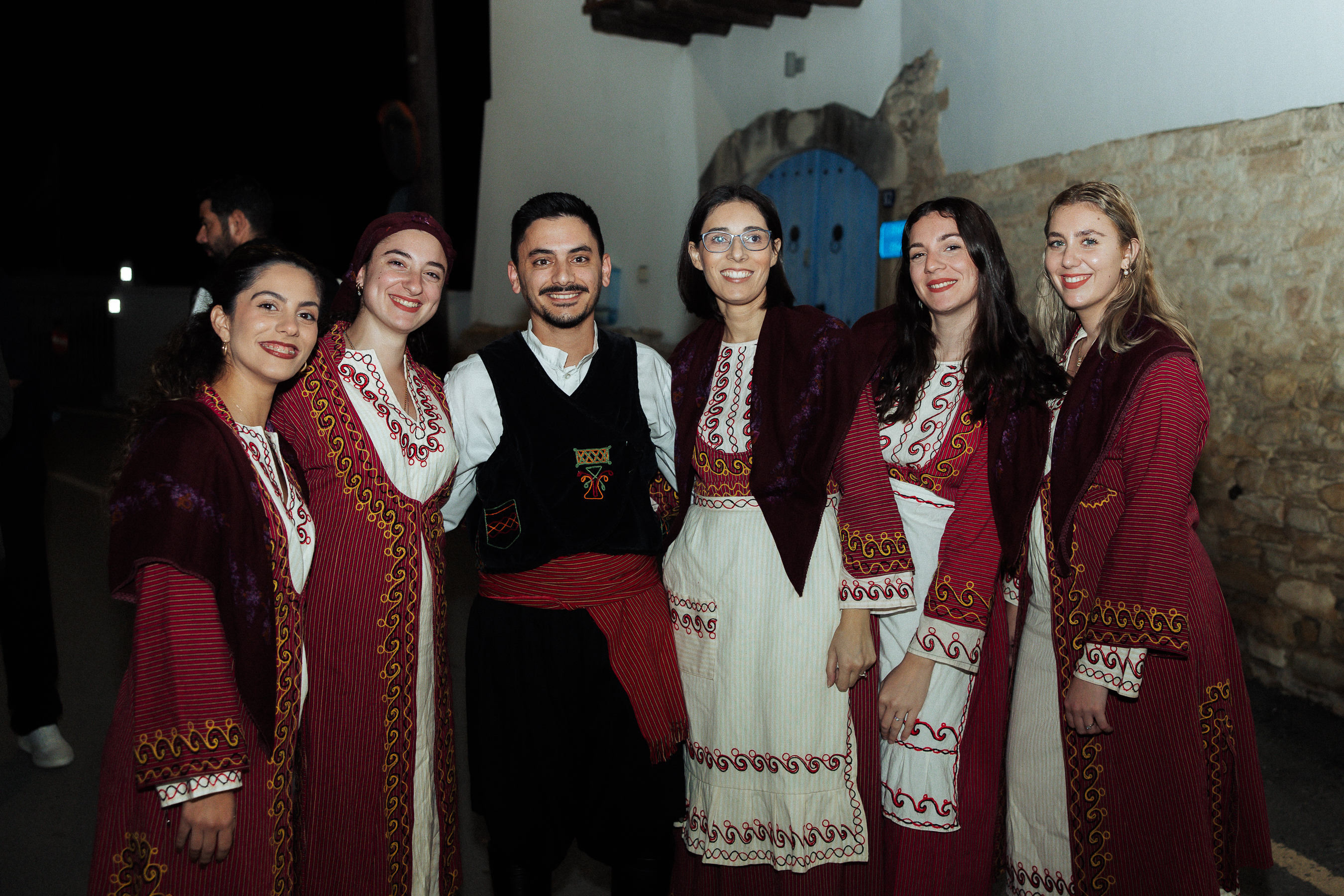
Her appearance was accompanied by traditional Cypriot dancing, bringing together the textile designs and the cultural practices that inspired them.
The exhibition reflects a growing interest in presenting local traditions through contemporary creative work.
For Athienou, where food production remains closely tied to the town’s identity, the collection offers another way to share its heritage with younger generations and audiences beyond Cyprus.
“I hope this exhibition encourages younger generations to look at our traditions with fresh eyes, to appreciate the people who keep them alive, and to realise that our cultural heritage can be a source of inspiration for contemporary creativity,” Pantelidis said.
Mosquitoes may be small, but in Cyprus they are an almost constant nuisance, present throughout the year, although the species and level of activity change with the seasons. But why do they seem to target some people more than others, and which measures to prevent them biting actually work?
The idea of a single ‘mosquito season’ is difficult to apply here. Head Entomologist and Principal Investigator at the laboratory of Vector Ecology and Applied Entomology, Joint Services Health Unit, British Forces Cyprus, Dr Angeliki F Martinou says that activity depends on the climate, the species of mosquito and even conditions within a specific neighbourhood or garden. Even when conditions across a large area are unsuitable for insect development, sheltered “pockets” may still provide the right conditions.
Mosquitoes depend on water for their development, so heavy rain followed by warm weather can contribute to their success. Martinou explains that when rainwater does not evaporate, it can become a mosquito breeding site. At temperatures of around 25C or above, she says, some species can complete their development within a week.
Rain is not required for mosquitoes to reproduce. Watering plants can result in small pools of water accumulating in flowerpot trays, containers, and other items that are found in gardens, especially when plants are watered in the evening. “Some mosquito species do not need a lot of water to develop, even a tablespoon of stagnant water is enough,” Martinou says.
Different species require different quantities of water to develop. The common house mosquito, Culex pipiens, which can transmit the West Nile virus, lays its eggs on the surface of water and requires a larger amount than some other species. It can breed in cesspools and septic tanks because it favours water containing organic matter. Martinou says the species has long been present in Cyprus and elsewhere in the Mediterranean.
By comparison, the Asian tiger mosquito, Aedes albopictus, and the yellow fever mosquito Aedes aegypti, can develop in much smaller quantities of water. Their eggs are laid on damp surfaces and are able to survive for months even after the water dries. They can then hatch when rain falls, or someone waters their garden.
Why mosquitoes bite some people more than others
Removing standing water may reduce the number of mosquitoes nearby, but it does not explain why two people sitting in the same garden can have very different experiences.
Mosquitoes sense the presence of a potential host through several cues. Carbon dioxide in a person’s exhaled breath, body odour, and heat are detected along with visual cues. Some individuals really are consistently more attractive than others. A 2022 study published in Cell found that skin odour samples from people with higher levels of certain carboxylic acids were more attractive to female Aedes aegypti mosquitoes. The differences between highly and weakly attractive participants remained stable over several years.
A person’s body temperature and skin microbiome may also affect their attractiveness. Sweat and dark clothing can also make it easier for mosquitoes to locate someone. Martinou says that some species, like the Asian tiger mosquito, may prefer to feed on people with type O blood, but body temperature, carbon dioxide and body odour play a big role. The idea of having “sweet blood,” she says, is probably more of a joking expression than a significant reason why someone gets bitten.
Which mosquitoes bite humans and how to avoid them
Angeliki Marinou
Only female mosquitoes take blood meals, which provide nutrients needed to develop their eggs. Both male and female mosquitoes also feed on nectar and pollen. Martinou says that, out of the estimated 3,500 species worldwide, only a small number prefer to bite humans or pose a risk to them. Depending on the species, females may obtain blood from birds, reptiles, amphibians and other mammals.
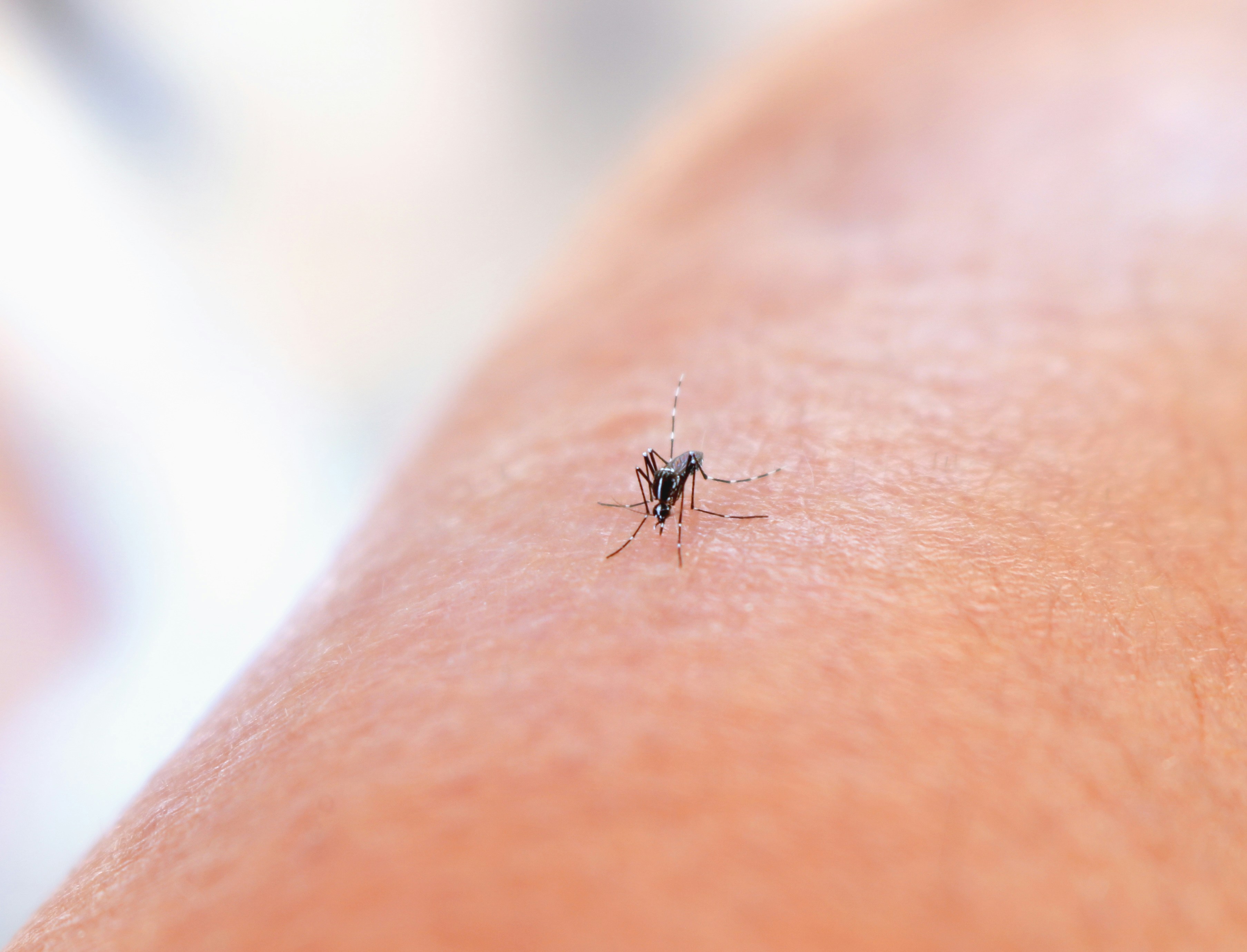
The Asian tiger mosquito mostly bites outdoors during the day. According to Martinou, it adapts very quickly to local conditions. Residents have reported seeing this mosquito entering houses. Martinou suggests it may be seeking cooler indoor conditions when outdoor temperatures are particularly high.
The most effective means of protection begins by limiting your exposure. Martinou recommends repellents containing DEET, light coloured clothes, and mosquito nets on windows and doors. Essential oils such as citronella may offer some protection, though this usually wears off after one or two hours. Other solutions such as coils, candles and plug in devices can also help, although the effectiveness varies depending on the mosquito species.
Preventative measures around the home should not be overlooked. Things that require regular checking for standing water are flowerpot trays, pet bowls, toys, rain gutters, and poorly maintained swimming pools. Martinou cautions against overreliance on chemical spraying, as mosquitoes can develop resistance to insecticides, possibly making them less effective when they are genuinely needed during an outbreak. There is no easy way out; a combination of repellent, suitable clothing, screens, and removal of breeding sites offers the best defence against bites.
Typography and coloring may seem unrelated, but both depend on the same design principle: provide enough structure to guide the eye while leaving room for interpretation. A lettering tattoo must be readable and visually balanced. A coloring page must offer clear regions without forcing every user to make the same creative choices.
The most successful projects begin with a simple concept and develop through controlled experimentation. Instead of selecting the first attractive font or generating a page filled with random patterns, designers can evaluate spacing, scale, contrast, and emotional tone. These decisions create work that looks intentional rather than merely decorated.
1. Start With the Words and Their Emotional Tone
Lettering should express the personality of the phrase. A calm reminder, a bold statement, and a memorial line should not all use the same visual treatment.
Study the shape of the phrase
Count the words, notice repeated letters, and look at the overall width. A short phrase can support expressive flourishes, while a long sentence may need a restrained structure. The letterforms should remain comfortable at the intended tattoo size.
Choose a visual mood
Serif lettering can feel traditional or literary. Sans-serif forms often appear clean and modern. Script can suggest intimacy or movement, but it requires careful spacing. Decorative display lettering may work for a single word while becoming difficult to read across a full sentence.
Consider how the phrase will age
Very thin strokes, tight counters, and narrow gaps can lose clarity as ink spreads slightly over time. A design that looks elegant on a large screen may need heavier strokes and more generous spacing before it is suitable for skin.
2. Explore lettering without losing control
Fast visual experimentation is useful when it supports decisions rather than replacing them.
Use a font tattoo generator to compare directions
A font tattoo generator can help compare lettering moods, proportions, and visual treatments before a final custom design is drawn. Generate several contrasting options instead of dozens of minor variations. Compare them at the intended size and from a normal reading distance.
Refine the details manually
Generated lettering often needs adjustment. Check the distance between repeated letters, the thickness of joins, the shape of capitals, and the endings of swashes. If a flourish makes a letter harder to recognize, remove it. Customization should improve the phrase rather than turn it into an ornament that cannot be read.
Test different orientations
A phrase may work horizontally, vertically, along a curve, or as a circular composition. The best orientation depends on placement. Mock up the lettering on the body area and view it while relaxed and moving.
3. Connect Lettering With Supporting Pattern
Lettering rarely exists alone. Small symbols, borders, leaves, stars, or geometric marks can support the phrase, but they should reinforce the hierarchy.
Create a dominant element
The viewer should know whether the words or the illustration are primary. If both elements have the same visual weight, the design may feel crowded. Make the supporting pattern lighter, simpler, or more open.
Repeat forms with variation
Repeating a shape creates rhythm. Small changes in scale or orientation keep the pattern from feeling mechanical. For a tattoo, repetition should remain simple enough to survive the limitations of skin and placement.
Leave space around the text
Whitespace protects readability. A border that touches every letter can make the phrase feel cramped. Leave a buffer zone around important words and inspect the design after reducing it to the final size.
4. Turn Typography Into a Coloring Experience
Coloring pages benefit from the same principles as lettering tattoos: hierarchy, spacing, and clear forms. Typography can become the central subject of a page or a supporting element inside a larger scene.
Use the coloring page generator for structured exploration
A coloring page generator can help develop printable compositions with large shapes, decorative patterns, and themed scenes. Once a draft is created, inspect whether the letters and objects remain distinct. Remove small fragments that do not create a meaningful coloring area.
Design letters as shapes
Large outlined letters can hold patterns, leaves, animals, or geometric details. The internal pattern should support the letter’s identity rather than obscure it. Keep enough open space for comfortable coloring and make sure counters remain visible.
Build a gradual difficulty curve
A collection can begin with simple letters and progress toward more detailed compositions. This lets users develop confidence without making the first activity overwhelming. A page for adults can include complex patterns, but it should still contain larger anchor regions that provide visual rest.
5. Use Contrast to Guide Attention
Contrast is not limited to black and white. It can come from line weight, density, scale, spacing, or the relationship between solid and open areas.
Control line density
If every part of a page is equally detailed, the eye has nowhere to settle. Concentrate pattern around the focal word or subject and leave quieter areas nearby. This makes the design easier to navigate and more satisfying to complete.
Keep the title or phrase readable
Whether the phrase is tattooed or printed, readability should be tested without explanation. Show the design to someone who has not seen the brief and ask what they can read. If they need help interpreting the letters, simplify the style.
Plan for different viewing distances
A tattoo may be seen in a mirror, across a room, or in a photograph. A coloring page may be viewed on a screen or printed at home. Check the design in each context and adjust the strongest visual signal accordingly.
6. Prepare Files for Real Use
The final file should be easy for another person to review, print, or adapt.
Include a clean version
Provide a high-resolution black-and-white version without unnecessary backgrounds. Keep the working file separate if the designer or tattoo artist may need to edit individual layers.
Check line consistency
Uneven lines can be intentional, but accidental changes may make the design feel unfinished. Inspect intersections, repeated patterns, and tight corners at 100 percent view.
Print before delivery
Print the coloring version on ordinary paper. For lettering tattoos, print the phrase at the intended body scale and place it over a photograph or temporary mockup. These tests reveal spacing and proportion problems that are easy to miss on a large monitor.
7. Make the Design Personal Without Making It Confusing
Personal details give a project emotional value, but too many private symbols can make the design difficult for anyone else to understand. Select one or two meaningful details and allow the rest of the composition to remain clear.
Use symbolism with restraint
A small object can carry more meaning than a crowded collection of icons. Choose symbols that connect naturally to the phrase or subject. Explain the relationship in the creative brief so the final arrangement feels intentional.
Keep room for interpretation
Coloring activities become more rewarding when there is no single correct answer. Let users choose their own palette, pattern, and emphasis. The design should provide a framework rather than a rigid instruction sheet.
Conclusion
Lettering tattoos and coloring pages succeed when structure and freedom support each other. Start with the words, choose a visual mood, test typography at a real scale, and use patterns to reinforce rather than overwhelm the main idea. Generators can accelerate exploration, but editing and testing determine whether the result is readable, printable, and meaningful.
Good design gives the viewer a clear way in and enough space to make the work their own. That is true whether the final result is permanent ink, a framed lettering piece, or a page filled with color.
DISCLAIMER – “Views Expressed Disclaimer– The information provided in this content is intended for general informational purposes only and should not be considered financial, investment, legal, tax, or health advice, nor relied upon as a substitute for professional guidance tailored to your personal circumstances. The opinions expressed are solely those of the author and do not necessarily represent the views of any other individual, organization, agency, employer, or company, including NEO CYMED PUBLISHING LIMITED (operating under the name Cyprus-Mail).
Cyprus loves to eat. That is no secret and thankfully there is no shortage of places to chose. The island has award-winning restaurants, recognised by top industry professionals and venues that are little more than a hole in the wall, but which are the ones locals love eating at? The first People’s Eating Awards by Cyprus Eats aim to find out, putting the choice firmly in just the public’s hands.
‘You eat here. You decide’ says the awards’ tagline. Hosted by Cyprus Eats, one of the most popular and trusted food content creators on the island, the awards give the power to the people to choose the venues they love the most.
Public vote spans 22 categories
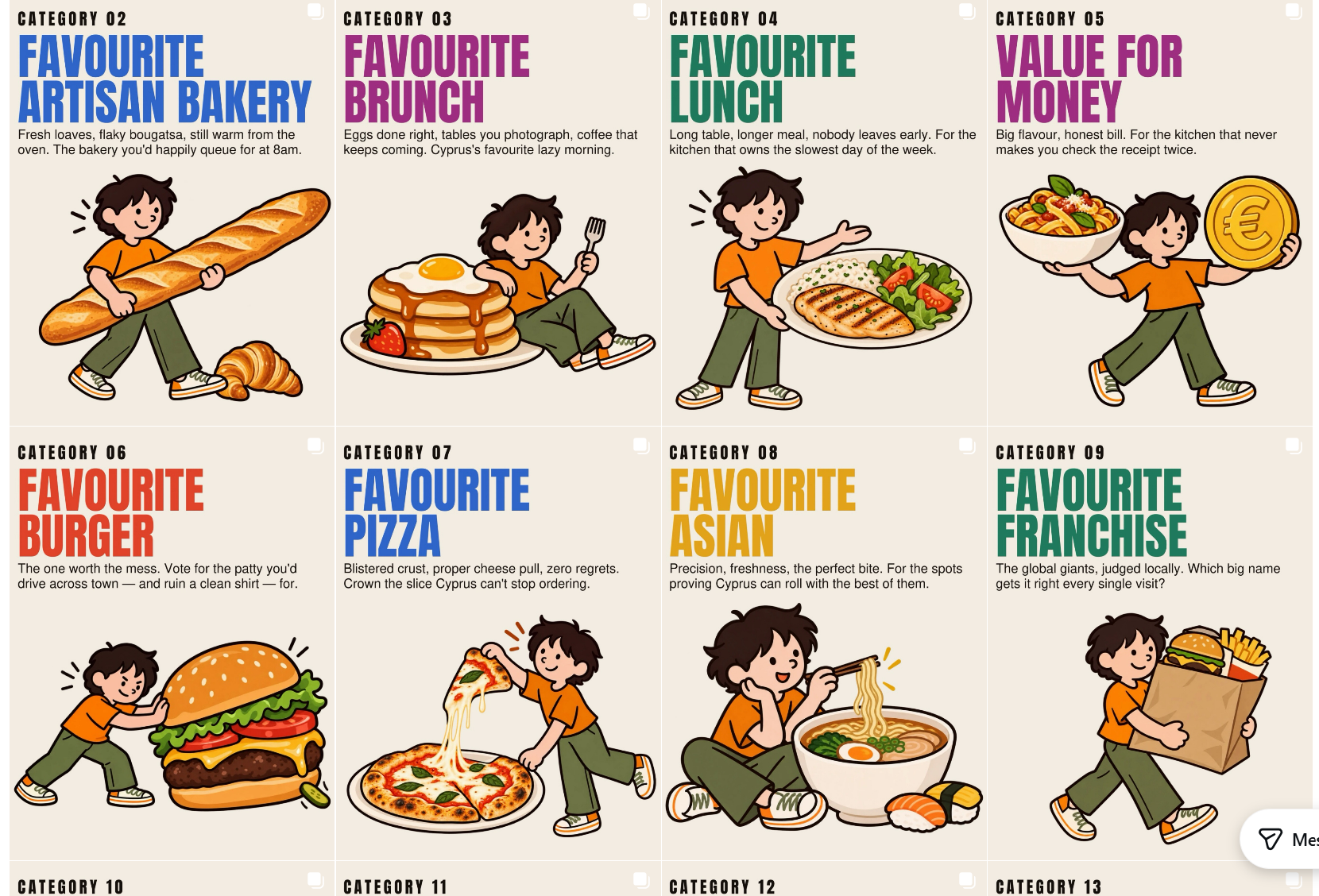
Until November 15, the public can vote across 22 categories, with the winners to be announced at a special awards ceremony on December 7. Alongside familiar categories such as favourite brunch spot, souvlaki joint and burger venue, there are more unusual ones, including Value for Money, Taste of Cyprus Award and Favourite Social Media Account.
“The people have been asking me for these awards,” says Cyprus Eats’ Akis. Across his eight years in the food blogging scene, he has not only reviewed hundreds of restaurants but has become a consultant and a connoisseur of the dining world, trusted by both restaurateurs and the public.
“I’ve tried many restaurants, locally and abroad. Cyprus has nothing to be jealous of overseas; we have great restaurants here,” he says.
“These awards are not about featuring my favourites, or collaborations, and I want to make that clear. Actually, about 70 per cent of the restaurants in the awards I probably haven’t even been to, or have never covered.”
Some of the award categories
Transparency and public participation have been central to the process. With an IT background, Akis spent the past year and a half building the voting platform. Once the system was finalised this summer, he invited a committee of 15 food bloggers and content creators to select the top 10 restaurants in each category.
“We did this Eurovision-style. Each category had at least 50 or 60 restaurants to choose from, and they would give 12 points to their favourite, 10 to the second favourite and so on. We looked at over 700 restaurants! The top 10 in each category were then selected.”
Voting system designed to ensure fairness
Some restaurants appear in more than one category, while others have landed in unexpected ones. A burger joint, for instance, might also be competing for Favourite Social Media Account, while a brunch spot might feature in the Sweet Tooth Award category instead of the brunch shortlist.
“Some restaurants were confused about the category they were nominated in if it wasn’t their speciality per se,” Akis explains. “But they were probably nominated in their correct category initially, just didn’t make the top 10 of that category. But if they are included in the top 10 of another category, it’s still a win!”
Restaurants were informed of their nominations only after the results were made public. The voting platform also randomises the order in which nominees appear, reshuffling the list each time someone returns to a category.
“People might not scroll down to the bottom or see only the first three, and I didn’t want that,” says Akis. “I wanted to give everyone a fair opportunity.”
There are plenty of hidden treasures to discover within the voting platform, and Cyprus Eats is preparing a video series about them. For example, the site includes games that unlock once a voter has cast a vote in all 22 categories. The top scorer in each game wins a prize, while those who complete all categories are entered into a draw to win 500 credits on their Bolt Food account, provided by the awards’ platinum sponsor.
A few more gifts are hidden and will be revealed throughout the next four weeks. Made to be interactive and attractive, CyprusEats still encourages people to be mindful when they vote. “Don’t just vote randomly to enter the draw,” Akis advises, “choose wisely as your voice matters.”
Some outlets will not be in the category they think most suitable
Plans for a more inclusive awards ceremony
The winners will be announced on December 7 at an invitation-only awards ceremony, which was not how Cyprus Eats originally envisioned the event.
“I’m going to be honest. I really wanted the people to be at the awards, and it was going to be at a street food event with food and activities. Not a black-tie event but something for the people, by the people.”
But with time running short, it was too complicated to organise it for this winter. That is the plan, however, for the second People’s Eating Awards next year, and Cyprus Eats has more ideas up its sleeve – a larger committee with the possibility of including everyday people to have more diversity and more voices. It is the People’s Awards, after all.
Votes are already coming in and so far, the data is unexpected. Restaurants that typically are the critics’ first choice are not necessarily the people’s.
“Everyday people eat and value differently,” concludes Akis. “The number one restaurant of Cyprus isn’t really number one because not everyone eats there. So, this is what my awards are. It’s not about the best, but the public’s favourite, and that’s important to recognise because they are doing something right. They are winning the people, and perhaps, that’s more important.”

 Login