Login

No timetable for delayed Limassol-Saittas road
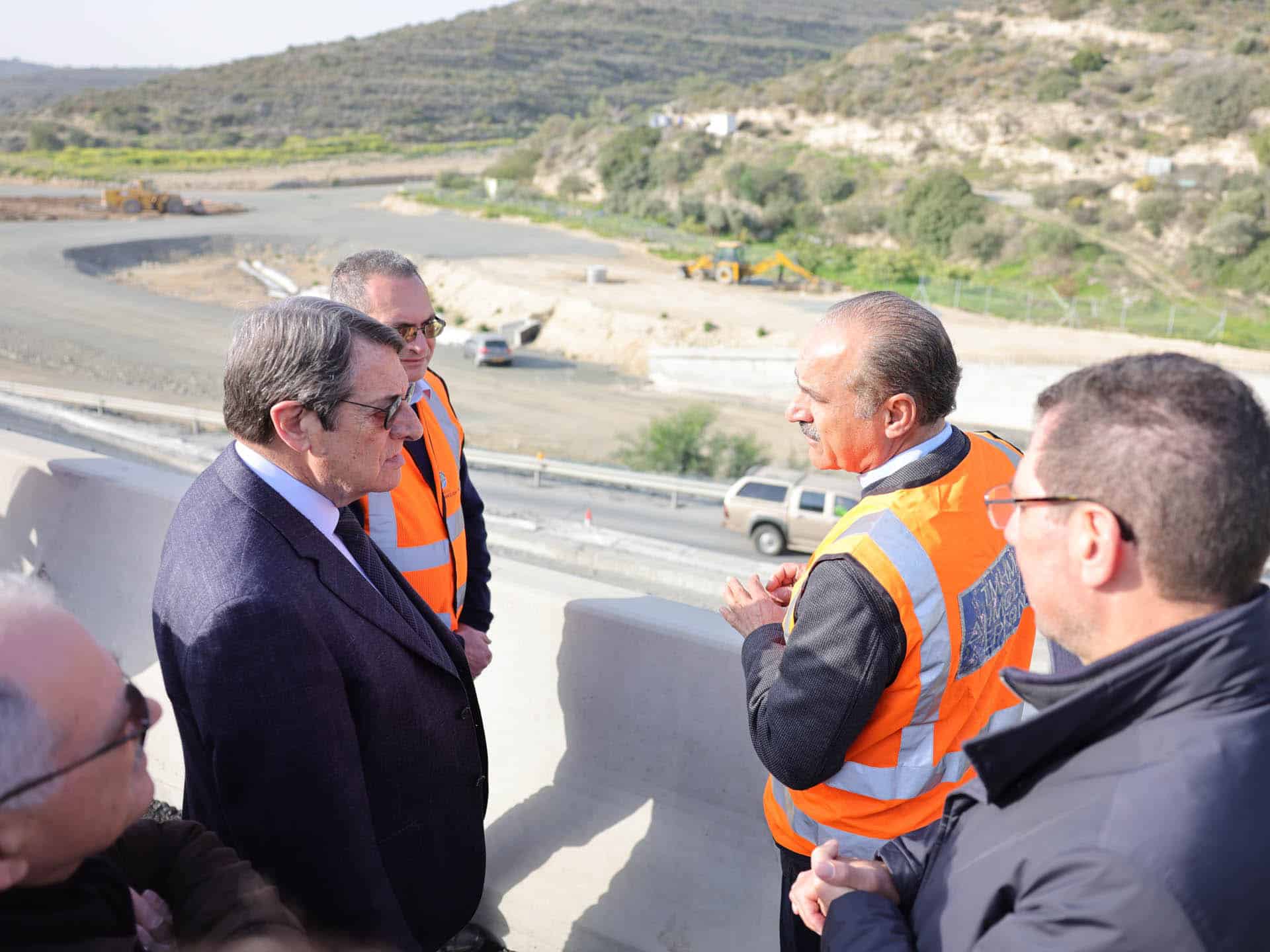
No timetable has been set for the next stages of the Limassol-Saittas road project, despite the government acknowledging delays and reaffirming that the road remains a priority.
The issue was discussed on Thursday at the House transport committee, where Transport Minister Evie Tsolaki stressed the need for coordination between ministries and government departments, noting that sections of the planned road pass through protected Natura 2000 areas.
The environment department told MPs that it expected to issue its assessment by December.
According to Stockwatch, Tsolaki declined to provide a timetable for the next stages of construction, pending the completion of the necessary environmental studies.
MPs and representatives of Limassol’s mountainous and semi-mountainous communities expressed concern over the delays, warning that inadequate road infrastructure was making commuting difficult, posing safety risks and hampering development in rural areas.
Responding to criticism over the order in which construction had begun, Tsolaki said priority had been given to the most heavily used sections of the road.
She added that the government was dealing with longstanding problems concerning the project that predated its term in office.
Despite assurances from the environment department that its assessment would be ready before the end of the year, Tsolaki did not commit to launching a tender in the first half of 2027.
MPs also raised concerns about funding, seeking assurances that the necessary resources would be available.
The finance ministry said it did not anticipate difficulties in releasing funds, provided the project moved forward.
The commissioner for mountainous areas said the Limassol-Saittas road was included in the national strategy for the development of mountainous communities, as it would improve access and strengthen connections with Limassol.
A representative of the union of communities expressed disappointment over the delays, highlighting the difficulties faced by residents, including traffic congestion and lengthy commuting times.
Meanwhile, a representative of the Troodos community complex described completion of the road as essential for the region’s development, arguing that improved accessibility would help retain the population of mountainous communities.
Disy MPs questioned the reasons for the delays and argued that rural areas contributed more to the economy than they received in public investment.
They stressed that infrastructure projects should not be assessed solely on their economic viability, but should also take into account the needs of local communities.
MPs also questioned the effectiveness of coordination between the ministries involved.
Akel MPs challenged the reliability of government timetables, pointing out that residents of mountainous communities faced disproportionately high commuting costs because of long travelling distances and rising fuel prices.
They said a 3.5km section had saved commuters ten minutes and called on the finance ministry to commit to releasing funds.
Road safety was another concern raised during the discussion, with MPs saying nine people had lost their lives in accidents on the road.
Elam argued that Limassol was lagging behind in major public infrastructure projects despite its strong economic activity and private sector performance.
Direct Democracy, meanwhile, warned that it would not vote in favour of the budget unless the Limassol-Saittas road project was included.
The issue is expected to be discussed again at the House transport committee’s next meeting.