❌

Reading view

Majority of Australians who report penicillin allergy not truly allergic

Peak body for immunologists changes guidelines as evidence shows up to 90% of those reporting allergy don’t have one

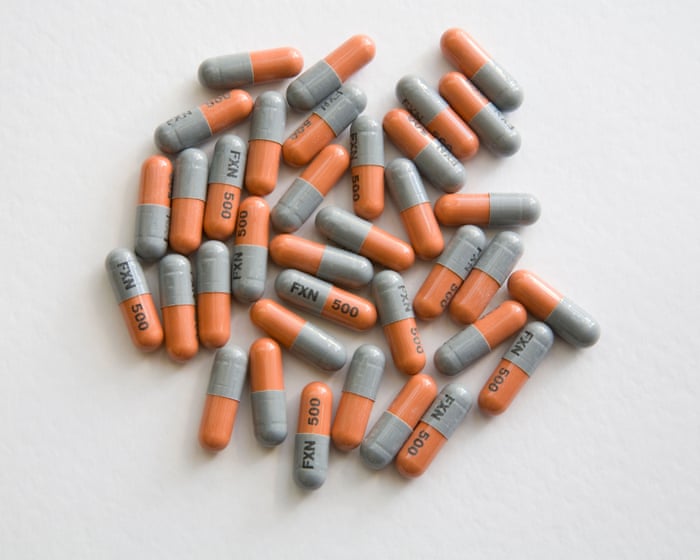
The majority of Australians who report a penicillin allergy are not truly allergic, prompting the peak body for immunologists to change its guidelines in a bid to reduce hospital stays and tackle antimicrobial resistance.

Penicillin, one of the most commonly prescribed antibiotics in Australia, was thought to cause allergies in 10% of Australians, or about 2.8 million people.

Continue reading...

© Photograph: Ange/Alamy

© Photograph: Ange/Alamy
© Photograph: Ange/Alamy

  •  

Australian researchers identify new subtype of depression linked to body clock disruptions

Study identifies ‘circadian depression’ as affecting nearly a quarter of more than 11,000 participants

Australian researchers have identified a new subtype of depression – termed “circadian depression” – linked to disruptions in the body’s internal clock, which they believe is less responsive to traditional antidepressant treatments.

In a study published in British Journal of Psychiatry, involving clinical and genetic data from 11,380 Australians with mostly severe and recurrent depression, researchers identified circadian depression as affecting nearly a quarter (23%) of participants.

Continue reading...

© Photograph: milos-kreckovic/Getty Images

© Photograph: milos-kreckovic/Getty Images

© Photograph: milos-kreckovic/Getty Images

  •  

Warning signs could predict inflammatory bowel disease a decade before diagnosis

Antibody patterns in the blood may help doctors identify people at risk so they can be treated earlier, research shows

Patterns of antibodies in people’s blood could predict the onset of inflammatory bowel disease (IBD) a decade before diagnosis, according to research that raises hopes for catching the condition early.

Crohn’s disease and ulcerative colitis, the two main forms of IBD, are typically treated only after symptoms appear, when the gut has already been damaged. But scientists found that the immune system sends warning signals up to a decade before diagnosis, paving the way for potentially earlier detection and even prevention.

Continue reading...

© Photograph: Teodor Lazarev/Alamy

© Photograph: Teodor Lazarev/Alamy

© Photograph: Teodor Lazarev/Alamy

  •  
❌