❌

Reading view

Anduril Dives Into Submarine Construction With New Baltimore Plant

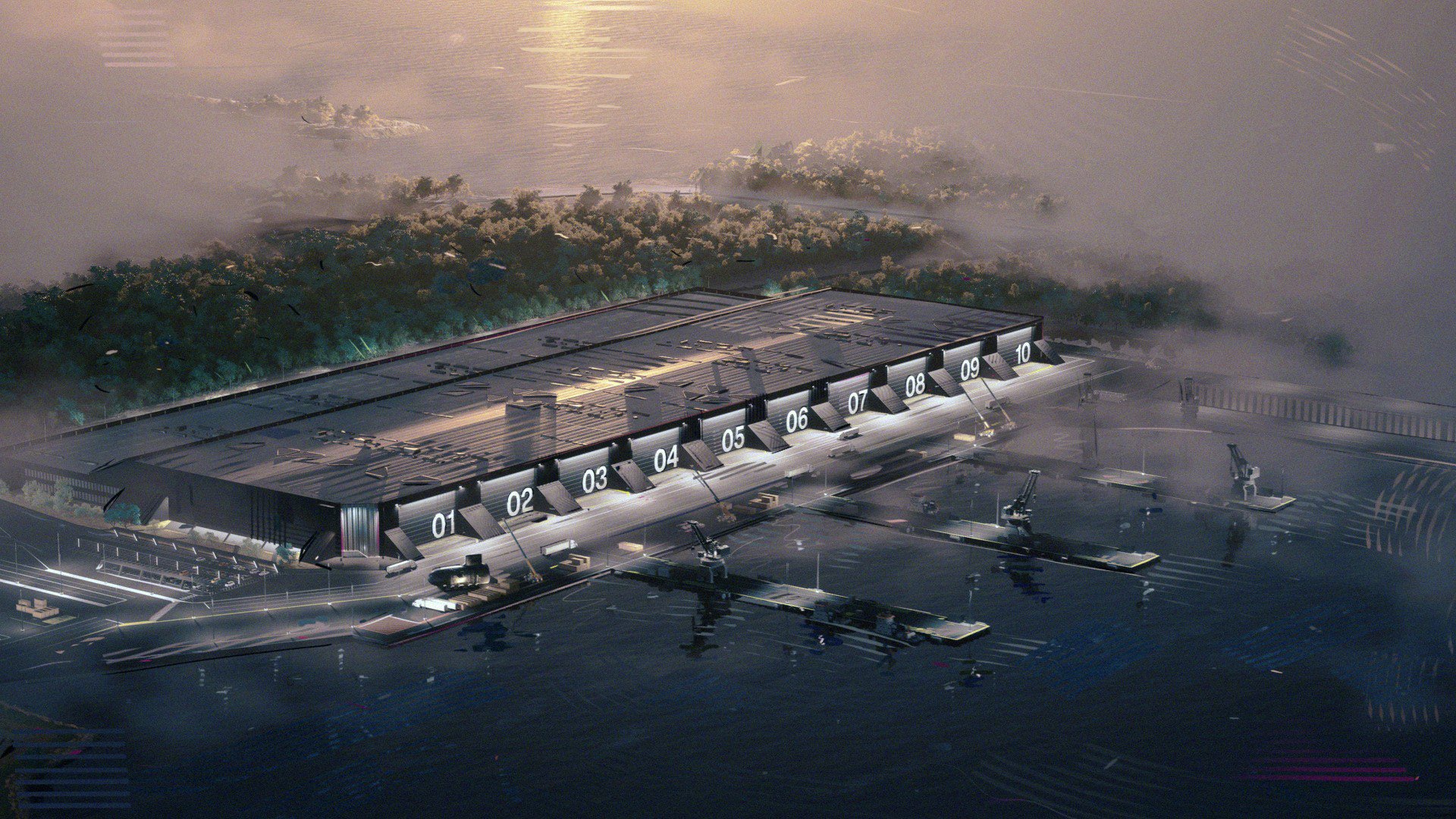
As part of its overall effort to boost America’s flagging shipbuilding capacity, the Trump administration on Tuesday announced that Anduril is building a new two-million-square-foot facility in Baltimore designed to help speed up the production of Virginia class nuclear-powered attack submarines. The plant, dubbed Arsenal-2, will eventually produce components like torpedo tubes and spherical air flasks, which will then be sent to the two shipyards that build nuclear submarines, General Dynamics Electric Boat and Huntington Ingalls Industries’ Newport News Shipbuilding. Anduril’s plan to build complex submarine components is a huge leap for a company with a shipbuilding portfolio consisting of a limited number of smaller craft.

The submarine component plant announcement was made as the Navy is struggling to keep up with its goal of producing two of these boats per year amid a wider issue of construction and delivery delays across the service. However, it will be years before the first Anduril-produced components are placed on a submarine, with no specific timelines for that effort yet established, an industry official told us. We will discuss that in greater detail later in this story.
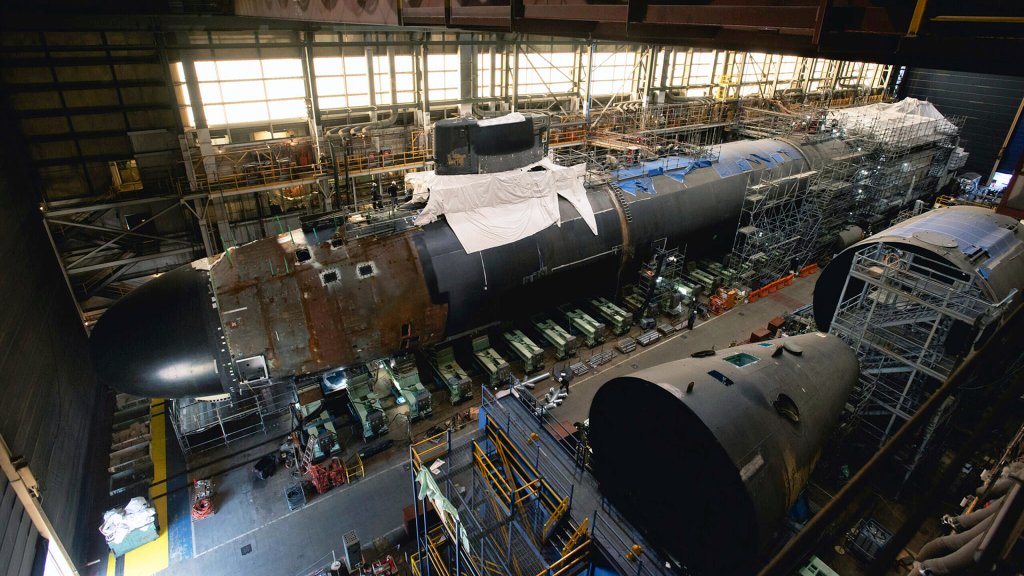
Australia will buy up to five Virginia class submarines from the US.
A Virginia class submarine under construction. (HII) HII

“Today’s $6.6 billion investment represents the president’s commitment to restoring American maritime dominance by constructing new vessels in communities like Baltimore and across the country,” White House spokesperson Anna Kelly told a group of reporters, including from TWZ, at a Tuesday morning press conference.

Those funds include a $3.7 billion investment from Anduril to build and staff the new facility, and a contract worth up to $2.9 billion awarded to Anduril by the Navy to produce the components.

“The Virginia class submarine program is one of the most critical warfighting capabilities that our nation has that guarantees deterrence every single day,” Anduril President and Chief Strategy Officer Chris Brose stated. “It is also a program that has been challenged in terms of the ability to meet the Navy’s requirements. So we’re, as a nation, not necessarily where we need to be, and that’s not because of our shipyard workers.”

The Navy currently has 26 Virginia class boats, with two more expected to be commissioned next spring, a senior administration official told reporters on Tuesday. Another 31 vessels are still needed to meet the Navy’s overall plan to have 59 Virginia class boats.
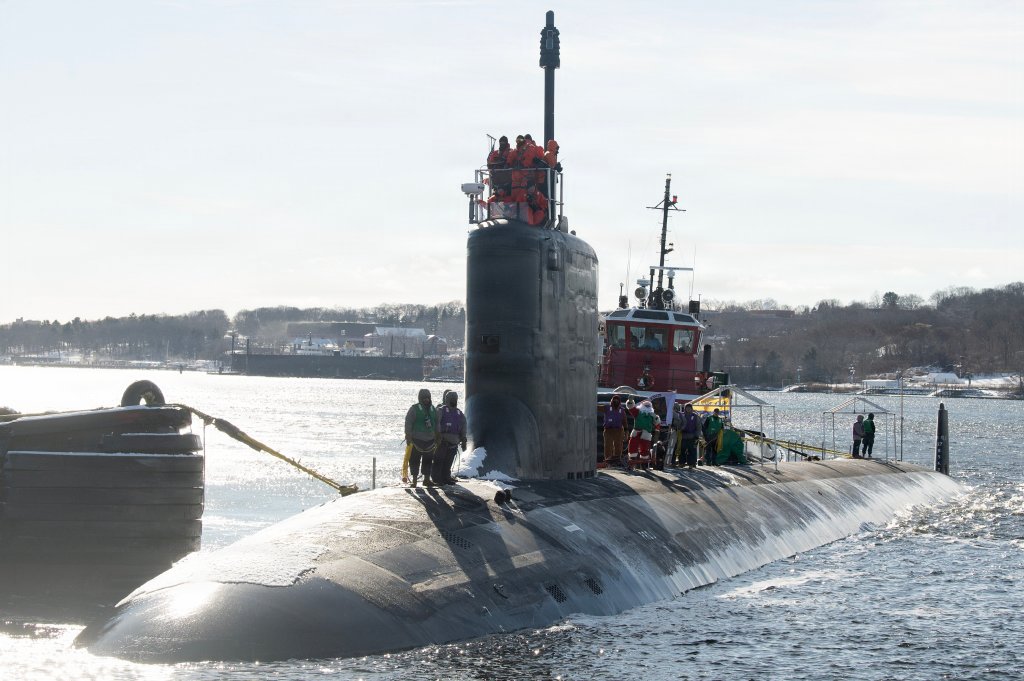
The future USS Idaho (SSN 799) pulls into Submarine Base New London in Groton, Conn. for the first time on Monday, December 15, 2025. The future USS Idaho was delivered to the Navy from General Dynamics Electric Boat shipbuilding facility down river after recently completing a series of at-sea testing. When commissioned in the spring, Idaho will be the 26th Virginia class attack submarine and fifth U.S. Navy ship to be named for the Gem State. (U.S. Navy Photo by John Narewski)
The USS Idaho (SSN 799) pulls into Submarine Base New London in Groton, Connecticut, for the first time on Monday, Dec. 15, 2025. When commissioned, it became the 26th Virginia class attack submarine and fifth U.S. Navy ship to be named for the Gem State. (U.S. Navy Photo by John Narewski) John Narewski

However, while the Navy has been buying them at a rate of two per year from Fiscal Year 2011 through Fiscal Year 2024, “the actual Virginia class production rate has never reached 2.0 boats per year, and since 2022 has been limited by shipyard and supplier firm workforce and supply chain challenges to about 1.1 to 1.2 boats per year, resulting in a growing backlog of boats procured but not yet built,” according to a Congressional Research Service (CRS) report published in January. “Key drivers of the drop in production include workforce challenges, first-time quality, material and supplier delays, and lead ship issues associated with the Virginia Payload Module [VPM] variant. The Navy is working closely with the shipbuilders to drive improvement throughout the Virginia enterprise.”

The VPM is an 84-foot hull extension that contains four additional large vertical tubes designed to launch Tomahawk land-attack cruise missiles, Intermediate-Range Conventional Prompt Strike (IRCPS) hypersonic missiles, and other payloads. You can read more about the Navy’s VPM plans in our story here.
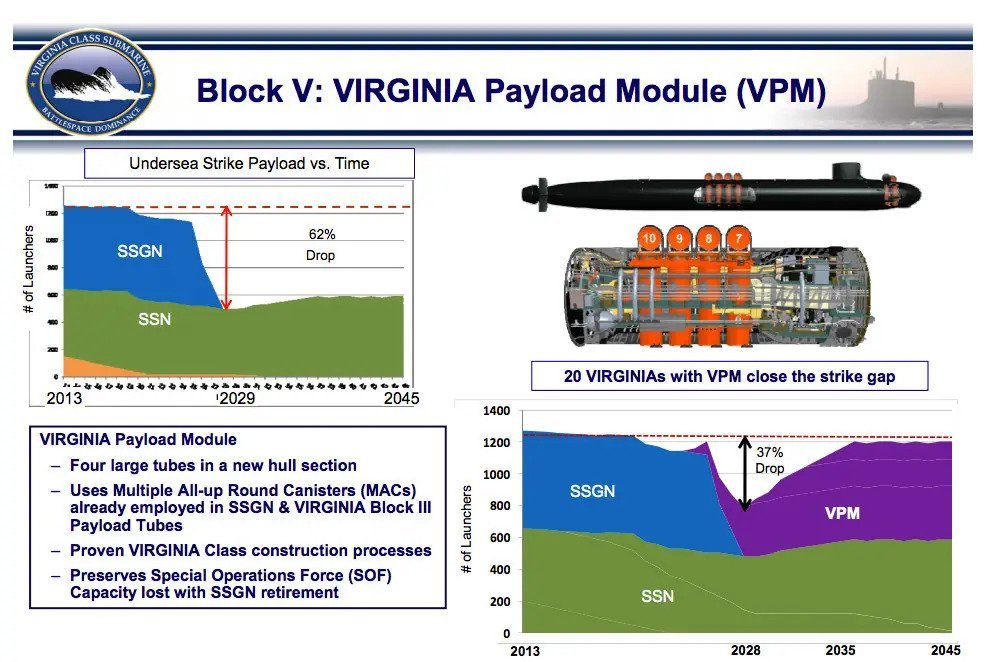
A briefing slide with details about the Virginia Payload Module (VPM) that will be added to the Block V Virginia class submarines. USN

Adding to the strain on production and delivery, Australia is set to get one new-build Virginia class boat and two from the U.S. Navy’s fleet under the 2021 trilateral AUKUS nuclear submarine acquisition deal with the United States and the United Kingdom.

In May, Chief of Naval Operations Adm. Daryl Caudle told Congress that the service would meet its two-boat-a-year delivery rate by 2032.

During Tuesday’s press conference, officials laid out claims that the new Anduril plant will address several of the issues that have slowed down the construction and delivery of these submarines.

“If you look at this in terms of capacity, the potential based on the area and what Anduril plans to do is to add about 9 million hours of labor a year at this facility,” stated a senior administration official, who, like others on Tuesday spoke on condition of anonymity. “That would be the equivalent of about a 15% increase, and so that would be directly translatable to Virginia class submarine production. So having those torpedo tubes earlier would let us move production of current Virginia submarines under construction faster.”
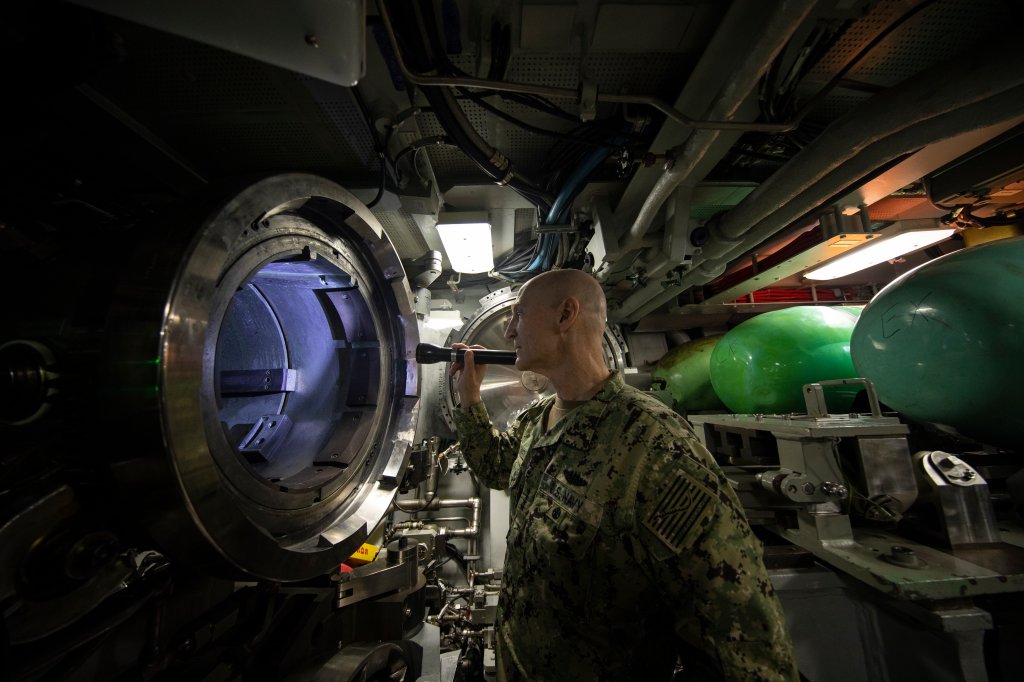
BEAUFORT SEA, Arctic Circle (March 6, 2022) – Adm. Frank Caldwell, Jr., director of the Naval Nuclear Propulsion Program, examines a torpedo tube aboard the Virginia-class fast attack submarine USS Illinois (SSN 786) during Ice Exercise (ICEX) 2022. ICEX 2022 is a three-week exercise that allows the Navy to assess its operational readiness in the Arctic, increase experience in the region, advance understanding of the Arctic environment, and continue to develop relationships with other services, allies, and partner organizations. (U.S. Navy photo by Mass Communication Specialist 1st Class Alfred Coffield/Released)
Adm. Frank Caldwell, Jr., director of the Naval Nuclear Propulsion Program, examines a torpedo tube aboard the Virginia class fast attack submarine USS Illinois (SSN 786) during Ice Exercise (ICEX) 2022. (U.S. Navy photo by Mass Communication Specialist 1st Class Alfred Coffield/Released) Petty Officer 1st Class Alfred Coffield

In addition, Anduril plans to draw on a huge potential workforce to staff the plant.

“If you basically draw like a one-hour radius around the Baltimore County area, there are millions and millions of people who could potentially contribute and work at this shipyard, and that is a huge selling point for us,” an industry official suggested.
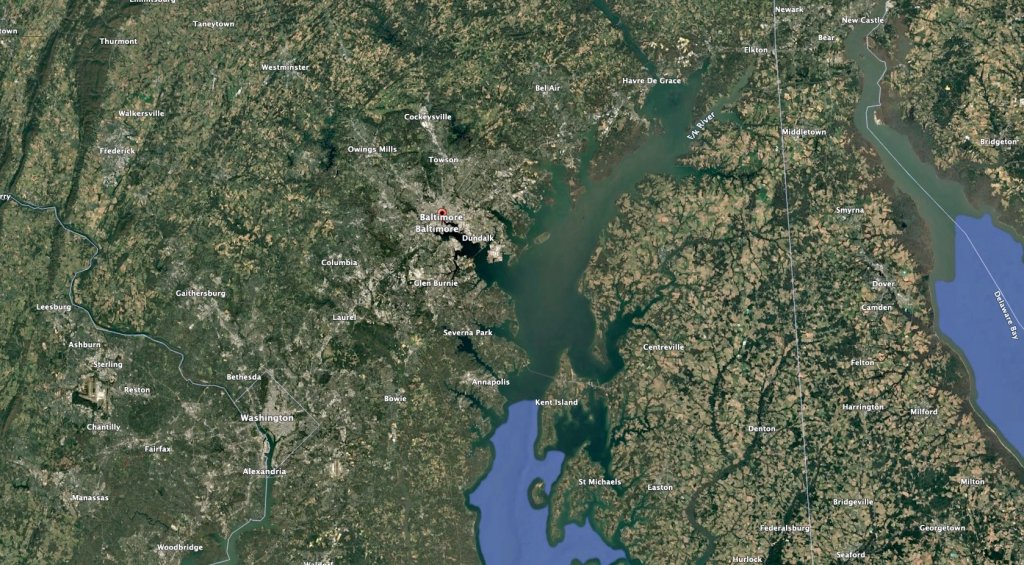
The greater Baltimore area. (Google Earth)

Beyond producing components like torpedo tubes, Anduril aspires to eventually build “full ship sections, bows, sterns, etc.” at Arsenal-2, the industry official added.

Anduril said Arsenal-2 will be “purpose-built” for the “high-volume, high-precision production of undersea naval capabilities.”

“The shipyard’s layout is optimized for production,” the company stated in a media release. “Reduced distances between fabrication, assembly, testing, and integration areas eliminate the staging bottlenecks that slow conventional yards.”

“A functional 1,200-foot graving dock and multimodal road and rail access support large-scale component movement,” Anduril added. “High-bay assembly halls, adjacent fabrication areas, and reconfigurable production lines allow the yard to shift rapidly as Navy requirements evolve.”

ArsenalOS, Anduril’s industrial software platform, “will provide the digital backbone for the yard and its production systems,” the company further pointed out. “It will connect fabrication workflows, outfitting sequences, material movement, inspection protocols, and documentation requirements in a single system, giving workers and managers real-time visibility into the state of production. Digital work instructions, embedded quality controls, modern sensing, and automation will support the expertise of welders, pipefitters, electricians, shipfitters, inspectors, and other skilled trades.”

Anduril claims the project “will create 3,100 direct jobs and support more than 11,000 indirect jobs. The site will drive $2 billion in annual economic output, including an estimated $312 million in wages each year.”

Before Arsenal-2 is up and running, Anduril said it plans to “manufacture critical Virginia class submarine components at a new 160,000-square-foot facility in Orange County, California, purpose-built to support key submarine construction processes and SUBSAFE-qualified production qualification [efforts].”

The Orange County facility will give Anduril “a two-year operational head start to develop and validate manufacturing methods, production workflows, and quality systems before  Arsenal-2 comes online,” the company noted. “It will support prototyping and production of Virginia-class test assets and critical maritime components, including torpedo tubes, while allowing Anduril to recruit and train the early workforce on the systems and standards that will ultimately scale at Arsenal-2. Once Arsenal-2 comes online, the Orange County facility will continue supporting broader maritime manufacturing efforts across Anduril’s industrial network.”

As we noted earlier in this piece, it will be years before anything produced by Anduril winds up on a sub. In addition to recruiting and training a workforce to build the components and ensuring the production system can meet goals, the parts then have to be tested to ensure they are safe enough to place on boats.

The industry official told TWZ that there is no schedule yet for when that will happen.

“We are starting this work now,” the industry official said. “We’re going to be working quickly. There’s a lot we’re going to have to do to prove the ability to produce the initial components – the torpedo tubes. We’re going to have to work with our partners in industry and partners in government on the certification. So it’s really not possible to put a time stamp on it as much as I’d like to.”

“I think our goal, and I know this is shared by the administration, is to go as fast as possible while keeping the bar of safety as high as it needs to be, and try to get these systems certified so that they go into the production of boats… and solve the critical limiting factor currently in our supply chain, and help our industry partners produce more submarines.”

Arsenal-2 follows the development of Anduril’s Arsenal-1 plant in Ohio, first announced two years ago. That five-million-square-foot facility, once fully up and running, will be able to “produce tens of thousands of autonomous weapons systems addressing the urgent needs of the United States and our allies,” the company said at the time.
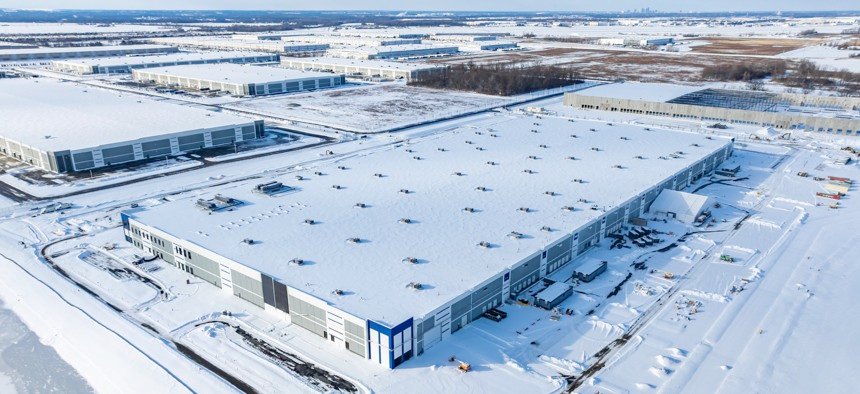
Anduril’s Arsenal-1 plant in Ohio. (Anduril)

Arsenal-1, however, remains a work in progress, with more construction work yet to be done. Still, Anduril’s first product from that plant, the U.S. Air Force’s Collaborative Combat Aircraft (CCA) known as the YFQ-44A Fury, rolled off the assembly line there in July. That milestone met the company’s initial production schedule announced in January 2025, according to JobsOhio, the state’s business development arm.
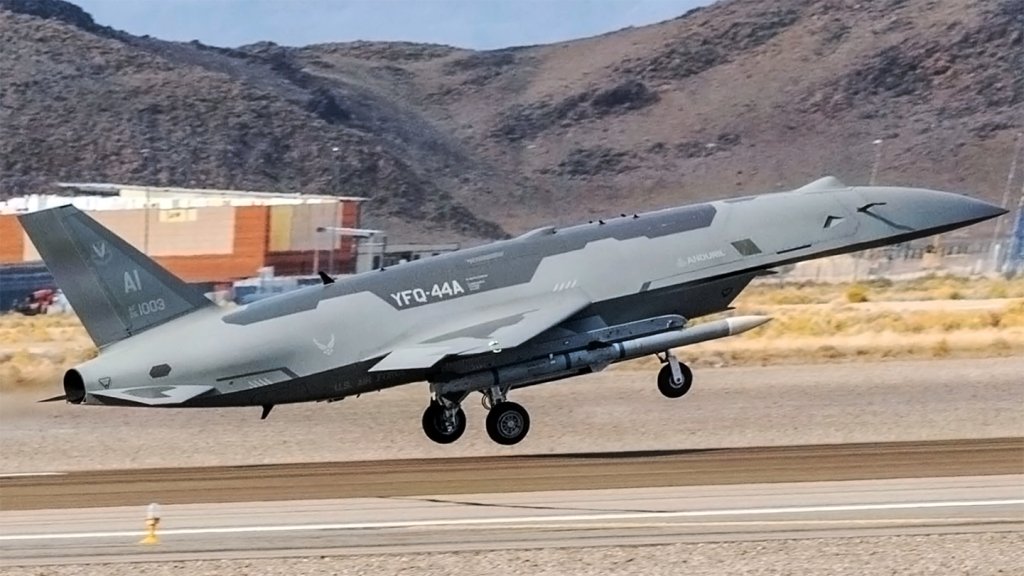
A U.S. Air Force YFQ-44A Fury aircraft, assigned to the Collaborative Combat Aircraft Experimental Operation Unit, takes off for a mission flight during an Agile Combat Employment exercise at Creech Air Force Base, Nevada, July 21, 2026. The flight was part of a broader ACE exercise designed to test the resilience, adaptability, and combat effectiveness of the semi-autonomous fleet. (U.S. Air Force photo by Staff Sgt. Kristal Munguia)
A U.S. Air Force YFQ-44A Fury aircraft, assigned to the Collaborative Combat Aircraft Experimental Operation Unit, takes off for a mission flight during an Agile Combat Employment exercise at Creech Air Force Base, Nevada, July 21, 2026. (U.S. Air Force photo by Staff Sgt. Kristal Munguia) Staff Sgt. Kristal Munguia

Anduril, which also produces systems like the Ghost Shark extra-large autonomous undersea vehicle (in partnership with Australia), the Roadrunner reusable missile-like air vehicle, the Iris family of passive infrared sensors, and a wide range of other items, is playing a growing role in the Trump administration’s weapons development efforts.

Last month, Defense Secretary Pete Hegseth announced that Anduril co-founder Palmer Luckey, who made a name for himself and his fortune in the virtual reality space with Meta, will help lead a new program dubbed Project Meridian. The goal, according to a Pentagon memo, is to “map the trajectory of future warfare, identify critical capability gaps, and propose actionable solutions in furtherance of the identified goals in the 2026 National Security Science and Technology Strategy.”

The Pentagon’s Chief Technology Officer, Emil Michael, has been directed to set up this project. SpaceX founder Elon Musk and Newt Gingrich are other key members.
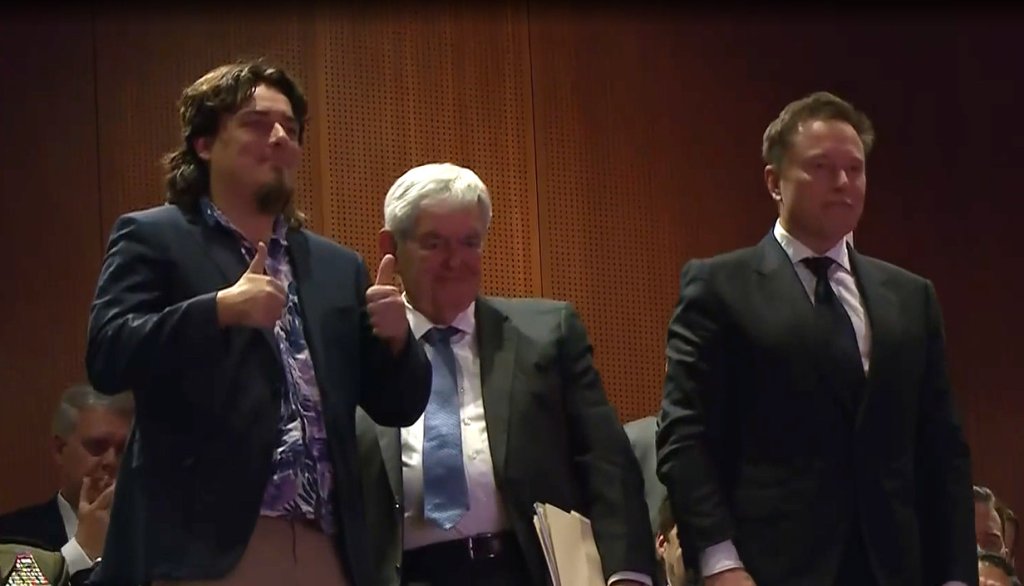
A screen capture from last month’s livestream of Secretary Hegseth’s speech announcing new plans for autonomous warfare capabilities. From left to right, Palmer Luckey, Newt Gingrich, and Elon Musk. U.S. Military capture

From our story about Project Meridian and the Pentagon’s overall effort to boost its autonomous warfare capabilities:

“The inclusion of Musk and Luckey does raise ethical questions, as they both lead companies with major U.S. government contracts already, and which could be in line to see more opportunities based on Project Meridian’s findings. What guardrails might be put in place to prevent conflicts of interest is unclear.”

Regardless of any such concerns, today’s shipyard announcement is a clear indication that the Trump administration and the Pentagon see Anduril as a major player across its weapons manufacturing industrial base. It’s also a reminder of just how challenging it is to actually expand America’s ability to build fighting vessels.

Contact the author: howard@twz.com

The post Anduril Dives Into Submarine Construction With New Baltimore Plant appeared first on TWZ.
  •  

Heavily Damaged Submarine USS Connecticut Now Won’t Return To Service Until 2027

The U.S. Navy’s schedule for getting USS Connecticut, one of its prized Seawolf class nuclear attack submarines, back into service has slipped into next summer. The boat suffered severe damage, especially to its bow, in a collision with an underwater seamount in the South China Sea in 2021. The service had previously hoped that repairs would be finished before the end of this year, and planning is also now underway for the submarine’s retirement in 2031. This would mean it could serve for just four years before being pulled from service once and for all.

“USS Connecticut (SSN 22) is currently undergoing a complex Extended Docking Selected Restricted Availability (EDSRA) at Puget Sound Naval Shipyard & Intermediate Maintenance Facility. Current work consists of structural and systems restoration and required lifecycle maintenance,” a Navy official told TWZ today. “The Navy’s target completion date for the availability is the summer of 2027. PSNS & IMF is dedicated to executing this work with the highest standards of safety, technical accuracy, and craftsmanship to ensure the ship returns to the fleet ready to take its place at the tip of the spear in defense of our nation’s interests.”

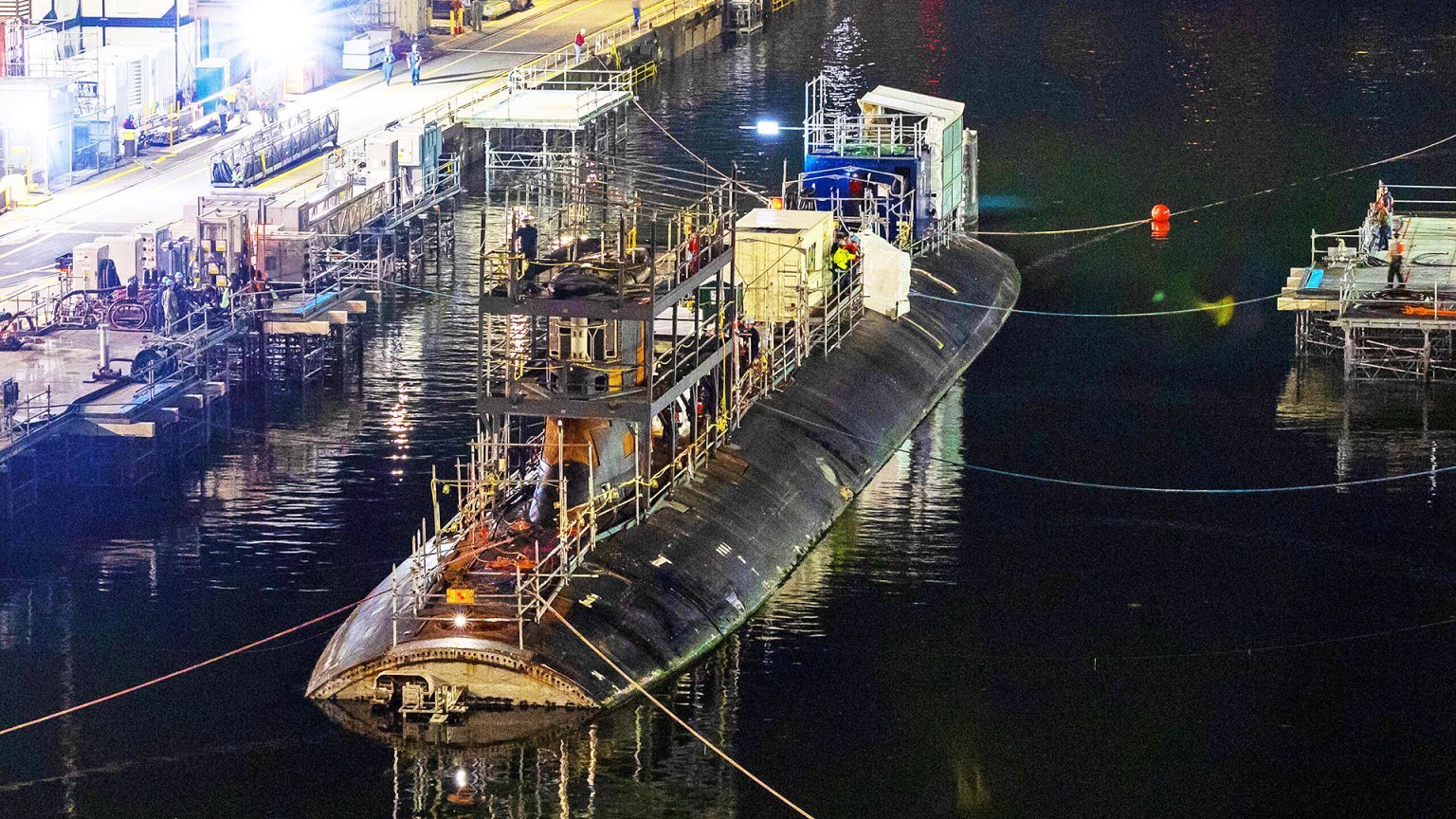
The USS Connecticut seen at the Puget Sound Naval Shipyard in 2023. USN

USS Connecticut is the second of just three Seawolf class submarines commissioned between 1997 and 2005, the others being USS Seawolf and USS Jimmy Carter. The Jimmy Carter, which came last, is a one-of-a-kind subvariant of the design that is optimized for underwater espionage missions. However, the Seawolf and Connecticut also feature advanced capabilities compared to other submarines in the Navy’s inventory today, and the service utilizes all three for a variety of specialized tasks, for which they are in very high demand.

After USS Connecticut hit the seamount in October 2021, the submarine first limped to Guam, and then made its way to San Diego in southern California. From there, it headed north to the Puget Sound area, where it has been ever since. The Navy’s investigation into the incident put heavy emphasis on how a weak command environment and lax attitudes toward the performance of key tasks had put the submarine on a path to the accident, as you can read more about in detail here.

The EDSRA formally began in February 2023. At that time, the Navy projected that the repairs would be completed in September 2025. By July 2023, the schedule had already shifted to early 2026, according to Naval News. In July 2025, the service confirmed to TWZ that the timeline had moved again to the right, to late 2026.

Another view of USS Connecticut at the Puget Sound Naval Shipyard in 2023. This picture offers a good sense of the extent of the damage to its bow. USN

The exact reasons for the delays are unclear. TWZ has stressed the particular complexities of major repairs to any of the Navy’s trio of Seawolf class submarines in our past reporting on Connecticut. As we wrote in 2023 around the start of the EDSRA:

“As for the USS Connecticut, as the images show, her state remains relatively the same, at least in terms of what is visible, compared to when she arrived over a year and a half ago. Her sonar dome is still missing and, clearly, the boat has been idle for some time, with huge sections of its anechoic coating missing from its sail.”

“Major repairs to the submarine’s bow, sonar, and other underside structure components will be challenging as the Seawolf class is long out of production. On top of that, just three boats were ever built, with one being a heavily modified sub-type in its own right, the highly secretive USS Jimmy Carter (SSN-23). In the past, similar damage has been fixed by leveraging spare parts and entire sections of decommissioned submarines of the same class. That simply is not an option in this case.”

The Navy’s 2025 Fiscal Year budget proposal highlighted exactly these broader issues in seeking funds for spare bow domes “for use in the event replacement is required,” separate from the incident with the USS Connecticut. The original sustainment strategy for the Seawolf class did not include these items, which have a “three plus year lead time” to produce.

With the EDRSA, the Navy is also taking the opportunity to conduct a deep overhaul of USS Connecticut, which could include the integration of various upgrades. The Navy’s budget documents have long highlighted efforts to modernize key systems on all three Seawolf class submarines, some of which were first designed in the 1970s.

USS Connecticut underway in 2009. USN

How much the repairs and accompanying overhaul will cost is also not clear. In 2021, Congress approved $40 million for “emergency repairs” for Connecticut and an additional $10 million for a new bow dome, but the full price tag is expected to be far steeper. The Seawolf class submarines were extremely expensive to procure in the first place, costing approximately $3.1 billion apiece in 1983, or some $10.6 billion in 2026 dollars. This was due in large part to the truncated order, from 29 down to three, as a result of post-Cold War drawdowns.

Depending on when repairs to the USS Connecticut are actually finished, the Navy could find itself for at least a time with just one Seawolf class submarine in active service. USS Seawolf is currently scheduled to start a routine maintenance availability next May, which will then run through February 2030, per Navy budget documents. As mentioned, the Navy is now also planning to inactivate USS Connecticut in 2031, making it the first Seawolf class submarine to be retired, per its most recent annual shipbuilding plan.

The service still has plans to acquire a new class of attack submarines, which has been discussed in the past as something closer to a true successor to the Seawolf class than the Virginia class boats being procured now. However, these new submarines, currently referred to as SSN(X), are not expected to arrive until the mid-2040s at the earliest. Between now and then, the Navy is set to acquire a one-of-a-kind seabed warfare version of the Virginia, which could well take over for the USS Jimmy Carter, as you can read more about here. In August, the service announced that stretched Block IV and V Virginia class submarines with Virginia Payload Modules (VPM) will now be categorized as guided-missile types (SSGN), as well.

When it comes to USS Connecticut, the Navy remains committed to getting the highly capable submarine back to the fleet after being sidelined for nearly five years now. At the same time, the boat has now already entered the twilight of its career, with just four years of active service life left if the current repair schedule holds.

Contact the author: joe@twz.com

The post Heavily Damaged Submarine USS Connecticut Now Won’t Return To Service Until 2027 appeared first on TWZ.

  •  

Japan Opens The Door To Acquiring Nuclear-Powered Submarines

Japan has said it is keeping the door open to acquiring nuclear-powered submarines, a potentially major shift for a country whose submarine force has historically relied exclusively on conventional propulsion. Defense Minister Shinjiro Koizumi confirmed recently that Tokyo is not ruling out nuclear-powered submarines as it considers the future requirements of the Japan Maritime Self-Defense Force (JMSDF).

Should Japan ultimately pursue the capability, it would join an exclusive group of nations operating nuclear-powered submarines. China, France, India, Russia, the United Kingdom, and the United States are currently the only countries with nuclear-powered submarines in active service. Brazil is already working to join the club, while Australian and South Korean nuclear-powered submarine plans are somewhat longer-term.

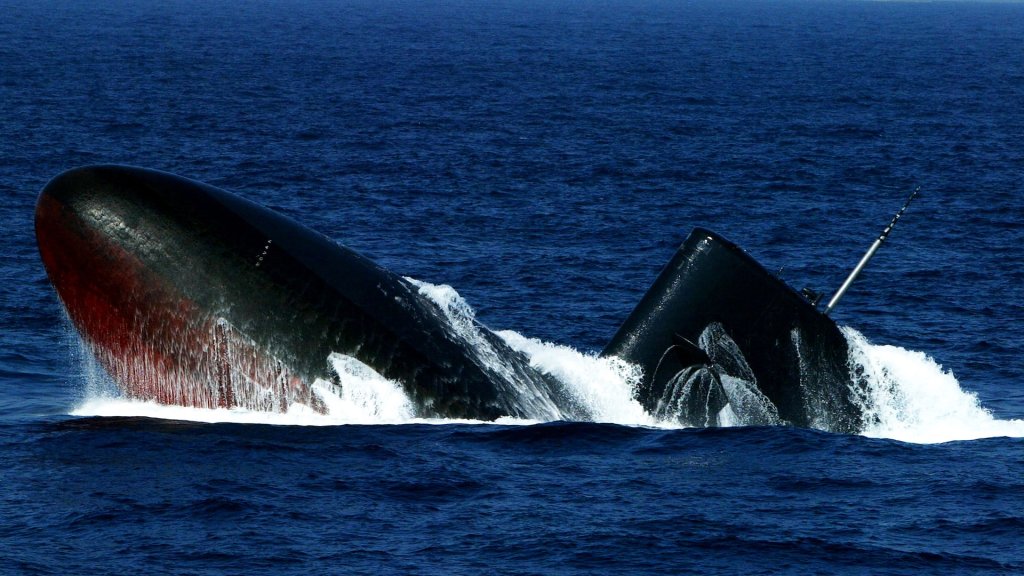
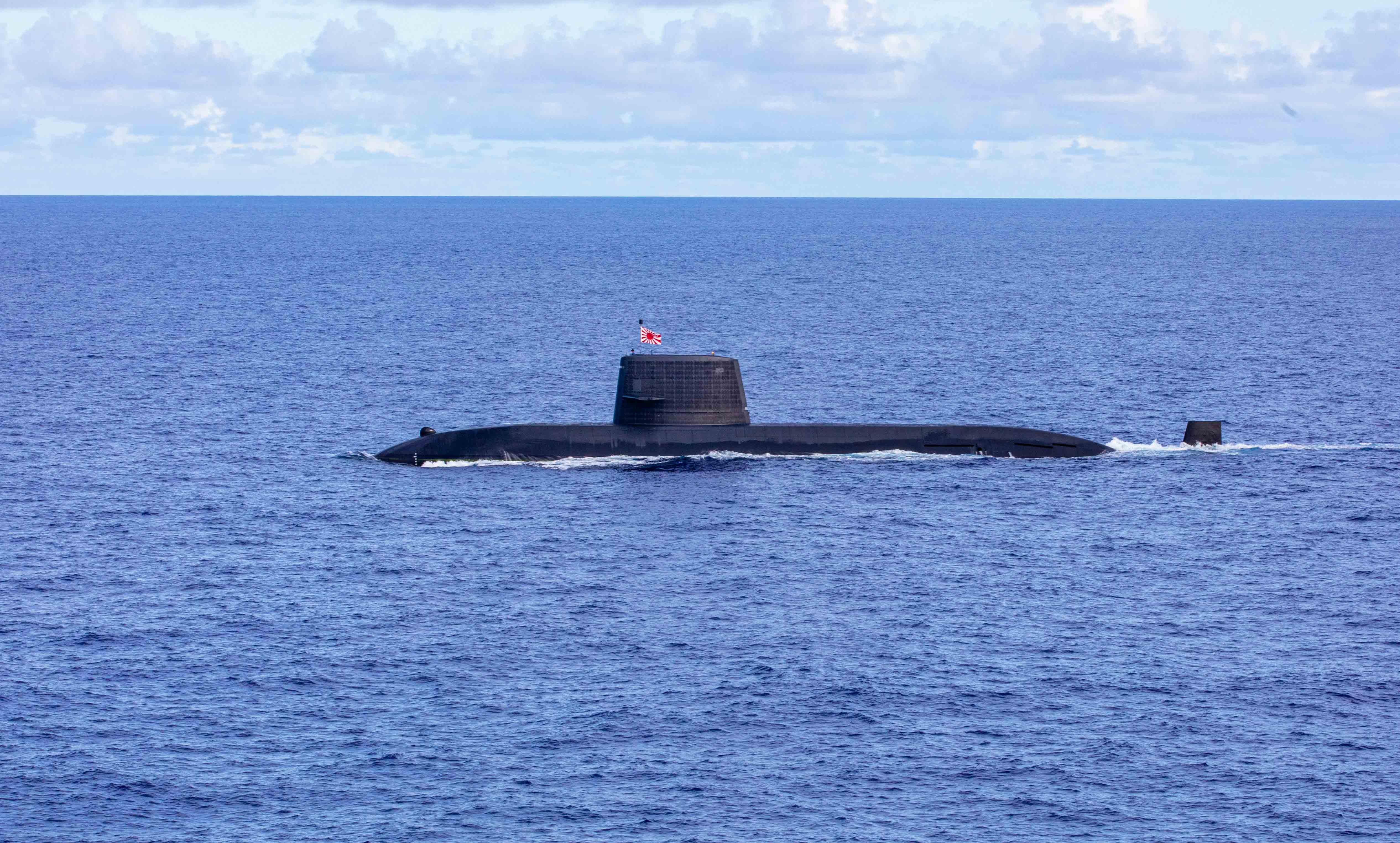
A submarine of the Japanese Maritime Defence Force surfaces during a naval review on October 26, 2003 off Sagami Bay, Japan. Prime Minister Koizumi reviewed the 52-strong fleet as well as 53 aircraft.
A submarine of the Japan Maritime Self-Defense Force surfaces during a naval review off Sagami Bay, Japan. Photo by Koichi Kamoshida/Getty Images

Japan’s submarine fleet is already regarded as among the most capable conventionally powered forces, and is very much at the forefront of advanced naval propulsion technologies. Even with that considerable expertise, however, developing and sustaining a nuclear propulsion capability would represent a huge challenge, requiring expertise and infrastructure far beyond those needed to build Japan’s existing conventionally powered submarines.

Koizumi’s comments do not represent a decision to acquire nuclear-powered submarines, nor do they indicate that Japan has begun a procurement program. They do, however, mark a significant evolution in the country’s public debate over submarine propulsion and point to a growing willingness within the Japanese defense establishment to consider capabilities that were previously largely outside the mainstream of defense planning.

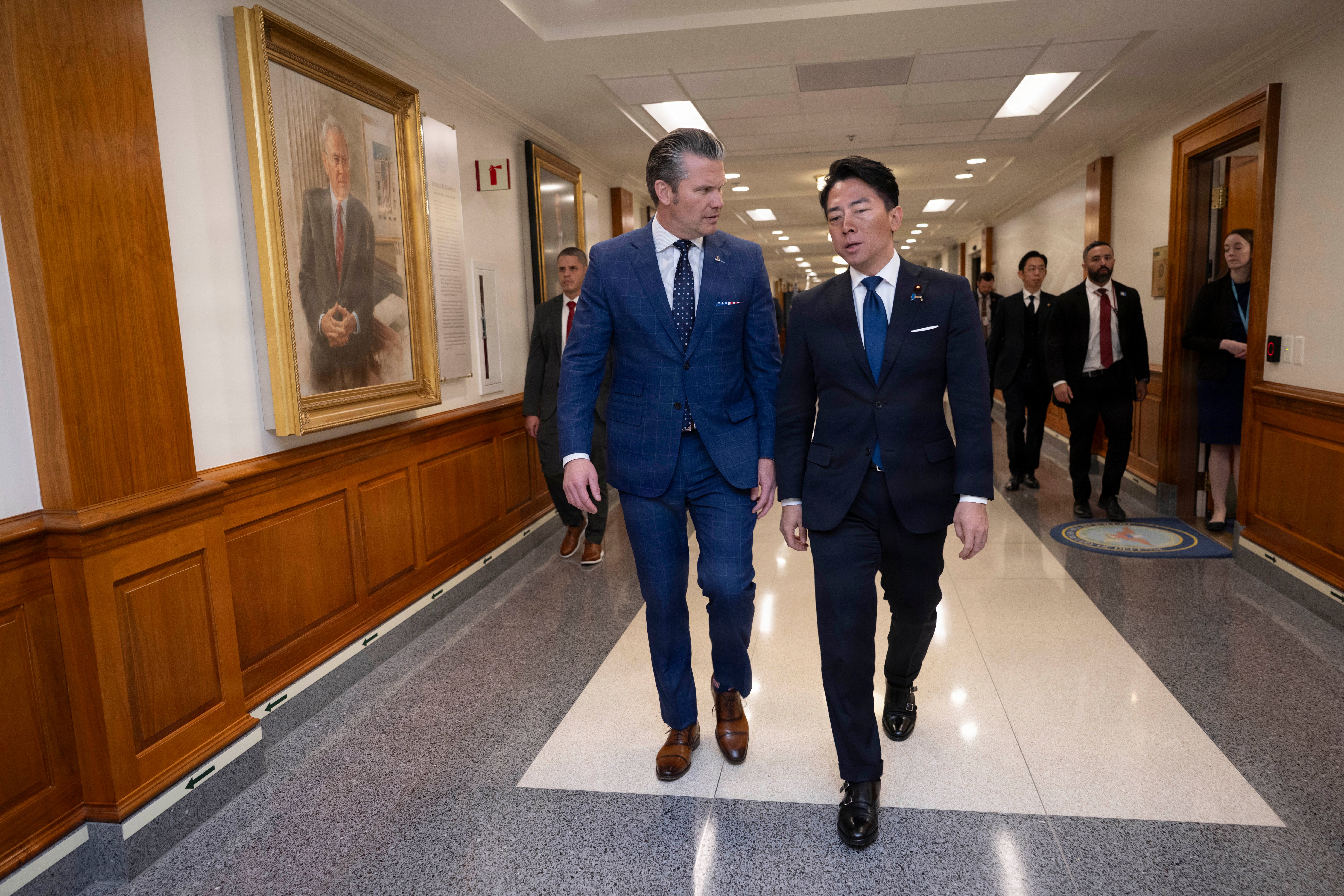
Secretary of War Pete Hegseth hosts a bilateral meeting with Japanese Minister of Defense Shinjirō Koizumi at the Pentagon, Washington, D.C., Jan. 15, 2026. (DoW photo by U.S. Navy Petty Officer 1st Class Alexander Kubitza)

Currently, Japan operates one of the world’s most capable conventional submarine fleets, centered on increasingly sophisticated diesel-electric boats equipped with air-independent propulsion and advanced lithium-ion batteries. These submarines are well suited to operations around Japan and the country’s surrounding waters.

The JMSDF currently operates 22 conventionally powered submarines, maintaining the force structure established in the 2010s while progressively replacing older boats with the more capable Taigei class. Five Taigei class submarines are now in JMSDF service, with additional boats in the pipeline.

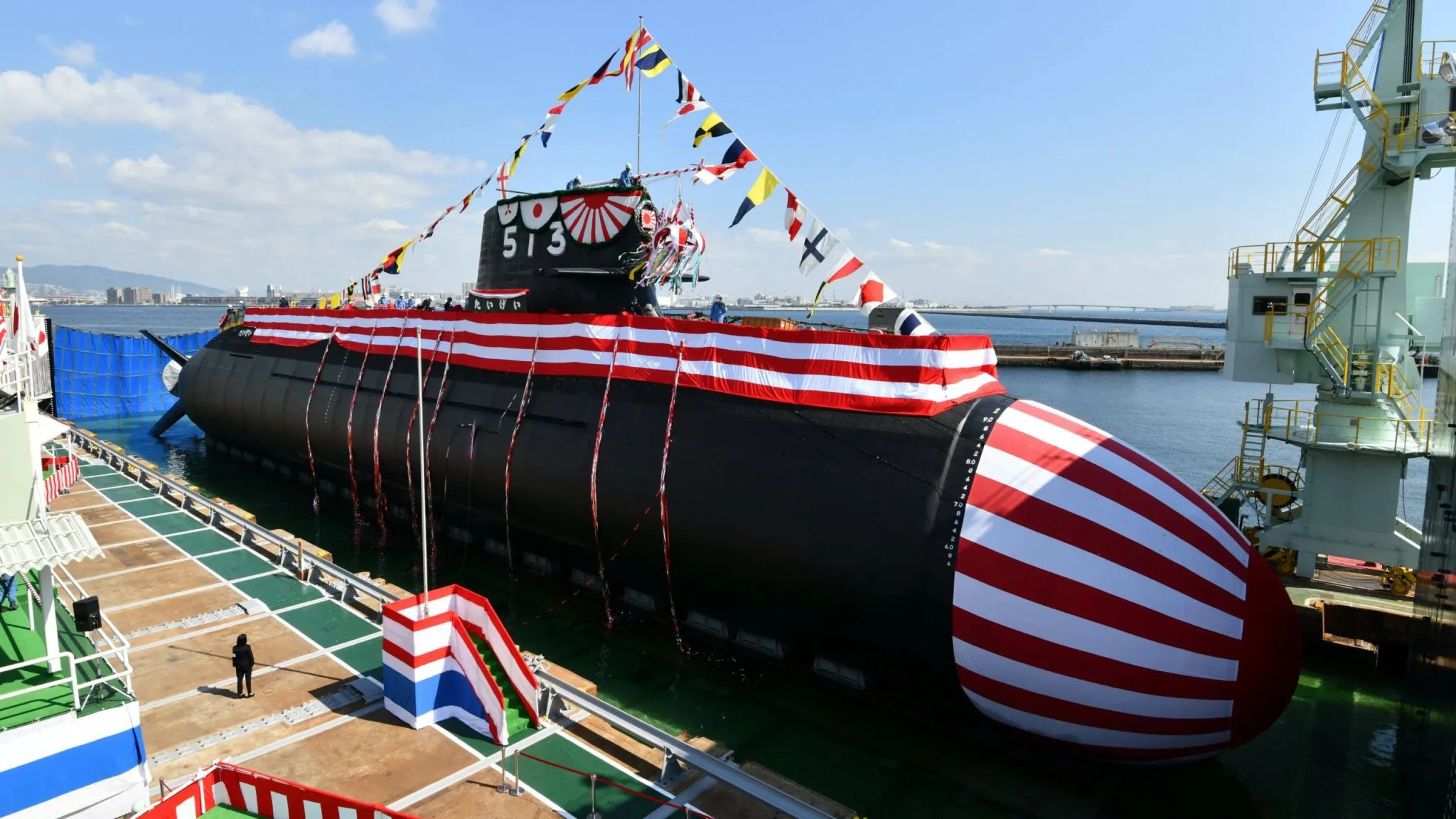
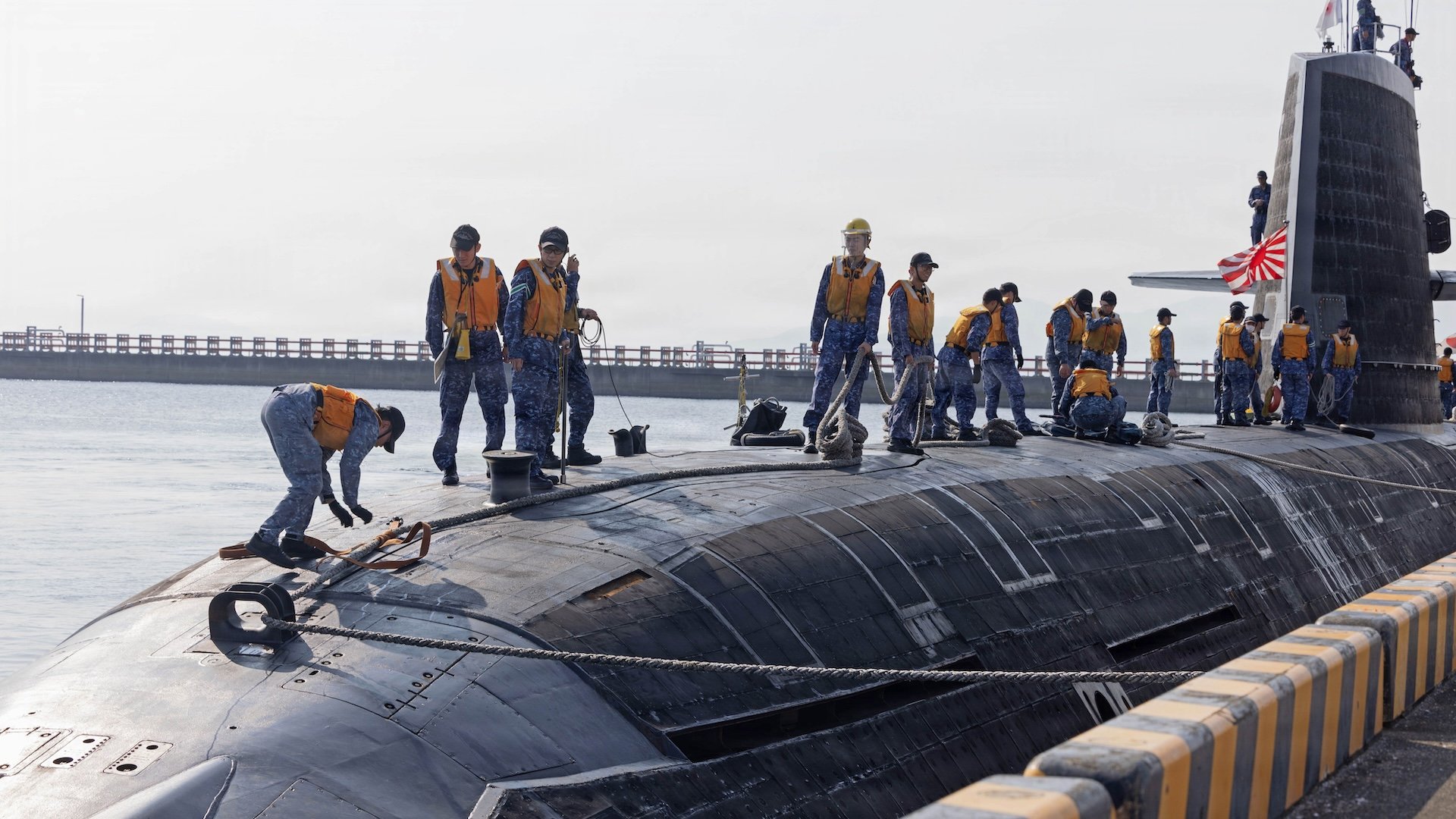
The first-of-class Taigei was launched on October 14, 2020, at the Mitsubishi Heavy Industries (MHI) shipyard in the city of Kobe, in the western prefecture of Hyogo. Japan Maritime Self-Defense Force

Nuclear propulsion, however, would offer substantially greater endurance and sustained underwater speed, allowing Japanese submarines to conduct longer-range operations across the broader Western Pacific with minimal support. This is a requirement that is becoming increasingly relevant as Tokyo’s strategic focus expands beyond its immediate maritime approaches.

China’s rapidly expanding naval force, including its growing submarine fleet and increasingly distant maritime operations, is forcing Tokyo to consider how it would monitor and potentially counter Chinese forces farther from the Japanese archipelago. A nuclear-powered attack submarine could remain submerged for extended periods without the endurance limitations imposed by conventional propulsion, making it particularly useful for long-range surveillance, tracking, and sea-denial missions.

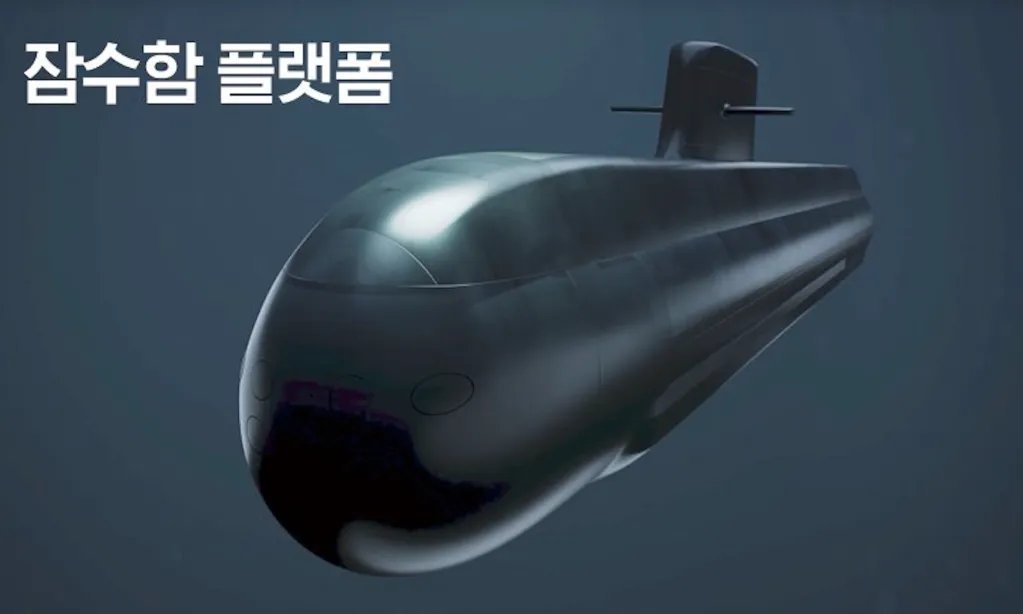
Japan’s debate is also unfolding alongside a significant development in neighboring South Korea. Seoul has confirmed plans to develop a new class of nuclear-powered submarines, a move that could add further momentum to an emerging undersea competition in Northeast Asia. South Korea’s decision is particularly relevant to Tokyo because it demonstrates that nuclear propulsion is no longer merely a theoretical capability for U.S. allies in the region. While the missions and strategic priorities of the Japanese and South Korean navies are different, both countries face the challenge of operating in waters increasingly contested by China and North Korea.

A South Korean Ministry of Defense rendering shows how the nuclear-powered Jang Bogo N Project boats may look. MND

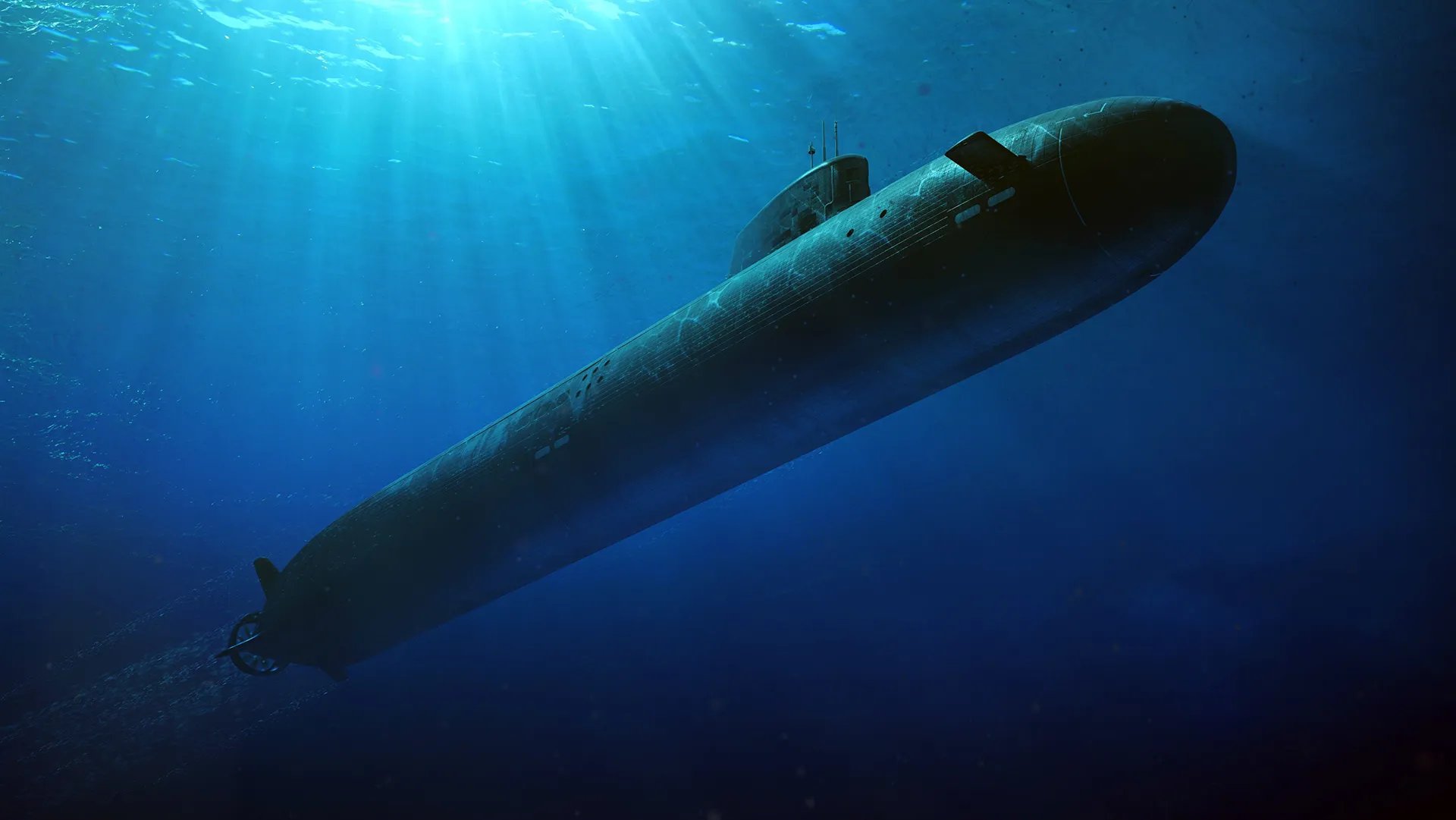
The development could also create new opportunities for Japan to work more closely with Australia and the other AUKUS partners. Australia is in the process of acquiring its own conventionally armed, nuclear-powered submarine capability under AUKUS Pillar I, with U.S. and U.K. nuclear-powered submarines also scheduled to operate from Australia. Japan has separately been identified as a potential partner for AUKUS Pillar II, which covers advanced capabilities and technology cooperation.

A Japanese decision to pursue SSNs could eventually create a much deeper basis for cooperation with Australia, including submarine interoperability, undersea warfare, workforce and technical expertise, infrastructure, sustainment, and potentially aspects of the industrial base. Analysts have already examined how Japan could fit into the wider AUKUS submarine ecosystem as Australia’s nuclear-submarine program develops.

Concept art of the submerged SSN-AUKUS nuclear-powered attack submarine. U.K. Ministry of Defense illustration

A Japanese nuclear-powered submarine with a robust capacity to launch land attack cruise missiles would also be a powerful component in the country’s emerging “counterstrike” posture, which is increasingly centered on acquiring the ability to strike targets at longer ranges.

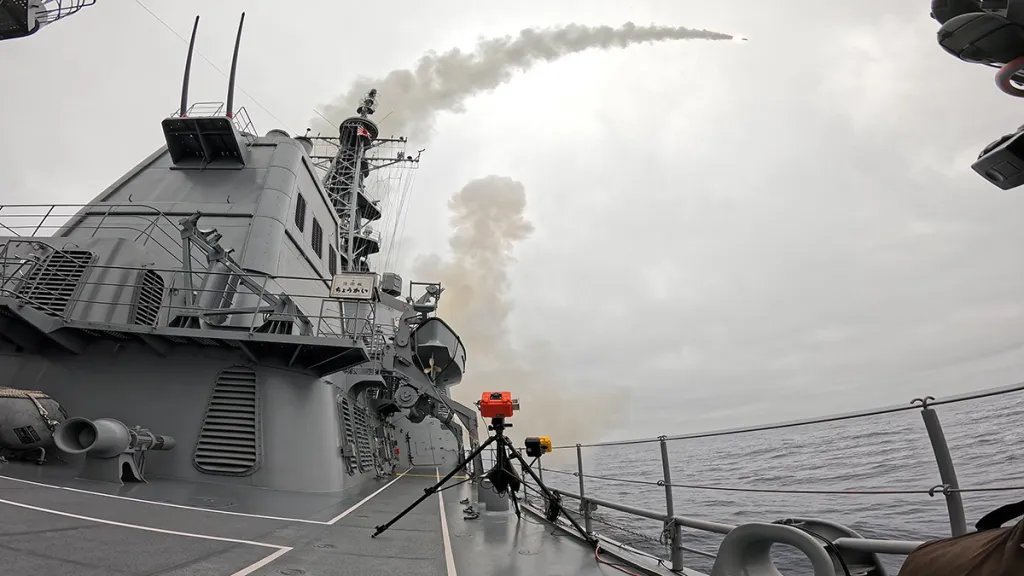
Japan has already begun deploying domestically developed long-range missile systems, including the Upgraded Type 12 surface-to-ship missile, while also acquiring the U.S.-made Tomahawk cruise missile.

Launch of the first Tomahawk missile from the Kongō class Aegis destroyer Chōkai at an undisclosed location in the Pacific. Japan Ministry of Defense

An SSN would potentially add a highly survivable, mobile platform to this emerging strike architecture, allowing Japan to position long-range weapons farther from its home territory and complicating an adversary’s efforts to locate and neutralize them. That could be particularly valuable in a conflict in which Japanese air bases, missile batteries, and other fixed infrastructure were under attack.

The potential SSN requirement also fits with Japan’s expanding expeditionary ambitions. As the JMSDF converts its Izumo class helicopter destroyers to operate F-35B fighters, giving Japan a more credible carrier aviation capability, nuclear-powered attack submarines could provide a valuable escort for these increasingly important surface groups. Their speed, endurance, and ability to remain submerged for extended periods makes SSNs particularly well suited to accompanying carrier forces on longer-range deployments and supporting contingencies farther from Japanese waters.

Looking at the bigger picture, it is highly significant that nuclear propulsion was effectively excluded from Japan’s conventional defense debate for decades. More recently, however, Japanese defense officials and policymakers have begun examining whether future submarines will require a different propulsion system. The issue is now one that can be discussed openly at the ministerial level.

Nevertheless, pursuing a nuclear-powered submarine program would come with huge challenges.

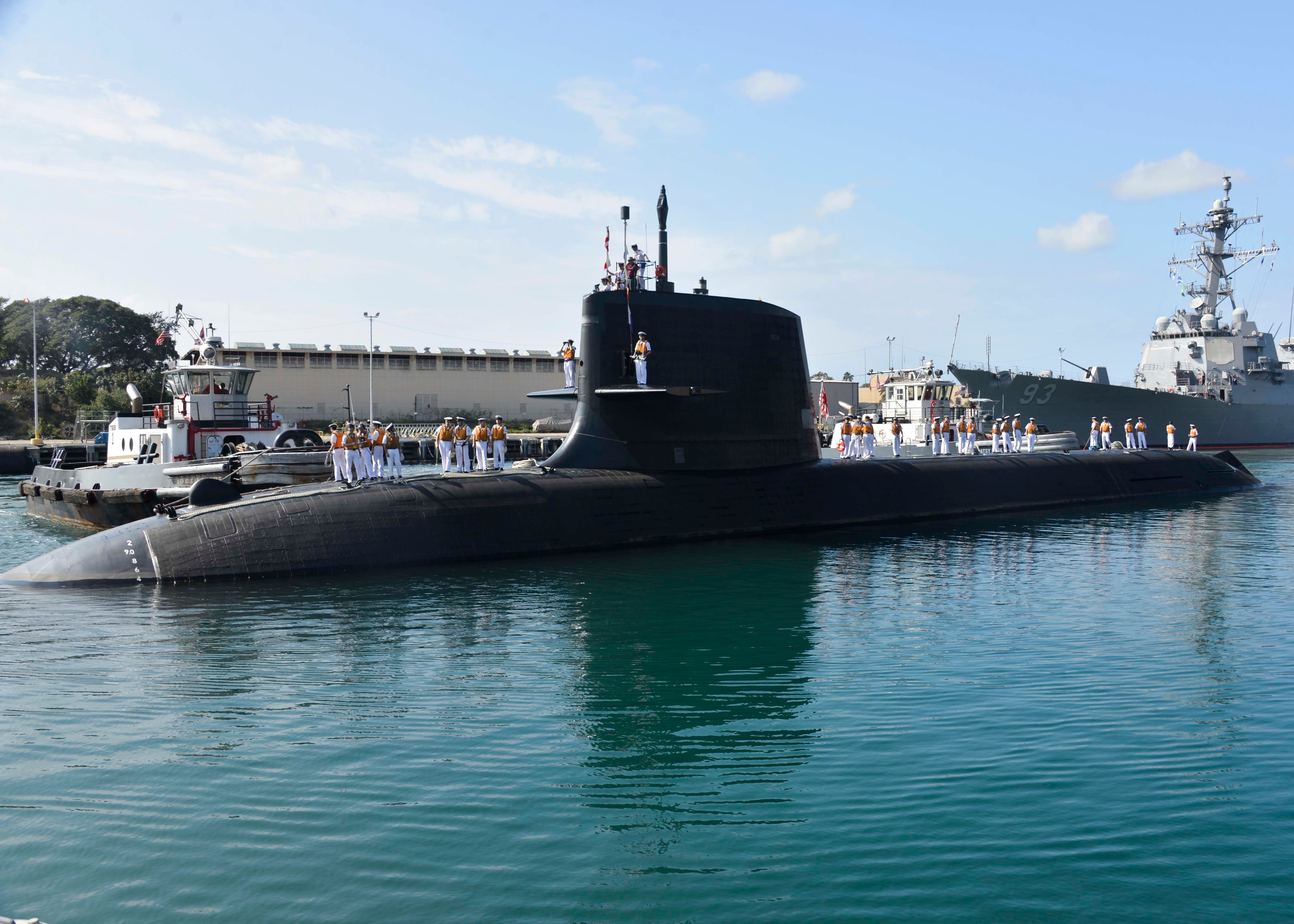
150227-N-DB801-126 - PEARL HARBOR, Hawaii - (Feb. 27, 2015) - The Japan Maritime Self-Defense Force (JMSDF) submarine JS Hakuryu (SS 503) arrives at the submarine piers of Joint Base Pearl Harbor-Hickam, Feb. 27. While in port, the submarine's crew will conduct various training evolutions, continue to build positive relationships with the United States and have the opportunity to enjoy the sights and culture of Hawaii. (U.S. Navy photo by Mass Communication Specialist 1st Class Steven Khor/Released)
The Japan Maritime Self-Defense Force Sōryū class submarine Hakuryū arrives at the submarine piers of Joint Base Pearl Harbor-Hickam. U.S. Navy photo by Mass Communication Specialist 1st Class Steven Khor/Released

Building and operating nuclear-powered submarines would require Japan to establish an entirely different industrial, regulatory, and training infrastructure. The vessels would also be considerably more expensive and complex to build and operate than Japan’s existing conventionally powered submarines. Tokyo would have to resolve questions involving nuclear regulation, reactor technology, maintenance facilities, crew training, and the handling of nuclear material.

There would also be a significant political dimension. Although naval nuclear propulsion is fundamentally different from possessing nuclear weapons, any move in that direction would inevitably receive scrutiny in a country whose postwar security policy has been shaped by its experience with nuclear weapons and its longstanding non-nuclear principles.

For those reasons, Koizumi’s statement should be viewed less as an announcement of a Japanese nuclear-submarine program than as evidence that the political barrier to discussing such a program is falling.

230704-N-NY362-1143 PHILIPPINE SEA (July 4, 2023) Japanese Oyashio-class submarine JDS Yaeshio (SS 598) transits the Philippine Sea during Pacific Vanguard 23, July 4. Pacific Vanguard is an opportunity for the four Indo-Pacific navies to strengthen their skills in maritime operations, anti-submarine warfare operations, air warfare operations, live-fire missile events, and advanced maneuvering scenarios in the Mariana Islands Range Complex (MIRC). The U.S. military routinely operates in designated land, air, and sea areas of the Mariana Islands to safely train military service members in equipment use, tactics, joint operations, and humanitarian aid missions. (U.S. Navy photo by Mass Communication Specialist 3rd Class Santiago Navarro).
The Japanese Oyashio class submarine Yaeshio transits the Philippine Sea during Exercise Pacific Vanguard 23. U.S. Navy photo by Mass Communication Specialist 3rd Class Santiago Navarro

The next question is whether the Japanese government will move from keeping the option open to actually studying a nuclear-powered submarine design, propulsion technology, and acquisition pathway in detail.

If it does, the consequences could extend well beyond Japan’s submarine fleet. A Japanese nuclear-powered submarine capability would represent a major enhancement of Tokyo’s ability to operate across the Western Pacific and could alter the undersea balance between Japan, China, and the United States’ other regional allies. At the very least, the idea is one that is now part of wider discussions at the highest levels.

Contact the author: thomas@thewarzone.com

The post Japan Opens The Door To Acquiring Nuclear-Powered Submarines appeared first on TWZ.

  •  
❌