❌

Reading view

“Operation to strike Russian targets deep in swamps continues”: Ukrainian Commander Madiar says his unit hits 7,306 Russian troops in first half of October, up 59% on August

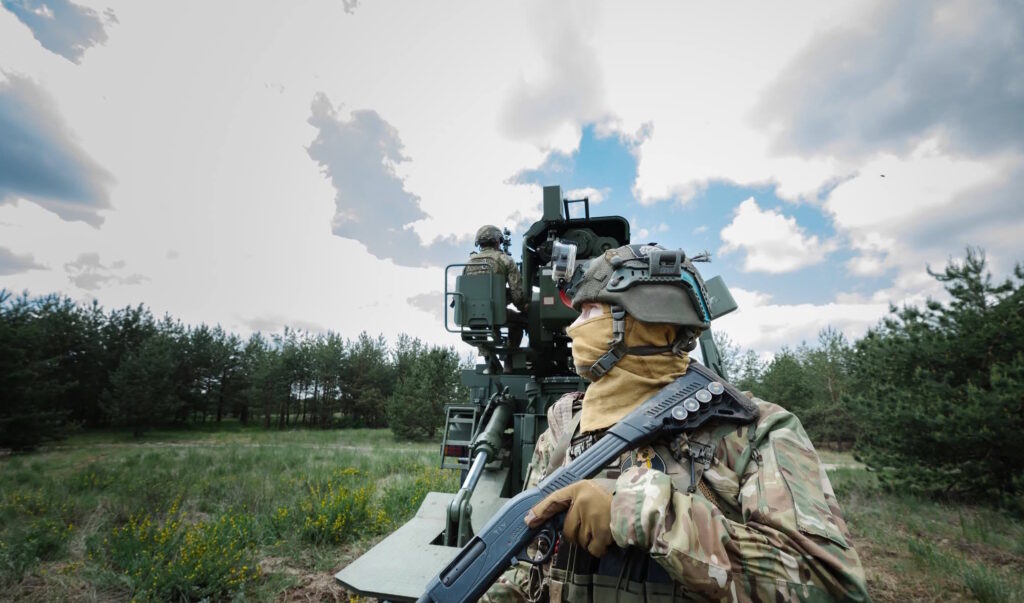
A Ukrainian drone operator.

Ukraine’s operation to strike Russian targets at operational and strategic depth is continuing, Unmanned Systems Forces Commander Robert “Madiar” Brovdi said. He listed data centers, military and strategic sites, and energy hubs “deep in the swamps,” his usual name for Russia.

The fresh statement lands amid fears that a Starlink disruption could break front-line operations.

Overnight into 14 October, the 7th Air Assault Corps said the faster StarShield military package, an advanced version of Starlink that its units depend on, had been throttled, halting a series of missions. Against that backdrop, Brovdi says his branch’s strikes are not falling.

“A serious brawl is underway in conditions of significantly worse weather, drizzle, fog, and precipitation,” Brovdi says, underscoring that the pace held through conditions that usually ground drones.

Over the first two weeks of October, the drone branch verified 7,306 Russian soldiers killed or wounded, up 59.45% on the same period in August and 24.65% in September, he writes on his Telegram page, calling the trend the opposite of de-escalation.

Where the killing climbs fastest, and who is doing it

One sector stands out above the rest. On the Dobropillia-Pokrovsk axis, in the zone of the Azov group, the branch’s drones accounted for 3,221 Russian losses in the first two weeks of October, a 102% jump on August and 42.5 percent on September, Brovdi reports.

The figures cover only the drone branch and are verified in the military’s Delta, the video fixation system, he stresses, so the full count of Russian losses across all Ukrainian forces can be much higher.

The scale of a campaign that will not slow down

The numbers behind the claim are large. Over the first two weeks of October, the branch flew 124,500 combat missions, strike and reconnaissance, and hit 32,172 Russian targets, of which manpower was 22.7%, by his count.

That works out to about 2,298 Russian targets a day, he adds, the kind of tempo that makes any talk of a lull on the front hard to square with what his drones are recording. The deep-strike half of that campaign has grown 1,150% over 2026, reaching military-industrial and energy sites far inside Russia, according to Euromaidan Press.

  •  

Ukraine detains a gas station worker and a Telegram commenter suspected of scouting targets for Russian strikes

bomb-maker working russia's military intelligence zaporizhzhia loses freedom 15 years · post security service ukraine officers during operation sbu news ukrainian reports

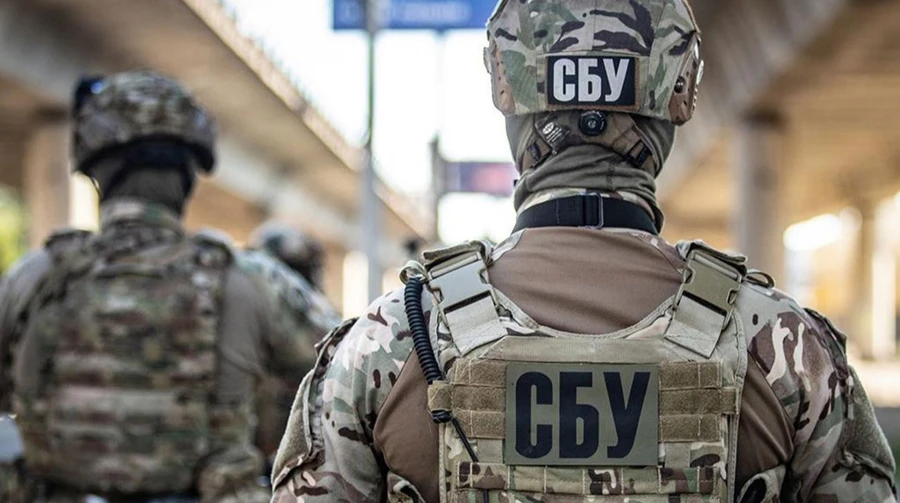
Ukraine’s Security Service (SBU) detained two men suspected of scouting targets for Russian strikes on Sloviansk and Dnipro, the agency reported on 14 October. Catching both early let it secure Ukrainian reserve command posts and the gas stations the alleged agents had been hunting, the agency added.

Sloviansk anchors the northern end of the Fortress Belt, the chain of fortified cities that has held Ukraine’s defense of Donetsk Oblast since 2014. Russia is pushing to seize them, and its aircraft bombed a residential area of Sloviansk on 11 October. Where Ukrainian convoys stop and troops gather is exactly what Russian handlers allegedly asked these suspects to supply.

A gas station worker suspected of filming convoys

The first suspect worked at a gas station complex in Sloviansk, Donetsk Oblast. Russian intelligence allegedly reached him through a former classmate who left for Russia after the full-scale invasion and now works for its special services, the SBU said. He then allegedly used his phone to secretly film Ukrainian army convoys at or near gas stations. He was allegedly supposed to send the photos and videos to Russia to help it prepare a targeted strike. He also allegedly drove his own car around other gas stations and bridges that the Defense Forces use for logistics.

Spotted through Telegram comments

The second suspect, a former Pokrovsk resident, moved to Dnipro in 2024 and settled in a dormitory. Russian intelligence noticed him through pro-Kremlin comments he posted in Telegram chats, investigators say. A female handler in Russia allegedly tasked him with guiding missile and drone attacks on places in the city where Ukrainian troops and equipment were concentrated. He allegedly scouted on foot or took public transport to reach outlying districts.

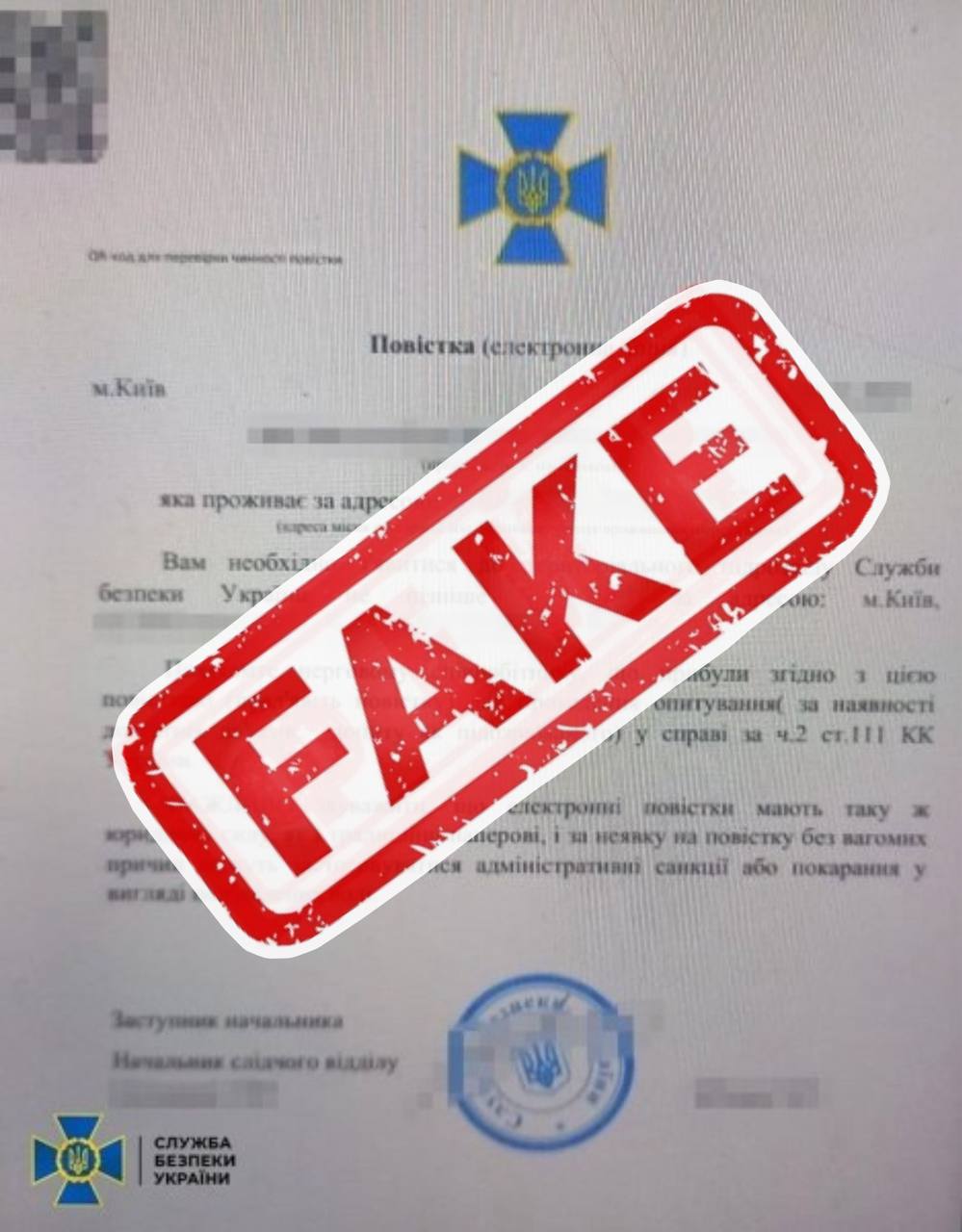
An example of a fake summons
Explore further

Ukrainians think their own security service is calling—it’s Russia recruiting saboteurs

Officers seized computers and smartphones containing evidence of the men’s alleged work for Russia. Both are suspected of treason under martial law and of unauthorized dissemination of information on Ukrainian troop movements or deployment, under Articles 111(2) and 114-2(2) of the Criminal Code. They remain in custody without bail and face up to life imprisonment with confiscation of property. The SBU’s office for Donetsk and Luhansk oblasts ran the operation under the Donetsk Oblast Prosecutor’s Office.

  •  

Ukrainian marines cleared about 6 km² near Pokrovsk without losses. The Russians they faced got a can of meat a week

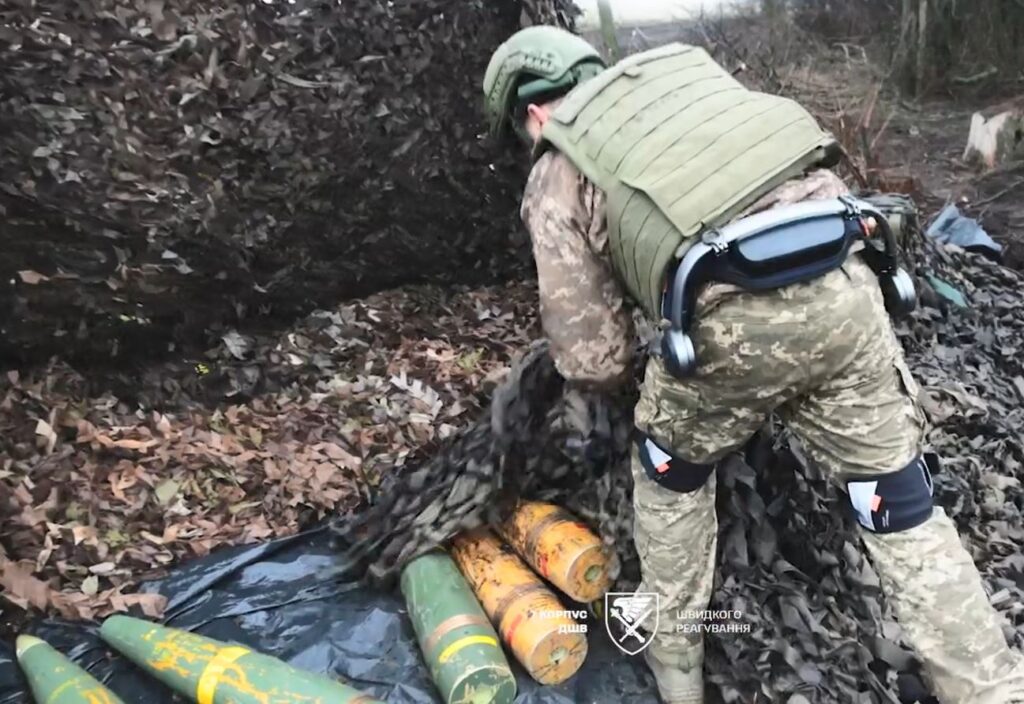
gunners can carry small car's weight shells every day — ukraine fields exoskeletons pokrovsk front · post artilleryman 147th separate artillery brigade wearing exoskeleton picks up combat position direction 2026

Ukrainian marines planned a clearing operation near Pokrovsk for about a month, their deputy commander said in remarks relayed by Army Inform. The Defense Ministry’s news agency published them on 12 October. He also described the Russian infantry the marines captured as barely trained, hungry, and unwilling to fight.

Russia seized Pokrovsk by seeping small infantry groups into the city a few at a time. Beyond the city, Russian advances stayed limited. ISW assessed on 25 February that the capture brought no further operationally significant gains. Small advances continued, and DeepState mapped one near Bilytske in Donetsk Oblast on 7 October. Every stretch where Ukrainian units stop that infiltration closes the route Russia used to take the city.

What the operation produced

Karyi, the 40th Separate Marine Brigade’s deputy commander, said that Operation Audit cleared about 6 km². The marines suffered no losses while inflicting them on the Russians, he said, and gathered a lot of intelligence. He promised the enemy many more surprises.

Service members of Ukraine's 40th Separate Marine Brigade during Operation Audit in the Pokrovsk direction.
Explore further

Ukraine makes local gains on Pokrovsk front despite sustained Russian attacks

The brigade had announced an operation by the same name on 26 September. It said then that the marines had cleared 5 km² and captured two Russian soldiers. The brigade also said they had stopped the flow of Russian infiltration on that stretch of the Pokrovsk direction.

Two weeks of training, then the front

Karyi called the two prisoners typical of the Russian infantry now sent against the marines, with all of two weeks’ training behind them. He said Russian recruits spend a month on transfers and paperwork before going into battle. They then walk to their positions for one or two weeks.

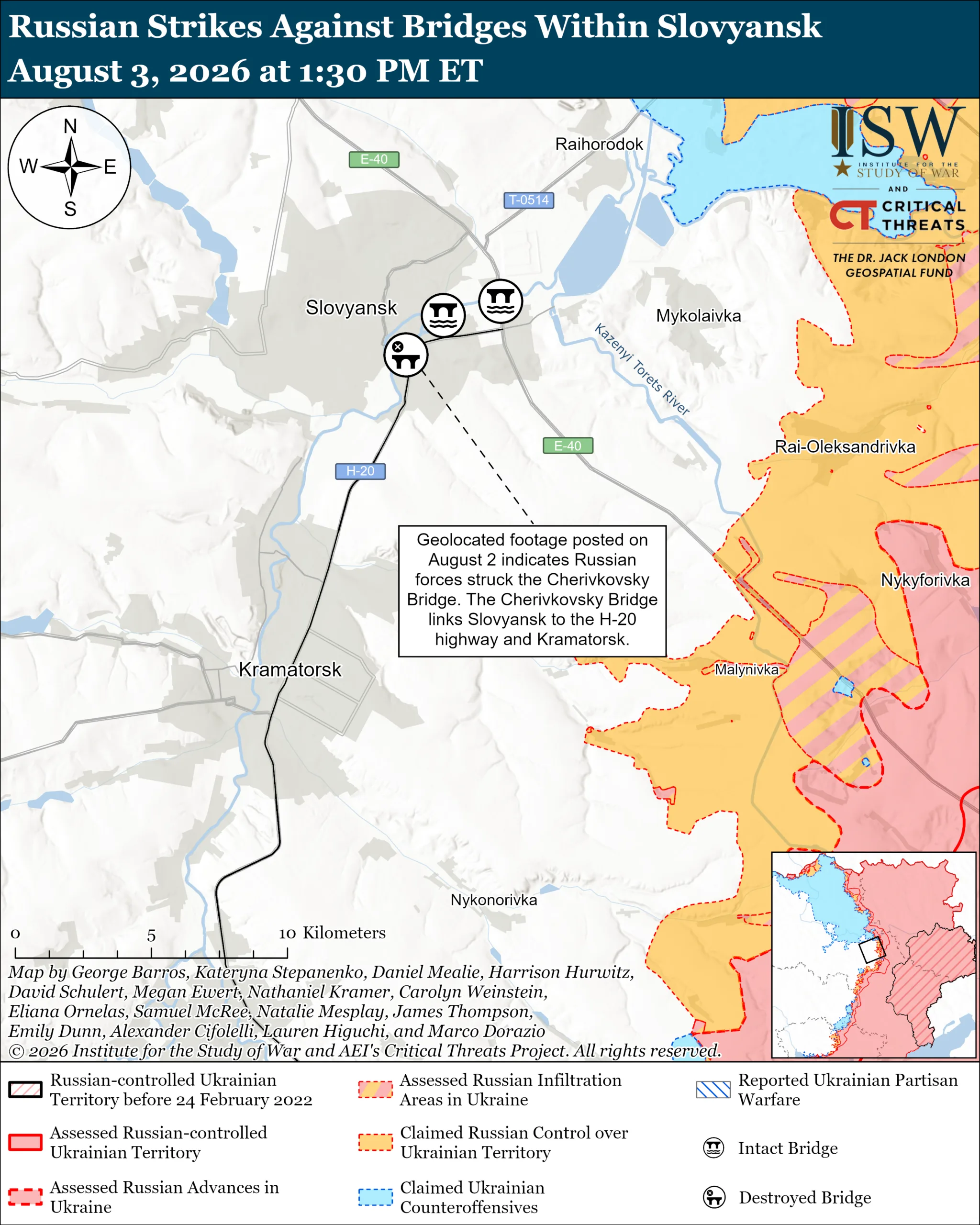
isw first pokrovsk huliaipole—now russia points its logistics-killing air campaign fortress belt · post russian-strikes-against-bridges-within-slovyansk-august-3-2026-scaled ukraine news ukrainian reports
Explore further

ISW: First Pokrovsk, then Huliaipole—now Russia points its logistics-killing air campaign at the Fortress Belt

If drones or Ukrainian ground groups don’t kill them first, he said, they surrender because they no longer want to fight. They are not fed or given water. He described one parcel a week with a can of stewed meat, and water drunk from the ground underfoot. That, Karyi said, is why the Russian troops facing the marines are demoralized and untrained.

  •  

Ukraine’s drone pilots hit 76.5% more Russian infantry than two months ago: 2,699 in first five days of October

The image shows Ukrainian soldiers. Source: The 80th Separate Air Assault Halytska Brigade

Ukraine's drone pilots are killing and wounding far more Russian infantry than they did a month ago. Ukraine's Unmanned Systems Forces confirmed that their pilots took out 2,699 Russian infantry from 1 to 5 October, 39.7% more than in the first five days of September, Commander Robert "Madiar" Brovdi wrote on Telegram on 6 October.

The Unmanned Systems Forces, the branch of Ukraine's military that fights with drones, count only losses verified by their own pilots in the military's Delta system, so the full picture of Russian losses is larger, Brovdi stressed. Compared with the first five days of August, the rise is 76.5%, from 1,529 losses, which he ties to denser and more frequent Russian assaults.

The sharpest growth occurred in the area of the 1st Azov Corps of Ukraine's National Guard on the Dobropillia-Pokrovsk axis in Donetsk Oblast, as fighting for fortress-belt cities continues. Drone pilots recorded 1,268 Russian losses there, 43% more than the 884 of early September and 91% more than the 664 of early August.

"Russia's hidden mobilization is in action. This is the beginning," Brovdi said ironically.

Russia doubles its monthly recruitment pace

Russian recruitment, mobilization, and contracts run at about 70,000 people a month, twice the 35,000 monthly average from January to August 2026, Brovdi noted on 16 September, when he forecast 12,500 losses for his pilots in September.

He expected the toll to keep climbing. Bigger records still lie ahead because of Russia's unannounced mobilization, Brovdi added on 24 September.

Drone pilots outpaced August by a quarter

September was completed above that forecast. The pilots logged 13,358 Russians killed or wounded, 25.35% more than the 11,010 of August, an average of 445 a day against 355, Brovdi reported. By his count, that equals the full assault infantry of one battalion every day, and his pilots hit a Russian target every 42 seconds.

Two sets of axes took the heaviest toll. In the first 24 days of September, the Dobropillia and Pokrovsk axes accounted for 4,018 losses, and the Oleksandrivka and Huliaipole axes for 3,021, according to Brovdi. The first of those groups covers the same Dobropillia-Pokrovsk axis where the Azov corps zone recorded the sharpest October rise.

  •  
❌