❌

Reading view

Belgium’s 10 F-16s bring Ukraine’s promised fleet to about 100 jets. Fewer than 40 are flying, as Russia’s jet drones run them ragged
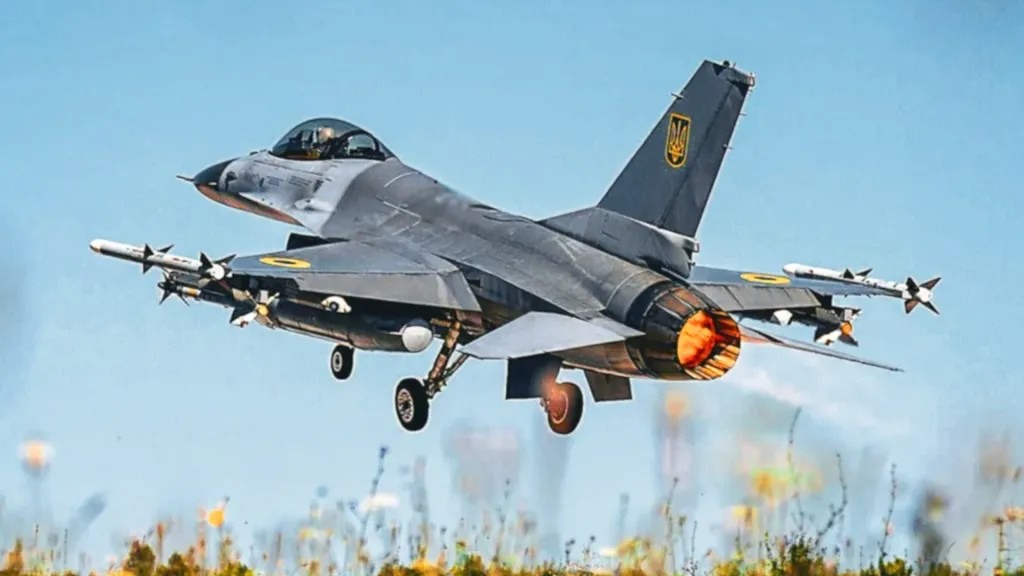
take off formation fly low navigate terrain—ukraine's f-16 trainees finished uk course russia helped design · post ukraine's air force carrying aim-120c aim-9 missiles fuel tanks terma pylons self-defense systems

  • Belgium is speeding up the delivery of surplus Lockheed Martin F-16 fighters to Ukraine
  • The 53 or so ex-Belgian jets are welcome, but the initial delivery for 2026 is for just 10 airframes, not all of which will be flyable
  • The Ukrainian air force's sole F-16 wing is fighting hard with too few aircraft

Belgium has announced it will accelerate the delivery of surplus Lockheed Martin F-16 fighters to Ukraine. Instead of delivering three flyable F-16s before the end of the year, Brussels will ship 10.

It's unclear how many will be flyable. Previously, Belgian officials explained the first seven secondhand F-16s would include just three airworthy examples. The other four would be broken down for spare parts.

It's good news for Ukraine, but hardly cause for nationwide celebration. The handful of flyable F-16s that should arrive in the coming two months could make good recent F-16 losses. But those shipping-soon Belgian F-16s won't actually grow Ukraine's F-16 fleet by much, if at all.

The dozens of supersonic F-16s in action in Ukraine fly often and fight hard. They shoot down Russian drones and cruise missiles, tangle with Russian warplanes, and lob precision glide bombs at Russian forces on the ground. Russia launched about 2,000 jet-powered drones at Ukraine in September, up from some 350 in June, and F-16s are among the few weapons fast enough to catch them, the Wall Street Journal's editorial board noted. Every 300 flying hours, each jet must go abroad for a lengthy inspection.

Netherlands delivers final F-16s to Ukraine, completing 24-jet donation program.
Explore further

Ukraine loses another F-16 to onboard emergency

The main constraint on the pace of F-16 sorties, besides maintenance demands and the availability of trained pilots, is munitions: running low or out of air-to-air missiles and glide bombs, the F-16s routinely aim their 20-mm guns at Russian targets. But even 20-mm ammunition sometimes runs low.

The busy F-16s and their equally busy pilots need reinforcement. But reinforcements are slow coming. Belgium is only slightly accelerating its F-16 shipments amid reports it will eventually give Ukraine all 53 F-16s it's gradually retiring as new Lockheed Martin F-35 stealth fighters arrive to re-equip the Belgian air force.

Further complicating the picture, Norway's six F-16s, promised in 2023, were still being refurbished in Belgium this spring. Some arrived there in pieces.

Yes, Ukraine got 24 fight-ready F-16s from the Netherlands and most of the 19 Denmark promised. But it's lost five of those jets since 2024. And others are so worn out from relentless flying that they're badly in need of maintenance. The Belgian firm Sabena, which services Ukrainian F-16s, has struggled to keep up, and President Volodymyr Zelenskyy has said about half of the jets spend long stretches abroad for repairs. That slows the return of repaired planes and further squeezes the front-line force.
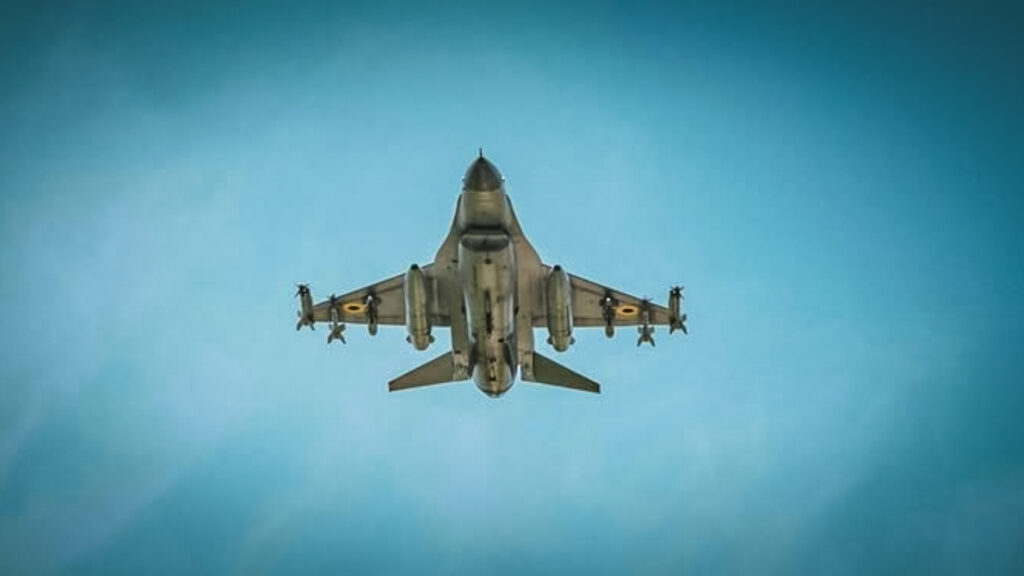
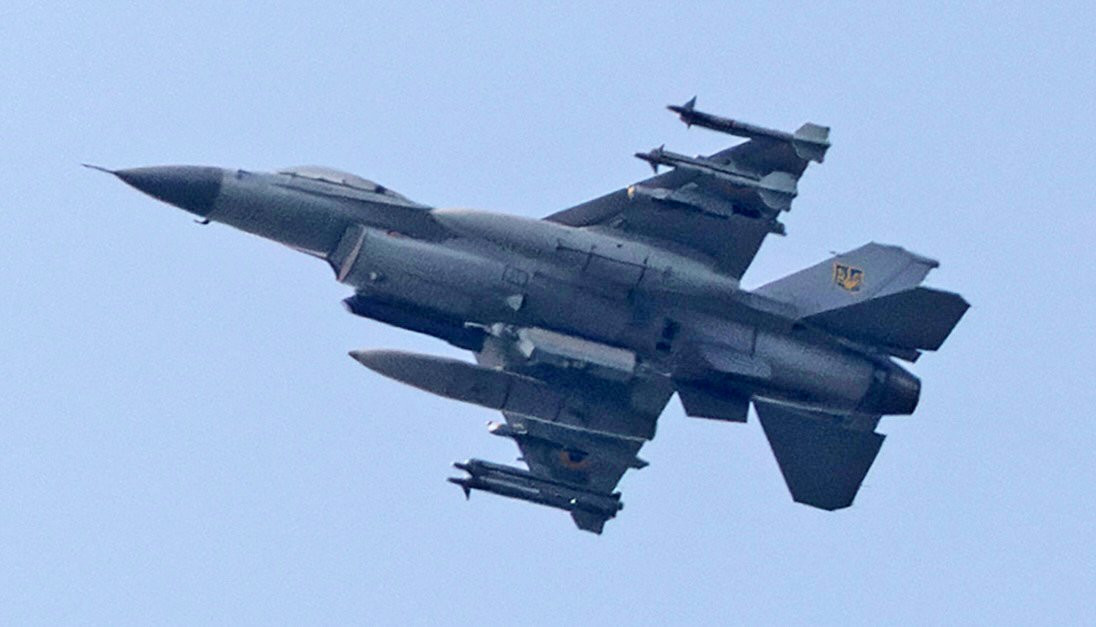
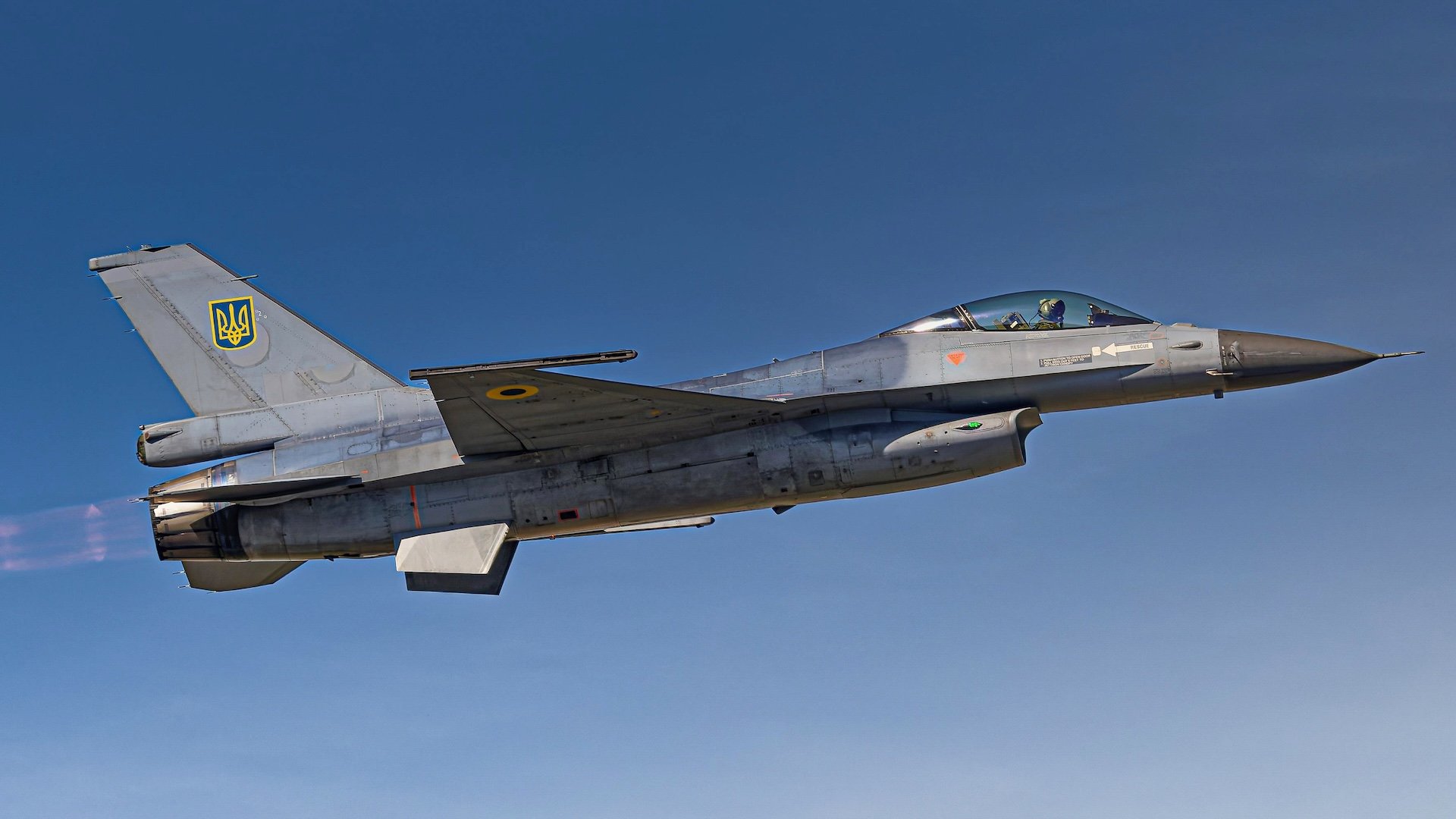
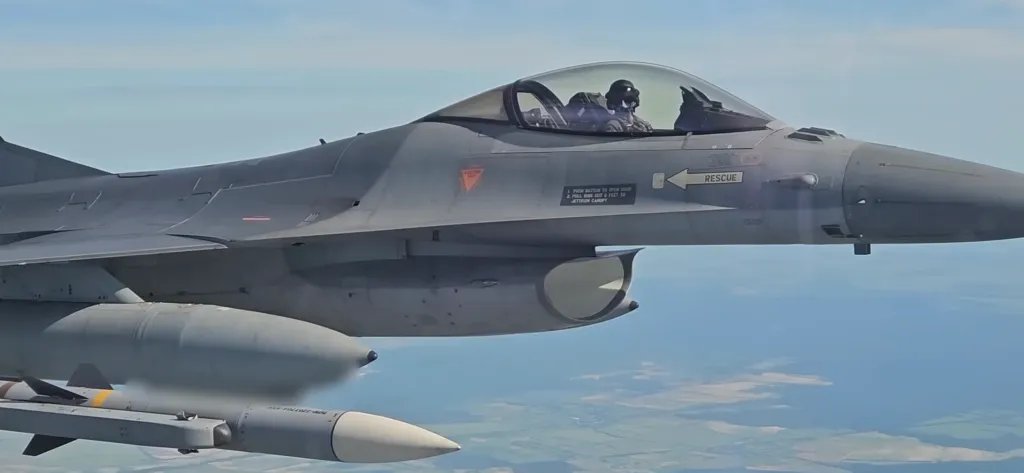
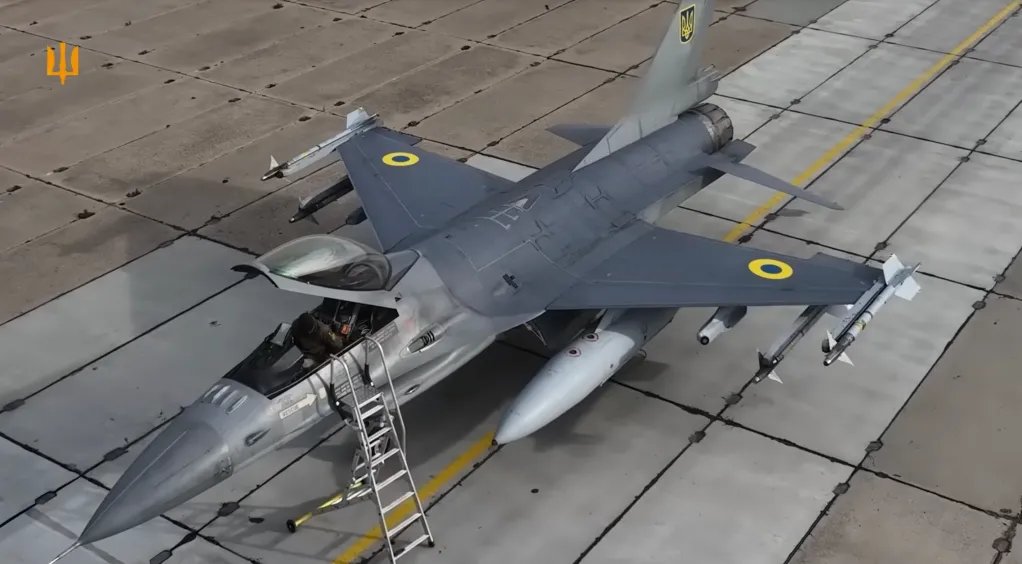
A Ukrainian F-16.
A Ukrainian F-16. Ukrainian air force photo.

One wing, too few jets

DonorF-16s promisedReached UkraineStatus
Netherlands2424Complete
Denmark19At least 12Further deliveries due
Norway60Being refurbished in Belgium
Belgium53010 by end of 2026, the last in 2029
TotalAbout 100At least 36, five since lostFewer than 40 in service
Sources: Militarnyi, The Aviationist, Airdatanews, Euromaidan Press.

In short, it's possible the Ukrainian air force's 107th Aviation Wing, its sole F-16 unit, has fewer than 40 ready-to-fight F-16s. Those 53 Belgian F-16s will help grow the wing, but piecemeal. Ukraine should expect a handful of operational jets from Belgium this year. Under a schedule from May, the last 27, half the total, may not arrive until 2029.

To be clear, additional F-16s support the 107th Aviation Wing. The Netherlands sold 18 of its old F-16s to Romania for a token price in order to equip a training squadron, funded by a consortium of Ukraine's allies, that feeds trained pilots to the 107th Aviation Wing. But these 18 jets aren't available for front-line use. They don't even legally belong to Ukraine.
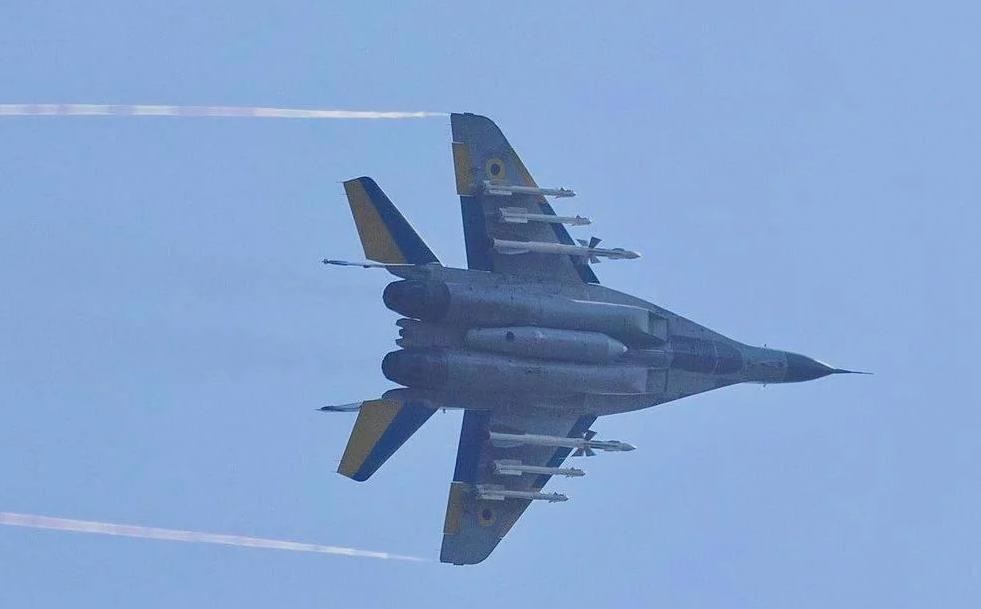
MiG-29 with R-27s and R-73s.
Explore further

Ukraine is running short of its best missiles for hunting Russia’s jet drones. Now MiG-29s are firing 1970s weapons

The delays in supplies of combat-ready F-16s matter because the Ukrainian air force is under stress. Its last few dozen ex-Soviet warplanes, including Mikoyan MiG-29 and Sukhoi Su-27 fighters, are even older and wearier than the ex-European F-16s are. And they've suffered staggering losses in the air and on the ground in nearly 56 months of hard fighting in the wider war.

The air force does have a few ex-French Dassault Mirage 2000s that are at least as capable as the F-16s, but France has donated only a handful of the supersonic jets—and one has crashed. Any further supplies of Mirage 2000s could be complicated by the French presidential election in April 2027. The leading far-right and far-left parties are both friendly toward Russia and hostile to Ukraine.

Some relief is coming, although not quickly. Sweden has pledged 16 surplus JAS-39C/D Gripen fighters to the Ukrainian war effort; the first of these could arrive early next year. Later on, Ukraine also plans to buy 20 newer JAS-39E/Fs. Kyiv has also negotiated to purchase 16 new Rafale fighters from Paris, but the soonest these could arrive is 2028.

For now, F-16s are the main solution to Ukraine's air defense problems. Kyiv surely wishes it had more of them, sooner.
  •  

Sea drone vs. air drone: Ukraine’s Sargan-3000 turns anti-aircraft gunner

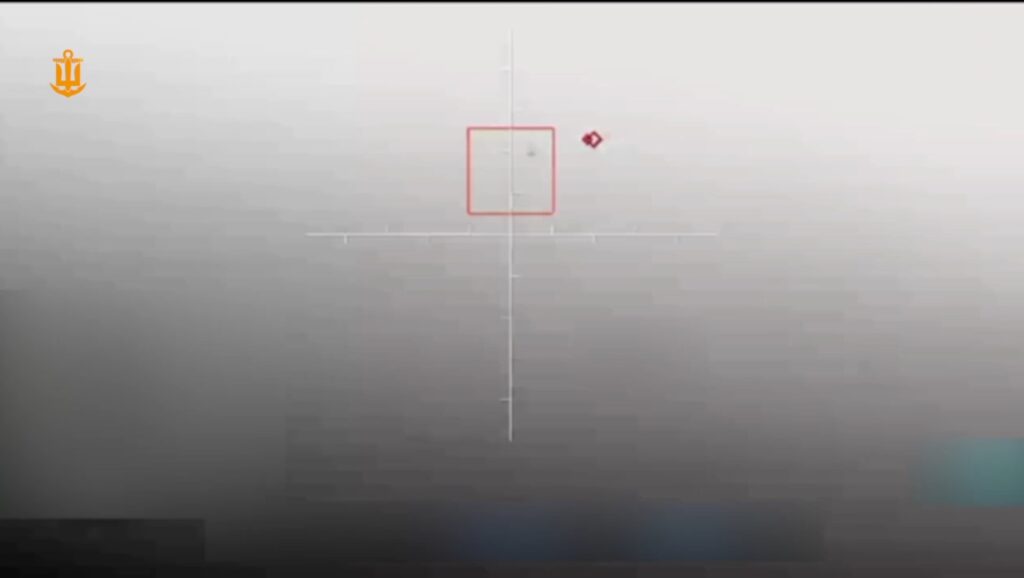
Russian drone seen through the camera of the RWS Protector module on the Ukrainian Sargan-3000 naval drone, October 2026.

A Ukrainian Sargan-3000 sea drone shot down a Russian Shahed flying on a mesh radio network, Ukraine's Navy reported on 7 October. Ukrainian sea drones have downed Russian aircraft before, but with missiles. This one used a machine gun.

Russia has been hitting Odesa with air attacks that come in waves with short gaps between them. Guarding the sky over water is harder than over land. Since fall 2025, Russia has also used mesh radio networks to reroute Shaheds mid-flight and dodge Ukrainian air defenses. That leaves Ukraine needing more ways to meet these drones out at sea, before they reach its ports and coast.

A Shahed steered by radio

A mesh-network drone passes its control signals along a chain of radio relays, drone to drone and on to ground antennas. That lets a Russian operator steer it in flight.

In May, Serhii "Flash" Beskrestnov, then a Defense Ministry adviser, said only about 5% of Shaheds had got through in a recent Russian strike, and predicted that Russia would answer with jet-powered versions and strikes near the border. By July, Ukraine was testing jamming against mesh-controlled jet Shaheds, he said.

Protector RWS turret on the Ukrainian Sargan-3000 naval drone, October 2026
Protector RWS turret on the Ukrainian Sargan-3000 naval drone, October 2026. Screenshot from a video by the Ukrainian Navy

The Sargan-3000 fired its Protector remote weapon station, Militarnyi reported. The station is a remotely operated 12.7-mm (50-caliber) machine gun with electro-optical sights. The outlet added that the Sargan-3000 is designed for combat missions far from Ukraine's coast.

Built for the open sea

Ukraine's Navy took the Sargan-3000 into service in April 2026, according to Militarnyi. The drone boat has a combat radius of up to 1,600 km. It moves at 40–55 knots and carries up to 450 kg of payload.

In September, a Sargan-3000 sank a Russian uncrewed boat with machine-gun fire. Militarnyi called it the first battle between uncrewed sea platforms in history. Analyst H.I. Sutton wrote that the boat carried a Protector made by Norway's Kongsberg. That is the same weapon station named in the October shootdown. Sutton added that Russian attack sea drones work closely with Shaheds, which can relay the boats' mesh radio signals.

  •  

Russia’s jet drones fly near 600 km/h now. Ukraine is building simulators for the 900 km/h ones it expects next

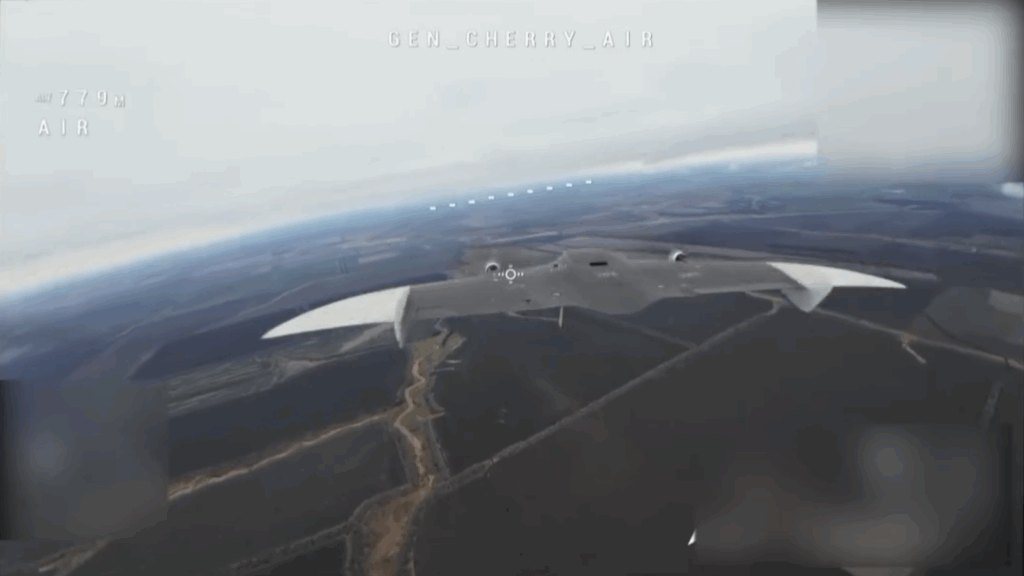
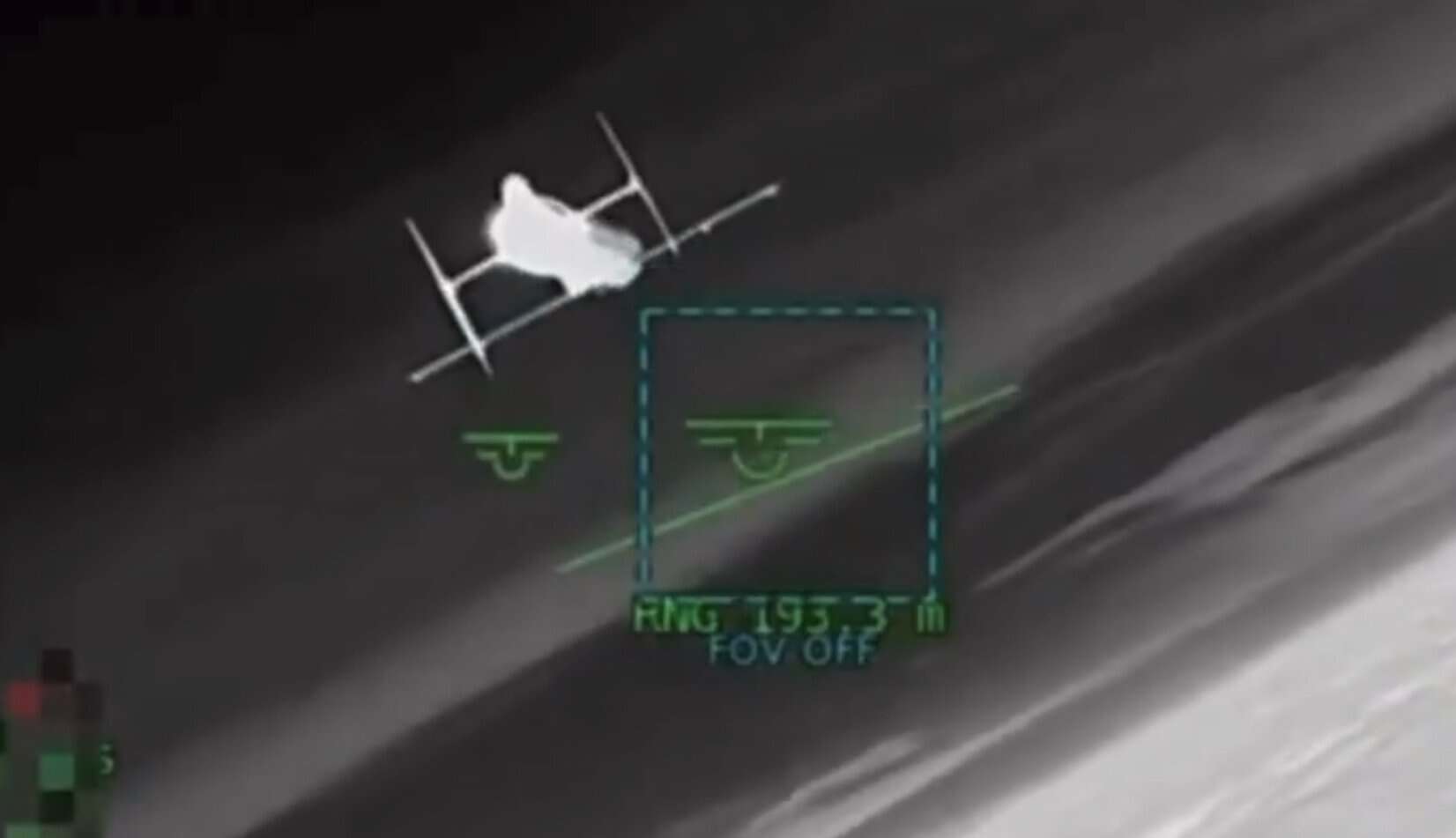
Russian "Knyaz Veshchiy Oleg" reconnaissance drone as seen from a Ukrainian "General Cherry AIR" interceptor drone, just before strike. Screenshot from video: General Cherry

Russia's jet-powered attack drones could eventually reach 800–900 km/h, and intercepting them will demand new piloting skills—so Ukraine has asked the makers of its interceptor drones to build simulators to train the crews, a senior Air Force officer told a parliamentary commission on 6 October, Suspilne reported.

Russia keeps modifying its jet Shaheds faster than Ukraine can field the drones meant to catch them, and Kyiv is now preparing crews for speeds its interceptors have never faced—a sign the air war is shifting from a contest of volume to one of raw speed.

The speed Russia hasn't reached yet

Colonel Yurii Cherevashenko, deputy commander of Ukraine's Air Force, told the commission that Russia's jet drones fly at around 600 km/h today but could eventually reach 800–900 km/h—speeds he said have not been recorded so far. That range sits near the cruising speed of a commercial airliner.

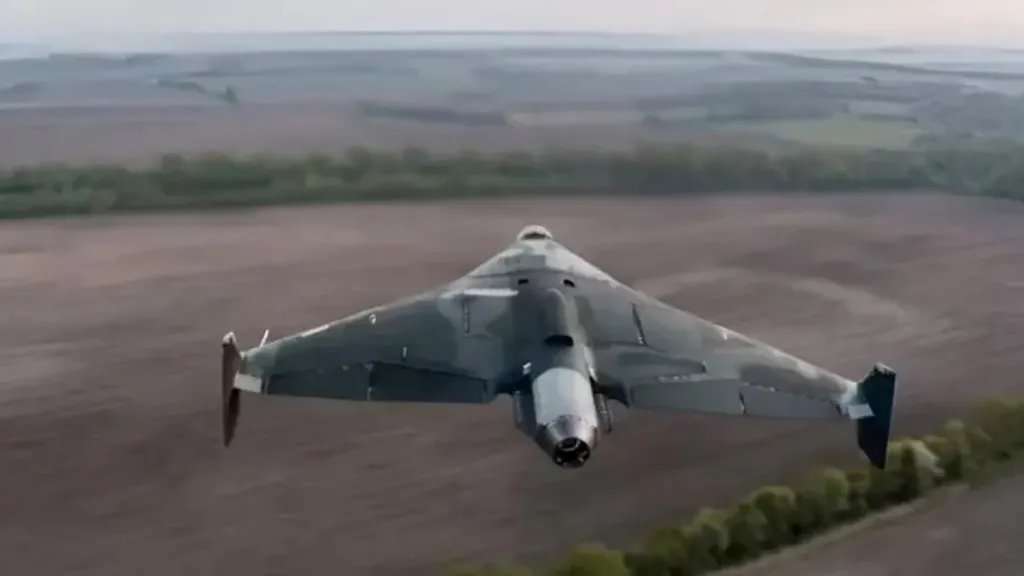
A Ukrainian interceptor drone chases a Russian Geran-5 jet-powered drone. September 2026.
Explore further

Ukraine just caught a Geran-5 at 425 km/h—the jet drone that has often outrun Ukrainian interceptor drones since January

Intercepting such targets will take specific piloting skills, Cherevashenko said. When an interceptor and its target move at roughly the same speed, he noted, the pilot barely perceives the difference in their speeds. To train for that, Ukrainian interceptor-drone makers have been tasked with building simulators where crews can practice against high-speed targets.

Where Ukraine stands now

Ukraine already downs 85% to 90% of Russia's slower, propeller-driven drones, Ukrainian President Volodymyr Zelenskyy has said, but the jet models remain a tougher problem—Ukrainian interceptors scored their reportedly first kill of a jet-powered Shahed in November 2025. In a 28 September evening address, Zelenskyy put the jet-drone interception rate at about 57%, lower than required. Days later, he said Ukraine is testing five interceptor-drone models and could be producing about 400 of one of them by the end of October. Asked when jet-drone interceptors would arrive at the scale needed, Cherevashenko answered: "Not before the end of November."

  •  

Ukraine’s F-16 Fleet Is In A Readiness Crisis

Ukraine’s F-16 fleet is facing growing pressure from the demands of the air war, with a shortage of air-to-air missiles now compounded by what appears to be a serious bottleneck in the critical maintenance system supporting the aging aircraft.

The Wall Street Journal reported Wednesday that more than half of Ukraine’s F-16s are currently in what a Western source described as “maintenance limbo.” The same source told the newspaper that, at the current rate of operations and maintenance, Ukraine could exhaust the remainder of its available aircraft by the end of the year.

An F-16 fighter jet flies in the sky over Kyiv on August 18, 2026, amid the Russian invasion of Ukraine. (Photo by Roman PILIPEY / AFP)
An F-16 over the Kyiv region on August 18, 2026. The jet carries four Sidewinder missiles, a Sniper targeting pod, and an AN/ALQ-131 electronic countermeasures pod. Photo by Roman PILIPEY / AFP ROMAN PILIPEY

The Ukrainian Air Force declined to provide the WSJ with figures on the status of the fleet. Open-source analysis suggests that Ukraine may have received around 40-50 F-16s so far. However, a proportion of these are held back for training elsewhere in Europe, while there have been five confirmed losses. Approximately 110 F-16s have now been promised by a coalition comprising Belgium, Denmark, the Netherlands, and Norway.

This is a growing issue, especially because right now F-16s are playing an important role in intercepts of jet powered Geran-4/5. https://t.co/ZtMFBSLAy1

— Michael Kofman (@KofmanMichael) September 30, 2026

The report follows TWZ’s recent reporting on a separate constraint affecting the F-16 force: Ukraine is struggling to maintain adequate stocks of air-to-air missiles for its fighters. AIM-9 Sidewinders and AIM-120 Advanced Medium-Range Air-to-Air Missiles (AMRAAM) have been heavily used against Russian cruise missiles and drones, and Ukrainian F-16 pilots have reportedly had to ration their missile shots. Aircraft have increasingly had to rely on their internal 20mm cannon when suitable missiles are not available. This is a far from ideal substitute, as you can read about here, but Kyiv is reportedly now negotiating for tens of thousands of additional rounds of 20mm ammunition.

The moment a Russian jet-powered "Shahed" drone is shot down by an F-16 fighter jet using its M61 Vulcan cannon. pic.twitter.com/gU72HJTXUa

— WarTranslated (@wartranslated) September 23, 2026

Ukrainian F-16s have apparently been carrying laser-guided 70mm Advanced Precision Kill Weapon System II (APKWS II) rockets, which should provide an extremely valuable, lower-cost option for engaging long-range drones and subsonic cruise missiles. The exact status of this weapon in Ukrainian hands is unclear, but there is so far limited evidence of extensive use by its F-16s, at least in the public domain.

All these problems are closely related because the same high operational tempo that is consuming Ukraine’s missile stocks is also putting additional hours on the already well-worn F-16 airframes.

The aircraft have become a critical important component of Ukraine’s air-defense effort, particularly as Russia has expanded its use of increasingly sophisticated one-way attack drones, as we wrote about only yesterday. WSJ reports that Russia has launched around 2,000 jet-powered drones against Ukraine this month, compared with approximately 350 in June. The newer, jet-powered drones can reportedly reach speeds of up to 375 miles per hour, making them more difficult for Ukraine’s interceptor drones to engage and increasing the importance of conventional fighters. At the same time, the stocks of effectors for ground-based air defense systems are being reduced, in some cases to a critical level, increasing the reliance on crewed fighters to take up the slack.

A Ukrainian drone attempts to intercept a Russian Geran-4 jet-powered drone. GUR

F-16s are well-suited to the counter-drone and counter-cruise missile mission, but using them extensively against large numbers of relatively inexpensive targets presents a difficult sustainment problem. In fact, the lower speed and altitude differential between the F-16 and a jet-powered drone, compared to a propeller-driven one, makes the higher-performance weapon an easier target for the crewed fighter in most scenarios.

However, every sortie adds flight hours to the aircraft, while each missile engagement draws from an inventory that Ukraine and its Western partners have to replenish. As the aircraft accumulate hours, they reach scheduled inspection and maintenance intervals, increasing demand on a maintenance network that is already supporting a fleet operating under wartime conditions.

The United States has established a substantial support arrangement for that purpose. In January, the Pentagon awarded Belgian company Sabena Aerospace Engineering a contract with a ceiling of approximately $235.5 million for intermediate- and depot-level maintenance of Ukrainian F-16 aircraft and engines, together with associated material-management support. The contract runs through January 2029, with approximately $69.7 million initially obligated.

Ukrainian Air Force F-16AM Fighting Falcon departing Belgium after receiving depot-level maintenance earlier this year. pic.twitter.com/Hy35iUZd8P

— OSINTtechnical (@Osinttechnical) August 28, 2026

The contract provides an indication of the scale of the infrastructure required to keep the Ukrainian F-16 fleet operational. It also highlights why the reported turnaround times in Belgium are significant. A typical phase-inspection that would normally take approximately two to six weeks in the United States is reportedly taking as long as 40 weeks in Belgium.

A 40-week turnaround does not necessarily mean that an aircraft spends 40 weeks continuously undergoing a phase inspection. The overall period an aircraft is unavailable can also include waiting for parts, additional repairs, scheduling, and other work. It is unclear exactly how many Ukrainian F-16s are currently affected by these various factors.

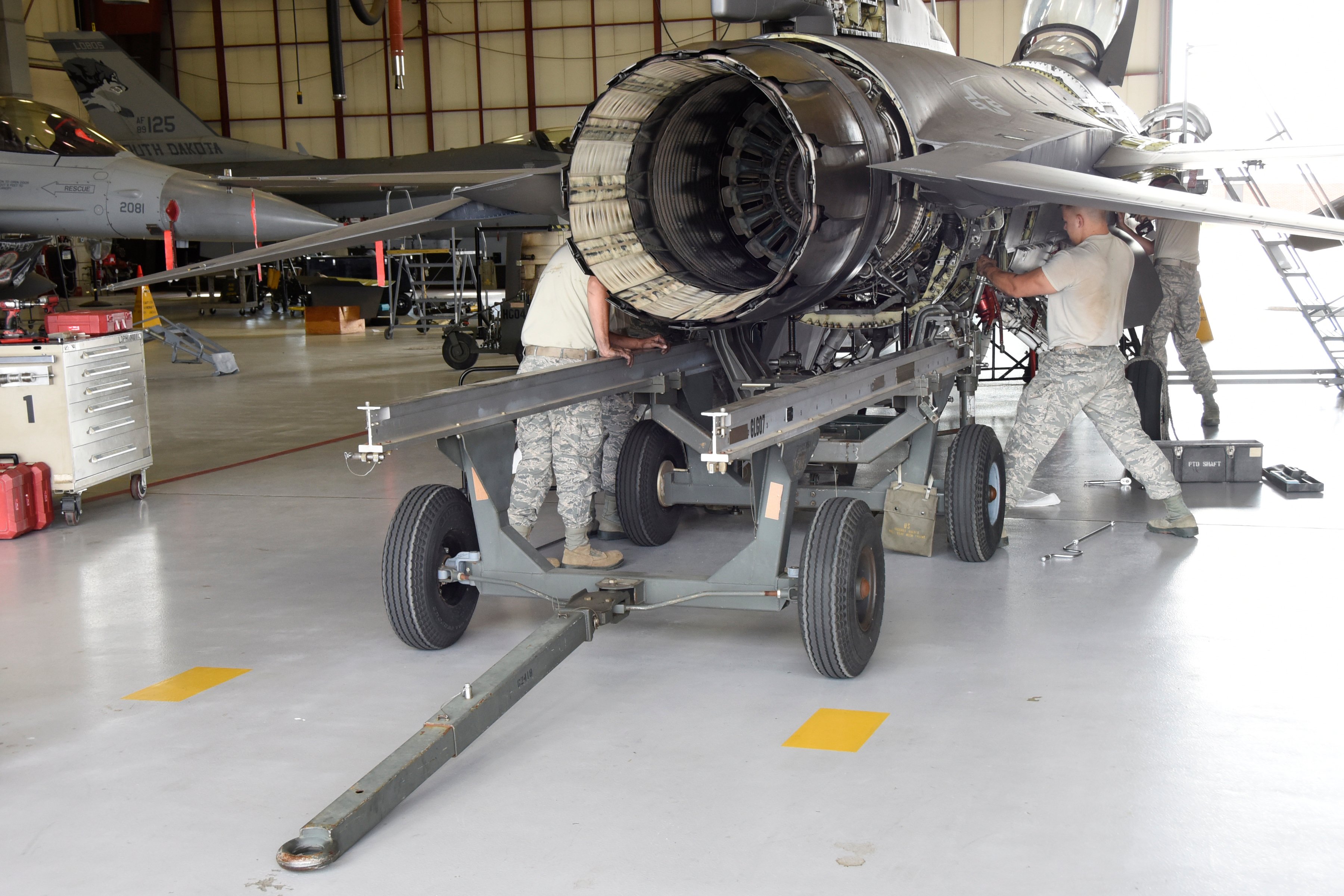
114th Aircraft Maintenance Squadron engine shop Airmen remove the engine of an F-16 during the De-paneling Phase of a phase maintenance inspection at Joe Foss Field, July 8, 2017. Each aircraft is required to go through a phase inspection every 400 flight hours to ensure all systems are functioning within Air Force regulations. (U.S. Air National Guard photo by Master Sgt. Christopher Stewart/Released)
U.S. Air Force engine shop where airmen remove the engine of an F-16 during a phase maintenance inspection in the United States. U.S. Air National Guard photo by Master Sgt. Christopher Stewart/Released Master Sgt. Christopher Stewart

At the same time, the reported turnaround times do point to a substantial capacity problem. Ukraine operates a relatively small F-16 fleet, so aircraft that remain unavailable for extended periods have a disproportionate effect on the number of fighters that can actually be generated for combat missions. Its mission spectrum also includes air-to-ground sorties, putting more demand on the hard-pressed F-16 fleet.

F-16 fighters are the best way to counter new Russian jet-powered drones.

Ukrainian F-16 aces have shot down about 2,500 drones of all types and about 650 cruise missiles.

Jet drones are exactly the kind of target F-16s shoot down very well, and it usually costs $25,000 or… pic.twitter.com/ajxYN9K0yK

— Slava 🇺🇦 (@Heroiam_Slava) September 30, 2026

The F-16s have finite airframe lives, require increasingly substantial inspections as they accumulate hours, and depend on a supply chain for engines, components and other parts. The missiles used to destroy the targets are another finite resource. It should also be recalled that the jets supplied to Ukraine are among the oldest still in operational service. Although upgraded to F-16AM/BM standard, the airframes have accumulated a lot of hours and fatigue.

There is an additional complication with the air-to-air missile inventory, too. AMRAAM is not used only by Ukrainian F-16s, but also employed by its NASAMS ground-based air-defense systems. Sidewinders, too, have both air-launched and surface-launched applications. The same broader Western supply chain therefore has to support both fighter operations and some of Ukraine’s surface-to-air missile systems. Stocks of both AMRAAM and Sidewinder have been eroded by Ukraine, as well as by combat actions in the Middle East.

Southern Ukraine, a Ukrainian NASAMS surface to air missile system intercepts a Russian drone with an (SL)AIM-120B AMRAAM. pic.twitter.com/LTeDDHaECp

— OSINTtechnical (@Osinttechnical) May 22, 2025

At the same time, Ukraine is continuing to receive additional F-16s. Belgium has said it will transfer three more aircraft to Ukraine before the end of this year. More aircraft will increase the potential size of the force, but they will also add to the requirement for spare parts, engines, technicians and depot capacity.

“There is an important agreement ​with Belgium on the transfer of three F-16 ​fighter jets by the end of this year,” ⁠Ukrainian President Volodymyr Zelensky wrote on X. “We will work to receive ​these aircraft through an accelerated procedure.”

There is an important agreement with Belgium on the transfer of three F-16 fighter jets by the end of this year. We will work to receive these aircraft through an accelerated procedure. We have already received urgent deliveries of F-16 ammunition from Belgium and other…

— Volodymyr Zelenskyy / Володимир Зеленський (@ZelenskyyUa) September 29, 2026

Zelensky said Ukraine had ​already received “urgent deliveries” of F-16 weapons from Belgium and Spain, among other countries.

The alternatives to the F-16 are also limited in the near term. Ukraine continues to operate the Soviet-era MiG-29 Fulcrum and a small number of Su-27 Flankers, but these aircraft are themselves aging and are also required for strike missions. In their favor, the Soviet types were designed around a different concept of operations, making them easier to maintain in the field, and Ukraine has its own support infrastructure to sustain them.

The French Mirage 2000-5F force provides another Western option, but deliveries have been relatively limited, and additional aircraft are arriving incrementally rather than in numbers that can quickly compensate for a major reduction in F-16 availability. The longer-term fighter replacement plan is more ambitious. Sweden has agreed to provide 16 Gripen C/D fighters, with the first aircraft expected in early 2027, while a separate agreement covers the purchase of 16 new Gripen E fighters whose deliveries are not scheduled to begin until early 2029.

🇫🇷🇺🇦 French-delivered Dassault Mirage 2000-5F fighter jet in service of the Ukrainian Air Force during flight somewhere over Ukraine. pic.twitter.com/eBCjtx2Gjc

— Status-6 (@Archer83Able) May 17, 2026

That leaves the F-16 as the principal Western fighter capability available to Ukraine for the immediate future, increasing the significance of any prolonged disruption to its maintenance pipeline or its supply of air-to-air weapons. Ukraine needs enough aircraft to maintain a meaningful combat presence, enough missiles to arm them for the missions they are being asked to fly, and enough maintenance capacity to keep those aircraft available as their flight hours accumulate.

All this is becoming more important as Russia’s aerial campaign evolves. If the increase in faster jet-powered drones continues, Ukraine may have to devote still more fighter sorties to countering them at the very same time that a large portion of its existing F-16 fleet is reportedly unavailable and its stocks of air-to-air missiles are under serious pressure.

Contact the autjor: thomas@thewarzone.com

The post Ukraine’s F-16 Fleet Is In A Readiness Crisis appeared first on TWZ.

  •  

Missile Shortage Has Now Hit Ukrainian F-16 Force

Ukrainian F-16 pilots are facing such a severe shortage of air-to-air missiles that some daytime sorties have seen them rely solely on the fighters’ internal guns to engage Russian aerial threats, according to a journalist who recently spoke with a senior Ukrainian Air Force commander. Meanwhile, the lack of air-to-air missiles means that the available weapons stocks are now being rationed.

The disclosure provides a remarkable glimpse into the day-to-day reality of Ukraine’s F-16 operations. While the aircraft may be available, the pilots may be ready, and Russian drones and cruise missiles may be approaching, there may simply not be enough missiles on hand to arm the jets.

According to Newsmax journalist Shelby Wilder, the Ukrainian Air Force can find itself monitoring missile shipments as they cross the country’s border, with personnel counting not just the hours but the minutes until those weapons reach the aircraft. The concern is whether the missiles will arrive in time for the next major Russian aerial attack.

The Ukrainian commander, who identified himself by the callsign “Phantom” and as commander of the country’s 107th Wing, confirmed the underlying problem when asked directly whether Ukraine was severely short of missiles for its F-16s.

“Yes, that’s true. Any aircraft without weapons is … useless,” Phantom said.

That blunt assessment is particularly striking given what Ukraine is asking its F-16s to do, and the relentless nature of Russian bombardments against Ukrainian cities and infrastructure.

❗The moment when a 🇺🇦Ukrainian F-16 fighter jet shot down a 🇷🇺Russian Kh-101 cruise missile at extremely low altitude pic.twitter.com/7zVujRkYaG

— 🪖MilitaryNewsUA🇺🇦 (@front_ukrainian) June 1, 2026

The fighters have become an important part of Ukraine’s layered air defense network, hunting Russian drones and cruise missiles while also providing a potential counter to Russian combat aircraft, and conducting air-to-ground sorties. Ukraine has operated the F-16 since the summer of 2024.

“We are focusing on defending our skies against Russian unmanned drones to protect our infrastructure inside the country,” Phantom said. “Our target priority is cruise missiles.”

Destroying as many incoming threats as possible before they reach Ukrainian cities and infrastructure requires missiles, with the F-16 primarily armed with the AIM-120 Advanced Medium-Range Air-to-Air Missile (AMRAAM) and the shorter-range AIM-9 Sidewinder.

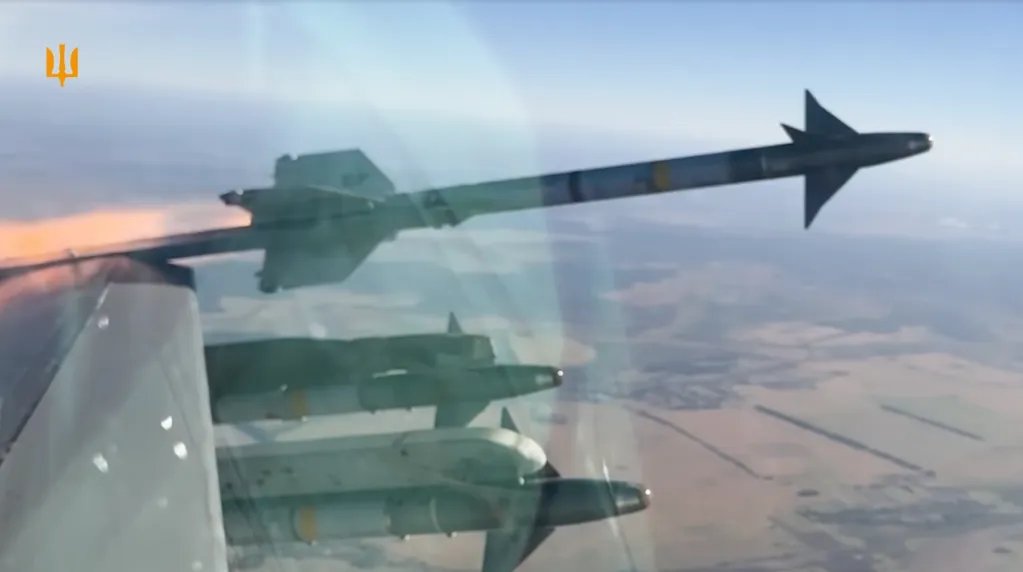
Another live AIM-9L/M launch. This Ukrainian F-16 carries six Sidewinders. Ukrainian Air Force screencap

According to the new disclosure, those missiles have become a commodity whose availability can determine how a sortie is flown.

The F-16 carries an M61A1 Vulcan 20mm rotary cannon, but using the gun against an aerial target is fundamentally different from engaging it with a missile, and comes with its own risks, as we have explored before. This tactic is especially hazardous when going after small targets and especially slow ones, and it becomes even more dangerous at night.

Ukraine has already demonstrated that its F-16s can use their guns in combat. In May 2025, the Ukrainian Air Force said an F-16 pilot had destroyed three aerial targets and was engaging a fourth with the aircraft cannon before an emergency forced him to eject.

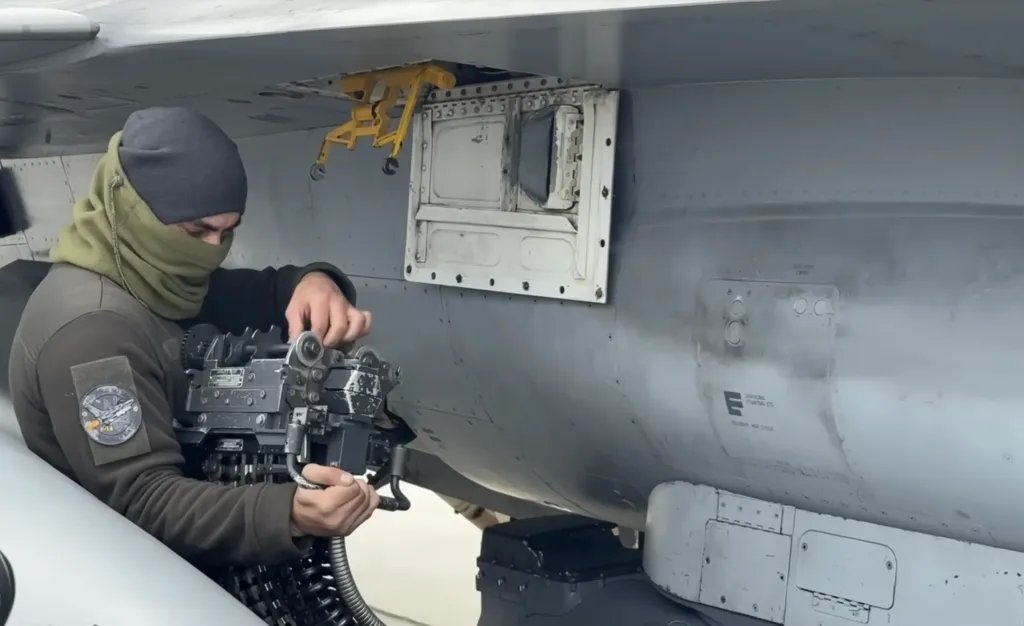
An armorer loads an F-16 with 20mm ammunition for its M61A1 cannon. Ukrainian Air Force screencap

One air-to-air weapon not mentioned by Phantom is the laser-guided 70mm Advanced Precision Kill Weapon System II (APKWS II) rocket, now apparently also part of the arsenal. These rockets would offer the Ukrainian Air Force an extremely valuable, lower-cost option for engaging drones and subsonic cruise missiles. 

Regardless, Phantom specifically called for additional air-to-air missiles, as well as interceptors for ground-based Patriot batteries.

“We require more means of protection, such as Patriot missiles and air-to-air missiles, AIM-9s or AIM-120s to our fleet,” he said.

Phantom’s message is that simply delivering more aircraft is not enough. Ukraine needs a sustainable weapons pipeline to keep those aircraft combat-effective.

Ukrainian Air Force F-16AM Fighting Falcon departing Belgium after receiving depot-level maintenance earlier this year. pic.twitter.com/Hy35iUZd8P

— OSINTtechnical (@Osinttechnical) August 28, 2026

This is increasingly becoming a wider problem across Ukraine’s air defense network. Patriot interceptors have been heavily consumed, with relatively few replacement missiles now trickling in, leaving Ukraine with limited ability to defend against ballistic missiles in particular. The strain is now spilling into the lower tiers, including the air-to-air missiles carried by F-16s. Ukraine’s continued consumption of interceptors is a major driver, but it is competing with the enormous demand generated by ongoing wars in the Middle East and a broader surge in demand for advanced air defense weapons around the world. With production struggling to keep pace, scarce interceptors are effectively being rationed across an increasingly crowded global battlefield.

“At least we need to try to increase the production, or at least to allow Ukraine to localize the production in Ukraine or other European countries,” he said.

That proposal reflects the fundamental vulnerability of a relatively small fleet operating in a high-intensity air war. Every missile fired at a Russian cruise missile or drone is one less available for the next engagement. A finite inventory therefore has to cover both routine air-defense missions and the possibility of much larger Russian attacks. At the same time, both the AIM-9 and especially the AIM-120 are used for Ukrainian ground-based air defenses too. The AMRAAM, in particular, is the effector for the NASAMS, which protects Kyiv, and other key objectives against cruise missiles and drones.

Air-to-air with two F-16s. The nearest jet carries a wingtip AMRAAM. Ukrainian Air Force screencap

The problem becomes even more acute because Ukraine cannot know precisely when the next major Russian strike will arrive.

That is why, according to Wilder’s account, the arrival of missile shipments is being followed with extraordinary urgency.

At the same time, Phantom welcomed the major technological leap that the F-16 represents over the Soviet-designed MiG-29s and Su-27s that formed the backbone of Ukraine’s fighter force.

“The F-16s in comparison with the legacy aircraft like MiG-29 or Su-27? This is kind of like a new technology,” Phantom said.

But sophisticated aircraft are only as useful as the weapons available to them.

Ukrainian F-16s have reportedly destroyed huge numbers of Russian drones and cruise missiles, and in July a Ukrainian F-16 was publicly identified by the U.S. Joint Chiefs chairman as having shot down a Russian fighter.

⚡ CONFIRMED!
On July 8, 2026, a Russian Su-35 multi-role fighter was shot down on the eastern sector!

🇺🇦 Glory to Ukraine!
✊ Together to victory! pic.twitter.com/r8S9fgQaC5

— Ukrainian Air Force (@KpsZSU) July 8, 2026

Phantom also asked Ukraine’s Western partners to think beyond individual weapons transfers and toward production capacity.

He also urged the United States and European countries to do more to prevent Russia from acquiring components used in its own missile production through third party countries.

“We need to make as much as we can to stop providing the parts, most technological parts to Russians, bypassing the direct sales, of course, through the third party,” he said.

An armed F-16 between sorties. Ukrainian Air Force screencap

Phantom argued that Russia continues to obtain sophisticated components through intermediaries and even ostensibly civilian products.

“It would not be a surprise that Russians [are] using the washing machine that they’re buying from the third party to use those smart details for building missiles,” he said.

His recommendation is tighter sanctions and enforcement designed to cut off Russia’s access to those components.

“Important is to sanction to stop Russia from being able to have access to those parts,” he said.

That, combined with missile shortages, could become an even bigger problem when Russia conducts another major aerial campaign against Ukraine, particularly as Moscow traditionally intensifies attacks against the country’s energy infrastructure during the winter months.

Contact the author: thomas@thewarzone.com

The post Missile Shortage Has Now Hit Ukrainian F-16 Force appeared first on TWZ.

  •  
❌