
 Login

Ukraine’s shell factories outpace state orders, arms company chief says: Kyiv spent five months buying from them this year, leaving six to produce
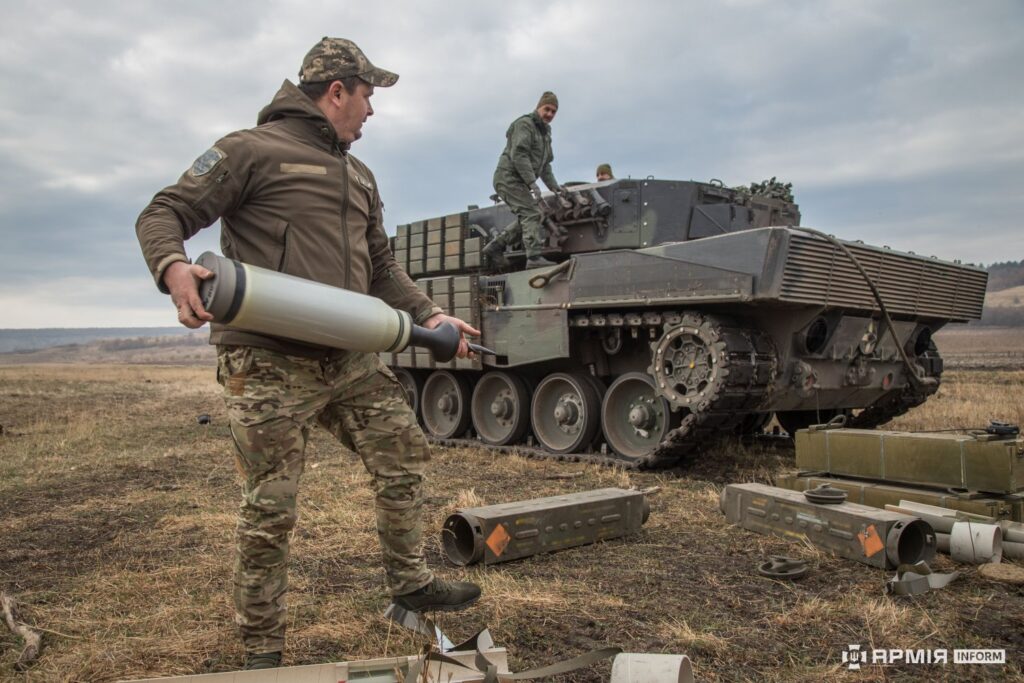
Ukraine has built an artillery-ammunition industry whose capacity now exceeds what the state budget can order. Yet its main problem is not production but the absence of a predictable state order, Ukrainian Armor chief executive Vladyslav Belbas said on Radio NV.
Private firms built those plants with their own money under constant Russian fire, but they still do not know how much the state will buy next year, or when it will sign the contracts that keep the lines running. The paradox is stark: Ukraine went from depending on Western shell deliveries at the start of the invasion to making more than its budget can buy, with room to export as much again.
“Now we supply ourselves with more than the budget can buy, and we can supply the same amount again for export. The building of an artillery-ammunition industry has happened. For certain types of ammunition, we can even speak of a closed cycle,” Belbas says.
He calls the shift a clear gain of recent years, with similar progress across many types of weapons.
Factories built on private money, waiting on the state
The producers are flying blind on demand. Private makers receive no state investment and are paid only for finished products, having built their plants themselves, yet they do not know in advance how much the state will buy or when it will sign contracts, he explains.
“All producers have been saying for years that we need a stable, clear order so that plants and workshops run without stopping. Private producers have not received a single coin of investment from the state. It is very hard to live and develop without forecasting,” Belbas says.
A procurement clock that runs out before the shells do
The calendar works against the factories. Contracting for next year has not begun because the budget is not yet set, and the procedures drag on: this year buying artillery ammunition took five months, leaving six for production, he notes.
For now, long-range ammunition is being actively contracted, and foreign deliveries are arriving, and he expects no supply problems by year’s end except for special munitions, including cluster rounds.
Read also
-
The drones flew 1,000 km. St. Petersburg’s oil terminal, fuel depot, and a nearby data center were waiting at the end
-
Russia hit Ukraine’s energy 76 times during a US-declared truce—and tens of thousands lost power overnight. Civilians killed and injured
-
Belgium’s 10 F-16s bring Ukraine’s promised fleet to about 100 jets. Fewer than 40 are flying, as Russia’s jet drones run them ragged
