Login

Posting strike videos online may help Russia tune its drones’ optical targeting. Moscow now pays people to film hits, Ukrainian adviser warns
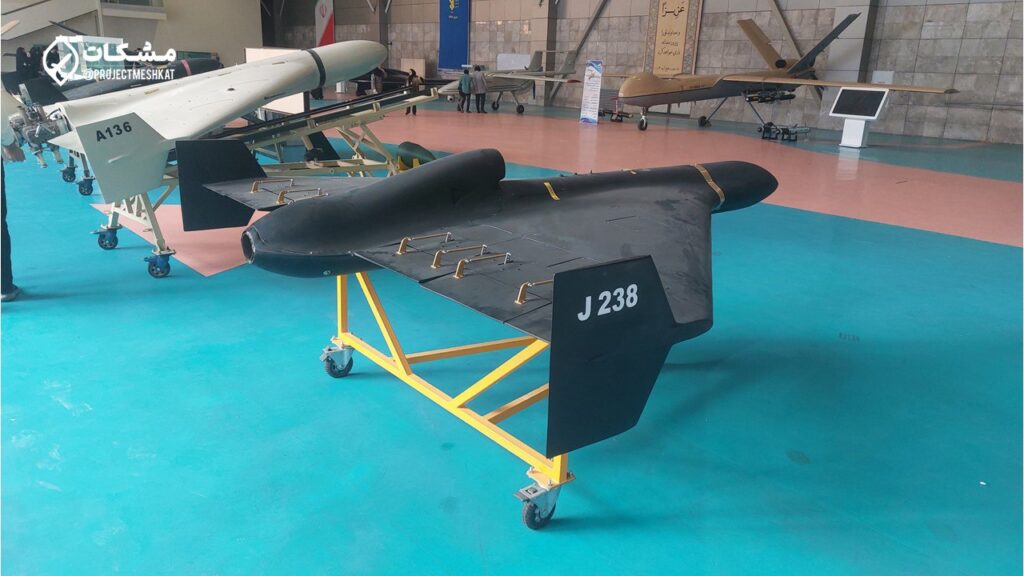
Filming a drone strike and posting it online may be quietly teaching Russia’s drones to aim better. Russia is collecting footage of its Geran attack drones striking Ukraine, probably to check how its optical target-recognition and guidance algorithms perform in combat, presidential defense-technology adviser Serhii “Flash” Beskrestnov says.
Russia has fitted its jet-powered Geran drones with machine vision that lets them recognize and track targets on their own in the final seconds of flight, a capability Ukraine’s electronic warfare cannot easily defeat. Now, Moscow is paying people inside Ukraine to film where those drones land, which Flash says is no coincidence after four years of not asking.
“Across many Telegram channels, the enemy is asking traitors to film videos of ‘Geran’ impacts and transmit information for a reward. For four years they didn’t ask, and suddenly it has become so crucial,” Beskrestnov notes.
The reason, he believes, lies in those optical guidance systems. Russian forces need impact footage to see how its algorithms are performing in real combat conditions, according to the expert.
The warning Flash is pressing on civilians
His takeaway for them is blunt: stop posting the videos of Russian assaults. He stresses the serious danger of publishing footage of impact sites and urges people not to film or share it.
“This serves as a signal to everyone: do not film and do not publish videos of ‘Shahed’ hits. You see how vital and necessary this is to Russia,” Beskrestnov adds.
Earlier, Ukrenergo board chairman Vitaly Zaichenko said that a Russian drone severed a unique power transmission tower at the Dnipro River crossing in Kyiv, and it cannot be restored. He added that the company was developing new technical solutions "on the fly, and very fast."
It would start the procedures for those solutions from 15 October. Russia’s use of drones able to sever metal towers is a new and serious challenge for Ukraine’s power engineers.
Read also
-
The drones flew 1,000 km. St. Petersburg’s oil terminal, fuel depot, and a nearby data center were waiting at the end
-
Russia hit Ukraine’s energy 76 times during a US-declared truce—and tens of thousands lost power overnight. Civilians killed and injured
-
Belgium’s 10 F-16s bring Ukraine’s promised fleet to about 100 jets. Fewer than 40 are flying, as Russia’s jet drones run them ragged