from SGT Report: Save the LIFE of someone you love, share this video! There is a better way than the Rockefeller medicine machine and their radiation and chemo. My guest Dr. Francisco Contreras is the President and Medical Director of Oasis of Hope Cancer Center who leads with metabolic whole body supportive therapies to care […]
From October 19 to 23, the world gathers in Rome for the 54th session of the Committee on World Food Security (CFS)*—a global platform dedicated to combating hunger and malnutrition, and to upholding the right to food. Discussions will focus on food security, coordinated responses to food crises, and sustainable food systems. The agenda will […]
by Michael Nevradakis Ph.D., Activist Post: State health departments can now purchase this season’s COVID-19 vaccines for low-income children through the CDC’s Vaccines for Children Program. Vaccine advocates had complained about a delay — but families and pediatricians concerned about vaccine safety criticized the decision. “The days of just injecting everyone without considering the individual […]
Elizabeth Dunford studies food additives and their impact on health.
Elizabeth Dunford/ Getty Images
Ultra-processed foods are everywhere, but some additives are worse than others.
Elizabeth Dunford is a nutrition epidemiologist who studies additives and health issues.
She avoids two types of additives when she sees them on a food label.
Elizabeth Dunford isn't trying to make grocery shopping an impossible task.
Dunford is a nutrition epidemiologist who studies additives in ultra-processed foods and their impact on health.
It's not realistic to avoid packaged foods altogether, Dunford, who is based at the University of North Carolina at Chapel Hill, told Business Insider. They make up around 70% of the US food supply.
So, she focuses on buying foods for her family that have a low "additive load" overall.
"I try and avoid things in general that have a lot of additives, but you can't avoid everything," said Dunford, who is a mom of two. "If you pick it up, you turn it over, and you don't recognize half the ingredients, it's probably not a good choice," she said.
She has taught her kids that eating enough vegetables, protein, and calcium will "keep their brains and bodies healthy," and that there's a time and a place for treats, but it's not good to have too many. "It is the everyday food and drink choices that really matter to me," Dunford said.
Ultra-processed foods contain ingredients you wouldn't find in a regular kitchen, like emulsifiers and thickening agents. They tend to be ultrapalatable, meaning they contain an irresistible combination of sugar, salt, and fat, and have long shelf lives. They can be anything from potato chips and soda to packaged bread and yogurt.
A diet high in this type of food has been linked to a higher risk of chronic diseases, including type two diabetes, cardiovascular disease, cancer, and depression.
While she finds it unrealistic to cut out all additives, Dunford shared the two additives that she won't buy.
Synthetic dyes
Synthetic dyes are used in many different kinds of foods, not just junk food, Dunford said.
markcarper/Getty Images
Dunford avoids buying products that contain synthetic dyes for herself and her family. "I will allow it at a birthday party. That's about it. Day-to-day, they're not allowed in our house," she said.
The dyes, which are typically made from petroleum, are used to give food products colorful appearances. If you're looking out for them on a label, scan for a color and a number.
Dunford said that although the dyes are common in candy and junk foods, they can be used in anything from blueberry bagels to spinach wraps. Instead of avoiding any particular food, she checks labels to find a version without synthetic dyes.
"There are definitely enough alternatives out there that there is no need to buy products for my kids that contain synthetic dyes," she said.
Synthetic dyes are not proven to harm everyone who consumes them, but evidence suggests they can worsen hyperactivity or attention-related behavior in children who are sensitive to them. Dunford said her son is on the ADHD spectrum, and that she would notice a difference in his behavior when he had brightly colored foods.
"My son, like many kids his age on the ADHD spectrum, and I noticed he became horrible when he would have brightly colored foods," Dunford said.
In January 2025, the FDA banned Red Dye 3, a dye that gives foods like candy, frosting, and bacon a cherry red color, because it was linked to cancer in an animal study. It has not been found to cause cancer in humans, but has also been associated with behavioral issues in some children.
In April 2025, the FDA announced that it would be phasing out a number of other synthetic dyes, including Red 40, Green 3, Yellow 5, Yellow 6, Blue 1, and Blue 2.
Phosphate additives
Soda typically contains phosphate additives.
Grace Cary/Getty Images
Dunford tries to avoid buying products with phosphate additives such as phosphoric acid, dicalcium phosphate, tricalcium phosphate, disodium phosphate, sodium phosphate, and lecithin.
Studies suggest that phosphate-based additives are present in up to 56% of packaged foods in the US and that they raise blood phosphate levels more than the phosphate that naturally occurs in foods such as meat, seafood, and dairy. Soda, processed meats, and fast food all commonly contain phosphate additives, but they can also be used in everyday staples like yogurt and bread.
Dunford won't buy major culprits like soda at all, but for other products like yogurt, she makes sure to find versions without them.
"Children are getting really highly exposed to these additives and they can really cause a lot of problems with bone health, with kidney health," Dunford said.
The body needs phosphate, which is a mineral, for healthy bones, teeth, cells, and energy production. But too much phosphate in the blood can be harmful, especially for people with chronic kidney disease, whose kidneys are less able to remove excess phosphate.
Calcium and phosphate are both used to build bones, and the kidneys help keep their levels balanced in the bloodstream. When phosphate builds up, it can disrupt this balance and trigger hormonal changes, including higher levels of parathyroid hormone, a hormone that regulates calcium in the blood. Over time, this can cause calcium to be released from bones, weakening them.
Although studies suggest that phosphate additives can temporarily affect the phosphate-calcium balance in healthy people, more research is needed to understand if these ingredients can cause health issues over time. Regardless, Dunford prefers to err on the side of caution.
"You're not going to get it perfect. It's okay, but just take that extra step, look at the label," Dunford said.
from SGT Report: If you think Bill Gates, Albert Bourla and Tony Fauci are enemies of humanity, you’re right, they are. But do NOT forget about the FDA which brought us the Covid bioweapons AND Moderna’s mNEXSPIKE. And with 21 ‘Plague vaccines’ in the pipeline, the worst might still be ahead of us. But BE […]
by Paul Craig Roberts, Paul Craig Roberts: The article below by Danish researcher Soren Korsgaard examines the official narrative that vaccines are not a cause of autism. He focuses on the Madsen paper which the CDC cites as proof that vaccines do not cause autism. Korsgaard found that instead of comparing a vaccinated population with […]
🚨🌍 California Doctor:- “There is an emerging problem seeing all over the World – it’s called Chemtrail Lung – there are more respiratory illnesses that are showing up because of the toxic chemicals” “Especially in this area – because of lots of secret activity happens at Palmdale Airport” — Concerned Citizen (@BGatesIsaPyscho) October 13, 2026
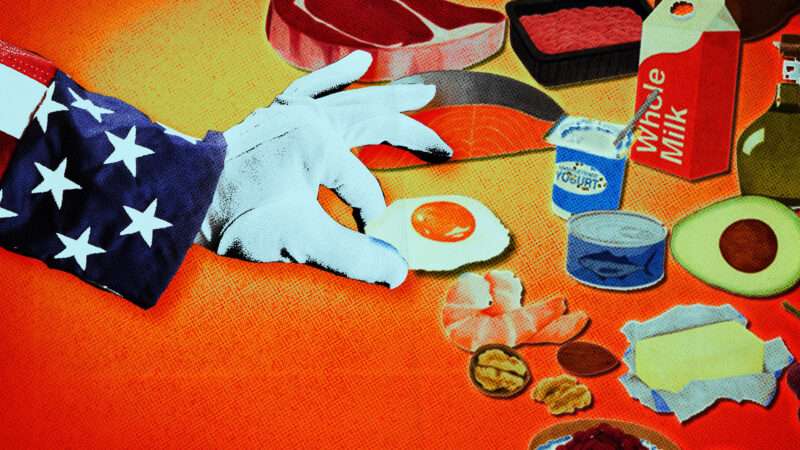
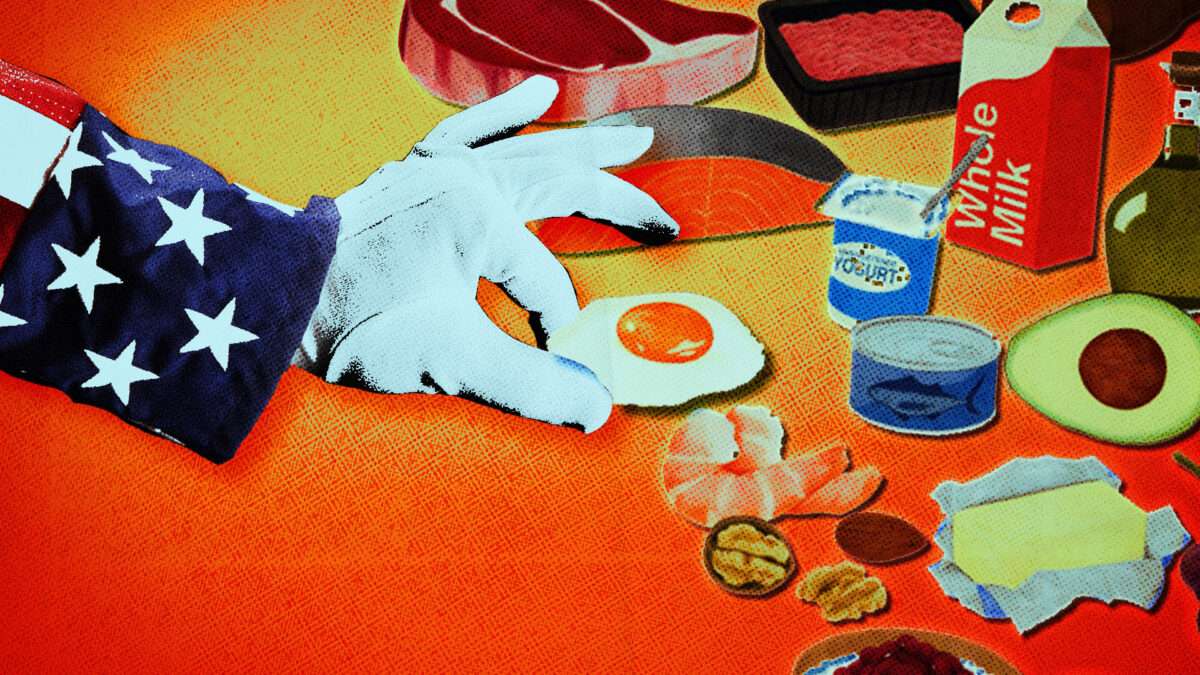
Governments have spent decades issuing dietary guidelines, sponsoring public health campaigns, and encouraging consumers to cut back on sugary, salty, and fatty foods. Now they're moving beyond persuasion and adopting more aggressive measures to influence what people eat.
In an October 8 article titled "Nagging People to Eat Healthily Does Not Work," The Economist describes a growing international movement to tax unhealthy foods, restrict advertising, require warning labels, and regulate how supermarkets display and promote their products. Such measures are needed, officials argue, because the earlier approach failed to curb rising obesity rates.
The Economist notes, for example, that from 1992 through 2020 Britain adopted 14 national strategies to reduce obesity, comprising 689 individual policies. Most of these sought to educate consumers about healthy eating or improve access to healthier foods. Yet England's obesity rate doubled over roughly the same period.
The article treats the rise in obesity as evidence that these efforts failed, and its framing implies that governments need to go further. But the fact that obesity increased despite these initiatives doesn't tell us whether they were effective. (After all, obesity might have increased even faster without them.) More importantly, it doesn't follow that more intrusive interventions will improve health outcomes.
The Economist article cites a study that attributes Mexico's reductions in calories, added sugar, and saturated fat sold to mandatory warning labels. But these measures reflect changes in food purchases and product formulations, not demonstrated improvements in health. The article provides no evidence that the labeling requirements have reduced obesity, diabetes, cardiovascular disease, or mortality.
And who decides which foods should carry warning labels, face higher taxes, or be restricted in where retailers can display them? The government has a poor track record in providing nutritional advice.
Terence Kealey, Bautista Vivanco, and I wrote a Cato Institute article earlier this year examining the history of federal dietary guidelines. We traced how officials adopted dietary recommendations grounded in scientific theories that were contested from the outset and inadequately supported by experimental evidence.
In 1977, the Senate Select Committee on Nutrition and Human Needs issued Dietary Goals for the United States, urging Americans to reduce fat and cholesterol intake while increasing carbohydrate intake. The recommendations reflected the prevailing hypothesis that dietary fat and cholesterol were major causes of cardiovascular disease.
But the evidence was far from conclusive. Researchers had challenged the correlations underpinning the hypothesis, and randomized trials available at the time had failed to show a mortality benefit from reducing dietary fat. The American Medical Association warned in 1977 that the evidence supporting universal dietary goals was inconclusive and that the recommendations could have harmful consequences.
Nevertheless, federal officials pressed forward.
For decades, government dietary guidance encouraged Americans to limit cholesterol-rich foods, including eggs and shellfish. It wasn't until 2015 that the Dietary Guidelines Advisory Committee concluded that dietary cholesterol was no longer a nutrient of concern for overconsumption.
Meanwhile, the campaign against dietary fat coincided with—and may have contributed to—significant shifts in American eating habits. According to the U.S. Department of Agriculture (USDA), from 1970 through 2003 per capita availability of grains rose by 43 percent, while added fats and oils rose by 63 percent. A separate USDA report found that per capita consumption of whole milk declined by 70 percent over that period, while consumption of lower-fat and skim milk increased by 140 percent. The USDA attributed this shift to warnings about saturated fat. Even after scientists raised concerns about trans fats, federal dietary guidelines continued to favor margarine over butter. Some margarines contained partially hydrogenated oils, which the Food and Drug Administration (FDA) later determined were no longer generally recognized as safe because of their cardiovascular risks.
These trends don't prove that government dietary advice caused Americans to change their diets. But government recommendations can influence what manufacturers produce and what consumers buy. When these recommendations are wrong, the consequences can be widespread.
Nutritional science is complex, and scientific consensus can shift. Government officials are no less susceptible to error than anyone else. Yet when the government endorses a particular dietary theory, its recommendations carry authority that can discourage competing approaches and magnify the consequences of mistakes.
The latest federal dietary guidelines illustrate this problem. The Trump administration's 2025–2030 guidelines introduced a new food pyramid that places greater emphasis on proteins and fats while discouraging refined carbohydrates. Whatever the merits of those changes, the reversal demonstrates how dramatically official dietary recommendations can shift.
The uncertainty doesn't end with fats and carbs.
Consider the growing campaign against ultra-processed foods. Numerous observational studies link higher consumption of these products to obesity, cardiovascular disease, diabetes, and other adverse health outcomes. Yet researchers have not yet determined precisely which ingredients, additives, processing methods, or combinations of these factors account for many of those associations, or at what exposure levels.
Nor is there universal agreement on what constitutes an "ultra-processed" food in the first place. As Kealey, Vivanco, and I pointed out in another Cato article, the widely used NOVA classification system places a broad range of products in the ultra-processed category, including some fortified cereals and breads that provide valuable nutrients. Researchers have struggled to classify certain foods consistently. A 2025 systematic review identified six different systems for classifying highly processed foods, each with its own criteria.
Even the federal government recognizes the problem. In July 2025, the Department of Health and Human Services (HHS), the FDA, and the USDA announced plans to develop a uniform definition of ultra-processed foods. Their request for information acknowledged that existing classifications can include nutritious foods such as whole grains and yogurt. In August 2026, HHS announced that the agencies had submitted a proposed definition for final review.
Some ultra-processed foods may indeed pose health risks. But broad categories can obscure important differences among products, and observational associations alone cannot tell us which ingredients or processing methods cause adverse health outcomes.
The Economist article reports that Britain is considering a system that would require supermarket chains to meet government-defined nutritional targets across their entire sales. Rather than merely informing customers about nutritional content, the government would make retailers responsible for altering the composition of what consumers buy. Supermarkets could comply by promoting certain foods, discouraging others, or pressuring manufacturers to reformulate their products.
Government nutrition authorities would thus have considerable power to influence what supermarkets sell and what consumers buy. If their nutritional assumptions prove mistaken, the consequences could affect millions of consumers.
Consumers benefit from accurate information about the ingredients and nutritional content of the foods they buy. But providing information is different from using government power to manipulate prices, restrict advertising, or pressure retailers to change what they sell.
Moreover, people have different nutritional needs, preferences, and attitudes toward risk. Some may willingly trade potential long-term health benefits for convenience, affordability, or the simple pleasure of eating foods they enjoy. These are choices individuals are entitled to make for themselves.
That raises a more fundamental issue. Even if officials had perfect knowledge of nutrition, why would that entitle them to dictate the dietary choices of competent adults?
Most people would likely oppose the government compelling patients with hypertension to take their medications, forcing sedentary adults to exercise, or prohibiting people from engaging in recreational activities that pose health risks. Why should eating be any different?
Adults should be free to seek dietary advice from physicians, nutritionists, researchers, or anyone else they trust—and to decide whether to follow it. They should also be free to disregard that advice, even if that might increase their health risks.
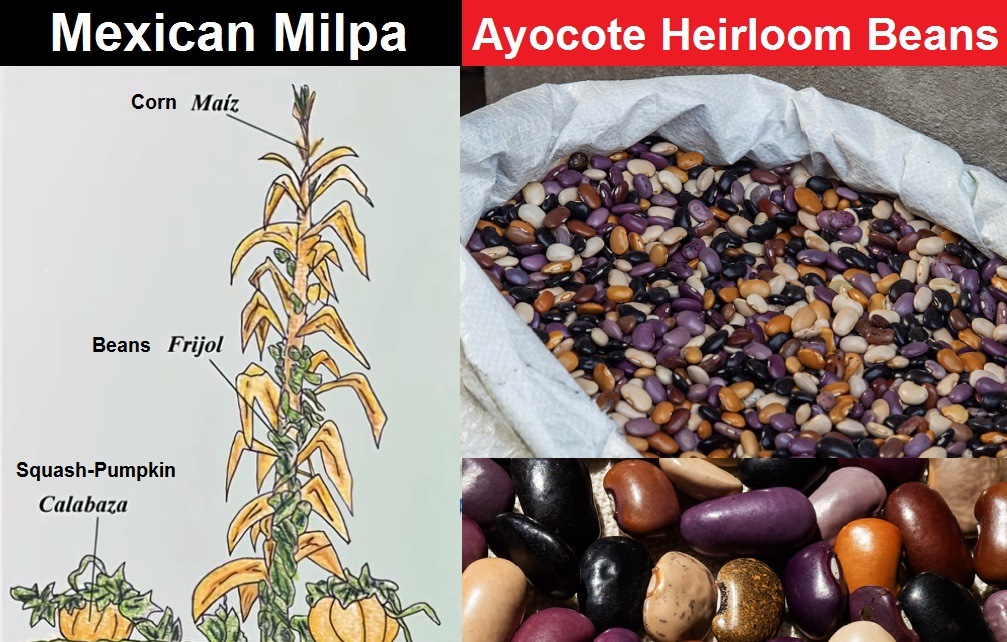
Traditional Mexican agriculture follows the ancient traditions of the “milpa”, which is a system of small-scale family agriculture that pre-dates the Spaniards arrival in Mexico, and even pre-dates the Aztec Empire.
In this simple, time-honored method of small-scale family agriculture, the milpa consists of its main crop, corn (maiz), along with other native crops that co-exist and enhance the soil along with the corn, such as heritage beans and squash.
The beans grow on vines that wrap themselves around the corn stalks, while large leafy crops such as squash and pumpkins grow and spread along the bottom close to the soil, giving weeds and other undesirable plants no chance to grow, and require no chemicals whatsoever that need to be applied to the native, heirloom crops, or the soil that they grow upon.
After harvest, the corn stalks are burned down returning key nutrients to the soil through its ashes.
Here is a short video that describes the milpa system.
Here is another 5-minute documentary produced by the UN showing how Mexicans are reviving this ancient agricultural system, mainly with women. (Note: We do not support or fund the United Nations nor any of their agencies and programs, but this is a very well-produced short documentary that is very educational regarding the “milpa”.)
Today, we are announcing another ancient, heirloom product that is produced in these small-scale milpa agricultural systems, Ayocote beans!
These ancient “super beans” are heirloom beans that have been handed down from generation to generation through families living in Mesoamerica long before the Spaniards arrived, and even before the Aztec Empire, and date back to 6000 years!
Ayeócotl (Náhuatl)
Ayocote (Phaseolus coccineus leiosepalus), also known as ayeócotl in the native náhuatl language, is a climbing legume, with pre-Hispanic origins.
It is grown by all indigenous communities of the Mexican plateau, even at over 2,000 meters above sea level. Due to its widespread presence, even in very different climate conditions, Ayocotes have developed an ample genetic variety: Mexico’s genetic resource bank preserves over 800 different known varieties.
Ayocote beans have been highly valued since ancient times for their ability to endure extreme temperatures and various altitudes, as well as for the ease with which their seeds can be preserved for years, making them essential during food shortages. There are more than 150 species of beans worldwide, but only 31 are native to Mexico.
However, bean consumption in Mexico has been declining in recent years, and there is a movement now in Mexico to preserve these ancient bean varieties, as well as other heirloom seeds such as corn.
The Mexico Daily News published an article last year (2025), highlighting this move in Mexico to preserve their native agricultural heritage which is being threatened by Big Ag and mass production of agricultural products using GMO varieties and herbicides like glyphosate.
Taste of Mexico: Beans
by María Meléndez
It is often said that Mexican culture is built on corn, but beans were as important for the development of the pre-Columbian cultures of Mesoamerica.
Excerpts:
Beans have been highly valued since ancient times for their ability to endure extreme temperatures and various altitudes, as well as for the ease with which their seeds can be preserved for years, making them essential during food shortages.
Beans were a crucial component of the milpa, an agricultural system designed to provide the three staple ingredients of the Mesoamerican diet: corn, beans and squash. This system operated in perfect harmony: corn served as a structure for the beans to climb, beans enriched the soil with nitrogen, and squash helped retain moisture throughout the season.
Are we endangering our bean tradition?
Despite being essential to our ancestors, bean consumption in Mexico has declined significantly in recent decades. In the 1980s, the average Mexican ate 16 kilos of beans yearly, while average consumption in 2024 was only 7.7 kilos, according to a 2021 report by the Ministry of Agriculture (Sader).
Several factors contribute to this decline. Preparing beans requires more time, and our consumption of meat and processed foods has increased.
Culturally, beans are often viewed as food for the poor. I remember that whenever someone in my family faced economic challenges, my grandparents would dramatically say,
“Even if we can only afford to eat beans, we will remain honorable people.”
Today, various organizations and communities are working to preserve Mexico’s native beans through the milpa system.
Additionally, in late 2024, President Claudia Sheinbaum announced that the federal government would seek to increase bean and corn production by 30% and bring attention back to endemic varieties of corn and beans in order to achieve self-sufficiency in production.
I was recently able to purchase enough of these rare, heirloom super beans to offer them to the public through Healthy Traditions.
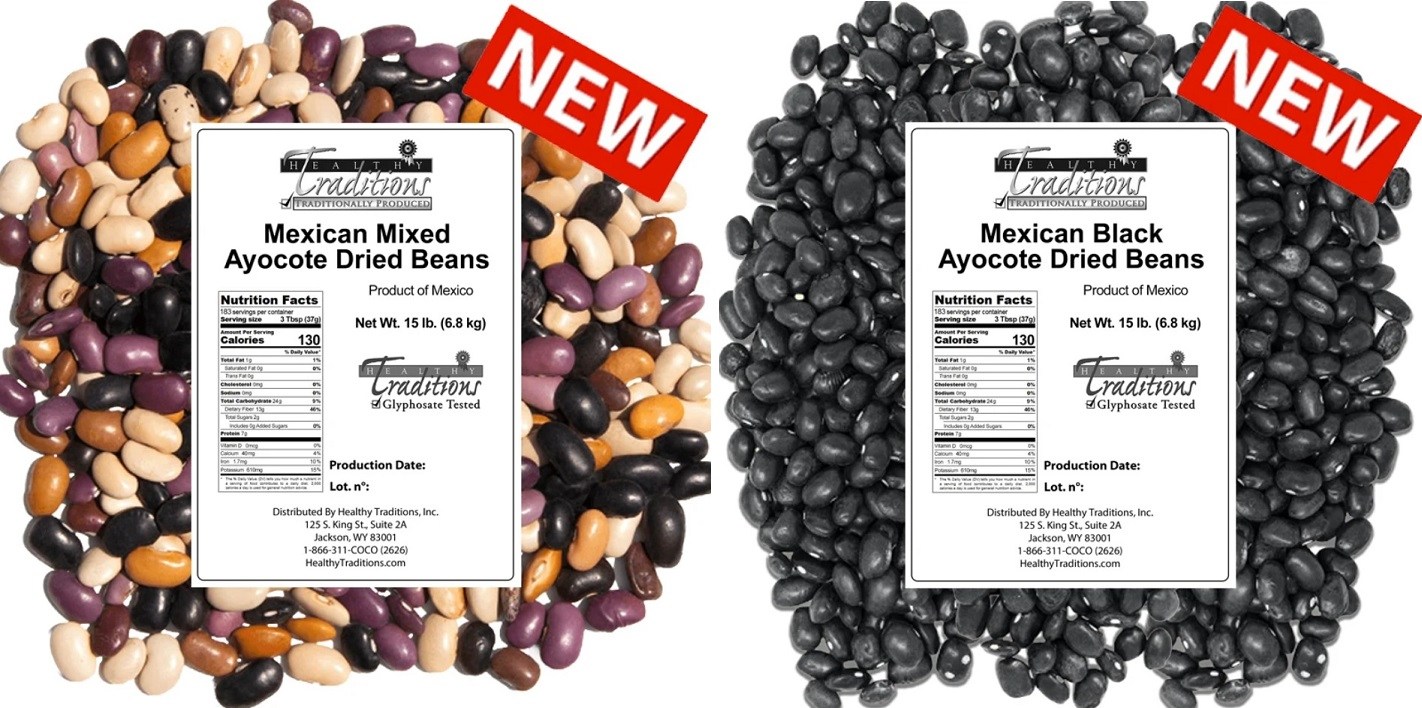
We now have available for ordering online, Mexican Heirloom Ayocote Mixed Beans, and Mexican Heirloom Ayocote Black Beans.
I bought up their entire remaining supply, so we only have enough to sell in 5 lb. and 15 lb. sizes while supplies last, as we will not have enough to sell in bulk 5-gallon pails until early 2027, when the next harvest comes in and where I have already put in my request to purchase as much as we can.
The ancient Mexican “milpa” traditional agricultural system is very similar to the ancient agricultural systems of the Philippines I observed firsthand while living on a farm in a rural community on Mt. Banahaw with my family in the late 1990s, and first couple of years of 2000.
When I told the poor, rural farmers living in that community, most of whom were trying to get out of their rural community and go to the big city in Manila or get visas to the Middle East or the U.S. where they thought life was better and they could earn more money, that they were in fact rich due to their native, natural agricultural system, they did not believe me.
So I had to show them that what I was saying was true, by marketing the coconut oil of the “poor people” that was made by hand in their kitchen from fresh coconuts, which we call today our “Gold Label Virgin Coconut Oil,” and kicked off the Coconut Oil revolution in the U.S. as I leveraged the emerging technology of the Internet back then, educating Americans on the truth about edible oils and saturated fats.
When you buy our Gold Label Virgin Coconut Oil today, you are supporting these poor, agricultural workers who still produce this coconut oil the same way by hand.
And the same is true when you purchase our Mexican products produced from community milpa agricultural small-scale producers, like our new Ayocote Super beans!
Products produced from these ancient agricultural small-scale producers are some of the most nutrient-dense products you can purchase on the planet, and we test them also to make sure there is no cross-contamination from GMO seeds and glyphosate-sprayed crops.
Technology and AI cannot replicate the human wisdom of these small-scale farmers! Faith in modern agriculture and their mass-production of contaminated crops is what could potentially produce starvation and malnutrition.
Sustainable and nutritious agricultural systems that require human labor are what is going to be able to provide food security and be able to feed people around the world going forward, and it requires a return to the past and agricultural systems that have nourished the earth’s populations for thousands of years, and NOT the false promises of the technologists and their false techno-prophecies of the future!
To Adam he said,
“Cursed is the ground because of you; through painful toil you will eat of it all the days of your life.
It will produce thorns and thistles for you, and you will eat the plants of the field.
By the sweat of your brow you will eat your food until you return to the ground, since from it you were taken; for dust you are and to dust you will return.”
(Genesis 3:17-19)
Do you really believe that the Technocrats can overcome the curse of God on the earth??
I don’t, and that’s why Healthy Traditions exists, to support HUMAN LABOR and ancient agricultural systems which are the ONLY hope for the future and food security.
This article was written by Human Superior Intelligence (HSI)
See Also:
Understand the Times We are Currently Living Through
from SGT Report: The BOMBSHELL information you are about to hear comes at great cost to the personal safety of Jesse Beltran, Matt Hazen and the whistle blowers who are bringing it to light. We have all been transfected by bioweapons, GHOST technology, RF emitting devices and nanotech which now lives in many of us, […]
by Brenda Baletti, Ph.D., Childrens Health Defense: For decades, health departments have sprayed pesticides to curb diseases carried by ticks and mosquitoes. Critics argue that repeated, broad-area spraying, which sometimes uses chemicals banned in other countries, needlessly exposes people and wildlife, particularly in communities where it happens often. Some also question whether it works at […]
by Michael Nevradakis, Ph.D., Childrens Health Defense: The pharmaceutical and health industry spent $456.9 million on lobbying expenses in 2025, according to OpenSecrets. According to STAT, it was the largest-ever single-year increase in lobbying spending. Leslie Manookian, president of the Health Freedom Defense Fund, suggested the industry may feel threatened by Robert F. Kennedy Jr.’s […]
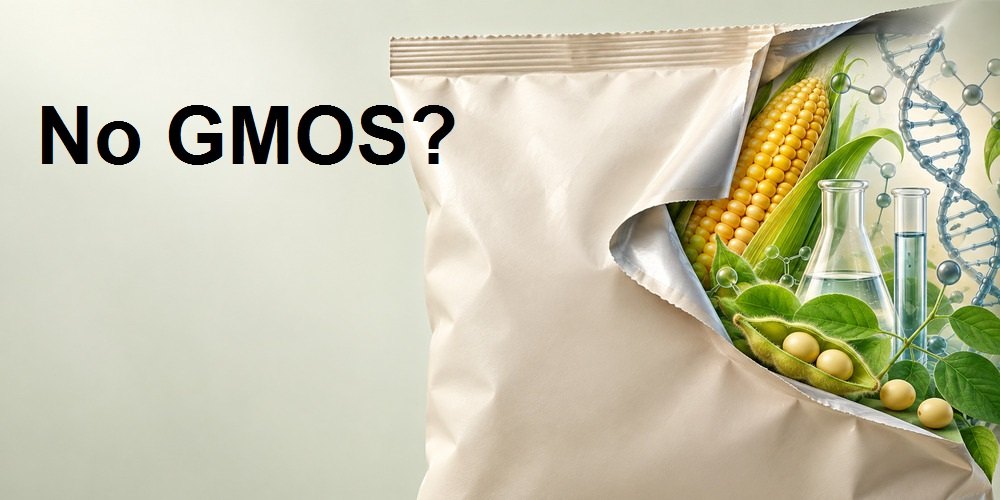
A food package carries no bioengineered disclosure. Does that mean no genetic engineering went into the food?
No. USDA’s bioengineered food disclosure standard leaves entire categories of genetically engineered foods and ingredients outside mandatory disclosure.
Easing restrictions on natural substances with credible histories of safe use makes sense. Yet natural products face persistent calls for tighter regulation, alongside efforts to suppress truthful information about their benefits.
Meanwhile, novel technologies that fundamentally alter our food are riding a wave of deregulation—even as their implications demand rigorous scrutiny and full transparency.
These priorities are backwards.
A Narrow Definition, Wide Exclusions
Under the current rule, foods generally require disclosure when: 1) they contain genetic material modified through laboratory recombinant-DNA techniques, 2) the modification could not otherwise arise through conventional breeding or nature, and 3) the modified material is detectable.
There are a host of exclusions:
Restaurants and food service: meals can contain engineered ingredients without this disclosure.
Very small manufacturers: businesses with annual receipts below $2.5 million are exempt.
Accidental presence: up to 5% of each ingredient may be bioengineered if its presence is “inadvertent” or technically unavoidable.
Animal feed: meat, milk, and eggs do not require disclosure solely because animals ate engineered feed.
Refined ingredients: oils, sugars, and other ingredients can avoid disclosure when modified genetic material is undetectable.
Processing aids: qualifying incidental additives present at insignificant levels with no final technical or functional effect are excluded.
Certain meat, poultry, and egg products generally fall outside coverage when those ingredients predominate, including after water, broth, or stock.
Many alcoholic beverages: products subject to federal alcohol labeling law fall outside this standard.
Nearly A Quarter of Your Chips
Consider a hypothetical bag of corn chips containing 80% cornmeal, 19% refined soybean oil, and 1% salt.
If 5% of the cornmeal is inadvertently mixed-in bioengineered corn, that represents 4% of the chips. Add oil entirely from engineered soybeans that meets non-detectability requirements: another 19% originates from GE crops.
That is 23% of the product’s weight originating from engineered crops, quite legally without a bioengineered disclosure.
This can also allow proteins made using genetically engineered yeast or bacteria (through a process called “precision fermentation”) to avoid disclosure, depending on what remains in the finished ingredient.
A CRISPR-produced food can escape disclosure if its genetic modification could otherwise be achieved through conventional breeding or found in nature.
But who decides if a modification could arise through conventional breeding or nature?
Essentially it is the food company that makes the decision…
Modern history has consistently taught us that we cannot trust our Federal Government in the U.S. to look out for the interests of consumers, and that includes the USDA and the FDA. Both of these agencies serve Wall Street, and derive much of their revenue from the very businesses they are supposed to be regulating in Big Pharma and Big Ag.
For example, the entire corn crop in the U.S. is contaminated, even if that corn is certified organic by USDA organic standards. There may be some exceptions, but we (Healthy Traditions) have never found any corn in the U.S. that has tested clean for GMO DNA, and we have been testing for 12 years now.
The only corn we have tested that has no trace amounts of GMO DNA and no traces of the cancer-causing herbicide glyphosate, has been from traditional farms in Mexico, where planting GMO corn is illegal.
Therefore, we believe we have some of the highest quality tortilla corn chips in the U.S., and we fry them in coconut oil, not toxic polyunsaturated oils derived from GMO crops like corn and soybeans. We also do not package them in plastic, but special bags that are compostable with no dangerous chemicals.
There may not be a finer tortilla corn chip sold in the U.S.!
DISCLAIMER: Brian Shilhavy is the Editor of Health Impact News, and the founder and CEO of Healthy Traditions. Everything published on the Health Impact News network is available to the public free of charge, with a Creative Commons license offered to all who wish to republish Brian’s articles, with attribution, as he earns his income from Healthy Traditions.
Healthy Traditions, originally Tropical Traditions, has served customers in the U.S. for over 24 years.
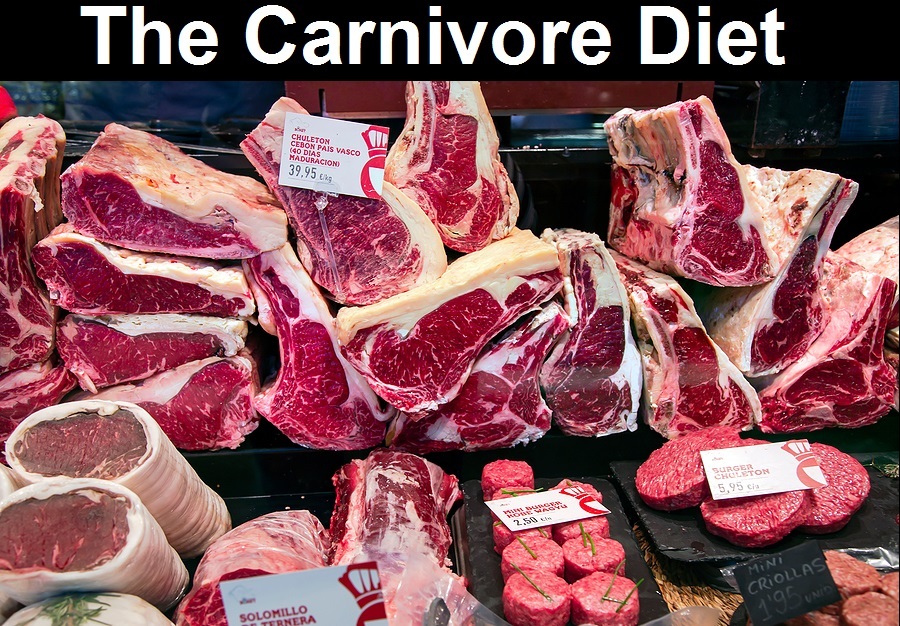
The Carnivore Diet is getting mainstream news coverage these days, in a positive way.
Fox News just published an article on the Carnivore Diet highlighting the story of a man in Florida who claims he went on a Carnivore Diet that healed him of “decades of battling severe psoriasis, pain and depression.”
A 50-year-old Florida man who says he spent decades battling severe psoriasis, pain and depression credits an extreme “lion diet” with saving his life.
Stephen Lashbrook of Pensacola told Fox News Digital that his depression began at just four years old. In his teens, it was compounded by chronic pain and sleeplessness; in his early 20s, he was diagnosed with psoriasis, an immune-mediated skin disease.
“I was probably 90% covered in psoriasis,” Lashbrook said.
“My body was just one big, giant, itchy, flaky scab.”
Creams, steroids and other medications did not help, he said.
Doctors recommended expensive, long-term injections to combat his inflammation, which left Lashbrook feeling hopeless and suicidal.
Then, he came across a TED Talk from Mikhaila Peterson, an influencer and the daughter of Canadian psychologist and author Jordan Peterson, who used a meat-only elimination diet to tackle her own health issues.
The concepts of the “Carnivore Diet” have been around since the 1930s, when a Dr. Vilhjalmur Stefansson, a Canadian ethnologist who spent more than a decade with the Inuit people in the Arctic, ate a traditional Eskimo diet consisting mostly of only fish and meat.
He was so healthy, it prompted him to study the diet more closely.
The men who ate nothing but meat for an entire year
Excerpts:
Low-carb diets and paleolithic nutrition are all the rage these days, and for good reason. Compared to the Standard American Diet, both of them are superb.
Few of us would dare to take the two to their extreme, however. Giving up sugar and wheat is one thing, but what about giving up everything except meat? Yes, I’m talking about an ultra low-carb diet with even foods like nuts and berries removed. Unsurprisingly and understandably, studies on the long-term effects of such a diet are severely lacking.
There is at least one study that did just this, however. If the diet brings the Eskimos to mind, it’s no coincidence. You may have heard of Dr. Vilhjalmur Stefansson – the Canadian ethnologist who spent more than a decade with the Inuit during his arctic explorations in the beginning of the previous century. For nine of these years, he lived almost exclusively on fish and meat .
At the time, this was considered heresy and life-threatening, just as it is today (note that Stefansson apparently refers to both fish and meat with the word “meat”):
A belief I was destined to find crucial in my Arctic work, making the difference between success and failure, life and death, was the view that man cannot live on meat alone. The few doctors and dietitians who thought you could were considered unorthodox if not charlatans.
The arguments ranged from metaphysics to chemistry: Man was not intended to be carnivorous – you knew that from examining his teeth, his stomach… As mentioned, he would get scurvy if he had no vegetables in meat. The kidneys would be ruined by overwork. There would be protein poisoning and, in general hell to pay.
To the surprise of many (including Stefansson himself), he suffered no health problems during his decade of pure carnivorism. When he told people of his amazing experiences, he was met with skepticism from medical authorities who asked him to undertake a study that would replicate the results.
He and a fellow explorer named Andersen agreed to eat an all-meat diet for an entire year in a closely observed setting.
This time, however, the diet was even more radical than the traditional Eskimo diet, which is based on fish and includes a small amount of berries and vegetables – not a lot, but enough to keep them out of ketosis most of the time. Furthermore, since fish is high in omega-3 fatty acids, you could argue that it’s all those good fats that keep the Eskimos free of disease.
But how could anyone subscribing to conventional health wisdom explain thriving on a diet consisting solely of red meat? No vegetables, no fruit, no vitamin supplements. Nothing. Just meat and animal fat.
The results of this fascinating study were published in 1930 in the Journal of the American Medical Association (link). At the beginning of the experiment, Stefansson was given only lean meat at the request of his supervisors. This was to confirm Stefansson’s bad experiences with low-fat meat; during his explorations, there had been periods during which fat was not readily available and which lead to diarrhea and nausea in a few weeks.
This time, the illness kicked in much earlier:
As said, in the Arctic we had become ill during the second or third fatless week. I now became ill on the second fatless day. The time difference between Bellevue and the Arctic was due no doubt mainly to the existence of a little fat, here and there in our northern caribou – we had eaten the tissue from behind the eyes, we had broken the bones for marrow, and in doing everything we could to get fat we had evidently secured more than we realized. At Bellevue the meat, carefully scrutinized, had been as lean as such muscle tissue can be.
After fat was added back into the diet, a full recovery was made in two days. The authors of the study describe the diet from then on:
The meat used included beef, lamb, veal, pork and chicken. The parts used were muscle, liver, kidney, brain, bone marrow, bacon, and fat.
Thus, fat played an important part in their diets. According to the authors, Andersen usually ate beef, while Stefansson often chose lamb. Both men ate about 800 grams of meat per day in 3-4 meals.
The protein contents ranged from 100 to 140 grams, the fat from 200 to 300 grams, and carbohydrates from 7 to 12 grams. In calories, the percentages were 15-25% protein, 75-85% fat, and 1-2% carbohydrate. The carbs came solely from the glycogen of the meat, making this not so much a low-carb as a no-carb diet. In addition to water, coffee and tea were allowed throughout the period.
As you can see from Stefansson’s results, this was not a “high meat” diet primarily, as protein only consisted of 15-25%, but it was primarily a “high fat” diet, and saturated fats at that, which made up 75-85% of the diet.
So while this is called the “Carnivore Diet”, it is primarily the “Ketogenic Diet,” which was developed about a decade earlier in the 1920s at Johns Hopkins hospital as a natural cure for epilepsy, when drugs failed. It was a high fat, moderate protein, very low carb diet.
The diet fell out of favor during the anti-saturated fat campaign started in the U.S. and codified into official government dietary advice in the 1970s as a result of the McGovern Report.
From the 1970s through today, government USDA diet advice continues to restrict saturated fats in the diet, as the “low-fat diet” has been their dogma for decades now.
There was hope that HHS Secretary Robert F. Kennedy Jr., himself a proponent of the Carnivore Diet, would change government policy on saturated fats, but that did not happen. The USDA still only recommends a limit of 10% saturated fats. The main reason they cannot change this advice, is because many pharmaceutical drugs are based on the false belief that saturated fats cause heart disease.
HHS Secretary Kennedy Breaks His Promise: “War on Saturated Fat” Kept in Tact with New U.S. Dietary Guidelines
Excerpts:
With all of the news headlines of the past week, you may have missed the announcement that the USDA has “changed” their U.S. Dietary guidelines under HHS Secretary Robert F. Kennedy Jr.
They created flashy new websites, and turned the traditional “Food Pyramid” on its head, something that real food nutritionists have been recommending for decades, putting carbohydrates on the bottom, instead of at the top.
At the top they illustrated fats, proteins, fruits, and vegetables instead.
So far so good, until you start reading the actual recommendations.
Both HHS Secretary Robert F. Kennedy, Jr., and FDA Commissioner Marty Makary had been promising for almost a year that they were going to end the “war on saturated fats.”
But in the end, the USDA recommendation to limit one’s total daily calories to 10% or less of saturated fats, which has been the USDA recommendation for over 45 years now, was kept in tact.
As I have been reporting for over 2 decades now, the U.S. Government just simply cannot afford to admit that saturated fats are healthy, traditional foods, because it would upset the entire pharmaceutical narrative that saturated fats lead to high cholesterol, which they claim leads to increased heart disease, and is the dietary philosophy that supports $billions in revenues for drugs that artificially lower one’s cholesterol levels.
If the U.S. Government all of a sudden admitted that there is no scientific basis that saturated fats and cholesterol are harmful, it would open the floodgate of lawsuits from so many people who have suffered harm from this dietary advice for more than 45 years now.
The main issue I have with the Carnivore Diet, and also the Paleo Diet, is that these diet philosophies accept Darwinian biological evolution as scientific fact, believing that man has evolved over billions of years, and that man used to be exclusively “hunters and gatherers” and therefore ate mostly all meat.
Agriculture is considered a “modern” invention as they claim man was not originally meant to eat plants.
But Darwinian biological evolution is not a fact, only a theory. Science can never “prove” anything in the past.
In the ancient written records of the Bible, “primitive man” was not a cave-dweller, but a highly intelligent human being who lived up to almost 1000 years old, before the worldwide flood. And agriculture was his primary occupation, starting in the Garden of Eden, where his primary diet was plant life before sin entered into the world, requiring animal sacrifices which is when the eating of meat began.
So while there are certainly benefits to the Carnivore Diet that many people attest to, it is primarily the Ketogenic Diet which is high in fat with moderate protein and low carbs that produces these kinds of results, as has been documented since the 1920s.
This can also be achieved by adding plant oils to your diet, especially coconut oil which is almost 90% saturated fat and can promote ketosis.
A search for the “Ketogenic Diet” on Health Impact News will result in over 130 articles on the topic, documenting how people’s lives have been changed by following a high fat, moderate protein, and low carb diet.

 Login