❌

Reading view

‘Jackdaw means we pay our mortgages’: relief in Aberdeen over gasfield approval

Few believe decision will bring back city’s boom years, but workers hope it will keep as many North Sea jobs for now

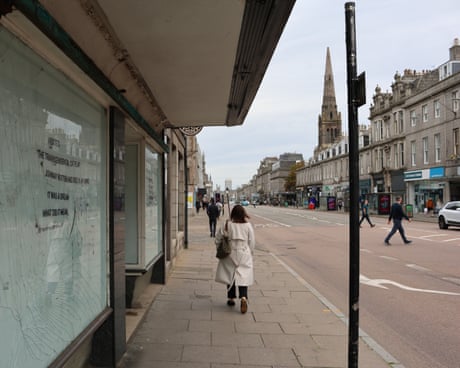
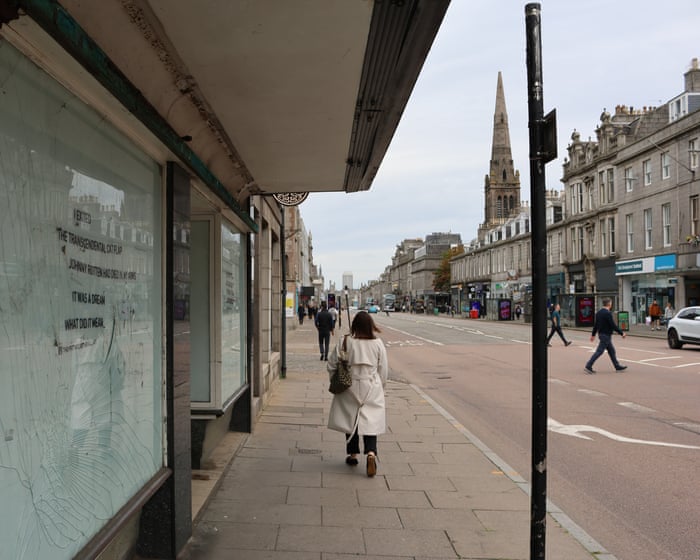
As recently as 2012, Aberdeen boasted the highest concentration of millionaires in the UK. An ATM reportedly had the highest withdrawal rate in Europe in the 90s, as oil and gas wealth flowed through the city. House prices skyrocketed in the scramble for space as fossil fuel firms transformed the city’s grand granite houses into company offices. But that was then.

Today, “for sale” and “to let” signs punctuate the city’s main thoroughfares. Disposable income in Aberdeen has fallen by nearly 20% between 2013 and 2023 – more than any other large UK city – after a 2014 oil price shock sparked a brutal reversal in Aberdeen’s fortunes.

Continue reading...

© Photograph: Patrick Greenfield/The Guardian
© Photograph: Patrick Greenfield/The Guardian
© Photograph: Patrick Greenfield/The Guardian
  •  

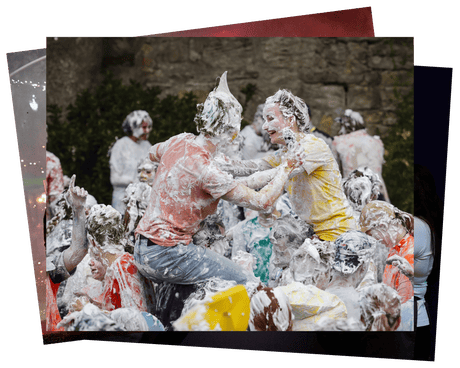
Foamy war? St Andrews students play out modern take on ancient ritual

Scottish university’s annual tradition once involved giving out raisins but fancy dress and shaving cream now in vogue

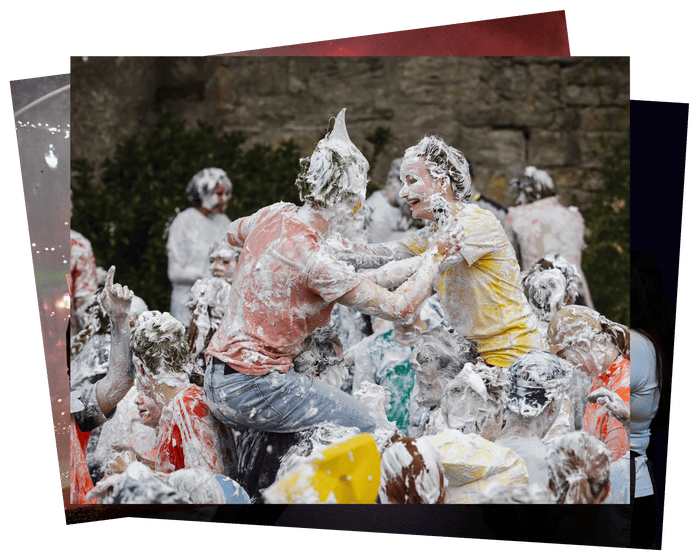
Nobody at the University of St Andrews in Scotland seems to remember how Raisin Monday became a giant foam fight. For 600 years, first-year students have taken part in the ritual of thanking older students for mentoring them through their first few weeks of university life.

Traditionally, freshers would give their elders a pound of raisins – hence the name. This Monday however, hundreds wore fancy dress as they streamed on to St Salvator’s lower college lawn at 11am armed with cans of shaving foam, covering one another in soapy clouds as they have for the past few decades. Groups of students dress as Smurfs, mice, bananas, grandmas, sunflowers and chefs to participate in the annual rite of passage.

Continue reading...

© Photograph: Murdo MacLeod/The Guardian

© Photograph: Murdo MacLeod/The Guardian

© Photograph: Murdo MacLeod/The Guardian

  •  

Can countries deliver on a deal to save the world’s plants and animals?

Four years ago nearly every government on Earth agreed to protect nature. Now, as countries gather for Cop17, the pressure is on to follow through on those commitments

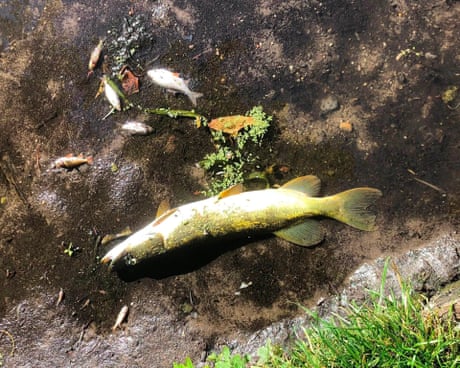
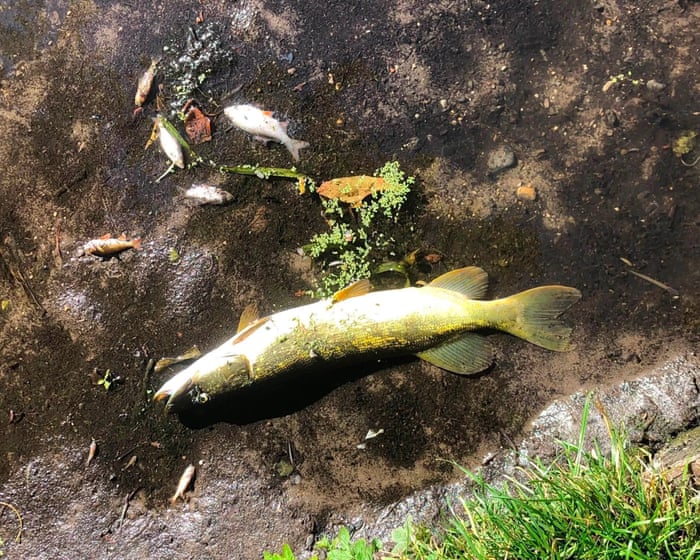
Passersby could smell the dead fish before they saw them. In August, more than 3,000 pike, roach, carp and rudd were found lifeless along the River Wensum in Norwich. Some gasped for air in their final moments, desperate for the oxygen that heatwave conditions had depleted in the water. Investigators believe that the die-off was triggered by heavy rainfall that flushed through high concentrations of pollution at a time when wildlife were already struggling.

The 45-mile (70km) chalk river is one of about 250 in the country. They are a geological accident almost unique to Britain – and one of Earth’s rarest habitats. They emerge from chalk aquifers and are home to species such as freshwater shrimp, otters and stoneflies, also providing drinking water for millions of people. But just 11 have formal protection, with many ravaged by sewage pollution and overextraction. The Norfolk river is one of the few that does have legal protection, but it is in poor ecological health.

Continue reading...

© Photograph: Norwich Green Party

© Photograph: Norwich Green Party

© Photograph: Norwich Green Party

  •  

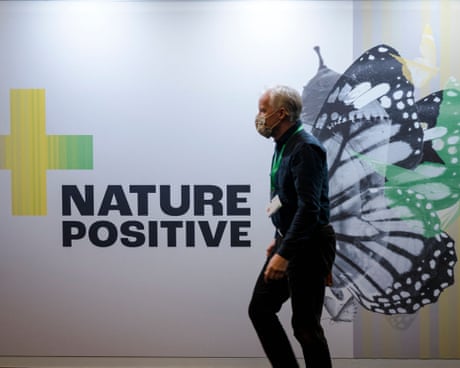
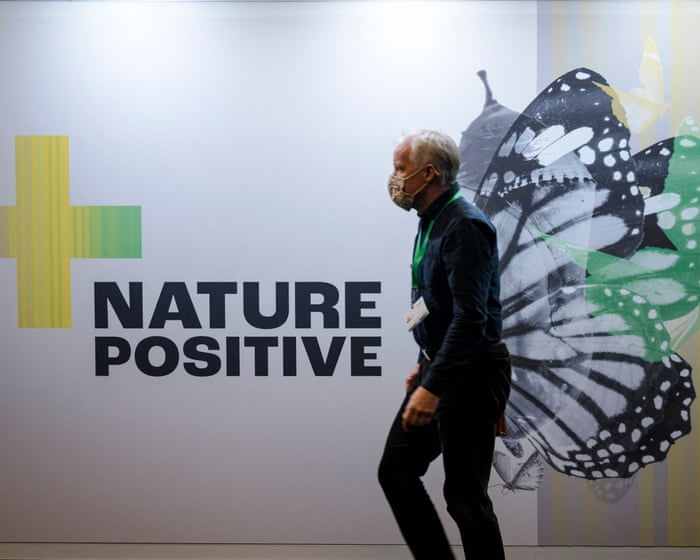
Cop17 at a glance: everything you need to know about the UN’s nature summit

This month’s biodiversity summit in Yerevan, Armenia, aims to push governments to meet the 23 targets agreed at Cop15 in 2022

This month, nearly every country on Earth will return to the question of how to stem the rapid destruction of the natural world. Humans are driving it, but so far we have not found a way to stop it.

In late 2022, governments reached an ambitious once-in-a-decade deal to better protect nature amid scientific warnings that the planet is going through the largest loss of life since the extinction of the dinosaurs. Now, they are assessing their progress on the targets for the first time.

Continue reading...

© Photograph: Andrej Ivanov/AFP/Getty Images

© Photograph: Andrej Ivanov/AFP/Getty Images

© Photograph: Andrej Ivanov/AFP/Getty Images

  •  

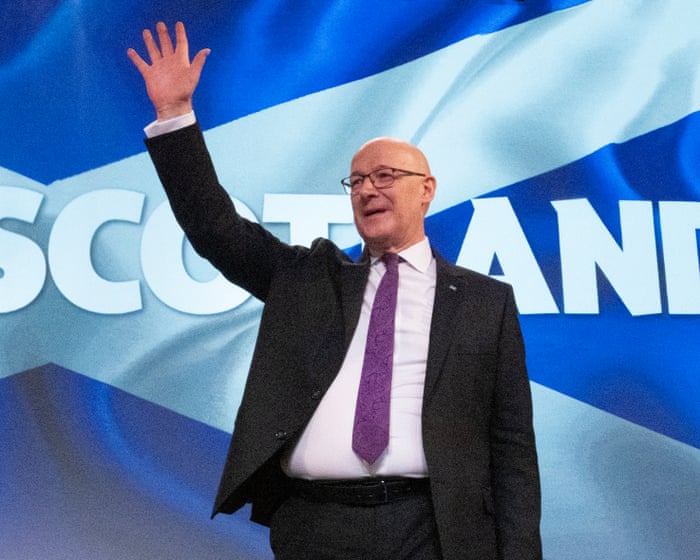
SNP says campaign for next referendum on independence ‘has already begun’

John Swinney tells party conference SNP will use ‘six-figure war chest’ to renew argument for leaving UK

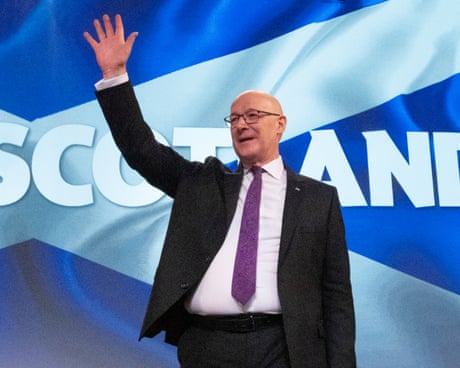
John Swinney has said that the second referendum campaign for Scottish independence “has already begun”, revealing a nationwide effort to renew the argument for leaving the UK in his keynote address to the SNP party conference.

On Saturday, the Scottish first minister said the SNP would launch its “most sophisticated campaign in history” to convince Scottish voters of the benefits of independence, backed by “a six-figure war chest”.

Continue reading...

© Photograph: Jane Barlow/PA

© Photograph: Jane Barlow/PA

© Photograph: Jane Barlow/PA

  •  
❌