❌

Reading view

What we can still learn from the South Bronx fires: neighborhoods reduced to ashes

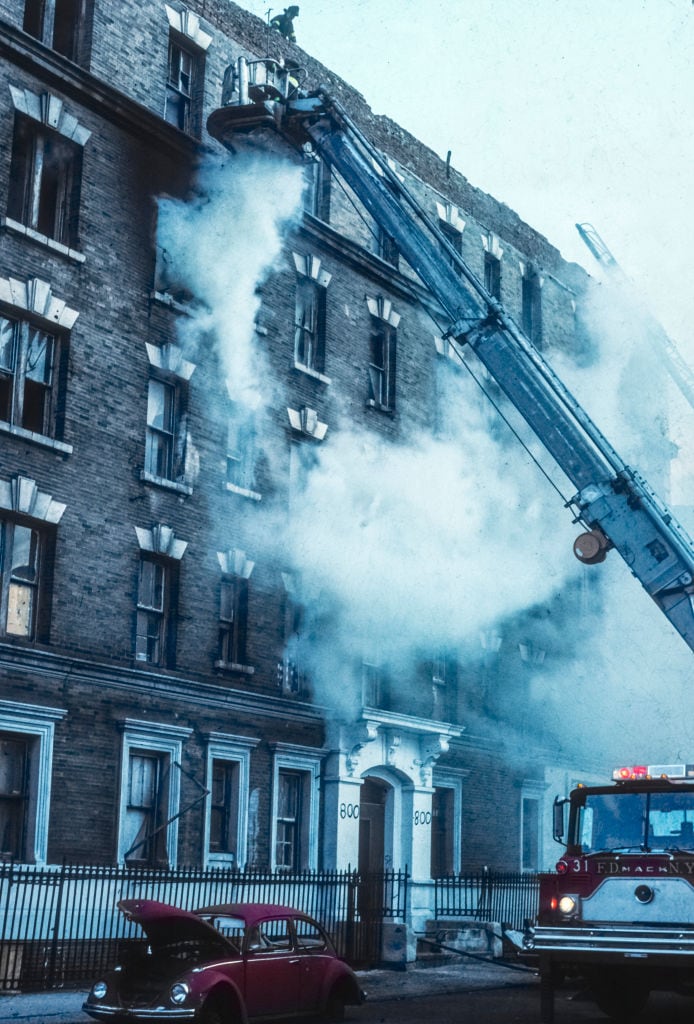
The Ortiz family slept fully dressed in case their building caught fire that night. The Ortizs, or the Brennans, or the Washingtons — it didn’t matter, it could be any surname, it could be a surname just like yours, exactly like yours. They lived in the South Bronx, in nearly century-old brick buildings of four, five or six stories with no elevators, and they went to bed in the clothes they would wear the next day, with their shoes on — especially the children — because going down three flights of stairs in socks on a burning stairwell could mean the difference between living and dying. Mothers left a bag by the door with documents, a family photo, and whatever cash they had, always the same ready bag, like people who live near a war front. Because, in a way, New York’s decade of fire was a war front.
Seguir leyendo

© Ricky Flores (Getty Images)

Putting out a fire in the Bronx in 1983.
  •  

Lo que aún podemos aprender de los incendios del Bronx: un barrio reducido a cenizas

Los Ortiz dormían vestidos por si la casa ardía esa noche. Los Ortiz, o los Brennan, o los Washington, da igual, podría ser cualquier apellido, podría ser un apellido como el tuyo, exactamente igual que el tuyo. Vivían en South Bronx, en edificios de casi cien años, de fachadas de ladrillo con cuatro o cinco o seis plantas y ningún ascensor, y se acostaban con la ropa del día siguiente puesta, con los zapatos puestos, los niños sobre todo, porque bajar tres pisos en calcetines por una escalera en llamas podía suponer la diferencia entre vivir o morir. Las madres dejaban una bolsa junto a la puerta con documentos, una foto de la familia, el dinero en metálico que tuviesen disponible, siempre la misma bolsa, lista, como la gente que vive cerca de un frente de guerra. Porque, de algún modo, la década del fuego de Nueva York fue un frente de guerra.

Seguir leyendo

© Ricky Flores (Getty Images)

Los bomberos apagan un incendio en el Bronx en 1983.
  •  

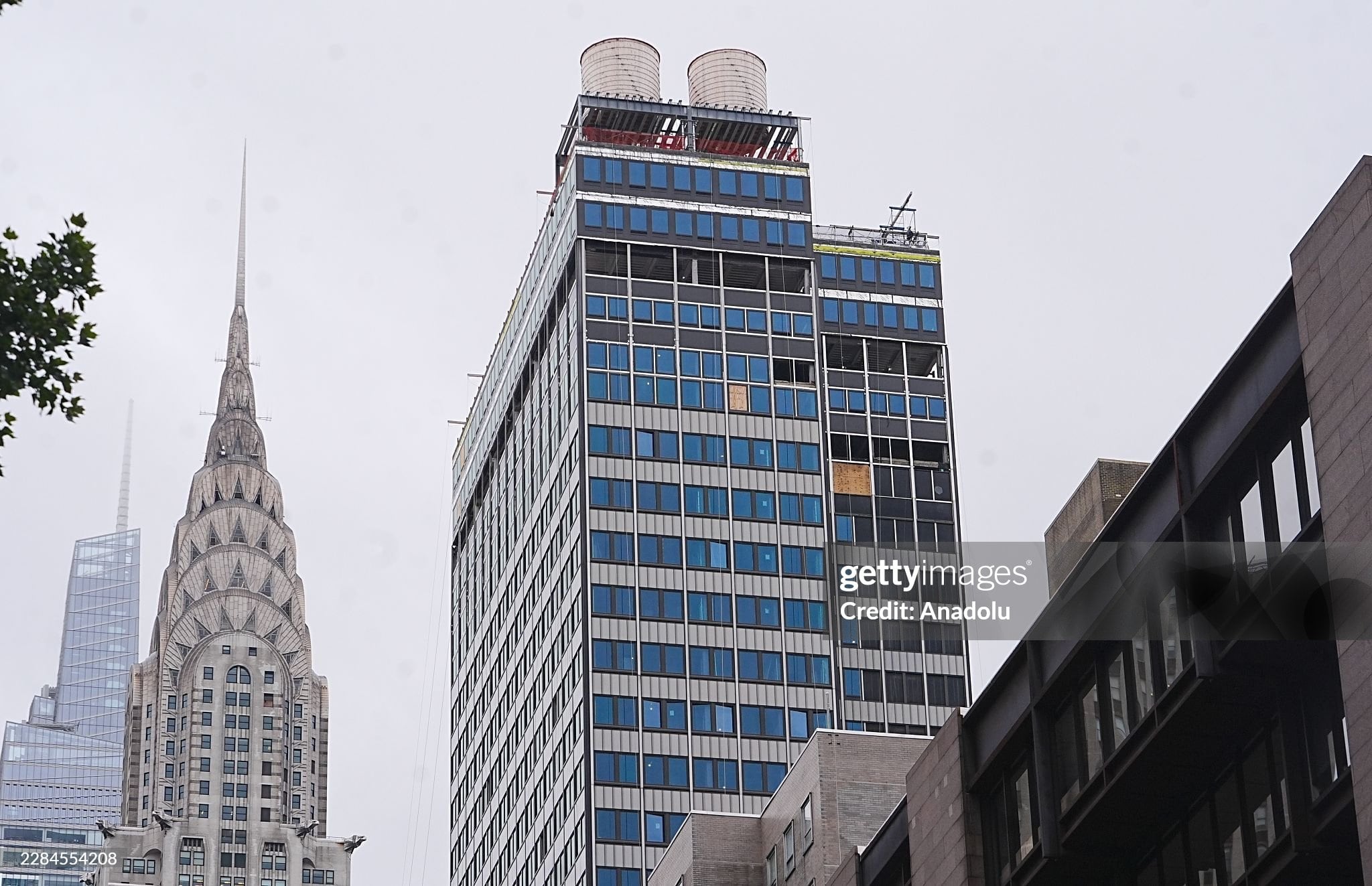
Turning offices into homes: Manhattan’s solution to its housing crisis... but with some risks

There are cities that grow outward, spreading across the landscape like an oil stain. That kind of growth is, broadly speaking, more convenient but harder in other respects, because to serve any development on the outskirts — any planned residential area, any subdivision — you have to deploy a whole system of services, communications, and infrastructure there, which sometimes — often — arrives after the housing in those new neighborhoods has already filled up with people.

Seguir leyendo

© Anadolu (Anadolu via Getty Images)

Falling debris on July 7 at the former Pfizer headquarters (in the center of the image), which is currently undergoing renovation to become a residential building, led to an evacuation on 42nd Street in New York.
  •  
❌