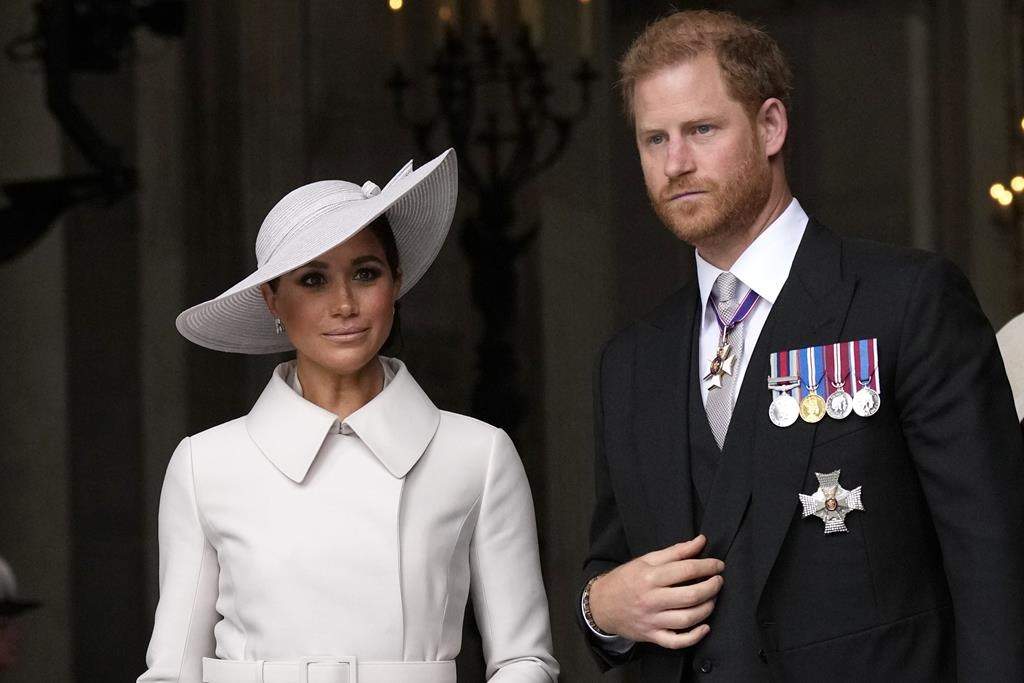
The U.S. Justice Department said it had seized domains used by two hacking platforms it alleges had been used in the campaign, which also targeted the U.S. Federal Reserve.
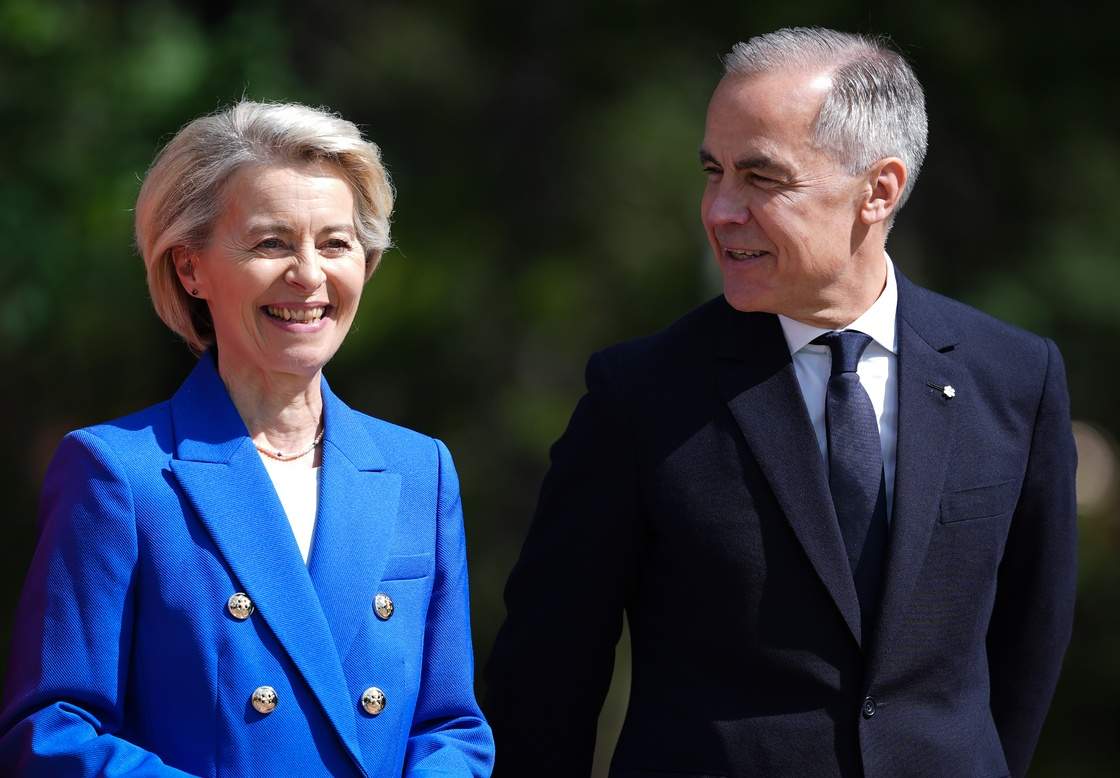
Prime Minister Mark Carney will also attend the European Union’s annual State of the Union address by the European Commission President Ursula von der Leyen.
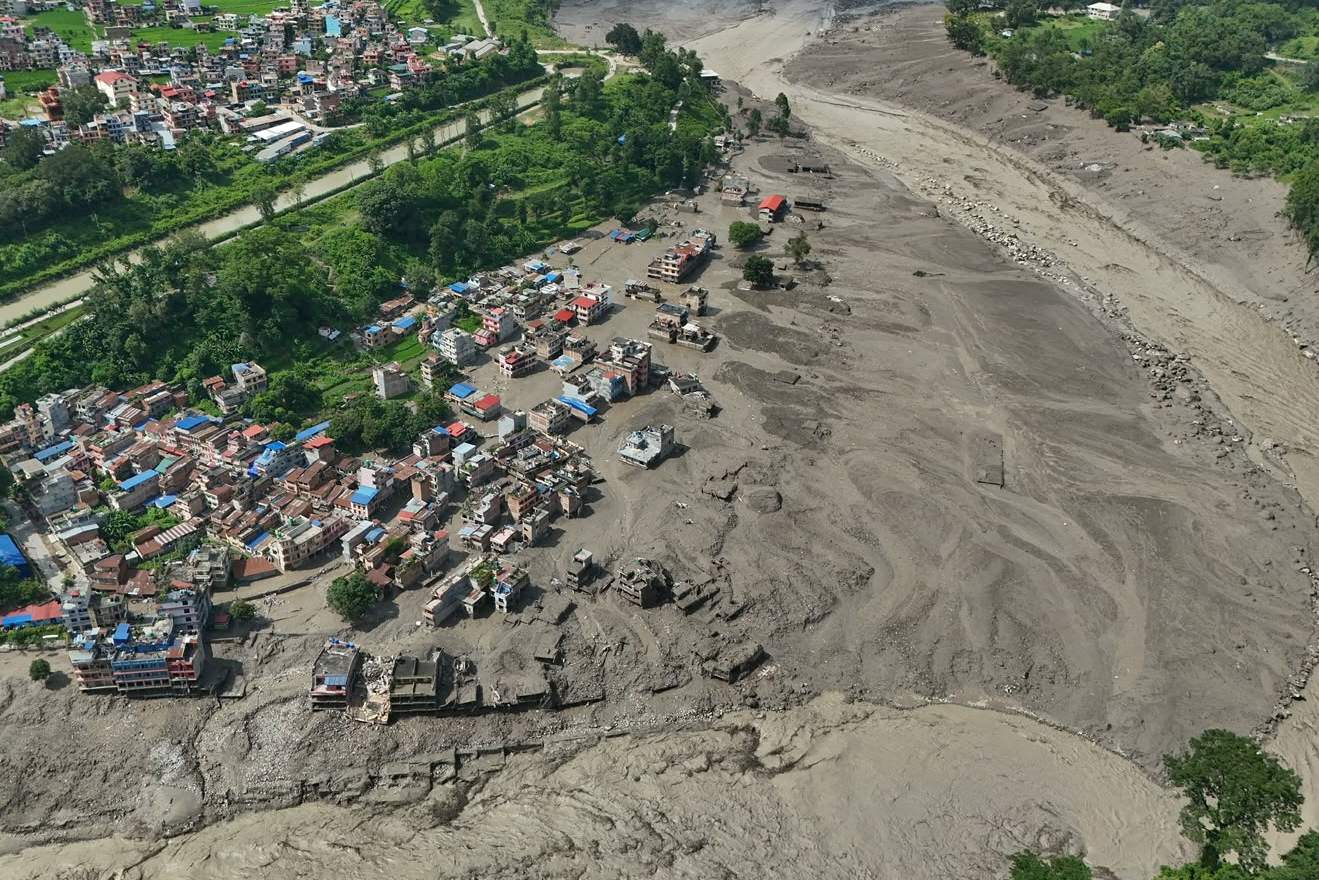
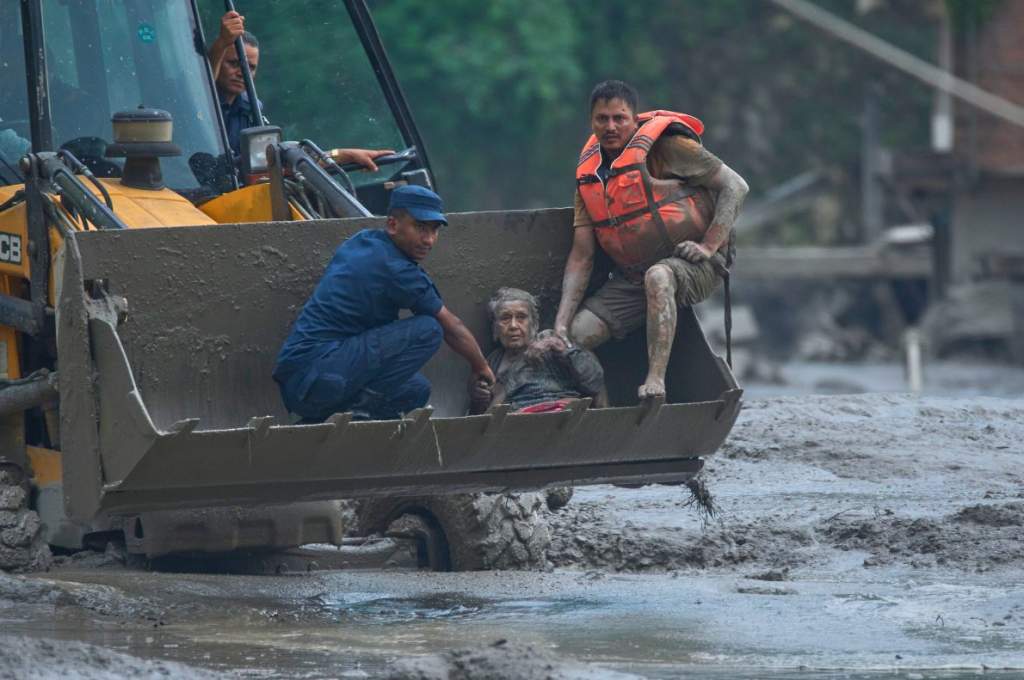
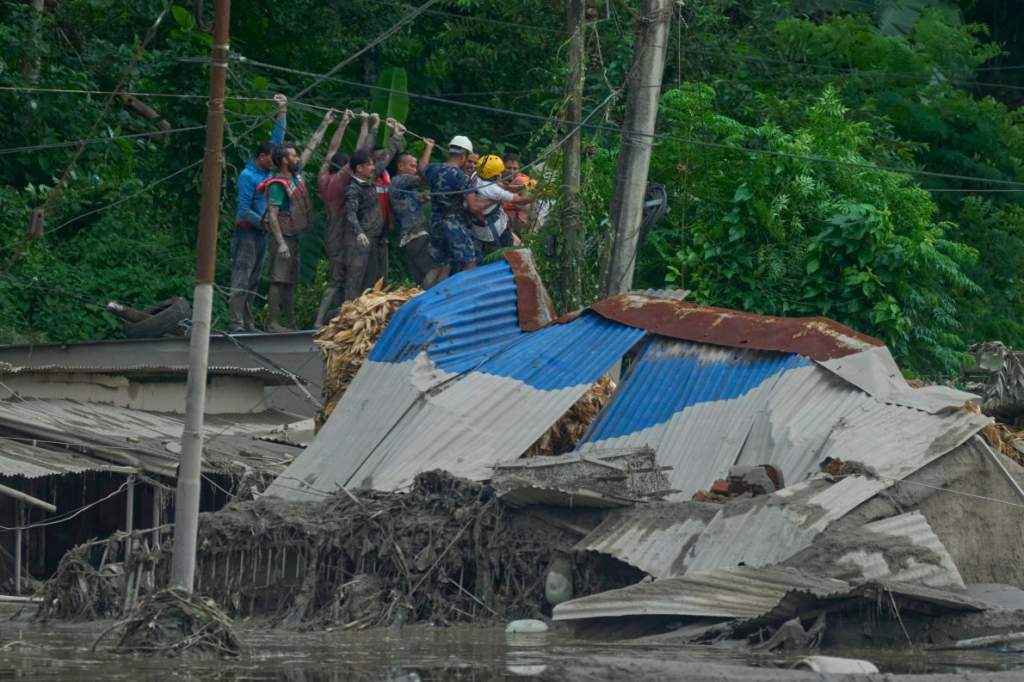
A huge wall of mud and rock collapsed into a river on the Himalayan border of Nepal and China's Tibet on Wednesday, triggering catastrophic flooding on the Nepali side.
Dubai International Airport, one of the world’s busiest hubs, said Wednesday it saw a sharp drop in passengers during the second quarter as the Iran war disrupted air travel.
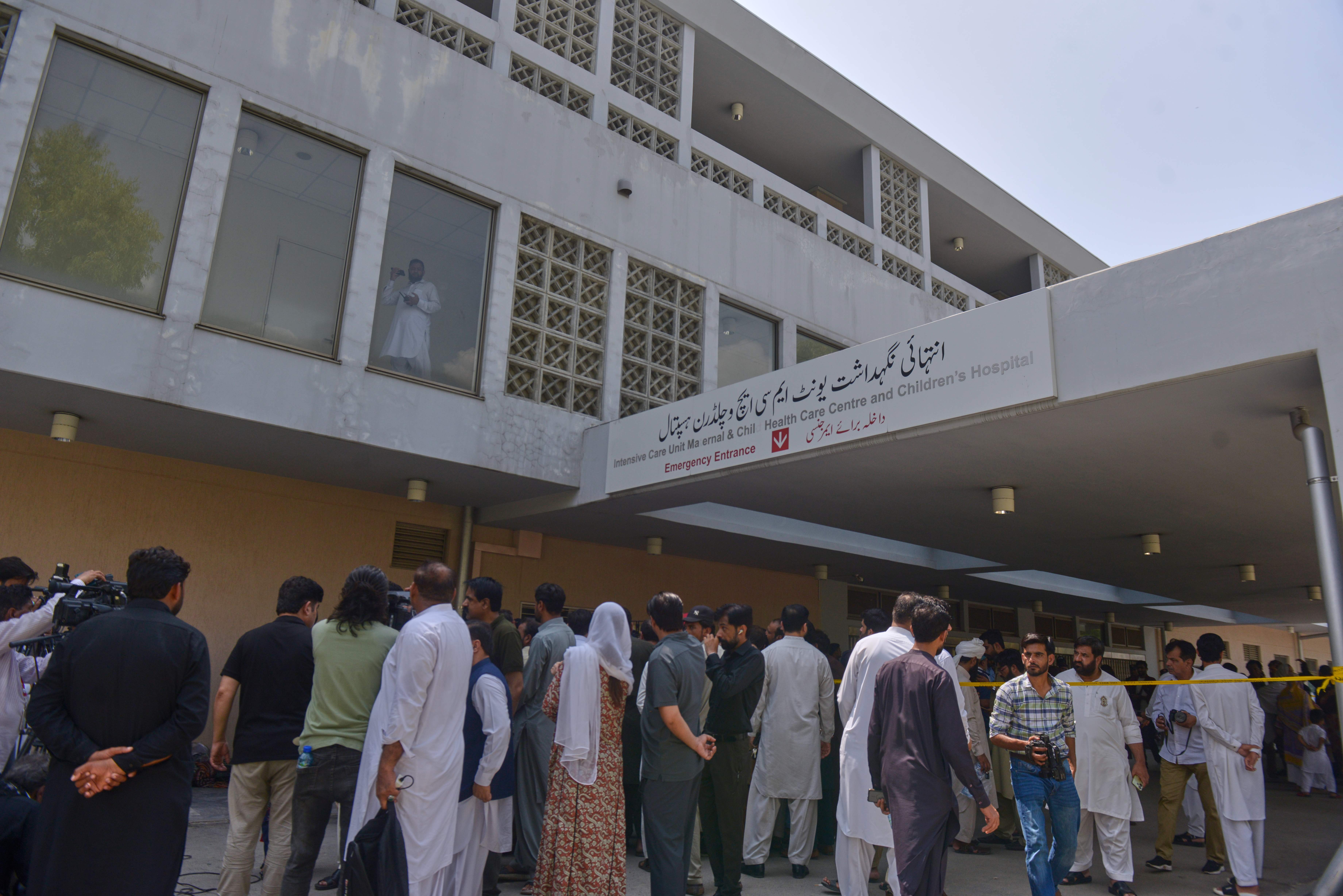
The government has opened an investigation, and Pakistan Prime Minister Shehbaz Sharif ordered the Health Ministry’s highest civil servant to be removed from office.
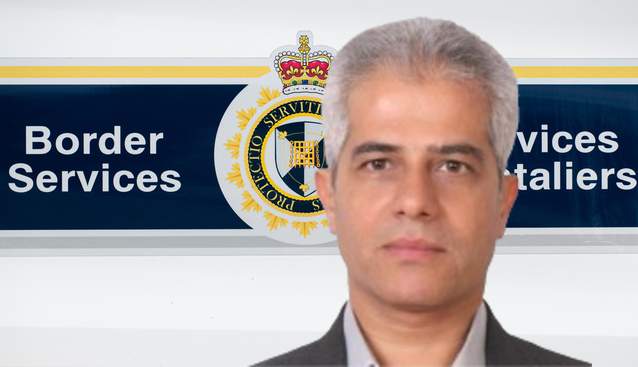
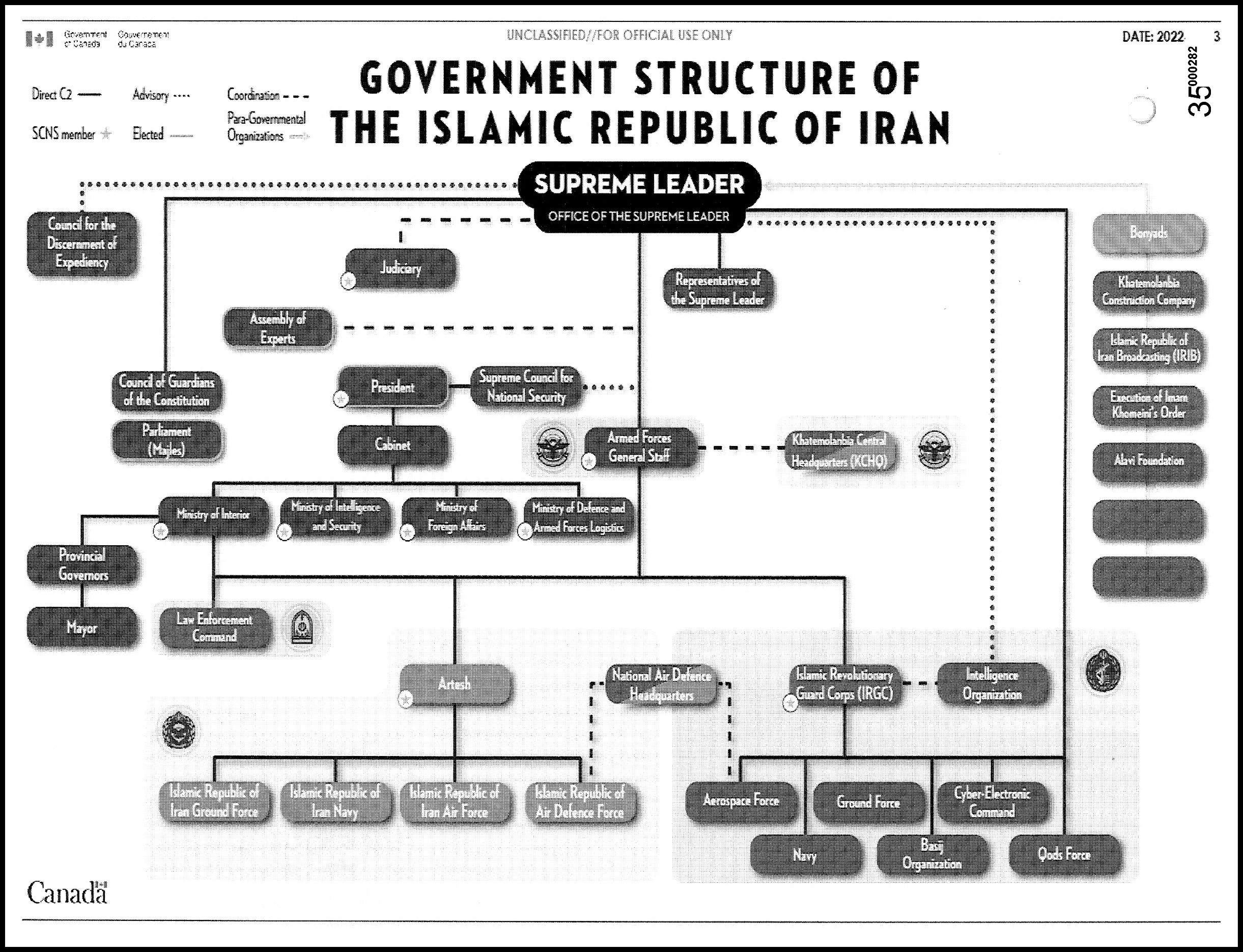
A CBSA report alleges that as a deputy director in Iran’s Ministry of Industry, Mines and Trade, Abbas Omidi, assisted the regime's state sponsorship of terrorism.
Parliamentary elections on 23 August completed the formation of Kazakhstan’s new legislature — the Kurultai — the central element of the country’s renewed political system following constitutional reform. Seven political parties took part in the vote. Turnout stood at 74%.
The first convocation of the Kurultai has cemented the completion of the institutional transition and marked the country’s entry into a new political cycle.
Political reforms and their institutional foundations
The decisive factor enabling this far-reaching transformation of the political system has been President Kassym-Jomart Tokayev’s consistent course toward democratic renewal in Kazakhstan.
It was within this framework that constitutional amendments were initiated, the role of representative institutions expanded, political competition strengthened, and powers redistributed among the branches of government.
For European partners this carries particular significance: it demonstrates that the institutional overhaul was not ad hoc but systematic and phased, grounded in political will and a long-term reform strategy.
Kazakhstan in the architecture of engagement with the EU
For the European Union, Kazakhstan remains one of its key partners in Eurasia, primarily in the domains of energy, logistics, and raw materials.
The renewal of the institutional system enhances the predictability of engagement — a quality of particular importance for long-term European projects. Energy Cooperation and Market Transformation Energy continues to form one of the central pillars of Kazakhstan–EU relations.
Key avenues include:
securing stable hydrocarbon supplies;
advancing projects in hydrogen and renewable energy;
joint initiatives on decarbonisation;
expanding investment in green infrastructure.
Institutional stabilisation after the elections strengthens the durability of the contractual framework in the energy sector, while the new legislative structure facilitates the coordination of long-term economic initiatives.
Transport corridors and logistics
Special emphasis is placed on the development of the Trans-Caspian International Transport Route, which the EU regards as a strategic alternative to traditional trade arteries.
Kazakhstan plays a pivotal role by providing:
transit infrastructure;
connectivity between China, Central Asia, and Europe;
development of the Caspian region’s port system;
integration of logistics chains.
A stable institutional environment increases the investment attractiveness of these projects.
Institutional predictability
The formation of the Kurultai creates a more transparent decision-making system, thereby reducing regulatory risks for European partners.
This is reflected in:
•growing investment activity;
deeper intergovernmental engagement;
more predictable long-term project planning;
broader participation by European business.
The 23 August elections have concluded the phase of institutional renewal in Kazakhstan and opened the period of practical implementation of reforms. For the European Union, this means a more predictable foundation for cooperation with Kazakhstan in the key spheres of energy, raw materials, and transport infrastructure. Kazakhstan enters a new political cycle with an updated institutional system, reinforcing its position as a strategic partner of the EU in Eurasia.
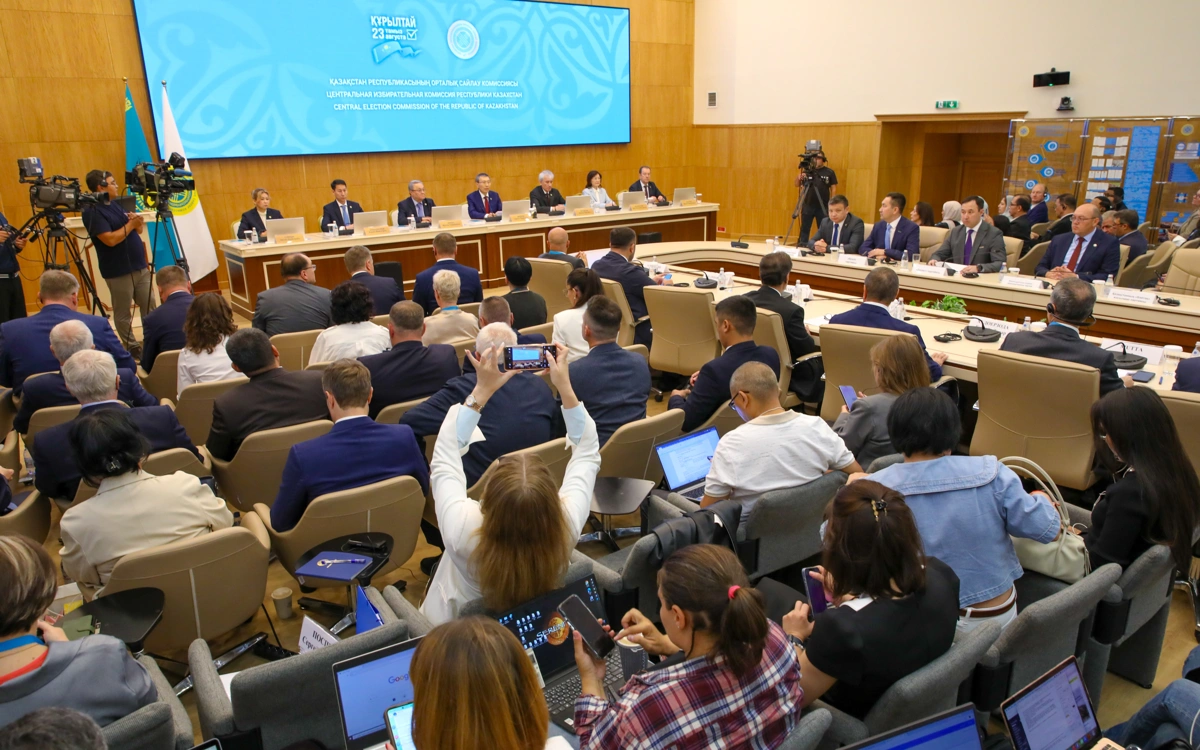
The Central Election Commission announced preliminary results of the elections for deputies of the Kurultai of the Republic of Kazakhstan, which took place on 23 August, reports a correspondent for the Kazinform agency.
According to preliminary data, the Adilet party received 6,528,948 votes, or 71.17%. The National Social Democratic Party received 469,058 votes, or 5.11%.
The Green Party "Baytak" received 97,751 votes, or 1.07%, the People's Party of Kazakhstan - 285,395 votes, or 3.11%.
The Auyl party received 574,621 votes, or 6.26%. The Ak Zhol Democratic Party of Kazakhstan received 478,083 votes, or 5.21%, and the Respublica party received 509,631 votes, or 5.56%.
In addition, 2.51% of voters voted against all.
Photo: Victor Fedyunin/ Kazinform
Earlier, Kazakhstan announcedthe results of exit polls on preliminary vote counts for the Kurultai elections.
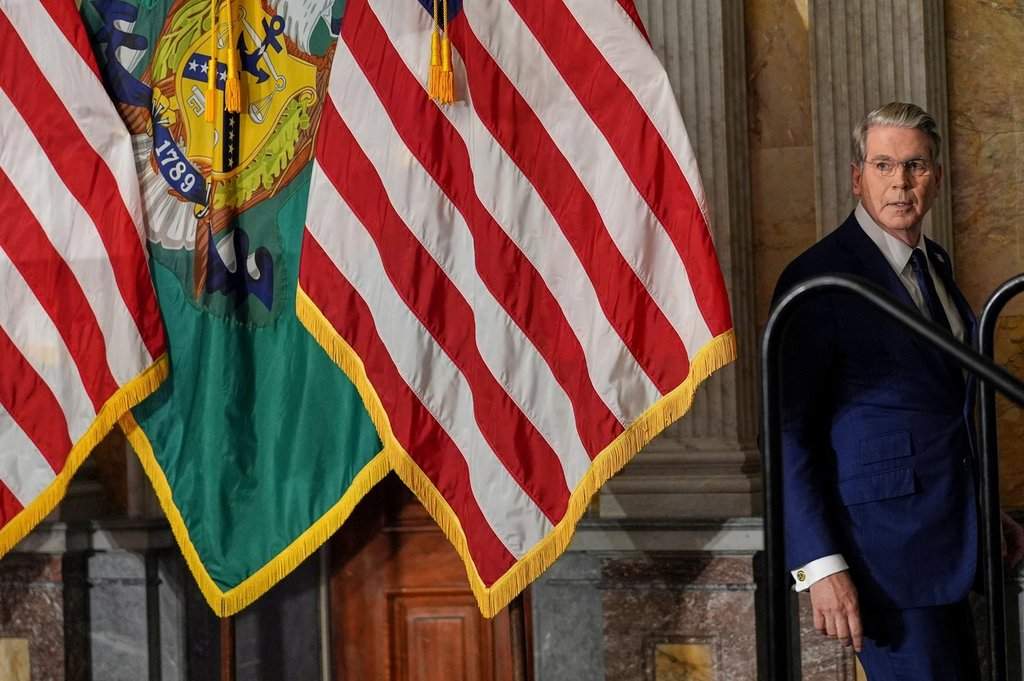
U.S. Treasury Secretary Scott Bessent warned every country that does business with the Islamic Republic to sever those financial ties or face retaliation from the United States.
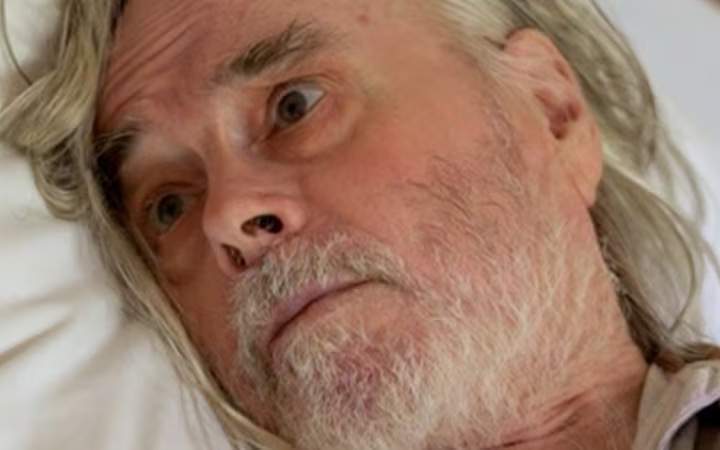
Police in Amsterdam and Vancouver say fingerprints confirm Amsterdam's mystery man "Lucky" is not John Russell Kenny, who went missing in Vancouver in 1994.
Kazakhstan holds elections for the first convocation of the Kurultai. The vote marks the country's final transition to a unicameral parliamentary system and completes a pivotal stage of institutional reforms under the leadership of President Kassym-Jomart Tokayev.
An experienced diplomat and statesman, President Tokayev is skillfully constructing the new political system of a "Fair Kazakhstan," cementing the nation's position as a leader in democratic reform across Central Asia.
For Brussels and European capitals, these elections represent far more than an internal event in Central Asia's largest economy—they serve as a vital indicator of political transition in a strategically essential region.
From a Bicameral System to a Unicameral Body
Comprehensive constitutional changes, approved in a nationwide referendum, abolished the former bicameral structure (comprising the Senate and the Mazhilis) and replaced it with the Kurultai—a unicameral legislature made up of 145 deputies elected for five-year terms under a proportional representation system.
The reform aims to streamline the legislative process, enhance governmental accountability, and expand parliamentary oversight regarding budget execution and ministerial appointments. For the first time in the nation's history, presidential quotas for appointing legislators have been completely eliminated.
The Regional Context of Democratization
Against the backdrop of a complex geopolitical environment in Eurasia, Astana is actively positioning itself as a beacon of democratic reform in Central Asia. Over recent years, the country has implemented key measures that distinguish it from its regional neighbors:
Limiting Presidential Power: The constitution mandates a single, non-renewable seven-year term for the president and legally prohibits close relatives of the head of state from holding high-level public posts.
Human Rights Infrastructure: The re-establishment of the Constitutional Court—granting citizens a direct right of appeal—alongside the total abolition of the death penalty and the institutional strengthening of the Human Rights Ombudsman.
Pluralism and Inclusivity: Lowering registration barriers for political parties and introducing a mandatory 30% quota for women, youth, and persons with disabilities on party lists.
Local Self-Governance: The transition to direct elections for district akims (local governors) and the implementation of an official online petition mechanism.
The View from Brussels
As the European Union deepens its strategic partnership with Kazakhstan across energy, critical raw materials, and transport routes (notably the Middle Corridor), institutional stability and predictability remain top priorities.
An important backdrop to the parliamentary vote was President Kassym-Jomart Tokayev’s official visit to Brussels. During high-level talks with European Council President António Costa and European Commission President Ursula von der Leyen, the leadership solidified the evolution of EU–Kazakhstan relations into a mature strategic partnership.
Among the key outcomes of the visit:
A record-setting package of commercial agreements and contracts worth over $12 billion was announced during the Kazakhstan–EU Business Forum, covering energy, transport, critical raw materials, and technology sectors.
Constructive progress was made in visa facilitation negotiations.
The parties signed a Horizontal Aviation Agreement and secured a major contract for the delivery of up to 50 Airbus aircraft for national carrier Air Astana.
Concrete financial commitments were made by the European Investment Bank to modernize the infrastructure of the Trans-Caspian Transport Network (Middle Corridor), ensuring a reliable alternative land route between Europe and Asia.
Strategic roadmaps were reaffirmed to supply Europe with Kazakh rare earth metals, lithium, and green hydrogen to support the European energy transition.
European observers note that the momentum of Kazakhstan’s reforms sets a major regional precedent. However, the true test for the new Kurultai will be its ability to effectively carry out its representative functions, establish an effective system of checks and balances, and stay responsive to civil society.
The vote serves as a crucial benchmark of how successfully Astana translates its declared path of modernization into dynamic, functioning democratic institutions.
President of Kazakhstan, Kassym-Jomart Tokayev, has addressed the nation ahead of the elections to the Qurultay, Qazinform News Agency reports, citing the Akorda press service.
"Dear compatriots! This Sunday (23 August), our country will witness a truly historic event – the first elections to the new unicameral Qurultay.
In recent years, our country has been confidently moving along the path of far-reaching reforms. Thanks to unity, harmony, and solidarity, we have achieved significant results in building a Just Kazakhstan. However, there is still much work to be done.
With the entry into force of the People's Constitution, these elections will mark the starting point for new reforms for the benefit of all citizens and will open a new chapter in the history of modern Kazakhstan.
I announced the Qurultay elections well in advance so that all parties could prepare properly.
As a result, the first election campaign for the Qurultay has been substantive, open, competitive, and civilized. This is the common view of our citizens.
Without a doubt, these elections will be remembered as perhaps the most interesting in our country's history.
During meetings with voters, media campaigning, national televised debates, and social media discussions, parties have convincingly presented their platforms.
In other words, citizens have gained the opportunity to assess the political parties' visions for the country's future and their various initiatives for the further development of all areas of life – from the economy to culture," the Head of State said.
The Qurultay elections are scheduledfor 23 August. According to the CEC, 12,605,788 voters have been includedin the electoral rolls.
Kazakhstanis are to elect 145 Qurultay deputies for five-year terms. The CEC has registered candidate lists from seven political parties.
About a billion people live in deserts today. This is not a new fad. Humans have walked across the dunes since prehistoric times. However, most of us have no interest in moving to an oasis and trading our car for a camel. Living in a desert is hard. But ancient cultures once mastered these dry […]
Longreads has published hundreds of original stories—personal essays, reported features, reading lists, and more—and more than 14,000 editor’s picks. And they’re all funded by readers like you. Become a member today.
At one time, Rachel Hartigan edited The Washington Post’s Book World. During a 12-year stint as a writer, reporter, and editor with National Geographic, she covered everything from the genetics of persimmon trees to the long road to women’s suffrage.
She spoke with Brendan O’Meara, host of The Creative Nonfiction Podcast, about being a self-taught writer, how being open to opportunity can change your career, and how editing others can help you improve your own writing.
This conversation has been edited for pacing and flow.
—Krista Stevens
Brendan: What did your career look like in your head at the start, and how did that change?
Rachel: I was not a kid with a clear version of what I wanted to do. I really like to read, to write, and to learn things. My parents were quite aggravated with me because they had spent a lot of money to educate me. I tried being a paralegal at a legal publishing company and then at the Nevada State Legislature. I was probably lounging on the sofa when my dad came in and slapped a Harper’s Magazine on me and said, “There are internships there. You should apply to that.” OK, it’s in New York. I have friends in New York, so that’s what I did, and somehow I got it. My career has not been a straight path; it’s been a lot of happenstance where I somehow get a job and figure out how to do it once I’m there. People come to me with plans and say, “I’m going to do this, this, and this,” but that’s not my mindset. I wish I was more like that. My career is always a surprise to me.
Brendan: With pursuing something a bit squishy, like writing, how did you deal with the pressure of expectation and the burden to prove yourself to your peers and your parents?
Rachel: My parents weren’t too bad; I was harder on myself because I never went to journalism school. I have always felt like an apprentice, like I’m still figuring it out. It’s only recently that I feel like I know how to do this. I know how to structure something. I know how to get a reader going, but I never felt like I had the right credentials. One reason I’ve gone back and forth with writing and editing—and I feel like each one has helped the other—is because it’s much easier to spot the weaknesses in somebody else’s draft than in mine. Sometimes it’s harder to do with your own prose.
Brendan: An apt metaphor, be it someone else’s work or your own, is looking under the hood like a mechanic to see how things are working, whether everything’s moving as it should. How do you revisit text or analyze work that inspires you, so you can learn from it and apply it to your own work?
Rachel: I have a copy of David Grann’s The Lost City of Z where I wrote down what each paragraph was doing, and what each chapter was doing, trying to figure out how he balanced telling a historical tale—the story of those who were looking for Percy Fawcett—as well as his own story. I used to do that with features I liked, or if I was assigned a feature and I had no idea how to go about it, I would look at similar ones, whether from my colleagues or from other publications, and break down the structure. It gets you over the hump of the blank page because you don’t have to worry about how you start your masterpiece. You’re just like, nope, this is what this paragraph has to do.
Brendan: How have you cultivated that sense of voice over your writing career?
Rachel: I’ve been a journalist for a very long time. Clarity has always been a priority, especially at National Geographic. When I was writing scientific stories, some of them had to be really, really short. It’s front-of-book for the magazine, and it’s almost like writing poetry because every word has to count. If you’re doing something complicated, you have to think about how the reader is taking it in. Is this clear to the reader? Is the reader going to want to read the next paragraph? Where is the momentum? I’m thinking about that a lot. I’m trying to remember that I’m in partnership with a reader, and they need to understand what I’m writing about.
Brendan: How do you approach interviewing as a skill and as a craft?
Rachel: I always have my questions, but I’m not an aggressive interviewer. I like to let people talk, and I like to use people’s own words in my writing. I like to hear people’s voices, so I am probably a minimalist interviewer, though I wouldn’t say a minimalist reporter. But for instance, when I went on expeditions to Nikumaroro—an island where some think Amelia Earhart died as a castaway—I felt like I was a spy and an eavesdropper. I would interview people and ask them what they were doing, but mostly I was trying to watch and listen and see how people were doing, and I hoped they would forget I’m there.
Brendan: I love what you said at the start of your book, about being bored with your job working on tiny morsels for the magazine, bored with your marriage to another deskbound journalist, and most of all, bored of yourself. Take us to that moment, this middle-age malaise, this boredom.
Rachel: I was in my little cubicle writing and editing for the front-of-book, which was fairly routine. I knew what was happening: This week and the next was writing, and the next week was editing. My son was in school, so there was his school routine, and I just didn’t know what I wanted to do next. The writing and editing for the front-of-book had become pretty easy, and I felt somewhat underemployed. But here I am again at my desk, and literally, one of the editors at Nat Geo, Glenn Oeland, stopped me in the hallway and said, “We have a berth on this ship going out to an island in the Pacific. Do you want to go?” And I said yes, and I really had no idea where I was going.
When I started at Nat Geo, I had been a book review editor at the The Washington Post, which is a very desk-bound job. I had no idea what I was doing, so I said yes to things, which up until that point wasn’t anything hugely dramatic. So this was the biggest yes. I realized it wasn’t just a yes that I had to say, but I also had to get buy-in from my then-husband and my son, who was 12 at the time. I had to think about all the details involved in going to a place like this. I had never been on a ship; I had never been anywhere tropical. But once I got on the ship, I focused on doing the story, and it felt like a huge weight fell off my shoulders, even though I was very seasick at first. But once the preparation is over, you immerse yourself in the story and the people, trying to figure out the dynamics of what you need to find out. It’s such a flow state.
My career has not been a straight path; it’s been a lot of happenstance where I somehow get a job and figure out how to do it once I’m there.
Brendan: And as you’re reporting and tackling the project at large, it can be overwhelming to think about the scope of it. Thinking: This is going to be a book. How do I even do that? In what way did this book stretch you?
Rachel: I did two expeditions, one looking for Amelia Earhart’s bones, and the other with Robert Ballard, who is the man who found the Titanic, looking for her plane in the waters around the island. So it was fairly clear what the stories were. But once I got back from the second expedition and started thinking about doing a book on it, I was really struggling. For one thing, we never found anything. We still don’t know what happened to her. So, is there really a book here? And if there is a book, how do I write about all these different things? At least four narratives needed to be tackled. I could have just written a book that theorized what happened to her. I was frustrated when writing news stories because it was mostly about the search for her, not as much about Earhart herself. I didn’t know that much about her beyond what we learn in elementary school: a groundbreaking aviator disappears. I really wanted something that incorporated more of her biography. So that would be one narrative. But then there’s all the theories and the people who pursued them, and it’s all very involved. I had a hard time figuring out how to braid all those strands together.
Brendan: You came up with a three-part structure: captured, castaway, and sank. How did you arrive at three “deaths of Amelia” as the scaffolding to weave these stories around?
Rachel: It was challenging to figure out how to approach each theory, how to lay it out in a way that wouldn’t be utterly baffling to the reader. The first way I tried was utterly baffling to my editor, so I had to have another go. I was trying to do it almost chronologically, which involved all the theories all at once, and it would have been very difficult. So instead, I decided to alternate between the biography chapters and one theory at a time, starting from the least likely to the most likely. I don’t advocate for any one theory in the book, but part of the reason I wanted to start with the least likely is that it’s also the most exciting.
Brendan: You mention that there have been solid biographies written about Earhart. I imagine that as you were looking to sell this book, you were wondering about what can be said that hasn’t already been said? How did you approach selling a new book on Amelia Earhart?
Rachel: In my darkest moments, I’m like, who needs this book? I don’t know. There had been some good biographies, and a lot of the different searchers had written books arguing for what they think happened. There hadn’t really been a book that combined it all, and there hadn’t been a book that contextualized the searches. I think that’s what helped sell the book.
Brendan: I love the first third of the book or so. You write that she wanted a life of purpose and she couldn’t imagine finding it in a purely domestic existence. What do you think she was so, almost at ease, with bucking societal norms of the time?
Rachel: I think she was interested in what was new, in new experiences, in new technology; having a life where things basically stayed the same just would have been the end of her. I just don’t think she would have been able to handle that. She had an unstable childhood, but her parents did well. They had two girls, and when the girls wanted a BB gun, they got a BB gun. Her mom sewed them rompers so that they could actually play rather than being constricted in dresses. She was raised to be herself, basically, and I think she never learned how to shut that down, which is wonderful. She was always looking for what she could do beyond what was expected of her, you know, how can I be what I want to be when society expects me to be a certain way? It’s a question that we all still struggle with. And she was pretty eloquent about wanting people to be able to do what they wanted.
The United States Navy has spent over $860,000 since late 2017 buying at least 89 fresh American cadavers from the University of Southern California — dozens of them specifically to fund Israeli Defense Forces medical [...]
After years of weak liberal governance and open-border policies that have flooded Ireland with third-world migrants, the IRA has taken matters into its own hands. Eviction notices have been delivered to migrants nationwide, alongside a [...]
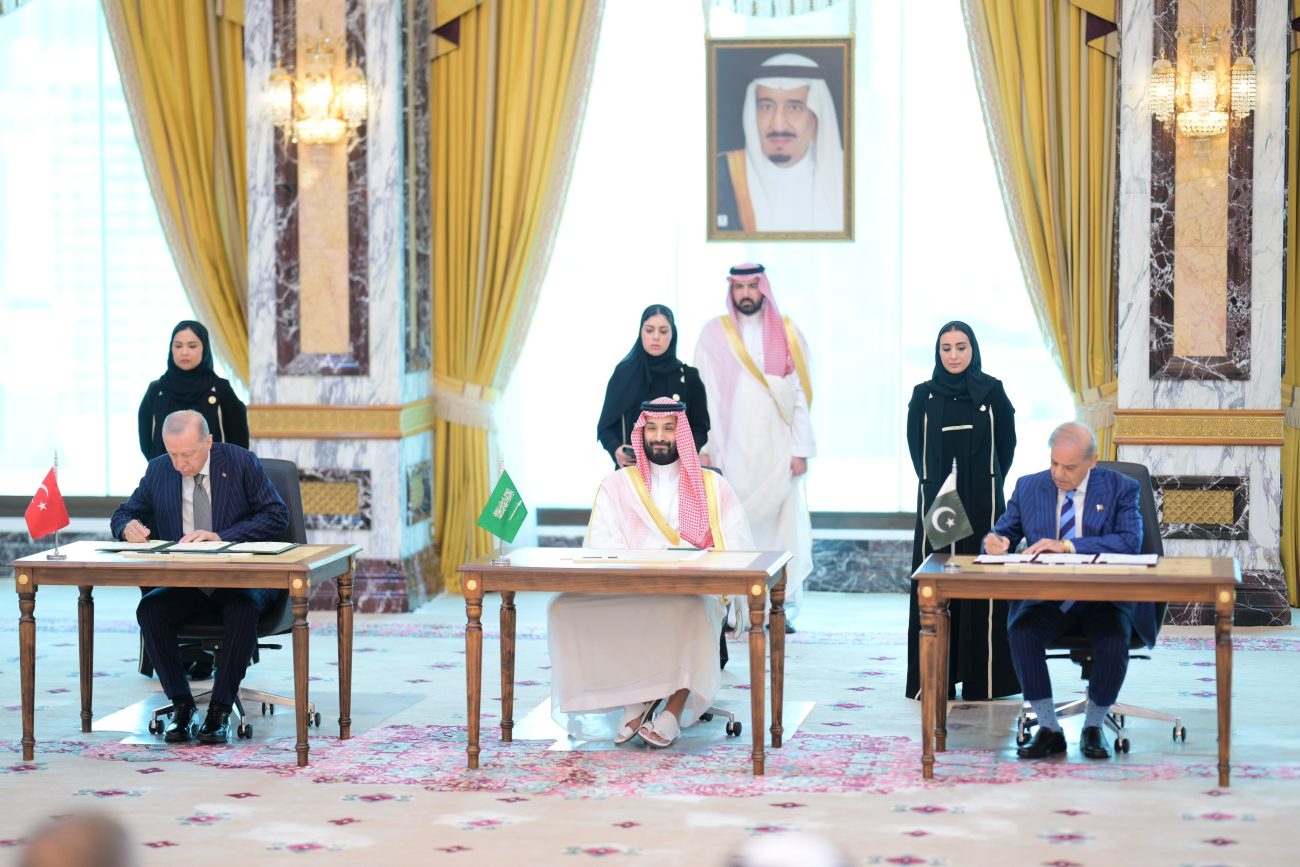
Pakistan, Saudi Arabia, and Turkey recently signed the “Mecca Joint Defense Agreement”. Many analysts believe this trilateral pact is aimed at checking Iranian and Israeli “hegemony” in the tumultuous Middle East region.
Meanwhile, the biggest question running through India’s nearly 1.5 billion people is how this trilateral defense pact will impact India, which has fought multiple wars with Pakistan and maintains a tense relationship with Islamabad.
Despite hogging global media limelight for playing the role of mediator in the ongoing Iran war, Pakistan’s position back home looks scary with relentless terror attacks and a deteriorating security situation.
Pakistan continues to face tremendous domestic pressures. Protests in Pak-controlled Kashmir have intensified since mid-2026, with scores of innocent protesters killed by the security forces.
Islamabad imposed a communication blockade, ordered foreign journalists to leave the region, and limited access to international media outlets, including Al Jazeera’s digital platform.
This is no ordinary region. India claims the Pak-controlled Kashmir as its own and has vowed to integrate it with Jammu and Kashmir. Reportedly, pro-India slogans and flags were seen in the demonstration.
Then, regions like Balochistan and Khyber Pakhtunkhwa (KPK) are Pakistan’s Achilles’ heel. Separatism in these two regions appears to have gone beyond the control of the Pakistan Army, and looks as volatile as East Pakistan (now Bangladesh) during 1971. The question is how long Pakistan can hold these two regions, and at what cost.
Dismal economic conditions, disgruntled population, and heightened tensions with neighboring India and Afghanistan have intensified Pakistan’s problems. The question is: does Pakistan have the financial muscle or resources to fight a five-front conflict — Balochistan, KPK, Kashmir, India and Afghanistan, simultaneously?
On top of it, Pakistan has signed a defense pact with Saudi Arabia and Turkey, which means they should be prepared to fight outside the country as well, probably against Houthis in Yemen. That would open a sixth front.
Indian military exposed Pakistan’s defense architecture during Operation Sindoor last year in May. India not only managed to breach Pakistani defenses to hit multiple terror targets in the first wave of attacks, but India also launched precision strikes that impaired critical Pakistani military infrastructure across the country.
Indian military targeted multiple airbases including Nur Khan (Chaklala) near Rawalpindi, Mushaf (Sargodha), Murid, Rafiqui, Rahim Yar Khan, Sukkur, Jacobabad, Bholari, and others—using supersonic BrahMos and other precision munitions.
Satellite imagery confirmed the heavy damage, including destroyed runways, hangars, command-and-control centers, and loss of up to 14 aircraft (as per IAF) and scores of personnel on the ground. Pakistan also claimed downing multiple Indian jets, but it could hardly penetrate the Indian air defense network, led by the S-400.
Operation Sindoor demonstrated that Pakistan’s defenses could be easily penetrated and its Air Force could be crippled even with limited, restrained strikes.
Meanwhile, Turkey is already a member of NATO, arguably the most powerful Islamic country in terms of military. It does not really need Pakistan or Saudi Arabia to defend itself. Saudi Arabia, on the other hand, has been battered by Iran and Houthi rebels. But when the US could not completely defend it, what can Pakistan and Turkey do?
In the case of Pakistan, it is the most vulnerable of the three.
The Mecca Joint Defense Agreement, signed on 7 August 2026 by Pakistan, Saudi Arabia, and Turkey, assumes utmost importance for Islamabad. The pact’s core clause treats an armed attack on any one party as an attack on all three.
It directly follows the September 2025 Strategic Mutual Defense Agreement between Pakistan and Saudi Arabia.
For Riyadh, it’s another insurance policy, but for Pakistan—still repairing airbases more than a year later—the pact is aimed at sending a strong deterrence message to India, which has pledged a devastating response to any terror attack on the country.
File Image
Collective defense commitments from Riyadh and Ankara are sure to boost Pakistan’s morale, but Turkey (and Saudi Arabia) have been supporting Pakistan since 1947 and have never managed to turn the tide against India.
For instance, during the 1971 war, Turkey provided critical military and diplomatic support to defend Pakistan’s territorial integrity. Operating under the CENTO defense pact, Ankara provided substantial material support to Pakistan by providing aircraft assistance and military hardware, but to little avail.
Even politically, Turkey refused to recognize the newly independent state of Bangladesh for over two years. It only recognized Bangladesh in February 1974 after Pakistan did.
Meanwhile, India has already established strong military ties with Ankara’s adversaries, Greece, Cyprus, and Armenia. India also shares robust military ties with Israel. There might not be a formal agreement on paper, but India-Israel ties go beyond any melodramatic pact.
No doubt, the Mecca pact embeds Pakistan in a broader Islamic-world security architecture at a moment when its conventional defenses have been publicly tested while the country’s biggest province, Balochistan, continues to fight for its liberation, just like East Pakistan (now Bangladesh).
For a country simultaneously battling insurgencies in Balochistan, Khyber Pakhtunkhwa, and Pakistan-administered Kashmir while managing tense borders with both Afghanistan and India, the Mecca defense pact is far more valuable to Pakistan than it is to either Saudi Arabia or Turkey.
Nitin J Ticku holds a double master’s degree in Journalism and Business Management from the University of Glasgow. He has over 20 years of global experience in MARCOM, Journalism, and Digital Marketing, and has worked & traveled widely across Europe, the Americas, and Asia. Nitin is the Editor of the EurAsian Times.
This is an Opinion Article
He can be reached at editor (at) eurasiantimes.com
The specter of a “Red-Green Alliance” seems to be haunting the strategic elites not only in the United States but also in other parts of the world these days.
The debate over this alliance between so-called Leftists and Islamists intensifies whenever a Muslim leader in the American Democratic Party secures an important nomination or an electoral victory.
It is not that these Muslim leaders in America are radical Islamists. They are essentially far-left in their political, economic, and global views and are being accepted as leaders within the Democratic Party. But they evoke apprehensions for their support of Islamists in all parts of the world on important global strategic issues.
The subject of the latest debate is Abdul El-Sayed, the progressive doctor and former Wayne County health director, who on August 4 won a historic victory in the Democratic primary in Michigan to join the Senatorial race in the upcoming November 2026 midterms.
If successful, he will be creating history as the first Muslim Senator in the history of the United States.
Of course, the Democratic Party has already seen elsewhere the rise of Muslim elected officials who often act as a bridge between progressives and Muslim advocacy groups. In the House of Representatives, there have been the likes of Rep. Ilhan Omar and Rep. Rashida Tlaib.
At the local and State level, cities like Minneapolis, Dearborn, Hamtramck, and parts of New Jersey/New York now have Muslim mayors, councilors, and state legislators, many elected with support from both progressive and Muslim voter blocs.
Zohran Mamdani has taken office as New York City’s first Muslim mayor. Abdullah Hammoud is now the mayor of Dearborn, Michigan. Ghazala Hashmi has won the lieutenant governorship in Virginia.
Incidentally, the rise of New York City Mayor Zohran Mamdani has been portrayed by experts as showing that democratic socialism and hardline anti-Israel politics are no longer marginal in America’s largest city.
New York City Mayoral candidate Zohran Mamdani (R) celebrates alongside his wife Rama Duwaji (L) during an election night event at the Brooklyn Paramount Theater in Brooklyn, New York on November 4, 2025. New Yorkers elected leftist Zohran Mamdani as their next mayor on November 4, 2025, broadcasters projected, on a day of key local ballots across the country offering the first electoral judgment of Donald Trump’s tumultuous second White House term. (Photo by ANGELA WEISS / AFP)
His national profile, and his demand that the federal government enforce an International Criminal Court warrant against Israel’s prime minister, have forced Democrats to reconsider their traditional stance on the Middle East in general and Israel in particular.
In other words, the strategic consequences of the Leftists sharing the global outlook with that of the Islamists outfits like Hamas or countries like Iran, or rising demands of Muslims in favor of their separate legal and social systems in many European countries, seem to be reshaping Western politics, traditional national security frameworks, and geopolitical alignments.
It is worth sharing in this context the thoughts of US Army veteran and human rights activist Mansoor Hussain Laghari, who had migrated from Pakistan. He strongly warns against the “Red-Green Alliance,” characterizing it as a dangerous and underappreciated ideological convergence between the revolutionary far left and political Islamism inside Western societies.
Using his unique background as a political refugee from Pakistan and experience in the US military, Leghari says that “Political Islamism” has nothing to do with ordinary Muslims or Islam as a faith. For him, it is something that seeks to place religious authority above democratic pluralism and civil law.
Laghari notes that while the radical Left (which claims to support secularism, feminism, and LGBTQ rights) and Islamists should be natural enemies, they cooperate because they share the same targets: American power, Western democratic institutions, capitalism, traditional faith, and Israel.
As he writes, “ These movements (Leftists and Islamists) should be natural enemies. The radical Left presents itself as secular, feminist, and supportive of LGBTQ rights. Islamists often reject those principles. Yet alliances are not always built on shared values. They are often built on shared enemies.
“Both sides portray America as an imperial project rather than an imperfect constitutional republic. Both reduce complex societies to oppressors and oppressed. Both treat Western institutions as guilty until dismantled. Israel has become a powerful mobilizing symbol, but the deeper target is the political confidence and social cohesion of the United States.
“This ideology is no longer confined to campus seminars. It is entering mainstream political life. The Democratic Party remains broad, and many Democrats reject antisemitism, revolutionary socialism and political Islamism. But an increasingly influential progressive faction now treats these ideas as legitimate components of the party’s future”.
For Laghari, more than the rise of New York City Mayor Zohran Mamdani, the concern extends to “Ideas incubated in universities and activist networks (that) eventually influence city governments, congressional offices, public agencies and national-security institutions. Americans should debate these ideas openly but stop pretending that hostility toward the country’s constitutional and strategic foundations is merely youthful idealism.”
Laghari insists that Western societies must confront this Red- Green alliance with accountability and directness rather than comfortable denial, arguing that the constitutional protections of individual liberty over tribal obedience are actively worth defending.
“As a U.S. Army veteran, I learned that readiness is not measured only by weapons, aircraft or troop numbers. It also depends on national cohesion, public trust and citizens willing to serve. A military cannot remain fully effective if young Americans are taught that patriotism is shameful, service is complicity, and their country is uniquely evil.”
Many strategic analysts not only agree with Laghari but also discern the same pattern in European democracies and even India.
The following points in this regard they make are noteworthy:
One, after Trump’s victory in 2016 in the US, Brexit in the UK, the rise of the BJP in India under Prime Minister Narendra Modi, and right-populist governments in Europe, both Left-liberals and Islamist organizations found a common adversary and used in their parlance terms like “right-wing nationalism,” “Islamophobia,” “majoritarianism,” and “fascism.”
Their alliance uses legal and academic frameworks in these democratic countries to label valid criticism of political Islamism or extreme Leftism for promoting terrorism or anarchy as “hate speech,” effectively silencing moderate and genuinely secular reformers.
Two, by infiltrating universities, local governments, and civil society organizations, the alliance shifts institutional policies toward anti-constitutional curricula and identity-driven governance. They popularize what is called “intersectionality” — placing Muslims, Palestinians, and refugees in the same “marginalized” category as racial minorities and LGBTQ communities.
This has created institutional incentives in universities and NGOs to platform Islamist speakers under the banner of “diversity” and “anti-racism.”
As a result, antisemitism is repackaged as mainstream progressive anti-imperialism, lowering the cultural barrier to targeted violence and exclusionary politics. And universal constitutional values are being replaced with tribal, identity-based loyalty, fracturing national unity.
Three, this collusion begins in universities and then feeds into media, NGOs, and politics. Progressive NGOs, left faculty, and Muslim student groups share funding, legal aid, and media training. And, university administrations, wary of being called “Islamophobic” or “racist,” often allow protests that would be shut down for other groups.
Politically, the collusion enables the sharing of an agenda with major political parties in the name of dissent, protecting minorities, and expanding asylum/refugee programs. And that, in turn, generates narratives of state or police oppression and dangers of military modernization at the cost of social justice.
Then it becomes normal for progressives and Muslim politicians to vote and campaign together. They hold joint press conferences and share legal teams, and write joint petitions to global human rights bodies and the United Nations.
If Islamists find an ally in the Democratic Party in the US, in Europe one witnesses how Labour, Greens, and Left parties coordinate with Muslim community organizations on Gaza, policing, and counter-terror laws.
Apparently, European intelligence agencies have flagged that jihadist networks exploit progressive and anti-war protest spaces, such as climate and pro-Palestinian demonstrations, to recruit vulnerable individuals and gain mainstream legitimacy by aligning with broader, localized grievances.
The same pattern is also noticed in India.
Here, sections of left and liberal parties, student unions, liberal NGOs, and Islamist organizations have coordinated since 2019 on CAA-NRC ( Citizenship Amendment Act and National Register for Citizens), abrogation of Article 370 that had accorded special status to Kashmir, hijab cases, and “bulldozer” actions ( against the properties of hardened criminals and habitual law-breakers).
That is how domestic issues in Western democracies and countries like India are getting globalized as “human rights” issues, and hardline groups are gaining legitimacy by appearing next to mainstream left/liberals.
All this complicates a nation’s defense spending and foreign policy, forces strategic distractions, and weakens important partnerships. For instance, on Palestine, Kashmir, Afghanistan, and the “war on terror,” Left-liberals critical of US/European/Indian foreign policy found common cause with Islamist groups who also oppose those policies.
When human rights language is used to defend individuals with extremist links, preventive policing becomes harder. Europe’s “returning fighters” problem and India’s experience with banned organizations show this. And the US, EU, and Indian foreign policy on the Middle East and counter-terror is now increasingly being constrained. Any action is immediately framed as “Islamophobic” or “imperialist”.
Viewed thus, the geopolitical alliance between Left/liberal elements and the votaries of political Islam that one sees across America, Europe, and India does present distinct challenges to the national security and social cohesion of each region. Its operational methods and societal impacts may vary from region to region based on local political landscapes, but its ideological foundation remains the same – shared opposition to the existing state apparatus.
Of course, experts point out that this alliance is “ironical” and could be “unstable” in the long run, given that Leftists and Islamists differ in their views on secularism and social rights. The Left wants progressive social change, emphasizing equality, social justice, and human rights. They are driven by secular and humanitarian concerns. But for conservative Islamists, it is traditional religious values and communal loyalty that are their principal motivations. Islamists often seek to establish states governed by Sharia.
However, despite their differences, at the moment, they are together on many aspects of global politics and are collaborating in unexpected ways. And that is said to be a matter of grave concern.
As Laghari says, “The question is no longer whether this ideological struggle has reached the United States. It has. The question is whether Americans will recognize it before the next generation inherits a country that no longer recognizes itself.”
What Laghari asks of Americans seems to be equally apt a question for Europeans and Indians as well.
Author and veteran journalist Prakash Nanda is Chairman of the Editorial Board of the EurAsian Times and has been commenting on politics, foreign policy, and strategic affairs for nearly three decades. He is a former National Fellow of the Indian Council for Historical Research and a recipient of the Seoul Peace Prize Scholarship.
 Login