Login

EU sends more aid to Nepal as flood survivors face severe humanitarian conditions
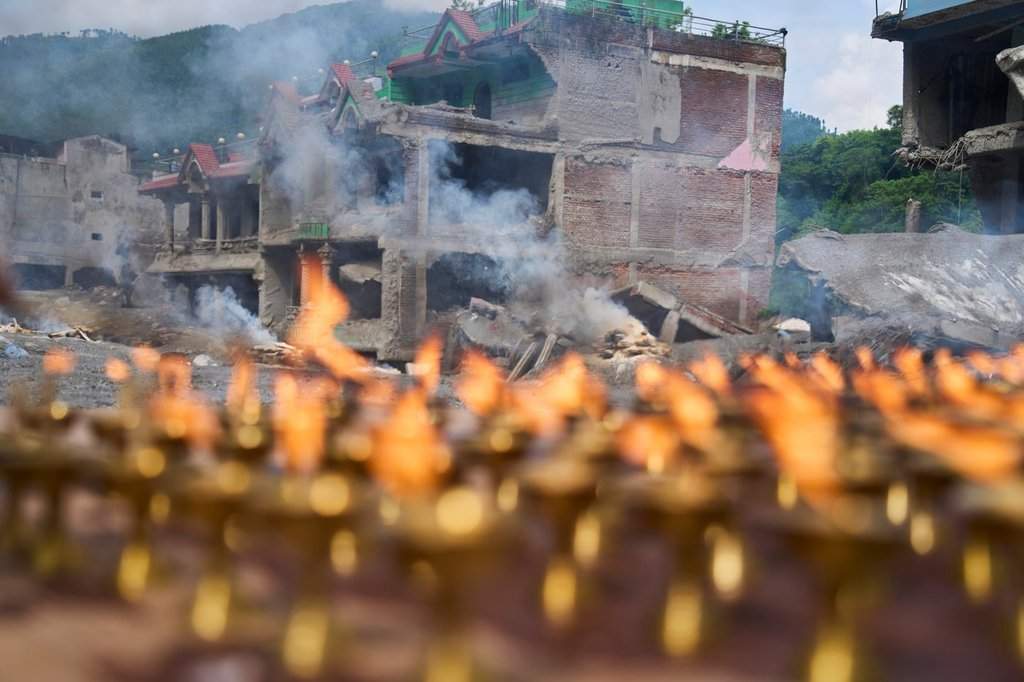
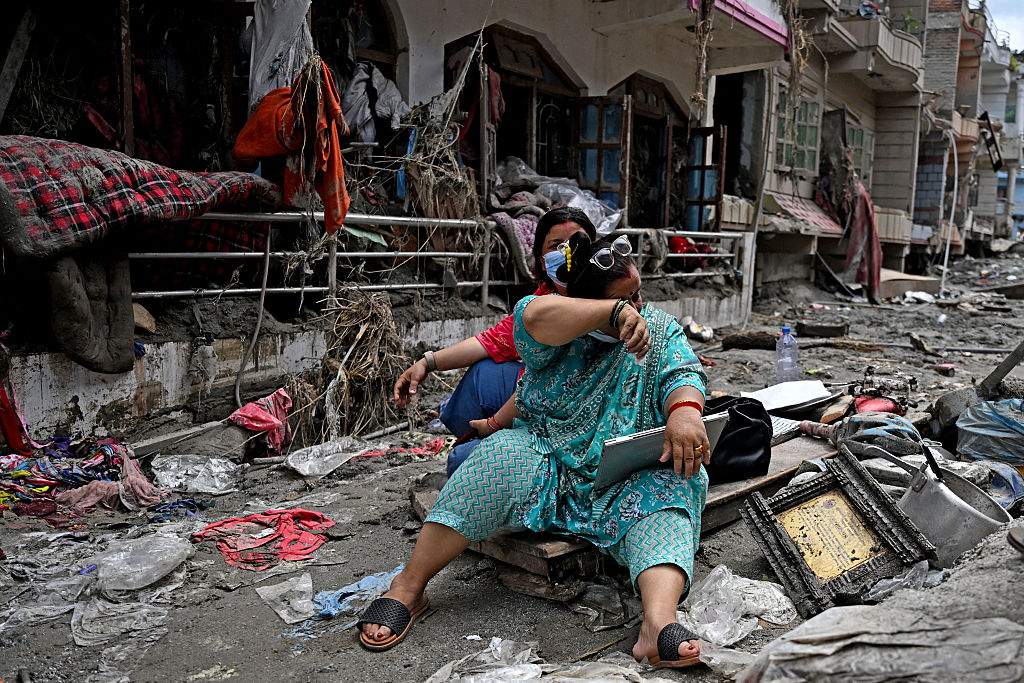
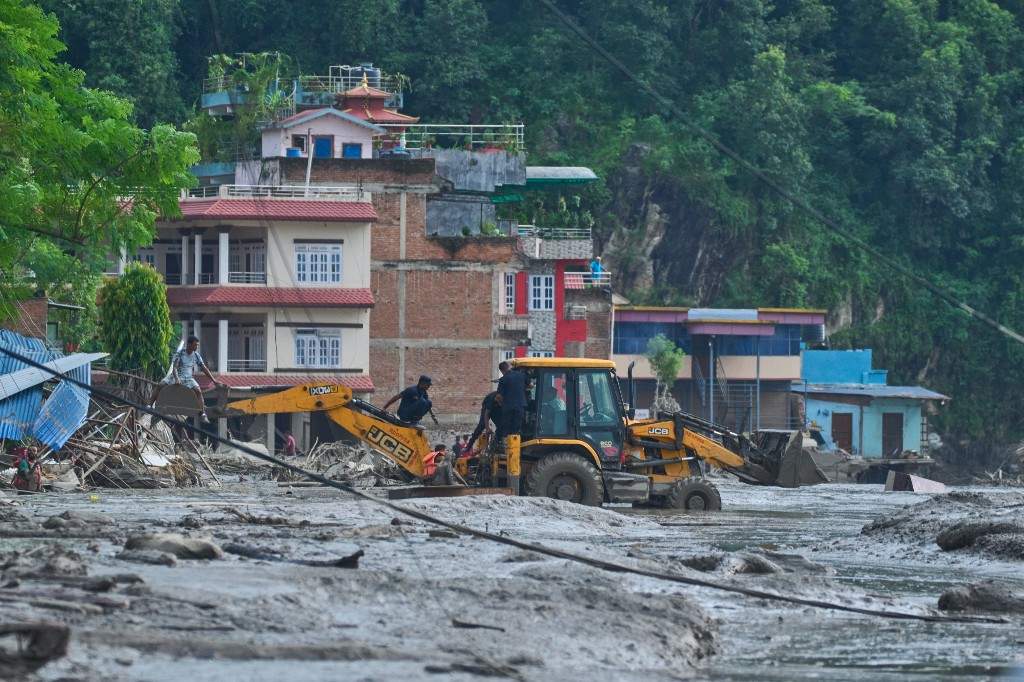
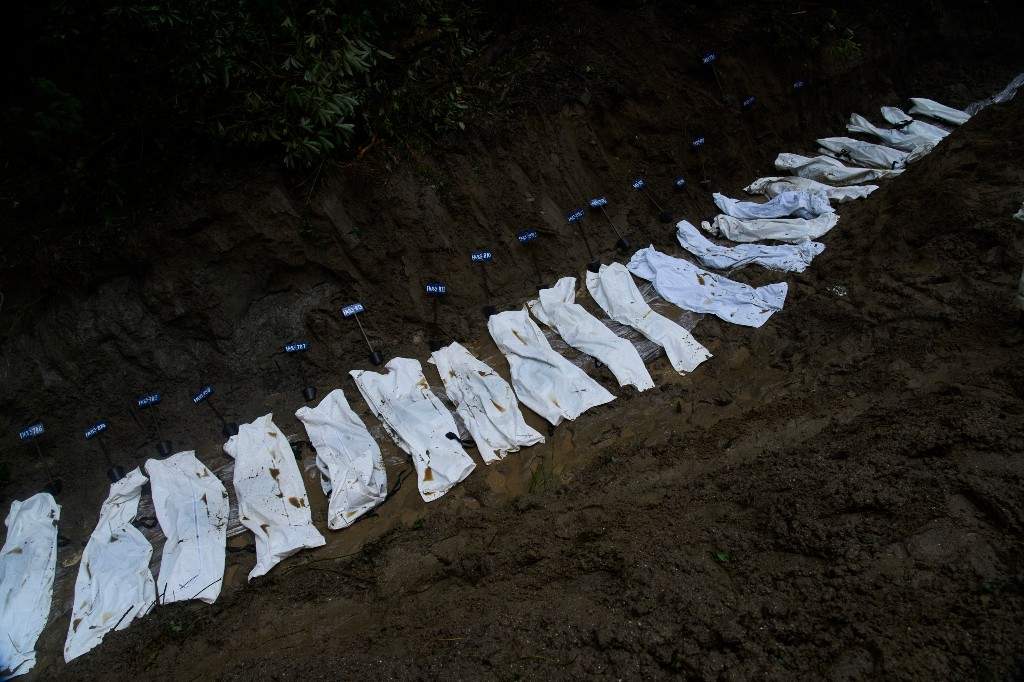
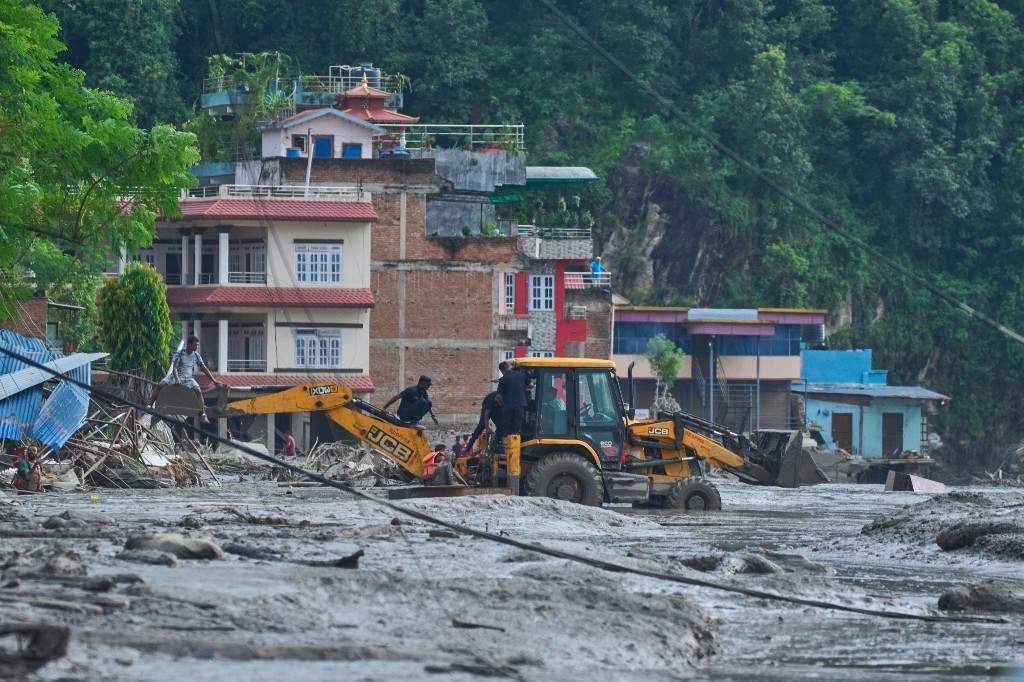
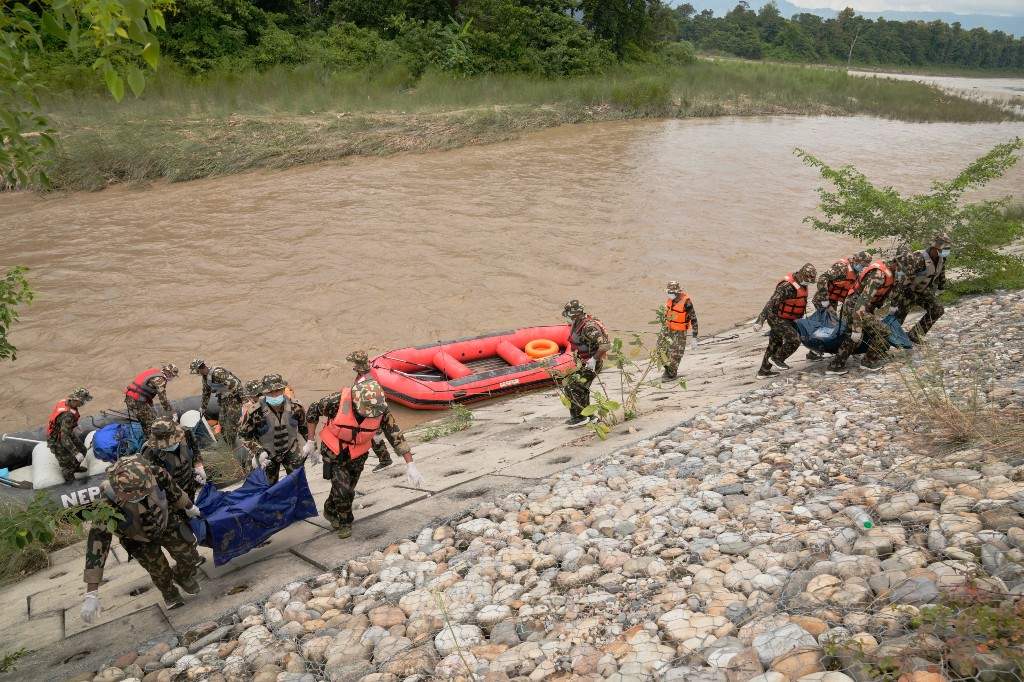
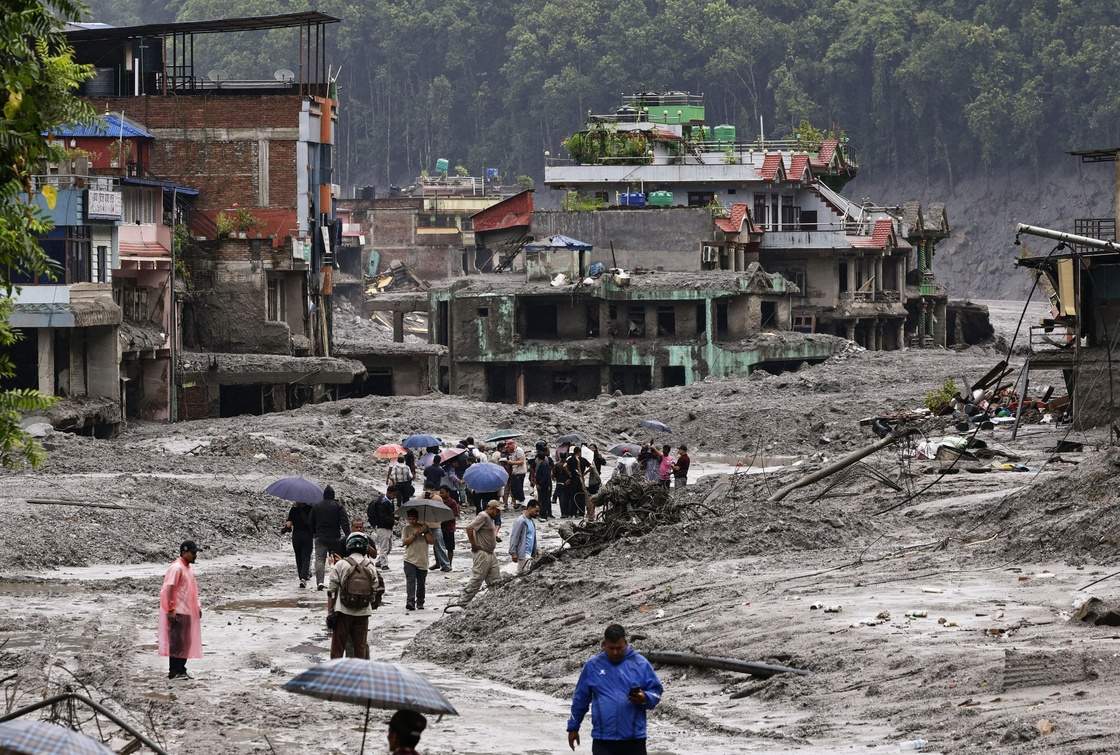
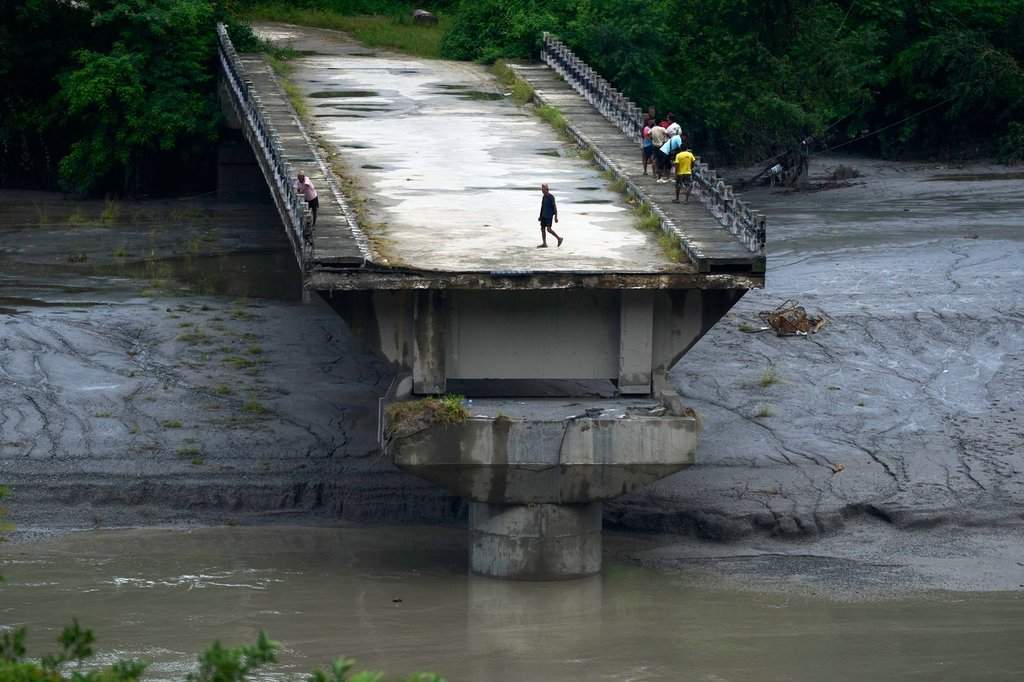
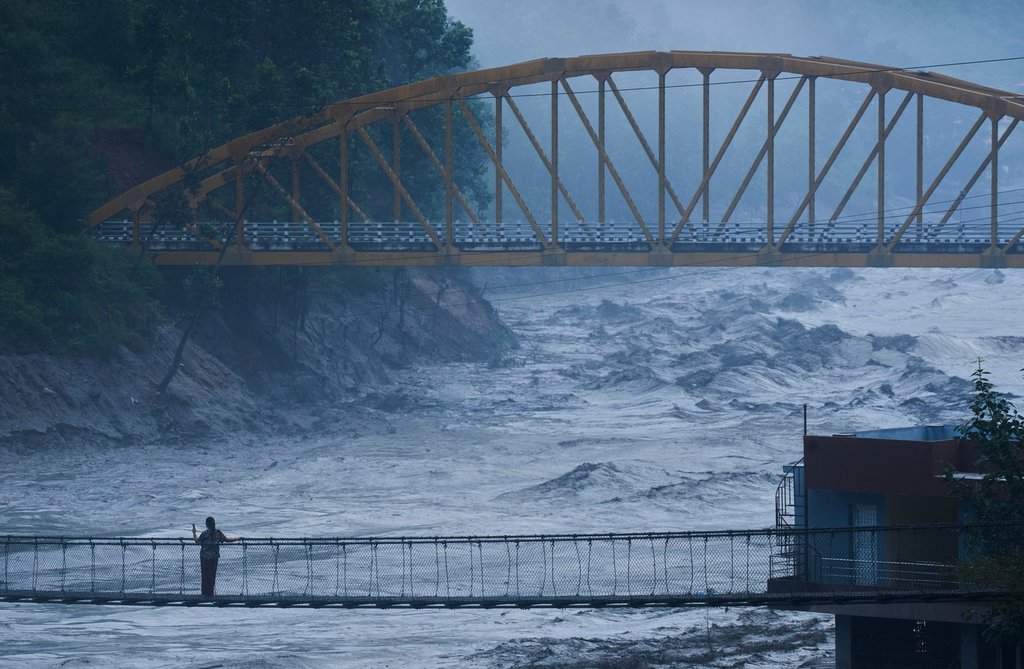
As families across Nepal face the human toll of one of the country's deadliest floods in decades, the EU is adding to the relief effort led by Nepalese authorities and humanitarian partners. A first EU humanitarian air bridge flight is delivering 82 tonnes of essential supplies, while the European Commission is providing a further €500,000 for response and coordinating further help offered by European countries.
Organized with UNICEF, the Air Bridge flight has landed this morning carrying supplies for nutrition, health, water and sanitation, shelter, education and protection from EU stocks. The additional €500,000 will be channelled through the International Federation of Red Cross and Red Crescent Societies' disaster response emergency fund, allowing local teams to cover urgent needs. Separately, through the EU civil protection mechanism, Luxembourg, Germany, Latvia and Norway are sending equipment including life jackets, hygiene and kitchen kits, blankets, medical supplies, protective equipment and emergency energy equipment.
This further assistance builds on the EU response already underway. On 28 August, the Commission allocated €2 million in emergency humanitarian aid, on top of almost €3 million already allocated to Nepal in 2026 for disaster preparedness. EU-funded partners have been providing assistance on the ground, while Copernicus emergency satellite mapping has been activated and the EU Rapid Response and Logistic Coordinators for Asia are deployed.
Crisis Management Commissioner Hadja Lahbib said:
"In a single night, rivers of mud and water swept away what generations had built: homes, schools, entire communities. Nepal has suffered a devastating loss of life, and thousands of families are facing the unimaginable. The grief is only beginning to sink in. Europe stands with the Nepalese people. We are supporting emergency responders and getting emergency aid to those who need it: clean water, medicine for hospitals, shelter for families sleeping in the open, and psychological support for the grieving. European solidarity crosses oceans. We will help Nepal not just survive this tragedy, but rebuild. Stronger and never alone."
Background
The European Commission's emergency response co-ordination centre operates 24/7; it ensures rapid deployment of emergency support and acts as a coordination hub between all EU member states, the 10 additional participating states, the affected country, and civil protection and humanitarian aid experts.