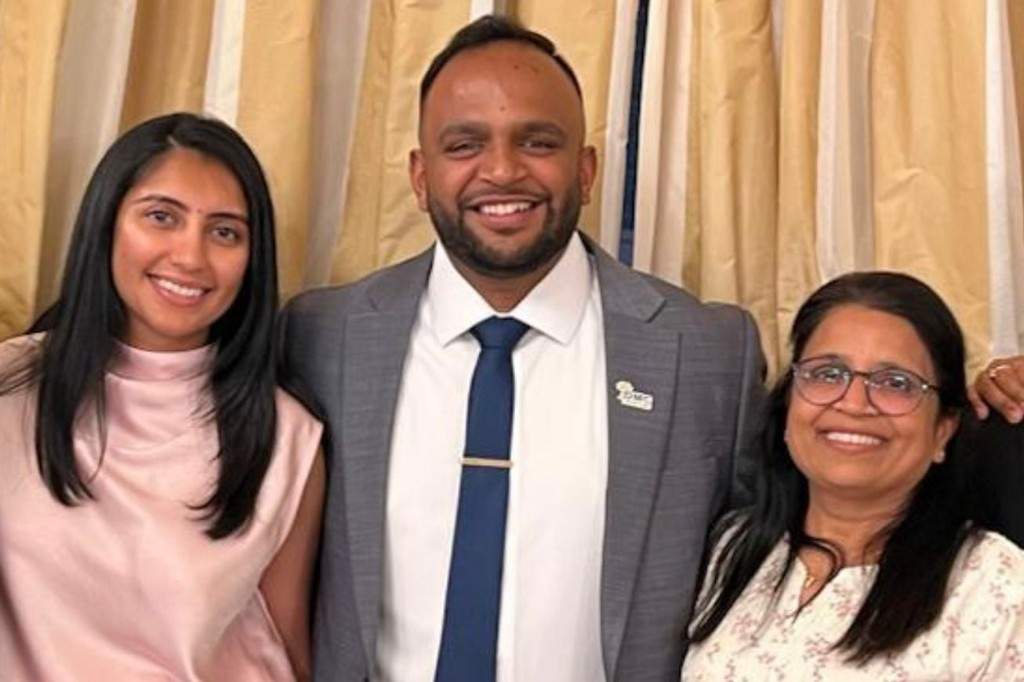
Mary Austin was the woman behind Freddie Mercury, quietly supporting him for decades, from their intense early romance to the long years they remained close friends after accepting that he was gay. The vast legacy he left her—his home, much of his fortune, and his most personal belongings—has been a mixed blessing that she has spent her life trying to navigate with loyalty and discretion. As Simon Hattenstone explores Austin’s life in this interview, the unresolved emotion of the shared past with Mercury is still palpable.
Did the piano change him? “Yes, there was much more purposeful energy. He would sit at the piano, play the odd key, hum a bit and he looked very happy. Transported.” By now they were spending less time together. When she was working at Biba, he would often be sleeping. When she returned home, he would be preparing for a gig.
They’d been living together for four years when Mercury said he had something to tell her. He struggled to get the words out. He said, ‘I think I’m bisexual.’ I said ‘No, Freddie, I think you’re gay.’” He didn’t argue. Was that a huge upset? “No, it was a huge relief, because I wasn’t sure whether we were travelling in the same direction any more. Some time earlier I saw a dress and thought, that would be a really nice wedding dress. I asked Freddie, is it worth me buying it, and he looked at me and shook his head. So I knew from there on …”
The Yara Sluiskil plant, the largest commercial carbon capture and storage (CCS) project in Europe has started its operations in Sluikil, a village in the Zeeland province of the Netherlands.
The CO2 will be transported by ship and permanently stored under the Norwegian North Sea at the Northern Lights facility, funded by the EU under the Connecting Europe Facility. The industrial ammonia and fertiliser facility is expected to capture and liquefy up to 800 000 tons of CO₂ annually from ammonia production.
This cross-border project is a direct result of theEU-Norway Green Alliancesigned in 2023 – a powerful example of the benefits of European cooperation, combining private investment and public support and bringing together industry, the EU, its Member States, and Norway. Today's inauguration ceremony, attended by Commissioner for Climate, Net-Zero and Clean Growth, Wopke Hoekstra, reflected this partnership with the presence of Norwegian Prime Minister Jonas Gahr Støre, Dutch Prime Minister Rob Jetten and President and CEO of Yara International, Svein Tore Holsether.
Yara's Sluiskil plant is a strategic investment in Europe's industrial decarbonisation and competitiveness. It is expected to capture and store around 12 million tons of CO₂ over the next 15 years. It will promote the reduction of emissions from energy intensive industries like fertilisers and ammonia. It will foster innovation, the creation of a strong industrial base and the development of this clean technology, as underlined in the Clean Industrial Dealand the recentproposal for the EU Emissions Trading System review.
In his keynote speech at the opening ceremony, Commissioner Hoekstra (pictured) said:
"Europe needs practical climate solutions that deliver real emissions reductions while strengthening industrial competitiveness. The carbon capture and storage project at Sluiskil shows what is possible when innovation and cross-border cooperation come together. This is exactly the kind of project Europe needs to combine climate ambition with a strong and resilient industrial base."
You can follow the speech of the Commissioner on EBS.
A man named Donald Liebenberg tops eclipse-chaser-log.com with a whopping 2 hours, 27 minutes, and 41 seconds of darkness from 27 total eclipses—stats I didn’t even know people tracked until I read Rudi Zygadlo’s piece. It turns out there’s a dedicated subculture of umbraphiles logging every second of totality. Zygadlo meets a veteran British couple who’ve built their lives around these fleeting events, then travels to Spain in August 2026 to see his own first total eclipse. Adding 1 minute 38 seconds to the board earns him a place near the bottom, but judging by the awe he feels in those brief moments of darkness, he may be moving up the league yet.
There are various eclipse-chasing guests in our hotel. You can identify many of them from themed caps and T-shirts. The largest party is an alumni group from UCLA. We meet several by the pool. A couple from Minnesota, a sommelier from New York. “I was in Montreal for 2024,” says Mees from the Netherlands, treading water. “My wife is a virgin.” Everyone is friendly, but somewhat shifty when it comes to the issue of where to watch. We are too.
By 6pm on the day of, we are stationed on the infernal hillside, on a dusty path beneath pine trees and an immaculate sky. There are better vantage points but we have some degree of privacy here. We can hear others, but we can’t see them. The partial phase begins with a yodel at 7:34pm when the sun is eight degrees — or a fist’s length — above the horizon and my father-in-law produces a bottle of local white, which immediately turns warm in the glass. The nibble of the moon turns into a bite then into a crescent and I’m surprised how well my bottom-of-the-range bridge camera with a solar filter over the lens captures the partial phases. Later I’ll wish I never turned the thing on. Meara is quiet. Glowing. She is more pregnant than ever.
Great Wi-Fi, affordable rent and a laptop-friendly café have long been the checklist for the perfect digital nomad city. But they say little about what it is actually like to live there. Look beyond the usual rankings and a different picture begins to emerge. New research from Holafly finds that 32.2% of frequent and long-stay travellers have experienced burnout linked to their travel lifestyle. 32.3% have felt isolated from their usual social or emotional support network. And even some of the most ordinary parts of daily life — sleeping well, exercising regularly or eating healthily — become harder to maintain when home keeps changing.
Digital nomads are clear about what gets in the way. 33.7% point to unpredictable schedules or changing time zones as their main challenge, 18.8% to the cost of gyms, classes or healthy food, and 20.7% simply to not knowing what is available around them. That led Holafly to examine a question largely missing from traditional digital nomad rankings: which popular nomad destinations actually make it hardest to live well? Holafly analysed 25 established digital nomad hubs across eight wellbeing factors, including community, noise, green space, exercise, healthy food, daylight, cost of living and healthcare.
Using data from official public sources, the World Health Organization, Mercer and Google Maps, each city received a deficit score from 0 to 100. The resulting Holafly Plans Wellbeing Index 2026 reveals how differently some familiar nomad hotspots perform once the laptop closes. The research is part of Holafly's broader focus on the growing number of people living across borders for longer. Holafly Plans, its global eSIM subscription, is designed specifically for frequent travellers and digital nomads, giving them one plan they can use across destinations rather than starting again every time they move.
Lima, Hanoi and Cusco emerge as the three most challenging cities for digital nomad wellbeing in 2026. 1. Lima, Peru 2. Hanoi, Vietnam 3. Cusco, Peru 4. Bogotá, Colombia 5. Da Nang, Vietnam 6. Ho Chi Minh City, Vietnam 7. Cancún, Mexico 8. Medellín, Colombia 9. Tbilisi, Georgia 10. Buenos Aires, Argentina
Lima ranks as the toughest city for digital nomad wellbeing, with a deficit score of 85.3/100. The Peruvian capital records the lowest levels of daylight among all 25 destinations analysed, alongside high noise levels and limited green space. Hanoi follows at 82.7/100, ranking worst for noise and exercise access and tying for the weakest green space, while Cusco takes third place at 76.3/100, largely because it has the weakest social and community network in the study. The ranking also uncovers a broader pattern: six of the eight worst-performing cities — Lima, Hanoi, Cusco, Bogotá, Da Nang and Ho Chi Minh City — are classic budget-friendly nomad destinations.
It points to a trade-off rarely captured in traditional nomad rankings: a city can be cheap and easy to move to without necessarily being easy to live well in. About Holafly Holafly is the global leader in eSIMs for travellers, offering coverage in over 200 destinations. With a 4.7/5 rating on Trustpilot and more than 25 million eSIMs sold, it has become a preferred choice for international travellers. Its unlimited data and built-in backup data ensures total peace of mind anywhere in the world.
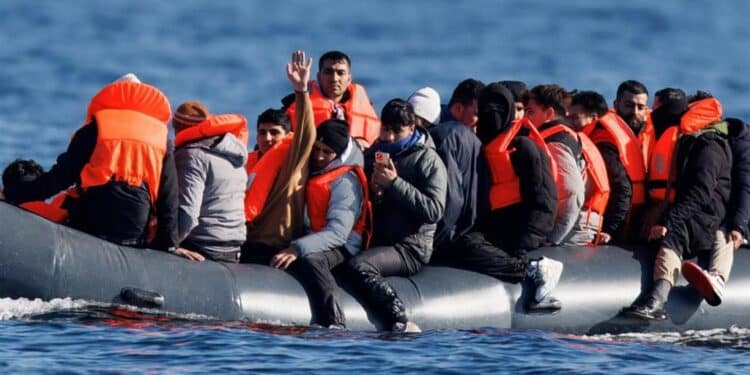
Un barchino con otto migranti a bordo avrebbe tentato di raggiungere la riva a forte velocità davanti allo stabilimento El Tiburon Beach, a Santa Margherita di Pula, nel Cagliaritano. L’episodio è avvenuto intorno alle 15 e, secondo quanto riferito da alcuni testimoni, si è concluso con una rapida inversione di rotta dell’imbarcazione dopo la reazione dei bagnanti.
Il conducente, mentre il natante si avvicinava alla battigia, avrebbe poi puntato nuovamente verso il largo dirigendosi a tutta velocità in direzione di Cagliari. La scena ha suscitato preoccupazione tra le persone presenti in spiaggia, anche alla luce del precedente incidente avvenuto a Tuerredda lo scorso 16 agosto, quando una turista era stata travolta da un’imbarcazione con a bordo migranti mentre faceva il bagno. Nell’occasione la donna aveva riportato gravi ferite ed era stata soccorsa dopo aver rischiato di annegare. Per quell’episodio era stato arrestato uno scafista algerino di 28 anni.
“Si è rischiata l’ennesima tragedia sulle coste di Santa Margherita”, denuncia Massimo Vargiu, segretario provinciale del Siulp. “Siamo sconcertati che imbarcazioni a motore riescano ad arrivare fino a riva con il motore acceso. Evidentemente sulle nostre coste non c’è nessun controllo. I cittadini in vacanza o al mare devono sentirsi sicuri e tutelati”.
Secondo i dati citati dal sindacato, nella sola giornata di oggi sono stati registrati una trentina di sbarchi nel Sulcis e nel Sud Sardegna, in particolare nella zona di Porto Pino.
Casteddu Online – P.I. IT03410570927 Testata registrata presso il tribunale di Cagliari n. 5/12
Hosting gestito da Monrif Net Srl
Via Mattei, 106, 40138 Bologna (BO)
P.Iva 12741650159
La testata usufruisce del contributo della Regione Sardegna Assessorato della Pubblica Istruzione, Beni Culturali, Informazione, Spettacolo e Sport. legge regionale 13 aprile 2017 n. 5, art. 8 comma 13
SE NON TRADIVA LA SUA CULTURA POLITICA – E NON HA FATTO. LE OCCASIONI MANCATE DELLA SOVRANISTA DELLA GARBATELLA (e non si trovi giustificazioni nella cosiddetta “realpolitik” perché questa è soltanto un momentaneo compromesso in circostanze date, mentre qui stiamo parlando di trasformismo ovvero di ripudio della “destra sociale” per abbracciare il conservatorismo liberale: né più ne meno di ciò che a suo tempo fece Gianfranco Fini). L.C.
Travaglio non è simpaticissimo, ma quando ha (sostanzialmente) ragione, ha ragione (Massimo Maraviglia):
Quattro anni fa Giorgia Meloni aveva una grande occasione: spogliarsi degli abiti di capofazione per indossare quelli di rappresentante di tutti e conquistare consensi fuori dal suo recinto, senza recidere le radici del suo passato. Che non è il fascismo del Duce, come troppi superficialmente dicono, ma la destra sociale, legalitaria, multipolare, eurocritica e antiamericana: quella che, oltre a tanti brutti ceffi e fenomeni da baraccone, affascinava anche Paolo Borsellino e tuttora vanta intellettuali irregolari come Cardini, Tarchi, Veneziani, Buttafuoco, Foa.
La Meloni avrebbe potuto scegliersi un ministro della Giustizia borselliniano, anziché il berlusconiano Nordio. Mettere agli Esteri e alla Difesa due uomini del dialogo col Sud e l’Est del mondo, anziché i pappagalli Nato Tajani e Crosetto. Piazzare all’Economia e al Lavoro esponenti della destra sociale anziché il rigorista Giorgetti e l’imbarazzante Calderone. Difendere e magari affinare il reddito di cittadinanza, anziché gettare sul lastrico centinaia di migliaia di famiglie. Tassare i profitti extra di banche, assicurazioni, Big Pharma, Big Tech e Big Oil e combattere l’evasione, rastrellando risorse per politiche espansive su investimenti, salari, caro-energia, sanità e lotta all’immigrazione irregolare. Far funzionare la giustizia anziché sfasciarla e perder tempo (e schiantarsi) sulla separazione delle carriere. Infilarsi nelle spaccature di un’Ue sfarinata per fare alleanze pragmatiche con chiunque, a destra (Orbán) e a sinistra (Sánchez), mettesse in dubbio gli euro-dogmi dell’austerità, del bellicismo, del riarmo, della russofobia e della sudditanza a Kiev e a Tel Aviv. Aiutare gli ucraini e i russi, gli israeliani e i palestinesi con l’unica opzione utile: i negoziati, candidando Roma come campo neutro per ospitarli. Sfruttare l’amicizia con Trump per dirgli Sì quando ci conveniva – cioè sulla fine della guerra ucraina e dello sterminio a Gaza – e No sui dazi, il 5% di Pil alla Nato, il suo Gnl al quadruplo del prezzo russo, gli acquisti di armi da regalare a Zelensky, le aggressioni al Venezuela e all’Iran: invece gli ha detto No quando doveva dire Sì e viceversa.
Ha preferito tirare a campare rinnegando il sovranismo degli interessi d
MEPs are pushing for an EU solidarity mechanism to help patients pay for treatment abroad, arguing that financial barriers are preventing Europeans from exercising rights they have had on paper for more than a decade.
The calls came as Parliament discussed a report commissioned to inform its own-initiative report on modernising patients’ rights in cross-border healthcare. The study found that cross-border care accounts for just 0.004% of EU public health expenditure, despite patients continuing to face upfront costs, complex reimbursement procedures and prior-authorisation requirements.
Tomislav Sokol (EPP, Croatia) called the proposed solidarity mechanism a potential “game changer” for vulnerable patients, but challenged Parliament to spell out how it would work.
“How would it work in practice? How would it be financed? Would this be part of the EU budget?” Sokol asked. “We need to know it now, so that we can also use this in negotiations on the future EU budget, in the next MFF.”
In the news feeds, Libya and Sudan exist as separate storylines: one is remembered when the conversation turns to migrants, the other when bombs fall on Khartoum. Two wars. Two countries. Four thousand kilometers of coastline that never meet, and a thousand kilometers of shared desert that connects everything. On the map of real influence, […]
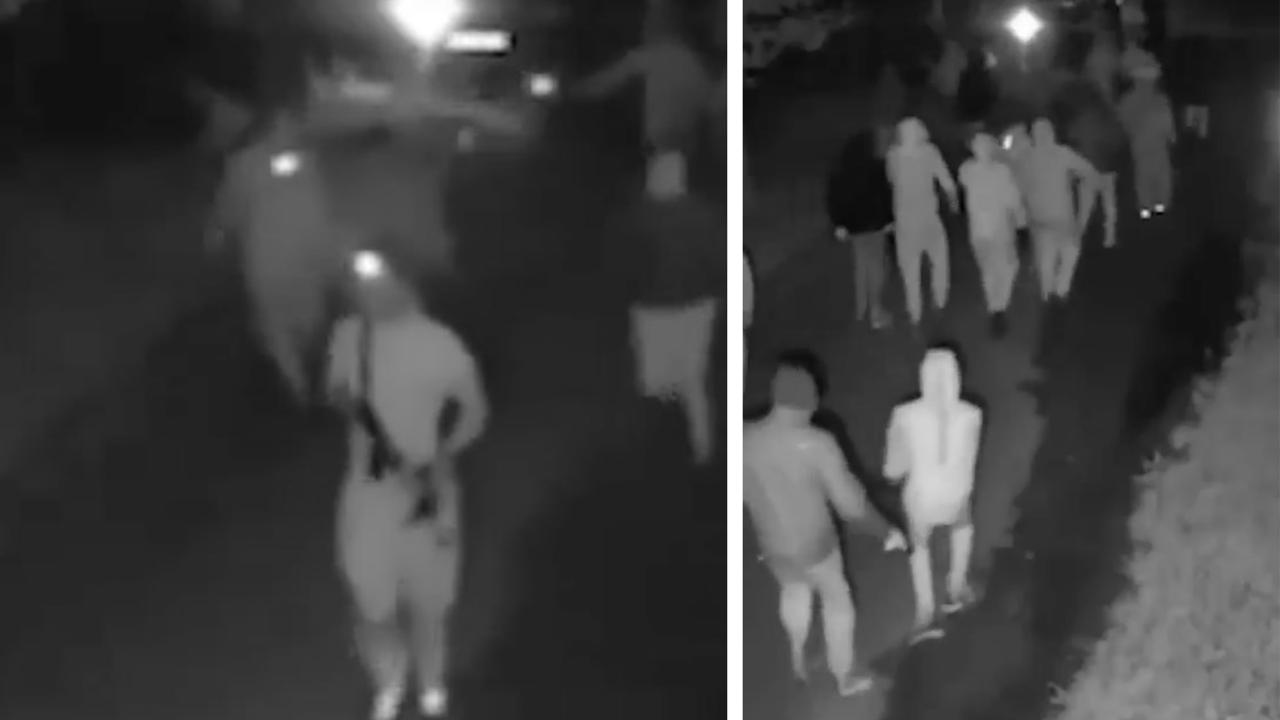
A suspected underworld revenge attack linked to fugitive drug trafficker Jos Leijdekkers, known as “Bolle Jos,” left a security guard dead and two police officers wounded in the quiet Dutch village of Overasselt in the early hours of Sept. 1, 2026. Surveillance cameras captured vans full of masked men carrying assault rifles during the attack, which is raising fears that Netherlands is devolving into a narco-state.
JUST IN: Shocking footage shows 1 security guard murdered and 2 police officers wounded in the Netherlands.
Dozens of armed drug gang members opened fire in the small Dutch town of Overasselt.
Footage shows multiple vans filled with masked men armed with assault rifles.… pic.twitter.com/ShudqYyHFg
Around 4:00 a.m., two vans pulled up and a large group approached a farmhouse previously tied to a drug lab. The surveillance footage shows the group approaching a parked car with its interior light on. Five shots were then fired, according to the Dutch police report on the incident.
A 51-year-old man from nearby Wijchen, hired as a security guard after an earlier attack on the property, was murdered. Neighbors reported hearing dozens of shots, with one neighbor telling Dutch media he heard 37 shots before police arrived.
The first officers responding to a report of a suspicious situation came under immediate fire. Colleagues dragged the wounded officers to safety while still being shot at. One officer initially suffered life-threatening injuries; both were later reported out of danger.
Police launched a nationwide manhunt involving helicopters, dogs, special intervention units, and roadblocks on the A73 and A76. Warning shots were fired during searches of cornfields, gardens, and other sites. The operation led to the arrest of 34 suspects at multiple locations, including a cornfield near the scene, Nijmegen train station, and highways in Limburg.
The suspects included Dutch, Belgian, French, and Algerian nationals. Weapons, vehicles, and data carriers were seized. A large-scale investigation team (TGO) has now been formed, with all detainees remaining in custody.
The incredible violence has sparked reactions all the way from local police officials to the country’s justice minister.
Deputy Police Chief of the East Netherlands unit Jolanda Aalbers described the night as “indescribable.”
“For colleagues this is a truly intense incident. Colleagues were wounded and they were brought to safety by other colleagues at risk to their own lives. It was a real act of heroism. We are grateful that the wounded colleagues are out of life-threatening condition.”
Justice Minister David van Weel condemned “horrible violence” and said “we do not tolerate this,” according to Dutch news outlet NOS.
He also described the scale of the violence as “unprecedented” for the Netherlands.
“The fact that you have hordes of dozens of young people walking through the streets of a village and immediately opening fire on the police is unprecedented and new,” he said. He spoke of a suspected criminal settling of accounts involving international drug cartels that operate across borders.
Deputy Chief Prosecutor Monique Vinkesteijn called it a “long-running conflict.”
She said that suspects face charges including murder or manslaughter, attempted murder, conspiracy, and preparation of a kidnapping. She described ten different crime scenes, underlining the sprawling and complex nature of the crime. She said investigators were working to link each suspect to specific locations.
Mayor Joerie Minses of Heumen municipality, which includes Overasselt, called the violence “un-Dutch,” “completely unacceptable,” and something that “goes beyond all bounds.”
“What happened last night does not fit Overasselt,” he stated.
He now says he may want to close the farmhouse entirely, which has a documented history of trouble.
In 2019, a professional drug lab was found in shipping containers near the farmhouse after a fire. In 2024, armed men were found at the gate of the house.
In July 2025, an attacker fired at least 25 rounds from an AK-47-style rifle at the house, resulting in the conviction of a 21-year-old from Amsterdam. Residents then hired private security.
What sparked the latest attack?
There are now questions about what prompted such a large-scale attack from the drug gangs. Dutch media, citing police sources, linked the attack to a dispute over an 812-kilogram cocaine shipment seized on Aug. 29 at the French-Spanish border. The drugs were in a Dutch-registered truck traveling from Africa via Portugal.
The masked gang members may have been seeking a missing portion of the load or confronting an intermediary connected to Leijdekkers’ network. Leijdekkers, one of the Netherlands’ most-wanted fugitives, has been convicted in both the Netherlands and Belgium, including a 14-year sentence in the Belgian Costa case involving Antwerp port cocaine trafficking. He faces decades in prison for other crimes as well. He is believed to be in West Africa. Police have not officially confirmed the Leijdekkers link.
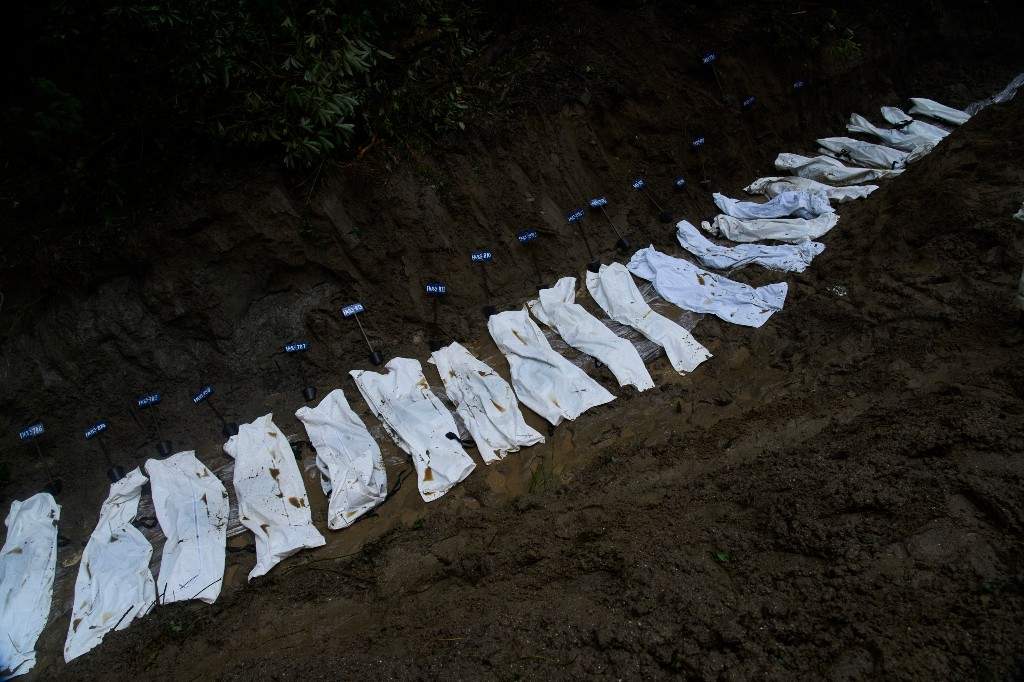
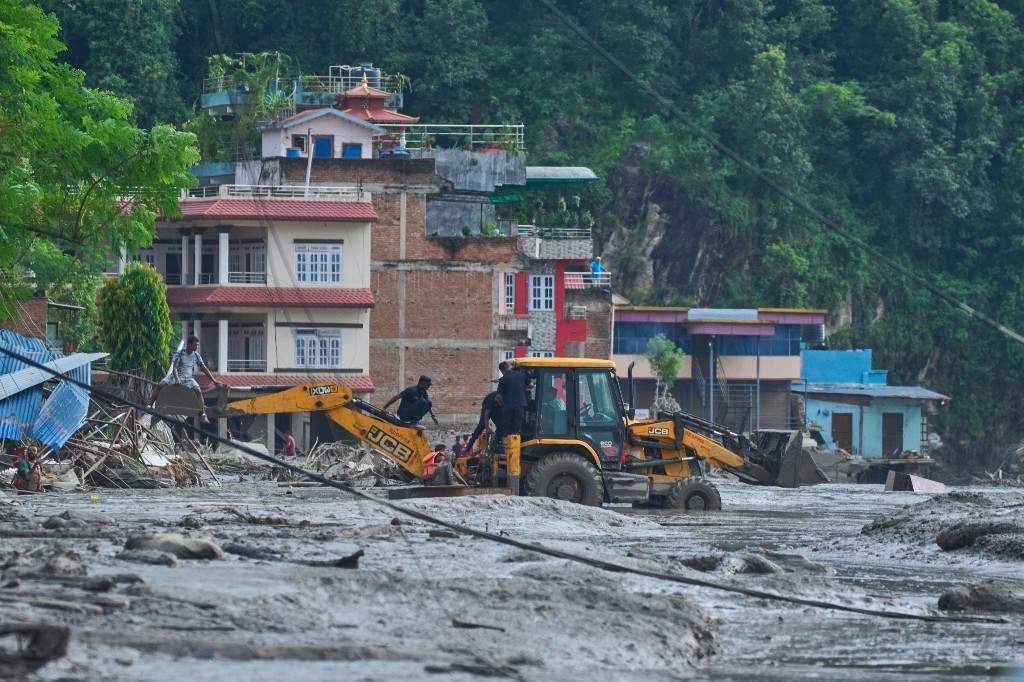
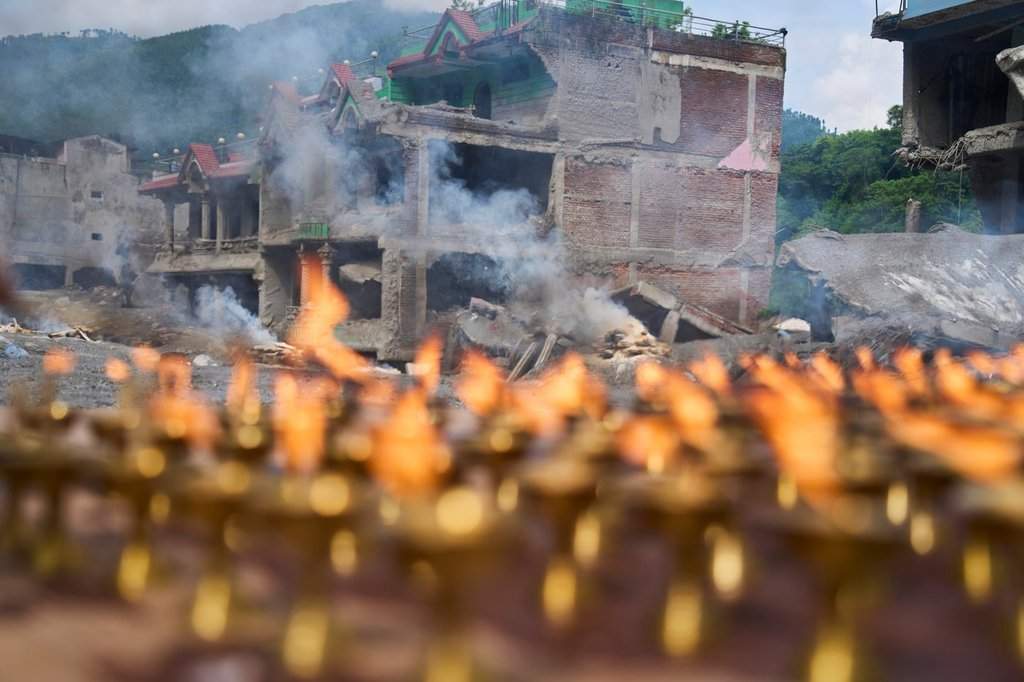
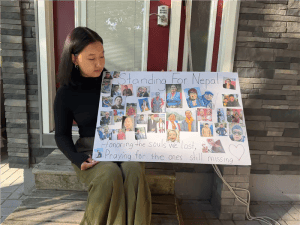
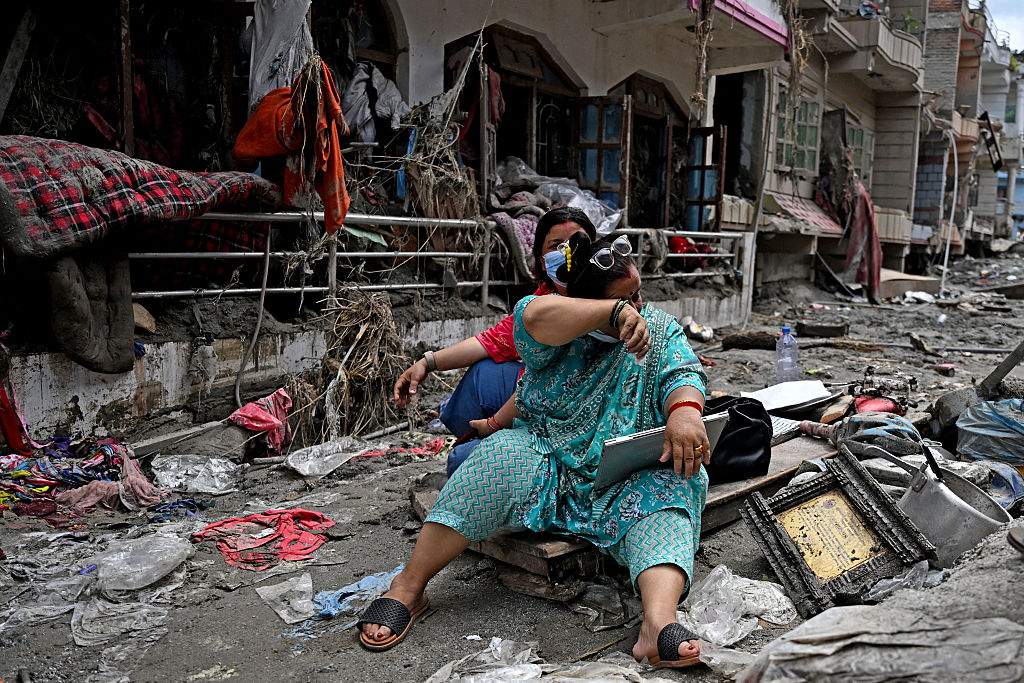
The flooding on Aug. 26 killed more than 1,100 people and left roughly 4,400 missing, after a glacier collapsed in the Himalayan border region between Nepal and China.
The flooding on Aug. 26 killed more than 1,100 people and left roughly 4,400 missing, after a glacier collapsed in the Himalayan border region between Nepal and China.

 Login













 JUST IN: Shocking footage shows 1 security guard murdered and 2 police officers wounded in the Netherlands.