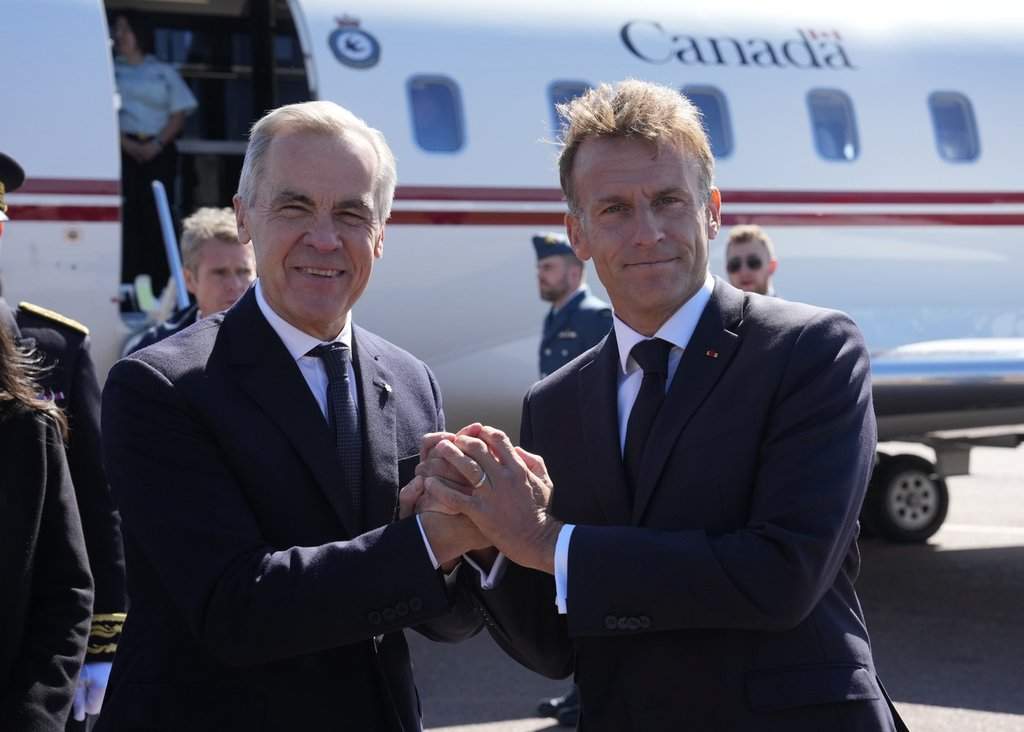
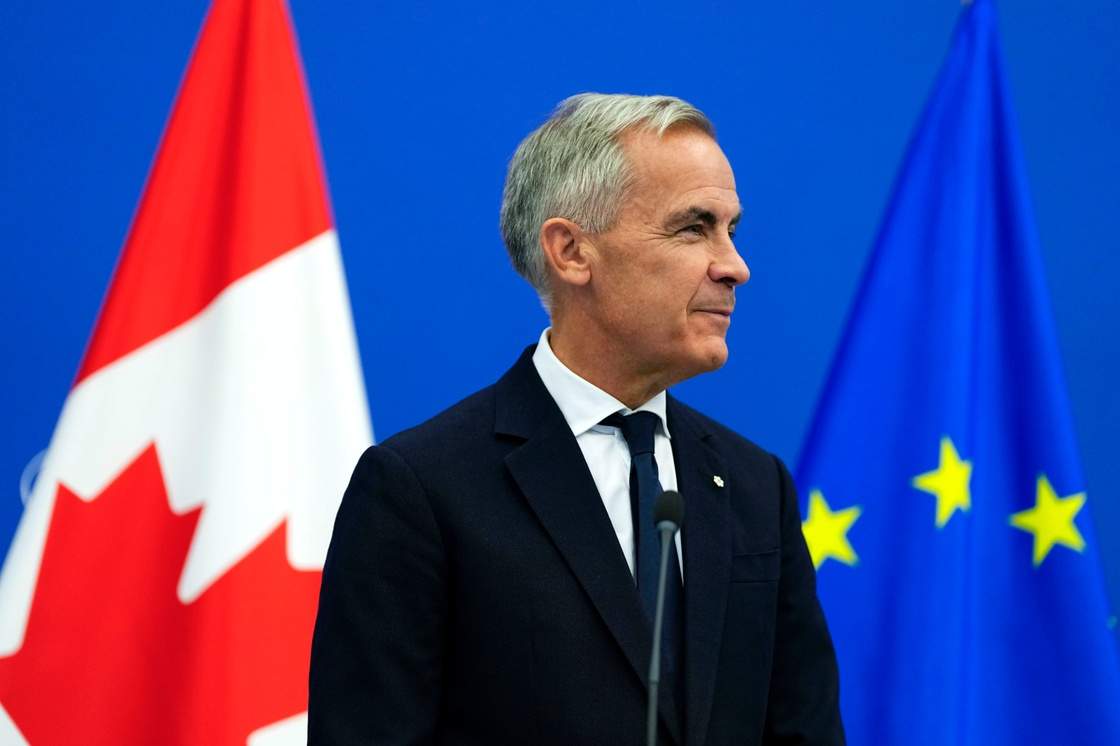
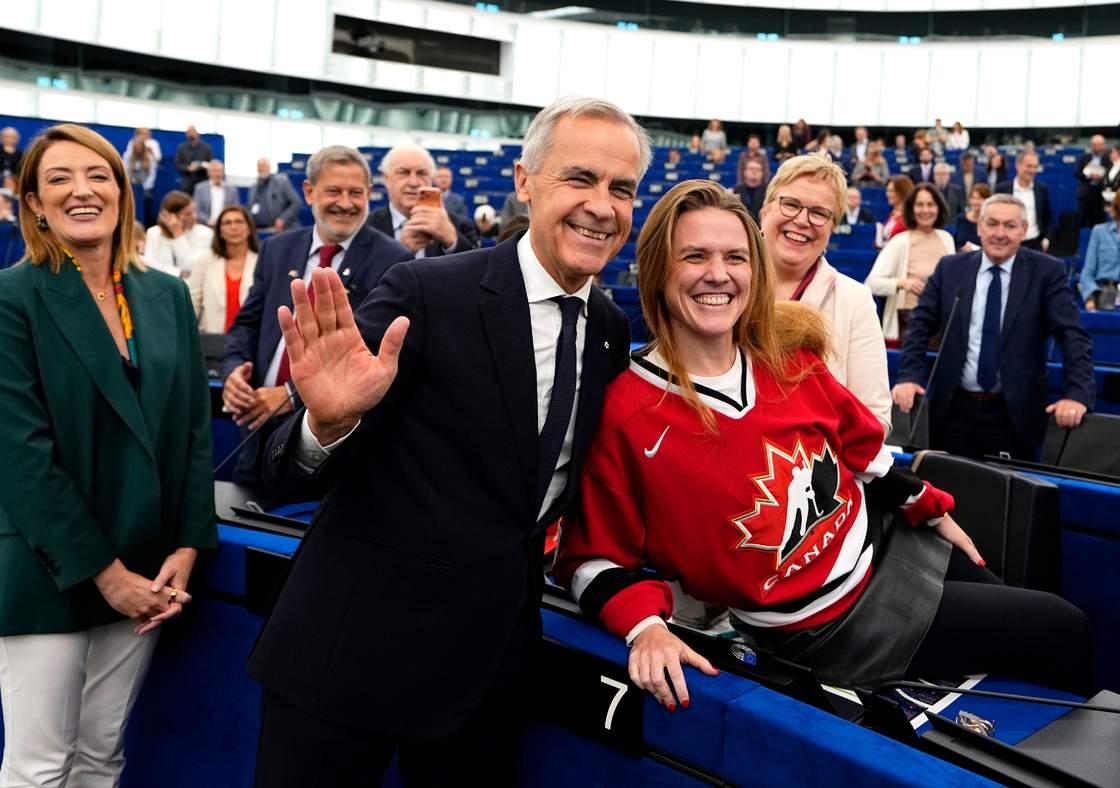
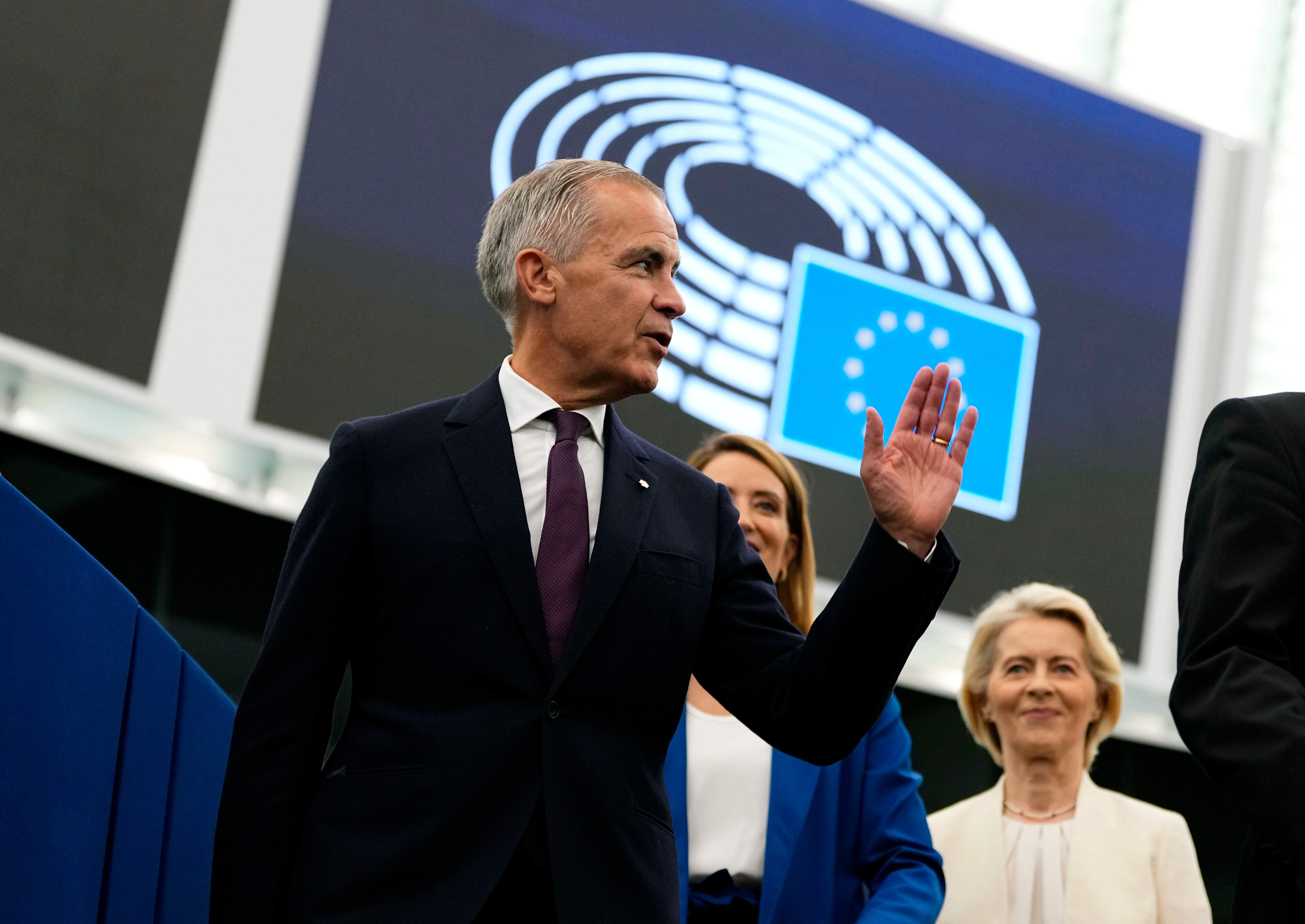
Canadian Prime Minister Mark Carney was greeted as a conquering hero by a parliament that had caved to Trump threats - albeit reluctantly - signing off on the Turnberry trade deal, which would subject the EU to 15% tariffs.
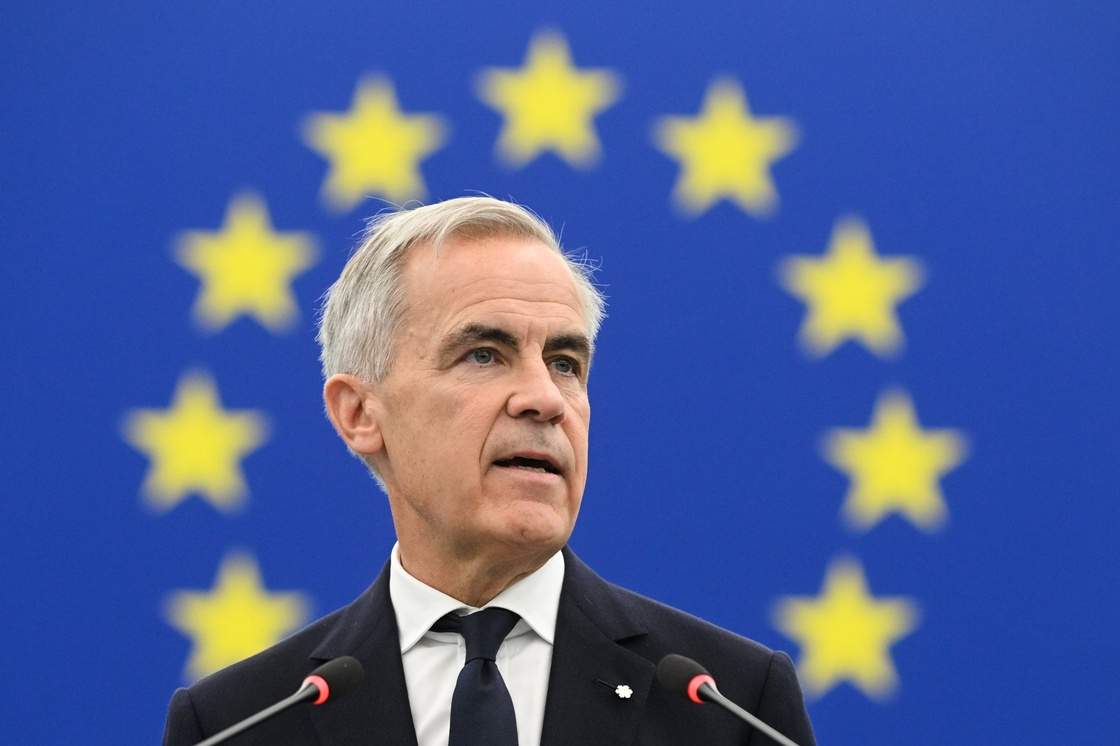
Without naming US President Donald Trump, Carney took aim at the use of tariffs, financial leverage and supply-chain dependencies to force countries into line.
“Today, it is hard to reconcile sovereignty and openness,” Carney told the European Parliament. “Economic integration is now being weaponized; tariffs being used to exert pressure. Financial mechanisms have been used for coercion. Supply chains constitute weak points to be exploited.”
His answer was a far-reaching EU-Canada alliance designed to ensure neither side can be held hostage by a dominant country or company.
“Canada and Europe should secure our strategic autonomy through deep cooperation” across critical minerals, defence, AI and computing, energy, space and payments, he said.
But Carney was careful to distinguish that project from creating another geopolitical superpower.
'Not a great power rival only with better manners'
“I'm not proposing a third bloc in order to become a great power rival only with better manners,” he said. “We do not seek power to dominate others.”
Instead, he said, the objective was resilience so that “no one can control our open markets, impair our sovereignty, threaten our territorial integrity, or undermine our freedoms, our democracies, our rule of law.”
Carney reserved some of his toughest language for Big Tech, portraying technological dependence as another threat to democratic sovereignty.
“Tech platforms aspire to sovereignty,” he said. “They want to set access rules. They want to dictate the rules for regulation and even circumvent them. They want to control our data, spread disinformation, and steal our children's childhoods.”
“This combination is a ferocious storm. A single tree will come down in it. A forest will not.”
Carney laid out a substantial economic agenda for closer integration. On critical minerals, he pointed to Canada's deposits of more than 34 minerals and its position as a major producer of 10 considered essential to the energy transition. Europe could gain a more reliable source of raw materials, he argued, while Canada could gain access to European processing capacity and clean-energy technology. Canada could also supply LNG and hydrogen to bolster European energy security.
He called for “seamless digital trade” in non-agricultural goods and a wide range of services, alongside closer cooperation on AI standards and computing capacity.
Carney also floated a potentially significant step towards financial integration: “Canada and Europe should consider exploring an integrated market for financial services” to lower costs, increase consumer choice and improve companies’ access to capital.
Carney advocated allowing young Canadians and Europeans to work, study and live on either side of the Atlantic, with Canada joining Erasmus+ and participating in the next generation of the EU’s Horizon research programme.
The goal, Carney stressed, was not self-sufficiency, but collective resilience.
Aside from critical minerals, energy and defence equipment, European Union officials also hailed some of Canada's most popular exports - Celine Dion and TV show Heated Rivalry.
Aside from critical minerals, energy and defence equipment, European Union officials also hailed some of Canada's most popular exports - Celine Dion and TV show Heated Rivalry.
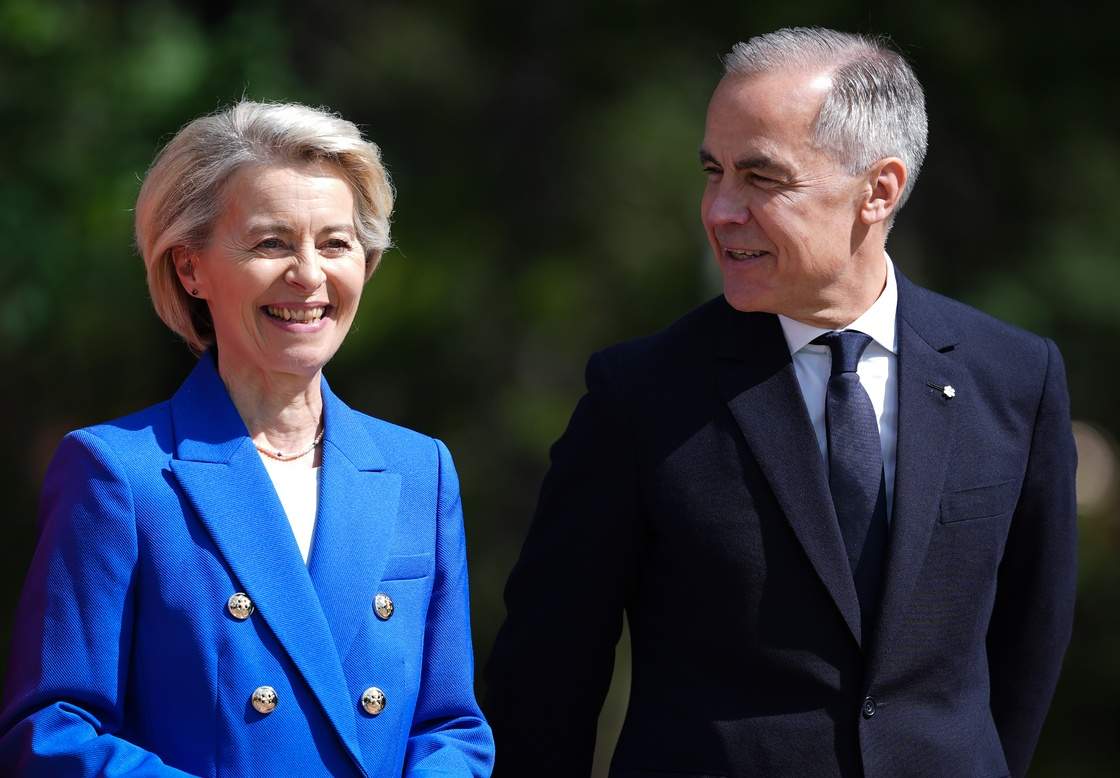
The two sides will move from CETA to an Alliance for the Future, European Commission President Urusla von der Leyen said in her State of the Union address.
The two sides will move from CETA to an Alliance for the Future, European Commission President Urusla von der Leyen said in her State of the Union address.
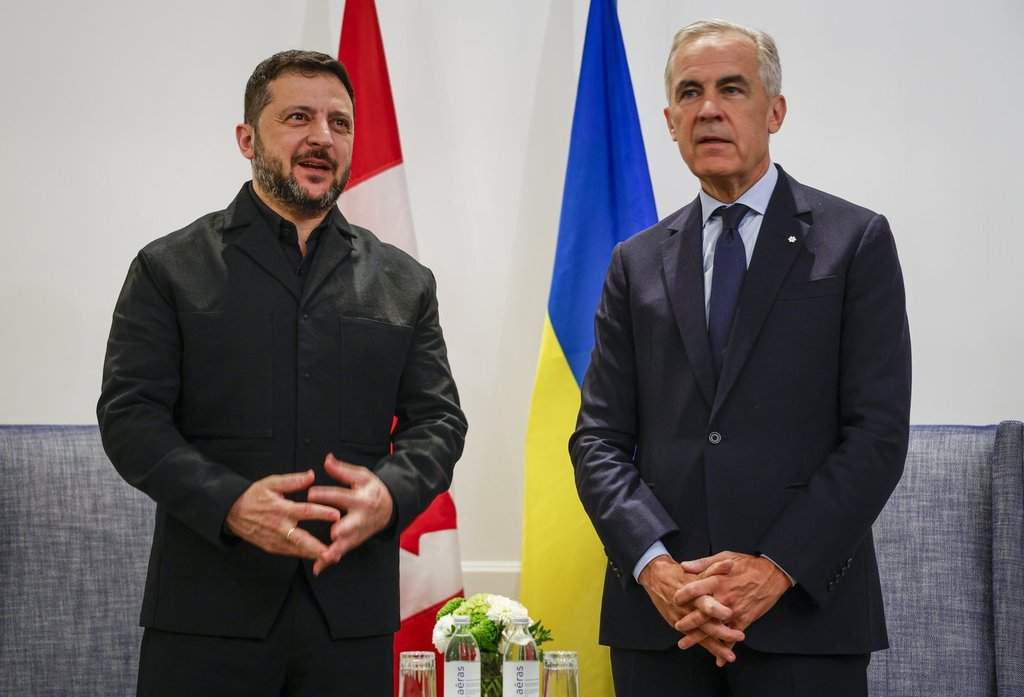
Canada, Ukraine and Norway will host an international conference in Toronto focused on returning Ukrainian children, detained civilians and prisoners of war.
Canada, Ukraine and Norway will host an international conference in Toronto focused on returning Ukrainian children, detained civilians and prisoners of war.
Prime Minister Mark Carney will also attend the European Union’s annual State of the Union address by the European Commission President Ursula von der Leyen.
Prime Minister Mark Carney will also attend the European Union’s annual State of the Union address by the European Commission President Ursula von der Leyen.
Por Alfredo Jalife Rahme Financial Times (FT) –vinculado a la plutocracia del megaespeculador George Soros, a quien llegó a nombrar Hombre del Año– anda muy activo promoviendo las publicaciones y…
 Login