Arch-Technocrat Elon Musk wants to go to Mars with 1 million people to establish a Technocracy in space. Everything that he has done with SpaceX enshrines that goal. Along the way, he has littered outer space with his junk. Imagine the trail of trash from Earth to Mars, and then the trash heaps on Mars itself. Didn’t his mother ever tell him to clean up his messes? ⁃ Patrick Wood, Editor.
As early as next week, the world will leave behind 69 years of space exploration and commerce and enter the age of Starship, an era that will be defined by drastically lower launch costs and a notable increase in the amount of material humans send to orbit.
SpaceX is scheduled as soon as Monday to launch its huge reusable rocket into orbit for the first time on its maiden commercial mission to deploy the company’s new V3 satellites. Although SpaceX won’t attempt to recapture either the booster or the second-stage spacecraft, the company has already demonstrated it can catch the booster, and it made a controlled landing of Starship in the Indian Ocean, paving the way for routine capture of both stages for reuse, which is the key to lower costs and more frequent launches.
The industry already got a taste of lower launch costs with SpaceX’s partially reusable Falcon 9 rocket, whose booster is retrievable. Worldwide orbital launches tripled to 329 last year from 102 in 2019. Falcon 9 accounted for half of those 2025 launches and carried more than 80% of payloads by tonnage. Starship is designed with a payload capacity of 100 metric tons, more than five times Falcon 9’s capacity to low Earth orbit.
The downside to this new era in space exploration is that humans are likely to leave much more debris floating around in orbit. It will take a concerted effort by nations and companies — from prevention to new technologies — to avoid turning space into a gigantic junkyard that puts satellites and other spacecraft at risk.
Europe and the US have taken the lead on best practices to avoid space junk, but there are no mandates nor penalties. And a worldwide effort is unlikely to coalesce. The US and Russia are responsible for the most debris in space because they’ve been launching the longest, but China is catching up quickly with its aggressive space program. And the US added new tension this month when it confirmed that it has weapons in space after warning that China and Russia are developing their own, an effort that may accelerate with the US’ push to create a Golden Dome defense system. A shooting war in space could cripple satellite communication on Earth and spread even more debris.
Regardless of weaponization, space is only going to get more crowded, especially in low Earth orbit, where countries and companies want to emulate SpaceX’s massive constellation of about 10,000 active satellites.
Even though most companies have adopted best practices to avoid leaving space debris in orbit, accidents are inevitable. For orbits that are 500 kilometers (310 miles) above Earth and lower — where SpaceX deploys almost all its satellites — the drag from the atmosphere pulls down objects in a relatively short time, and they burn up before reaching the ground. At higher altitudes with less drag, objects can stay in orbit for years and even decades.
Unfortunately, thousands of old satellites and rocket boosters are already still floating around space, and many of these were abandoned before the best practices of burning off remaining fuel and disconnecting batteries. Old fuel tanks and batteries degrade over the years and can explode spontaneously, sending debris in all directions — some of which gets caught in orbit and can linger for decades.
Just as humans continue to dump trash in the ocean even though the alarm bells have been ringing for years about the problems of floating refuse islands, space debris has been accumulating even though the threat was flagged decades ago. In 1978, a paper published by two scientists — Donald Kessler and Burton Cour-Palais — spelled out the devastating scenario in which space junk becomes so prevalent that it creates runaway crashes that spiral out of control and make certain orbits unusable.
Concern over this so-called Kessler Syndrome and large space junk, such as Skylab, spurred NASA to create its Orbital Debris Program Office in 1979 to track defunct satellites, spent rocket bodies and other debris. The first known collision by space junk was recorded in 1996, when debris from a rocket that had exploded a decade earlier hit a French military satellite. In a famous incident in 2009, an abandoned Russian military communications satellite crashed into an Iridium commercial satellite, significantly increasing space debris.
A report by the Inter-Agency Space Debris Coordination Committee this year says statistical models show tens of thousands of pieces of space junk larger than 10 centimeters (3.9 inches) and hundreds of thousands of debris objects larger than 1 centimeter. These small pieces travel at tremendous speeds and can cause significant damage, said Nilton Rennó, a professor at the University of Michigan who tracks small orbital debris.
“There are many unexplained satellite accidents that people have been blaming on debris,” he said in an interview. “But no one really knows.”
With launch activity increasing, continued fragmentation of space junk and little progress in objects leaving orbit, the report estimates the number of debris larger than 10 centimeters will more than double in less than 50 years.
SpaceX has taken steps to reduce space junk. The company said in February that in 2024 it left 13 upper stages of its Falcon 9 in orbit out of 134 successful missions and lowered that to only three out of 165 launches last year. Of those 16 upper stages left as debris, all were emptied of fuel, and six have since reentered the atmosphere. More may have left orbit since that February statement. The upper stage of a Falcon 9 that deployed lunar landers in 2025 for two companies finally crashed into the moon in August.
SpaceX runs a system to track space objects and opened it up to any entity willing to provide satellite trajectories. The system predicts when two objects are on a collision course and automatically sends alerts to the operators. The satellites’ positions can then be adjusted to avoid the collision. The downside is that satellites must burn fuel to avoid objects, which shortens their life. The International Space Station has to fire its thrusters to avoid large space junk a few times each year.
Technologies to actively remove debris are still in the experimental stage. Even if they prove successful, they will be expensive and target only large objects. The best action is prevention. It would be a shame that just as technology has made space much more accessible, the future would be cluttered by hubris and carelessness.
Space should be the final frontier — not the latest dumping ground.
Esta reportagem é parte de uma investigação especial da Agência Pública financiada pelos nossos Aliados, sem nenhum dinheiro de bet. Apoie mais reportagens como essa clicando aqui.
Com efeito imediato, o presidente Lula assinou nesta sexta-feira, 25 de setembro, a Medida Provisória (MP) que proíbe apostas digitais, as bets, de funcionar no Brasil. Durante a cerimônia em São Paulo, Lula afirmou que conversou com pessoas que “estavam devendo por causa das bets e que os depoimentos foram estarrecedores”.
Sem citar o nome, o presidente incluiu nesse rol de relatos a “mãe que perdeu o filho de 26 anos”. Trata-se de Vânia de Souza Borges, cujo filho, Rafael Borges Amaral, tirou a própria vida, exatamente aos 26 anos, após ser severamente pressionado por dívidas decorrentes do vício em apostas virtuais. Lula e Vânia estiveram juntos no domingo, dia 12 de setembro e, segundo a professora, que mora em Uberlândia (MG), esse foi seu pedido ao presidente: proibir as casas de apostas online no Brasil.
Professora Vânia Borges esteve com Lula após sua busca por Justiça pela morte do filho repercutir e inspirar projeto de lei
O caso de Rafael foi apresentado ao país em reportagem da Agência Pública que integra o especial Jogo Perigoso: O Brasil das Bets. Durante as investigações, a equipe de reportagem da Pública encontrou no relatório da CPI das Bets, que foi arquivado pelo Congresso Nacional, uma carta de Vânia contando sobre a perda de Rafael, e entrou em contato.
Na entrevista, Vânia Borges afirmou que a atuação de influenciadores foi crucial no aprofundamento da crise financeira do filho e na transformação de uma tentativa de aumentar a renda, em ludopatia, o vício em apostas. Segundo Vânia, os influenciadores atuavam “como traficantes”. A comparação também foi usada por Lula na tarde desta sexta-feira, 25. “Me lembrou um pouco o começo do crack nesse país”, disse o presidente ao se referir aos casos de vício que estão ocorrendo no Brasil.
“Às vezes, as pessoas entram no descompasso de fazer dívida de forma desordenada e depois não consegue pagar mais”, acrescentou Lula no ato de assinatura da MP.
Como ficam as bets agora?
A medida, que já vinha sendo esperada nos últimos dias, determina que os apostadores terão até o dia 5 de outubro para resgatar eventuais saldos nas contas dos sites de jogos e, a partir do dia 6, os sites e aplicativos de apostas deverão sair do ar definitivamente. A devolução integral dos saldos para os apostadores será efetuada pelo CPF dos usuários nos bancos cadastrados. Os valores dos cadastrados que não forem localizados serão encaminhados para a Caixa Econômica Federal, onde poderão ser sacados.
A publicidade de bets também está proibida a partir de 5 de outubro, tanto online como em meios físicos. Da mesma forma, as empresas de bets devem deixar de ser patrocinadoras, como de times de futebol, a partir de 5 de outubro. Isso inclui a necessidade de mudança, inclusive, nas camisas dos times até a data limite.
A Medida Provisória tem validade de 120 dias e para se tornar lei precisa ser aprovada pelo Congresso Nacional. O governo federal deve enviar, além da MP, um projeto de lei ao legislativo sobre a proibição e as penalidades para quem atuar de forma ilícita no país.
Por que isso importa?
As famílias brasileiras perderam R$ 62,5 bilhões no ano passado segundo estimativa do Comitê Nacional de Secretários de Fazenda dos Estados e do Distrito Federal (Comsefaz)
O mesmo estudo aponta que entre outubro de 2024 e março de 2026, os gastos médios foram estimados em R$ 4,7 bilhões por mês.
Desenrola 3
No mesmo ato desta sexta-feira, Lula apresentou o programa de combate ao superendividamento, Desenrola 3. O programa é voltado para famílias com dívidas em atraso de 2 a 4,5 anos na faixa de R$ 10 mil e traz uma proposta diferente das duas edições anteriores. Neste novo modelo, o governo fará leilões com os bancos para comprar pacotes de dívidas com deságio de 90% e fará o repasse integral deste desconto para o dono da dívida.
“Esse Desenrola 3 é melhor que os outros porque, nos outros, as pessoas é que tinham que ir individualmente aos bancos. Agora é o governo que vai comprar a dívida e vai acertar a dívida com as pessoas”, explicou.
Segundo o governo, o Desenrola 3 terá alcance de 50% das dívidas elegíveis, que hoje somam cerca de R$ 150 bilhões, e custará aos cofres públicos em torno de R$ 15 bilhões. O foco é atender quem está com pendências no cartão de crédito, tanto rotativo como parcelado, e no crédito pessoal sem consignação em folha. O primeiro leilão deve ocorrer ainda em novembro deste ano, segundo o presidente.
As bets no Brasil
A explosão das apostas online no Brasil aconteceu a partir da Lei 13.756, aprovada em dezembro de 2018, no apagar das luzes do governo de Michel Temer. A lei criou a modalidade de lotérica de “quota fixa” para apostas esportivas e determinava um prazo de dois anos, prorrogáveis por mais dois, para que o Ministério da Fazenda estabelecesse as regras de taxação, fiscalização e proteção ao consumidor.
O prazo expirou durante a gestão de Jair Bolsonaro, sem que qualquer regra fosse criada. No vácuo da fiscalização, empresas sediadas em paraísos fiscais inundaram o mercado de publicidade no Brasil. A Copa do Mundo de 2022 funcionou como a grande chave de virada e consolidação: o futebol brasileiro tornou-se financeiramente dependente do setor, com transmissões e camisas de clubes integralmente tomadas pelas marcas ligadas às apostas online.
Quando o governo Lula assumiu em 2023, a estratégia inicial foi a da tributação. O Ministério da Fazenda desenhou uma regulamentação focada em arrecadar com as outorgas e impostos sobre os prêmios. Contudo, a velocidade do endividamento da população e a multiplicação de fraudes atropelaram os planos econômicos.
Celebridades digitais transformaram-se nos principais canais de escoamento de jogos de azar maquiados como investimentos. Investigações parlamentares posteriores revelaram contratos abusivos em que influenciadores recebiam comissões baseadas nas perdas financeiras de seus próprios seguidores. Na esteira das denúncias de manipulação de resultados e lavagem de dinheiro, o Congresso instalou a CPI das Bets, mas o relatório foi arquivado sem que as investigações fossem finalizadas.
A mudança de postura do Executivo, migrando da taxação para a proibição absoluta, ganhou força após revelações do impacto social do vício, a ludopatia. Ao lado da mobilização social e do aumento do endividamento no país, denúncias como o especial Jogo Perigoso: O Brasil das Bets, da Pública também foram importantes nesse processo.
Em julho deste ano, após a repercussão do relato de Vânia, a deputada federal Dandara Tonantzin (PT-MG) protocolou o Projeto de Lei 3.613/26, batizado de “PL Rafael” em homenagem ao filho da professora mineira. O projeto prevê a responsabilização solidária de toda a cadeia de divulgação, incluindo grandes plataformas de tecnologia e influenciadores, por danos ao consumidor, além de proibir repasses financeiros atrelados ao prejuízo dos usuários.
Block do Tigrinho
Lula esteve em ato de campanha no Rio de Janeiro com artistas onde afirmou que pretendia proibir bets no Brasil
A pressão das famílias ganhou eco na classe artística e na sociedade civil através do movimento “Block do Tigrinho”, liderado pela produtora cultural Paula Lavigne. Em articulação direta com o governo, o movimento levou ao Planalto, no início de setembro deste ano, artistas como o rapper Emicida e o perfil Melted Videos (Yuri Zero).
O grupo argumentou que, enquanto grandes artistas podiam recusar patrocínios milionários de jogos, a base da cultura independente e influenciadores menores estavam se tornando reféns desse capital. O coletivo exigiu regras para impedir o uso indireto de marcas de apostas em fundos de fomento público, como a Lei Rouanet.
«In un momento in cui scelte difficili per il nostro futuro, per la nostra sicurezza, plasmeranno la vita delle generazioni a venire, dei nostri figli e dei nostri nipoti, noi...
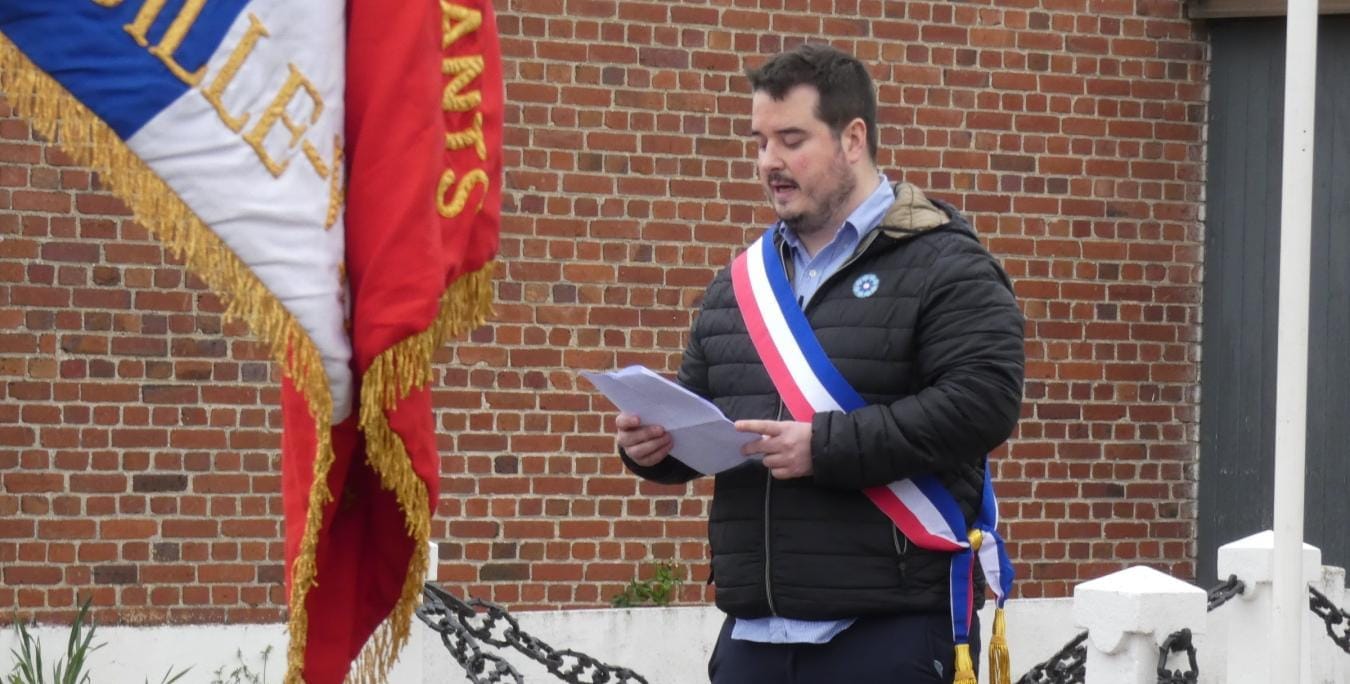
Le maire de Muille-Villette, dans la Somme, a été condamné le 17 septembre 2026 pour prise illégale d’intérêts. Il avait recruté puis maintenu sa compagne comme secrétaire de mairie malgré les demandes de la sous-préfecture de Péronne de mettre fin à cette situation. Cinq mois de prison avec sursis et 1 000 euros d’amende ont été prononcés.
LE COURRIER DES STRATÈGES
Restez libre !
LA NEWSLETTER · GRATUITE
Le Courrier, chaque matin.
L'essentiel de l'actualité, passé au crible par les cinq plumes du Courrier. Dans votre boîte, chaque jour ouvré.
Gratuit. Vous restez libre de partir quand vous voulez.
Les faits ne sont pas contestés : il a recruté sa compagne comme secrétaire de mairie, par une série de contrats à durée déterminée, alors même que la sous-préfecture de Péronne lui avait explicitement demandé de mettre fin à cette situation. Le parquet, plus sévère que le jugement rendu, avait requis huit mois de prison avec sursis et 2 000 euros d'amende.
LE COURRIER DES STRATÈGES
Restez libre !
ABONNEMENT
Allez au fond des choses.
Deux grands formats par jour. Les cinq plumes du Courrier. La série Sécession, le dimanche.
Selon les éléments rapportés par la presse locale, plusieurs contrats à durée déterminée avaient été conclus avec la compagne du maire pour le poste de secrétaire de mairie.
La sous-préfecture, autorité de tutelle sur les actes des communes, avait identifié l'irrégularité et notifié sa position au maire. Le CDD suivant a néanmoins été signé. Juridiquement, la prise illégale d'intérêts suivant article 432-12 du Code pénal, sanctionne le fait, pour un élu, de tirer un avantage d'une décision qu'il prend ou supervise. Ici, l'avantage est : un salaire versé par la commune à sa compagne, sur des fonds publics, décision après décision.
Le tribunal correctionnel d’Amiens a finalement retenu la prise illégale d’intérêts. Le parquet avait requis huit mois d’emprisonnement avec sursis et 2 000 euros d’amende. La juridiction a prononcé une peine de cinq mois avec sursis simple et 1 000 euros d’amende. Pour autant, la condamnation ne figurerait pas au casier judiciaire selon les informations publiées.
LE COURRIER DES STRATÈGES
Restez libre !
TELEGRAM · L'INFO EN CONTINU
Entre deux éditions, le fil.
La newsletter vous donne le matin. Le fil vous donne l'instant.
Florian Slosarczyk, maire depuis 2020, avait été réélu en mars 2026 avec 52 % des voix, avant sa comparution devant le tribunal. Il demeure maire malgré sa condamnation.
L'enjeu dépasse donc les 1 000 euros d'amende. Dans une commune, le maire intervient directement dans l'organisation des services municipaux et dans la gestion du personnel. Ce dossier rappelle une réalité souvent moins visible de la décentralisation : l'autonomie communale ne signifie pas liberté de s'affranchir des règles qui encadrent les élus. Et lorsque l'administration adresse une injonction à un maire, puis que celui-ci la maintient sans effet, le contentieux ne relève plus seulement de la paperasserie municipale. Il devient une question de responsabilité personnelle dans l'utilisation d'une fonction publique.
LE COURRIER DES STRATÈGES
Restez libre !
TIPS · SANS ABONNEMENT
Offrez-nous un café.
Un média libre vit de ses lecteurs. Un pourboire ponctuel, sans compte ni engagement, quand le cœur vous en dit.
Vous donnez ce que vous voulez. Vous restez libre.
Between 2014 and 2015, a marine heatwave known as “The Blob” warmed an area of the Pacific Ocean larger than the United States and Mexico combined. The massive event fueled toxic algae blooms, collapsed fisheries, killed off millions of emaciated seabirds, sent dead fin whales (Balaenoptera physalus) and sea otters washing up on Alaska and British Columbia coasts, and dotted California shores with starving sea lions. Though best known as a marine heat wave, The Blob was also an extreme acidification event. Yet occurrences of these compound heat-acidity extreme events remain poorly understood. A new study, published in the journal AGU Advances in August, provides a detailed look at the frequency, intensity and duration of these compound events during the last four decades. The study reveals an understudied aspect of marine heat waves that could have implications for the developing 2026-2027 “super” El Niño, in which waters in the equatorial Pacific become unusually warm due to changing wind patterns. An underweight sea lion pup on a beach in February 2015. Image by NOAA Fisheries West Coast. Researchers from the Swiss Federal Institute of Technology (ETH Zurich) found compound heat-acidity events across the globe happen together “more frequently than would be expected by chance,” they wrote. Instead, the researchers attributed their occurrence to underlying ocean physics that allow marine heat waves to become unusually acidic in some regions. These events are mostly short-lived and small, with 67% of the 500 identified events lasting less than three months and extending to an…This article was originally published on Mongabay
Palestinian artist Sliman Mansour spent his life painting the faces and landscapes of Israeli occupation. His sons say NPR was the last media to meet him before he died in August.
di Cesare Sacchetti Un piccolo borgo fino ai primi del’900, e un centro della cristianità mondiale per tutto il resto del secolo scorso. Padre Pio da Pietrelcina ha trasformato così San Giovanni Rotondo, il piccolo Paese del Gargano, nel quale giunse nel 1916 per cercare un po’ di sollievo per i suoi problemi di salute. […]
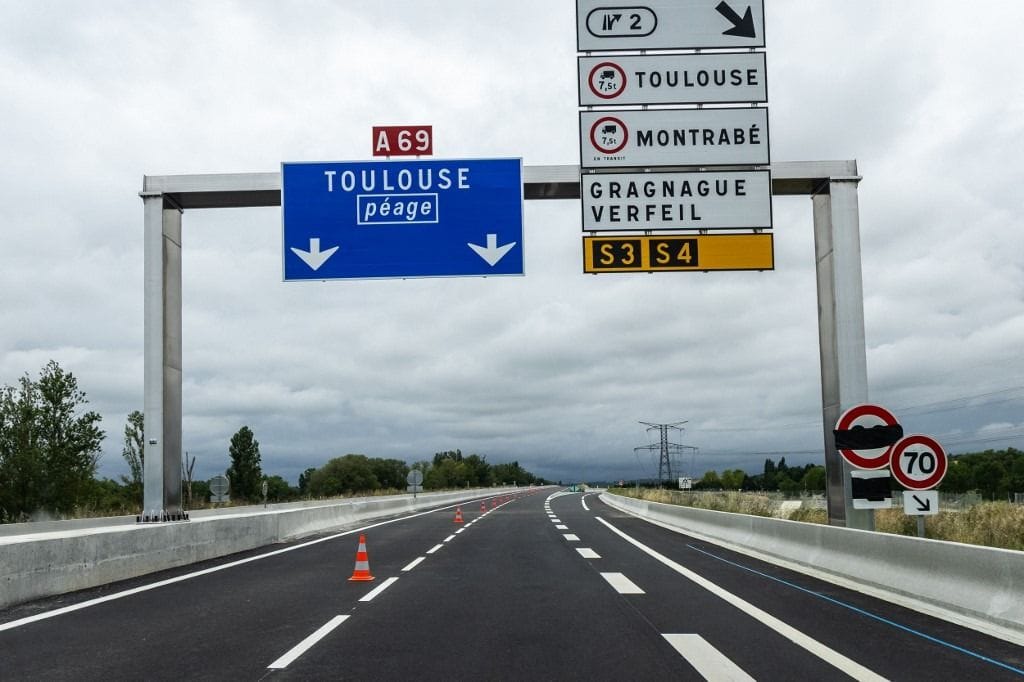
Le montage imaginé pour rendre l’A69 moins chère aux automobilistes vient de se heurter au Conseil d’État. Une baisse de péage pouvant atteindre 33 % devait être financée par 41 millions d’euros apportés par l’État et les collectivités : les automobilistes paieront donc plus cher que promis.
LE COURRIER DES STRATÈGES
Restez libre !
LA NEWSLETTER · GRATUITE
Le Courrier, chaque matin.
L'essentiel de l'actualité, passé au crible par les cinq plumes du Courrier. Dans votre boîte, chaque jour ouvré.
Gratuit. Vous restez libre de partir quand vous voulez.
L’avenant au contrat de concession conclu avec Atosca prévoyait une diminution de 33 % du péage sur les sections correspondant notamment aux déviations de Soual et de Puylaurens pendant les dix premières années d’exploitation, puis de 15 %. Cette mesure concernait plus de la moitié des 53 kilomètres de l’A69.
Pour compenser son manque à gagner, l’État, la région Occitanie, le département du Tarn, l’agglomération Castres-Mazamet et la communauté de communes Sor et Agout avaient prévu une contribution supplémentaire de 41 millions d’euros, en plus des quelque 23 millions déjà inscrits au contrat initial.
L’Autorité de régulation des transports avait examiné le dispositif en décembre 2025. Elle jugeait la méthode de calcul globalement pertinente, tout en relevant plusieurs réserves : prévisions de trafic insuffisamment étayées, absence d’étude suffisamment précise sur la valeur de l’abattement et difficultés liées au calendrier de mise en service.
LE COURRIER DES STRATÈGES
Restez libre !
TELEGRAM · L'INFO EN CONTINU
Entre deux éditions, le fil.
La newsletter vous donne le matin. Le fil vous donne l'instant.
Saisi pour avis par le gouvernement, le Conseil d’État a finalement rendu un avis défavorable, révélé le 24 septembre. Selon La Dépêche, la juridiction administrative estime que la ristourne envisagée fait peser un risque juridique sur le contrat de concession. L'État devrait suivre cet avis pourtant consultatif.
Ce qui frappe, c'est l'ordre des priorités : la rentabilité du concessionnaire, sanctuarisée dans le contrat initial signé après trois ans de bataille judiciaire — annulation en 2025, sursis, puis validation définitive le 29 juin 2026 — n'est jamais discutée.
Le péage plein tarif tombe précisément au moment où l'A69 ouvre, sous le regard d'un gouvernement qui découvre, un peu tard, que corriger un contrat déséquilibré coûte cher surtout quand ce n'est pas lui qui paie.
LE COURRIER DES STRATÈGES
Restez libre !
TIPS · SANS ABONNEMENT
Offrez-nous un café.
Un média libre vit de ses lecteurs. Un pourboire ponctuel, sans compte ni engagement, quand le cœur vous en dit.
Vous donnez ce que vous voulez. Vous restez libre.
Smoke rose over Riyadh last week as Houthi forces launched strikes on the Saudi capital, as well as on crucial oil infrastructure in major coastal cities. It has been a disastrous month for Saudi Arabia as Houthi forces have made substantial gains along the west coast of Yemen. The Yemeni group scored massive victories in […]
Moussa Kaka est une figure du journalisme au Sahel. Celui qui a disparu depuis le 31 août raconte le Niger depuis près de 40 ans, notamment au sein de la radio qu’il a lancée, Radio Saraounia. C’est un témoin privilégié de la vie de son pays et du Sahel. Reporters sans frontières (RSF) retrace le […]
This story originally appeared in Panamerican Dispatch on Sep. 23, 2026, and is shared here with permission.
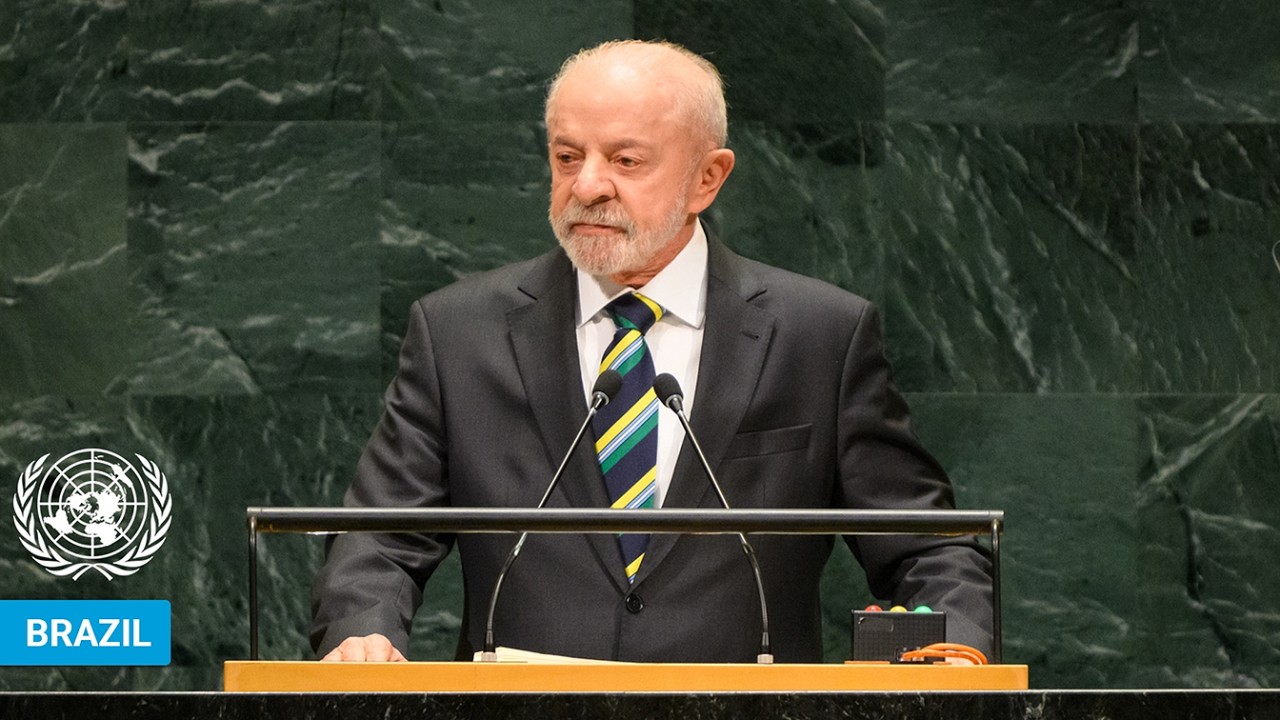
On September 22, Brazilian President Luiz Inácio Lula da Silva gave the opening speech of the 2026 U.N. General Assembly in New York City. He discussed the concerning state of the world, demanded diplomacy to resolve conflicts and said, “this is the most critical moment of the United Nations.”
He also denounced attempts to influence upcoming Brazilian elections.
“Brazil does not fit into anyone’s backyard,” he said. “We need partners with a positive agenda that promotes development.”
Full Speech by Brazilian President Luiz Inácio Lula da Silva, in English.
My compliments to the President of the General Assembly, Ambassador Khalilur Rahman from Bangladesh.
I greet each of the Heads of State and Government and the delegates present. I address in particular the Secretary-General of the United Nations. During his two terms, António Guterres was a direct witness to the growing mismanagement of the superpower.
Mr. President, this is the tenth occasion in which I open the General Debate of this Assembly. Since I stood at this podium for the first time in 2003, this is the most critical moment of the United Nations. The feeling that moves me today is that of indignation.
The United Nations is failing in one of its highest missions, to free humanity from the fray of war. Its credibility has never been so low. Its ability to protect the most vulnerable, those who have no army or arsenals, has never been so small.
We are all victims of the immobility of a Security Council that does not fulfill its role. In 1946, already in the first session of this assembly, Brazil warned of the high price that the international community would pay for the right to veto. This vice, which gave rise to the U.N. Charter, conferred the great powers the privilege of insensitivity.
This original sin is now added to a profound crisis of leadership. The year 2025 recorded the highest number of armed conflicts since World War II. Trillions of dollars financed a new arms race.
Geopolitical tensions threaten to turn regional disputes into a conflict of global proportions. Those who hold the reins of crucial decisions must act responsibly and in a sense of urgency. The leaders of the countries that make up the Security Council must come together.
I know the realities of power, but the concessions to the law of the strongest have already crossed the limits. This is not idealism, it is pure realism. War is not the continuation of politics by other means, it is the total failure of politics.
In an interdependent world, to lead is to reconcile the interests of the homeland with that of humanity. This is the statement of someone who represents a nation that loves peace and freedom. Someone who fought against a military dictatorship and defended his country against a coup d’état. It is the conviction of a factory worker, who was elected president three times and who won the fight against hunger in Brazil.
This assembly has recently corrected historical distortions. It has recognized the trafficking of enslaved Africans as the most serious crime against humanity. It has approved the most precise representation of the world map. Now we must debate about determining themes for the future of humanity. We are called to choose between multilateralism and unilateralism, democracy or extremism, sovereignty or subordination.
These choices demand courage, political will and clarity of objectives. This is what is expected of a statesman. Yasser Arafat and Yitzhak Rabin were statesmen.
They challenged the past to design a future of peace. They were defeated by hatred. Generations of Palestinians will carry the pain and trauma left by the genocide practiced by the Netanyahu government against women and children in Gaza.
Israeli civilians paid the price of radicalism and intolerance of the terrorist acts of Hamas. Pursuing the International Criminal Court and its members is an incentive for these crimes to be punished. The U.N. Special Rapporteur Francesca Albanese cannot be silenced for telling the truth.
Illegal settlements in the West Bank are becoming less and less viable. The two-state solution is essential so that Israelis and Palestinians can live in peace. Threatening the extinction of a civilization will not bring stability to the Middle East.
The Strait of Hormuz became a trench of war when it should remain a vital passage for international trade. Families all over the world pay for the increase in the price of fuel, fertilizers and food.
The war between Russia and Ukraine has dragged on for five years in a humanitarian drama that continues to save lives.
We all know that there will be no winners on the battlefield. Diplomacy is the only option. Initiatives such as the Group of Friends of Peace, created by Brazil and China, reveal the strength of the international community willing to work for dialogue.
In Latin America and the Caribbean, the geographical proximity to the world’s largest military power is inescapable, especially in the context of the worsening of hegemonic temptations. Brazil does not fit into anyone’s backyard. We need partners with a positive agenda that promotes development.
Ideological differences should not be an obstacle to greater integration between neighbors. Countries in the region have recognized the horrors of regimes of exception. We have come a long way to restore popular will.
Democracy is once again in check. We are once again witnessing foreign interference in electoral processes. The division of the world into areas of influence and neocolonial attacks for strategic resources constitute anachronistic gestures.
The Venezuelan people deserve to define their own destiny. Nicaragua will not solve its problems by preventing the opposition from running for office. The crisis in Haiti continues to test the limits of the indifference of the international community. In Cuba, the world is suffering. The collective punishment imposed on 10 million people by an illegal economic embargo and energy blockade.
Mr. President, Brazil does not underestimate the challenge posed by organized crime. We are prepared to face criminal organizations that terrorize our communities. Workers are robbed, mothers lose their children, police officers do not return home. People are tired of violence.
But we will not outsource the responsibility of defending our borders and guaranteeing the population the right to live without fear. We do not need aircraft carriers guarding our waters. We need cooperation to stop the flow of weapons and money that supplies organized crime.
This is the spirit of the proposal that I personally delivered to the president of the United States. We want to fight the money laundering carried out by Brazilian criminals abroad.
For a long time, Brazilian states have acted in their own way. Criminals took advantage of the lack of coordination. But this is changing. In Manaus we created the International Police Cooperation Center of the Amazon, bringing together the public security officials of the nine Amazon countries.
In 2025, we carried out the largest organized crime operation in the history of Brazil. We broke records in the seizure of drugs, goods and illicit resources. We are confronting all levels of organized crime, including crime magnates.
The Anti-Faction Law, which we have just passed, imposes more severe penalties on organized crime than those stipulated for terrorism. Organized crime and corruption go hand in hand. The fight against corruption will continue to be relentless, no matter who may be hurt. No one is above the law.
Ladies and gentlemen, the pillars of multilateralism are being corroded. The World Trade Organization is on life support. When governments capitulate in the face of those who use tariffs as a weapon of coercion and blackmail, the consequences are disastrous. In the age of disinformation, those who fight progress and knowledge resistthe evidence of science. We will never forget the millions of lives lost by negligence in the fight against COVID-19. Campaigns against vaccines are bringing back diseases that we considered eradicated. Weakening the World Health Organization makes everyone more vulnerable.
Until recently, the response to climate change was consolidated in the center of the international agenda. This year, the issue disappeared from the G7 debate and the G20 debate, forums that bring together the largest carbon emitters in the world. It is time to resume the offensive and impose a defeat to negationism. Nature reminds us every day that we have but one planet.
The Himalayan glaciers are melting. A super El Niño can cause torrential rains, droughts and forest fires in different parts of the globe. Its effects will impact, above all, the most vulnerable.
Brazil has been demonstrating that it is possible to combine economic growth with emission reduction. We have achieved our self-sufficiency in oil and we will continue to research the potential of new reserves such as the Equatorial Margin.
We will not renounce the environmental agenda. We will carry forward the roadmap for the decarbonization of the Brazilian economy. The Forever Tropical Forest Fund, launched at COP30 in Belém, shows that it is possible to change old paradigms. The forest is worth more standing than destroyed.
We will continue to reduce deforestation, which fell by half in the Amazon and reached the lowest level of deforestation in 11 years. We have the moral authority to reject protectionist measures disguised as embracing the environmental cause.
Brazil is a global leader in green energy. We have the critical minerals and rare earth minerals that the world needs to carry out the energy transition. Our natural wealth belongs to the Brazilian people and it is for their benefit that they will be exploited. Access to our minerals will be a mandatory counterpart to the generation of value in our territory, the transfer of technology and the supply of national strategic sectors.
Mr. President, we live in an unprecedented technological revolution, with great risks and opportunities. It would be an unforgivable historical omission not to face the challenge of regulating big tech and artificial intelligence. A handful of oligarchic technicians want to revive a version of digital neoliberalism without rules or transparency.
They are promoting a race without ethical restraints, beyond the backs of the U.N. and the Scientific Panel on Artificial Intelligence. As Pope Leo XIV warns, decisions on technology should never be separated from conscience and responsibility. Companies that know the risks of their products transfer to families the impossible task of facing algorithms.
The millionaire industry of betting apps turns addiction into profit. Its dizzying dissemination is indebting and destroying millions of homes. Brazil will not tolerate this business model. We approved one of the most advanced laws in the world to protect children, teenagers and women in the digital environment. We will ensure the joint remuneration of artists, musicians and audiovisual content creators. We will not give in to the pressure of multinationals who want to privatize our Pix, a public and free payment infrastructure that has made financial inclusion a reality for millions of Brazilians.
Ladies and gentlemen, sustainable development goals are the target of attacks from reactionary forces that want to naturalize injustice. Inequality and underdevelopment result from political choices. It is possible to put the poor in the budget and make the rich pay their share.
It is necessary to roll back privileges and invest in free, quality education and healthcare.
There is a legitimate desire for change in the world. But changing is not going backwards. Changing is not taking away rights. It is not rehashing theories of racial supremacy or of female submission. It is not recolonizing the Global South.
Changing is advancing to a future of more participation and more achievements. It is creating and sharing effective public solutions for the challenges of development through a democratic, strong, efficient and capable state. It is betting on the spirit of solidarity and cooperation with Africa, Asia, Latin America and the Caribbean.
Initiatives such as the Global Alliance Against Hunger and Poverty and the International Panel on Inequality are born from this political will. Brazil is in a hurry to become a developed and socially just nation. We have adopted an economic model that focuses on income distribution, creating jobs and wage increases.
We are betting on improving productivity, on increasing credit and on building a robust social protection network. Brazil has grown again in a sustainable way. We are the third largest destination for foreign foreign direct investment.
Despite the U.S. tariffs against our economy, this year we will hit a new record of exports. There is still a lot to be done. The labor market is transforming.
Older people want to remain active. Young people want to start a business. Workers need time to rest, to improve their skills and be with their families.
In Brazil, achieving this goal means ending the so-called 6×1 scale to guarantee workers two days off a week. This change is essential to alleviate the domestic overload that still falls on women.
We are building a Brazil where women don’t have to ask for permission to occupy positions of power or enter the labor market.
A country free of femicide where no woman, in or outside the home, lives under the threat of violence. This is a cause that the world needs to embrace.
Mr. President, upon receiving the Nobel Peace Prize, Mr. King said, “I believe that what self-centered men have torn down, other-centered men can build up.”
The UN was born under the symbol of hope. Over eight decades, it has contributed to decolonization, promoted human rights and supported sustainable development. It protected immigrants and refugees. It condemned racism, anti-Semitism and religious intolerance.
These were the achievements of leaders who stood at this podium, moved by indignation in the face of the injustices of their time. Men and women who refused to accept war as their destiny, colonialism as their right, apartheid as their legitimate system. This ability to say “no” to the inequalities gave birth to some of the greatest transformations that we have lived.
Faced with the paralysis of the United Nations, we need to rediscover the political will so that it can, again, be a temple of peace.
I want to conclude with a message about my country to all who listen to us.
On October 4, millions of Brazilians go to the polls to decide their destiny. They will not just elect the President of the Republic, state governors and representatives of the legislative power. They will decide between democracy and negationism. If Brazil is going to move toward a future of more opportunities or return to a past of exclusion.
We will have a transparent and competitive election where candidates enjoy the broadest freedom of expression. We know that some abuses of this freedom seem to be associated with the interests of foreigners, contrary to those of our country.
We do not underestimate the challenge of the disinformation network that intends to disrupt the public debate during the campaign.
But we have a modern and robust electoral system. Under the watchful eye of a plural citizenry and a free press, we will not allow the enemies of democracy, both internal and external, to attack the popular will.
Brazilian democracy belongs to Brazilians.
Brazil will continue to be a sovereign country.
No one, no one will take us away from this path.
May God bless us all. Thank you.
This speech was translated into English by Michael Fox at Panamerican Dispatch. You can read the original in Portuguese, here. You can watch his speech, below.
"Brazilian democracy belongs to Brazilians. Brazil will continue to be a sovereign country. No one, no one will take us away from this path," President Lula said.
A visitor experiences an artificial intelligence health screening system at the 2026 Ningxia Elderly Care Service Expo on August 28, 2026 in Yinchuan, China.
Cet été, dans les hôpitaux français, l’attente sur brancard a parfois dépassé 48 heures et même trois jours. Le bilan de Samu-Urgences de France fait état de décès de patients pris en charge ou en attente sur brancard, alors que la France consacre des moyens considérables à sa protection sociale et que les épisodes de chaleur étaient prévisibles.
LE COURRIER DES STRATÈGES
Restez libre !
LA NEWSLETTER · GRATUITE
Le Courrier, chaque matin.
L'essentiel de l'actualité, passé au crible par les cinq plumes du Courrier. Dans votre boîte, chaque jour ouvré.
Gratuit. Vous restez libre de partir quand vous voulez.
L’été 2026 n’a donc pas seulement mis les urgences sous tension : il a révélé une nouvelle fois la difficulté du système hospitalier à absorber les crises pourtant annoncées.
LE COURRIER DES STRATÈGES
Restez libre !
ABONNEMENT
Allez au fond des choses.
Deux grands formats par jour. Les cinq plumes du Courrier. La série Sécession, le dimanche.
Mi-septembre, Samu-Urgences de France a publié son bilan estival, établi auprès de 143 responsables dans 80 départements. Parmi les 58 services ayant recensé les patients en attente sur brancard, la moitié ont connu au moins un patient resté 48 heures ou davantage. Dans 32 structures, l’attente a dépassé trois jours.
Plus grave encore, 26 structures déclarent au moins un décès concernant un patient pris en charge ou en attente sur un brancard. Le document ne permet pas, à lui seul, d'établir une causalité directe entre la durée d'attente et chacun de ces décès. Mais il décrit une situation où l'engorgement devient une donnée durable du fonctionnement des urgences.
La chaleur a ajouté une contrainte supplémentaire. Plus de la moitié des services interrogés déclarent manquer de climatisation et 21 n'en disposent d'aucune. Quant aux Samu, 86 % indiquent que les médecins régulateurs n'ont pas pu être renforcés, ou seulement partiellement.
LE COURRIER DES STRATÈGES
Restez libre !
TELEGRAM · L'INFO EN CONTINU
Entre deux éditions, le fil.
La newsletter vous donne le matin. Le fil vous donne l'instant.
Durant cet été, les épisodes de chaleur avaient été annoncés, et leurs conséquences sanitaires sont désormais bien documentées. Pourtant, les capacités d'adaptation restent limitées : manque de personnel, régulation sous tension, locaux inadaptés et patients maintenus sur des brancards faute de lits disponibles.
Alors que le pays finance une protection sociale parmi les plus coûteuses des économies développées, elle peine à garantir, dans certains établissements, des conditions élémentaires de prise en charge lorsque la demande augmente.
LE COURRIER DES STRATÈGES
Restez libre !
TIPS · SANS ABONNEMENT
Offrez-nous un café.
Un média libre vit de ses lecteurs. Un pourboire ponctuel, sans compte ni engagement, quand le cœur vous en dit.
Vous donnez ce que vous voulez. Vous restez libre.
Le problème n'est donc pas simplement celui du montant dépensé. Il est celui de l'allocation des ressources, de l'organisation administrative et de la capacité de l'État à transformer des milliards de dépenses publiques en capacités hospitalières disponibles.
The main task of BRICS in the financial sphere is not to create a single currency, but to shape a pragmatic and interoperable payment architecture that provides businesses with reliable, fast, and cost-effective cross-border settlements while preserving the monetary sovereignty of member states. Pragmatism Instead of Financial Confrontation The BRICS economic agenda should be approached […]
Le Conseil d'État a rejeté les recours d'une quinzaine de syndicats et d'associations contre le décret « sanctions » du 30 mai 2025. Ce texte autorise l'organisme payeur à suspendre le RSA d'un allocataire jugé défaillant, sans passer devant un tribunal. La haute juridiction administrative vient de considérer que cette confusion des rôles ne pose aucune difficulté.
LE COURRIER DES STRATÈGES
Restez libre !
LA NEWSLETTER · GRATUITE
Le Courrier, chaque matin.
L'essentiel de l'actualité, passé au crible par les cinq plumes du Courrier. Dans votre boîte, chaque jour ouvré.
Gratuit. Vous restez libre de partir quand vous voulez.
Le dispositif, baptisé « suspension-remobilisation », marque une évolution importante du rapport entre l’administration et l’allocataire. Le pouvoir de déterminer l’obligation, de constater son non-respect et de décider de la suspension du revenu est désormais confié à la sphère administrative.
LE COURRIER DES STRATÈGES
Restez libre !
ABONNEMENT
Allez au fond des choses.
Deux grands formats par jour. Les cinq plumes du Courrier. La série Sécession, le dimanche.
Le décret n° 2025-478 du 30 mai 2025 encadre les sanctions applicables aux demandeurs d’emploi, notamment aux bénéficiaires du RSA. En cas de refus d’élaborer ou d’actualiser le contrat d’engagement, ou de non-respect de certaines obligations, la suspension peut représenter au moins 30 % du revenu, pendant un à deux mois lors d’un premier manquement. En cas de persistance ou de réitération, elle peut durer jusqu’à quatre mois.
Mais lorsque l’intéressé se remet en conformité avant la fin de la suspension, celle-ci peut prendre fin et les sommes temporairement retenues peuvent être restituées. La décision reste donc administrative, même si elle produit immédiatement un effet financier sur le ménage concerné.
LE COURRIER DES STRATÈGES
Restez libre !
TELEGRAM · L'INFO EN CONTINU
Entre deux éditions, le fil.
La newsletter vous donne le matin. Le fil vous donne l'instant.
Syndicats et associations contestent, le juge administratif valide
Une quinzaine d’organisations, parmi lesquelles la LDH, la CFDT, la CGT, le Secours catholique, ATD Quart Monde, Emmaüs France et Solidaires, ont contesté le décret. Elles invoquaient notamment la proportionnalité des sanctions, les droits de la défense, le principe d’individualisation et le risque de priver les intéressés de moyens convenables d’existence.
Le Conseil d’État, dans sa décision du 21 septembre 2026, n° 506563, a rejeté ces recours. Il valide ainsi le cadre réglementaire adopté après la loi du 18 décembre 2023 pour le plein emploi. L’enjeu dépasse le seul RSA. En 2023, le Conseil d’État avait lui-même relevé que la « suspension » avait une finalité punitive, puisqu’elle prive temporairement le bénéficiaire de revenus, tout en cherchant à provoquer sa remise en conformité.
LE COURRIER DES STRATÈGES
Restez libre !
TIPS · SANS ABONNEMENT
Offrez-nous un café.
Un média libre vit de ses lecteurs. Un pourboire ponctuel, sans compte ni engagement, quand le cœur vous en dit.
Vous donnez ce que vous voulez. Vous restez libre.
Cependant, le juge n’est nullement absent : il conserve son pouvoir de contrôle sur les décisions administratives. Mais il n’intervient pas pour autoriser la suspension avant qu’elle produise ses effets. Pour l’allocataire, la réalité est claire : l’administration décide, le revenu peut être suspendu, puis le juge peut être saisi. C’est cette inversion temporelle, davantage que la disparition du juge, qui concentre l’enjeu du nouveau dispositif.
Born a year before Israel's creation, Palestinian artist Sliman Mansour spent his life painting the faces and landscapes of Israeli occupation. He died in August aged 79, and was buried in the occupied West Bank.
À Tréogan, village de 106 habitants dans les Côtes-d’Armor, l’ancien maire Thierry Dahirel a été condamné le 22 septembre 2026 à quinze mois de prison avec sursis pour faux, usage de faux et détournement de fonds publics. Un verdict qui, une fois encore, interroge le contrôle réel exercé sur les finances des petites collectivités françaises.
LE COURRIER DES STRATÈGES
Restez libre !
LA NEWSLETTER · GRATUITE
Le Courrier, chaque matin.
L'essentiel de l'actualité, passé au crible par les cinq plumes du Courrier. Dans votre boîte, chaque jour ouvré.
Gratuit. Vous restez libre de partir quand vous voulez.
Thierry Dahirel, maire de 2021 à 2024, a reconnu avoir fabriqué une fausse facture au nom de la société Colas pour d’hypothétiques travaux de voirie. Il a substitué l’IBAN de sa propre entreprise à celui de l’entreprise de travaux publics et imité la signature de son prédécesseur. La somme de 15 650 euros a été versée, puis retirée en liquide ou redistribuée. Selon Le Télégramme, la justice a retenu plusieurs infractions portant sur des pièces comptables et l’utilisation de fonds communaux. Le tribunal correctionnel de Saint-Brieuc l’a déclaré coupable de ces faits. Il a en revanche été relaxé sur d’autres soupçons portant sur l’acquisition de matériel agricole ou des locations facturées à la mairie.
LE COURRIER DES STRATÈGES
Restez libre !
ABONNEMENT
Allez au fond des choses.
Deux grands formats par jour. Les cinq plumes du Courrier. La série Sécession, le dimanche.
Des documents falsifiés, de l’argent communal détourné
Thierry Dahirel a été reconnu coupable de faux et usage de faux et de détournement de fonds publics. La condamnation comprend quinze mois d’emprisonnement avec sursis, auxquels s’ajoutent des sanctions financières et professionnelles.
Le dossier est révélateur d’une faiblesse structurelle des petites communes : la gestion quotidienne repose sur un nombre réduit d’acteurs, alors même que les dépenses publiques doivent obéir à des procédures comptables précises. Lorsqu’un responsable politique utilise ou falsifie des documents liés à ces opérations, c’est le contrôle de la dépense publique qui se trouve directement atteint.
L’affaire ne concerne donc pas une abstraction budgétaire. À Tréogan, commune de moins de deux cents habitants, les ressources administrées sont celles d’une collectivité dont chaque contribuable local connaît pratiquement les responsables.
LE COURRIER DES STRATÈGES
Restez libre !
TELEGRAM · L'INFO EN CONTINU
Entre deux éditions, le fil.
La newsletter vous donne le matin. Le fil vous donne l'instant.
Quand la proximité ne suffit plus à contrôler l’argent public
Le cas pose une question plus large sur la surveillance des petites collectivités. La décentralisation rapproche la décision du citoyen, mais elle ne garantit pas, à elle seule, un contrôle efficace des actes financiers. Le maire concentre souvent une connaissance très fine des dossiers locaux, tandis que les contre-pouvoirs disposent de moyens humains limités.
La condamnation judiciaire constitue précisément le rappel de cette frontière : un mandat électif ne transforme pas l’argent communal en caisse personnelle. Le fait que les faits aient été commis dans une commune de quelques centaines d’habitants ne réduit en rien leur portée juridique.
L'affaire de Tréogan, isolée en apparence, rejoint une série de condamnations récentes d'édiles locaux. Pour le contribuable, les procédures peuvent sembler lointaines ; pour l’élu condamné, elles interviennent après que la confiance accordée par les électeurs a déjà été engagée.
LE COURRIER DES STRATÈGES
Restez libre !
TIPS · SANS ABONNEMENT
Offrez-nous un café.
Un média libre vit de ses lecteurs. Un pourboire ponctuel, sans compte ni engagement, quand le cœur vous en dit.
Vous donnez ce que vous voulez. Vous restez libre.
di Cesare Sacchetti In Francia, lo chiamano “l’orco delle Ardenne”. E’ una di quelle pagine buie, oscure del Paese transalpino, una di quelle delle quali gli organi di stampa non si sono occupati troppo dopo la rivelazione di questo atroce caso, che presenta molti punti oscuri. La stampa francese si è fatta tutto sommato andare […]
Depuis le 1er septembre 2026, la facturation électronique entre entreprises change les règles du jeu. Toutes les entreprises assujetties à la TVA doivent pouvoir recevoir des factures électroniques, tandis que les grandes entreprises et ETI doivent déjà les émettre via une plateforme agréée. Depuis, les rejets se multiplient , et ce sont les artisans, non l'État, qui portent le risque de trésorerie.
LE COURRIER DES STRATÈGES
Restez libre !
LA NEWSLETTER · GRATUITE
Le Courrier, chaque matin.
L'essentiel de l'actualité, passé au crible par les cinq plumes du Courrier. Dans votre boîte, chaque jour ouvré.
Gratuit. Vous restez libre de partir quand vous voulez.
Les plateformes ne communiquent pas entre elles. En cas d'erreur, les plateformes agréées rejettent les factures, l’émetteur n’est pas prévenu, et c’est lui qui avance la trésorerie. L’administration a déjà dû publier un guide de modalités transitoires pour éviter l’arrêt total.
LE COURRIER DES STRATÈGES
Restez libre !
ABONNEMENT
Allez au fond des choses.
Deux grands formats par jour. Les cinq plumes du Courrier. La série Sécession, le dimanche.
Une facture peut désormais se perdre dans l’annuaire
La réforme repose sur un système d’intermédiation : les entreprises doivent passer par une plateforme agréée pour recevoir et transmettre leurs factures électroniques. Au cœur du dispositif figure un annuaire central, qui contient notamment le numéro d’identification de l’entreprise, le code de la ligne d’adressage, le statut de cette ligne et la plateforme chargée de recevoir les factures.
Autrement dit, le professionnel qui a effectué son travail ne transmet plus nécessairement sa facture directement à son client. Elle doit emprunter un circuit informatique dont chaque maillon doit être correctement renseigné. Le décret n°2026-677 du 27 juillet 2026 prévoit d’ailleurs des procédures spécifiques pour modifier les informations d’adressage et changer de plateforme, avec plusieurs délais administratifs.
LE COURRIER DES STRATÈGES
Restez libre !
TELEGRAM · L'INFO EN CONTINU
Entre deux éditions, le fil.
La newsletter vous donne le matin. Le fil vous donne l'instant.
La « simplification » commence par une période transitoire
Le gouvernement défend une réforme destinée à réduire les ressaisies, automatiser certaines opérations et améliorer le suivi des paiements. Au Sénat, en mai 2026, il reconnaissait néanmoins les inquiétudes des artisans et petites entreprises concernant les coûts, la formation et la complexité technique. Plus d’une centaine de plateformes étaient alors annoncées comme immatriculées, certaines proposant des offres gratuites ou sans surcoût aux petites structures.
La difficulté est précisément là : la promesse de simplification devient, dans sa phase de lancement, une nouvelle dépendance technique pour l’entreprise. La documentation professionnelle prévoit elle-même des « modalités internes transitoires » lorsqu’une facture ne peut être traitée normalement, avec conservation des preuves et des échanges afin d’éviter une rupture de paiement.
Pour les TPE, PME et micro-entreprises, l'émission électronique obligatoire arrivera le 1er septembre 2027. D’ici là, l’artisan qui veut simplement envoyer une facture découvre progressivement que son droit d’être payé dépend aussi du bon fonctionnement d’un annuaire, d’une plateforme et de règles d’adressage qu’il ne maîtrise pas. La norme publique déplace ainsi une partie du risque administratif vers la trésorerie privée.
LE COURRIER DES STRATÈGES
Restez libre !
TIPS · SANS ABONNEMENT
Offrez-nous un café.
Un média libre vit de ses lecteurs. Un pourboire ponctuel, sans compte ni engagement, quand le cœur vous en dit.
Vous donnez ce que vous voulez. Vous restez libre.

 Login