
❌

Reading view

Frugal EU states seeking budget cuts are shooting their own regions in the foot

Six frugal countries this week circulated a letter threatening to block a deal on the next EU budget unless “hundreds of billions” of euros in spending was cut. 

The Dutch and Germans, ever the most zealous keepers of the frugal flame, want to redirect what remains away from regional and farming funds, towards innovation and defence.  

For those following EU fiscal debates, this song will sound familiar. So-called ‘net payer’ countries have never liked sending money to the economic periphery. 

In 2013, after a year of bickering, Britain, Germany, and the Netherlands killed a European Commission plan for a five percent increase and pushed through the EU’s first-ever budget cut, with farm and cohesion funds taking the biggest hit.

But new research suggests that the frugals may be shooting themselves in the foot. 

Last week, Olga Ivanova, a senior researcher at the Netherlands Environmental Assessment Agency (PBL), published a study in Dutch economics journal ESB calculating what EU money actually does for the Netherlands’ 12 provinces. 

And, for most of them, she found that the growth effect of EU investment outweighed their share of what the Netherlands paid into the budget. 

Using PBL’s own economic model, she traced 10 EU funding streams between 2013 and 2024, from Horizon science research grants to farm subsidies and regional development money. 

Across the Netherlands as a whole, provinces get back about 99 cents in extra growth for every euro paid out to the EU budget.

This article continues, but the full version is available only to EUobserver.com subscribers. Visit account.euobserver.com/membership

  •  

From Yemen to Ethiopia and Europe: Everything is connected

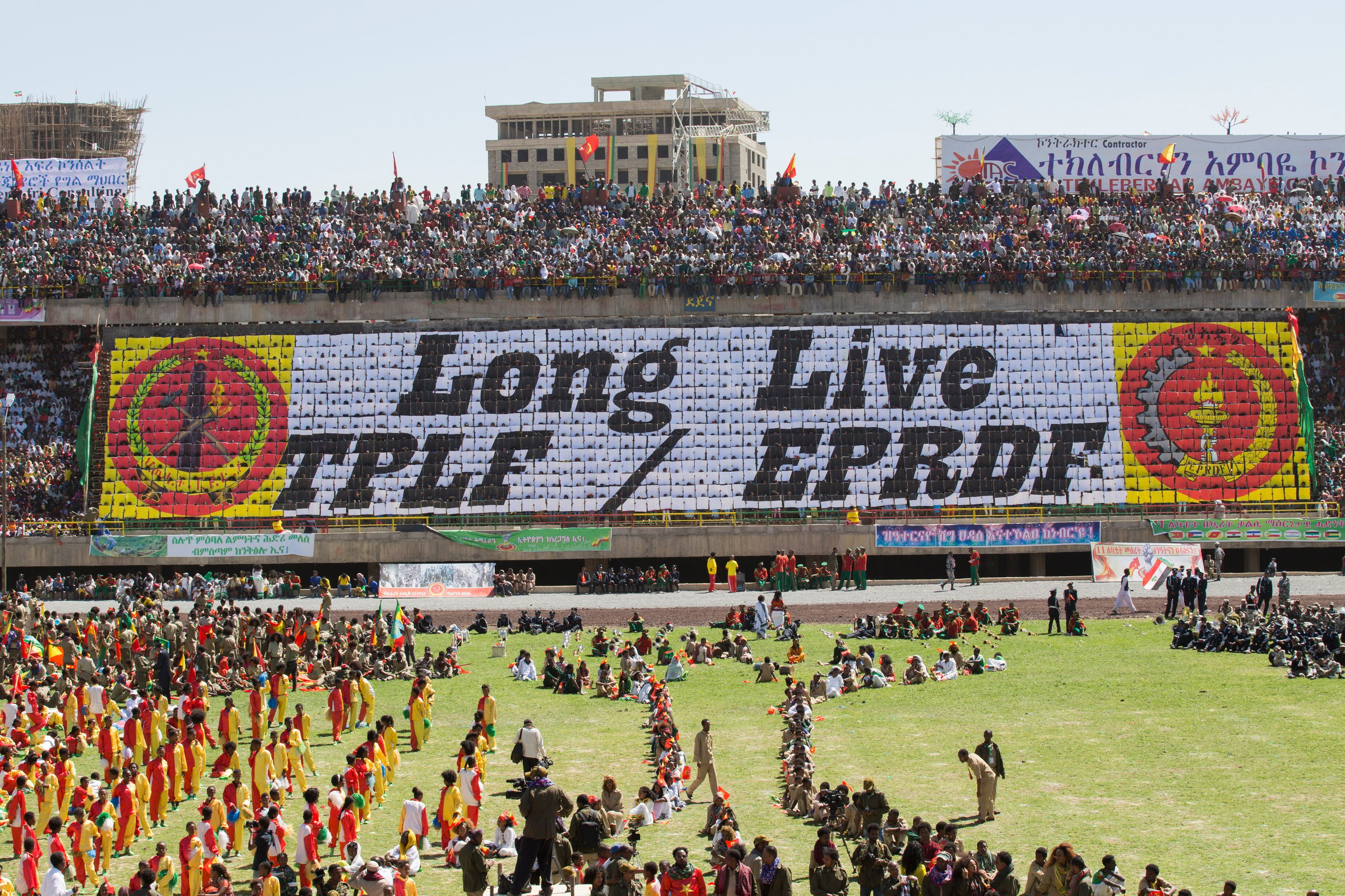
The sudden escalation in fighting between Ethiopian federal forces and Tigrayan rebels in the Afar region, raising fears of a new civil war, is part of a wider potential cascade effect from Yemen that could hurt Europe. 

After months of low-level skirmishes, Ethiopian officials have accused the Tigrayan People’s Liberation Front of launching an all-out offensive against federal government positions in northern Ethiopia. 

So what does that mean for Europe and the EU? More than you might think. 

Ethiopia’s economy is particularly vulnerable following the capture of Yemen’s entire Red Sea coastline by the Houthi rebel group, who now control the Bab el-Mandeb Strait. 

Some 97 percent of Ethiopia’s trade is via Djibouti’s port. There is now a real prospect of a series of regional chain reactions and the prospect of civil war in northern Ethiopia is one of them. 

This doesn’t directly impact on the EU’s interests, but it could soon enough.  

Ethiopia is not alone in facing major new threats posed by the Houthis’ advances.  

Egypt, a vital ally for the EU on migration control, faces its own economic crunch as it relies on Suez Canal tolls as a main source of foreign currency. That could lead to more financial demands being made of Brussels 

For their part, Djibouti and Somalia face major security concerns. Djibouti hosts military bases for a handful of EU countries, as well as the EU itself, and the United States, China, and others.  

Somalia, meanwhile, has a longstanding African Union (AU)-led security mission aimed at combatting the Al-Shabaab terror group to which the EU is the biggest single donor.

And the AU mission is particularly reliant on the EU after the Trump administration pulled the plug on US financial support earlier this year. The Houthis already supply at least $100m (€88m) in arms to Al-Shabaab, a smuggling operation now made easier by its coastal advances. 

For the moment, the EU is offering only modest additional support. Last week, EU governments agreed to double financial support for the Djibouti Armed Forces to €20m under the European Peace Facility. 

This article continues, but the full version is available only to EUobserver.com subscribers. Visit account.euobserver.com/membership

  •  

Chess body FIDE elects Kazakh billionaire, amid Russia’s return to world sports

It has been a good week for Russian soft power in the sporting world.

On Tuesday (22 September) in Brussels, the EU lifted a visa-ban on a portly 73-year-old Russian billionaire, Alisher Usmanov, who is head of the International Fencing Federation.

And on Saturday in Samarkand, FIDE, the world chess body, elected a Kazakh billionaire, Timur Turlov, who has no professional chess rating, but who does have strong links to Russia, to be its next president.

On paper, Turlov ended 30 years of Russian rule at FIDE, but at a closer look, his victory seems like its continuation under a false flag.

The 38-year-old financier was born in Moscow and made his fortune there, but left Russia after its 2022 invasion of Ukraine, renounced his Russian citizenship, and divested most of his Russian holdings, giving him a nice alibi against Western sanctions.

But he has still been blacklisted by Ukraine for ongoing business ties to Russia’s oil and gas sectors.

This article continues, but the full version is available only to EUobserver.com subscribers. Visit account.euobserver.com/membership

  •  
❌