
❌

Reading view

US civil society groups call on EU not to delay methane rules

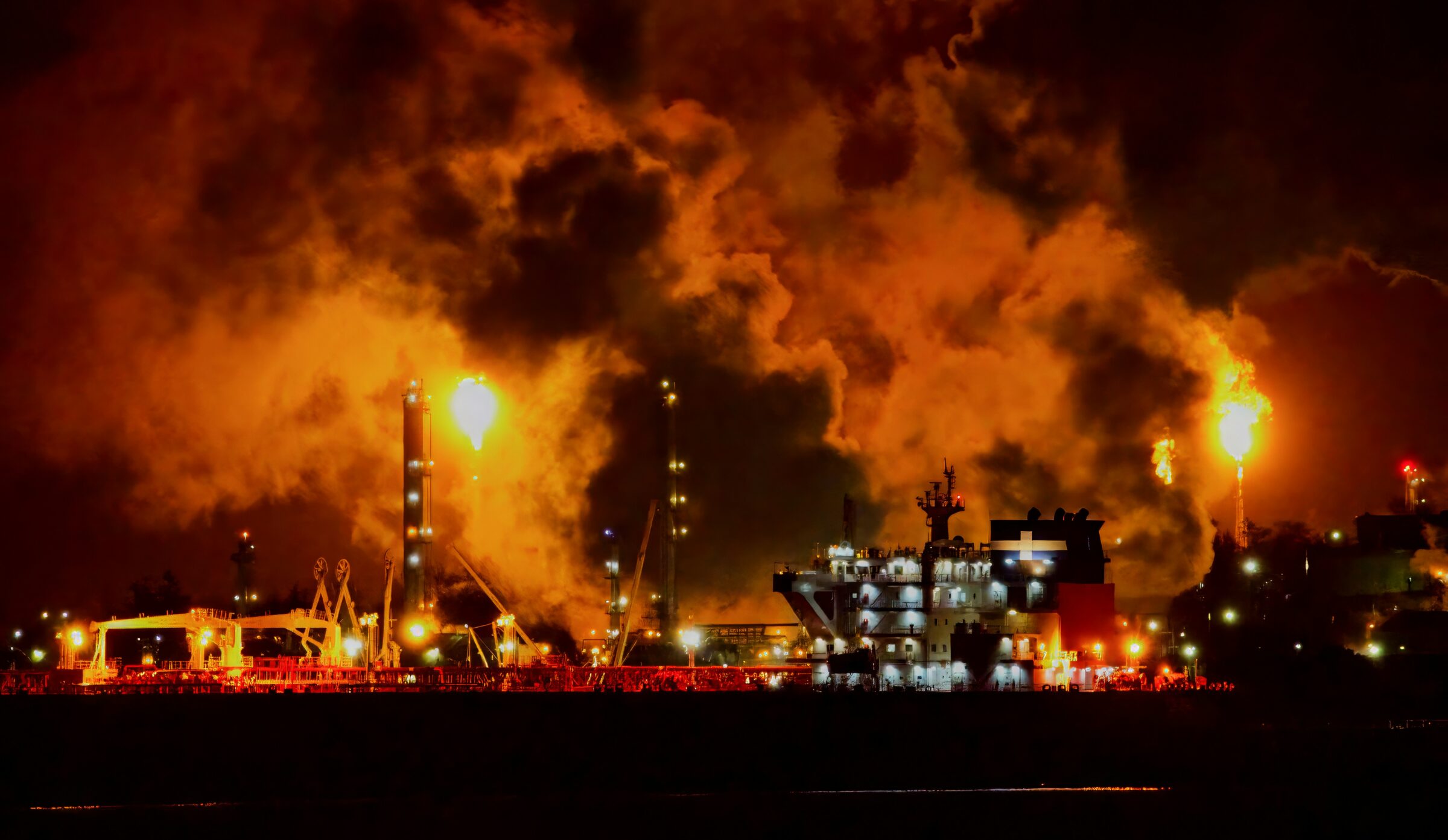
Nearly 100 US civil society groups have urged EU governments not to cave to pressure from oil and gas lobbyists and the White House as the European Commission moves to delay parts of its methane rules by a year.

“The US has done absolutely everything possible to actively deprive Europe of secure, reliable and diversified energy supplies,” said the group in a letter to EU energy ministers dated 29 September and circulated on Wednesday (30 September).

“The Trump administration is using its ‘energy dominance’ agenda to openly blackmail the Union into lowering its climate and human rights standards, including on methane,” they also said.

All operational US export terminals, many supplying Europe, have violated air pollution limits, and the EUs methane rules are “the last opportunity” to impose standards on US gas, the letter says. 

“Let’s work together on both sides of the Atlantic,” they say. 

The letter writers include global NGOs such as Greenpeace US and Friends of the Earth US but also smaller groups that live next to US gas export terminals such as the environmental organisation, For a Better Bayou.

The decision to postpone

In July, a group of US lawmakers also wrote to EU commission president Ursula von der Leyen, urging her to hold the line.

Democratic congressman Sean Casten, one of the letter’s authors, later visited Strasbourg and told EUobserver that the EU policymakers he met were “almost unanimously supportive of us pushing harder” to help them save the rules.

But over the summer, a majority of member states, including Germany, Europe’s largest gas market, became convinced that delay is necessary fearing gas exporters might reroute their supplies to easier markets.

During that time energy ministers from the US, Qatar, Nigeria and Algeria all warned EU regulation could disrupt fuel and gas supplies

On Tuesday, EU energy commissioner Dan Jørgensen signalled at an informal meeting of energy ministers in Dublin that he will propose delaying the regulation. 

“I’ve already stated that on the methane regulation, a very important regulation for Europe, we stick to the objectives, we stick to our ambitions,” he said.

But, he continued, “after having listened to many, many member states, a big majority of member states in the union,” he decided “to look into possibilities of postponing the parts that are connected to imports by one year”.

This article continues, but the full version is available only to EUobserver.com subscribers. Visit account.euobserver.com/membership
  •  

Frugal EU states seeking budget cuts are shooting their own regions in the foot

Six frugal countries this week circulated a letter threatening to block a deal on the next EU budget unless “hundreds of billions” of euros in spending was cut. 

The Dutch and Germans, ever the most zealous keepers of the frugal flame, want to redirect what remains away from regional and farming funds, towards innovation and defence.  

For those following EU fiscal debates, this song will sound familiar. So-called ‘net payer’ countries have never liked sending money to the economic periphery. 

In 2013, after a year of bickering, Britain, Germany, and the Netherlands killed a European Commission plan for a five percent increase and pushed through the EU’s first-ever budget cut, with farm and cohesion funds taking the biggest hit.

But new research suggests that the frugals may be shooting themselves in the foot. 

Last week, Olga Ivanova, a senior researcher at the Netherlands Environmental Assessment Agency (PBL), published a study in Dutch economics journal ESB calculating what EU money actually does for the Netherlands’ 12 provinces. 

And, for most of them, she found that the growth effect of EU investment outweighed their share of what the Netherlands paid into the budget. 

Using PBL’s own economic model, she traced 10 EU funding streams between 2013 and 2024, from Horizon science research grants to farm subsidies and regional development money. 

Across the Netherlands as a whole, provinces get back about 99 cents in extra growth for every euro paid out to the EU budget.

This article continues, but the full version is available only to EUobserver.com subscribers. Visit account.euobserver.com/membership
  •  

‘Made in everywhere’: MEPs clash over reach of EU industrial law

The MEPs steering the EU’s key industrial law want “Made in Europe” to mean that goods are actually produced in the EU.

Their draft report on the Industrial Accelerator Act (IAA), presented to three parliament committees on Monday (28 September), would reserve the label, and the subsidies and public contracts that come with it, for goods produced in the 27 member states.

Partner countries such as Japan or Korea could be added later, but only if they meet set criteria.

This is a break with the EU commission’s proposal, which would apply to virtually every country with a free-trade or procurement deal with the EU. 

This article continues, but the full version is available only to EUobserver.com subscribers. Visit account.euobserver.com/membership

  •  
❌