❌

Reading view

Florida and Texas: The frontiers of reproductive health and abortion access in the US

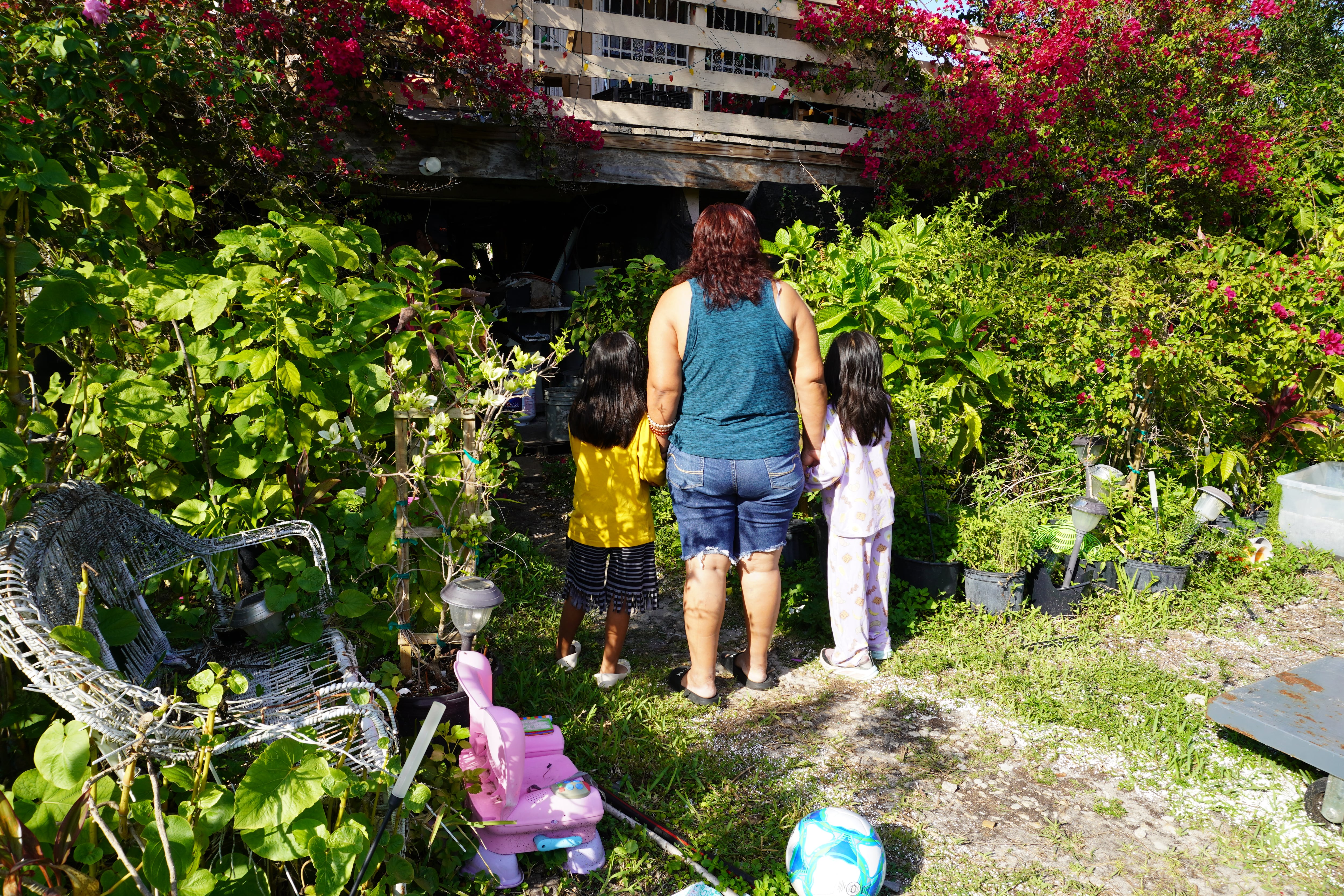
Known as the tomato capital of the United States, Immokalee is an agricultural community in southern Florida. A couple of hours from cosmopolitan Miami, palm trees stand beside dirt roads where cucumber, pepper, and eggplant are grown; hens roam the yards of small houses and people carry shovels and hoes. Although it is part of Collier, one of the state’s wealthiest counties, there is no hospital with a labor and delivery ward or specialists to handle an obstetric emergency. Pregnant people must drive up to an hour to receive care.
Seguir leyendo

© Desirée Yépez

More than one million Latinas of reproductive age live in Florida; almost half are mothers.
  •  

Miami’s fairy godmother for undocumented domestic workers

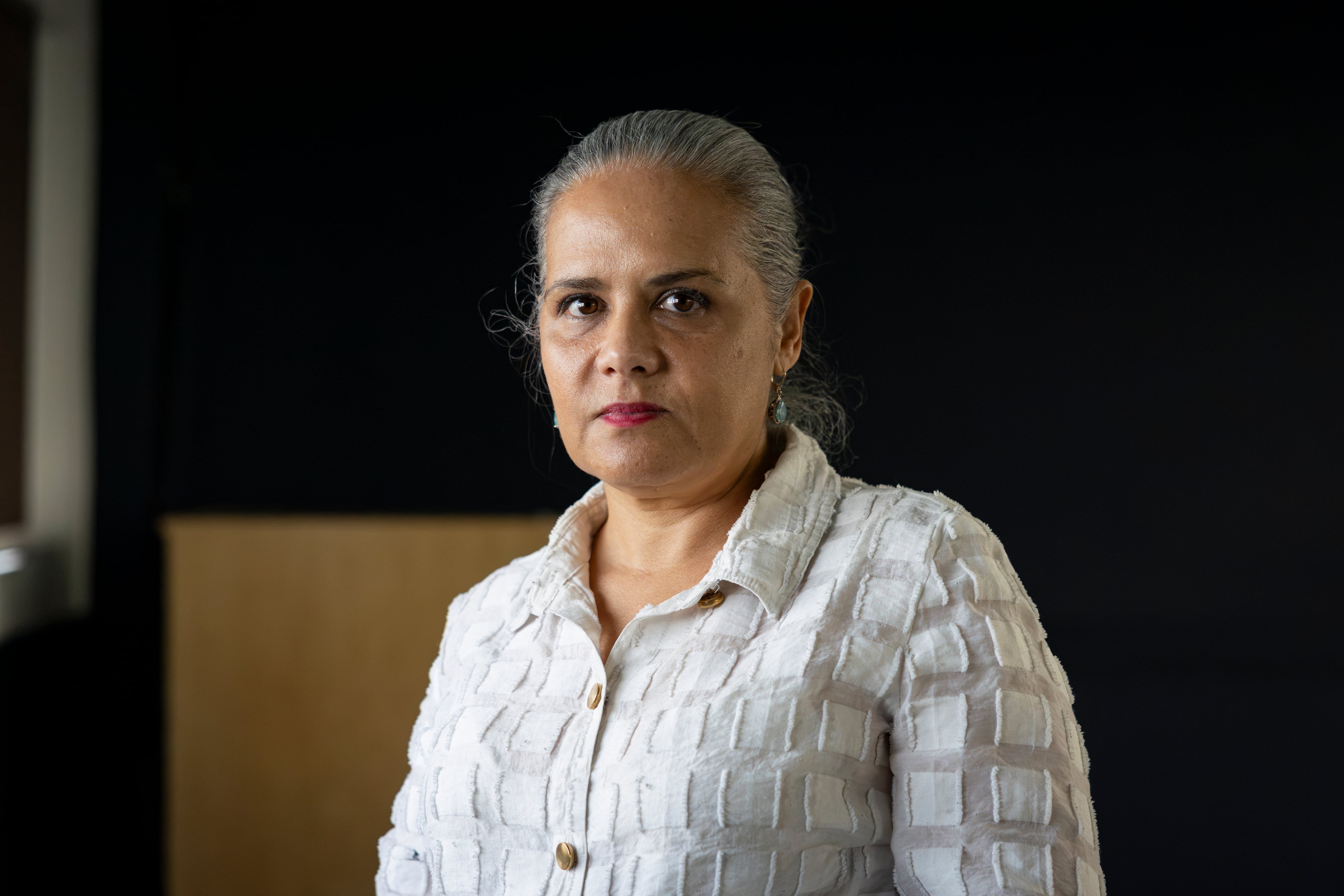
Karla De Anda in Miami, Florida, on September 6.

It is around 9:00 p.m. and Karla De Anda’s phone rings. The number is unknown to her. On the other end, connected to the free Wi‑Fi at a Miami airport terminal, a woman is sobbing uncontrollably. Her name is Rosa. She has just had her bags packed for her. A coworker told the family they both worked for that Rosa had been secretly talking to a stranger about the wages she was owed. The family would not hear any more: they bought her a one‑way ticket to her country of origin and put her in a taxi to the airport. Karla, who barely knows her, asks a single question: “Do you want to stay or not? Just answer me.” Between sobs the woman says yes. She hangs up, gets out of the departure line, and an hour later Karla is waiting for her at the arrivals gate with another activist, ready to take her to her home that same night.

Seguir leyendo

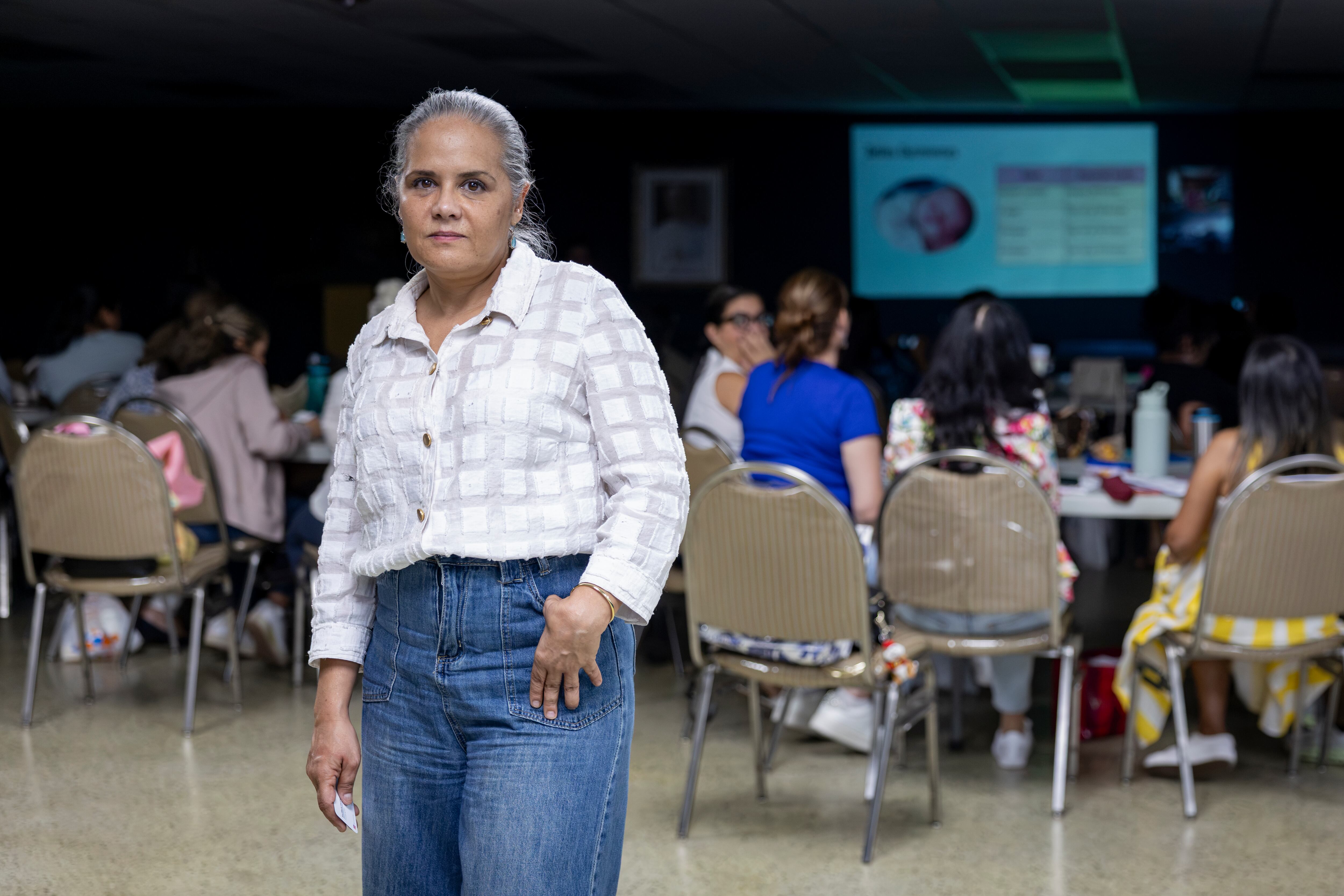
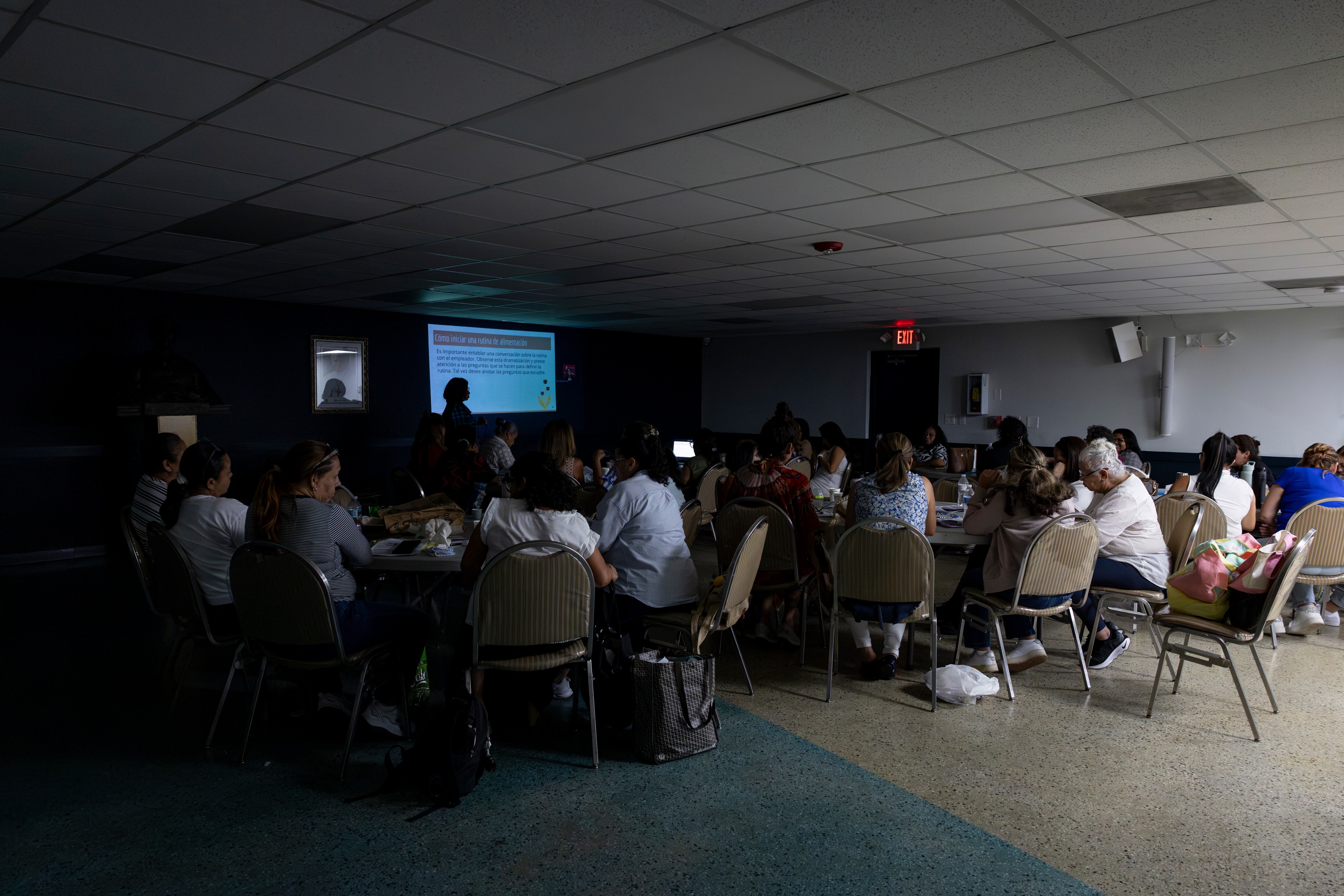
Training course for women organized by The Right to Freedom Network in Miami.Mónica poses for a photo in Miami.A member of The Right to Freedom Network, in Miami, on September 6.Karla De Anda during an interview on September 6, in Florida.
  •  

Held in hotels or detained for a year after being deported to Africa: ‘This is called human trafficking’

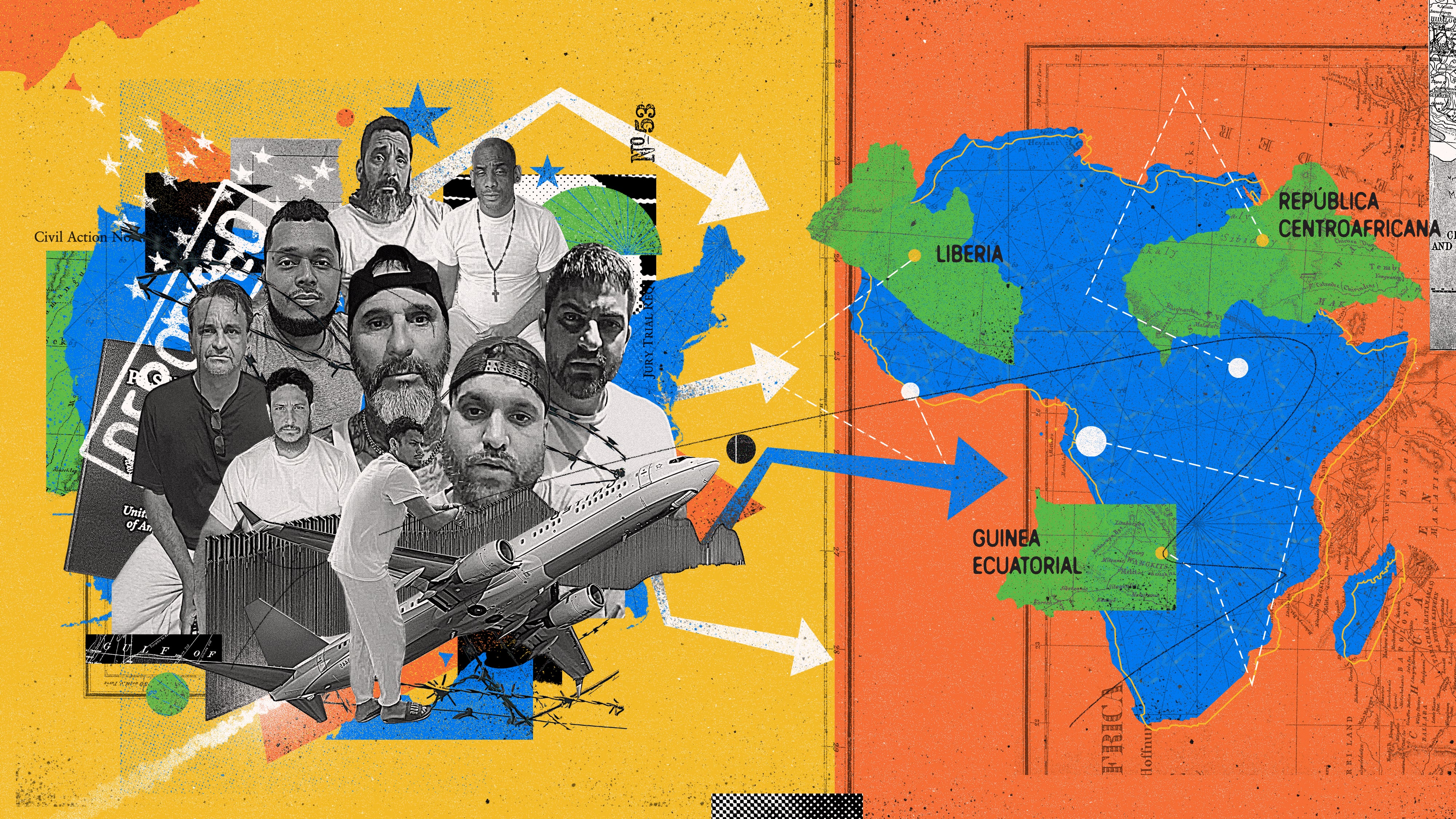
Among so many faces, Roberto Mosquera remembered one in particular the day he arrived in Eswatini, a small country tucked away in southern Africa. He kept seeing that face over the following 14 months, which passed slowly and unbearably in the compressed world between the white and gray walls of the maximum-security cell at Matsapha prison. The man is serious, tall, dark-skinned and wears round glasses. His name is Jabulani Kunene and he is the prison official in charge. For more than a year, Mosquera has asked him the same question every time he passes by: “How long are you going to keep me locked up here?” Kunene has always given him the same answer: “I don’t know, Roberto, I don’t know.”

Seguir leyendo

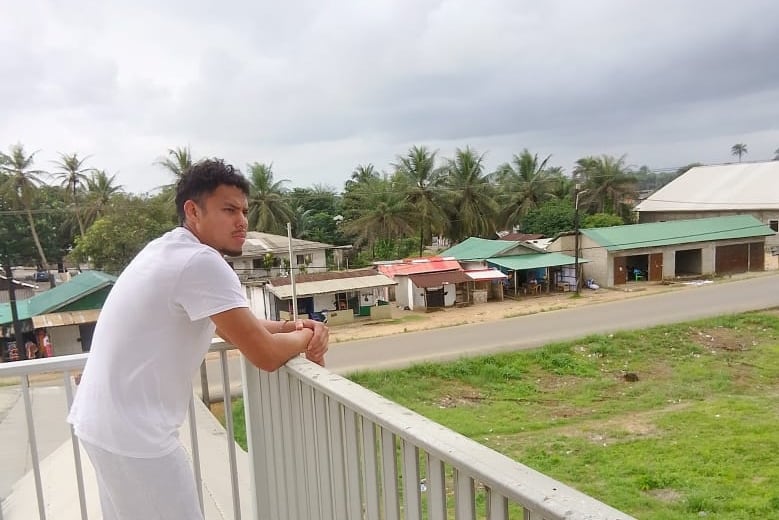
Arín García Yepes in Liberia.

© Eduardo Ramón Trejo

  •  
❌