❌

Reading view

G7 releases diesel stocks after Trump pressure, EU denies caving

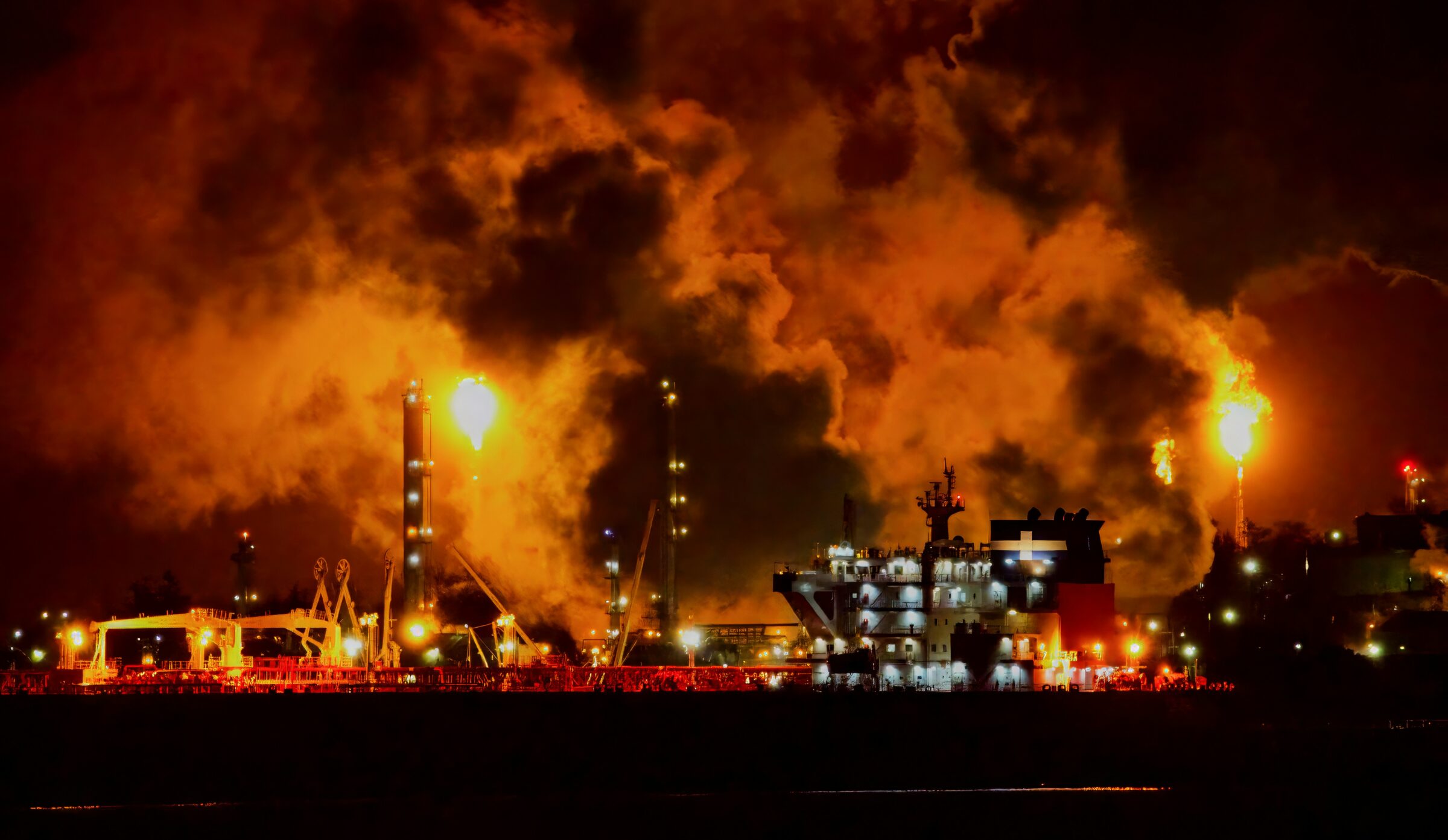
The EU and its G7 partners agreed on Friday (2 October) to a coordinated release of 100 million barrels of diesel and crude through the International Energy Agency (IEA) over four months.

The release includes “a frontloaded substantial diesel release within the first 20 days,” a press brief released after a Friday afternoon call read.

The call was initiated by French president Emmanuel Macron who holds the rotating G7 presidency on Friday, after he spoke to US president Donald Trump on Thursday.

“Europe has just agreed to release a massive amount of their heavily stocked Diesel Oil. The process will begin immediately,” Trump wrote on Truth Social shortly afterwards.

Trump had pressured EU leaders to agree to the release all week.

On Thursday, US treasury secretary Scott Bessent urged Europe to “immediately” tap its reserves.

And EU leaders had received a proposal from the White Housethe same day for 120 million barrels of diesel over 180 days.

Washington had already approached France, Germany, Italy, Ireland and the UK individually, warning they could face US diesel export bans if they did not comply.

US diesel prices hit a record $6.53 per gallon last week, which is a liability for Trump’s Republicans ahead of the 3 November midterm elections.

Europe’s reward is a single line in the G7 statement, which reaffirms a commitment “to refrain from export restrictions on energy and energy products” between G7 countries.

The EU also on Friday had insisted that any further release come with a US pledge to avoid a unilateral diesel ban, and rejected the suggestion that they buckled to US pressure.

“We fully reject a [US] ban on diesel. A ban would not be beneficial to anyone. It would undermine our trust in the US as a reliable partner,” said Anna-Kaisa Itkonen, the commission’s energy spokesperson.

She declined to comment on the leader’s call ahead of time.

Commission chief spokesperson Paula Pinho said the coordination had “nothing to do with” recent threats.

She noted that gas prices had risen by 140 percent and diesel prices had doubled since February, and that a release agreed in March was still being implemented.

The G7 text presented Friday’s decision to release the 100 million barrels as continuing those commitments.

But the commission’s own oil coordination group concluded this week that there was “no immediate security supply issue” in the EU, Itkonen said.

Emergency stocks exist to deal with supply disruptions, not prices.

But the IEA route gives European capitals political cover, allowing them to present the release as collective action rather than a concession to Washington.

And it may not be the last one. “We will convene in the context of the IEA in the coming days to discuss the possibility of additional diesel releases as necessary,” the G7 statement said.
  •  

Europe’s children will inherit public-health crisis from new EU pesticide approvals

The European Union once prided itself on leading the world in protecting children. Today, policymakers backed by big polluters are betraying that promise in the name of “competitiveness”. 

In June 2026, Florence, Franck, and Isabelle packed their bags and headed to Brussels. Why? Because their children have all suffered serious harm from pesticides. 

These children have endured physical pain and heavy medical procedures, including repeated chemotherapy treatments. And their families have shouldered both the financial and emotional burdens alongside them.

As Isabelle puts it: “It destroys a family.” Her own daughter has been fighting leukaemia for the last seven years.

And they are not alone. In 2024, almost one in 20 children in the EU were exposed to dangerous levels of pesticides; that’s 380,000 kids. Now these parents have a clear message for policymakers: prioritise public health and stop dismantling the rules that protect children against harmful substances. 

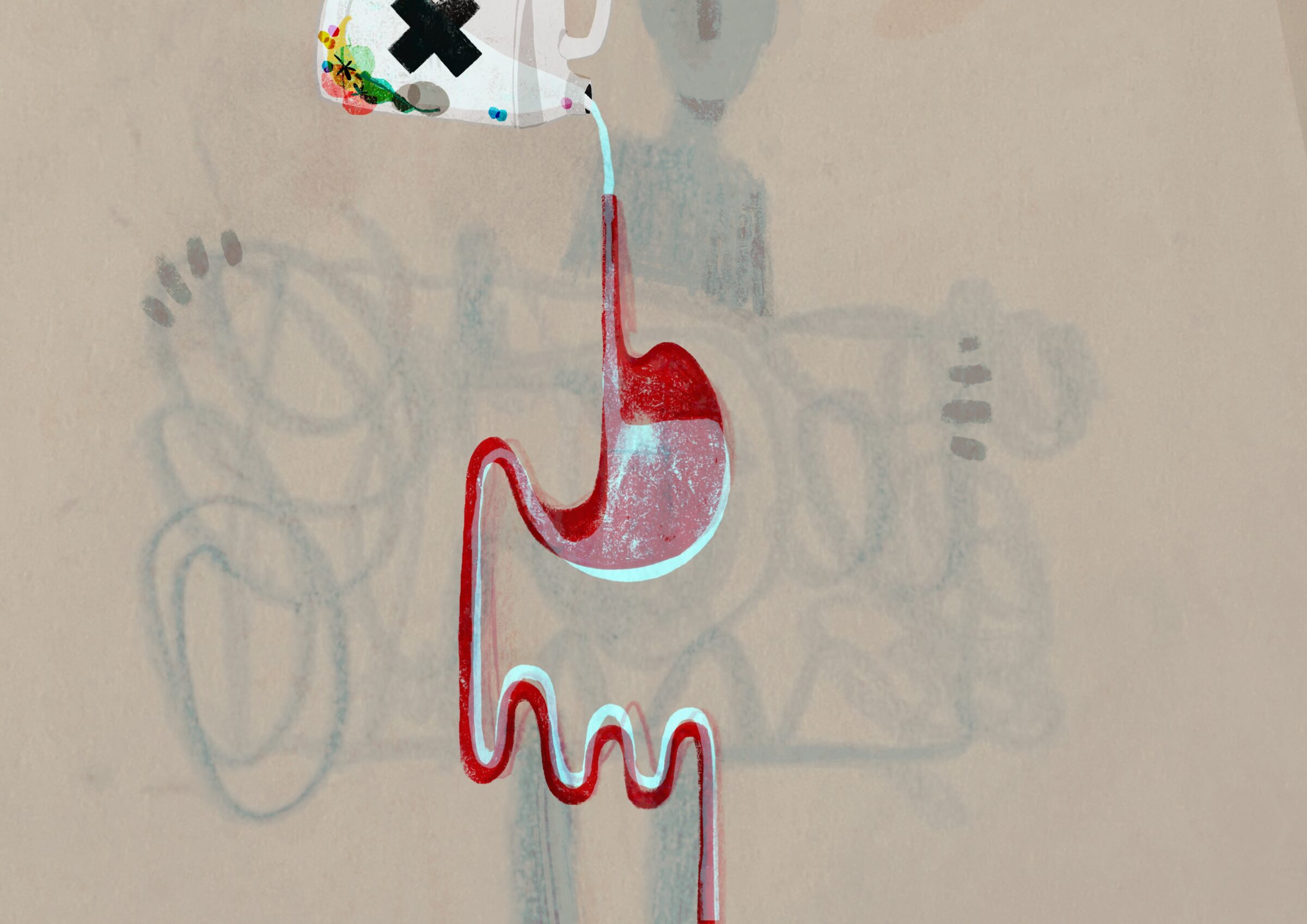
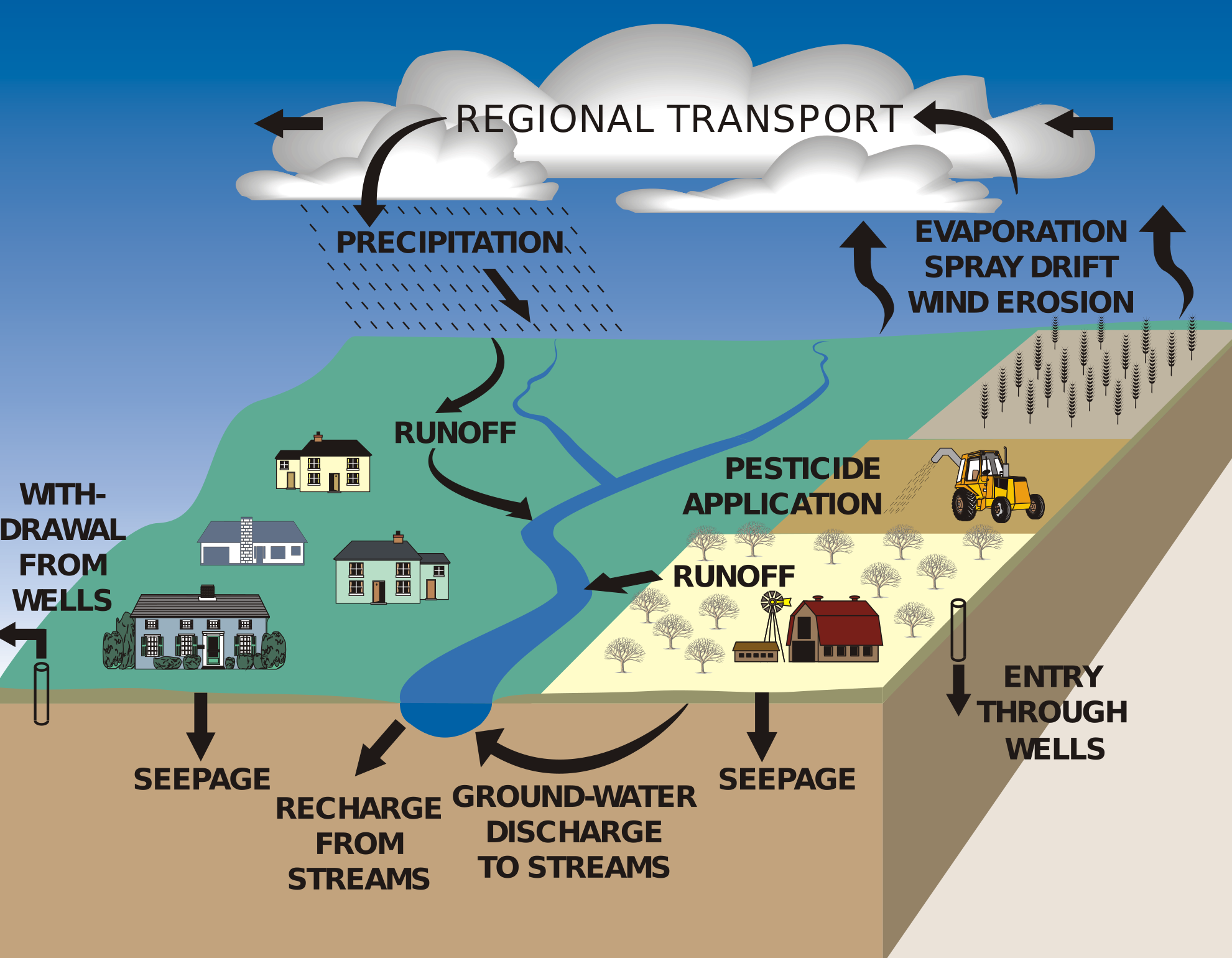
In 2024, around 316,000 tonnes of toxic pesticides were sold in the EU to be sprayed across our countryside, risking not only the health of farmers but also polluting our soil, air and water.  

The European Environment Agency in Copenhagen has reported environmentally unsafe levels of pesticides in about a quarter of Europe’s rivers. In groundwater – which supplies 65 percent of the water we drink in Europe – unsafe levels were detected in 11-18 percent of water bodies. 

In the same year, trifluoroacetic acid, a harmful “forever chemical” that forms when ‘PFAS’ pesticides and F-gases break down, showed up in 94 percent of drinking water samples tested across 11 EU countries. 

We are surrounded by pesticide pollution. It’s even in our homes. 

Source: US Geological Survey/Wikimedia

But what’s happening in Brussels?

In December 2025, the European Commission proposed a legislative package that would remove fundamental environmental and health protections against pesticides in the EU.

Among other changes, the proposal – ironically labelled the ‘Food and Feed Safety’ Omnibus – suggests extending pesticide approvals indefinitely and relaxing the rules to allow pesticides already identified as hazardous to remain on the EU market. 

Let that sink in, no pun intended.

These proposals are a political choice to prioritise short-term profits for Big Polluters over children’s lives, people’s health, and the nature and ecosystems we need to survive.

Human health is at stake, and children are at particular risk – as they absorb substances more easily and are less able to excrete them. 

Pesticide exposure is linked to the development of childhood cancers, hormone disruption, neurodevelopmental impairments and birth defects. And prenatal and early childhood exposure can permanently alter development, with consequences that can be irreversible – and deadly.  

Under the UN Convention on the Rights of the Child, as well as the UN-declared human right to a healthy environment, all EU countries must commit to protecting children from environmental harm and ensure the highest attainable standard of health.

These principles must guide the work of EU institutions. 

Yet, instead of strengthening protections, the EU is moving backwards at a worrying speed. This is largely due to intense (and repeated) lobbying from multi-billion euro corporations, which includes the pesticides industry. Corporate chemical giants now spend €46m a year just to lobby the EU; that’s over 60 percent more than in 2020. 

Make it make sense

The incoherence of current EU policy is troubling. On the one hand, the EU Commission is celebrating its new Intergenerational Fairness Strategy – a framework that is meant to ensure today’s policies do not disadvantage future generations. On the other, the same institution is actively seeking to relax controls of harmful substances. 

Ripping up rules that protect people and the planet only benefits Big Polluters, industries that already make billions in profits at the expense of children’s health.

What’s more, an independent assessment found that the measures the EU institutions propose “will not accelerate innovations and authorisations”. In short, these proposals would actually make Europe less competitive.

Children’s rights and youth organisations have warned that deregulation exposes children to serious (and preventable) health risks. And the international scientific community recently stressed that robust environmental risk assessments cannot be optional.

Ultimately, Europe should widen and accelerate its access to pesticide-free alternatives. It must also support farmers in their efforts to transition away from pesticides, towards a more sustainable and resilient model.

So, what can be done? First, the EU must close the tap on pesticide use and production, and support farmers transitioning to safer alternatives. Second, it’s time for leaders to hold Big Polluters accountable for the damage they cause – not force the bill onto regular taxpayers and families harmed by these toxic substances.

Florence, Franck, and Isabelle’s children are among the hundreds of thousands already affected by pesticides. And they show that victims of pesticides are not just a statistic.

The ‘Food and Feed Safety Omnibus’ raises fundamental questions. Who exactly is the EU’s food policy supposed to protect? How many more children need to be harmed for politicians to act? And what kind of future do EU institutions want to build? 

Should pesticide protections be treated as obstacles to short-term profits, or should children be able to grow up safely? 

Politicians should reject this devastating Omnibus proposal and work instead to support the EU’s transition to safe, sustainable, and resilient farming.

  •  

US civil society groups call on EU not to delay methane rules

Nearly 100 US civil society groups have urged EU governments not to cave to pressure from oil and gas lobbyists and the White House as the European Commission moves to delay parts of its methane rules by a year.

“The US has done absolutely everything possible to actively deprive Europe of secure, reliable and diversified energy supplies,” said the group in a letter to EU energy ministers dated 29 September and circulated on Wednesday (30 September).

“The Trump administration is using its ‘energy dominance’ agenda to openly blackmail the Union into lowering its climate and human rights standards, including on methane,” they also said.

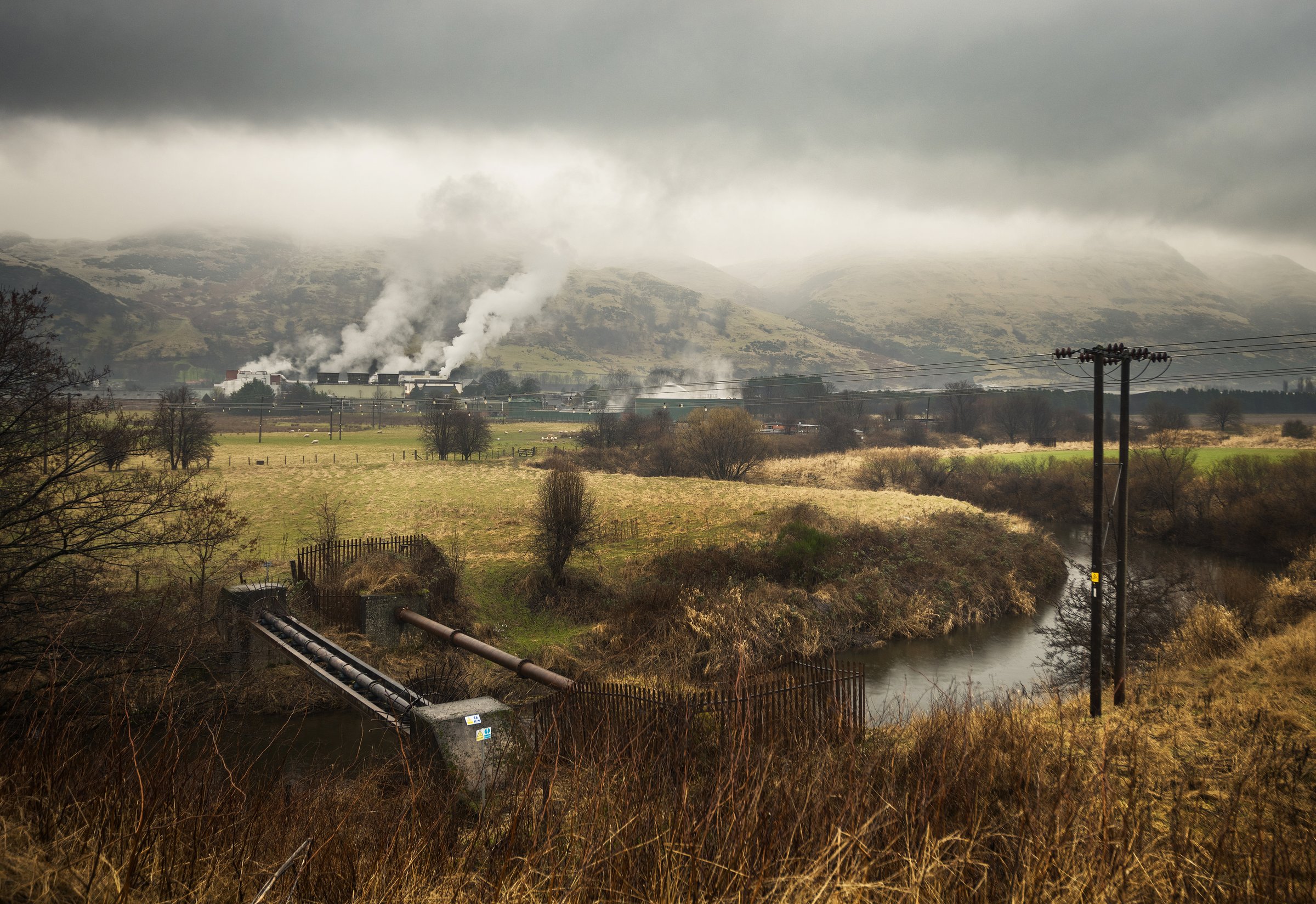
All operational US export terminals, many supplying Europe, have violated air pollution limits, and the EUs methane rules are “the last opportunity” to impose standards on US gas, the letter says. 

“Let’s work together on both sides of the Atlantic,” they say. 

The letter writers include global NGOs such as Greenpeace US and Friends of the Earth US but also smaller groups that live next to US gas export terminals such as the environmental organisation, For a Better Bayou.

The decision to postpone

In July, a group of US lawmakers also wrote to EU commission president Ursula von der Leyen, urging her to hold the line.

Democratic congressman Sean Casten, one of the letter’s authors, later visited Strasbourg and told EUobserver that the EU policymakers he met were “almost unanimously supportive of us pushing harder” to help them save the rules.

But over the summer, a majority of member states, including Germany, Europe’s largest gas market, became convinced that delay is necessary fearing gas exporters might reroute their supplies to easier markets.

During that time energy ministers from the US, Qatar, Nigeria and Algeria all warned EU regulation could disrupt fuel and gas supplies

On Tuesday, EU energy commissioner Dan Jørgensen signalled at an informal meeting of energy ministers in Dublin that he will propose delaying the regulation. 

“I’ve already stated that on the methane regulation, a very important regulation for Europe, we stick to the objectives, we stick to our ambitions,” he said.

But, he continued, “after having listened to many, many member states, a big majority of member states in the union,” he decided “to look into possibilities of postponing the parts that are connected to imports by one year”.

This article continues, but the full version is available only to EUobserver.com subscribers. Visit account.euobserver.com/membership

  •  

‘Made in everywhere’: MEPs clash over reach of EU industrial law

The MEPs steering the EU’s key industrial law want “Made in Europe” to mean that goods are actually produced in the EU.

Their draft report on the Industrial Accelerator Act (IAA), presented to three parliament committees on Monday (28 September), would reserve the label, and the subsidies and public contracts that come with it, for goods produced in the 27 member states.

Partner countries such as Japan or Korea could be added later, but only if they meet set criteria.

This is a break with the EU commission’s proposal, which would apply to virtually every country with a free-trade or procurement deal with the EU. 

This article continues, but the full version is available only to EUobserver.com subscribers. Visit account.euobserver.com/membership

  •  

Volkswagen benefited from €1.5bn in German EV subsidies as it lobbies EU to hit Chinese cars harder

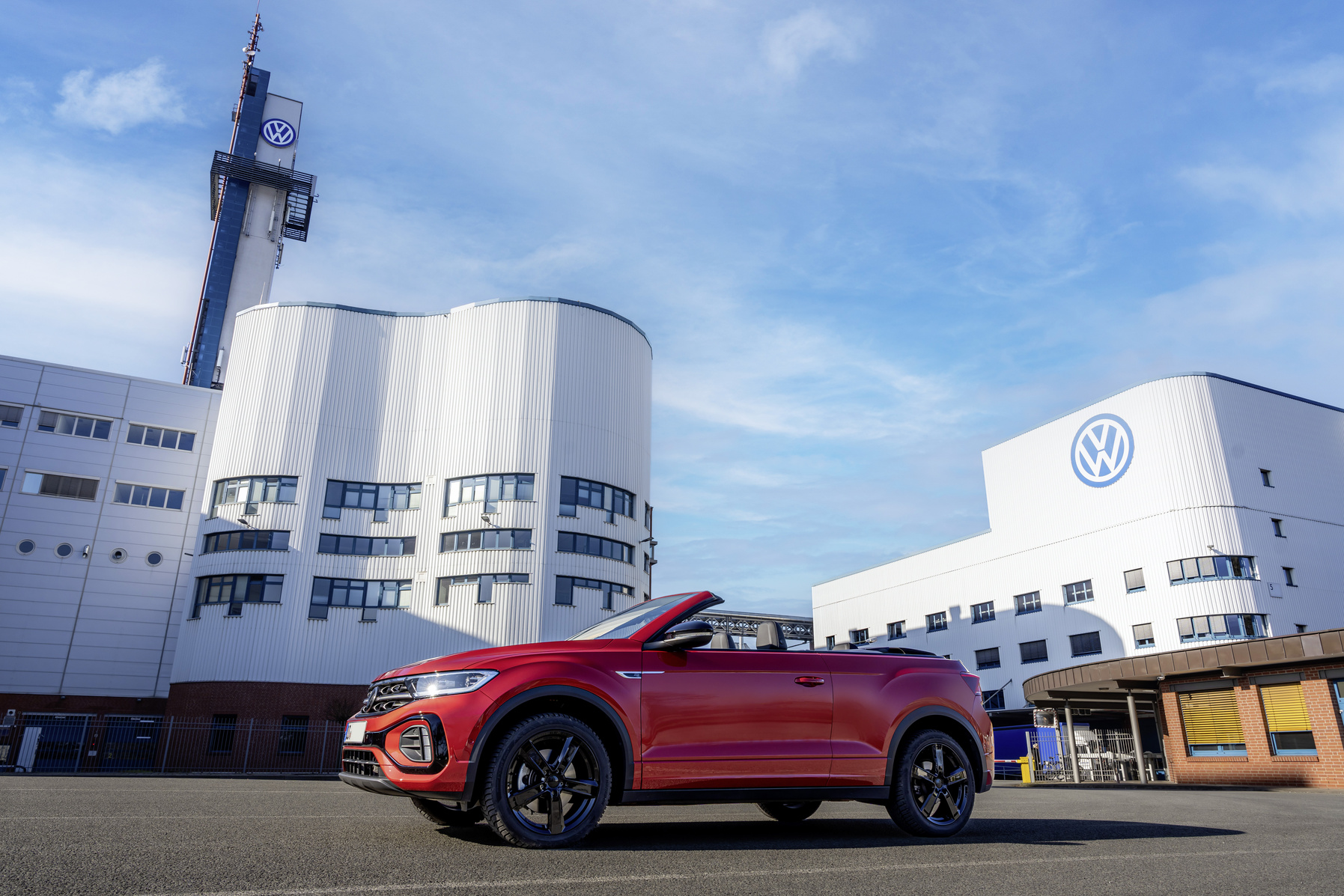
Tens of thousands of autoworkers in Germany protested last week against the car giant’s drastic cuts – spanning job losses and plant closures – even as Volkswagen benefited from some €1.48bn in state subsidies to entice people to buy their brand of electric cars.

The figure, released to EUobserver via a parliamentary demand tabled by German Green MP Julian Joswig, revealed that the German state has doled out €10.1bn in environmental bonuses between 2020 to 2026 to lure people into purchasing electric cars.

As an individual named brand, Volkswagen received the most, followed by Tesla with €889m ahead of other brands like Mercedes-Benz, BMW, Audi, Renault, Hyundai, Opel, SEAT and Kia.

“When more than €10bn in public funding is involved, it must be possible to trace where the money goes and what economic impact it generates,” said Joswig, in a statement.

German domestic interest in electric cars has shown a steady increase over the years. Last month, over 30-percent of all new cars registered in Germany were electric. That is a new record, according to Germany’s Federal Motor Transport Authority.

Even so, the German car industry, including Volkswagen, are shedding workers amid plans to cut plants after being caught off guard by US tariffs and China, whose own industry is now pushing into the European market.

On Monday (21 September), Volkswagen was removed from the Euro Stoxx 50 index given its shrinking market valuation.

Volkswagen, which is a state-owned company, recently announced plans to repurpose its Osnabrück factory in north-west Germany in order to manufacture weapons for Israel’s Rafael Advanced Defense Systems.

The irony is not lost given that Volkswagen was founded by Hitler largely on the back of Jewish slave labour, which is now set to produce arms for an Israel accused of having itself committed a genocide.

“I haven’t seen that being discussed here. Certainly not in the media. People do discuss it, but it’s not anywhere out in the public debate,” said Holger Görg, a professor of International Economics at the University of Kiel.

The car company also announced plans to close its plants in Emden, Hanover, Zwickau and Neckarsulm amid discussions of massive layoffs, potentially affecting some 100,000 people as well as job losses among numerous suppliers.

This article continues, but the full version is available only to EUobserver.com subscribers. Visit account.euobserver.com/membership

  •  
❌