
❌

Reading view

Kallas regrets EU delisting of oligarchs, as Russia ‘ridicules’ Germany after UN meeting

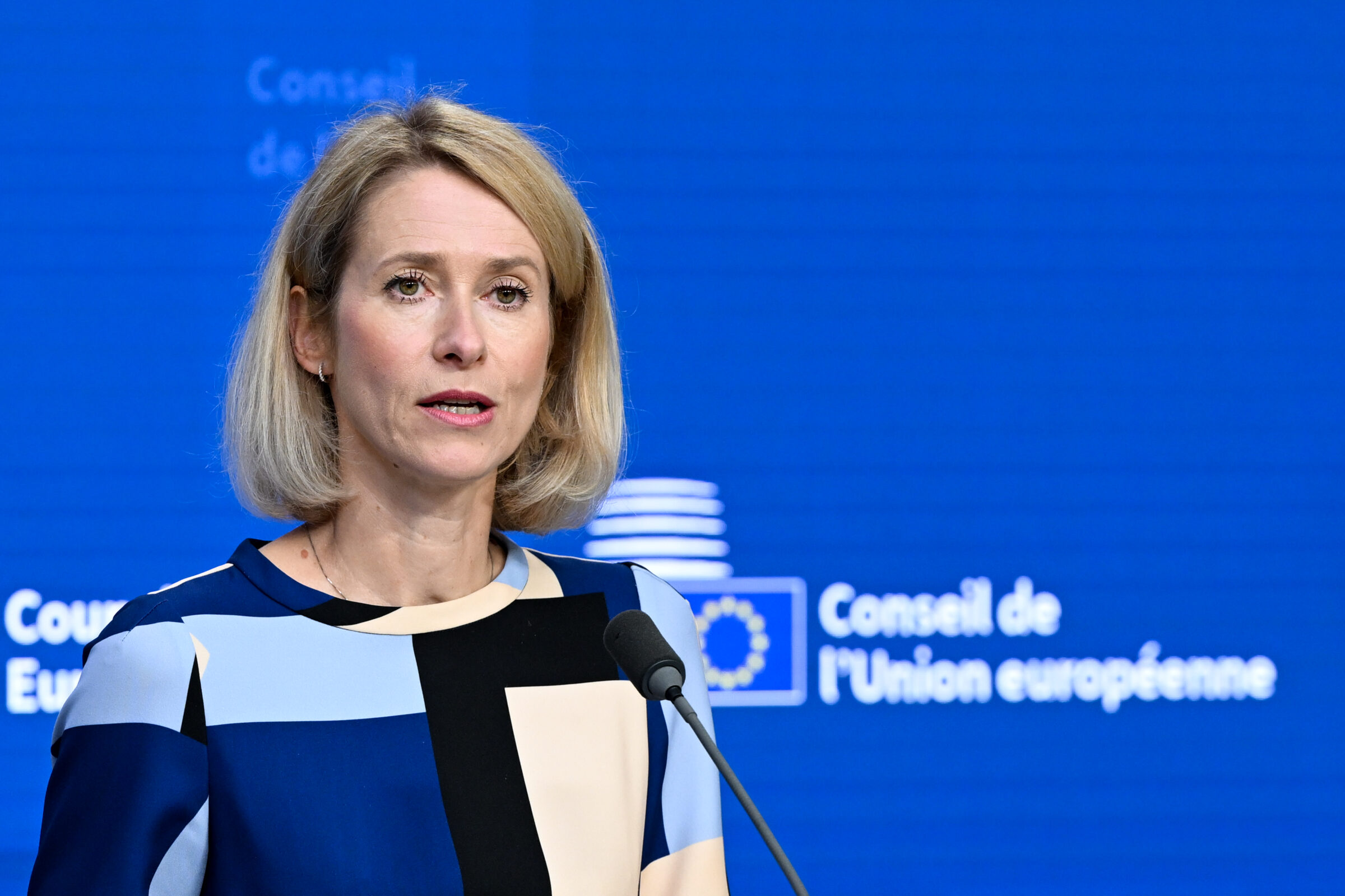
The EU’s delisting of two Russian oligarchs last week despite multiplying sabotage attacks in Europe was “regrettable”, while German-Russian talks at the UN ended in “ridicule”, EU foreign affairs chief Kaja Kallas has said.

“It is regrettable that this [delisting] was the decision,” said Kallas on Monday (28 September) in Brussels at a defence ministers’ meeting.

“We are putting forward more listings, targeting their military-industrial complex, also targeting the finances of Russia, because we want this war to stop,” she added, referring to the 22nd round of Russia sanctions, due on 12 October.

Lithuania’s defence minister Robertas Kaunas also called the delistings a “step backwards”, adding: “This is not the time to reduce sanctions. We have to strengthen the pressure on Russia and [Russian president Vladimir] Putin’s environs”.

This article continues, but the full version is available only to EUobserver.com subscribers. Visit account.euobserver.com/membership
  •  

THIS WEEK: Interior ministers discuss Fortress Europe, as Kallas goes to Syria

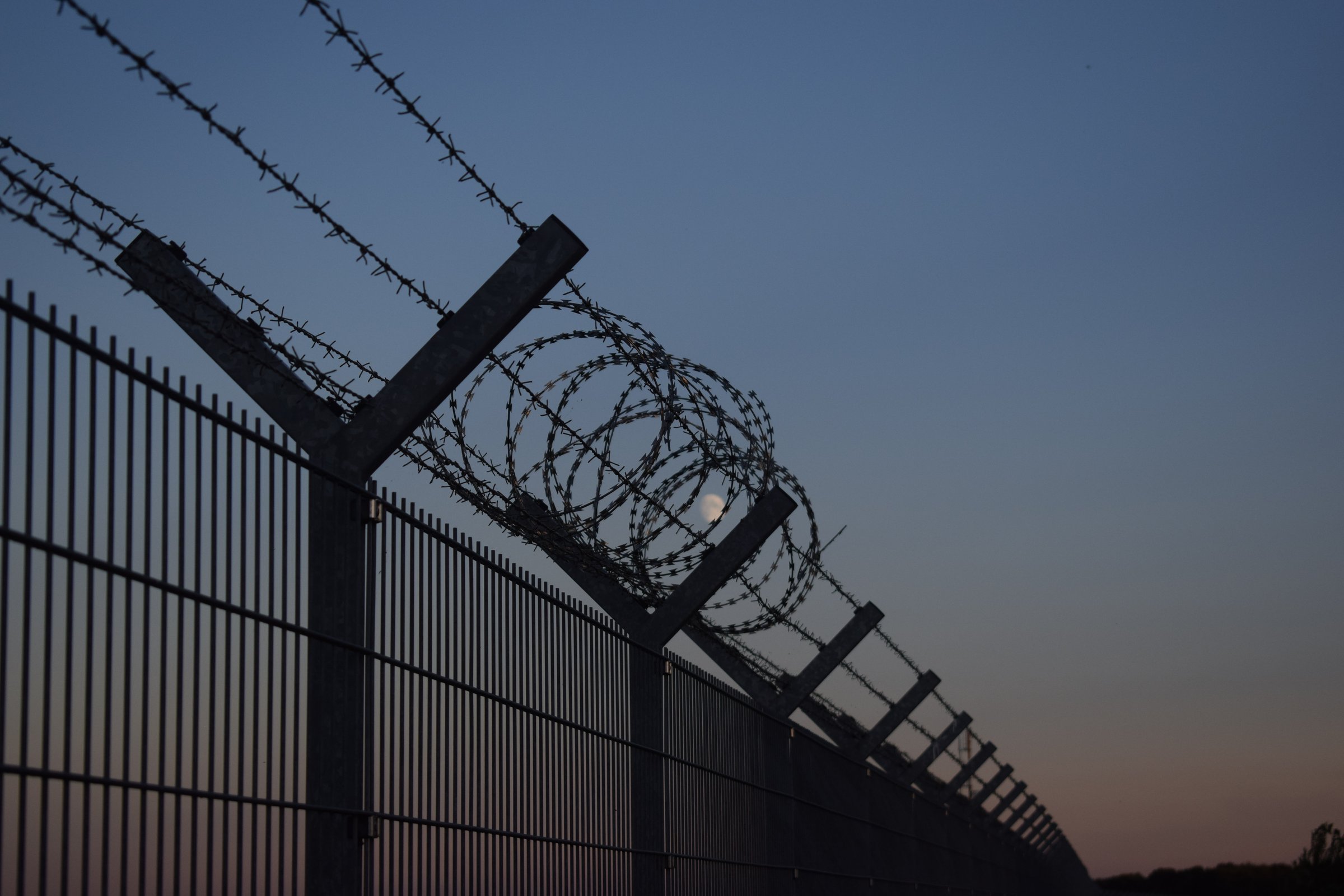
Interior ministers will discuss how to secure borders and deport more immigrants this week, while foreign affairs chief Kaja Kallas takes EU diplomacy to Syria.

Home affairs ministers meeting in Brussels on Thursday (1 October) will discuss “the overall state” and “security” of the Schengen free-travel area, as well as the adequacy of EU asylum law, after thousands of people entered the Spanish enclave of Ceuta in north Africa in July, prompting a border row between Italy, Denmark, and Spain.

The talks come ahead of the first post-Ceuta EU summit, due on 15 October, where rightwing EU leaders aim to drum up support for harsher measures.

The interior ministers will also “exchange views on how to improve returns of persons who do not have the right to stay in the EU through enhanced cooperation on readmission with priority non-EU countries”, the EU Council said, referring to potential deportations to Rwanda.

And they will examine how to increase surveillance of people’s movements, in order to get “early warning” of future “crisis situations”.

For her part, the EU foreign affairs chief, Kaja Kallas, will visit Syria, together with a large security detail, on Tuesday.

This article continues, but the full version is available only to EUobserver.com subscribers. Visit account.euobserver.com/membership
  •  

Chess body FIDE elects Kazakh billionaire, amid Russia’s return to world sports

It has been a good week for Russian soft power in the sporting world.

On Tuesday (22 September) in Brussels, the EU lifted a visa-ban on a portly 73-year-old Russian billionaire, Alisher Usmanov, who is head of the International Fencing Federation.

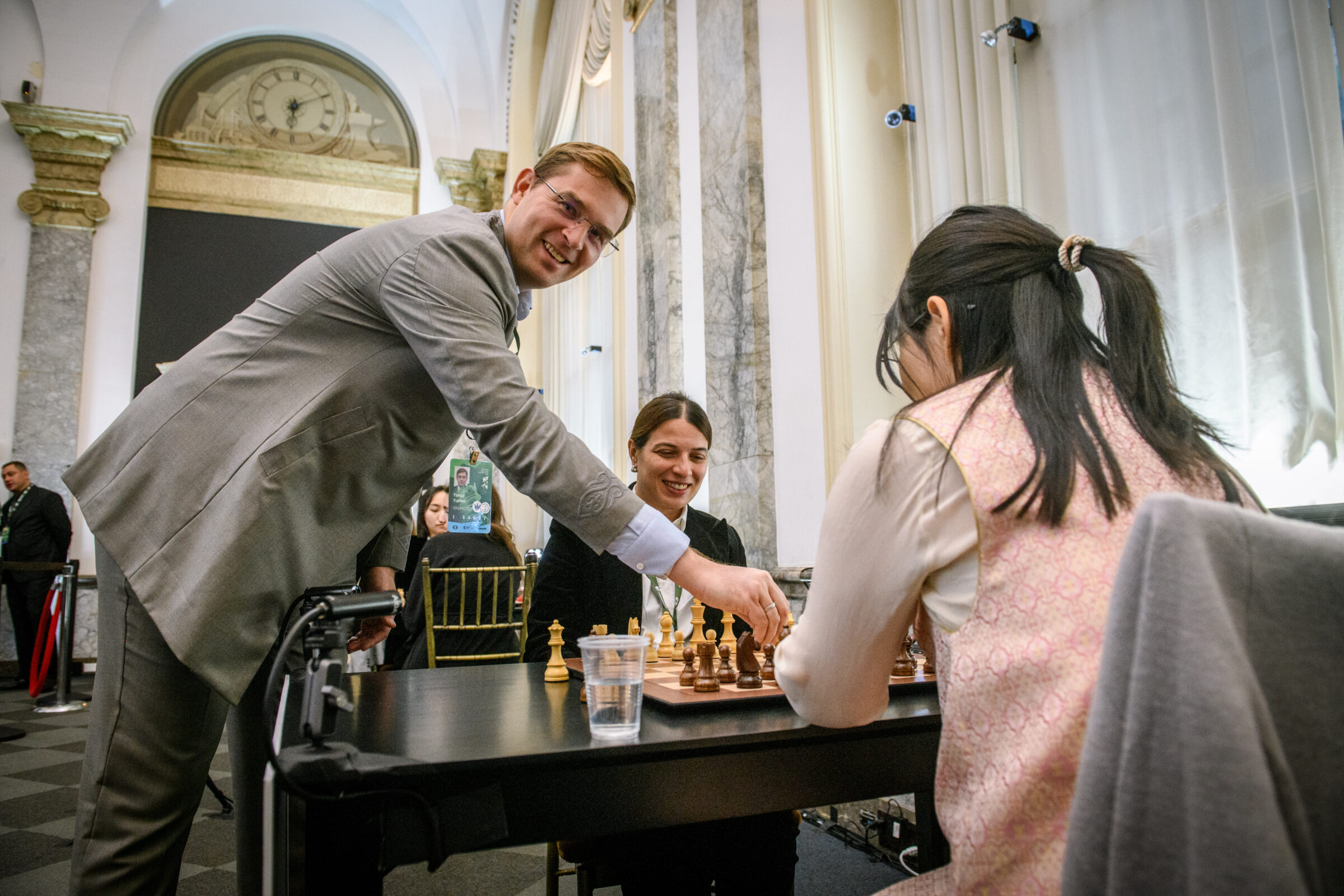
And on Saturday in Samarkand, FIDE, the world chess body, elected a Kazakh billionaire, Timur Turlov, who has no professional chess rating, but who does have strong links to Russia, to be its next president.

On paper, Turlov ended 30 years of Russian rule at FIDE, but at a closer look, his victory seems like its continuation under a false flag.

The 38-year-old financier was born in Moscow and made his fortune there, but left Russia after its 2022 invasion of Ukraine, renounced his Russian citizenship, and divested most of his Russian holdings, giving him a nice alibi against Western sanctions.

But he has still been blacklisted by Ukraine for ongoing business ties to Russia’s oil and gas sectors.

This article continues, but the full version is available only to EUobserver.com subscribers. Visit account.euobserver.com/membership

  •  
❌