Login

The Friday File: High risk vendors; Nvidia; TIM
Mobile World Live brings you our top three picks of the week as European Union (EU) governments pushed for changes to high-risk supplier rules, Nvidia’s chief weighed in on the AI model distillation debate and Poste Italiane boosted its stake in Telecom Italia.
Governments press EU to change high-risk supplier plan
What happened: European governments pushed for amendments to a European Commission (EC) proposal that would require operators to remove network equipment supplied by vendors deemed high risk, according to a draft document seen by Reuters.
Why it matters: Early this year, the EC published a Cybersecurity Act proposal outlining a 36-month phase out for high-risk third-country supplier equipment in mobile networks. However, EU member states have reportedly called for the phase out period to be determined by several factors rather than a fixed deadline, including level of risk, equipment lifespans, compatibility requirements and the availability of alternatives. The proposed rules are expected to affect Chinese vendors Huawei and ZTE.
Mason Hurlocker of Bloomsbury Intelligence and Security Institute (BISI) stated “the reforms carry a range of political, operational, security and economic risks”, adding it is possible the EC narrows its provisions “given industry cost warnings and resistance from some member states to mandatory rip-and-replace obligations”. A GSMA Intelligence report estimated mobile network replacement would cost the industry between €30 billion and €40 billion.
Nvidia chief says AI model distillation is fair competition
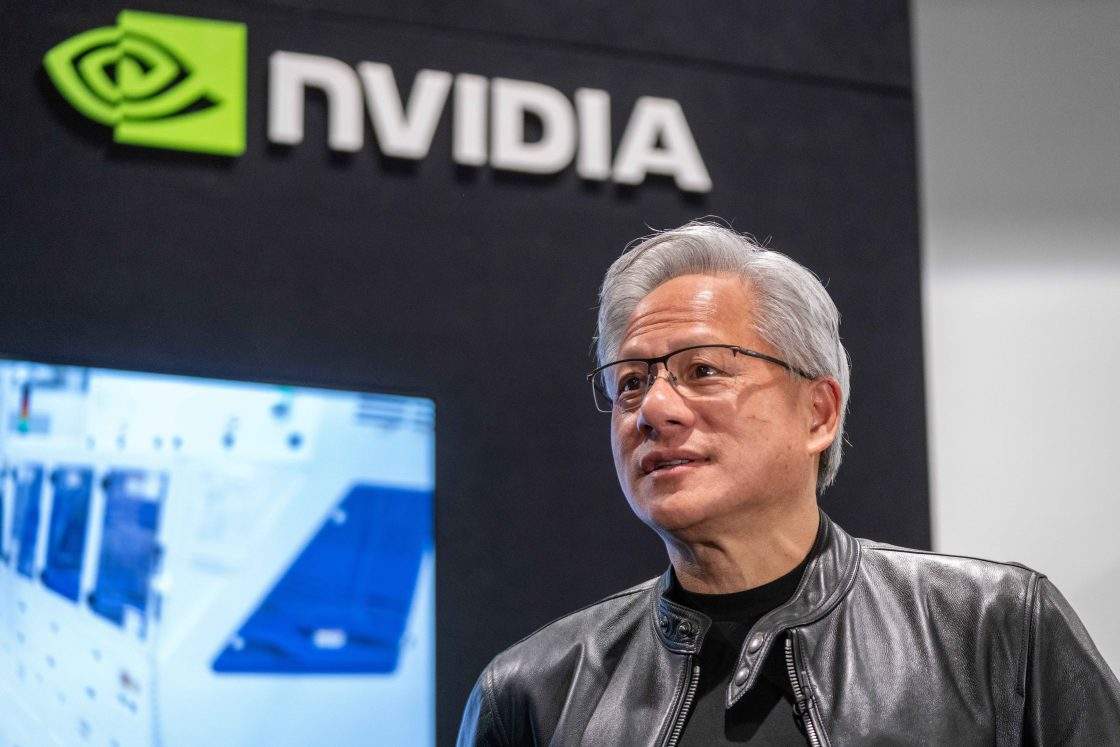
What happened: In an interview with CNBC, Nvidia CEO Jensen Huang said AI model distillation should be treated as competition rather than theft, putting him at odds with US officials over the practice.
Why it matters: Huang said developers are entitled to test competing products, comparing distillation with competitors taking Nvidia chips apart to understand how they work. “That’s called competition,” he apparently said. He further argued the burden is on providers to control access, stating: “if you don’t like people to use your products… disable the service.”
The comments come after US officials accused Chinese AI players of conducting industrial-scale distillation campaigns against US models. Anthropic separately alleged that Chinese companies including Alibaba and DeepSeek used large numbers of accounts and proxy networks to extract capabilities from Claude.
Otis Yi, programme director at digital entertainment platform GashPoint, said “the dispute centres on how those outputs are obtained and whether the model owner has authorised their use”, adding industrial-scale extraction can raise “separate questions about contracts, intellectual property and enforcement”. Mark Seery, founder of consulting and technology advisory firm Bohcay, argued: “Competition matters. So does authorisation.” He noted “the customer does not own the underlying infrastructure”, adding when they exceed agreed rights, “that is not simply “testing a product”; it may be a contractual violation with legal consequences”.
Poste Italiane secures 85% stake in Telecom Italia
What happened: Poste Italiane secured an 85.8% stake in Telecom Italia (TIM) after completing the second and final phase of its public tender offer.
Why it matters: The postal group acquired an additional 65.7% of TIM, building on the 20% stake it acquired last year when it replaced Vivendi as the operator’s largest shareholder. The tender offer, launched in July, valued the transaction at around €13 billion and offered shareholders €1.67 in cash per share.
In March, the company had outlined plans to take TIM private. However, Reuters reported the result leaves Poste well short of the 90% threshold needed to take it private, leaving it to consider other options.
The operator’s board has since acknowledged Poste’s exercise of “direction and coordination” over TIM and its subsidiaries, and approved new rules covering operational governance and information flows between the companies. Alessandro Marchesini, a TIM board member, described the transaction as the closing of an “important financial chapter”, adding, “now the industrial one begins”. He said the focus would shift to “turning the opportunities created by this transaction into projects, collaboration and long-term value”.
The post The Friday File: High risk vendors; Nvidia; TIM appeared first on Mobile World Live.