Login

What the new De Gaulle film leaves out on how WWII ended for eastern Europe
The new biopic about the wartime leadership of general Charles de Gaulle is a must-watch. The two-part epic depicts the transformation of France’s fortunes from defeat and collaboration to victory and sovereignty, exemplified by de Gaulle.
He arrives in London with nothing but moral authority and self-belief, and — if this is a plot spoiler I apologise — returns home in triumph as his country’s leader and liberator, albeit with a little help from the British, Americans, and others.
The film, a box-office record-breaker in France, has many virtues, chiefly the impeccable acting of Simon Abkarian in the title role, and Simon Russell Beale as Churchill (speaking admirably understandable, if accented, French). But other aspects of the story hit me the hardest.
One was the all-too-topical depiction of the United States: vital for victory, yet misguided, sometimes even perfidious. In the cartoonish, goodies-and-baddies version of wartime history, few remember that US president Franklin Roosevelt did not back de Gaulle and his “Free French”.
Following the fall of France in 1940, the administration in Washington established full diplomatic relations with the collaborationist Vichy regime, regarding de Gaulle as an authoritarian pretender, and moreover militarily insignificant. Later, with the Nazis in retreat, the US planned to divide up post-war France and administer most of it as a colony: the place was too important to be run by the French.
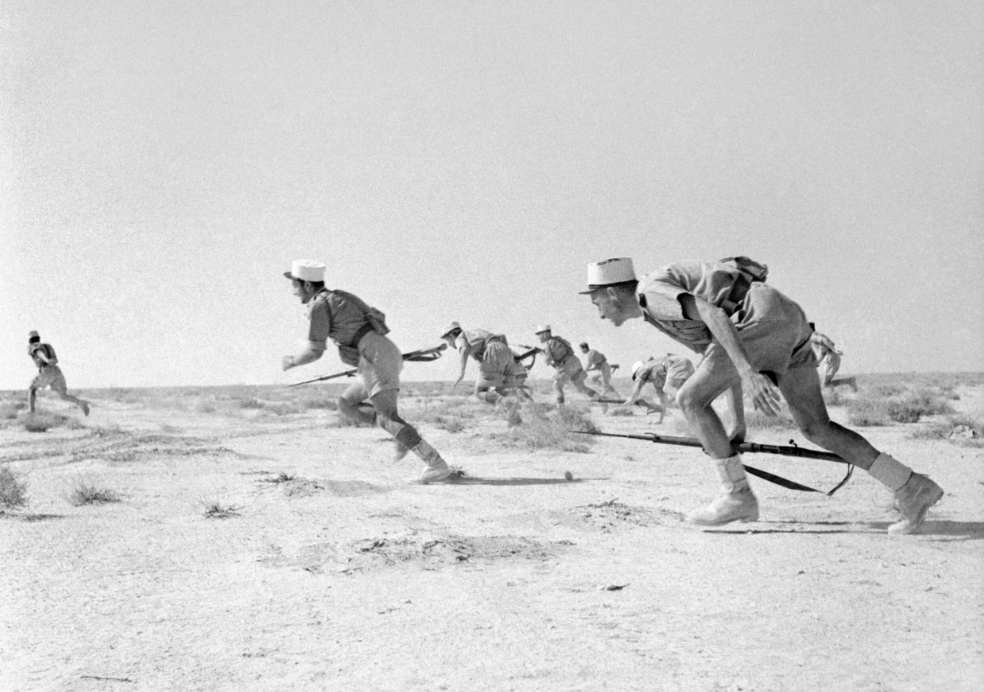
The film simplifies the more complicated real-life story (de Gaulle made mistakes too), but it depicts the outlines vividly and accurately: a much-needed revision. It also touches on the shameful treatment, at US insistence, of French African soldiers. Their presence offended entrenched principles of racial segregation. These warriors were banned from the Paris liberation parade, also at American behest, for fear of tainting the newsreel pictures. This episode is not shown in the film.
Other untold stories lie further east, with equally poignant echoes today. I watched the film with a Czech friend: its thrilling, joyous denouement, with the uprising in Paris, and the arrival of the longed-for liberators, contrasts painfully with the events in her capital city in May 1945. There was an uprising in Prague too, but the Americans (only 80km away) let the Soviets march in. Warsaw, destroyed in the 1944 uprising, fared even worse.
Further off-stage are the tragic, heroic events in Tallinn in that year, when Otto Tief’s government briefly tried to restore Estonia’s independence as the Germans fled. Like the Latvian Central Council under Pauls Kalniņš, it was savagely ended by Soviet occupation.
This article continues, but the full version is available only to EUobserver.com subscribers. Visit account.euobserver.com/membership