❌

Reading view

Listen: Are EU countries allowed to bring back border controls whenever they want?

Production: By Europod, in co-production with Sphera Network.

EUobserver is proud to have an editorial partnership with Europod to co-publish the podcast series “Briefed” hosted by Léa Marchal. The podcast is available on all major platforms.

Find the full transcript below: 

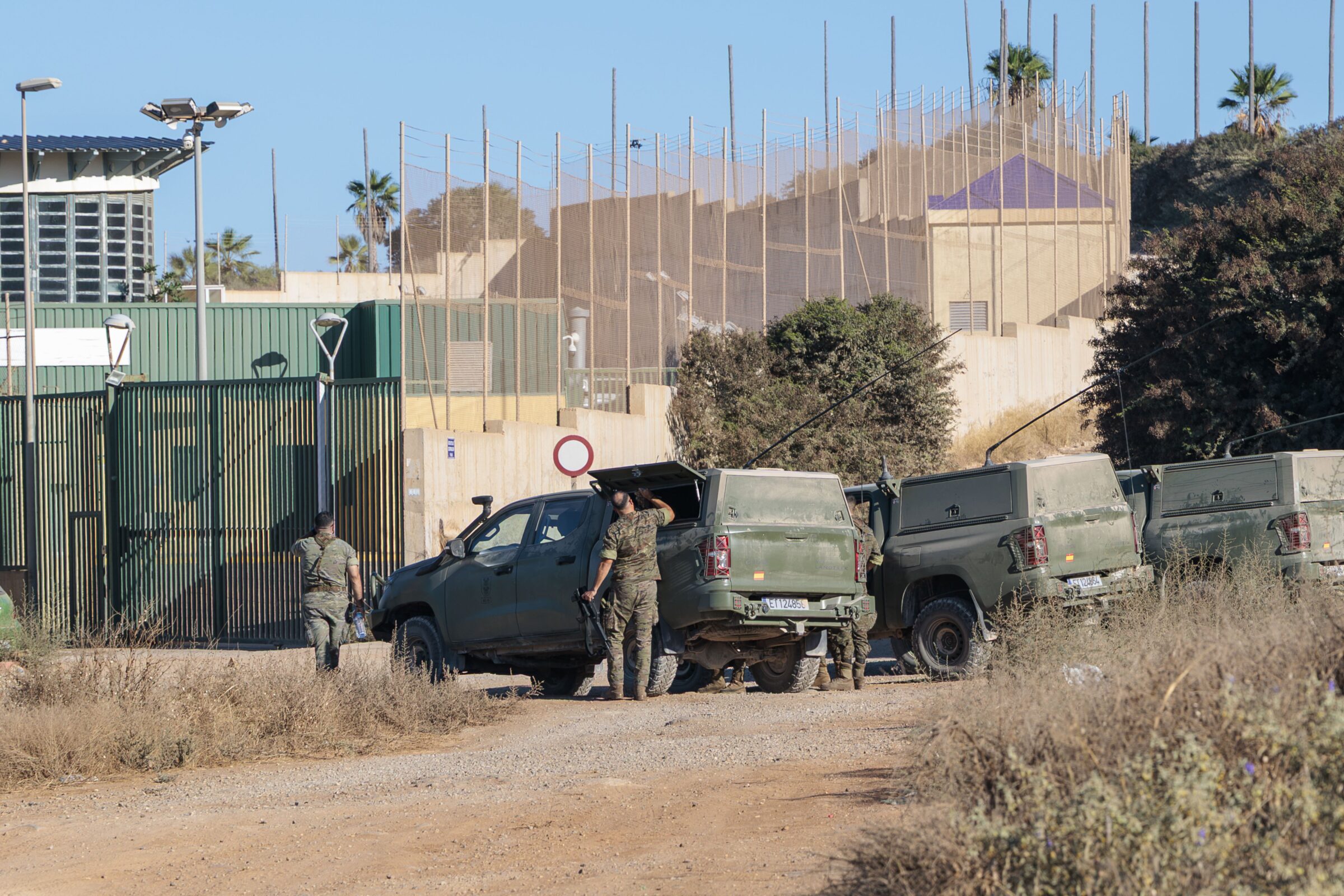
Italy brought back border controls with Spain in August, and has now extended them until at least 15 October. Giorgia Meloni’s government fears that migrants who arrived in Ceuta, reach the continent and Italy.

Are these restrictions legal in the Schengen area? What are the EU’s levies to avoid such controls?

Since 1 August, Italy has temporarily reintroduced controls at its air and sea borders with Spain. The measure has now been extended until 15 October. In return, Spain has also introduced controls at its air and sea borders with Italy.

“This is not against Spain” the Italian foreign affairs minister Antonio Tajani said, adding “we have a duty to protect our borders.”

The starting point was the arrival of tens of thousands of migrants in the Spanish enclave of Ceuta at the end of July. Italy said it was concerned about possible secondary movements towards the rest of Europe, and brought back controls at its borders with Spain.

But from a legal point of view, EU countries can’t simply reintroduce border controls whenever they want.

The Schengen area is based on the principle of free movement, meaning there should normally be no checks at internal borders. The Schengen Borders Code provides an exception. If a country faces a serious threat to public policy or internal security, it can temporarily reintroduce border controls, as a measure of last resort.

The controls can initially be introduced for up to 30 days, and can then be extended under certain conditions.

Italy has already extended its measure, which has now been in place for more than two months.

What does the European Commission say about Italy’s decision? The Commission has been asked about the Italian controls and says it is currently assessing the situation.

But the Brussels-based organisation The Good Lobby argues that Italy is violating the Schengen rules. It filed a complaint with the European Commission, asking it to open an infringement procedure against Italy.

According to Alberto Alemanno, who filed the complaint, there is no security threat that would justify bringing back the controls.

His argument is that none of the migrants who arrived in Ceuta were transferred to Italy. And, he says, people travelling between Ceuta and mainland Spain are already subject to identity checks.

So Italy’s justification, he argues, does not meet the conditions set out in the Schengen Borders Code.

Now, is Italy the only EU country bringing back border controls? No. If you look at the notifications sent by EU countries to the European Commission, around ten countries have reported temporary controls at some of their internal borders in recent months.

In response to the situation in Ceuta, Italy is the main example.

Austria also notified the Commission of controls in September, citing the situation in Ceuta among several reasons. But those controls concern its land borders with Slovakia, the Czech Republic, Hungary and Slovenia.

So Austria is not checking passengers arriving by air from Spain.

Germany, for example, has invoked the same exception in the Schengen rules to carry out controls at its land borders with all its neighbours.

That does not mean that every border crossing is closed, or that every traveller is systematically checked. It means German authorities can carry out checks at those borders, including spot checks.

Germany’s main justification is continued migratory pressure, alongside other security concerns. And for now, the Commission is kind of letting all of this happen. It did raise concerns at some point: in June, the Commission published an assessment of temporary border controls in nine EU countries, including Germany, Austria and Italy.

It did not formally declare these countries’ controls illegal. Instead, it called on them to work towards lifting the controls, arguing that the EU has put in place measures to address some of the risks being invoked to justify them.

Those measures include the new Migration and Asylum Pact and new rules on entry and border management. The bigger question, then, is how long temporary border controls can remain in place before they stop being an exception to Schengen and become the new normal.
  •  

Listen: How does Trump’s AI pact compare with the EU?

Production: By Europod, in co-production with Sphera Network.

EUobserver is proud to have an editorial partnership with Europod to co-publish the podcast series “Briefed” hosted by Léa Marchal. The podcast is available on all major platforms.

Find the full transcript below: 


Donald Trump is betting on voluntary commitments from AI companies. On Tuesday (29 September), he unveiled a self-regulatory agreement drawn up with some of the biggest names in the AI industry.

What does it mean, and how does it differ from the EU’s Code of Practice for general-purpose AI?

On Tuesday, September 29, Trump brought together the CEOs of some of the biggest AI companies. Together, they signed what could be described as a self-regulation pact: a short list of non-binding commitments called the White House Accord on Super Intelligence.

That’s the other novelty: Trump no longer wants to talk about artificial intelligence, but about “super intelligence”. The term AI apparently has negative connotations.

So, what exactly have these companies committed to? The CEOs of OpenAI, Anthropic, Google, Meta, SpaceX and Nvidia have pledged to put safeguards in place, quickly detect and fix problems, and have their systems checked by independent auditors.

The principle of voluntary commitments may sound familiar to Europeans: They echo the EU’s Code of Practice for general-purpose AI — which, like the White House agreement, is not legally binding.

So what’s the difference? First of all, OpenAI, Anthropic and Google have also signed the EU code, while Meta, SpaceX and Nvidia have not.

And, more importantly, the EU does have binding rules in place: the AI Act, which is already in force. As part of this regulation, the European Commission developed the Code of Practice to help companies comply with the rules.

You could think of it as a checklist for AI companies, to help them make sure they are complying with the law.

Another difference is the sheer volume of recommendations. The document published by Trump is just one page long. The European Code of Practice runs to more than 60 pages and was prepared with the help of dozens of independent experts.

It is also more comprehensive, covering not only safety, but also transparency and copyright. But this raises another question: if both documents are voluntary,  how effective can they actually be?

When the European Code of Practice was published, some civil society organisations criticised it, arguing that voluntary commitments are not enough and that concrete obligations are needed.

There are binding obligations under the AI Act. But they are not as precise as what is in the code of conduct.

Similar criticisms have emerged since the White House agreement was published on Tuesday. And it is worse in the US case, since companies are absolutely not legally bound by the commitments they have made.

The United States has generally been less inclined towards binding regulation of the sector. Trump has argued that rules can hinder the development of companies, and has promoted a national framework that is as minimally restrictive as possible.

The White House document does leave the door open to legislation in the future. It says that, over time, it may make sense to codify these steps into lows or regulations.

But for now, they remain voluntary commitments. If you are interested in this topic, there will be a live event on Tuesday next week about AI and its safeguards, organised by VoxEurope.

 It will be online and you can find all information on Vox Europe website. 

  •  

Listen: Did the Spanish government address the protesters’ demands on housing?

Production: By Europod, in co-production with Sphera Network.

EUobserver is proud to have an editorial partnership with Europod to co-publish the podcast series “Briefed” hosted by Léa Marchal. The podcast is available on all major platforms.

Find the full transcript below:

Hundreds of people were still camping yesterday at Puerta del Sol in Madrid. They were demanding action on housing, as rents and property prices continue to rise.

Following an outcry triggered by the eviction of an 83-year-old woman from her home, and the mobilization of thousands of people across Spain, the government adopted two housing decrees.

Did they take the protesters’ demands into account?

MariCarmen Abascal had lived in her apartment since the 1950s, having inherited the lease from her parents. But the property was bought by an investment fund, which then challenged the validity of her lease and quadrupled her rent.

Last week, MariCarmen was evicted from her home. The eviction sparked widespread outrage and led hundreds of protesters to camp in central Madrid, calling for action.

Yesterday, she was finally allowed to return home after reaching an agreement with the owners.

Aside from MariCarmen’s case, the demonstrations are largely driven by young people who are fed up with rising rents and property prices, especially in major cities such as Madrid and Barcelona.

In Madrid, property prices have risen by around 87 percent over the past ten years. That’s less than in Portugal or the Netherlands, where prices have increased even more. But it’s still a significant rise, especially as wages have grown much more slowly over the same period.

Rents are taking up a huge share of people’s incomes. In Madrid, they account for almost half of tenants’ net income on average. So, how did the Spanish government respond?

Yesterday, it adopted two housing decree-laws. The first decree would suspend evictions until 2030 and automatically extend existing rental contracts by two years.

It would also introduce tighter rules on seasonal rentals and prevent speculative investment funds from acquiring housing until 2028.

The second decree is more ambitious. It would allow tenants to extend their future rental contracts indefinitely. This is what the tenants’ union has been calling for.

Landlords would no longer be able to end a lease simply because it had reached its expiry date. Tenants who pay their rent and respect their legal obligations could remain in their homes for as long as they wish.

This would also limit rent increases, since rents can only be raised moderately during an existing contract.

So, the government has taken the protesters’ demands into account. But there is still a major obstacle: as our Spanish partner El Salto reports, the tenants’ union fears that this second measure may not pass through Parliament.

That could explain why the government adopted two separate decrees. The first is considered easier to get through Parliament.

Now, what about the EU’s proposals to tackle rising rents? We discussed them earlier this month.

One of the main proposals concerns short-term rentals. The idea is to introduce restrictions, particularly in tourist areas where housing is under strong pressure. By bringing more homes back onto the long-term rental market, the Commission hopes to ease pressure on prices.

But these proposals have not yet been adopted, so we’ll have to wait and see what impact they have. And in any case, more will need to be done at national level.

Even if prices stop rising, they are already so high that many workers can no longer afford to live in major cities.

More social housing is needed, as well as more renovation. Increasing the supply of decent, affordable homes could help ease pressure on rents and property prices.

  •  

Listen: Can EU countries agree on the next long-term budget?

Production: By Europod, in co-production with Sphera Network.

EUobserver is proud to have an editorial partnership with Europod to co-publish the podcast series “Briefed” hosted by Léa Marchal. The podcast is available on all major platforms.

Find the full transcript below:

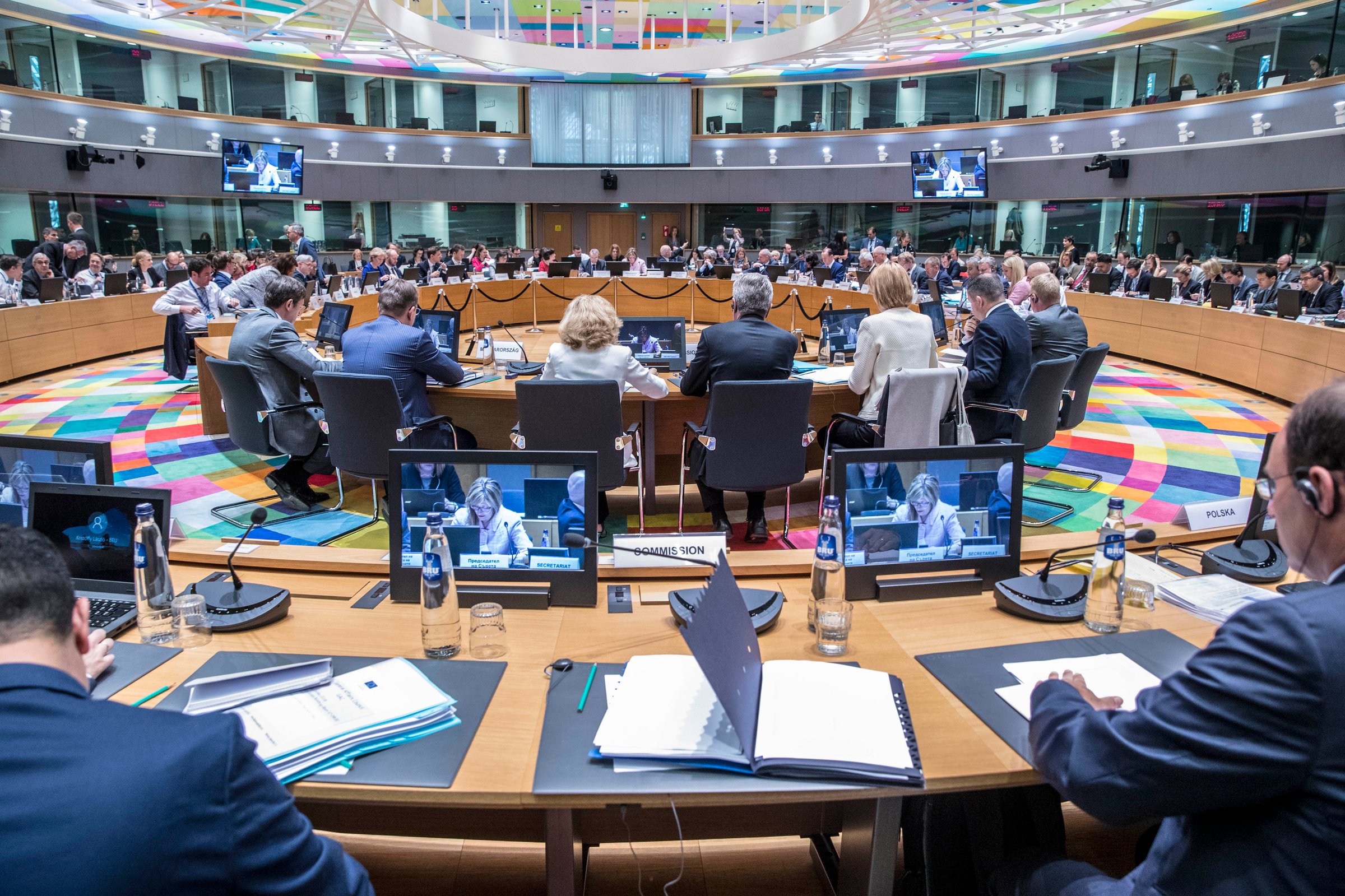
The EU is negotiating its next long-term budget, worth 2 trillion euros. But reaching an agreement among the 27 member states is proving difficult. The deadline is approaching, and the stakes are high.

Will the EU member states be able to agree on the budget? And what are the different options?

The bloc’s next long-term budget covers the period from 2028 to 2032.

The aim is to reach an agreement by the end of this year. Then, in 2027, the European Parliament will have to give its consent, and the political agreement will need to be translated into legislation, with funding allocated to the different programmes.

But with just three months left before the end of the year, reaching a deal on time is proving difficult. A meeting of EU ministers dedicated to the budget last week led nowhere. Countries stuck to their positions.

On one side are the so-called frugals: Germany, Austria, Denmark, Finland, the Netherlands and Sweden. But they prefer to call themselves “modernisers”. They want to limit spending and are reluctant to increase their contributions to the EU budget.

On the other side are countries worried about receiving less European funding in the years to come.

The European Commission argues that the next budget needs to be bigger than the previous one to address new challenges, including European competitiveness and defence.

And it’s not just the Commission’s view. The European Parliament and many observers share it.

But the countries calling for spending cuts say the EU cannot simply add new priorities to existing ones. They argue that choices have to be made.

So the Commission has proposed another option: increasing the EU’s own resources.

These are revenues that go directly into the European budget, rather than relying entirely on contributions from member states. The idea is to raise additional money without asking national governments to pay more.

But this proposal is also facing opposition from countries calling for spending restraint. They argue that the bloc should not simply look for more money to fund all its priorities.

So how can the 27 countries break the deadlock?

When ministers cannot reach an agreement, the issue is taken up by EU leaders themselves. And that is exactly what is expected to happen in the coming months.

The president of the European Council is planning several meetings of EU leaders before the end of the year, in an attempt to bring countries closer together.

He is even said to be considering a summit lasting three to four days at the end of November, to give leaders enough time to reach an agreement and avoid a difficult December.

But what happens if the 27 countries still fail to agree before the end of the year? There is some room for manoeuvre in 2027. According to media reports, several dates have already been set aside early next year for last-minute negotiations, should an agreement not be reached in time.

But this leaves very little room for delay.

The European Parliament will still need several months to give its consent, and the EU will then have to finalise the legislation and prepare the different programmes.

That brings us very close to 2028, when the new budget is supposed to take effect.

And if everything is not ready by then, the EU does have a mechanism to keep things running.

It can continue covering certain ongoing expenses and payments that have already been committed, even without a new long-term budget in place.

Unlike in the United States, where a budget deadlock can lead to a government shutdown and some public employees being temporarily sent home without pay, the EU has a system designed to avoid such a complete halt.

But this would only be a temporary solution.

It would not provide the certainty needed to launch new programmes or guarantee that all European funding will be available as planned.

  •  

Listen: How are Europeans contributing to the reconstruction of Gaza?

Production: By Europod, in co-production with Sphera Network.

EUobserver is proud to have an editorial partnership with Europod to co-publish the podcast series “Briefed” hosted by Léa Marchal. The podcast is available on all major platforms.

Find the full transcript below:

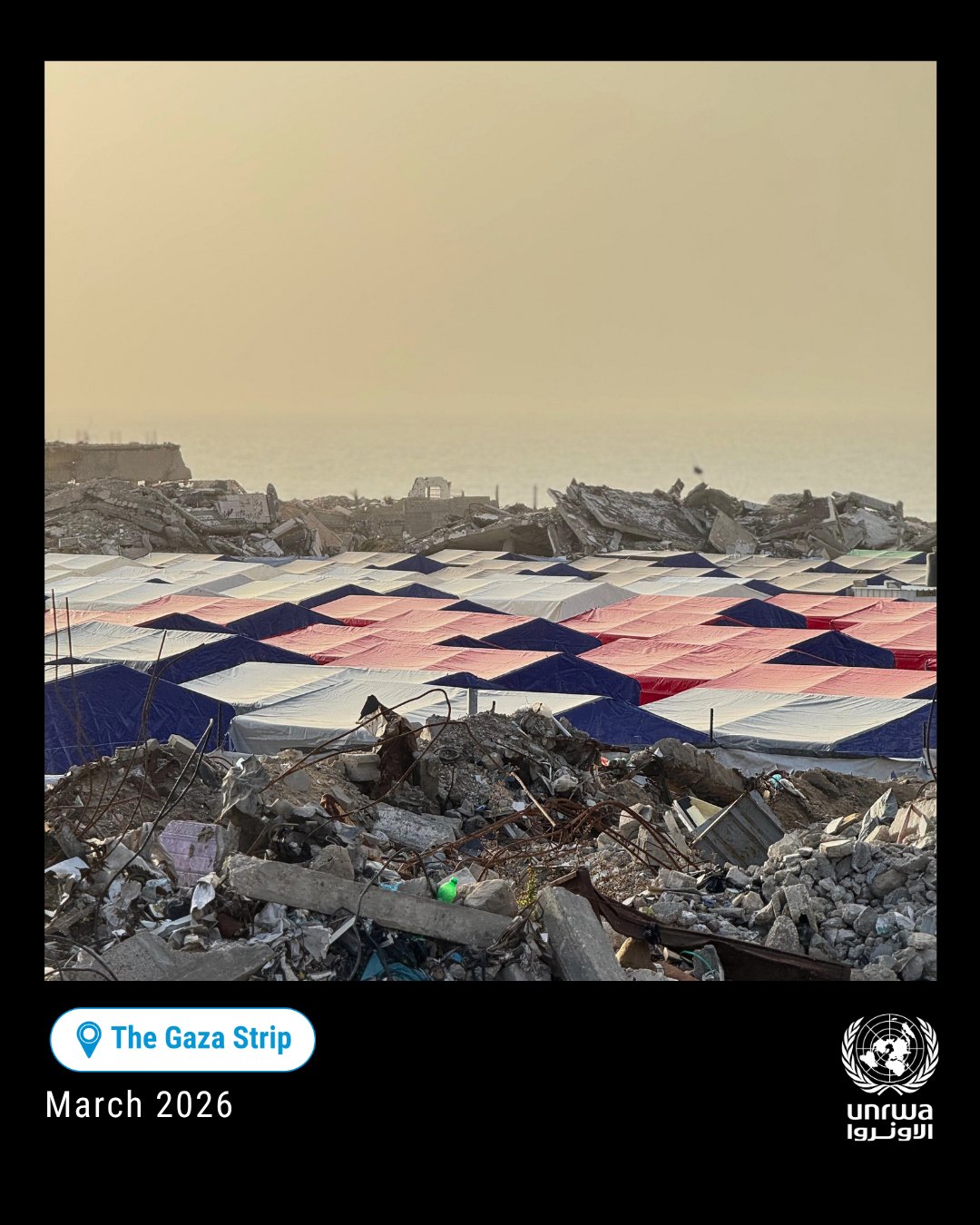
Rebuilding Gaza will require tens of billions of dollars. European countries have just approved new funding for water and waste management. But with the ceasefire still fragile, can reconstruction really get underway?

The EU has just approved two projects aimed at helping rebuild Gaza. Together, they provide €43m in support for the Palestinian Authority, mainly for water and waste management.

The funding is intended to improve access to drinking water for around one million people in Gaza, restore waste collection and launch pilot recycling programmes.

This comes on top of a much larger €883.6m package announced by the EU in July for Gaza. This is totally independent from the board of peace initiated by Donald Trump.

The European Commission has brought together donors from EU member states, as well as countries such as Norway and Switzerland. The European Investment Bank and the European Bank for Reconstruction and Development are also involved.

That is the purpose of the donor conferences regularly organised by the Commission. And this format has sometimes been seen as an alternative to the reconstruction efforts led by Trump’s Board of peace.

As far as the Board of peace is concerned, it also made new announcements last week, on the sidelines of the United Nations General Assembly.

It announced a $2.45bn plan to support reconstruction over six months. Is that significant compared with Gaza’s needs? And do the two funding plans complement each other?

The short answer is: the funding is still far from enough. The needs for rebuilding Gaza are estimated at least $71bn.

The economy has also collapsed, with very little economic activity currently possible in Gaza and unemployment affecting almost the entire population.

But the different funding plans can complement each other.

The Board of Peace six-month plan is divided into dozens of areas of spending. One of the largest is the construction of permanent shelters to replace the tents where many people are currently living.

The plan also includes clearing rubble, rebuilding homes and restoring public transport, among other things.

But reconstruction also depends on security. Is the ceasefire holding, and is Israel committed to allowing aid and reconstruction to move forward? That’s one of the major questions.

European commissioner Dubravka Šuica stressed this point at the UN last week, saying that European assistance relies on clear commitments from Israel to facilitate the implementation of these projects.

Israel has reopened one crossing for international aid, but according to several international reports, it is still restricting the distribution of humanitarian assistance inside Gaza.

And although a ceasefire has been agreed, Israeli military operations targeting Hamas have continued, with civilians among those killed.

According to Gaza’s Health Ministry, 22 Palestinians were killed and 209 injured between 9 and 16 September alone.

Another 21 people were killed on 16 September when a residential building, already damaged during the war, collapsed.

Overall, more than 1,300 people have reportedly been killed in Gaza since the ceasefire began, according to Gaza health authorities.

What’s more, the National Committee for the Administration of Gaza, which is supposed to govern the territory under the peace agreement is still based in Cairo. Israel has not authorised all of its members to enter Gaza.

And the committee says the conditions for carrying out its mandate are not yet in place.

That is another obstacle to reconstruction getting fully underway.

There is one more source of uncertainty: possible Palestinian elections in November. Those elections could also be postponed.

So while funding for reconstruction is beginning to take shape, there are still major questions over security, governance and political stability.

  •  
❌