
❌

Reading view

Why ‘Made in Europe’ could push Burnham’s UK back into the EU’s arms

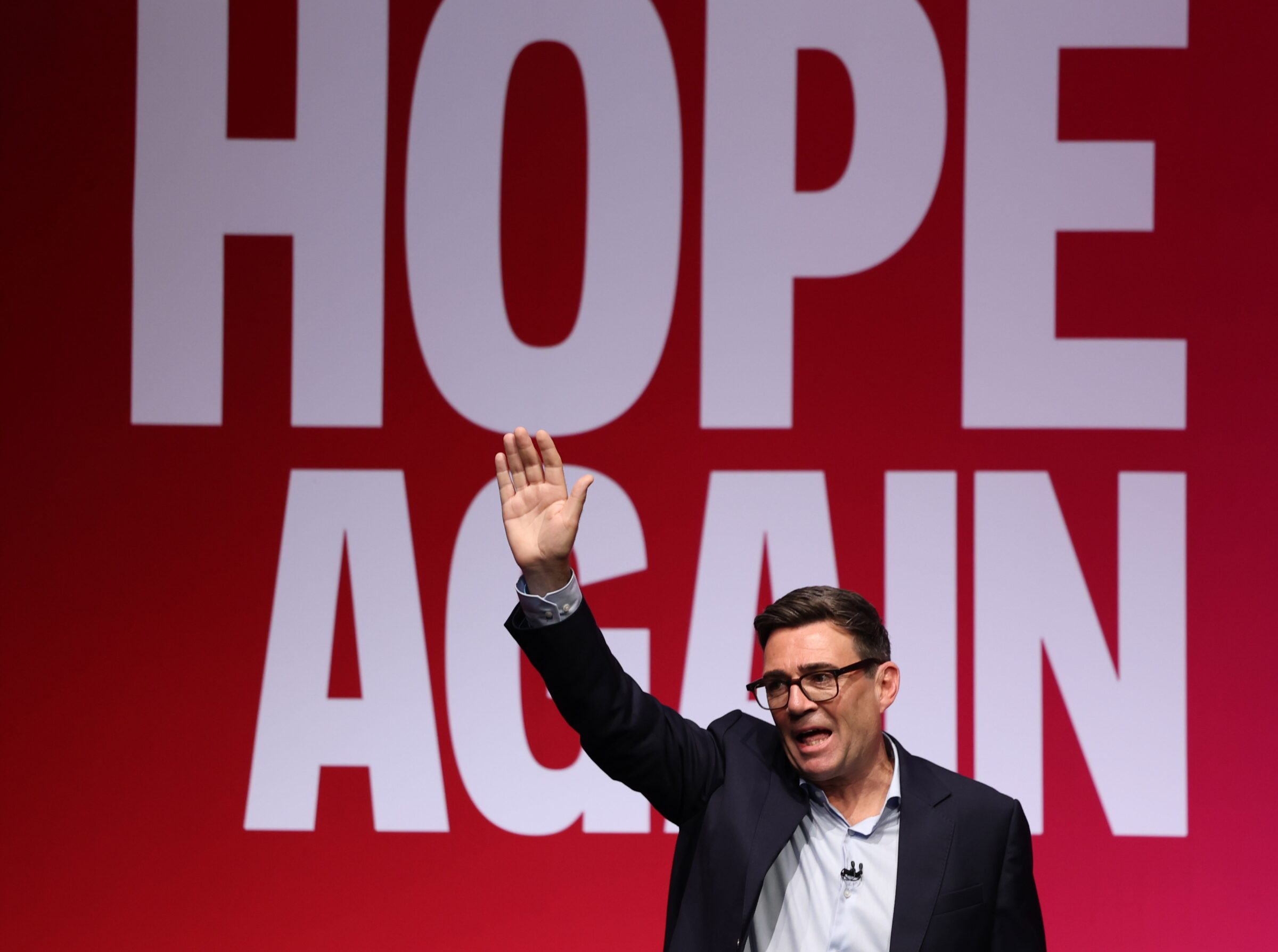
Having said several months ago that he had no intention of a ‘rerun’ of the Brexit debate, UK prime minister Andy Burnham told Labour delegates at the party’s annual conference in Liverpool last week that nothing should be off the table as far as EU-UK relations are concerned. 

Brexit had “done more harm than good”, he said, adding that “we will not give Britain the clear path we need into the rest of the century until we decide on a long-term relationship with what is still our largest market.” 

In fact, Britain could “go all the way” back into the EU, said Burnham.  

The new prime minister is still enjoying something of a honeymoon period. His Labour party now tops the opinion polls, albeit by less than 30 percent, and his early policy announcements on nationalising utilities and pension reform are the most radical in a generation. 

Even so, Burnham’s remarks were a surprise that left pro-European columnists positively giddy with optimism over the weekend. 

In truth, rejoining the EU – if it happens – would probably take a decade. 

Burnham didn’t offer any timetable or any other specifics, and has said that no moves towards EU membership would be taken before the next UK election due in 2029. And talk of rejoining the EU is not purely borne out of pro-European enthusiasm. 

This article continues, but the full version is available only to EUobserver.com subscribers. Visit account.euobserver.com/membership
  •  

Italy’s Ustica enigma: Can French files solve mystery crash blamed on stray missile?

France’s decision to share defence documents with the Italian judiciary has raised hopes of a breakthrough in investigations into the 1980 crash of a passenger jet near the island of Ustica, which a former Italian president claimed was mistakenly shot down by a French fighter jet. Sceptics caution that the files are unlikely to shed light on one of Italy’s most enduring mysteries, let alone reveal a culprit.

  •  

From the Netherlands to Sierra Leone: EU aid, a president’s daughter and Europe’s most‑wanted cocaine boss

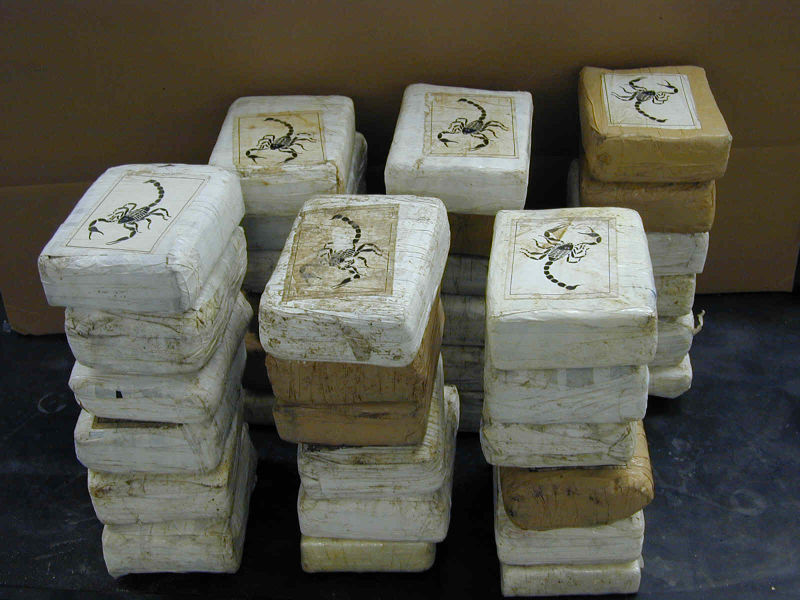
The EU has played down claims by the Dutch government that the bloc’s decision to suspend aid support for Sierra Leone was because the west African country refused to extradite one of the world’s most-wanted drug traffickers to face trial in the Netherlands. 

Speaking on Thursday, (1 October) after a meeting of EU justice ministers in Luxembourg, migration commissioner Magnus Brunner told reporters that the decision to suspend support was made for “technical reasons” — but without giving more detail.  

Sierra Leone was allocated €352m in EU funding between 2021 and 2027, under the bloc’s seven-year budget framework. The country was set to receive €18m from the EU this year. 

But Dutch justice minister David Van Weel insists that the suspension of funds is the result of months of pressure from the Dutch government to persuade president Julius Maada Bio’s government to hand over convicted Dutch drug trafficker Jos Leijdekkers.  

This article continues, but the full version is available only to EUobserver.com subscribers. Visit account.euobserver.com/membership
  •  

From Yemen to Ethiopia and Europe: Everything is connected

The sudden escalation in fighting between Ethiopian federal forces and Tigrayan rebels in the Afar region, raising fears of a new civil war, is part of a wider potential cascade effect from Yemen that could hurt Europe. 

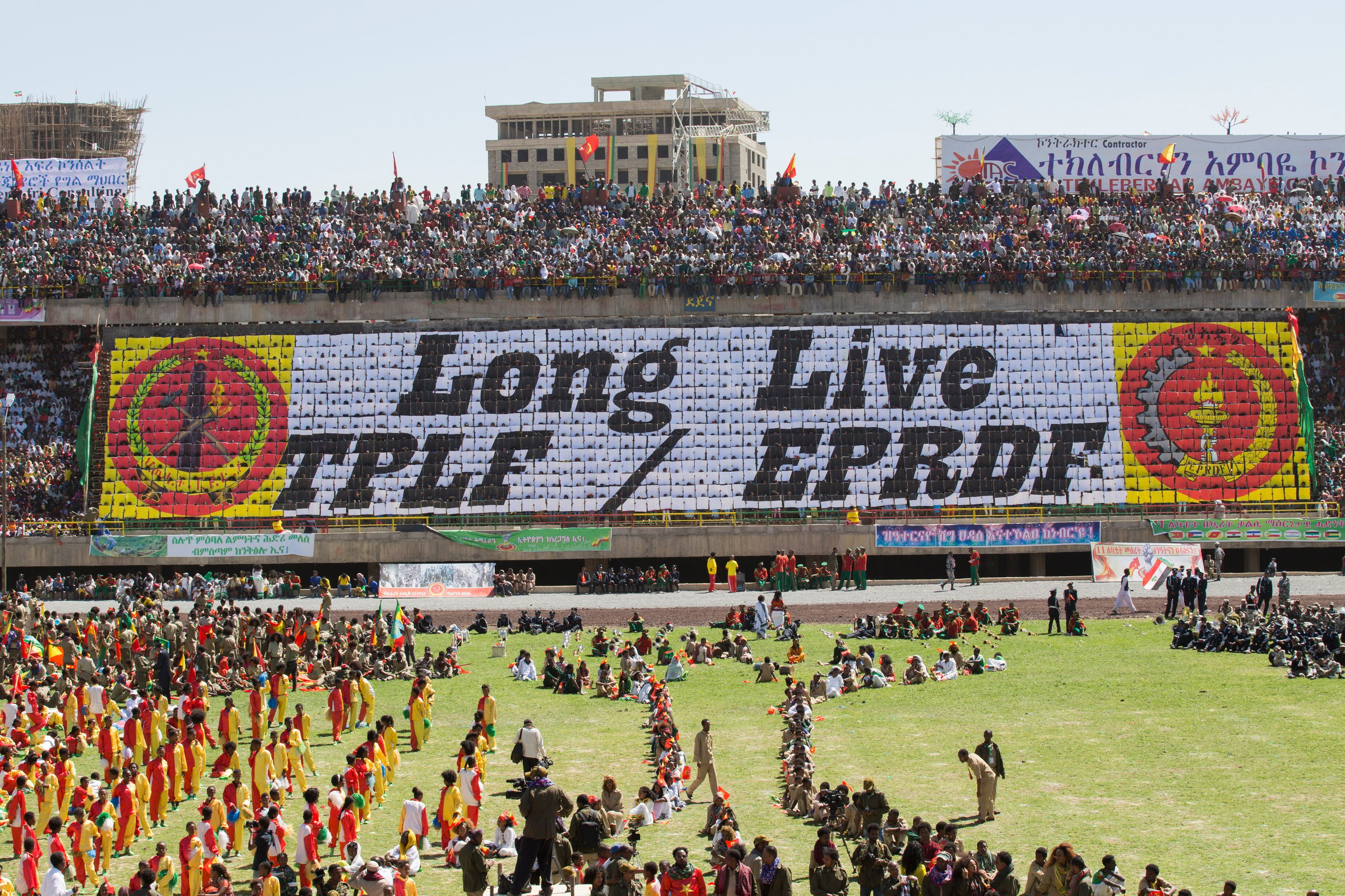
After months of low-level skirmishes, Ethiopian officials have accused the Tigrayan People’s Liberation Front of launching an all-out offensive against federal government positions in northern Ethiopia. 

So what does that mean for Europe and the EU? More than you might think. 

Ethiopia’s economy is particularly vulnerable following the capture of Yemen’s entire Red Sea coastline by the Houthi rebel group, who now control the Bab el-Mandeb Strait. 

Some 97 percent of Ethiopia’s trade is via Djibouti’s port. There is now a real prospect of a series of regional chain reactions and the prospect of civil war in northern Ethiopia is one of them. 

This doesn’t directly impact on the EU’s interests, but it could soon enough.  

Ethiopia is not alone in facing major new threats posed by the Houthis’ advances.  

Egypt, a vital ally for the EU on migration control, faces its own economic crunch as it relies on Suez Canal tolls as a main source of foreign currency. That could lead to more financial demands being made of Brussels 

For their part, Djibouti and Somalia face major security concerns. Djibouti hosts military bases for a handful of EU countries, as well as the EU itself, and the United States, China, and others.  

Somalia, meanwhile, has a longstanding African Union (AU)-led security mission aimed at combatting the Al-Shabaab terror group to which the EU is the biggest single donor.

And the AU mission is particularly reliant on the EU after the Trump administration pulled the plug on US financial support earlier this year. The Houthis already supply at least $100m (€88m) in arms to Al-Shabaab, a smuggling operation now made easier by its coastal advances. 

For the moment, the EU is offering only modest additional support. Last week, EU governments agreed to double financial support for the Djibouti Armed Forces to €20m under the European Peace Facility. 

This article continues, but the full version is available only to EUobserver.com subscribers. Visit account.euobserver.com/membership
  •  

The Urgency of Recognizing the Ansar Allah Government in Yemen

The Trump administration came perilously close to launching another bombing campaign against Yemen this weekend. According to a September 20 New York Times report, US commanders had approved their targets, American troops were loading bombs onto warplanes, and an attack on Yemen’s Ansar Allah forces was about to begin when President Trump abruptly reversed course. […]
  •  

Paper Tiger: The Failure of America’s Trillion-Dollar War Machine

According to the Stockholm International Peace Research Institute (SIPRI), the United States spent $21 trillion on its military between 2001 and 2024 (in constant 2024 dollars), equal to the combined military spending of the next eighteen countries. Iran barely made that list at all, spending only 2% of what the US did, and SIPRI estimated […]
  •  
❌