Login

Is Bill Gates’ Lab Grown Meat Already On Store Shelves?
from The Alex Jones Show Live: TRUTH LIVES on at https://sgtreport.tv/

by Alliance for Natural Health
Excerpts:
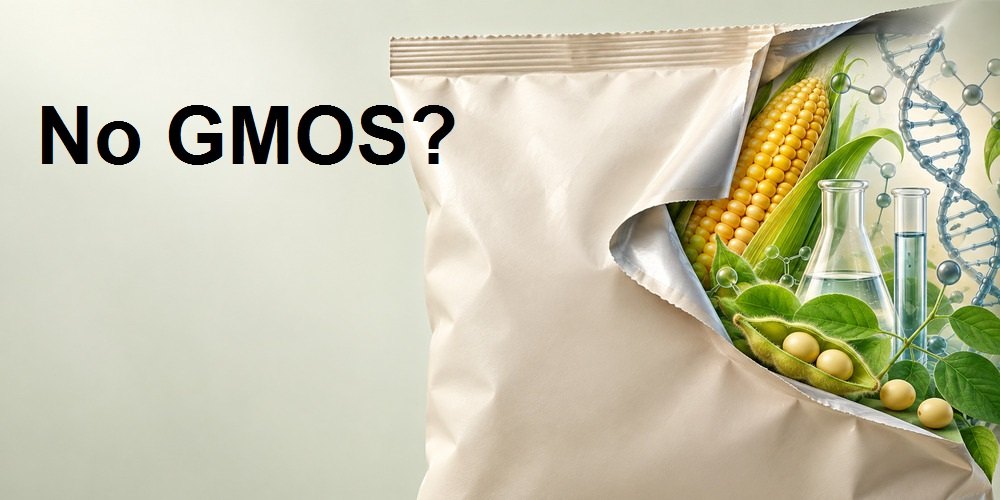
A food package carries no bioengineered disclosure. Does that mean no genetic engineering went into the food?
No. USDA’s bioengineered food disclosure standard leaves entire categories of genetically engineered foods and ingredients outside mandatory disclosure.
Easing restrictions on natural substances with credible histories of safe use makes sense. Yet natural products face persistent calls for tighter regulation, alongside efforts to suppress truthful information about their benefits.
Meanwhile, novel technologies that fundamentally alter our food are riding a wave of deregulation—even as their implications demand rigorous scrutiny and full transparency.
These priorities are backwards.
Under the current rule, foods generally require disclosure when: 1) they contain genetic material modified through laboratory recombinant-DNA techniques, 2) the modification could not otherwise arise through conventional breeding or nature, and 3) the modified material is detectable.
There are a host of exclusions:
Consider a hypothetical bag of corn chips containing 80% cornmeal, 19% refined soybean oil, and 1% salt.
If 5% of the cornmeal is inadvertently mixed-in bioengineered corn, that represents 4% of the chips. Add oil entirely from engineered soybeans that meets non-detectability requirements: another 19% originates from GE crops.
That is 23% of the product’s weight originating from engineered crops, quite legally without a bioengineered disclosure.
This can also allow proteins made using genetically engineered yeast or bacteria (through a process called “precision fermentation”) to avoid disclosure, depending on what remains in the finished ingredient.
A CRISPR-produced food can escape disclosure if its genetic modification could otherwise be achieved through conventional breeding or found in nature.
But who decides if a modification could arise through conventional breeding or nature?
Essentially it is the food company that makes the decision…
Read the full article at Alliance for Natural Health.
Modern history has consistently taught us that we cannot trust our Federal Government in the U.S. to look out for the interests of consumers, and that includes the USDA and the FDA. Both of these agencies serve Wall Street, and derive much of their revenue from the very businesses they are supposed to be regulating in Big Pharma and Big Ag.
For example, the entire corn crop in the U.S. is contaminated, even if that corn is certified organic by USDA organic standards. There may be some exceptions, but we (Healthy Traditions) have never found any corn in the U.S. that has tested clean for GMO DNA, and we have been testing for 12 years now.
The only corn we have tested that has no trace amounts of GMO DNA and no traces of the cancer-causing herbicide glyphosate, has been from traditional farms in Mexico, where planting GMO corn is illegal.
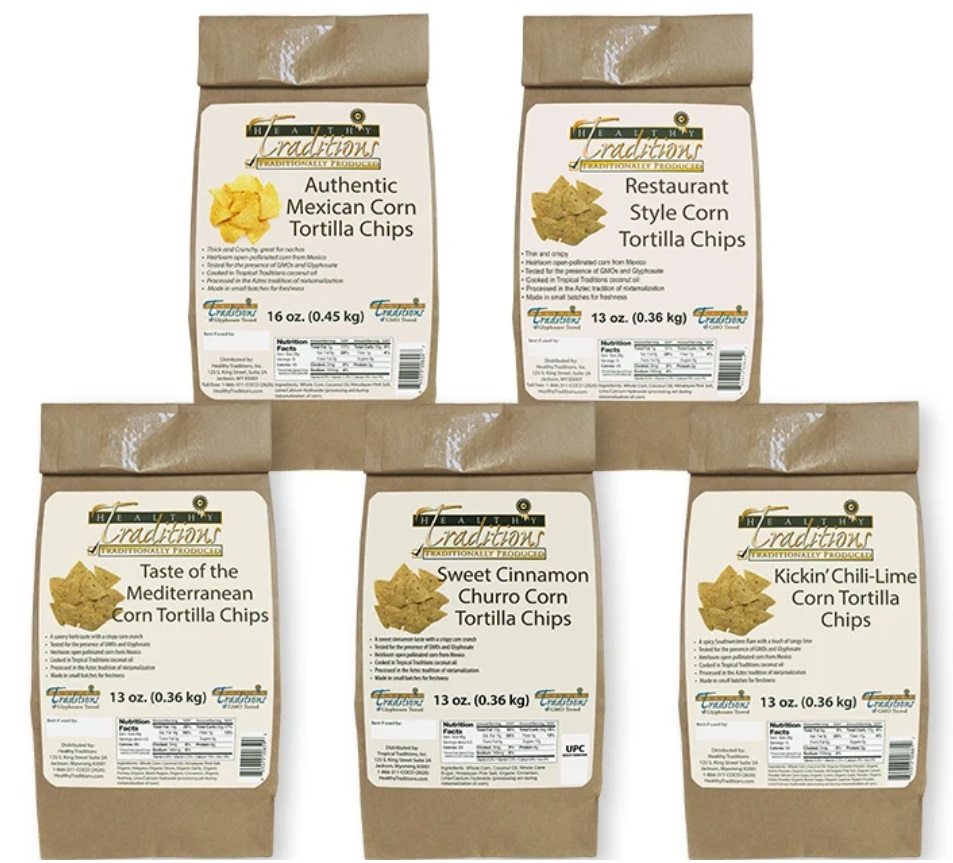
Therefore, we believe we have some of the highest quality tortilla corn chips in the U.S., and we fry them in coconut oil, not toxic polyunsaturated oils derived from GMO crops like corn and soybeans. We also do not package them in plastic, but special bags that are compostable with no dangerous chemicals.
There may not be a finer tortilla corn chip sold in the U.S.!
DISCLAIMER: Brian Shilhavy is the Editor of Health Impact News, and the founder and CEO of Healthy Traditions. Everything published on the Health Impact News network is available to the public free of charge, with a Creative Commons license offered to all who wish to republish Brian’s articles, with attribution, as he earns his income from Healthy Traditions.
Healthy Traditions, originally Tropical Traditions, has served customers in the U.S. for over 24 years.
Related:
This article was written by Human Superior Intelligence (HSI)


See Also:












Having problems receiving our emails? See:

If our website is seized and shut down, find us on Telegram, as well as Bitchute and Odysee for further instructions about where to find us.
If you use the TOR Onion browser, here are the links and corresponding URLs to use in the TOR browser to find us on the Dark Web: Health Impact News, Vaccine Impact, Medical Kidnap, Created4Health, CoconutOil.com.
The post USDA’s No GMO Label Doesn’t Mean No Genetic Engineering first appeared on Health Impact News.
by Brian Shilhavy
Health Impact News
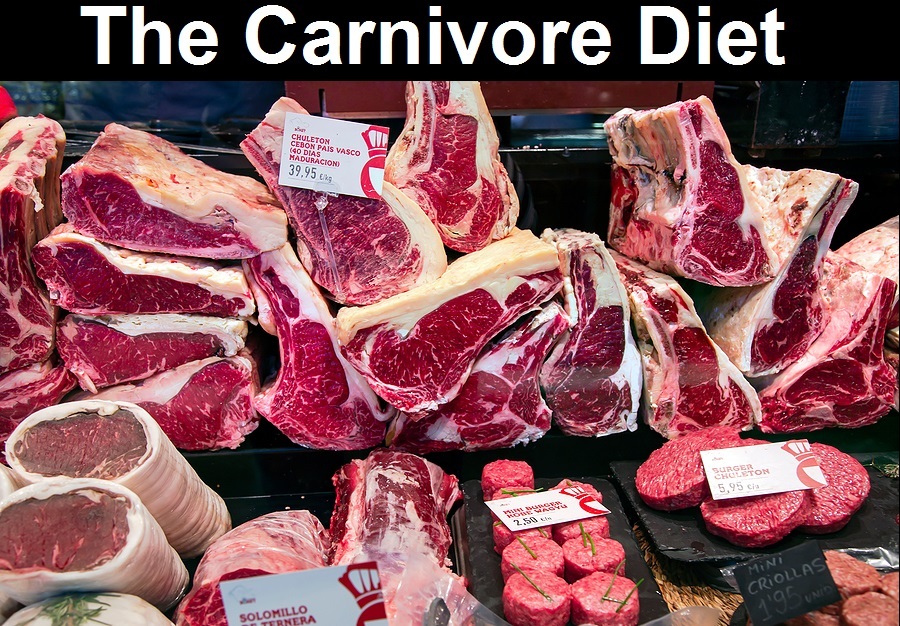
The Carnivore Diet is getting mainstream news coverage these days, in a positive way.
Fox News just published an article on the Carnivore Diet highlighting the story of a man in Florida who claims he went on a Carnivore Diet that healed him of “decades of battling severe psoriasis, pain and depression.”
A 50-year-old Florida man who says he spent decades battling severe psoriasis, pain and depression credits an extreme “lion diet” with saving his life.
Stephen Lashbrook of Pensacola told Fox News Digital that his depression began at just four years old. In his teens, it was compounded by chronic pain and sleeplessness; in his early 20s, he was diagnosed with psoriasis, an immune-mediated skin disease.
“I was probably 90% covered in psoriasis,” Lashbrook said.
“My body was just one big, giant, itchy, flaky scab.”
Creams, steroids and other medications did not help, he said.
Doctors recommended expensive, long-term injections to combat his inflammation, which left Lashbrook feeling hopeless and suicidal.
Then, he came across a TED Talk from Mikhaila Peterson, an influencer and the daughter of Canadian psychologist and author Jordan Peterson, who used a meat-only elimination diet to tackle her own health issues.
“It gave me a whole new lease on life,” he said.
The concepts of the “Carnivore Diet” have been around since the 1930s, when a Dr. Vilhjalmur Stefansson, a Canadian ethnologist who spent more than a decade with the Inuit people in the Arctic, ate a traditional Eskimo diet consisting mostly of only fish and meat.
He was so healthy, it prompted him to study the diet more closely.
We republished an article about Stefansson back in 2013:
The men who ate nothing but meat for an entire year
Excerpts:
Low-carb diets and paleolithic nutrition are all the rage these days, and for good reason. Compared to the Standard American Diet, both of them are superb.
Few of us would dare to take the two to their extreme, however. Giving up sugar and wheat is one thing, but what about giving up everything except meat? Yes, I’m talking about an ultra low-carb diet with even foods like nuts and berries removed. Unsurprisingly and understandably, studies on the long-term effects of such a diet are severely lacking.
There is at least one study that did just this, however. If the diet brings the Eskimos to mind, it’s no coincidence. You may have heard of Dr. Vilhjalmur Stefansson – the Canadian ethnologist who spent more than a decade with the Inuit during his arctic explorations in the beginning of the previous century. For nine of these years, he lived almost exclusively on fish and meat .
At the time, this was considered heresy and life-threatening, just as it is today (note that Stefansson apparently refers to both fish and meat with the word “meat”):
A belief I was destined to find crucial in my Arctic work, making the difference between success and failure, life and death, was the view that man cannot live on meat alone. The few doctors and dietitians who thought you could were considered unorthodox if not charlatans.
The arguments ranged from metaphysics to chemistry: Man was not intended to be carnivorous – you knew that from examining his teeth, his stomach… As mentioned, he would get scurvy if he had no vegetables in meat. The kidneys would be ruined by overwork. There would be protein poisoning and, in general hell to pay.
To the surprise of many (including Stefansson himself), he suffered no health problems during his decade of pure carnivorism. When he told people of his amazing experiences, he was met with skepticism from medical authorities who asked him to undertake a study that would replicate the results.
He and a fellow explorer named Andersen agreed to eat an all-meat diet for an entire year in a closely observed setting.
This time, however, the diet was even more radical than the traditional Eskimo diet, which is based on fish and includes a small amount of berries and vegetables – not a lot, but enough to keep them out of ketosis most of the time. Furthermore, since fish is high in omega-3 fatty acids, you could argue that it’s all those good fats that keep the Eskimos free of disease.
But how could anyone subscribing to conventional health wisdom explain thriving on a diet consisting solely of red meat? No vegetables, no fruit, no vitamin supplements. Nothing. Just meat and animal fat.
The results of this fascinating study were published in 1930 in the Journal of the American Medical Association (link). At the beginning of the experiment, Stefansson was given only lean meat at the request of his supervisors. This was to confirm Stefansson’s bad experiences with low-fat meat; during his explorations, there had been periods during which fat was not readily available and which lead to diarrhea and nausea in a few weeks.
This time, the illness kicked in much earlier:
As said, in the Arctic we had become ill during the second or third fatless week. I now became ill on the second fatless day. The time difference between Bellevue and the Arctic was due no doubt mainly to the existence of a little fat, here and there in our northern caribou – we had eaten the tissue from behind the eyes, we had broken the bones for marrow, and in doing everything we could to get fat we had evidently secured more than we realized. At Bellevue the meat, carefully scrutinized, had been as lean as such muscle tissue can be.
After fat was added back into the diet, a full recovery was made in two days. The authors of the study describe the diet from then on:
The meat used included beef, lamb, veal, pork and chicken. The parts used were muscle, liver, kidney, brain, bone marrow, bacon, and fat.
Thus, fat played an important part in their diets. According to the authors, Andersen usually ate beef, while Stefansson often chose lamb. Both men ate about 800 grams of meat per day in 3-4 meals.
The protein contents ranged from 100 to 140 grams, the fat from 200 to 300 grams, and carbohydrates from 7 to 12 grams. In calories, the percentages were 15-25% protein, 75-85% fat, and 1-2% carbohydrate. The carbs came solely from the glycogen of the meat, making this not so much a low-carb as a no-carb diet. In addition to water, coffee and tea were allowed throughout the period.
As you can see from Stefansson’s results, this was not a “high meat” diet primarily, as protein only consisted of 15-25%, but it was primarily a “high fat” diet, and saturated fats at that, which made up 75-85% of the diet.
So while this is called the “Carnivore Diet”, it is primarily the “Ketogenic Diet,” which was developed about a decade earlier in the 1920s at Johns Hopkins hospital as a natural cure for epilepsy, when drugs failed. It was a high fat, moderate protein, very low carb diet.
The diet fell out of favor during the anti-saturated fat campaign started in the U.S. and codified into official government dietary advice in the 1970s as a result of the McGovern Report.
From the 1970s through today, government USDA diet advice continues to restrict saturated fats in the diet, as the “low-fat diet” has been their dogma for decades now.
There was hope that HHS Secretary Robert F. Kennedy Jr., himself a proponent of the Carnivore Diet, would change government policy on saturated fats, but that did not happen. The USDA still only recommends a limit of 10% saturated fats. The main reason they cannot change this advice, is because many pharmaceutical drugs are based on the false belief that saturated fats cause heart disease.
HHS Secretary Kennedy Breaks His Promise: “War on Saturated Fat” Kept in Tact with New U.S. Dietary Guidelines
Excerpts:
With all of the news headlines of the past week, you may have missed the announcement that the USDA has “changed” their U.S. Dietary guidelines under HHS Secretary Robert F. Kennedy Jr.
They created flashy new websites, and turned the traditional “Food Pyramid” on its head, something that real food nutritionists have been recommending for decades, putting carbohydrates on the bottom, instead of at the top.
At the top they illustrated fats, proteins, fruits, and vegetables instead.
So far so good, until you start reading the actual recommendations.
Both HHS Secretary Robert F. Kennedy, Jr., and FDA Commissioner Marty Makary had been promising for almost a year that they were going to end the “war on saturated fats.”
But in the end, the USDA recommendation to limit one’s total daily calories to 10% or less of saturated fats, which has been the USDA recommendation for over 45 years now, was kept in tact.
As I have been reporting for over 2 decades now, the U.S. Government just simply cannot afford to admit that saturated fats are healthy, traditional foods, because it would upset the entire pharmaceutical narrative that saturated fats lead to high cholesterol, which they claim leads to increased heart disease, and is the dietary philosophy that supports $billions in revenues for drugs that artificially lower one’s cholesterol levels.
If the U.S. Government all of a sudden admitted that there is no scientific basis that saturated fats and cholesterol are harmful, it would open the floodgate of lawsuits from so many people who have suffered harm from this dietary advice for more than 45 years now.
In 2020 we published an interview between Dr. Mercola and Dr. Paul Saladino who was one of the top advocates of a Carnivore Diet. See:
The YouTube video in that article is no longer there, but there is an archived copy here.
Since that interview, however, Dr. Saladino has changed his diet, and no longer eats exclusively meat. See:
The main issue I have with the Carnivore Diet, and also the Paleo Diet, is that these diet philosophies accept Darwinian biological evolution as scientific fact, believing that man has evolved over billions of years, and that man used to be exclusively “hunters and gatherers” and therefore ate mostly all meat.
Agriculture is considered a “modern” invention as they claim man was not originally meant to eat plants.
But Darwinian biological evolution is not a fact, only a theory. Science can never “prove” anything in the past.
In the ancient written records of the Bible, “primitive man” was not a cave-dweller, but a highly intelligent human being who lived up to almost 1000 years old, before the worldwide flood. And agriculture was his primary occupation, starting in the Garden of Eden, where his primary diet was plant life before sin entered into the world, requiring animal sacrifices which is when the eating of meat began.
So while there are certainly benefits to the Carnivore Diet that many people attest to, it is primarily the Ketogenic Diet which is high in fat with moderate protein and low carbs that produces these kinds of results, as has been documented since the 1920s.
This can also be achieved by adding plant oils to your diet, especially coconut oil which is almost 90% saturated fat and can promote ketosis.
A search for the “Ketogenic Diet” on Health Impact News will result in over 130 articles on the topic, documenting how people’s lives have been changed by following a high fat, moderate protein, and low carb diet.
Here are a few:
This article was written by Human Superior Intelligence (HSI)
See Also:
Having problems receiving our emails? See:
If our website is seized and shut down, find us on Telegram, as well as Bitchute and Odysee for further instructions about where to find us.
If you use the TOR Onion browser, here are the links and corresponding URLs to use in the TOR browser to find us on the Dark Web: Health Impact News, Vaccine Impact, Medical Kidnap, Created4Health, CoconutOil.com.
The post What is the Carnivore Diet and How Does it Reverse Diseases? first appeared on Health Impact News.
The database also supports Saudi Vision 2030, particularly its Health Sector Transformation Program.
The post Saudi Arabia launches first ‘National Food Composition Database’ to promote health appeared first on BOL News.

by Brian Shilhavy
Health Impact News
Einkorn is the oldest of the “ancient grains,” and its rising popularity in recent years has led to some interesting findings about this ancient grain, and just how healthy it is.
First, let’s review the history of “einkorn” (triticum monococcum).
History of Einkorn, the Ancient Grain
Einkorn is an ancient grain, and is known as the oldest variety of “wheat.” Einkorn is also sometimes referred to as “farro” or “farro einkorn.” Einkorn was first cultivated 5,000 to 10,000 years ago. It is classified as a “diploid” because it only has two sets of chromosomes. Modern wheat varieties are classified as “hexaploid,” having six sets of chromosomes, due to a long history of hybridization.
Einkorn is thought to have originated in the upper area of the Fertile Crescent of the Near East (Tigris-Euphrates regions), and is quite probably the main grain recorded in the earliest biblical history. Einkorn became widely distributed throughout the Near East, Transcaucasia, the Mediterranean region, southwestern Europe, and the Balkans, and was one of the first cereals cultivated for food.
Another ancient grain, emmer, has four sets of chromosomes and was probably an early hybrid of wild einkorn that was more suitable for a wider range of climates and geographical areas, particularly warmer climates. Emmer became the predominant wheat throughout the Near and Far East, Europe and northern Africa until about 4,000-1,000 BCE, although it was still cultivated in isolated regions such as south-central Russia into the last century, and even today remains an important crop in Ethiopia and a minor crop in Italy and India.
The oldest hexaploid grain and the predecessor to modern wheat is probably spelt. Spelt was a hybrid of emmer with more adaptability then emmer. These three ancient grains are known as “the covered wheats,” since the kernels do not thresh free of their hard coverings, making them more labor intensive to mill.
These ancient grains went through a long history of hybridizations to make them easier to mill and process into our modern day wheat, and to make them more desirable for bread making with a higher gluten content. But due to gluten toxicity issues in modern times, many are reviving the ancient varieties of grains, and einkorn is the oldest.
Nutritional Characteristics of Einkorn
The ancient grain einkorn is packed with nutrition. It is a rich source of the beta carotene lutein, a powerful antioxidant. Einkorn has the highest amounts of lutein of any other variety of wheat.
Einkorn is also a rich source of tocotrienols and tocopherols, powerful antioxidants and forms of Vitamin E. Compared to modern wheat varieties, einkorn has higher levels of protein, crude fat, phosphorous, and potassium.
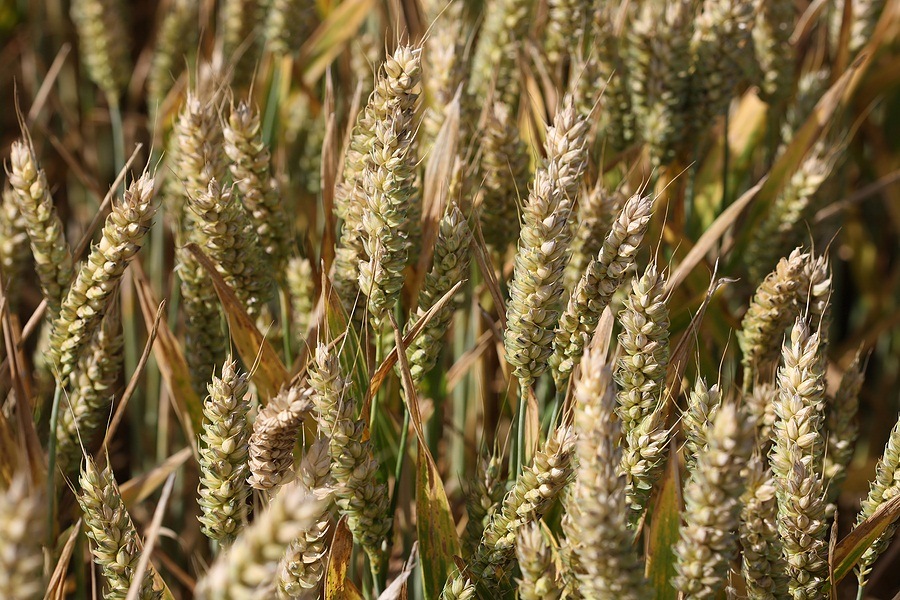
Fortunately, recent research has looked beyond the modern dogma which claims that the “gluten” found in wheat varieties is toxic to human health, focusing instead on how wheat is grown and processed, since the gluten from grains has been a part of the diet of humans for many thousands of years and was always considered healthy.
We have published much of this research ourselves in recent years. Here are some articles we have published in the past:
There have also been studies done in the past looking at the gut’s microbiome and repairing that to properly digest gluten:
More recent studies, many of them done in Turkey where einkorn (known as Siyez in Turkey) is native, and not an introduced crop (like in the U.S.), have shown that einkorn is unique in producing lactic acid bacteria and other “probiotics” necessary for gut health.
This is accomplished by using traditional “sourdough” preparations of the flour.
Enterococcus durans SL70, a Novel Exopolysaccharide Producer from Traditional Sourdough Fermentation of Einkorn (Triticum monococcum L. ssp. monococcum)
Research background
Given the potential of microbial exopolysaccharides from lactic acid bacteria in various industrial processes, alternative sources for the isolation of lactic acid bacteria are highly topical. In this study, we used a traditional sourdough from einkorn (Triticum monococcum L. ssp. monococcum) as a source of lactic acid bacteria for the isolation, identification and determination of exopolysaccharide producers.
Experimental approach
The sourdough was prepared from einkorn according to the traditional method. Lactic acid bacteria were isolated and purified using the single colony technique on MRS and M17 media. The isolates were characterised using matrix-assisted laser desorption ionization-time of flight mass (MALDI-TOF) spectrometry. All isolates were analysed for extracellular polysaccharide production and one isolate was selected for purification and characterisation of its polysaccharide.
Results and conclusions
The isolates were identified as Lactobacillus plantarum, L. paraplantarum, L. brevis, Pediococcus pentosaceus, Enterococcus faecium and E. durans. The production of exopolysaccharides by all lactic acid bacteria was evaluated and it was found that all strains (except one) were capable of producing exopolysaccharides. One polysaccharide (EPS-SL70) was purified from the isolates of E. durans SL70. This anionic heteropolysaccharide had, in addition to the carbohydrate backbone, a protein structure that did not contain nucleic acid. The carbohydrate backbone consisted of mannose, glucose, rhamnose, arabinose, xylose and galactose.
Novelty and scientific contribution
The microbial flora of traditional einkorn sourdough has been identified in this study and represents the first report on the exopolysaccharide production by lactic acid bacteria in traditional einkorn sourdough. Additionally, Enterococcus durans from einkorn sourdough was identified as a new exopolysaccharide producer.
In another study done in Turkey, they added einkorn flour to “Peksimet“, a traditional Turkish twice-baked bread valued for its hard, dry texture, long shelf life, and role as a durable staple food in Turkish and Turkish-Cypriot cuisine.
They found that the einkorn flour resulted in a significant decrease in the glycemic index, which is important for those suffering from diabetes or high blood sugar due to the consumption of too many carbohydrates.
In vitro glycemic index, acrylamide content, and some physicochemical and sensorial properties of special dried bread (Peksimet) enriched with einkorn wheat (Tiriticum monococcum L.) flour
Introduction
Bread is the most consumed basic nutrition source in the world. Bread is an important nutrient product in terms of being cheap, satisfying, and a good source of energy. In general, a bread comprises 50.5% carbohydrates, 37%, 8.7% protein, 3.2% fat, and 2.0% ash, and 100 g of bread provides an average of 270 kcal of energy (Yuksel and Kayacier 2022).
Since ancient times, dough has been prepared by adding flour to products containing lactic acid bacteria, such as yogurt and cheese. Afterwards, new yeast is obtained by leaving this dough to ferment in a warm environment. Then, a new fermentation process is performed with this yeast to make new dough.
This process is called sourdough leavening, and the bread obtained by this method is called sourdough bread (Hansen and Schieberle 2005). Bread prepared through the sourdough method has a short shelf life due to the high humidity level it contains. For this reason, these breads are dried and turned into peksimet to increase their shelf life (Axel et al. 2017; Çağlar 2020).
Peksimet is a food product that is produced by removing moisture from bread and can remain unspoiled for a long time. The definition of peksimet by the Turkish Language Institution is as follows; “It is a long-lasting bread that is cut into slices after baking and dried with heat.” (Çağlar 2020).
One of the most important concerns of the food industry is the shelf life of foods. Bread has a short shelf life because of problems such as staleness and mold (Axel et al. 2017; Yuksel and Kayacier 2022). However, peksimet can be easily consumed as it can be stored for a long time. In addition, peksimet gains new nutritional properties such as high enzyme-resistant starch and low glycemic index during the drying period. (Çağlar 2020).
Siyez (Triticum monococcum L. subsp. Monococcum) belongs to the genus Triticum breed. It is referred to as einkorn in the literature.
The genetic structure of einkorn, which is accepted as the ancestor of wheat, is a diploid (14 chromosomes). The contents of einkorn wheat are as follows: 11.6% moisture, 65% carbohydrates, 2.8%–4.2% fat, 2.3%–2.8% ash, and 11.83–25.2% protein. In addition, einkorn wheats have high carotenoid (maximum lutein: 8.1 mg/kg), tocopherol (tocol: 77.96 mg/kg), and phenolic contents.
Thanks to these compounds, which are known as functional compounds, einkorn products are healthier than (Hidalgo and Brandolini 2014; Loje et al. 2003).
The aim of this study was to enrich peksimet with einkorn flour in order to present a new healthy peksimet product with long-term self-life for the food industry. For this purpose, after drying the breads prepared with sourdough, peksimet samples were collected and the physicochemical, color, bioactive, and sensory properties of these samples were investigated.
In the U.S., einkorn is an introduced crop that is gaining in popularity. Unfortunately, most of the einkorn samples we have tested that were grown in the U.S. have been contaminated with Bayer/Monsanto’s glyphosate, the toxic, cancer-causing ingredient in the herbicide RoundUp.
We have had much better success in finding einkorn that tests clean of glyphosate in Italy, where it is also an introduced crop.
Now that I know what the Turkish word is for einkorn (Siyez), I am in the process of reaching out to my Turkish contacts to begin the process of hopefully sourcing einkorn from Turkey, where it is native to the region, known as part of the “fertile crescent” where einkorn and other, older forms of wheat originated.
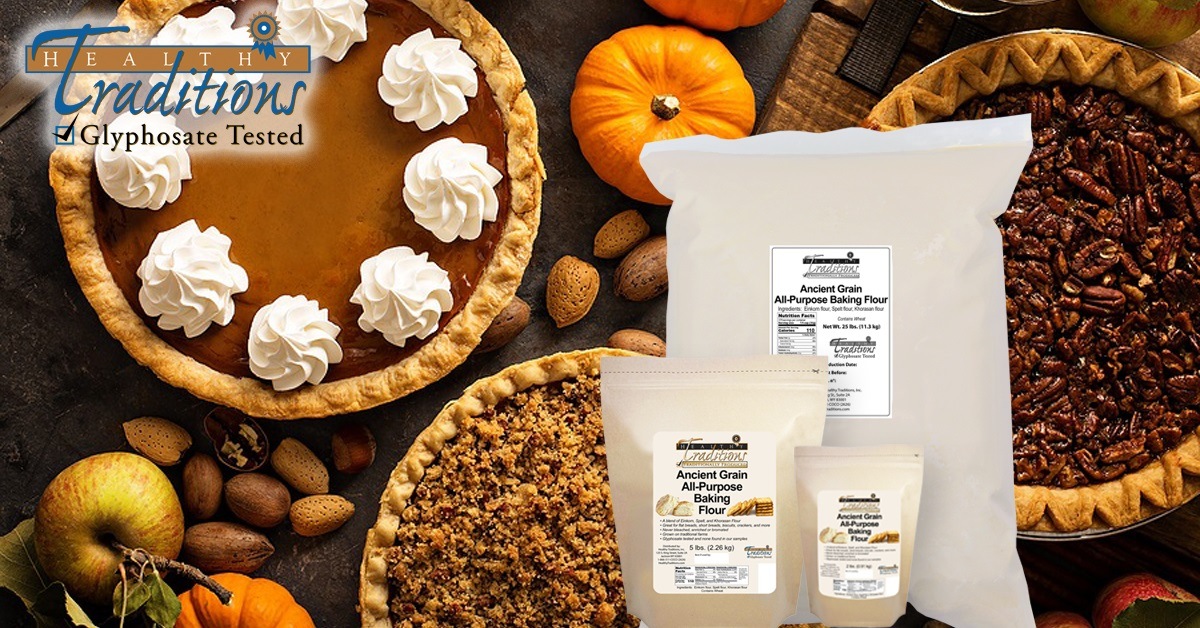
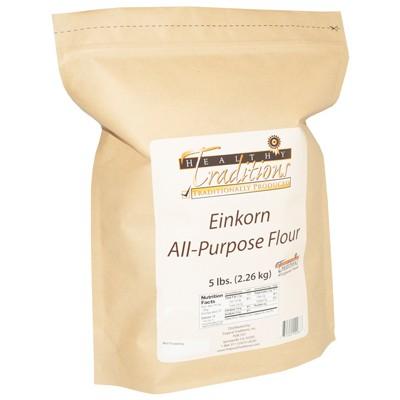
You can see the current einkorn products we sell from my Healthy Traditions store here.
This article was written by Human Superior Intelligence (HSI)
See Also:


Having problems receiving our emails? See:
If our website is seized and shut down, find us on Telegram, as well as Bitchute and Odysee for further instructions about where to find us.
If you use the TOR Onion browser, here are the links and corresponding URLs to use in the TOR browser to find us on the Dark Web: Health Impact News, Vaccine Impact, Medical Kidnap, Created4Health, CoconutOil.com.
The post Einkorn: The Oldest Ancient Grain Rapidly Gaining Attention from Researchers for Superior Gut Health first appeared on Health Impact News.