Login

Ukraine is buying 135 mobile shelters for border crossings as Russian drones reach from the Danube to Poland
Ukraine plans 135 basic mobile shelters for civilians at 28 of its border crossings, the State Agency for Restoration and Infrastructure Development said on 7 October.
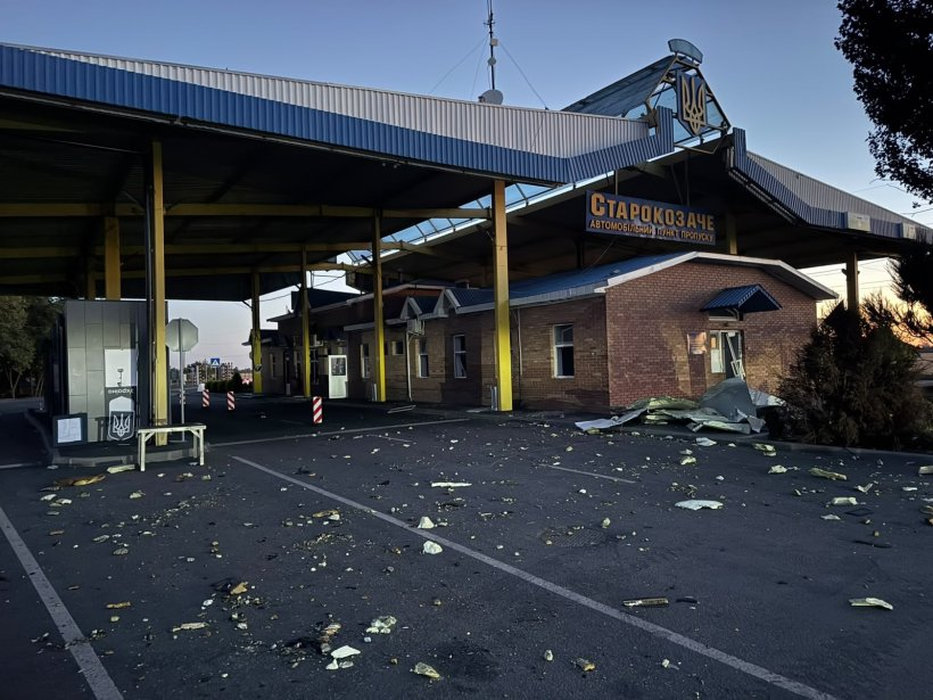
Since the start of September, Russian drones have repeatedly struck crossings on Ukraine's borders with Moldova and Romania. Since mid-September, strikes have also reached the Polish border near the Yahodyn crossing in Volyn Oblast. On 13 September, a Russian drone strike set a gas station near the crossing on fire. On 28 September, the blast wave from another strike damaged the checkpoint building. On 25 September, First Deputy Minister for Restoration, Infrastructure and Transport Serhii Derkach said Ukraine is exploring with its neighbors whether some checkpoints could move onto their territory. No agreement has been reported. On 2 October, Moldovan Interior Minister Daniella Misail-Nichitin said Moldova had set up shelters next to its crossings with Ukraine and started relocating staff from joint checkpoints.
135 shelters for travelers and border staff
The shelters will stand at the crossings and on the roads leading to them. Regional recovery services in Vinnytsia, Odesa, Chernivtsi, Zakarpattia, and Volyn oblasts are running the purchases. The agency said the shelters will make the border safer for people crossing it and for checkpoint staff.

In Chernivtsi Oblast, one of the 10 tenders the agency lists on Prozorro, Ukraine's public procurement system, covers eight shelters for 50 people each and three for 20 each, Ukrinform reported. They will stand on the approach road to the Porubne–Siret international crossing on the Romanian border. The work is expected to cost UAH 38.5 million (about $855,000), excluding VAT.
Russian strikes on crossings
On 5 October, at about 09:38, a projectile fell near the Palanca–Maiaky–Udobne crossing on the Moldovan border. It ricocheted off the ground into a shuttle bus parked by the barrier and also damaged a control booth. One Moldovan border officer suffered light injuries, and the crossing was suspended, Moldova's Border Police said, linking the incident to Russia's attacks on Ukrainian infrastructure. Moldovan authorities did not specify the projectile's type or origin.
Overnight on 9 September, Russian drones struck the Starokozache crossing with Moldova, killing two people and injuring three. On 1 September, Russian Shahed drones hit the Orlivka ferry crossing on the Danube, opposite Romania's Isaccea, and temporarily shut it down. Another Russian strike on 6 September halted the crossing again.
Read also
-
Two ships sunk and a third set ablaze off NATO coasts in two days, and neither Bucharest nor Sofia will say “Russia”
-
ISW connects drone crashes in Moldova and Romania, a Starlink fire in Poland, and a Berlin airport shutdown into one Russian pattern
-
Latvia stops armed migrant push from Belarus, then loses border cameras to masked raiders hours later