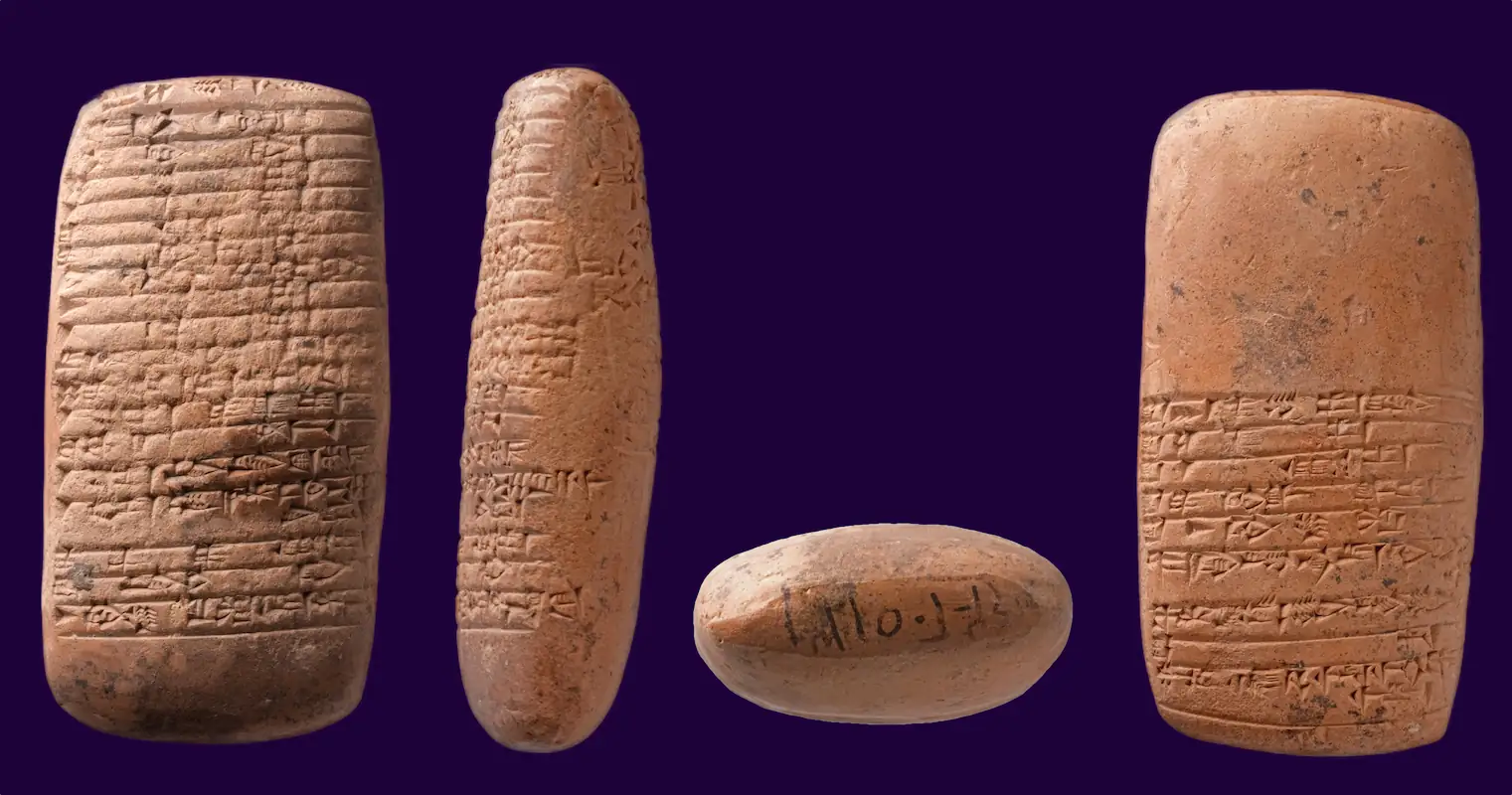
Cada una de estas tablillas cabe en la palma de una mano (la más pequeña mide poco más de tres centímetros y la mayor, 11,5) y casi todas hablan de lo menos glamuroso que puede guardar un museo: cuentas de cebada, jornales, medidas de zanjas. Leídas en conjunto, sin embargo, ayudan a rellenar un hueco […]
Each of these tablets fits in the palm of a hand. The smallest measures a little over 3 centimetres (1.3 inches) across and the largest 11.5 (4.5 inches), and nearly all of them deal with the least glamorous things a museum can hold: sacks of barley, daily wages, the size of ditches. Read together, though, […]
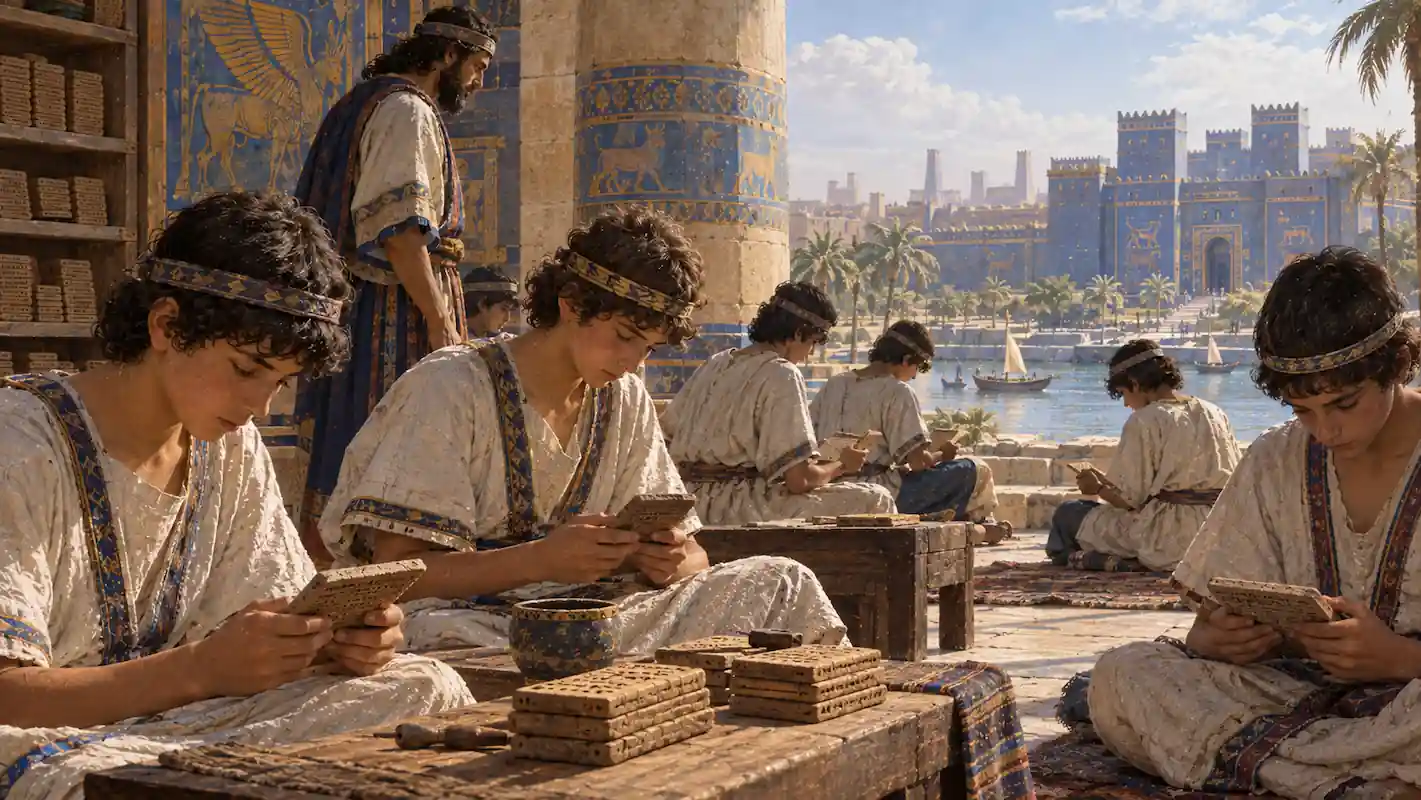
Que un imperio entero pudiera funcionar sin una sola clase de Religión suena, visto desde hoy, casi imposible. Y sin embargo así educaba Babilonia a los hijos de sus familias más pudientes hace dos mil quinientos años: no había una hora a la semana dedicada a los dioses, ni un libro de texto que hiciera […]
Some 2,500 years ago, Babylon trained the sons of its wealthiest families without a single weekly hour devoted to the gods. There was no textbook that worked as a Bible either. Religion was everywhere and in no particular subject, spread through sign lists, writing exercises and arithmetic drills. A study published in the journal Iraq […]
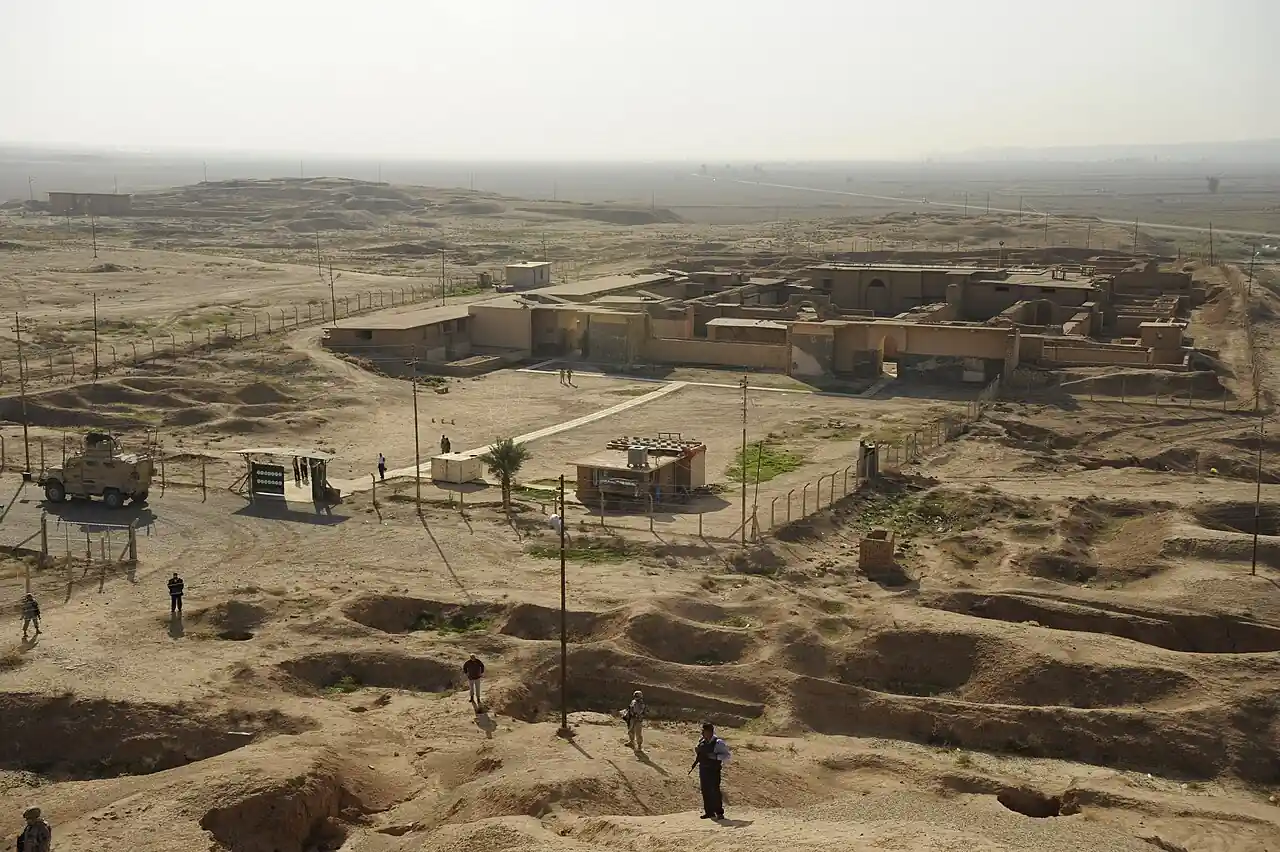
Durante casi dos siglos, los arqueólogos que excavaron en Nimrud, una de las capitales del Imperio Asirio en el actual norte de Irak, centraron su atención en la colina de la acrópolis. Allí desenterraron palacios, templos y enormes relieves de piedra que narraban las hazañas de los reyes. Pero la ciudad que se extendía a […]
For nearly two centuries, archaeologists excavating Nimrud, one of the capitals of the Assyrian Empire in present-day northern Iraq, focused their attention on the acropolis mound. There, they unearthed palaces, temples, and massive stone reliefs depicting the deeds of kings. But the city that spread at its feet—an extensive area of 340 hectares surrounded by […]

 Login