Login

The Far Left Fans the Flames as France’s Classroom Revolt Turns Violent
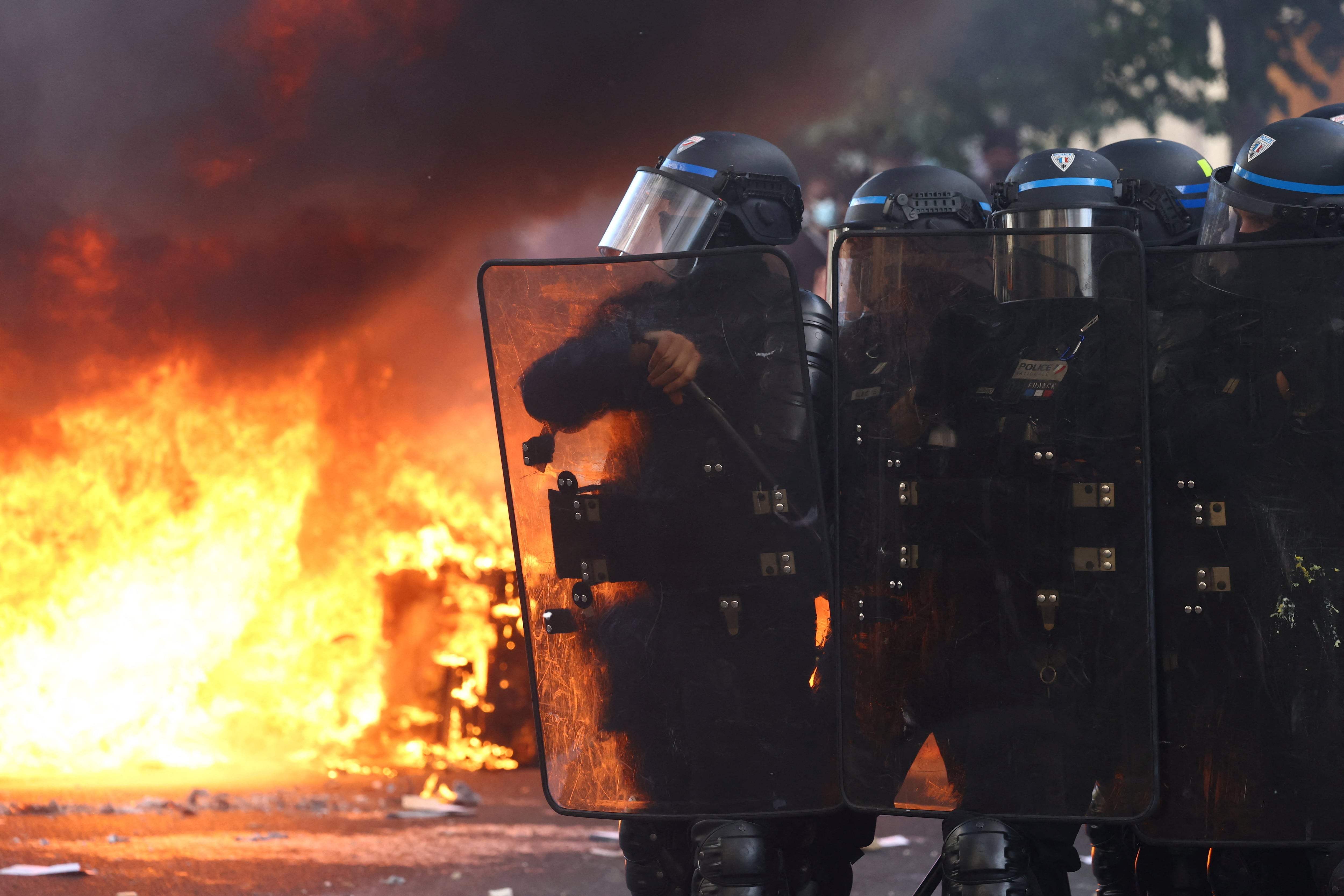
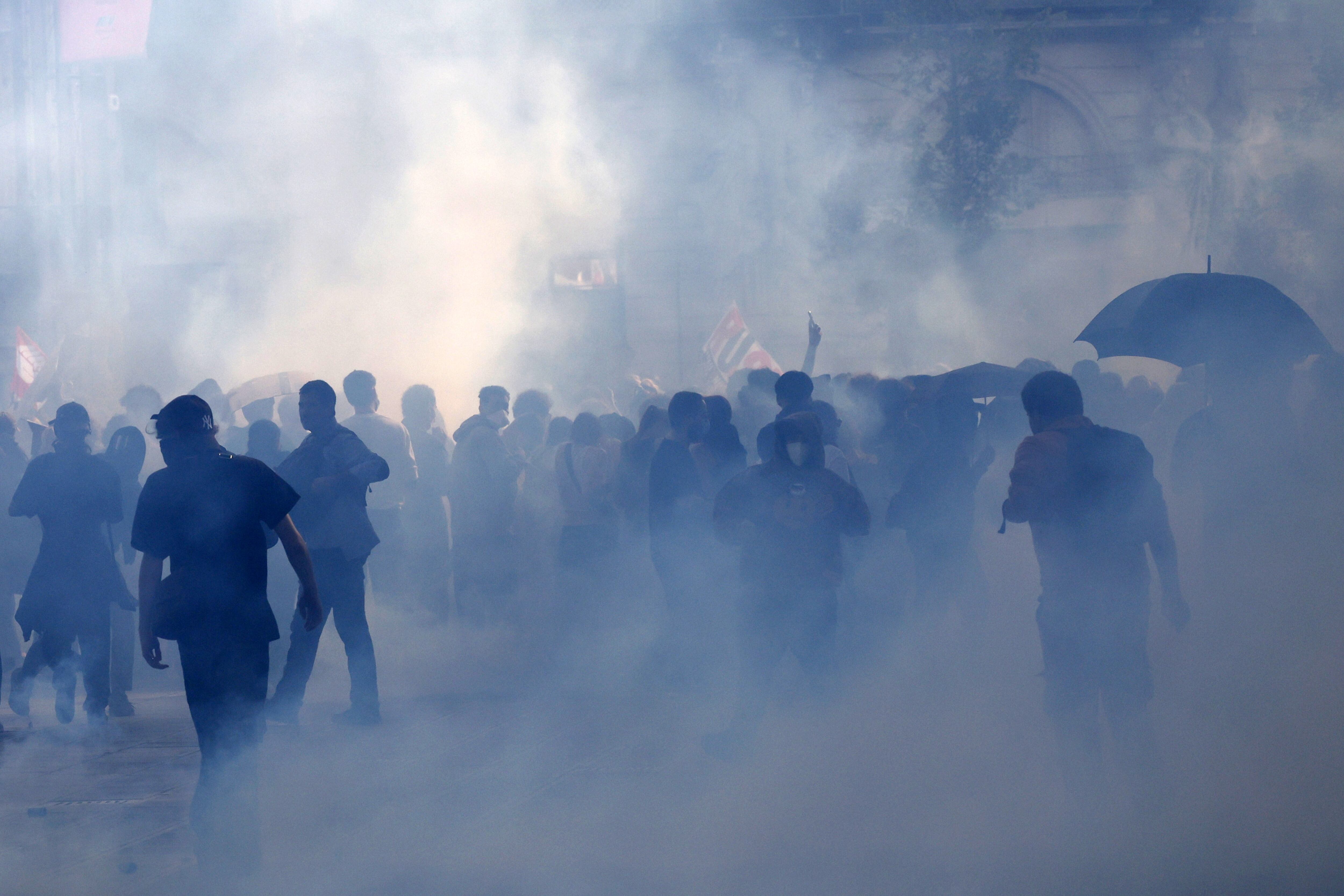
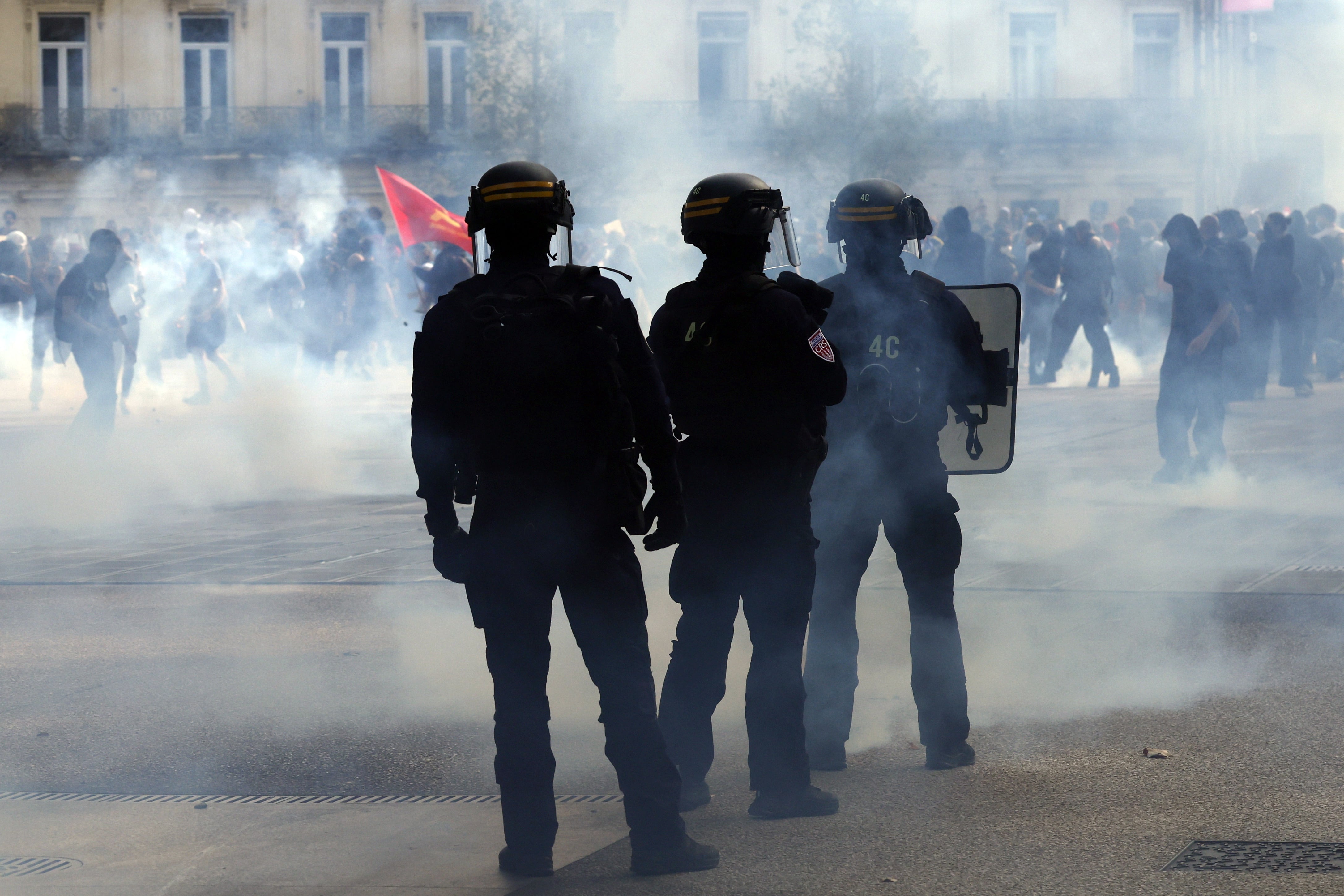
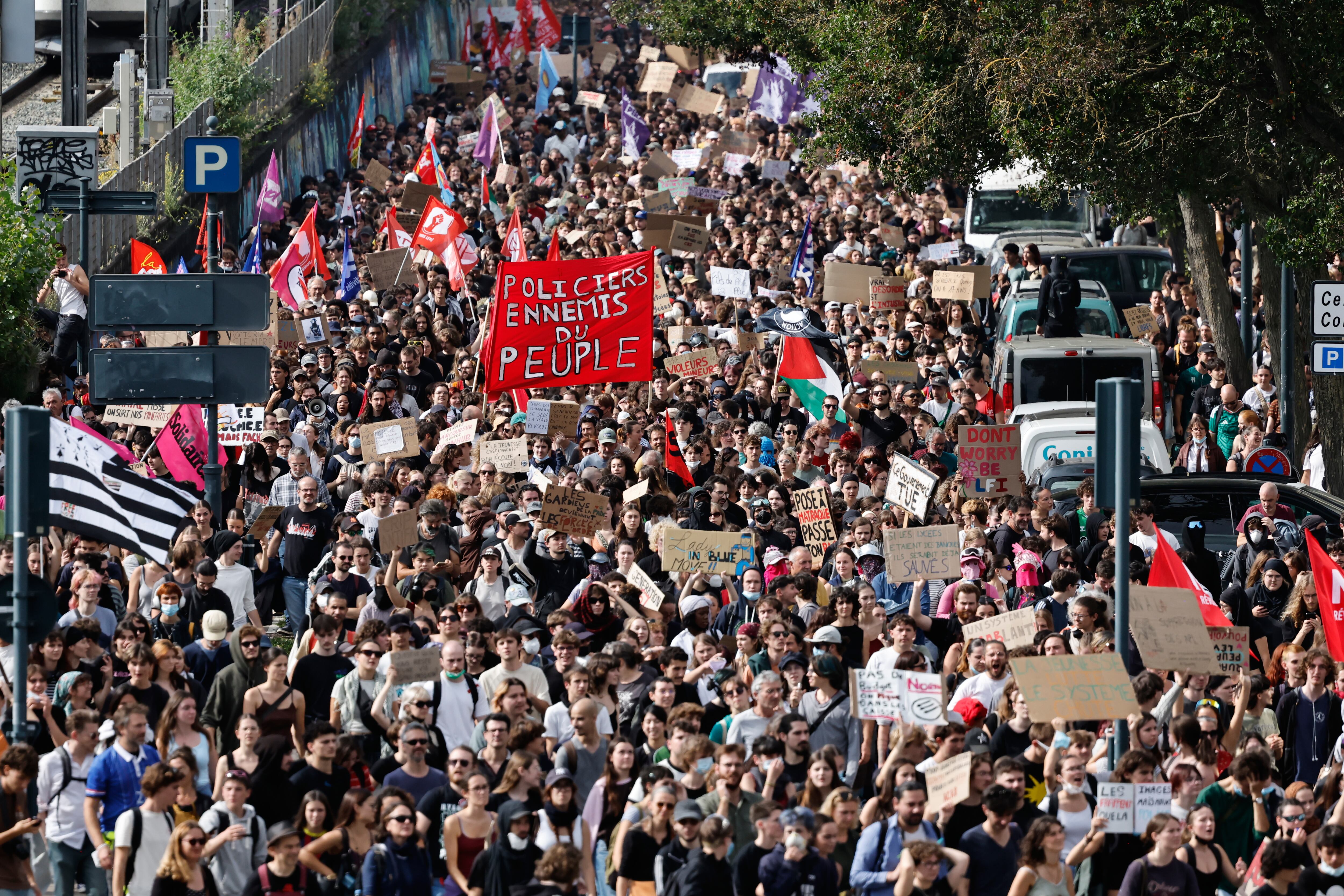
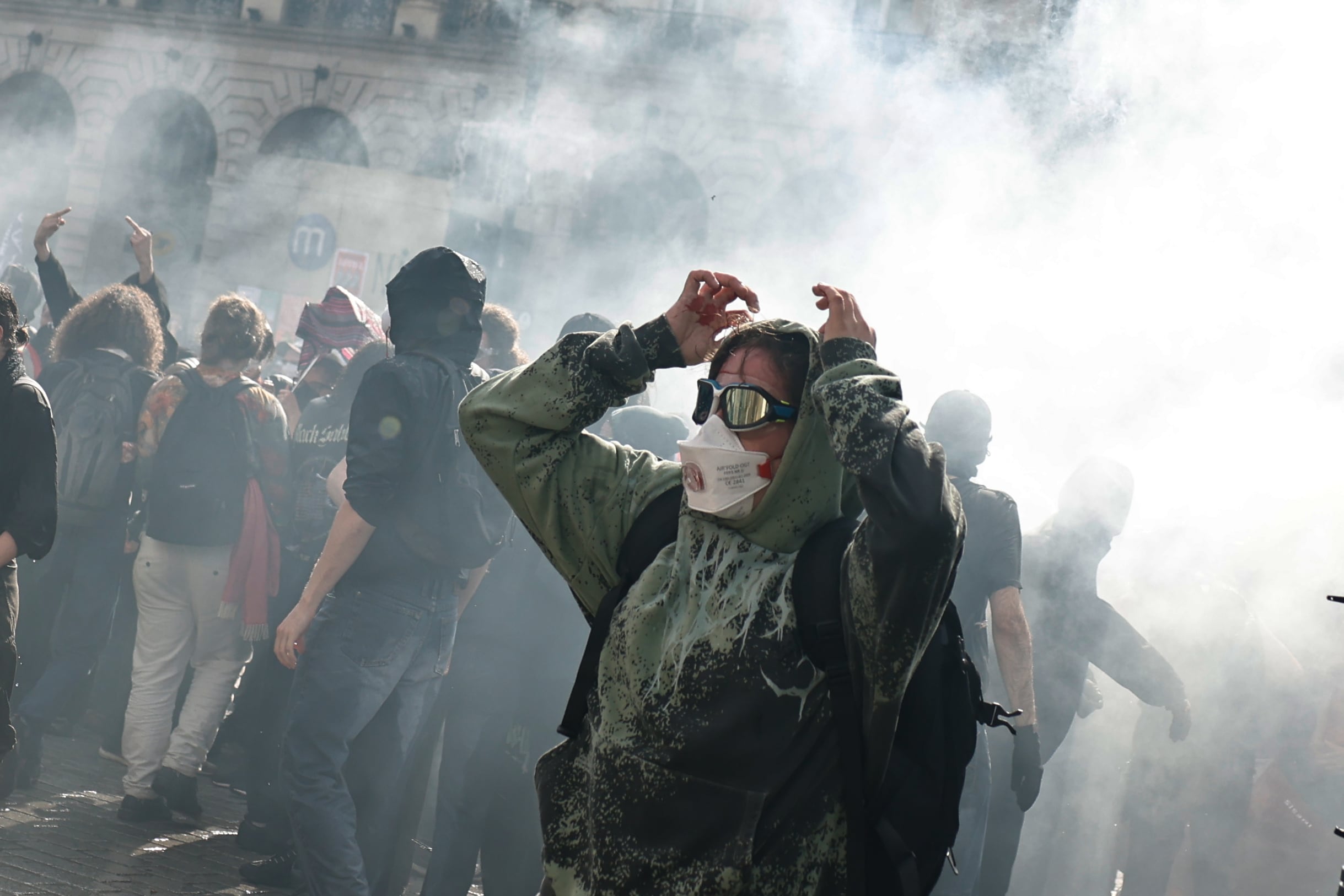
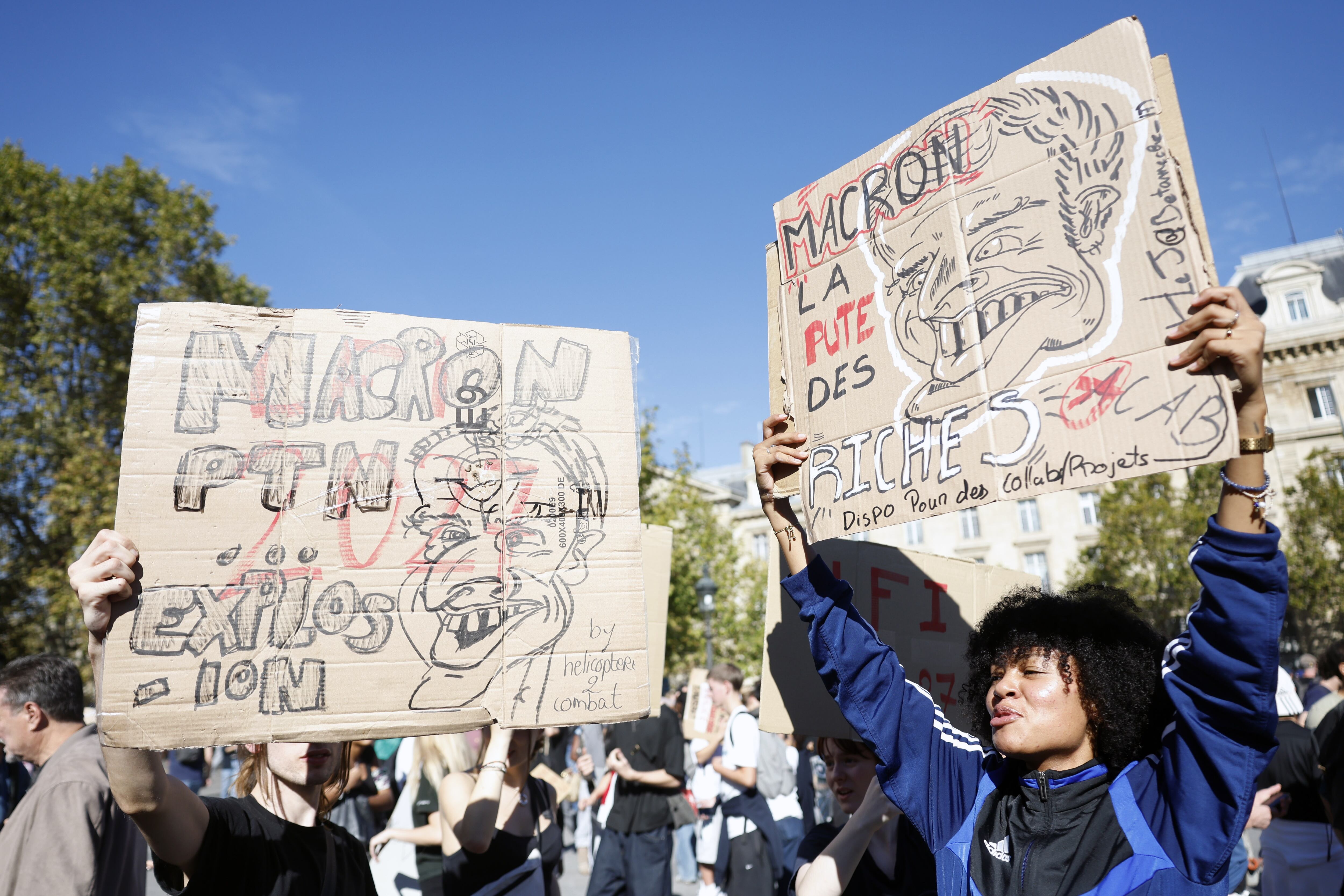
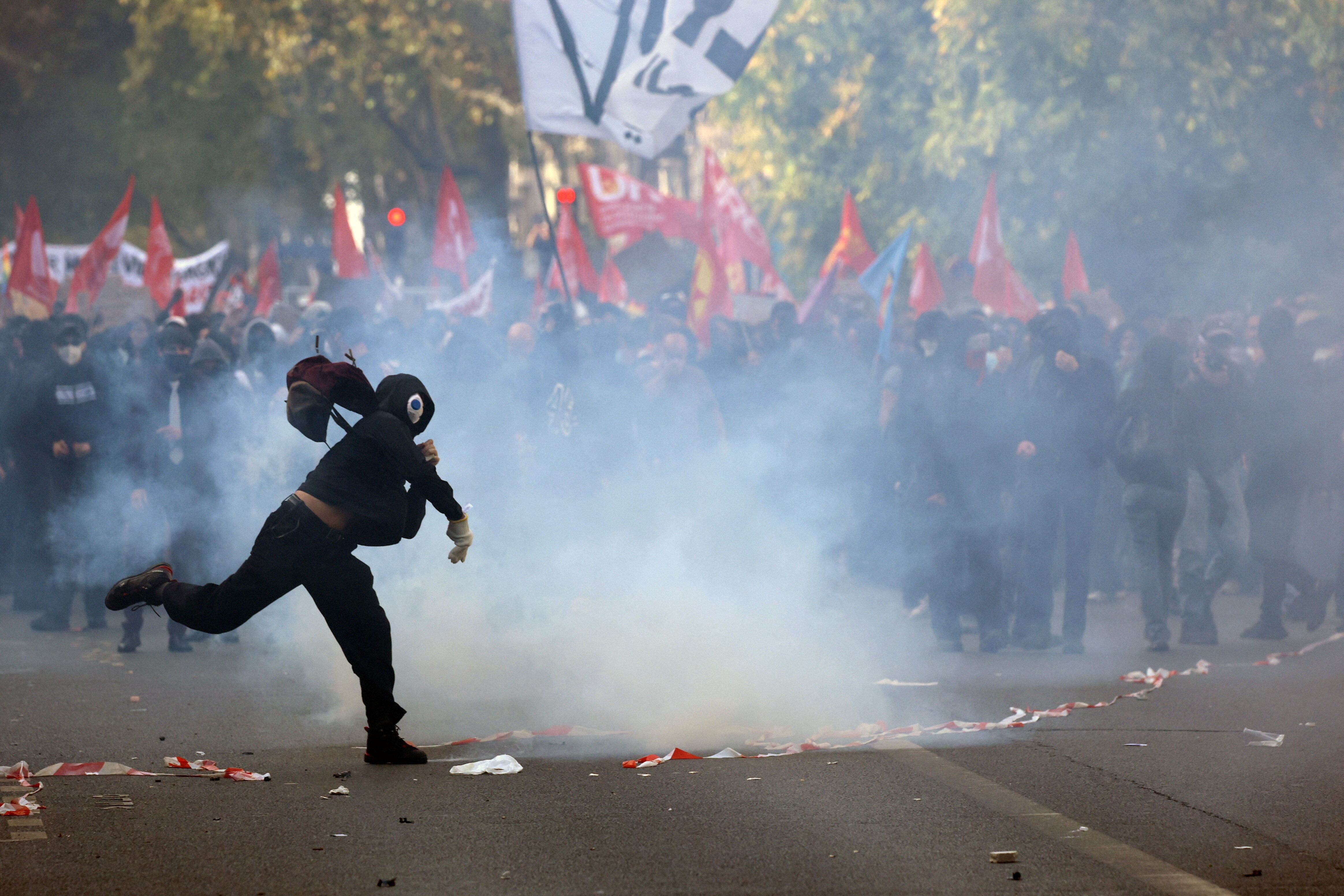
France’s schools are burning, police officers are being injured, barricades are appearing outside classrooms and teenagers are being drawn into confrontations that have travelled a very considerable distance from complaints about absent teachers and dilapidated buildings.
Hovering over this combustible mixture is Jean-Luc Mélenchon. The leader of La France Insoumise (LFI) insists that his movement neither controls nor directs France’s extraordinary wave of student protest. He has now explicitly advocated non-violent methods. That defence deserves to be recorded.
But it does not dispose of an uncomfortable political question: who benefits when legitimate teenage frustration is transformed into a wider revolt against the French state?
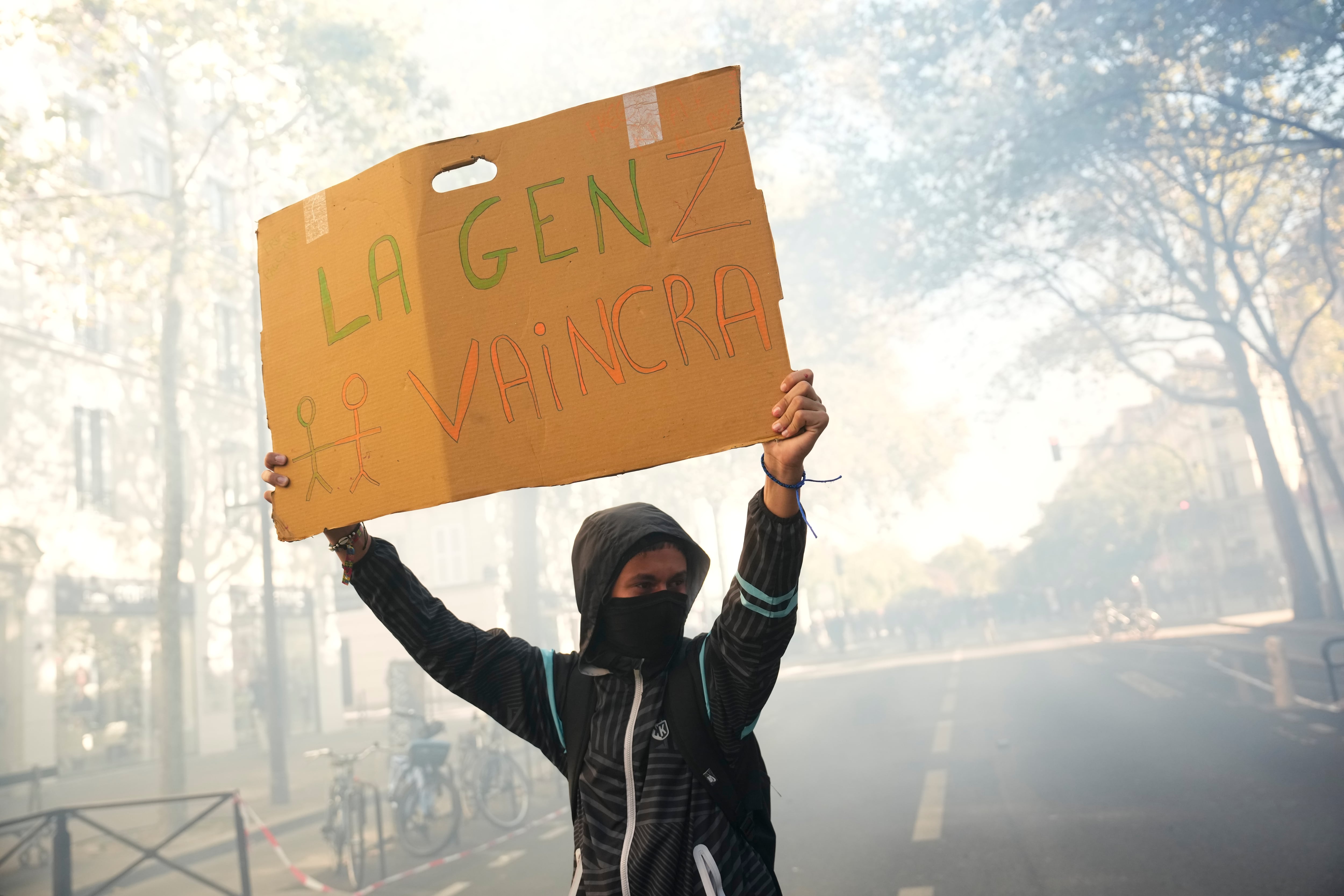
For Mélenchon, the answer is potentially obvious. The disturbances began with genuine grievances. Pupils complained about teacher shortages, overcrowding, poor facilities and the pressures of the French education system. The original protests in Créteil appear to have been spontaneous rather than the creation of a political party. That distinction matters. France’s teenagers should not collectively be caricatured as revolutionaries simply because some demonstrations subsequently descended into violence.
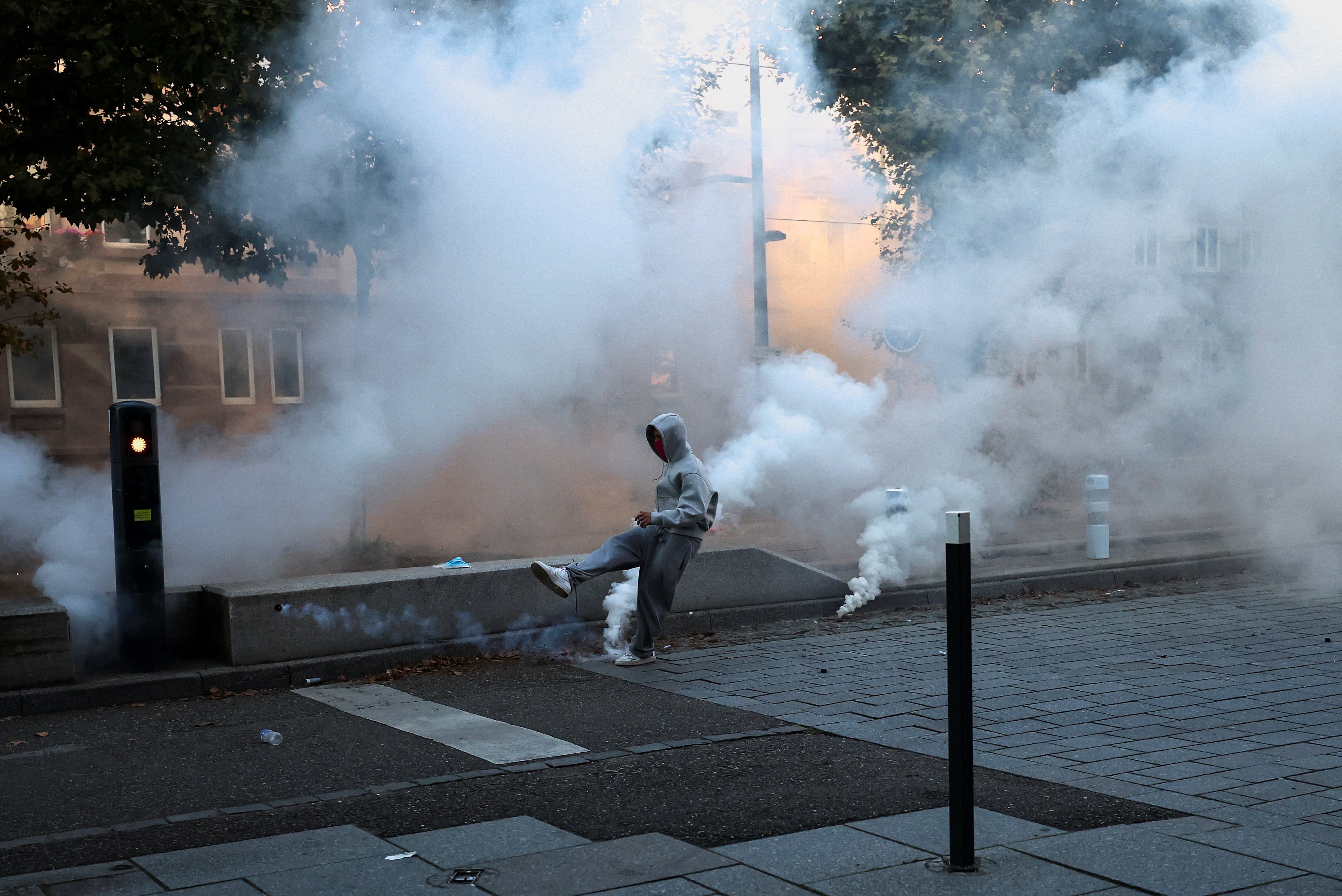
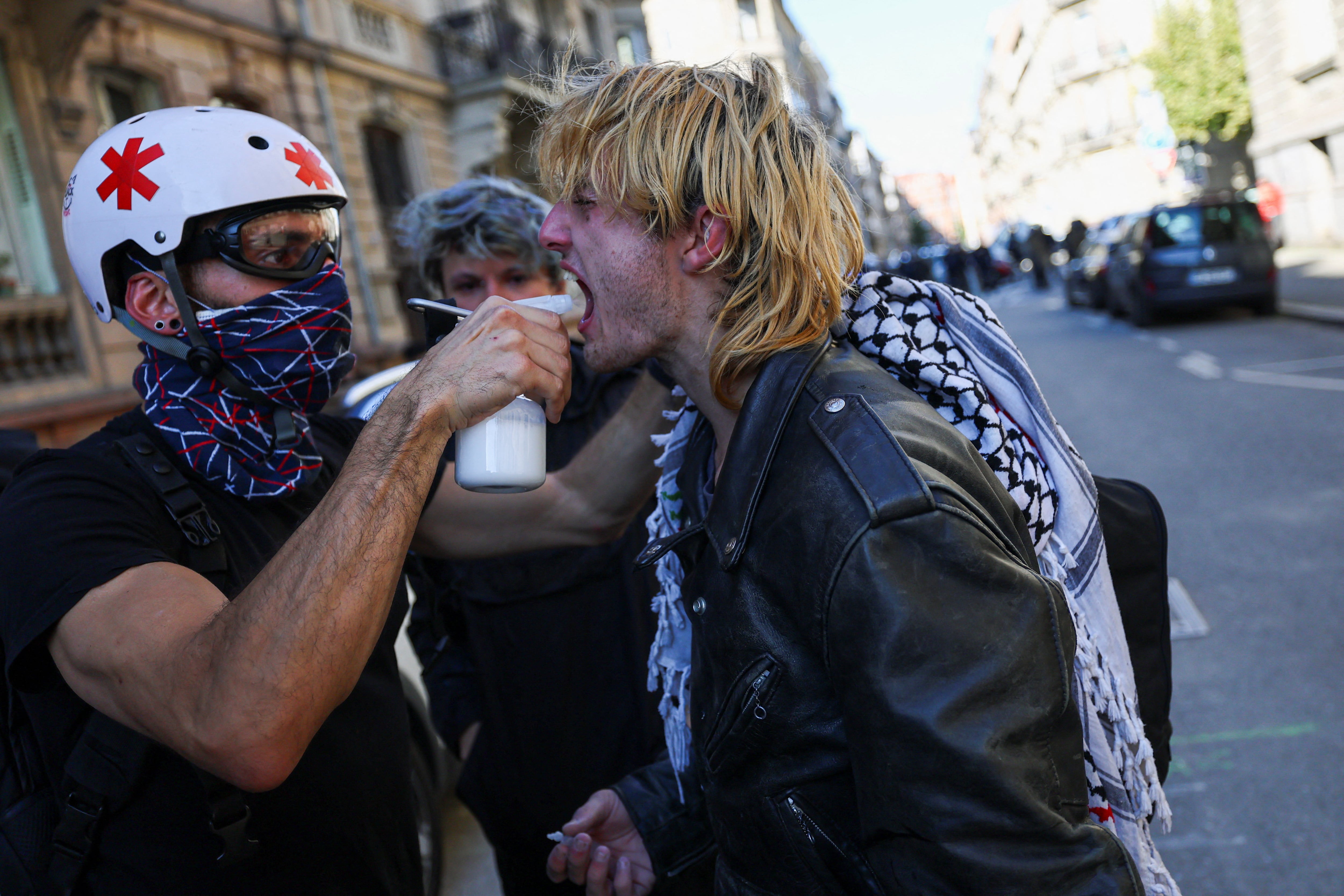
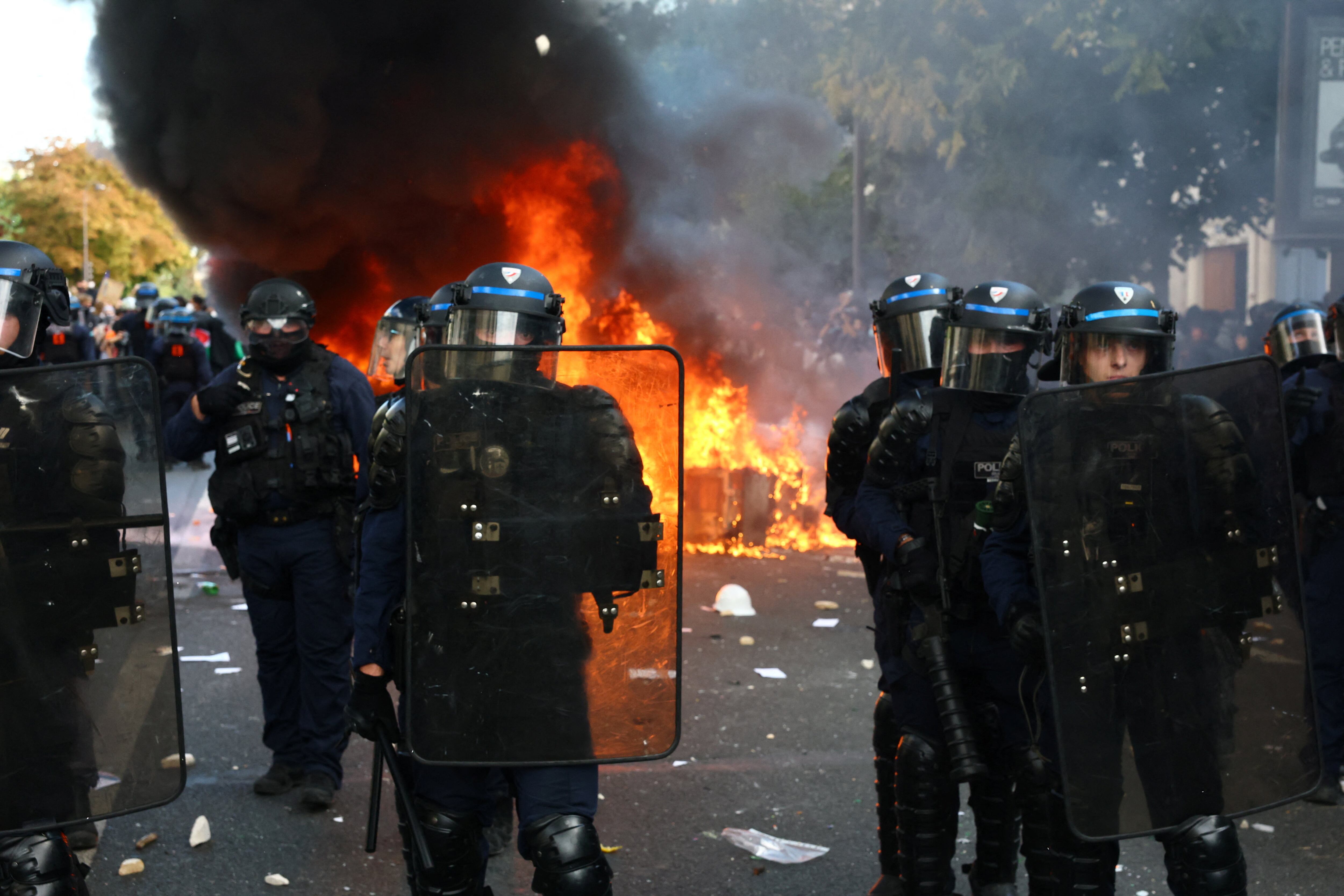
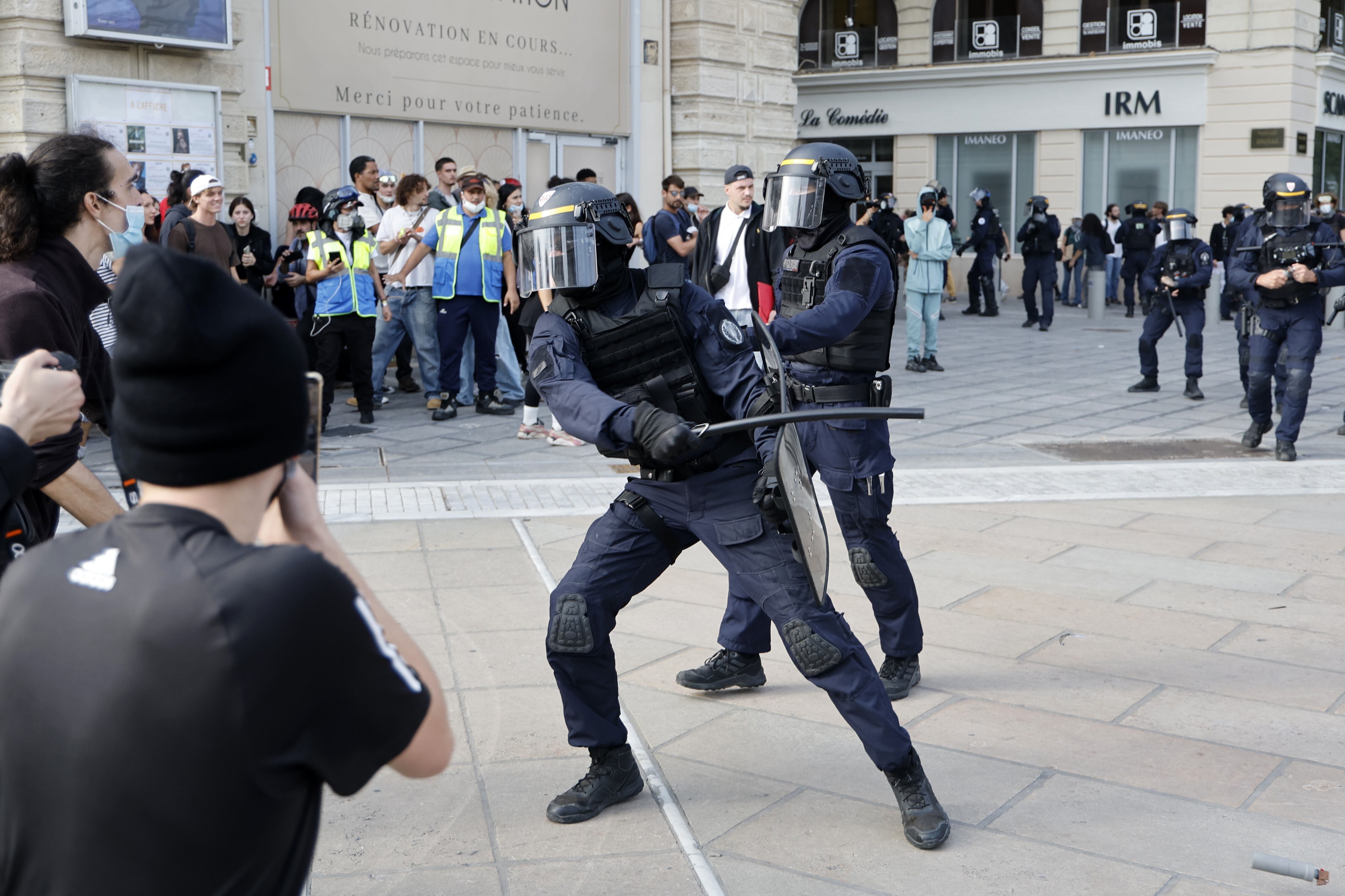
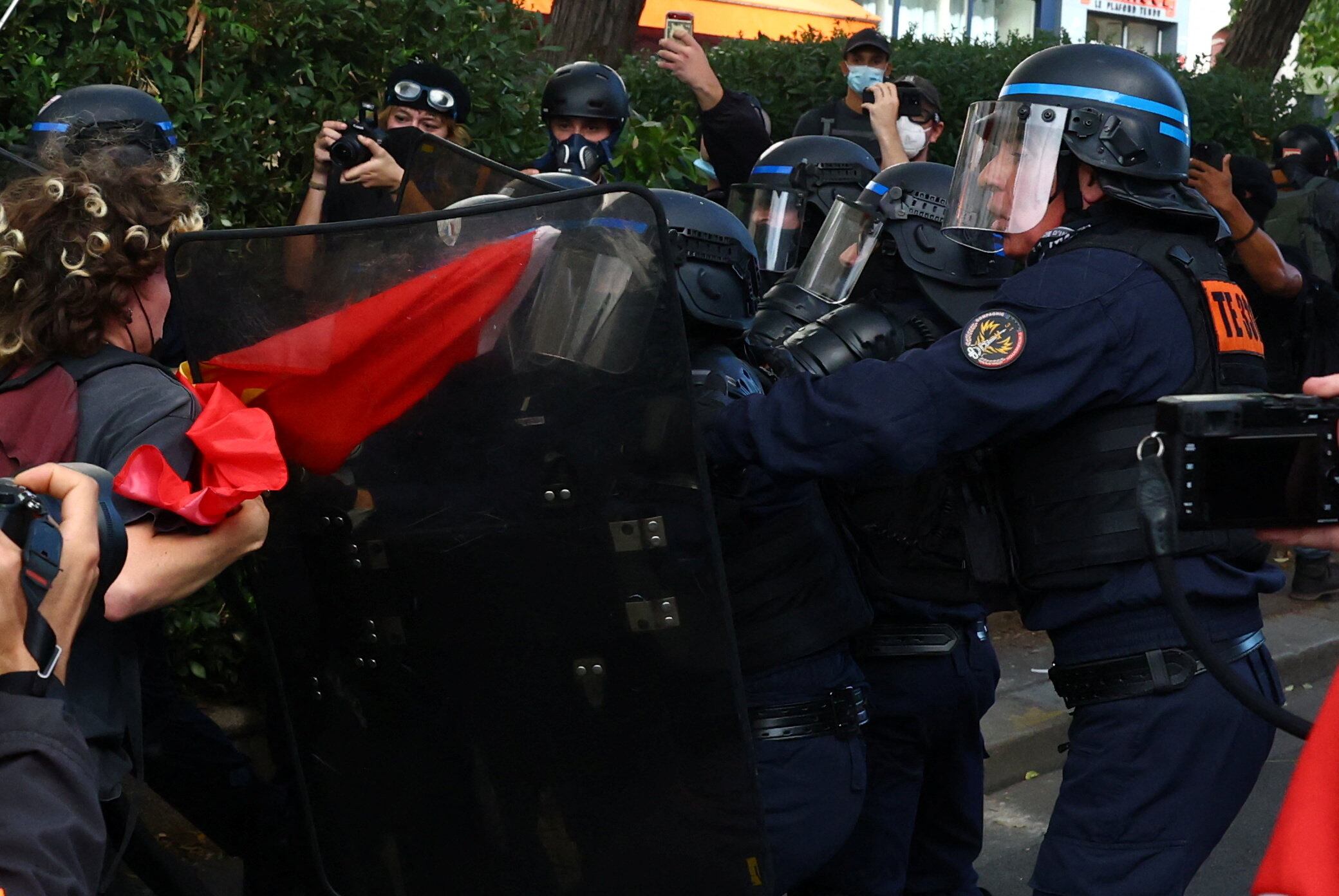
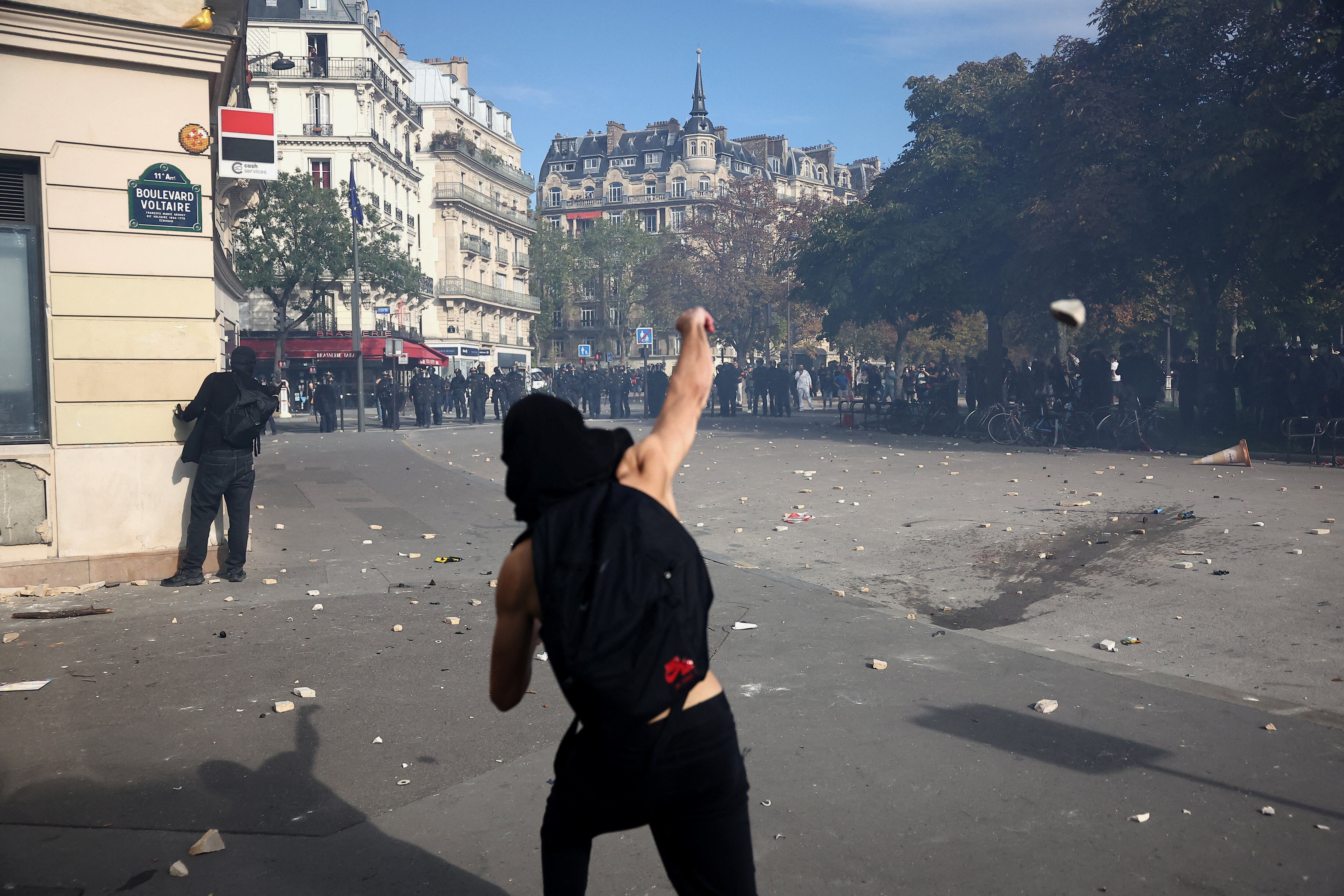
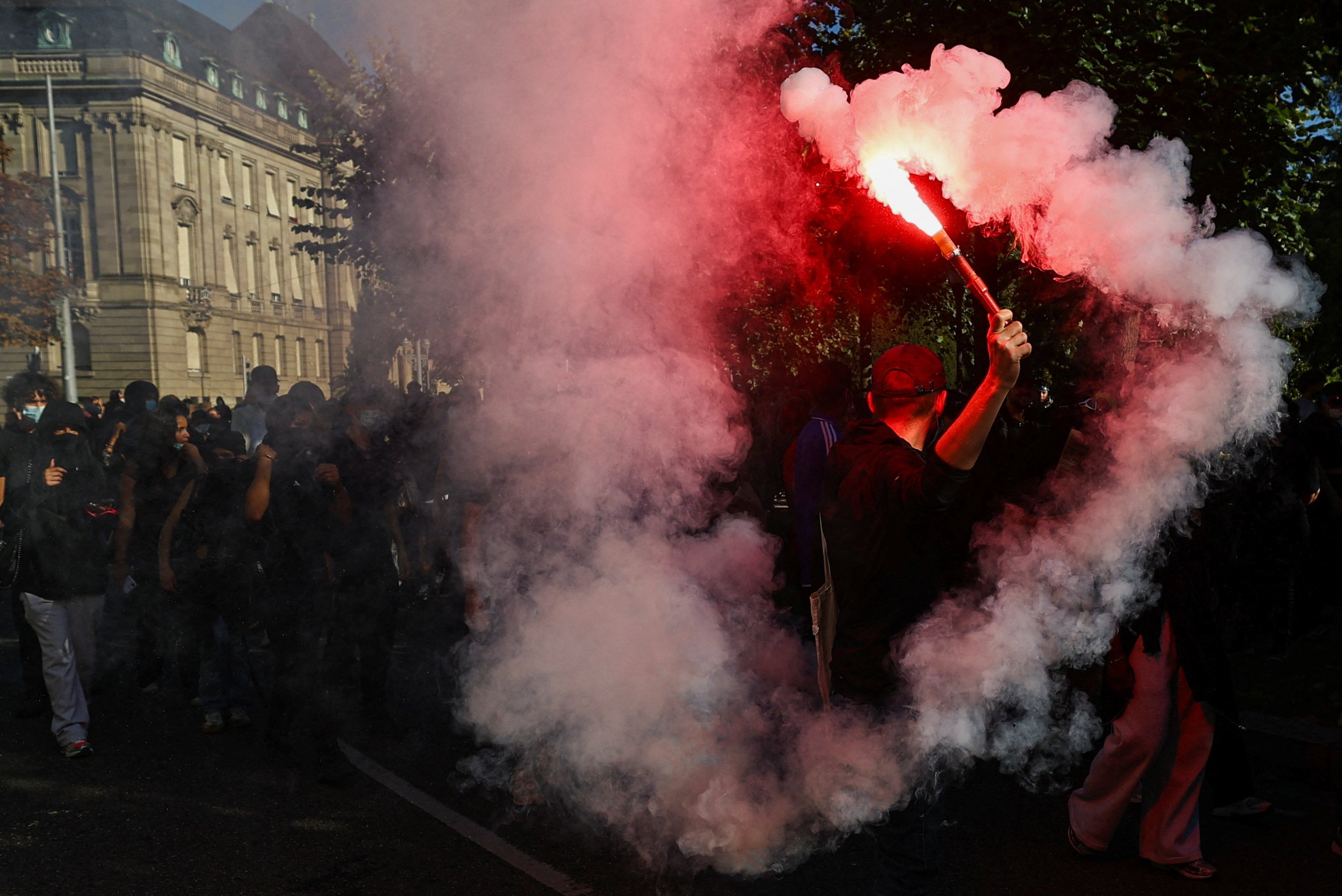
But what followed was something quite different. Schools were attacked and fires started. Cars were torched. Explosive fireworks and other projectiles were directed at police. By October 1st, Reuters reported hundreds of arrests and incidents of arson in several French cities. French intelligence agencies, according to a source close to the prime minister cited by Reuters, told a government crisis meeting that hard-left politicians had played a role in initiating the spreading protests. LFI emphatically denied the allegation.
That dispute should not obscure what is visible. LFI politicians have been remarkably eager to place themselves alongside the protesters. MPs Clémence Guetté and Louis Boyard appeared at the original Créteil mobilisation; Boyard turned his intervention into a TikTok video reportedly watched 1.5 million times. Other LFI representatives have similarly appeared around demonstrations. Le Monde describes the party as closely following protests and notes that this proximity simultaneously strengthens LFI’s relationship with young voters and leaves it associated with the movement when violence erupts.
Where Mélenchon’s political opportunism deserves scrutiny.
France is heading towards the 2027 presidential election. Younger voters are potentially one of Mélenchon’s greatest political assets, but also one of his greatest organisational problems: sympathy does not automatically become votes when younger citizens disproportionately abstain.
Recent polling reported by Le Monde put Mélenchon above 40 per cent among 18-to-24-year-olds in some presidential scenarios. LFI coordinator Manuel Bompard has openly acknowledged the opportunity, saying the movement has enormous room for growth among young people.
One hardly requires Machiavelli to understand the calculation. A generation of teenagers that believes itself ignored by government is politically interesting. A generation persuaded that it is being oppressed by government is considerably more useful.
The transformation is crucial. The original argument concerned teachers, classrooms and school buildings. The developing political narrative encompasses police violence, racism, inequality, Palestine, the far right and hostility towards the political establishment.
Mélenchon did not invent all these causes, nor is there evidence that he commands the young protesters like troops. But LFI understands political insurgency extremely well. Its political vocabulary depends upon conflict between ordinary citizens and an allegedly discredited establishment.
A spontaneous youth rebellion therefore offers almost perfect terrain. Mélenchon initially called upon supporters to “interpose” themselves against what he described as police savagery. Only as images of burning schools, vandalism and violent confrontation became increasingly politically toxic did he place greater emphasis upon non-violence, telling supporters that setting things on fire undermined their cause.
Perhaps that was sincere. But it also illustrates the danger of playing political games with youthful anger. It is relatively easy to tell teenagers that authority is their enemy, the far-left have sung this tune since the 1960’s. It is considerably harder, however, to regain control when confrontation develops its own momentum.
For years, public discussion of “political violence” has often been dominated by the threat from the extreme right. That threat is real and should never be minimised. Indeed, British Prevent statistics for the year ending September 2025 provide an important corrective to anyone claiming that extremism as a whole is overwhelmingly left-wing: 2,103 referrals concerned extreme-right ideology, compared with only 32 categorised as left-wing extremism.
But terrorism statistics and street politics are not the same thing. Europe also has a long-established tradition of violence emerging from anarchist, autonomist and revolutionary-left protest cultures: black-bloc tactics, attacks on police, destruction of property, arson and attempts to turn demonstrations into confrontations with the state. The current French disturbances make it legitimate to ask whether this form of political violence receives the same sustained political scrutiny as violence associated with the extreme right.
In Britain, too, claims of ideological double standards should be examined rather than assumed. Violence and intimidation occurring around demonstrations should be judged according to conduct, not according to whether those responsible march beneath banners fashionable on the Left or Right.
The correct principle is remarkably uncomplicated: political violence is political violence.
Throwing an explosive firework at a policeman does not become morally superior because the person throwing it considers himself anti-fascist. Burning a school does not become progressive because the person holding the match claims to oppose inequality. Intimidation does not become activism merely because its perpetrator believes his politics virtuous.
Nor, conversely, should peaceful demonstrators be branded extremists because violent individuals attach themselves to their cause.
This is a particularly important point in France because there is evidence that radical groups have attached themselves to genuine student grievances. Education Minister Édouard Geffray has distinguished protesting pupils from violent “ultra-left” elements. Former environment minister Delphine Batho, herself once a school-student union leader, has warned of the movement being taken over by the far left and urged pupils to preserve their independence.
Those pupils would do well to heed the warning. Their complaints may be legitimate. They have every democratic right to demonstrate. And allegations of disproportionate police violence must themselves be investigated: teenagers have suffered serious injuries and France has opened internal investigations into police actions.
Young people should ask themselves who is standing behind them — and why?
Mélenchon wants political change. He wants young voters mobilised. LFI wants to convert social discontent into an electoral force capable of reshaping France.
There is nothing inherently illegitimate about that ambition. Every political party attempts to convert public dissatisfaction into votes. The troubling point comes when politicians discover that confrontation itself is electorally useful.
The French government undoubtedly has incentives of its own to emphasise LFI involvement. By presenting the crisis primarily as an extremist public-order problem, ministers can divert attention from the failings in schools that produced the original demonstrations.
But that does not absolve Mélenchon. A responsible politician confronted by angry teenagers should attempt to reduce the temperature while addressing their grievances. An opportunist sees an emerging political constituency.
The danger for France is that its young people cease being participants in a legitimate argument about education and become raw material in somebody else’s struggle for power.
Once that happens, the classroom has ceased to be the issue, and barricades become the political objective.
Paris Attack: Europe Must Not Allow Ideological Violence to Become the New Normal