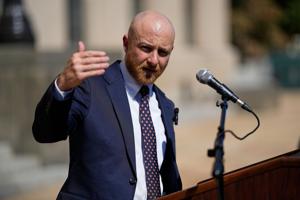
Christa Pike, who survived Tennessee’s attempt to execute her by lethal injection, has been moved back to prison. That is according to a statement by her attorneys released Saturday. The statement says Pike is back at the women’s prison where…
Christa Pike, who survived Tennessee’s attempt to execute her by lethal injection, has been moved back to prison. That is according to a statement by her attorneys released Saturday. The statement says Pike is back at the women’s prison where…
Hurricane Isaias is blamed for at least two deaths, after the storm made landfall on the Florida coast and ran through Alabama. There are numerous reports of downed trees, with hundreds of thousands of people without power.
Hurricane Isaias is blamed for at least two deaths, after the storm made landfall on the Florida coast and ran through Alabama. There are numerous reports of downed trees, with hundreds of thousands of people without power.
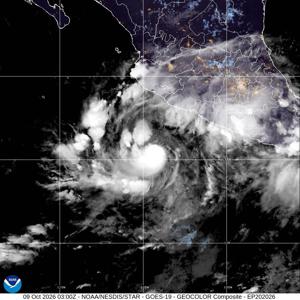
Hurricane Simon has strengthened to a Category 2 storm, approaching Mexico's coast as a major hurricane this weekend, according to the National Hurricane Center. On Friday, maximum sustained winds increased to nearly 100 mph, with Simon expected to strengthen rapidly.…
A settembre Jacob Coxon, un matematico britannico di ventisette anni, ha lasciato Anthropic, dove ricopriva il ruolo di capabilities researcher: lavorava cioè per rendere i modelli più potenti e autonomi. Nel comunicare le dimissioni ha scritto che non voleva più essere parte dei piani dell’azienda per gli anni successivi. Nei giorni scorsi, parlando con il New York Magazine, ha spiegato perché: guardando le capacità previste per la prossima generazione di modelli aveva pensato, molto semplicemente, di avere davvero paura del modello che Anthropic sta per addestrare.
Da mesi l’industria dell’intelligenza artificiale è al centro di un dibattito che va molto oltre la Silicon Valley. A Washington si discute se rallentare lo sviluppo dei modelli più potenti, quali regole imporre alle aziende e quanto ci si possa fidare della loro capacità di controllarsi da sole. I dirigenti dei grandi laboratori si dividono tra chi chiede più prudenza e chi avverte che fermarsi significherebbe lasciare campo libero alla Cina – quindi allo sviluppo di modelli controllati dal governo di Pechino. L’opinione pubblica è forse più preoccupata dei suoi politici, e comincia a chiedere apertamente limitazioni alle nuove tecnologie.
Anche dentro le aziende che stanno costruendo questi sistemi c’è molto fermento. Alcune delle persone che hanno lavorato alla frontiera dell’intelligenza artificiale hanno iniziato a lasciare i laboratori proprio perché non si fidano più della direzione che hanno preso. Molti vanno via perché hanno visto abbastanza. Coxon è tra questi, e nelle scorse settimane è stato intervistato dal New York Magazine con altri sette ex dipendenti di OpenAI, Anthropic e Google DeepMind. Le ragioni per cui se ne sono andati sono tutte diverse – il rapporto con il Pentagono, la perdita di posti di lavoro, la cultura aziendale, la convinzione che la sicurezza si possa studiare meglio fuori dai laboratori – ma nelle loro parole c’è un comune denominatore: più aumentano le capacità dei modelli, più diventa difficile per chi ci lavora mettere in discussione la direzione presa.
Per Coxon non siamo molto lontani dal momento in cui la capacità di discernimento umana diventerà obsoleta, o quasi. Oggi gli enormi modelli di Anthropic, OpenAI o Google hanno bisogno dei ricercatori umani per trovare idee e controllare i risultati, cioè per scegliere una direzione. Forse in un futuro non lontano il ricercatore dovrà semplicemente dire al modello: «Ok, fai buona ricerca», e lasciarlo lavorare. «È una situazione visceralmente spaventosa», ha detto Coxon.
Daniel Kokotajlo, che ha lasciato OpenAI nel 2024, aveva provato a cambiare le cose dall’interno. Poi ha perso fiducia nella capacità dell’azienda di autoregolarsi. «Non credo davvero che le aziende possano essere lasciate a regolarsi da sole», dice. La leadership, racconta, era molto brava ad ascoltare le critiche, dichiararsi d’accordo e poi non cambiare davvero direzione. Fuori dall’azienda, invece, parlando pubblicamente e facendo ricerca, ritiene di avere avuto più impatto.
Le aziende del settore hanno lanciato degli appelli alla regolamentazione – per paura o solo per liberarsi da alcune responsabilità morali, civili e penali – ma sono sempre annunci superficiali. Dopotutto, sono sempre società private che competono per il talento umano, la potenza di calcolo e il vantaggio sui concorrenti, proprio come tutte le società private: ogni scelta di rallentare espone alla possibilità che qualcun altro non lo faccia. E alla fine anche chi considera l’IA pericolosa ha almeno una buona ragione per continuare a svilupparla.
Anthropic è il caso più paradossale. È nata anche dalla convinzione che OpenAI stesse procedendo con troppa disinvoltura verso l’Agi (intelligenza artificiale generale, in grado di superare l’intelligenza umana). Eppure i suoi ex dipendenti la descrivono oggi una società convinta che la competizione sia inevitabile e che fermarsi significhi concedere un vantaggio alla concorrenza. Esattamente come tutte le altre. Jeff Wu, che ha lavorato sia a OpenAI sia ad Anthropic, riassume così la differenza: a OpenAI la narrazione era concentrata soprattutto sui benefici dell’AGI, mentre ad Anthropic è molto più presente quella dei rischi. Ma proprio quei rischi possono diventare una ragione per spingere ancora più forte: se OpenAI e la Cina sono irresponsabili, bisogna arrivare prima di loro.
Coxon descrive un clima di guerra in cui si parla continuamente di quello che fanno i concorrenti, della loro velocità, delle loro intenzioni. E lui ha vissuto dall’interno la quotidianità di Anthropic, cioè la società che vorrebbe sembrare moralmente più retta delle rivali. Da Dario Amodei in giù, tutti ad Anthropic si dicono sinceramente convinti che l’intelligenza artificiale possa diventare una tecnologia tpotenzialmente pericolosa. Ma proprio per questo ritengono di dover restare tra gli attori che la sviluppano. Con un’acrobazia intellettuale che dovrebbe dar loro un’aura da santoni, o da ipocriti.
Le dimissioni dalle aziende da parte dei ricercatori sono la presa d’atto che dall’interno dei laboratori è sempre più difficile incidere sulla direzione presa. Miles Brundage, ex dirigente di OpenAI, ha fondato una nonprofit per sottoporre i laboratori a verifiche indipendenti. «Non puoi lasciare alle aziende il compito di correggere i propri compiti», dice. Le aziende hanno punti ciechi e pressioni competitive: servono dunque controlli esterni.
L’inchiesta del New York Magazine mostra il limite dell’idea che basti rendere più sicuri i modelli. L’argine andrebbe posto prima, nello stabilire chi decide quanto devono diventare potenti i modelli, e chi può decidere di fermare la corsa. Servirebbe una specie di Carta Costituzionale dell’intelligenza artificiale.
Non sappiamo se gli allarmi più estremi siano fondati. E non è impossibile che alcuni di questi ricercatori abbiano buone ragioni personali per enfatizzarli: essere tra i primi a denunciare i pericoli dell’IA è un ottimo modo per costruirsi una reputazione e trovare fuori dai laboratori nuovi incarichi e stipendi più alti. Ma per ora sappiamo che hanno denunciato ciò che hanno visto dall’interno. E forse vale la pena ascoltarli prima di scoprire se avevano ragione.
Hurricane Simon has strengthened to a Category 2 storm, approaching Mexico's coast as a major hurricane this weekend, according to the National Hurricane Center. On Friday, maximum sustained winds increased to nearly 100 mph, with Simon expected to strengthen rapidly.…
This is an edition of the Books Briefing, our editors’ weekly guide to the best in books. Sign up for it here.
The literature of ancient Greece and Rome seems to be in vogue. This summer, Christopher Nolan’s The Odyssey turned Homer’s epic poems into best sellers, and yesterday the Nobel Prize was awarded to Anne Carson, a poet who has made a career of repurposing ancient-Greek works. Perhaps this resurgence has something to do with modern anxieties about the future; people tend to look back to the past in uncertain times. Although I’m glad to see the classics prominently displayed in bookstores, I’m not convinced that they hold a special kind of wisdom that contemporary writing can’t access. For evidence, I look to the work of Carson herself. The poet’s writing updates and remixes ancient verse and mythology, but she does not believe that the past is a manual for the present. As my colleague Walt Hunter explained this week in The Atlantic, “Rather than lulling us with history’s familiarity, she seduces us with its strangeness.”
First, here are five new stories from The Atlantic’s Books section:
Take If Not, Winter, which is both a straightforward translation of the surviving poetry of Sappho and a playful, inventive collection of verse. Carson’s lines evoke the electric current of a marriage bed, the pleasure of beholding a girl’s delicate features, the pulse-quickening touch of the god Eros. These emotions are not lost to time—a reader might know, for example, what it means for a beloved’s voice to put “the heart in my chest on wings”—but there’s still a chasm between Sappho’s experiences and my own. I struggle to imagine the ancient poet’s relationships or daily concerns; similarly, if she could miraculously show up in my time, Sappho likely wouldn’t understand my job, my hobbies, or my marriage. (I imagine she’d be confused about why I describe myself with a name for people from her island: lesbian.)
Carson’s 2010 book, Nox, accordion-printed on a single sheet of paper, mourns her brother’s death in part by employing the work of the Roman poet Catullus, who also suffered the death of a brother. Carson doesn’t imply that she and Catullus feel the same things. Her goal, instead, is to place herself in a tradition that “connects her to Catullus and a community of mourners as old as human history, one that we all belong to or will eventually join,” as I wrote last year.
Communicating with the past has its limits. Carson has said that the classics offer some “glimpses of similarity” in a sea of “unbelievable otherness.” We’re separated by geography, culture, and time; our values and societies are entirely different. But when the ancients wrote, they unspooled a thread that we can follow through the maze of time. It leads us through “the gulf between the present and the past,” as Hunter writes, and brings us somewhere new and worthwhile.
Graeme Mitchell / Redux
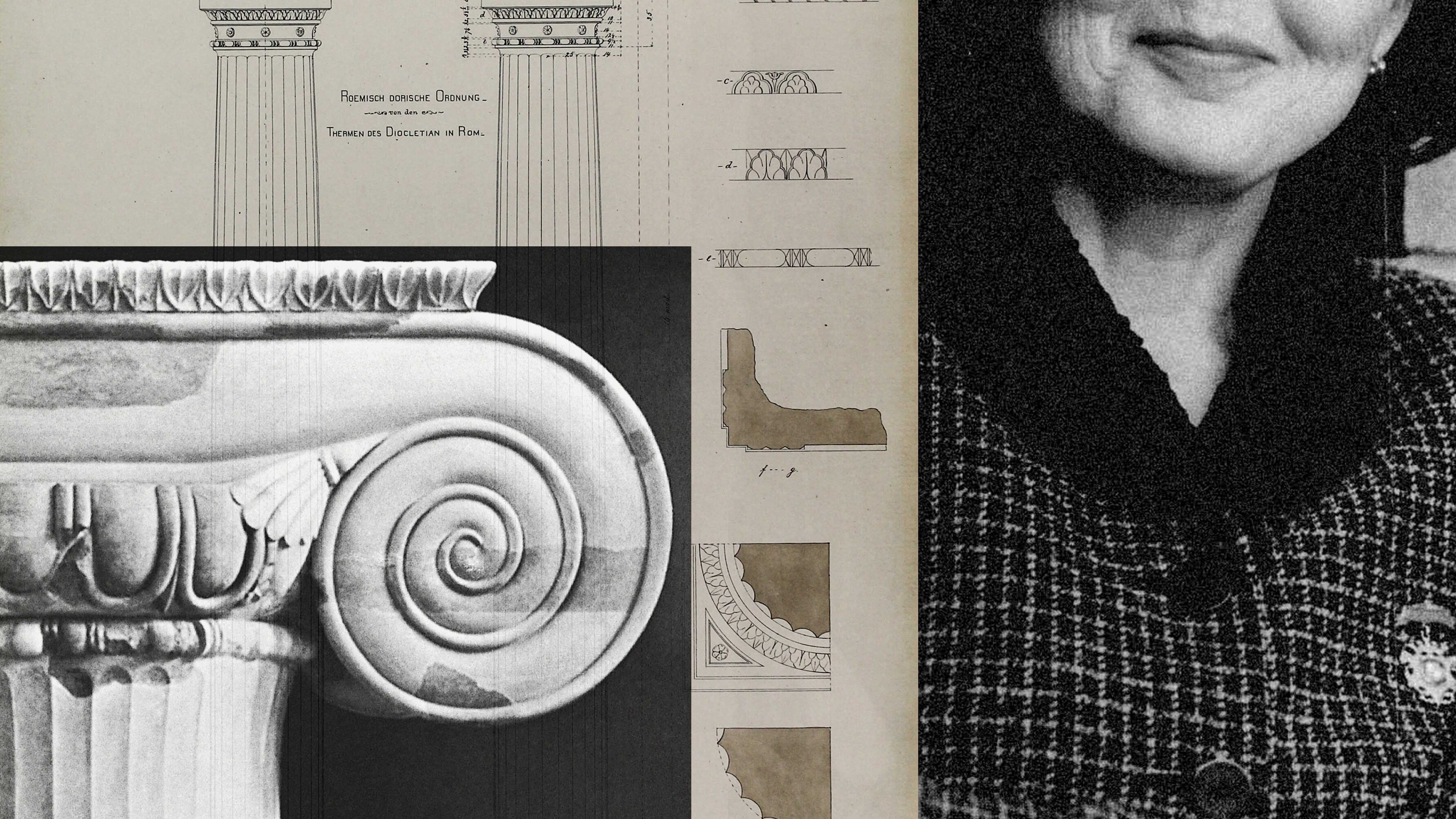
Anne Carson’s Seductive Strangeness
By Walt Hunter
The winner of this year’s Nobel Prize in Literature makes ancient texts feel tantalizingly new.
The Beauty of the Husband is a poetic meditation on love, attraction, betrayal, and bitterness. Carson’s narrator has separated from her husband. Both are writers, though the narrator’s spouse, a womanizer and a liar, borrows heavily from her work—he even uses a phrase she has translated from Homer to open a letter he writes to his mistress. He is also, unfortunately, beautiful, and his “beauty convinces,” the narrator tells us. She confesses that she might be seduced by him all over again if he came near enough. But she keeps her distance, even as he routinely sends letters exalting their love. That space allows her to reflect honestly on their years together: “Why did nature give me over to this creature—don’t call it my choice, / I wasventured: / by some pure gravity of existence itself, / conspiracy of being!” she cries. In hindsight, the partnership feels inevitable; she had little control over loving him, but writing this book is a way to regain her autonomy, or so it appears. The Beauty of the Husband offers a vision of an uneven union, where one person’s outsize presence occupies, even consumes, the mind of the other. — Isle McElroy
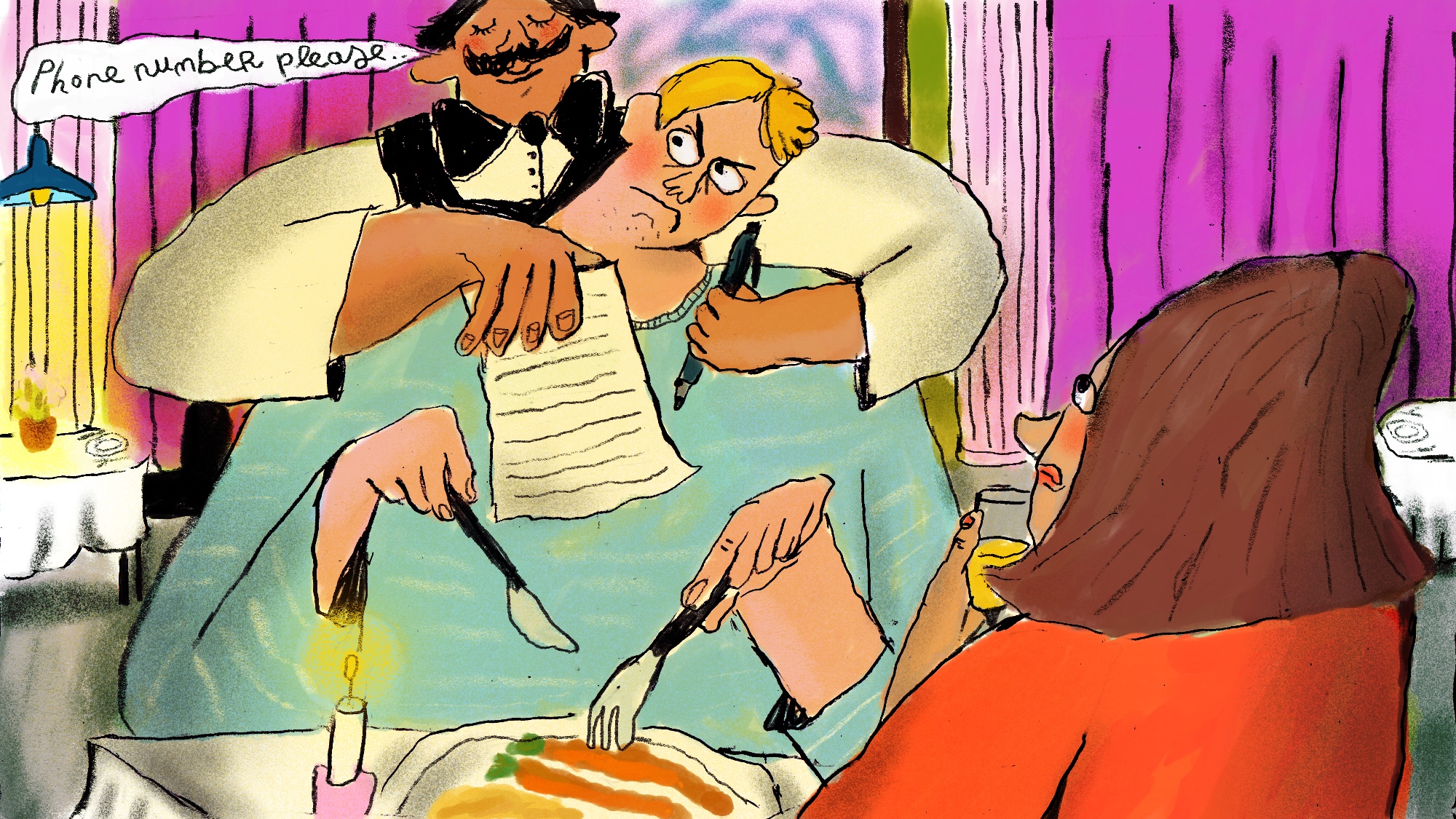
A man walks into a restaurant. He doesn’t have a reservation, but that shouldn’t be a problem; there are ample seats at the bar, visible just over the hostess’s shoulder. “Of course,” she says, smiling. “We can seat you right away.” As she gathers menus, he absorbs the pleasant hum of a busy dining room, breathes in the tantalizing smells from the semi-open kitchen. Then, the hostess stops, Columbo-like, to interrupt with one more question: “And what’s your phone number?”
Thordon Bearings has opened a new manufacturing facility as part of its strategic response to robust growth across all business segments and rising demand for its sustainable bearings and seals....
Hurricane Isaias is growing stronger, bringing a dangerous storm surge to the Gulf Coast. With landfall expected Friday night, Florida Gov. Ron DeSantis urged people to evacuate if needed.
Four astronauts are back on Earth after an eight-month stay at the International Space Station. Their SpaceX capsule splashed into the Pacific on Thursday. The U.S., French and Russian astronauts said before leaving the orbiting lab on Wednesday that they'll…
We are fortunate to live at an incredible moment in history. As more and more AI applications have become available, people have turned to them to seek advice, build businesses, express ideas, learn, and improve their health and quality of life. Nowhere is this more clear than in Asia. AI is already turbocharging small businesses […]
The strength, dynamism and diversity of Asia’s buoyant maritime community will be evident at the 2026 WISTA AGM and Conference gathering in Kuala Lumpur later this month, as industry leaders,...
ABS has issued approval in principle (AIP) and completed a basic design review (BDR) for a natural gas liquefaction system developed by Samsung Heavy Industries (SHI) for the topside of...
Caro Andrea, te ne sei andato in sordina, una mattina… senza disturbare, come eri solito fare, quando partivi all’improvviso, senza preavviso, per terre lontane, dall’Iraq al Kosovo alle montagne afghane, senza paura, senza a cautela, per approdare poi nella Grande Mela, dai tuoi tanti amici, tu che non avevi nemici! Hai finito il tuo ultimo […]
By Mark Smith, Director – Decarbonisation, NorthStandard While corn, sugarcane, wheat, or vegetable oils can be converted into fuel, their use for foodis driving demand to develop waste or bi-products from agricultural, forestry, food-processing and other biological industries as more prudent alternatives. Bio-residues can, for example, be used to derive fuels or fuel...
Depois da estreia, em setembro, no Centro Cultural Malaposta, a peça Boa Noite, Mãe, da Companhia Cepa Torta, será apresentada em outubro em Portimão. Duas mulheres no espaço da domesticidade. Boa Noite, Mãe, de Marsha Norman, venceu em 1983 o Prémio Pulitzer, na categoria de Drama. Miguel Maia, encenador e diretor da Companhia Cepa Torta, decidiu retomar este atual e lúcido texto sobre o desespero de duas mulheres enclausuradas no universo doméstico, dando-lhe um cunho não naturalista. (…)
Em 27 de outubro, os eleitores israelitas vão deslocar-se às urnas para renovar o seu Parlamento. Para lá da questão do futuro político do primeiro-ministro cessante, Benjamin Netanyahu, neste escrutínio está em jogo a confirmação, ou não, do crescimento do sionismo religioso. Esta corrente, que defende a anexação dos territórios palestinianos, contribui para uma polarização extrema da sociedade. A aplicação do projeto sionista demorou várias décadas antes do nascimento de Israel. A (…)

 Login