Login

After 50 EU summits, leaders are still copy‑pasting failed migration ‘solutions’
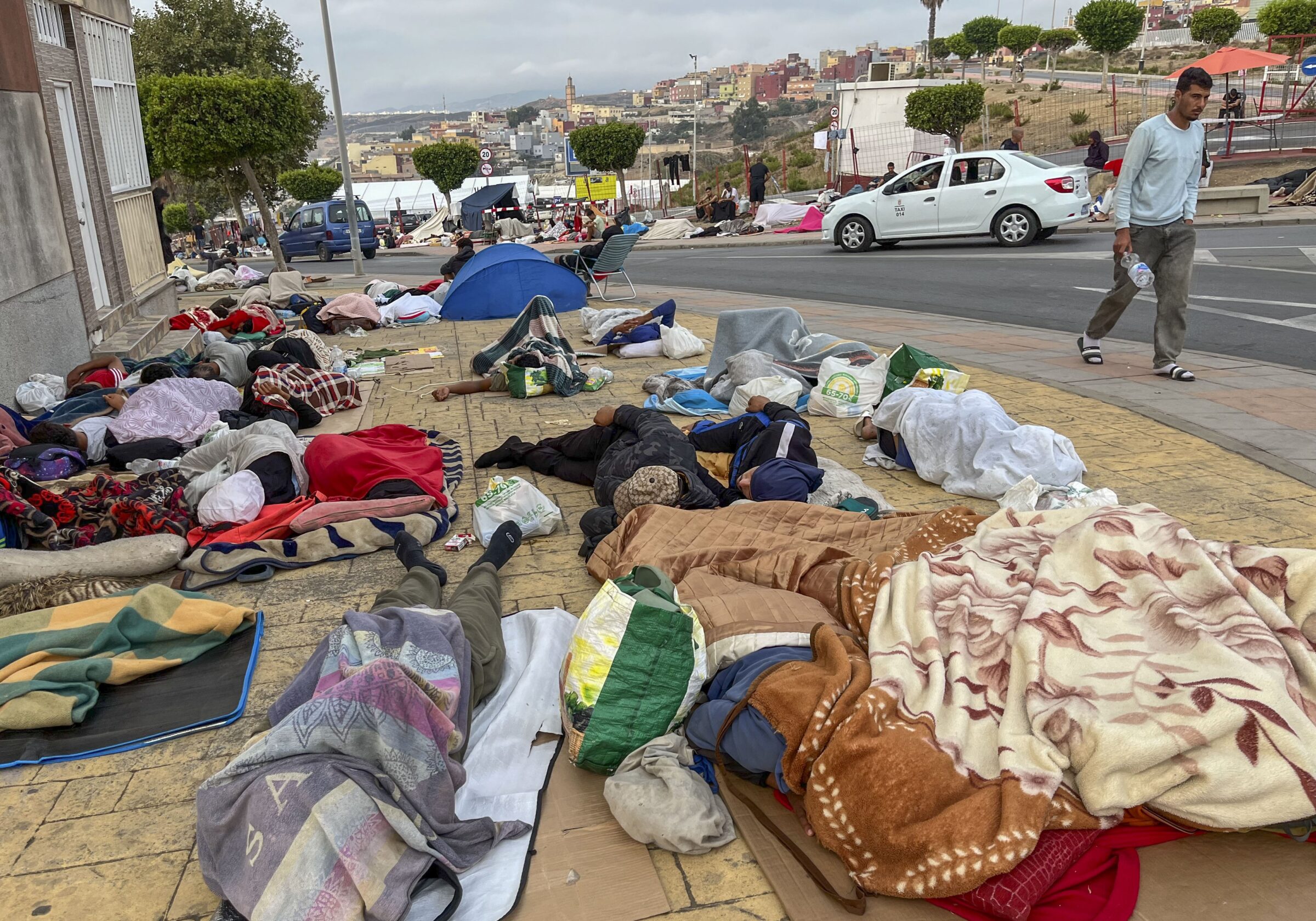
EU leaders meeting next week in Brussels for the usual post-summer European Council are rehashing conclusions on migration, echoing almost word-for-word statements since at least 2015.
“The European Council has developed a strategy aimed at stemming the unprecedented migratory flows Europe is facing,” they announced in December 2015, following a summit.
“It is indispensable to regain control over the external borders,” they also said, noting the perceived threat to the EU’s internal border-free Schengen zone.
And they voiced fear over the low number of deportations, insisting on “concrete measures to ensure the actual return and readmission of people not authorised to stay.”
Eeleven years later and the 15 October summit in Brussels next week is now asking almost the same thing, including to what extent previous conclusions on migration have been implemented.
Although draft conclusions can change, and likely will, the current wording essentially repeats the same demands spanning over 50 EU summits since at least 2015, when over a million Syrians entered Europe to seek protection.
Out of the 52 published conclusions since 2015, over half dealt with migration in some shape or form. The latest draft dated 5 October and seen by EUobserver is among those.
This article continues, but the full version is available only to EUobserver.com subscribers. Visit account.euobserver.com/membership